Embarking on your journey towards improved well-being and weight loss, you might find yourself looking at a fork in the road: one path leading towards the all-encompassing meaty terrain of the Carnivore Diet, the other towards the well-trodden, phased approach of the Atkins Diet. Both diets champion low-carb living as the cornerstone for shedding pounds and enhancing insulin sensitivity. Established by Dr. Atkins, his namesake diet has aided countless individuals to combat the carb conundrum since the 1970s. Unlike the meat only philosophy of the Carnivore Diet, Atkins allows a strategic re-introduction of carbs over time—arguably a kinder transition for your palate and pancreas.
Whether you’re inclined to a strict ketogenic diet where ketosis is your metabolic beacon, or if a high-fat, low-carb intake with more flexibility aligns better with your lifestyle, make an informed choice that suits your health mosaic. As you navigate the seas of nutritional change, consider how these diets will synchronize with your daily routine and long-term health objectives.
Key Takeaways
- The Carnivore Diet encourages a meat only menu, whereas Dr. Atkins’s Diet integrates carbs gradually.
- Both diets target weight loss and improved insulin sensitivity through low carbohydrate intake.
- Understanding your body’s response to ketosis can aid in choosing the most suitable high-fat plan.
- The personal health goals, dietary preferences, and medical history are pivotal in selecting between these diets.
- Flexibility and maintenance are key differentiators between the steadfast Carnivore Diet and the adaptable Atkins approach.
- Whether opting for the Carnivore Diet or the Atkins, the priority is a sustainable, health-focused lifestyle shift.
Exploring Low-Carb Diets: A General Overview
Embarking on a journey to understand low-carb diets, you’ll find that they’re more than just a passing fad. These dietary plans focus on minimizing the intake of high carb foods to transform health and improve well-being. Let’s delve into what defines these diets and their core purposes.
Definition and Purpose of Low-Carb Diets
Low-carb diets are nutritional strategies that emphasize reducing carbohydrate consumption in favor of proteins and fats. This shift away from high carb eating aims for significant blood sugar control, catering especially to those looking for diabetes management options. The primary objective is to stabilize blood glucose levels, which, in turn, may minimize cravings and enhance the body’s ability to burn fat.
Popularity Reasons and Health Benefits
The growing popularity of low-carb diets can be traced back to multiple success stories involving weight loss and improved mental clarity. But it’s not just about shedding pounds—these diets are often associated with reduced inflammation, which is key in long-term disease management. For individuals with diabetes, the controlled carb intake is a beacon for managing their condition more effectively.
While results may vary, the consistent message is clear: incorporating a low-carb diet into your life could potentially lead to healthier outcomes. Yet, it’s essential to proceed with caution and consult a healthcare professional to ensure that it dovetails with your health objectives without compromising on nutrition.
Remember, while low-carb diets offer an array of health benefits, they are not one-size-fits-all solutions. Personalization and professional guidance are paramount to achieving optimal results while maintaining a balanced and enjoyable lifestyle.
Carnivore Diet vs Atkins: The Fundamentals
When you dissect the principles of the Carnivore Diet and the Atkins Diet, it becomes clear that both are built upon the foundation of a low-carb lifestyle. Pioneered by Dr Atkins, the Atkins Diet phases down carb consumption, allowing you to reintroduce them as your body adapts, aiming for gradual weight loss and a maintainable lifestyle. In contrast, the Carnivore Diet adheres to a meat only philosophy, eliminating carbohydrates entirely to sustain a ketogenic state. Below is a detailed table contrasting their approaches to macronutrients:
| Aspects | Carnivore Diet | Atkins Diet |
|---|---|---|
| Carbohydrate Intake | Zero – Meat only | Controlled, Phased Reduction |
| Main Source of Energy | Fat and Protein from Animal Products | Fat and Protein with Strategic Carb Reintroduction |
| Dietary Flexibility | Rigid, No Deviation | Flexible, Adjusts to Individual Needs |
| Macronutrient Focus | High Fat, Moderate to High Protein | Varies with Phases, Emphasizes Personal Tolerance |
| Long-Term Sustainability | Strict Commitment Required | Gradually Increases to Meet Lifestyle |
In line with Dr Atkins‘ research, the Atkins Diet identifies carbohydrates as a predominant factor in weight gain, hence reducing their intake prominently features in its methodology. The Carnivore Diet, meanwhile, relies exclusively on nutrients from animal products, asserting that a diet devoid of carbs can sustain all bodily functions necessary for health and vitality.
Ensuring you understand these fundamental differences is crucial to adopting the diet that aligns with your health goals and personal preferences. Whether you seek the strict routine of a meat only regimen or the structured carbohydrate management of Dr Atkins, both pathways strive to convert the body into a fat-burning, ketogenic state, offering unique avenues to a low-carb lifestyle success.
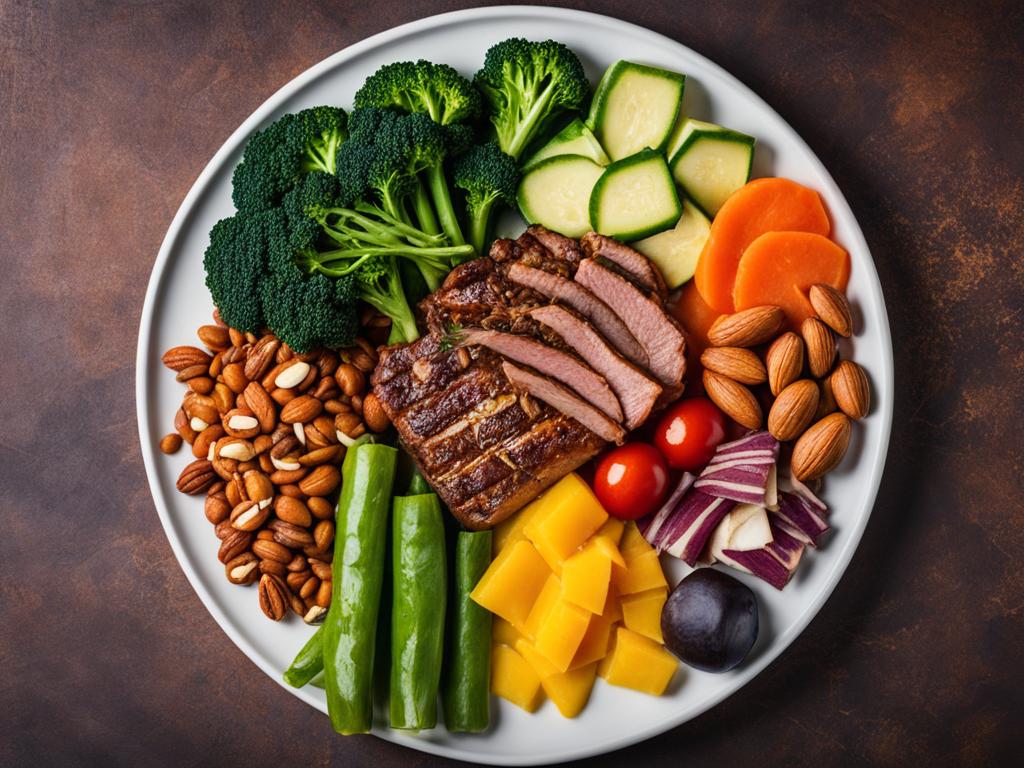
Origins of Low-Carb Diets: Dr Atkins and the Keto Predecessor
When diving into the world of low-carb diets, it’s impossible not to encounter the pioneering works of Dr. Atkins and the less prominent yet significant predecessor, the ketogenic diet. Understanding the historical context of these diets enriches our appreciation of their principles and the impact they’ve made on nutritional science.
The History and Evolution of the Atkins Diet
The Atkins Diet, synonymous with the low-carb movement, was introduced in the 1970s by Dr. Atkins. With the advent of “Dr. Atkins’ Diet Revolution,” a metabolic state of weight loss driven by a high-fat, low-protein intake was popularized. The diet’s success can be attributed to its novel idea of swapping high-carbohydrate foods like pasta for alternatives rich in protein and fats—a daring defiance of the prevailing nutritional advice of the time.
Keto: From Medical Use to Weight Loss Strategy
The ketogenic diet’s foundations were laid down as early as the 1920s as a medical approach to treat epilepsy among children. Fast-forward to the present, and what was once a therapeutic protocol has transitioned into a diet celebrated for weight loss and maintenance. Ketosis, once a therapeutic outcome, has now become a sought-after metabolic state for those looking to reduce their high-fat and carbohydrate intake and instead, burn fat more effectively as a fuel source.
Both the ketogenic diet and the Atkins Diet are highly praised for their roles in prompting the body to switch gears from relying on carbohydrates to fats for energy. Take a look at the following table, which shows how both diets compare in their approach to inducing ketosis:
| Diet | Primary Objective | Carbohydrate Intake | Promoted Metabolic State | Typical Protein Intake |
|---|---|---|---|---|
| Ketogenic Diet | Induce sustained ketosis for various health benefits | Extremely low (typically less than 50 grams per day) | Constant ketosis | Low to moderate (focus on fat intake) |
| Atkins Diet | Weight loss with phased carbohydrate reintroduction | Low, with gradual increases over phases | Initial ketosis, then personalized carb balance | Higher than ketogenic, varies by phase |
In short, these diets have etched their names in the annals of dietary history, offering strategies that flip the script on traditional carb-centric eating by embracing the power of fats and proteins to achieve desired metabolic states. Dr. Atkins, in particular, brought the concept of a low-carb, high-fat diet to the masses, while the ketogenic diet continues to be reinvented for contemporary health enthusiasts seeking its ketosis-propelling benefits.
Macronutrients and Weight Loss: What’s the Difference?
When embarking on a diet like the Carnivore or Atkins, understanding how your body reacts to a low-carb intake is crucial. Both diets harness the power of macronutrient manipulation to propel you towards your weight loss objectives, but they each have their own unique strategies for achieving health and wellness milestones.
How the Body Responds to Low-Carb Intake
The journey towards weight loss often begins with altering your body’s usual source of energy. A typical diet relies on glucose metabolism for fuel, derived mainly from carbohydrates. When you restrict these sources of glucose, your body enters a ketosis state, a metabolic shift that encourages your system to burn stored fat, thereby supporting weight loss. The Carnivore Diet simplifies this with an ongoing state of low-carb intake, while the Atkins starts with a strict phase that gradually reintroduces carbs at controlled levels.
Key Macronutrients in Carnivore Diet and Atkins
Let’s delve into the roles of different macronutrients within these low-carb diet frameworks:
| Macronutrient | Carnivore Diet | Atkins Diet |
|---|---|---|
| Carbohydrates | Minimal to none | Phased reintroduction |
| Proteins | High intake, focus on meat | Consistent, with careful moderation |
| Fats | High, primarily from animal sources | Varies with phase, emphasis on healthy fats |
While both diets adopt a low-protein approach, it’s worth noting that their macronutrient distribution varies significantly. The Carnivore Diet goes heavy on proteins and fats with virtually no carb intake. In contrast, Atkins starts similar but then tactically brings carbs back into the mix. The balance of macronutrients is tailored to push the body towards a fat-burning, ketosis state, optimal for weight loss without compromising on glucose metabolism.
Zooming in on the Carnivore Diet
When exploring the world of low-carb diets, the Carnivore Diet stands out for its distinctive approach of meat only, focusing on high-fat and low protein consumption compared to other popular diets. Dr. Atkins, known for his revolutionary low-carb diets, paved the way for considering an alternative fuel source for the body. Just as Dr. Atkins emphasizes reduced carbohydrate intake, the Carnivore Diet takes this concept to an extreme by eliminating plant-based foods altogether. Here’s what you need to know about this high-fat, animal-centric diet:
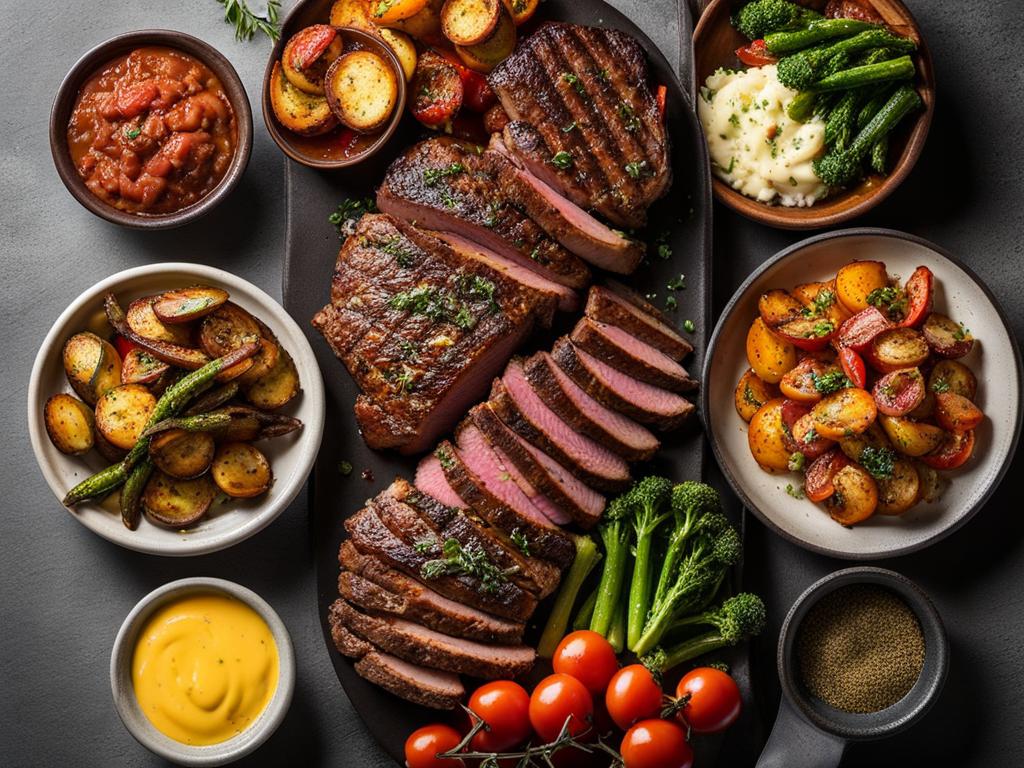
Advocates argue that the diet simplifies eating by focusing on nutrient-dense, animal-based foods, purporting that they provide all essential nutrients. This elimination of carbohydrates ensures your body utilizes fat for energy, a process that can contribute to weight loss and increased energy. However, before you embark on this radical diet, it’s important to understand the potential challenges associated with such a stark deviation from traditional food pyramids and the emphasis on a singular food group.
- **Satiety and Weight Management:** Meaty meals can be filling, and the high-fat content may lead to earlier satiety, aiding in weight control.
- **Energy Levels:** The shift to a fat-burning metabolic state is claimed to enhance consistent energy levels, sparing you from the blood sugar spikes associated with high-carb diets.
- **Nutritional Considerations:** Although meat is nutrient-rich, the exclusion of plant-based foods could mean you’ll miss out on some vitamins, minerals, and fiber found in fruits, vegetables, and grains, making careful dietary planning crucial.
The Carnivore Diet is undoubtedly an unconventional approach within the low-carb framework, promising profound health benefits for those who adhere strictly. As with any diet, particularly one that deviates significantly from standard dietary recommendations, it’s important to consult with a healthcare provider to weigh the potential risks and rewards specific to your personal health needs. While Dr. Atkins introduced flexibility and phases to his diets, the Carnivore Diet remains steadfast in its commitment to a meat only regimen. Will this be the right path for you? Only comprehensive research and a bit of self-experimentation will tell.
Understanding the Atkins Diet’s Phases
Embarking on the Atkins Diet means engaging with a structured, phased approach that not only promotes weight loss but also paves the way for a sustainable change in your dietary lifestyle. Unlike diets that maintain a constant carbohydrate exclusion, the Atkins Diet introduces you to low-carb phases that progressively lead to carbohydrate reintroduction. Let’s dive into these phases and understand how they contribute to a sustainable low-carb lifestyle.
Initial Weight Loss and Induction Phase
Starting with the induction phase, you limit your carb intake dramatically, akin to entering a ketogenic state, which helps initiate rapid weight loss. This phase encourages a diet rich in protein and fats, including a variety of meats, fish, and select high-fat, low-carb vegetables. The aim is to kickstart your metabolism into burning fat rather than carbohydrates for energy.
Transitioning to Maintenance: Managing Carbs Effectively
As you move through the Atkins Diet’s phases, the gradual introduction of carbohydrates is key. Each phase allows you to increase your carb intake slowly, ensuring you don’t reverse the weight loss you’ve worked hard to achieve. By the time you reach the diet’s maintenance phase, you’ve ideally found the optimal number of carbs your body can tolerate without gaining weight, helping you maintain your weight loss long-term and enjoy a sustainable low-carb lifestyle. This is the crux of the Atkins advantage – learning how to adjust and balance your intake for life.
Role of Protein in Carnivore Diet vs Atkins
When embarking on a low-carb diet, you might wonder about the role of protein in your new eating regimen. Both the Carnivore Diet and the Atkins Diet spotlight high-fat, meat-only foods that are rich in protein, known to be advantageous for muscle development and metabolic benefits. A closer investigation reveals that not all protein is consumed equally across these diets. Let’s delve into how these two popular diets harness the power of protein.
Protein’s Impact on Metabolism and Muscle Development
Protein serves as a cornerstone in the building and repairing of muscles, and its importance in your diet cannot be overstated. The metabolic benefits of adequate protein consumption include maintaining lean muscle mass and promoting fat oxidation, both crucial for shaping a strong, healthy physique. On the high-fat Carnivore Diet, your muscle development is fueled by proteins from animal sources, but it’s crucial to adhere to sufficient, not excessive, protein intake.
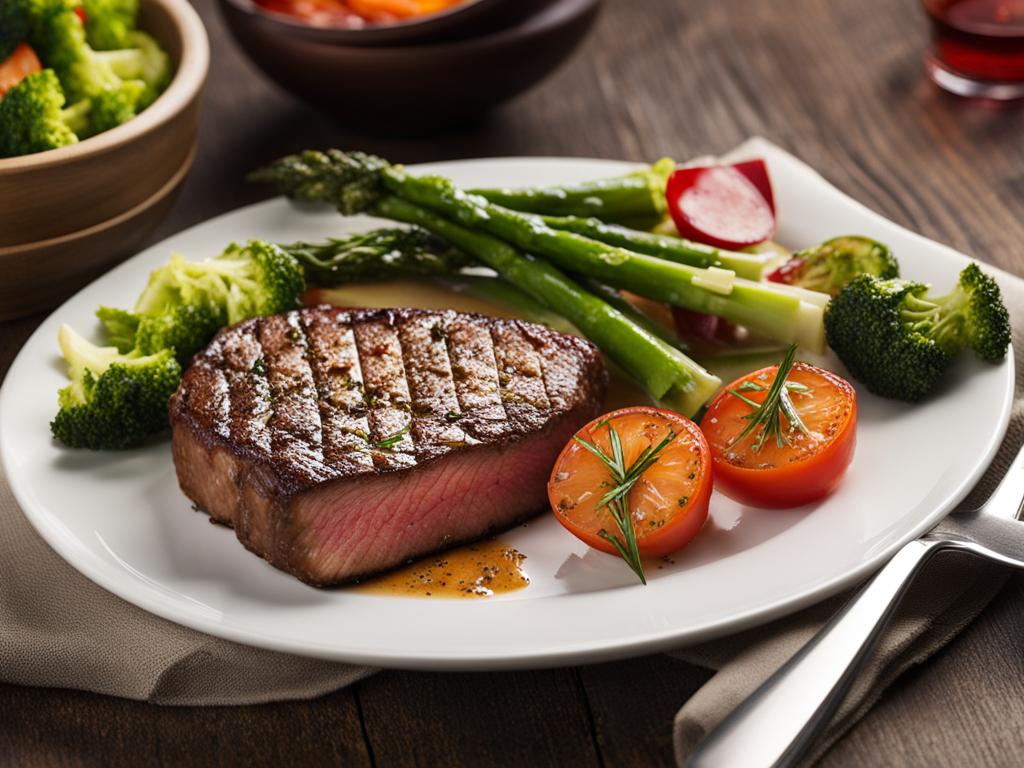
Protein Intake: How Much is Too Much?
Understanding the balance of protein intake is vital. The meat only Carnivore Diet can lead to a higher consumption of protein, but is there such a thing as too much? Yes, and it’s something to watch out for as surplus protein can be converted into glucose, potentially disrupting the metabolic benefits of a low-carb diet. To prevent this, one must assess their individual protein needs based on factors like activity level and weight goals. The Atkins Diet provides more leeway, integrating protein across its multiple phases. Here’s a comparative look:
| Diet | Protein Source | Typical Serving Size | Metabolic Role | Phase/Stage |
|---|---|---|---|---|
| Carnivore Diet | Beef, Chicken, Fish | 8-12 oz per meal | Ketogenesis, Muscle Maintenance | Continuous |
| Atkins Diet | Meat, Cheese, Eggs | 4-6 oz per meal | Gluconeogenesis, Satiety | Phased Introduction |
Long-Term Viability: Sustainability of Low-Carb Lifestyles
Adopting a low-carb diet can often lead you down a path of substantial change, setting the foundation for positive health outcomes. Be it for lifestyle compatibility, weight maintenance, or diet sustainability, each aspect demands a nuanced strategy for success. With the right health considerations in play, adopting such a dieting practice could prove to be more than just a fleeting trend.
Making Carnivore and Atkins Diets Fit Your Life
The Carnivore and Atkins diets have created waves in the health and wellness sphere, but molding them to fit seamlessly into your life requires both dedication and flexibility. The meat-centric foundation of the Carnivore diet could clash with social events or travel, urging its followers to plan diligently. Contrastingly, Atkins dances to a rhythm of phases, presenting an adaptable structure that many may find conducive to their daily routine and easier for diet sustainability.
While these two diets differ, their common aim is a transformative lifestyle. Whether you’re navigating through the no-carb terrain of the Carnivore regime or riding the tides of Atkins’ varying carb intake, the goal remains consistent—achieve and sustain weight loss while enhancing overall health.
Drawbacks and Challenges of Prolonged Low-Carb Eating
It’s not all smooth sailing on the journey of low-carb diets; challenges, such as nutrient deficiencies and the necessity to maintain vigilant health considerations, come with the territory. The strictness of the Carnivore diet may lead to a lack of essential vitamins typically found in plant-based foods, while Atkins’ followers might grapple with finding the perfect carb balance post-weight loss to prevent rebound gain. It’s paramount to consider whether a low-carb regimen aligns with your health goals and can be adjusted to form a sustainable part of your life.
Top Foods You Can Enjoy on Carnivore and Atkins Diets
When exploring the world of low-carb, high-protein foods, both the Carnivore and Atkins diets emphasize nutrient-dense meat only selections and healthy fats that fuel your ketogenic lifestyle. While they share common elements, these diets also diverge to cater to different dietary preferences and health goals.
Embracing High-Quality Fats and Proteins
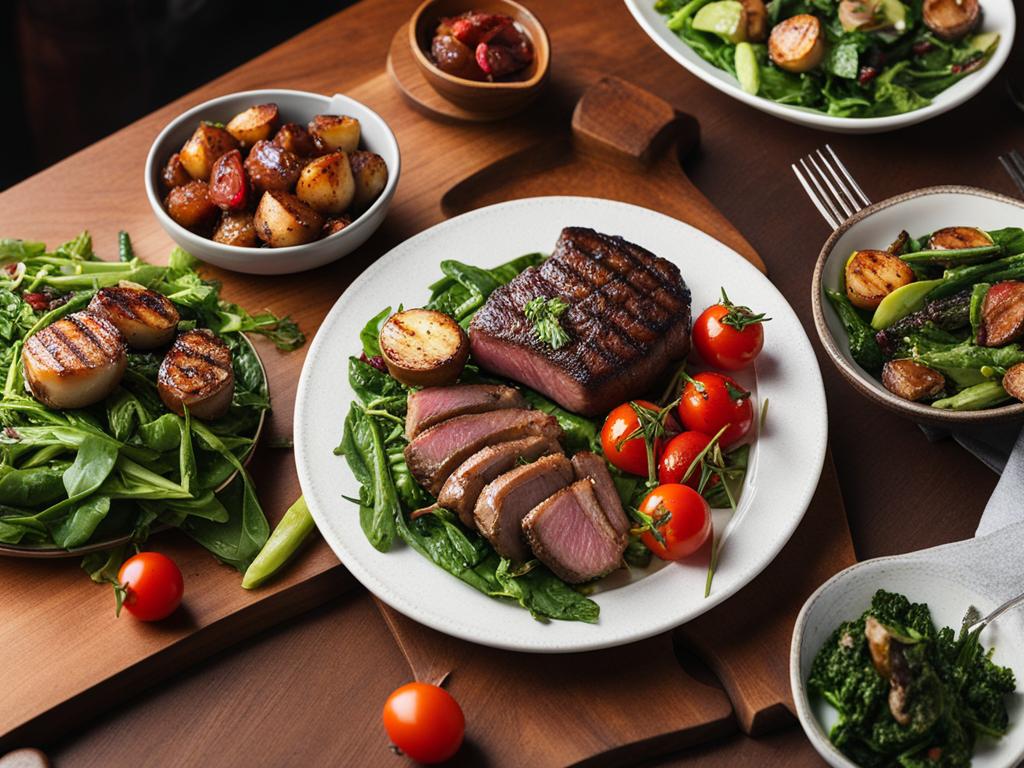
Rich, satisfying, and vital for your wellness, high-quality fats and proteins are the cornerstones of both the Carnivore and Atkins diets. On your plate, expect to see a generous variety of fatty fish like salmon, which not only boasts omega-3 fatty acids but also serves as a hearty source of protein. Eggs, another versatile option, offer a perfect package of fat and protein, easily incorporated into breakfast, lunch, or dinner.
Red meats, from succulent ribeye steaks to the lean cuts of grass-fed beef, deliver iron, vitamin B12, and other essential nutrients. Don’t overlook poultry, such as chicken thighs and turkey, which provide the body with protein for muscle repair and maintenance. And remember, healthy fats like avocados and extra virgin olive oil not only enhance flavor but contribute to your body’s need for energy and cellular function.
What Vegetables and Fruits Can You Eat?
For those embracing the Atkins diet, you’ll appreciate the inclusion of low-carb vegetables in your menu. Above-ground veggies, particularly leafy greens like spinach and kale, are prime choices, packed with fiber and vital micronutrients without the carb load.
As you progress through the phases of the Atkins diet, the spectrum of your food selections widens. You might relish the taste of fresh, low-carb fruits such as berries—strawberries, raspberries, and blueberries—which can be enjoyed in moderation without disrupting your state of ketosis.
The beauty of these diets lies in their flexibility and adherence to high-protein, healthy fats, and low-carb vegetables, each contributing to a diverse, nutritious way of eating that supports your ketogenic journey.
Managing Side Effects and Transition Symptoms
Embarking on a journey towards a low-carb lifestyle with dietary adjustments, like that of the Carnivore and Atkins diets, often means facing transition symptoms. Among these, the so-called keto flu stands out, presenting itself with fatigue, dizziness, and nausea as your body switches its main energy source from carbohydrates to fats. These symptoms can alarm any new dieter, but understanding they are a temporary challenge on the path to adaptation can ease the concern.
The Initial Hurdle: Keto Flu and its Counterparts
Experiencing the keto flu is almost like a rite of passage when you cut out the carbs and begin entering ketosis. While these transition symptoms may feel overwhelming, they typically subside after your body completes its metabolic shift. You can mitigate the impact of keto flu by staying hydrated, maintaining electrolyte balance, and gradually decreasing your carb intake rather than making an abrupt change.
Navigating Nutrient Deficiencies and Supplementation
As you press on with your dietary adjustments, it’s essential to be vigilant about potential nutrient deficiencies that could emerge, particularly when certain food groups are entirely absent from your meal plan. Supplementation plays a critical role in filling any nutritional gaps. Whether it’s fiber, vitamins, or minerals that you’re missing due to the restricted diet, a well-considered regimen of supplements can help sustain your nutritional needs, ensuring that your low-carb path doesn’t detour into adverse health effects.
While it’s common to focus on macronutrients in your dietary adjustments, do not overlook the importance of micronutrients. Consulting with a healthcare provider can help tailor a supplementation strategy that aligns with your specific dietary framework and personal health objectives. Your commitment to monitoring how your body responds to these changes will aid in creating a sustainable, healthy low-carb lifestyle.
Impact of Low-Carb Diets on Specific Health Conditions
When you embark on a low-carb diet, you’re not just altering your eating habits; you’re potentially recalibrating crucial aspects of your metabolic health. Indeed, diets such as the Carnivore and Atkins have stirred substantial interest into their role in diabetes management and the broader implications on insulin resistance—an essential factor for those grappling with type 2 diabetes.
Diabetes Management: Blood Sugar and Insulin Resistance
Finding a harmonious balance in blood sugar levels is often a significant endeavor for those managing diabetes. The reduction of carbohydrates—a staple of both the Carnivore and Atkins diets—has been reported to improve insulin sensitivity, a testament to their efficacy in diabetes management. This decrease in carbohydrate intake can tip the scales in favor of enhancing the body’s ability to regulate blood sugar effectively, thus potentially reducing reliance on medication.
Addressing Heart Health: Controversies and Considerations
On the flip side, prioritizing foods rich in fats can lead to controversial diets and divergent opinions regarding heart health. It’s a domain fraught with debate: while some studies highlight the potential for low-carb diets to improve lipid profiles, others express reservations about the long-term impact of saturated fats on heart health. Striking a balance and sifting through the research is vital, as the interplay between heart health and diet is complex and individualized.
Remember, whether you’re exploring the Carnivore or Atkins diet for your health, it’s crucial to weigh the benefits of improved insulin resistance against the contentious views surrounding their impact on heart health. Engage with healthcare practitioners and personalize your dietary approach; what’s paramount is ensuring that the diet supports not just short-term goals, but long-standing metabolic health.
Conclusion
Embarking on the journey toward a healthier you is a personal choice teeming with decisions about which path will lead to optimal health. Understanding the intricate differences between diets like the Carnivore and Atkins is essential. Both diets have merits and serve specific dietary needs that could intertwine with your lifestyle. Taking the first step is about aligning your dietary choices with your health goals and personal preferences, keeping dietary compatibility at the forefront of your agenda.
Your Personalized Approach to Low-Carb Eating
As you venture into the realm of low-carb eating, remember that a personalized diet is not a one-size-fits-all solution. Considering the nuances of your daily routine, dietary restrictions, and long-term health objectives is crucial. Rather than conforming to the strictness of a meat-only plan or the structured phases of the Atkins Diet, tailor your nutrition to fit your life seamlessly. Good health is not solely about the food you consume; it’s the synergy of diet, lifestyle, and well-being.
Gathering the Pieces: What Works Best for You
With informed decision-making, you can construct an eating plan that resonates with your personal needs. Achieving dietary compatibility is a deliberate process, wherein you dissect the benefits and weigh them against potential health risks. Nutrition is a powerful tool that, wielded wisely, can enhance your well-being. Whether you lean toward the Carnivore Diet’s simplicity or the Atkins Diet’s adaptability, maintain your focus on the advantages these eating strategies can offer. Your commitment to a healthier you will be the catalyst for the enduring rewards of a low-carb lifestyle.
FAQ
What are the main differences between the Carnivore Diet and the Atkins Diet?
The Carnivore Diet is a strict regimen that consists only of animal products and excludes all plant-based foods, making it zero-carb. On the other hand, the Atkins Diet, created by Dr. Atkins, involves a phased approach to carbohydrate restriction, starting with a low intake and gradually increasing carbs as the diet progresses. Both aim for low-carb consumption, but the Atkins Diet allows for more variety and flexibility.
Why have low-carb diets like the Carnivore and Atkins become popular?
Low-carb diets have gained popularity due to their potential health benefits, which include weight loss, improved insulin sensitivity, better blood sugar control, and increased energy levels. They are also known for helping to reduce cravings and inflammation, as well as offering support for diabetes management.
Can you explain the purpose of low-carb diets?
Low-carb diets are designed to stabilize blood sugar levels, minimize insulin spikes, and enhance the body’s ability to burn fat for energy. By reducing the intake of carbohydrates, these diets aim to shift your energy metabolism away from glucose and towards fat and ketones, which can aid in weight loss and potentially improve metabolic health.
How does the body respond to a low-carb diet like Carnivore or Atkins?
In response to low-carb intake, the body adapts by entering a state of ketosis where it burns fat for fuel instead of glucose from carbohydrates. This switch can lead to weight loss and may improve insulin sensitivity. The Carnivore Diet remains consistently zero-carb, while the Atkins Diet gradually reintroduces carbs in its later phases.
What are the key macronutrients in the Carnivore Diet and Atkins?
Both the Carnivore Diet and Atkins emphasize eating high-fat and moderate-to-high protein foods while keeping carbohydrate intake low or nonexistent. They prioritize meats, fish, eggs, and in the case of Atkins, certain vegetables and cheeses as you progress through the phases.
Can you outline the four phases of the Atkins Diet?
The Atkins Diet is divided into four distinct phases. The first, Induction, involves eating less than 20 grams of carbs per day to kickstart weight loss. The second phase, Ongoing Weight Loss, allows you to slowly reintroduce carbs while continuing to lose weight. The third phase, Pre-Maintenance, helps you find your personal carb balance. The final phase, Lifetime Maintenance, is about sustaining the weight loss achieved and maintaining your optimal carb level.
How much protein should be consumed on the Carnivore Diet and Atkins?
While the Carnivore Diet tends to be high in protein due to its meat-only focus, it’s important not to overconsume protein, which could disrupt ketosis. For the Atkins Diet, protein intake is flexible and can be adjusted based on personal needs, goals, and dietary preferences. An adequate protein intake is crucial for muscle development and satiety on both diets.
What are the sustainability considerations for the Carnivore and Atkins Diets?
When it comes to sustainability, the Carnivore Diet might be challenging for some due to its restrictive nature and potential for nutrient deficiencies. The Atkins Diet’s phased system may offer more sustainable options as it reintroduces a wider variety of foods over time, which could be more adaptable to long-term lifestyle changes.
What are some high-quality fats and proteins you can eat on these diets?
On both the Carnivore and Atkins Diets, you can enjoy meats, eggs, high-fat dairy products, and healthy fats like butter and certain oils. The Atkins Diet also allows for nut butter, seeds, and fatty fish as you progress through the different phases.
How can you manage the transition to a low-carb diet and cope with potential side effects?
Transitioning to a low-carb diet may lead to initial side effects commonly referred to as “keto flu,” which can include fatigue, headaches, and irritability as your body adapts to using fat for fuel. Staying hydrated, replenishing electrolytes, and gradually reducing carb intake can help ease the transition. Nutrient deficiencies should be handled through careful meal planning or supplements when necessary.
What impact do low-carb diets have on managing diabetes and heart health?
Low-carb diets like Carnivore and Atkins can help improve blood sugar and insulin resistance, which is beneficial for those with type 2 diabetes. However, the impact on heart health is a topic of ongoing debate, as the long-term effects of high saturated fat intake on cholesterol and heart disease risk are still being studied. It’s essential to consult with a healthcare provider to understand the potential risks and benefits for your specific health condition.