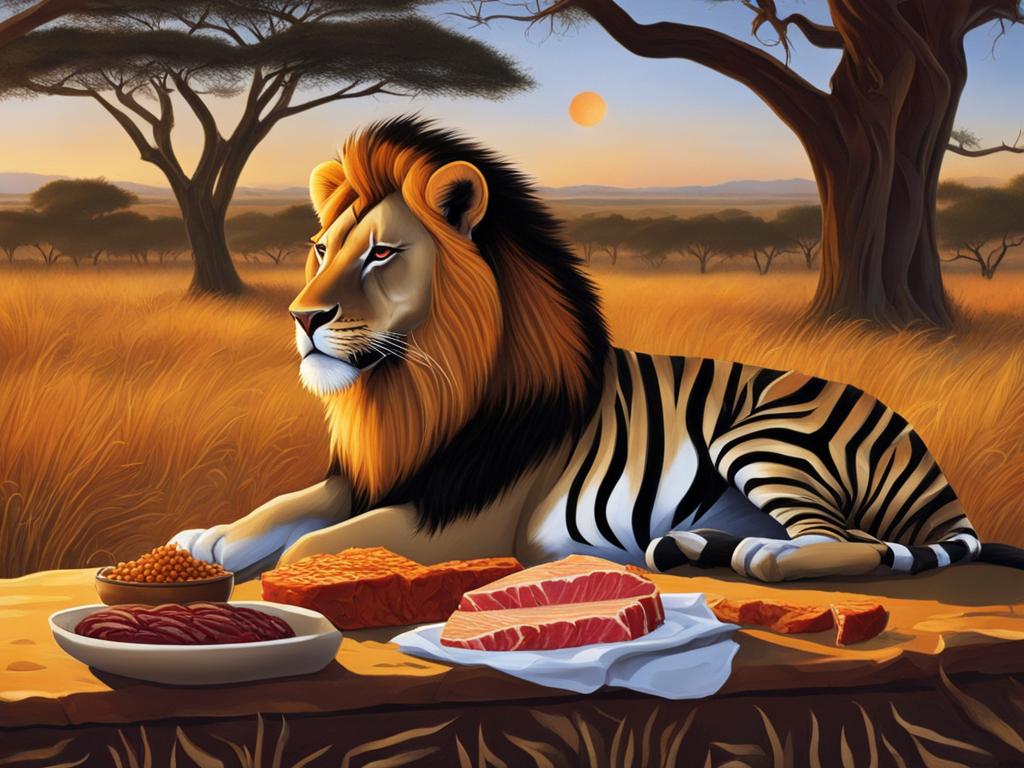
Imagine delving into the dietary habits of nature’s most formidable apex predator—yes, we’re talking about the lion. These majestic creatures rule their domain with a carnivorous regimen that’s both fascinating and critical for their survival in the wild. Your curiosity about what constitutes a lion diet can uncover insights into how these animals maintain their reign through optimal health benefits drawn from ruminant meats. It is this robust sustenance pattern that fuels their status as the undisputed rulers of the animal kingdom.
Key Takeaways
- Lions embrace a strict carnivorous diet, primarily relying on the proteins found in ruminant meats.
- Their dietary pattern ensures that they thrive as apex predators in diverse ecosystems.
- Understanding the lion diet may offer perspective on the optimal health benefits of consuming nutrient-rich foods.
- Their preference for specific prey underlines the importance of maintaining ecological balance in their habitats.
- Observing these majestic creatures can inspire you to recognize the power of a disciplined and strategy-driven approach to nutrition.
The Majestic Beast and Its Predatory Prowess
Within the natural forest areas, the lion epitomizes the essence of an apex predator, orchestrating a hunting strategy with precision and foresight. Far from the indiscriminate killer, this regal beast demonstrates finesse in prey selection, ensuring a balanced approach essential for maintaining the ecological balance of our planet.
The Lion’s Hunting Strategy and Prey Selection
Lions exhibit a remarkable blend of patience and tactical acumen when they hunt. Their exemplary lion’s hunting strategy revolves around teamwork, with each member playing a specific role to tactically encircle and ensnare their chosen prey. The prowess they display in the wild sees the likes of Chital, Sambar, Nilgai, and wild pigs becoming frequent targets. This methodical approach to prey selection is less about opportunity and more about maintaining a stable curation of prey populations, which in turn contributes to the sustainability of the ecosystem.
How Lions Maintain Ecological Balance Through Their Diet
Imagine the savanna without its most iconic denizen keeping a watchful eye over the balance of species. The impact of lions on ecological balance is profound. These big cats modulate the numbers of larger herbivorous animals, controlling overgrazing and promoting a diversity of plant and animal life. Areas like Gir are more than just homes for lions; they show us a complex yet delicate tapestry of interdependence, where the hunter and the hunted sustain the health of our natural forest areas through an intricate dance of life and survival.
Understanding the ‘Lion Diet’
Delving deeper into the lion diet, you’ll discover a carnivorous regimen designed to mimic the instinctual feeding patterns of the majestic lion. This diet is characterized by a steadfast commitment to prioritize meats, particularly from ruminant animals. Reflecting the natural inclinations of a lion’s nourishment, adherents of this diet intentionally exclude carbohydrates and exclude vegetables, optimizing their meals around protein-rich sources.
You may wonder how this diet translates to human practice. The table below provides a simple comparison between what consists and what is absent in a lion diet plan:
| Included in the Lion Diet | Excluded from the Lion Diet |
|---|---|
| Beef | Bread and pastries |
| Lamb | Pasta, rice, and grains |
| Organ meats | Legumes and beans |
| Wild game | Fruits and berries |
| Fatty fish | Starchy vegetables |
By focusing on a meat-centric dietary approach, there’s a complete abandonment of plant-based nutrients, echoing the purity of a carnivore’s meal plan in the wild. If you’re considering adopting such a diet, it’s essential to understand the specific needs and potential health implications. Just like the lion, ruling the savanna with undoubted supremacy, a lion diet aims to bring out the primal essence atop the food chain, with its roots firmly planted in the realm of the carnivorous.
A Comparative Analysis: African and Asiatic Lions’ Diets
As you explore the intriguing world of lions, you may wonder about the subtle nuances that differentiate the diets of African lions and their Asiatic lions counterparts. The diversity in their habitats – from the expansive savannas of Africa to the restricted forested areas of Gir, India – brings about fascinating variations in their dietary habits.
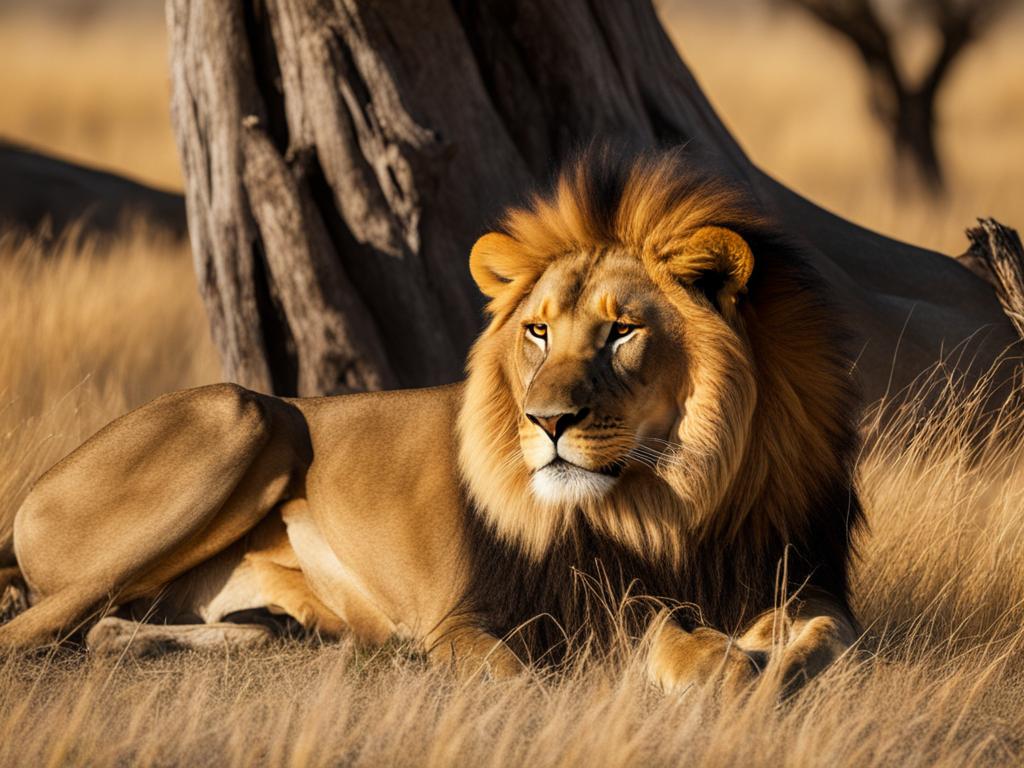
African lions have adapted to hunting a wide range of prey species, including wildebeests, zebras, and impalas, due to the rich biodiversity of the African continent. In contrast, the Asiatic lions face a more limited selection of prey within the smaller ecosystem of the Gir Forest.
- Key prey for African lions includes gazelles, antelopes, and large herbivores.
- Asiatic lions, however, often depend on prey such as Chital (spotted deer) and Sambar (large deer), which are abundant in their habitat.
The diet comparison of these majestic felines not only highlights their adaptability but also underlines the importance of habitat conservation for maintaining their natural food sources.
| Prey | African Lions Diet | Asiatic Lions Diet |
|---|---|---|
| Large Ungulates | Wildebeests, Buffalos, Zebras | Nilgai, Wild Buffalos |
| Deer Species | Impalas, Kudus | Chital, Sambar |
| Smaller Prey | Warthogs, Rodents | Wild Boar, Hares |
In your journey through the subtleties of the animal kingdom, appreciating these dietary differences is crucial to understanding the survival and behavior of both African and Asiatic lions. By protecting their environments and ensuring the availability of their natural prey, we can contribute to the majestic presence of both African and Asiatic lions in the wild.
Lion’s Feeding Habits: From Dusk Till Dawn
As the sun sets over the savanna, the majestic lion begins its transition from daytime repose to nocturnal predator. Understanding the lion’s feeding habits is like unveiling the secret life of these fabled kings of the jungle.

Night-time Hunts: The Optimal Feeding Time for Lions
When darkness cloaks the landscape, lions embark on their night-time hunts, a period when their skills are most potent and their prey most vulnerable. It’s during these quiet, oppressive hours that their instincts sharpen. The optimal feeding time for these fierce hunters is at night, where limited visibility plays to their advantage. They are masters of utilizing the cover of darkness to expertly orchestrate a hunt with precision and stealth. It’s your primal reminder that patience often leads to reward, just as it does for the lion waiting for the exact moment to strike.
Daytime Strategies: Ambush and Water Point Watches
While the night may be the lion’s preferred hunting time, the heat of the day doesn’t find them idle. The daylight hours are for strategic positioning and clever ambush tactics. Near the life-giving water points, lions lay in silent wait, exhibiting immense control and intelligence. Lion’s daytime strategies also include monitoring well-trod paths to water sources where unsuspecting prey quench their thirst—a tactic reminiscent of setting goals and laying plans in anticipation of future opportunities.
If you’ve ever thought you couldn’t learn from nature, consider the lion’s methodical water point watches, which mirror the importance of diligence and preparedness in your own endeavours. There’s much to be learned from these regal predators—not only about survival but about the art of timing, strategy, and the fearless pursuit of one’s needs.
Can You Eat Like a Lion? Debunking Myths
Embracing a lion-like diet may sound mighty and daring, but have you considered its sustainability? Ruminating over the concept of feeding solely on the meat from ruminant animals, one might imagine mimicking the majestic lion’s carnivorous habits. Here’s where the myths begin to unravel, as the feasibility of such a diet for humans comes under scrutiny.
Is It Sustainable to Only Eat Meat from Ruminant Animals?
A sustainable diet often comprises a variety of nutrients that come from diverse food sources. Lions can thrive on a diet limited to ruminant prey because their bodies are evolutionarily designed to do so. For humans, replicating this can pose health and environmental concerns. Ruminants such as cows, sheep, and goats produce meat that is rich in nutrients. Yet, the question lingers – can this singular food group sustainably and ethically meet all your dietary needs?
The Reintroduction Phase: Adapting the Human Diet
The reintroduction phase is a pivotal step in adapting the human diet from a broad palette to a more carnivorous one. It suggests a gradual shift, easing into a dietary pattern that primarily includes ruminant meats. This phase is crucial to understand the tolerance and reaction of the human body to such a significant change.
During this phase, you might wonder, can you eat eggs on a lion diet? Eggs, though not part of a lion’s menu, are a good source of essential amino acids and can be included in the lion-like diet for humans. They serve as a bridge during the transition, helping to balance the diet with critical nutrients.
Comparing the lifestyle and nutritional requirements of lions to humans leaves room for expansive discussion. Below is a table that takes a closer look at the key differences in dietary needs:
| Nutritional Element | Humans | Lions |
|---|---|---|
| Vitamin C | Essential to source externally | Produced internally |
| Fiber | Necessary for digestion | Not a dietary requirement |
| Carbohydrates | Needed for energy | Exclusively carnivorous diet |
| Protein | Needed in balanced amounts | Main source of nourishment |
| Dietary Diversity | Key for nutrient balance | Consistent meat-based diet |
In summary, while the allure of a lion-like diet continues to pique interest, it brings to light the importance of customizing and balancing a diet suited to human biology. The phase of reintroducing different foods while considering ethical and sustainability factors remains a journey tailored for each individual, ensuring one can roar in health without causing harm to the circle of life.
Not Just the Fast and the Furious
When you picture a lion on the hunt, what likely comes to mind is a burst of speed and a show of force. However, the lion’s diet approach is as much about patience in feeding as it is about the chase itself.
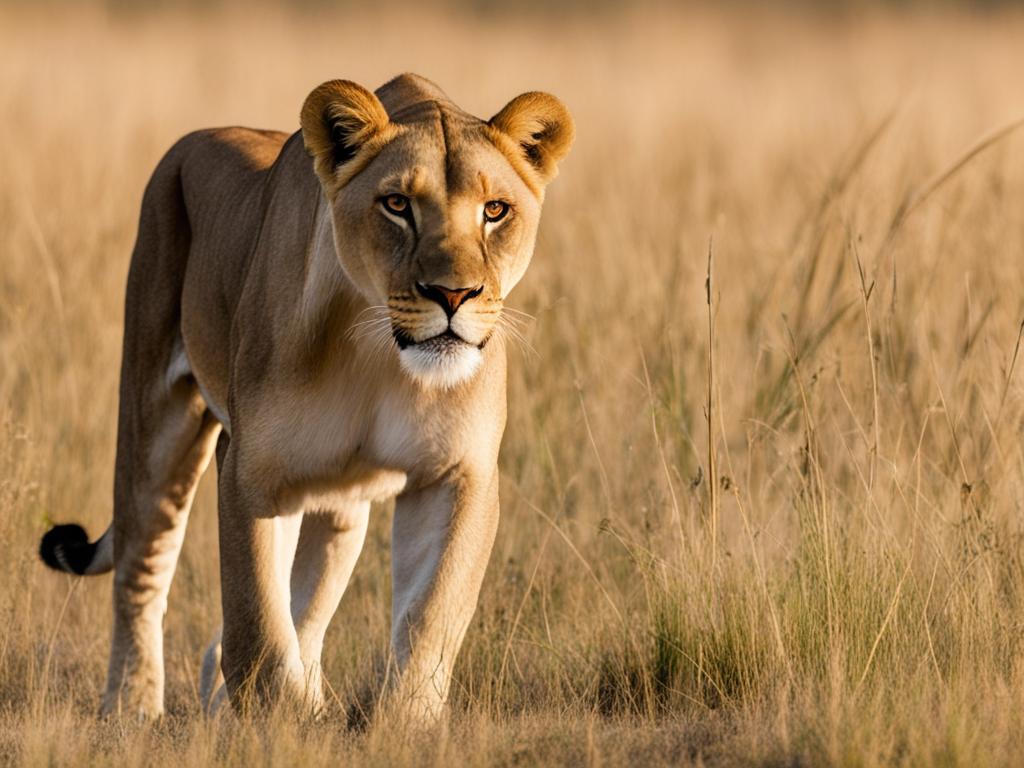
Lions are not impulsive hunters; they are masters of strategy, embodying the very essence of strategic hunting. As you might observe in the wild, lions can spend hours, even an entire day, calculating their steps, watching their prey, and waiting for that perfect moment. This behavior shows an incredible level of restraint and foresight, valuable lessons in waiting for the opportune time to take action.
The Role of Patience and Strategy in Lion Feeding
Understanding lions’ approach to feeding highlights a nuanced side to their predatory nature. Patience is a trait seldom associated with such formidable beasts, yet it is a cornerstone of their survival. Adopting a lion’s diet approach is not about the quantity of the hunts but the quality of each one. Lions fine-tune their plans, work in unison with their pride, and leverage their strengths at opportune moments.
A lion’s patience is a reminder that immediate gratification is not always the path to success. Sometimes, you must hold back, evaluate the landscape, craft a plan, and wait for a better chance. The lion’s diet approach—meticulous and measured—honors the dance of time and precision, setting an example of the power held in strategic patience.
The King’s Feast: What’s On the Menu?
You might have wondered about what constitutes the lion’s preferred prey and the wide array of carnivorous delights that adorn their feeding rituals. Amidst the vast savannas and dense forests, these magnificent apex predators engage in a balanced act of survival and ecological contribution. The significance of diet choices for lions extends well beyond mere sustenance; it is a testament to the intricate web of predator-prey dynamics that drive the wildlife narrative. Let’s delve into the dietary indulgences that mark the lion’s reign over their kingdom.
Preferred Prey and Occasional Delights
Lions rely largely on wild ungulates such as zebras, wildebeests, and buffaloes—a testament to their role in shaping the plains of Africa. However, they won’t shy away from diversifying their menu with other occasional delights available to them. From small mammals like hares to the spiky porcupines or even deft reptiles, these items occasionally spice up the lion’s meal plan. Here’s a rundown of their typical dietary selection:
- Zebras
- Wildebeests
- Buffaloes
- Warthogs
- Antelopes
- Smaller mammals (as treats)
The Significance of the Lion’s Diet Choices
The significance of the lion’s diet choices cannot be overstated. Each prey item they consume plays a role in the balance of nature, influencing the health of the grasslands and the survival of other species. The lion’s diet impact might be hard to digest for the prey, but it’s an essential component of the ecosystem’s vitality. Let us graphically illustrate how these dietary habits support the entire food chain:
| Prey | Impact on Ecosystem | Benefits to Lions |
|---|---|---|
| Zebras | Maintains Zebra Population Control | Rich in Nutrients, High-Energy Meals |
| Wildebeests | Prevents Overgrazing | Abundant and Hearty Meals |
| Buffaloes | Strengthens Herd Genetics | Challenging Hunt, Satisfying Feast |
| Small Mammals | Regulates Smaller Species Populations | Supplementary Food Sources |
In conclusion, the lion’s keen sense of prey selection and the subsequent impact on their habitats is a compelling example of nature’s wisdom. So, next time you picture the king of the jungle mid-chase, remember the profound ripple effects of its dietary indulgences throughout the ecosystem. The circle of life continues, with each meal serving a greater purpose than just satiating hunger—it fuels the lion’s role as an indispensable architect of the wild.
Conservation Efforts to Sustain the Lion’s Menu
As the kings of the jungle, lions depend heavily on robust prey populations to maintain the health and strength necessary for their reign. However, with challenges such as habitat destruction and illegal poaching, conservation efforts have become more crucial than ever in preserving prey populations and ensuring the lion’s diet sustainability. These efforts emphasize the responsible stewardship of our planet’s wildlife and the interconnectedness of the ecosystem.
Challenges in Preserving Prey Populations for Lions
One of the formidable challenges in wildlife conservation is maintaining ample prey populations for lions. Habitat loss and human-wildlife conflict contribute to the decline of these crucial species, disrupting the lion’s natural diet and threatening the stability of the ecosystem. Recognizing these challenges sets the stage for targeted conservation efforts that aim not just to protect lions, but also to preserve the diverse life forms that constitute their prey.
Role of Protected Areas in Ensuring Food Availability
In addressing the need for food availability for lions, protected areas play a pivotal role. These sanctuaries offer a haven where lions can thrive, free from the threats posed by human encroachment. The establishment and stringent management of these zones are key to habitat conservation, fostering a safe environment where prey species can multiply, thereby supporting the food chain from the ground up.
| Conservation Action | Impact on Prey Populations | Benefit to Lions |
|---|---|---|
| Anti-Poaching Measures | Reduces the illegal killing of potential prey | Ensures a consistent and natural diet source |
| Habitat Restoration | Improves biodiversity and ecosystem health | Greater food availability and selection |
| Education and Community Engagement | Encourages sustainable practices, reducing human-wildlife conflict | Promotes a safer environment for hunting and living |
| Legal Protections | Secures habitats from encroachment and development | Preservation of habitat ensures longevity and quality of life |
The journey toward ensuring the survival and flourishing of lion populations is intertwined with our commitment to conservation efforts. By safeguarding protected areas, we make strides in preserving prey populations and fostering habitat conservation. Your understanding and support of these initiatives play a direct role in protecting the intricate tapestry of life that includes these majestic creatures and the environments they inhabit.
Conclusion
As we’ve journeyed through the fascinating realities of the lion diet, we’ve unveiled how this regimen is central to the role that these magnificent apex predators play within their ecosystems. Their diets are a robust reminder of the intricate links between predators and environmental health, providing us with a deeper appreciation for the importance of wild diets. For lions, every meal is a testament to their adaptability, strength, and the critical balance they maintain in nature.
Your understanding of these patterns doesn’t just offer a window into the wild but also imparts crucial lessons in apex predator preservation. It is this preservation that sustains not only the lions themselves but the myriad of species that share their habitats. To maintain such harmony in the wild, it is incumbent upon us to support initiatives that ensure the continuity of natural diets and habitats, safeguarding the legacy of these noble creatures.
Embracing the role these animals play in maintaining ecological balance invites us to advocate and act towards preserving their natural environment. As you reflect on the wild diet importance, consider the positive impact that well-managed conservation efforts can have, not only for the lion population but for the global ecosystem. The sustenance of the lion’s diet is, in essence, the sustenance of life’s intricate tapestry, urging us to recognize and respect the pivotal place of every species within the circle of life.
FAQ
What is the lion diet and what does it include?
The lion diet is a carnivorous regimen that emphasizes eating meat, specifically from ruminant animals, like beef, lamb, and goat. This diet typically excludes carbohydrates, vegetables, and other plant-based foods, mirroring the natural dietary habits of lions in the wild.
Can the lion diet be considered optimal for human health benefits?
While the lion diet prioritizes meat which can be a source of essential nutrients, a balanced approach including a variety of nutrients is generally recommended for optimal human health. Therefore, the lion diet’s restriction of vegetables and carbohydrates may not align with conventional dietary guidelines for humans.
How does a lion’s hunting strategy support ecological balance?
Lions maintain ecological balance by controlling the populations of their prey, which includes various ungulates in their habitat. Their strategic hunting and selection of prey help preserve the prey populations and natural forest areas, reducing overgrazing and ensuing biodiversity.
What are the primary differences between African and Asiatic lions’ diets?
African and Asiatic lions’ diets differ due to the regional availability of prey related to their respective habitats. Asiatic lions, for example, found in India’s Gir forest, often consume specific prey like Chital and Sambar, while African lions have a broader range of prey depending on their location within Africa.
What is the optimal feeding time for lions and what strategies do they use?
Lions typically hunt at night, leveraging the cover of darkness for optimal predation. They employ stealth and surprise to catch prey. During the day, lions may also lay in ambush near water points or use other tactical methods to catch unsuspecting prey, showcasing their adaptive hunting strategies.
Is it sustainable for humans to only eat meat from ruminant animals?
Exclusively eating meat from ruminant animals raises sustainability concerns due to the environmental impact of meat production and the limited nutritional diversity it offers. Sustainability involves both environmental considerations and ensuring a balanced intake of different nutrients necessary for human health.
What does the reintroduction phase of a lion-like diet for humans involve?
The reintroduction phase involves gradually adjusting human diets to primarily include meats, with the potential addition of other animal products like eggs. Caution and monitoring are advised to ensure nutritional needs are met and that any food sensitivity issues are managed.
Can you eat eggs on the lion diet?
While the strictest form of the lion diet is limited to ruminant meats, some may choose to include eggs during the reintroduction phase or as a source of additional nutrients, depending on individual dietary goals and health requirements.
How do patience and strategy play a role in lion feeding?
Lions are not solely reliant on speed and strength but also utilize patience and strategy. They take time to stalk their prey and employ coordination within their pride to execute collective hunts, demonstrating sophisticated strategic hunting behavior.
Are there any occasional dietary indulgences that lions enjoy?
Yes, while lions primarily consume ungulate species, they are opportunistic feeders and may occasionally indulge in other animals such as smaller mammals or even reptiles when available, adding variety to their diet.
Why are conservation efforts important in sustaining the lion’s diet?
Conservation efforts are vital to maintaining stable prey populations, which constitute the lion’s diet. These endeavors help to ensure the ecological role of lions, support the health of their natural habitat, and balance the ecosystems they inhabit.
How do protected areas contribute to preserving the food supply for lions?
Protected areas are fundamental in conserving habitats and ensuring the availability of prey for lions. Establishing and managing these areas bolster the prey base lions depend on, contributing to their survival and the ecosystem’s balance.