
Have you ever wondered why some steak cuts seem to elevate your grilling experience to a whole new level? Mastering the art of grilling steak is not just about technique; it’s about choosing the right cuts. This guide will help you navigate the myriad of steak cuts available. It teaches you how to choose steak cuts that make your BBQ flavorful and enjoyable.
As you dive into the world of the best steak cuts, you’ll discover the unique characteristics of each one. You’ll also learn essential steak grilling tips that can turn your backyard cookouts into culinary masterpieces. Whether you’re a seasoned griller or just starting, understanding these steak cuts will enhance your skills and delight your taste buds.
Understanding the Art of Grilling Steak
Grilling steak is a mix of skill and love. To master it, you must understand key parts. Focus on how hot the grill is, the grill type, and cook time for your steak.
Begin with the basics of grilling steak. Make sure your grill is hot enough. This helps get those perfect grill marks and cooks the steak evenly. Think about using direct or indirect heat. Direct heat quickly cooks the outside, while indirect is best for thick cuts needing slow cooking.
- Know Your Equipment: The right grill, gas or charcoal, is crucial.
- Prep Your Steak: Season your steak well early to let flavors sink in.
- Let It Rest: Let your steak rest after grilling. This makes it juicier and tastier when you eat it.
Getting better at grilling takes practice. Listen to the steak sizzle and watch how it changes color. These clues tell you if it’s cooked, without needing to cut it. Enjoy learning to grill steak, and soon, you’ll have your unique way.
Why Choosing the Right Cut Matters
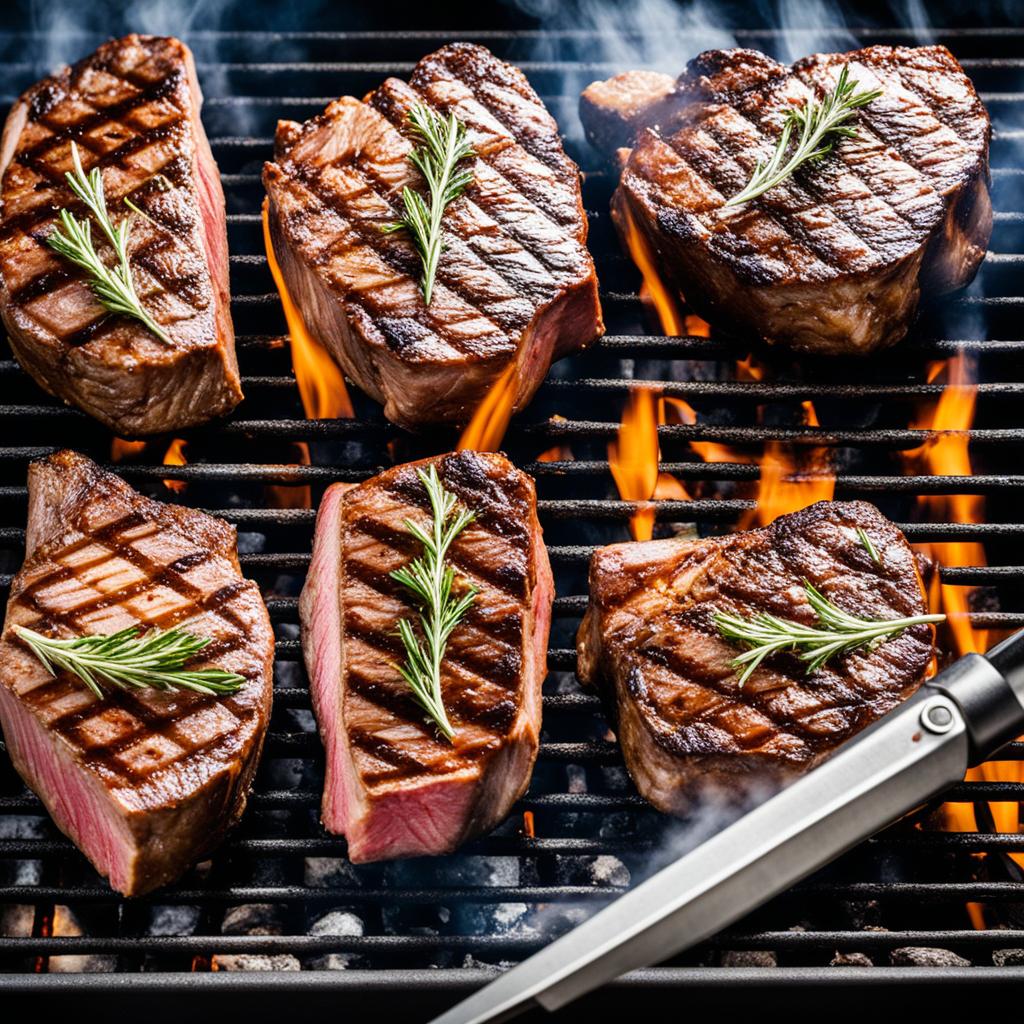
Grilling is not just about cooking; it’s an art. The type of steak you choose is key. Different cuts bring different flavors and textures to the table. So, picking the right one can turn a good meal into a great one.
Different steaks match different cooking styles and tastes. A ribeye, for example, is juicy and flavorful thanks to its fat. Meanwhile, a leaner flank steak requires careful cooking to stay tender.
Keep these tips in mind when picking your steak:
- Think about your grill and how you plan to cook.
- Learn the flavors of various cuts.
- Know how long to cook each cut for perfect readiness.

Understanding steak cuts lets you choose wisely at the store. Whether it’s a big event or a simple BBQ, the right cut makes all the difference. It ensures a tasty meal that everyone will remember.
How to Choose the Best Cut of Steak
Choosing the right steak cuts can be tough given all the choices. By focusing on the meat’s thickness and marbling, you can make it easier. These elements hugely impact the steak’s taste, softness, and overall greatness. Let’s dive into how to pick the ideal steak thickness and why marbling matters.
Thickness and Cooking Methods
Steaks should be at least 1 inch thick. Thicker steaks cook more evenly, bringing out more flavor. There are many ways to cook them, like grilling, broiling, or pan-searing. A thicker cut means your steak stays juicy but still gets that perfect outer crust.
Importance of Marbling
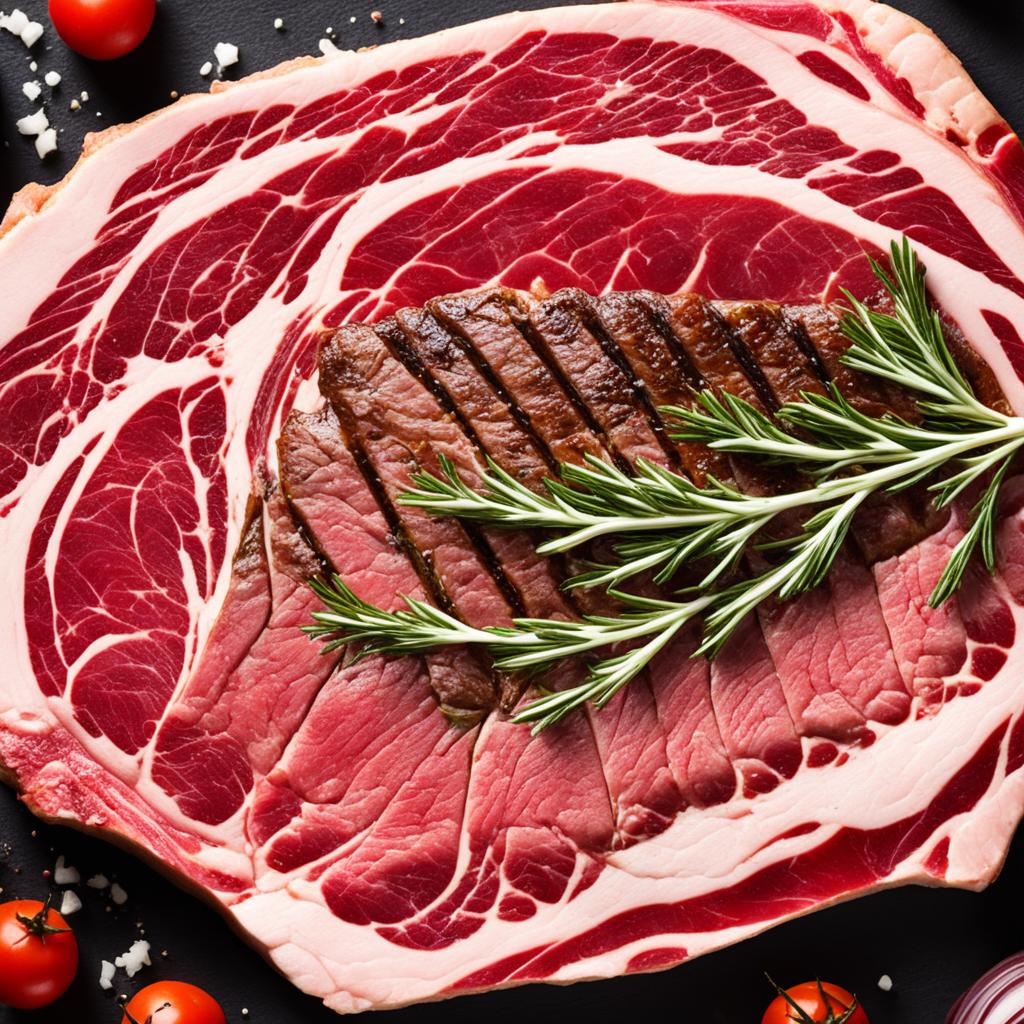
Marbling means the little fat lines running through the steak. Understanding marbling’s role is key for a tasty and tender meal. More marbling means the steak will be richer in flavor and juiciness. Always pick steaks with good marbling. This way, you’re sure to enjoy every single bite.
Common Steak Cuts to Know
Learning about different steak cuts can improve your grilling skills. It lets you choose wisely when buying and cooking. Here are some key steak cuts to know.
Ribeye Steak
The ribeye is famous for its rich fat marbling. This makes it juicy and flavorful. It’s best grilled. Just season with salt and pepper and cook on high heat. You want a crispy outside and a medium-rare inside for the best taste.
New York Strip Steak
The New York strip combines tenderness with flavor. It’s a top pick for many and doesn’t cost a lot. It’s great on the grill or in a skillet. Score the fat cap before cooking to let it absorb flavors better.
Filet Mignon
The filet mignon is the most tender beef cut. Its texture is like butter. It’s not the most flavorful, but it feels amazing to eat. Grill on medium heat for even cooking. Add a rich sauce or compound butter to make it tastier.
T-Bone Steak
The T-bone has a unique shape. It combines two cuts: the tenderloin and strip. You get great flavors and different textures. Use the two-zone grilling method for perfect doneness. The tenderloin stays tender, and the strip is chewy and nice.
Porterhouse Steak
The porterhouse is a big steak, bigger than the T-bone. It has a lot of tenderloin. It’s perfect for special occasions or sharing. Grill as you would a T-bone, but watch the time carefully. You want both parts cooked just right.

Exploring Affordable Steak Cuts
Finding steaks that are easy on your wallet feels good. Affordable steak cuts are perfect for those seeking quality meals without a high price tag. Look into top sirloin and chuck eye for tasteful yet budget-friendly options.
Top Sirloin Steak
Top sirloin is a great mix of flavor and affordability. It’s lean but still packed with taste, ideal for any barbecue. Try marinating it or just seasoning with salt and pepper. Cooking it quickly on a grill or in a pan gets you a tender, juicy steak.
Chuck Eye Steak
Chuck eye steak is known as “the poor man’s ribeye.” It’s cheaper but still brings a robust, beefy taste. It becomes very tender when cooked right, perfect for grilling or braising. Use lots of seasoning to bring out the best in it without straining your wallet.
Butcher’s Cuts You Should Try
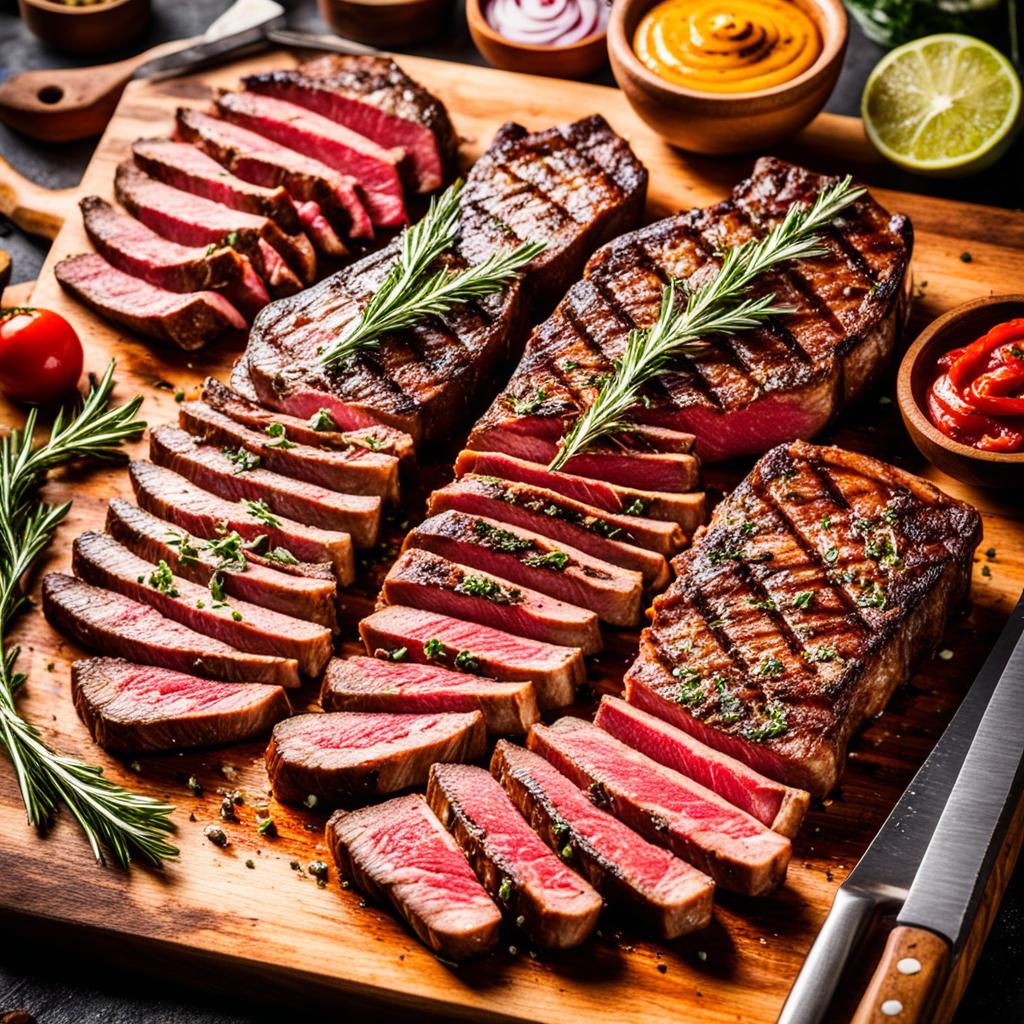
Thinking about your next BBQ? Try some not-so-common butcher cuts. They’re not just tasty but also a fun twist on usual meats. We’ll explore three top picks: skirt steak, flank steak, and hanger steak.
Skirt Steak
Love marinating? Skirt steak is your go-to. It’s a hit in tacos and fajitas because it soaks up marinades well. Its texture gets tender fast on high heat, ideal for quick grilling. Cut it against the grain for the best experience.
Flank Steak
Flank steak has a strong beef flavor for those who want a taste punch. It’s flexible for many recipes. A bit of seasoning or marinating, then grilled, makes it delicious. Let it rest to make it tender. Great in salads or with chimichurri sauce.
Hanger Steak
Known as “butcher’s steak,” hanger steak is beloved for its flavor and softness. Found in the diaphragm, it’s as good as ribeye. Best cooked medium-rare to keep it juicy. Simple spices or strong marinades both work. It makes steak night something special.

Lesser-Known Steak Cuts Worth Sampling
For steak lovers looking to expand their culinary horizons, exploring lesser-known steak cuts can add excitement to your grilling repertoire. Unique steak cuts like picanha and tri-tip offer distinct flavors and textures that elevate the steak experience beyond the well-trodden favorites.
Picanha
Picanha is a gem in Brazilian cuisine, known for its rich taste. It comes with a thick fat cap. This piece comes from the rump top, ideal for grilling.
Skewering and grilling it brings out its juicy texture. Seasoning it with coarse salt enhances its flavor but keeps its uniqueness intact. Slicing it against the grain makes sure it’s tender.
Tri-Tip
Tri-tip, from the bottom sirloin, is both tender and juicy. Known for being easy to cook, it’s a versatile choice. It adapts well to grilling, smoking, or roasting.
Marinating tri-tip adds flavors, but salt and pepper can also do wonders for its taste. Pairing tri-tip with grilled veggies or a salad creates a delicious meal.
Steak Cuts for Different Budgets
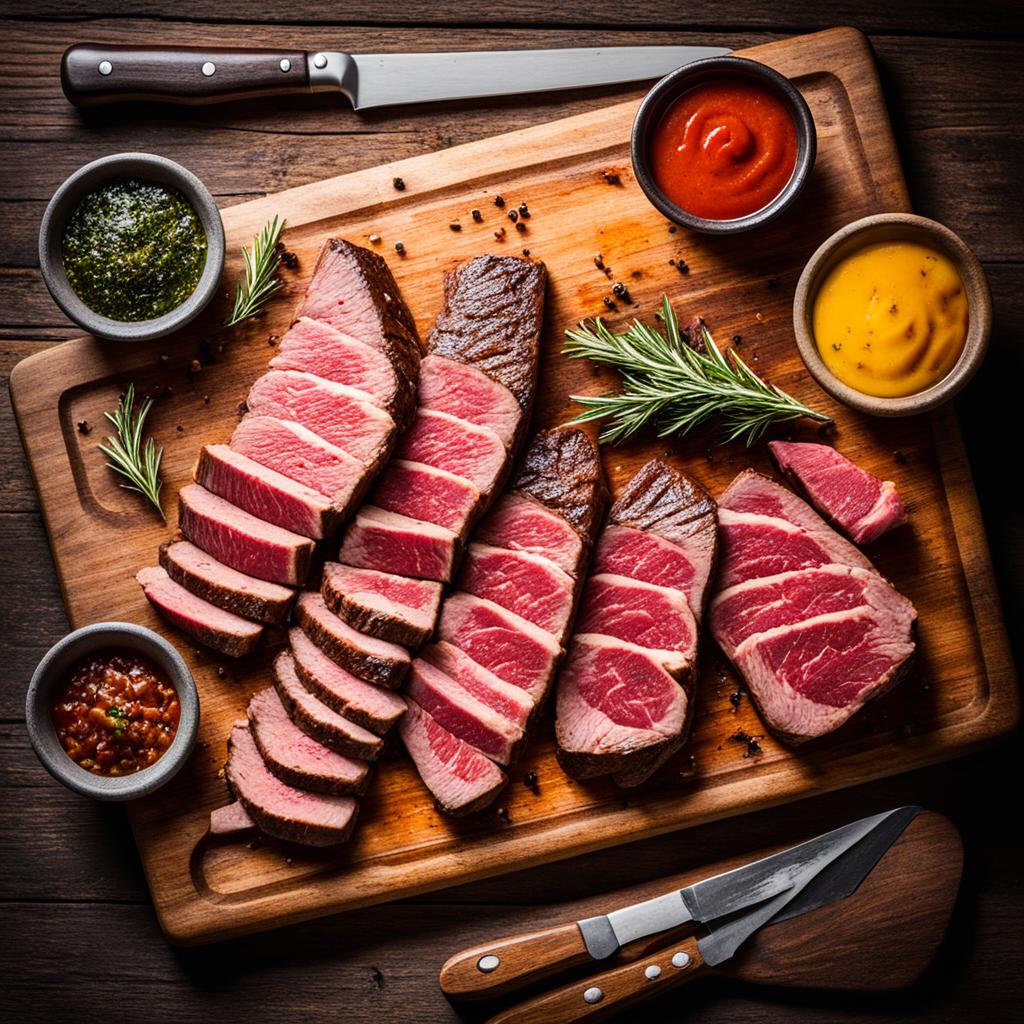
When you pick steak, your budget matters a lot. There are steaks for every wallet, from less costly, tasty options to high-end ones that taste amazing. You can find delicious steaks that don’t empty your wallet.
Value Cuts vs. Premium Cuts
Value cuts are perfect for enjoying steak without a big spend. Cuts like top sirloin and chuck eye offer great meals for less money. They’re tender if cooked right. Meanwhile, premium cuts like ribeye and filet mignon take your eating experience up a notch. They’re more expensive but incredibly tender and well-marbled.
Choosing between budget-friendly and premium steaks involves a few things:
- Find the best cooking techniques to get the most flavor for less money.
- Watch for sales at your local butcher to save on high-end cuts.
- Learn about different steaks to pick the one that will satisfy your taste buds.

Steak Grading: The Role of Marbling
Getting to know the USDA’s steak grading system is key to a great meal. It sorts steak into three grades: Prime, Choice, and Select. These labels tell us about the steak’s quality, tenderness, and taste.
Marbling plays a big part in how a steak is graded. It’s the little bits of fat in the meat that make it tender and juicy. Steaks with more marbling are usually of higher quality. For example, Prime steaks have lots of marbling. This gives them amazing flavor and texture, perfect for grilling.
Choice steaks have less marbling but are still of good quality. They might not be as flavorful as Prime cuts but are great for a grill. Select grades are leaner with even less marbling. This means they might not be as juicy or tasty.
Knowing about steak grades helps you make smart choices when you shop. Whether you want a luxurious Prime steak or a value-friendly Choice cut, understanding marbling will help. It ensures you grill with confidence and enjoy every bite.
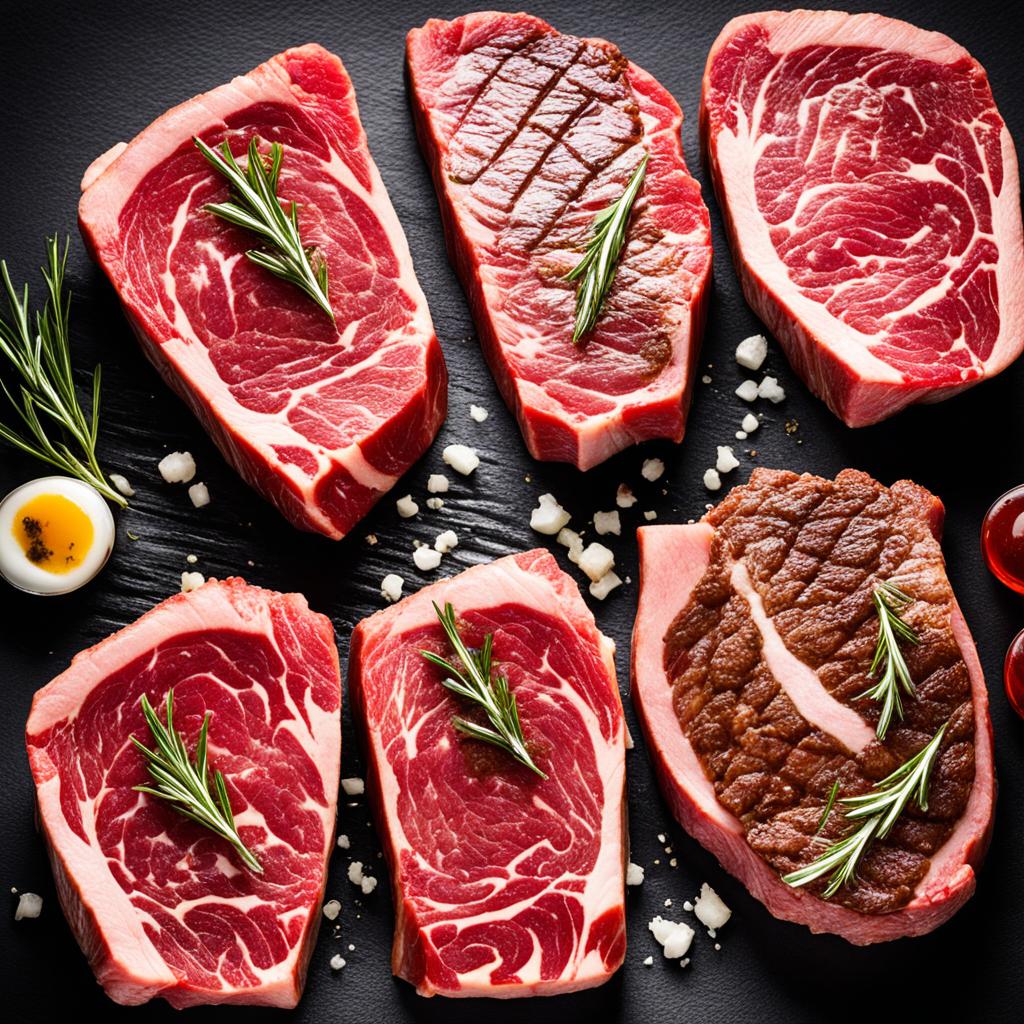
Grilling Techniques: Direct and Indirect
Grilling right can make your steak taste amazing. There are two main ways: direct and indirect. Direct grilling means cooking your steak over high heat. It lets you sear the steak fast and adds a tasty crust. This works best for thin cuts that cook quickly.
Indirect grilling is better for thick steaks. You cook the steak not directly over the fire but to one side. This slower method cooks the steak evenly without burning the outside. Using both ways can make your steaks perfect and impress everyone.
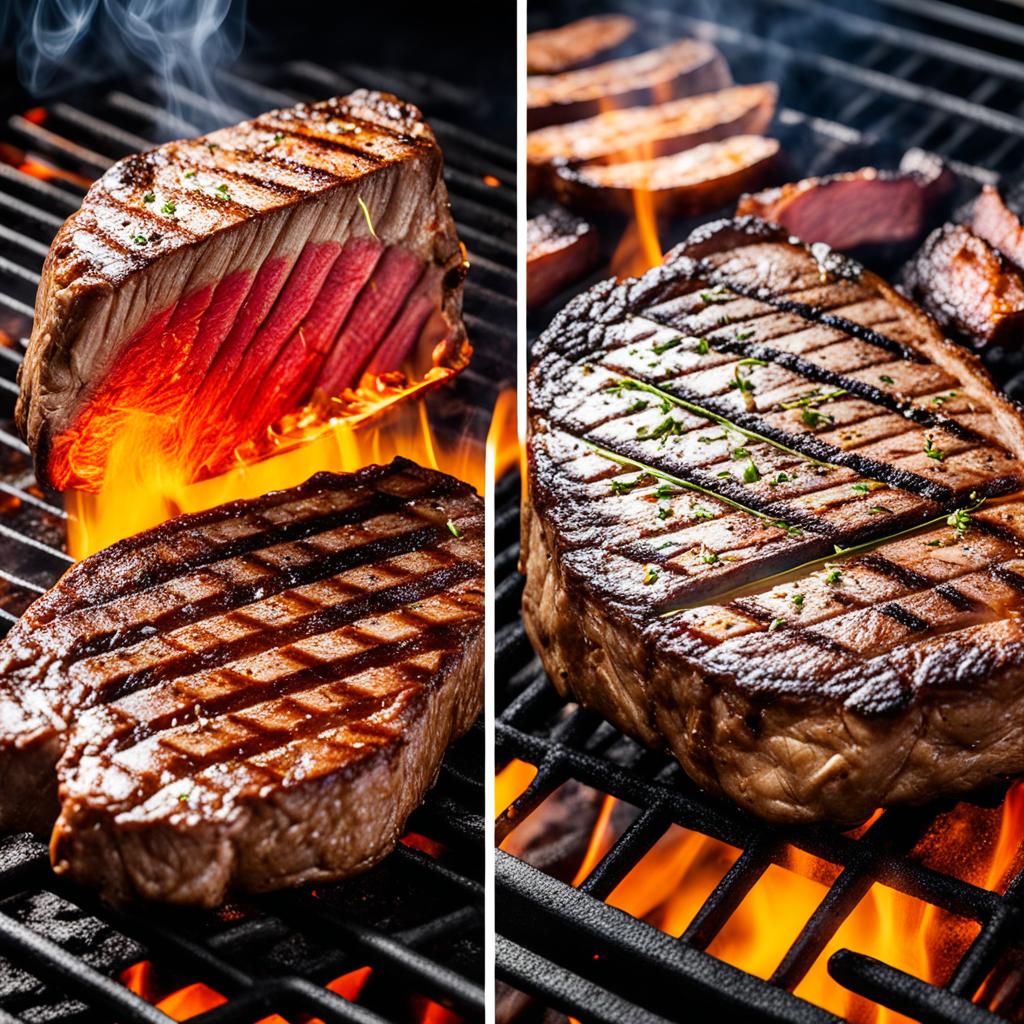
Setting Up a 2-Zone Fire for Grilling
Creating a 2-zone fire setup improves your grilling game. It’s perfect for cooking different steaks. Half your grill becomes a hot zone for searing. The other half stays cooler for slower cooking.
To do this, light one side of a charcoal grill. Or, use different burners on a gas grill. The hot side gets very hot, great for searing steak. The cooler side keeps temperatures low, so your meat finishes cooking without burning.

This method gives you more temperature control, key for perfect steak. Sear your steak, then move it to the cool zone. It cooks evenly, staying juicy. Using two zones makes grilling multiple items easy, without overcooking. Try this technique to enhance your outdoor cooking.
Guidelines for Perfect Steak Temperatures
Knowing the right steak temperatures can make cooking steak a joy. Learning about doneness levels means you can cook each steak just how you like it. A meat thermometer is key, giving accurate temperatures and peace of mind for perfect doneness.
Understanding Doneness Levels
Each doneness level matches a specific temperature range. This knowledge lets you perfect your steak cooking. Here are the standard temperature marks for steak:
- Rare: 125°F (51°C) – Cool red center.
- Medium Rare: 135°F (57°C) – Warm red center.
- Medium: 145°F (63°C) – Warm pink center.
- Medium Well: 150°F (66°C) – Slightly pink center.
- Well Done: 160°F (71°C) and above – No pink.
Watching these temperatures helps you get consistent, yummy results. Being sure about your steak’s doneness makes cooking more fun for everyone.

Serving and Pairing Steaks with Side Dishes
The right side dishes are key to a great steak meal. They enhance the steak’s flavor and look. Popular sides include grilled veggies, potatoes, and fresh salads with citrus dressing.
- Grilled vegetables like zucchini and bell peppers
- Classic mashed or roasted potatoes
- Fresh salads, especially those with citrus dressing
Match your steak’s flavor with the right sides. A rich ribeye goes well with earthy veggies. On the other hand, a lean filet mignon is perfect with a crisp salad. Also, a good red wine can make your steak dinner even better.
Be creative with your pairings. Try adding tangy blue cheese or chimichurri sauce on your steak and sides. Playing with these combinations will make your dinners unforgettable. Your guests will love the blended tastes.
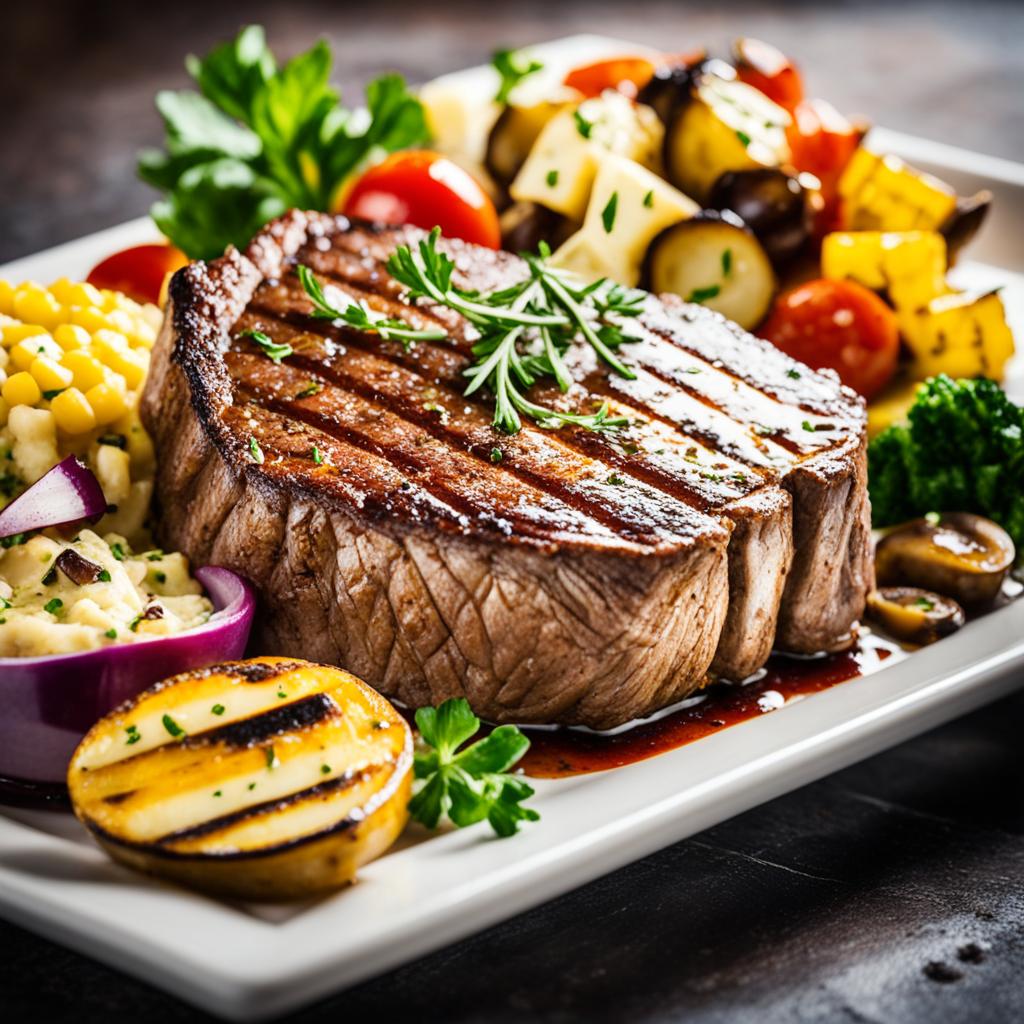
Grilling Tips for Steak Cuts
Grilling steak like a pro needs some grilling advice. First, pick great cuts and prepare them right. A bit of salt and pepper or a tasty marinade can make a big difference.
Cooking times matter a lot for different steak cuts. Always use a meat thermometer to check if it’s done. Aim for an internal temperature of about 130°F for a perfect medium-rare steak. This makes it juicy and tender.
- Allow the steak to rest after grilling to lock in the flavors.
- Master the grill by using direct heat for cooking the steak quickly.
- Flip your steak only once to achieve a nice crust without losing juices.
- Experiment with various wood chips for added flavor when grilling.
Letting your steak rest after cooking makes it more flavorful and tender. Making delicious steaks is all about the details. For more tips on cooking steak, think about the specific features of each steak cut. For this, visit steak cooking tips.
Conclusion
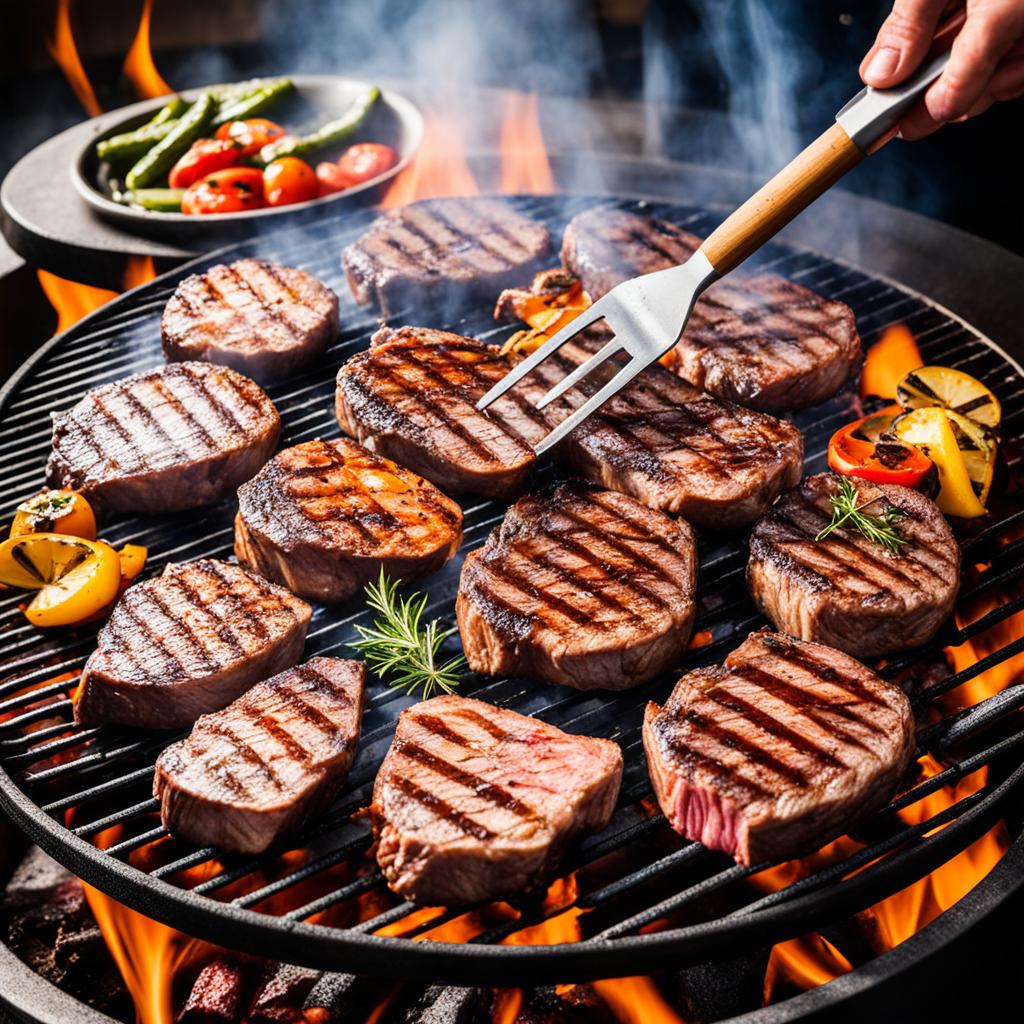
Choosing the right steak cut is crucial for perfect grilling. There are many cuts, like the rich ribeye and affordable top sirloin. These choices help you improve every grilling session. It’s as important as getting your grilling skills right to make delicious meals.
This guide’s tips on steak thickness, marbling, and cooking are key. They turn simple meet-ups into amazing food experiences. Get your grill ready, pick your favorite steak, and enjoy making tasty, well-grilled steaks at home.
Grilling is not just about the taste but also about what you learn. Now, you can wow your guests with your grilling skills. Keep trying new things, and make each meal a grilling celebration.