
If you’re exploring the nutritional landscape for healthier meat options, you might have pondered, “is venison healthy?” The answer leans heavily towards yes, largely due to the venison health benefits packed within this game meat. Abounding in essential nutrients and offering nutritional advantages of venison, it’s not only a treat for your palate but a boon for your health too. With its impressive lean profile, lower fat content, and rich essential amino acids, venison stands out as a premium choice, particularly for those mindful of their cardiovascular health.
While venison’s wellness rewards are significant, proper handling is crucial. To tap into these health-enhancing properties, you must ensure it is properly stored, cleaned, and cooked. This diligence safeguards you from any foodborne illnesses and guarantees that venison’s robust flavor and nutritional integrity remain intact.
Key Takeaways
- Venison is a leaner alternative to traditional red meats, aiding in cardiovascular health.
- With fewer calories and minimal fat content, venison can support a healthy diet.
- High in essential amino acids, venison helps fulfill your body’s protein requirements.
- Correct venison processing is essential to maintain both its taste and safety.
- Proper cooking techniques are necessary to ensure venison is free of foodborne pathogens.
- Diverse storage options like freezing can help prolong venison’s shelf life and benefits.
Nutritional Profile Comparison: Venison vs. Beef and Pork
Exploring the nutritional landscape of various meat options, a standout trait of venison is its remarkable profile as a lean protein. Recognized for its low-calorie composition, venison surpasses beef and pork, making it an appealing choice for the health-conscious. Moreover, the amino acid-rich venison delivers a complete spectrum of the essential building blocks for protein synthesis in the body.
Leaner Choice with Fewer Calories
Are you looking for low-calorie meat options as part of your diet? Venison’s caloric value is significantly less than that of traditional meats like beef or pork. This reduction in calories, coupled with its reduced fat content, positions venison as a heart-friendly option that can effortlessly fit into a diet aimed at weight management or cardiovascular improvement.
Essential Amino Acids in Venison
Not to be overlooked, venison is densely packed with essential amino acids, which your body cannot produce naturally. These nutrients are vital for muscle repair and growth, making venison a robust, amino acid-rich protein source suitable for athletes, bodybuilders, or anyone looking to maintain a healthy muscle mass.
| Nutrient | Venison (100g) | Beef (100g) | Pork (100g) |
|---|---|---|---|
| Calories | 158 | 250 | 297 |
| Total Fat | 3.2g | 15g | 20g |
| Protein | 30g | 26g | 27g |
| Essential Amino Acids | Complete | Complete | Complete |
| Iron | 3.4mg | 2.6mg | 0.9mg |
| Zinc | 4.5mg | 4.8mg | 2.9mg |
A centerpiece of the health benefits surrounding venison is its dense nutrient quotient. This includes essential vitamins like thiamine, riboflavin, and niacin, as well as an abundance of minerals such as iron and zinc. These components are crucial for overall well-being, immune system strength, and metabolic function.
When you consider integrating lean protein into your daily regimen, venison stands out as a versatile and nutritious meat that lends itself to a diverse array of cooking methods. Its multifaceted health benefits, coupled with its culinary flexibility, render venison a robust competitor to traditional meats, thereby deserving a place in your balanced diet.
Understanding Venison’s Distinct Flavor
When you indulge in venison, you’re experiencing a complex interplay of factors that contribute to its characteristic taste. Discerning food enthusiasts might notice the distinctive gamey venison taste which, contrary to popular belief, is not inherent but rather influenced by various elements from diet to processing. Let’s delve into the subtleties that define venison’s unique flavor profile.
Influence of the Deer’s Diet on Flavor
The foraging habits of deer greatly affect the flavor of their meat. A deer’s diet, rich in specific types of vegetation and grains, can lead to a milder or stronger venison taste. Understanding the influence of diet on meat flavor is essential for hunters and chefs alike who aim to achieve the desired taste in their venison dishes.
Deer that graze on fields of corn or alfalfa tend to have less gamey meat, while those that consume a variety of wild grasses, acorns, and sage provide a decidedly richer and more robust flavor. Now, picture your plate with a slice of venison that has taken on the essence of its natural environment. That’s the power of nature’s influence on this unique meat.
How Processing Affects Taste
The taste of venison is also susceptible to change based on how it is processed. Venison processing must be done with care to preserve the desired features of the meat. Factors like how quickly the venison is cooled after harvest and the processes of bleeding and field dressing have significant implications on both taste and safety.
Errors in the processing, such as insufficient bleeding or delayed cooling, can heighten unwanted flavors and spoil the very essence of what many seek in a fine cut of venison. But when done right, you get to savor venison in its prime state—tender and flavorful.
| Dietary Source | Flavor Profile |
|---|---|
| Corn, Alfalfa | Milder Taste |
| Acorns, Sage | Stronger, Gamey Taste |
| Wild Grasses | Mid-Range Gamey Taste |
Let’s not forget one of the primary reasons behind the rich flavors – the nuanced diets that vary wildly from one region to another. This table gives you an idea of how diet influences the taste, providing insights into why some venison might surprise your palate with unexpected flavors.
In conclusion, the journey of venison from field to fork is fascinating, with the unique characteristics of its flavor being a sum of multiple factors. As a fan of this lean meat, understanding and appreciating the journey can enhance your dining experience manifold. So next time you take a bite, ponder over the grasses and grains that once were and the meticulous care in processing that brought forth the flavors you relish.
Safe Handling and Cooking Practices
Ensuring the safe consumption of venison is paramount for your health and enjoyment. Proper handling and preparation are key to mitigating the risks associated with foodborne pathogens. Before we delve into the specifics, let’s understand why these precautionary steps are not just recommended, but essential.
Preventing Foodborne Illnesses Through Proper Storage
The first line of defense in foodborne illness prevention is proper meat storage. Venison, much like any game meat, requires careful storage techniques to maintain its safety and quality. Immediate freezing post-deboning helps in minimizing the risk of pathogen growth, but it’s crucial to maintain the storage temperature at or below 0°F (-18°C). To go one step further, store venison in vacuum-sealed bags to extend its shelf life and prevent freezer burn.
The Significance of Cooking Temperature
After venison has been securely stored, the next critical step is cooking it to a safe cooking temperature for venison. This not only guarantees a delicious meal but also ensures the elimination of any harmful bacteria that might have survived the freezing process. The USDA recommends cooking all game meats, including venison, to an internal temperature of 165 degrees Fahrenheit. This is where a reliable meat thermometer becomes your indispensable kitchen ally.
Following, please find a table with recommended safe internal temperatures for various types of venison cuts and preparations:
| Venison Cut | Preparation | Safe Internal Temperature (°F) |
|---|---|---|
| Steaks & Roasts | Grilling, Roasting | 145 |
| Ground Venison | Burgers, Meatballs | 160 |
| Jerky | Steaming, Roasting | 165 (pre-dry heating) |
| Sausages | Boiling, Grilling | 160 |
Remember, paying attention to proper meat storage and adhering to the recommended safe cooking temperatures will keep foodborne illnesses at bay and help you create delectable venison dishes that are not only satisfying but also safe for consumption.
Is Venison Healthy? A Look at Health Benefits
As you explore healthy alternative meat options, you’ll find venison standing out with impressive venison nutrition facts. This isn’t your average red meat; venison is celebrated for its lean quality and nutrient-dense composition. If you’re looking to maintain a healthy lifestyle, venison not only fits the bill with its low calorie and fat content but also offers a multitude of vitamins and minerals vital for your well-being.
- Protein Power: If you’re aiming for weight loss or muscle building, venison provides high-quality protein without the excess fat.
- Heart Health Ally: With minimal saturated fat and cholesterol, venison is kind to your heart and may help in reducing the risk of cardiovascular diseases.
- Rich in B Vitamins: Venison is teeming with B vitamins, crucial in preventing anemia and supporting the creation of red blood cells.
- Zinc Abundance: It’s also a fantastic source of zinc, a mineral celebrated for its immune-boosting properties and ability to fight oxidative stress.
Choosing venison as a part of your diet not only opens up a world of culinary delights but also aligns with a health-conscious approach to eating. A cut above the rest, venison is truly a lean, mean, nutritional powerhouse of a meat.
Mitigating Venison’s ‘Gamey’ Taste and Improving Texture
If you’re among those who find the distinctive ‘gamey’ taste of venison overpowering, or perhaps you’re simply curious about ways to make deer meat more succulent, you’re in the right place. Reducing gamey taste in venison isn’t as complex as you might think. With a few clever tricks and a touch of kitchen alchemy, you can transform your venison’s flavor and texture into a more universally palatable experience.
Firstly, consider giving your venison a good soak in a vinegar and water solution an hour before cooking. This method is not only simple but highly effective in mellowing out the gamey taste, allowing the true flavors of the meat to shine through.

Remember, moisture is key to a juicy piece of meat, so be liberal with oil before cooking—rubbing the venison well will help lock in those essential juices.
The technique of tenderizing deer meat can be compared to the art of marination. Not only does it enrich the meat with flavors but also tenderizes it to perfection. Here’s how you can do it:
- Choose a marinade that appeals to your palate. Could be a simple dressing or a concoction of fruit juices and spices.
- Place your venison in a sealed container or a zip-top bag with the marinade and make sure it’s fully submerged.
- Refrigerate and let the marination magic happen. However, keep it under 24 hours to avoid the meat turning mushy.
Elevating the taste of venison is as much about subtraction as it is about addition. By reducing the gamey elements, you create a canvas for intricate and subtle flavors to emerge. Treat your venison with one, or a combination, of these methods, and prepare to be delighted by the tender and palatable outcome.
Debunking the Risks: Disease Prevention and Venison
Enjoying the benefits of venison also means being aware of potential health concerns, specifically when it comes to diseases that impact deer. For hunters and venison enthusiasts, understanding and applying proper precautionary measures is key to ensuring safety. Here, we’ll explore how to protect against brucellosis and chronic wasting disease (CWD), conditions that are significant to hunter’s health and venison disease prevention efforts.
Reducing the Risk of Brucellosis in Hunters
Brucellosis, a bacterial infection that hunters may contract from handling infected deer, can lead to serious symptoms like fever and joint pain. To guard against this, venison disease prevention practices become essential. Wearing gloves and protective clothing when field dressing, along with meticulous handwashing and cleaning of equipment, can significantly reduce the risk of brucellosis in hunters. It’s important to remember that dealing with venison requires the same level of food safety considerations as domestic meats.
Understanding Chronic Wasting Disease and Its Impact
Chronic Wasting Disease poses another cautionary tale; although there’s no direct evidence of CWD transmission to humans, it affects deer populations and could impact venison safety. Hunters in areas where CWD is present should consider having their venison tested before consumption. It’s all about being proactive and informed to ensure that venison remains a healthy and enjoyable part of your diet.
While venison is a valuable addition to a health-conscious diet, staying updated on venison disease prevention methods reinforces the enjoyment and benefits of this nutritious meat. By taking these simple yet effective precautions, you can help safeguard your health and that of your family when indulging in the rich flavors of venison.
Culinary Uses: Versatility of Venison in Cooking
Discovering the vast potential of venison in the kitchen can be a thrilling experience. Whether you consider yourself a novice or a seasoned chef, the venison culinary uses are bound only by your creativity. Venison not only provides a robust alternative to more common meats, but it also welcomes a variety of preparation methods that can satisfy diverse palates and dietary preferences.
From Jerky to Roasts: Diverse Ways to Enjoy Venison
Imagine the smoky aroma of jerky or the succulent satisfaction of a well-roasted haunch. Venison can be crafted into an array of formats, each unlocking a different dimension of its unique flavor. Diverse venison recipes range from the simplicity of grilled steaks to the heartiness of stews and casseroles, making it an adaptable choice for any occasion. Consider making venison burgers for the family cookout, or a venison tartare if you’re catering to a more adventurous crowd. The range of dishes is extraordinary, and with venison’s nutritional advantages, your meal will not only be delicious but also health-conscious.
Marinating Deer Meat: Enhancing Flavor and Tenderness
The robust nature of venison is complemented exquisitely by the process of marinating deer meat. A good marinade works in two ways: it infuses the meat with flavors that can range from bold and savory to sweet and tangy, and it tenderizes the meat, making it more palatable. For the best results, marinate your venison in the refrigerator for several hours, and always ensure to discard the used marinade for safety. Whether you’re planning to grill, roast, or sauté, marinating your venison can elevate your dish from good to unforgettable.
Your exploration of venison’s culinary agility is just beginning. With these insights, you’re now poised to fully enjoy the rich tapestry of flavors and textures that venison offers. Bon appétit!
Environmental and Ethical Considerations of Venison
When considering sustainable meat options, venison stands out for various ecological and moral reasons. The conversation about sustainable eating practices increasingly includes venison, not just for its nutritional value, but also for its positive environmental impact and adherence to ethical hunting practices.
Environmentally Friendly Source of Meat
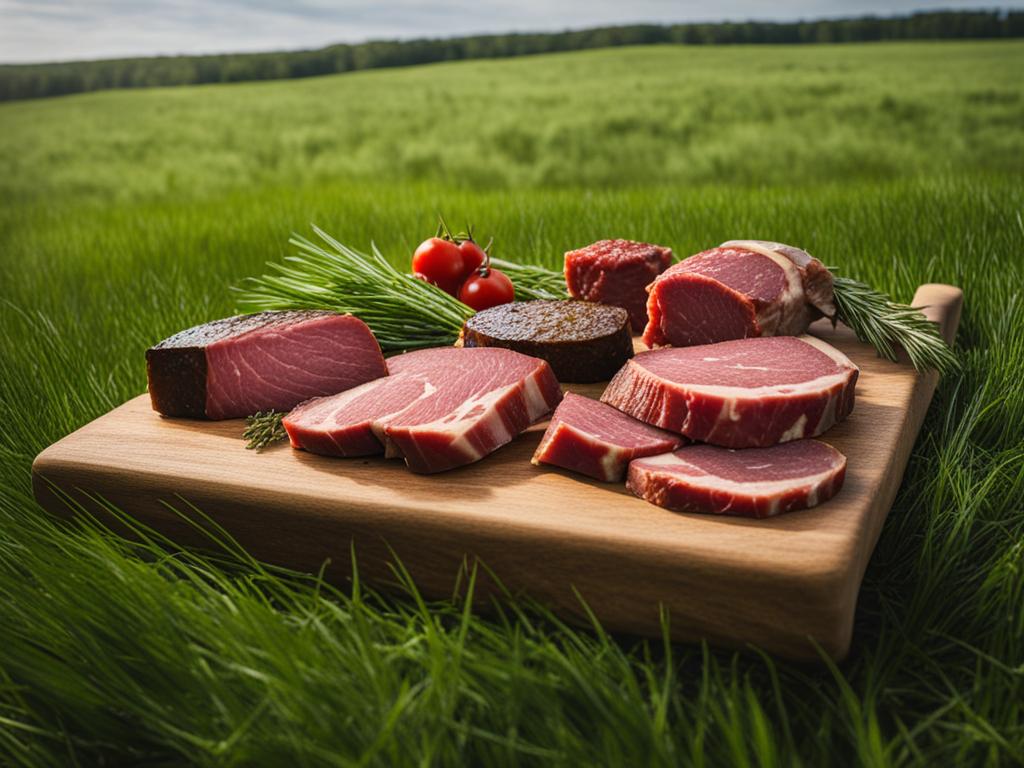
Venison is harvested from wild deer, which means these animals lead a natural existence, free from the constraints and artificial feeds associated with farmed livestock. Their diet comprises wild vegetation contributing to the ecological balance of their ecosystems. This lifestyle negates the need for additional land, water, and feed resources—common environmental stressors with livestock farming. As a result, the choices you make about the meat you consume can echo the principles of environmental stewardship.
Deer Population Control Through Hunting
Hunting, when executed under regulated and ethical guidelines, can be an effective form of wildlife population control. It helps in maintaining a balanced deer population, which is crucial for preventing overgrazing and habitat destruction. By promoting responsible hunting that aligns with conservation efforts, you’re contributing to the necessary balance between human activity and wildlife ecosystems. Embracing venison consumption as part of this system can lead to more sustainable living—benefitting both nature and your conscience.
Preserving Venison: Tips for Long-Term Storage
Choosing the right preservation method for your venison is vital to maintain its quality, flavor, and nutritional value. Whether you’re an experienced hunter or a newcomer to game meats, knowing these long-term venison storage tips can help you enjoy your haul all year round. Freezing, canning, and dehydrating are all effective methods, but each requires particular attention to detail to ensure venison preservation.
- Freeze quickly after harvest to prevent bacterial growth and maintain freshness.
- For best quality, consume fresh venison within eight months of freezing.
- Cured or seasoned venison should be used within four months to enjoy peak flavor.
- Package in airtight, freezer-safe materials to prevent freezer burn and protect flavor.
Canning Venison
- Pressure can at the appropriate temperature and time to preserve safety and taste.
- Label jars with the canning date, and use within one year for best quality.
- Store in a cool, dark place to maintain the integrity of the meat.
Dehydrating Venison
Dehydrated venison is a convenient way to store meat for an extended period. Slice it thin, season as desired, and dry at a low temperature to create venison jerky, which can be stored in a cool, dark place for up to two months. Remember, dehydrating does not eliminate the need to cook meat prior to consumption.
When you follow these long-term venison storage tips, you ensure not just a bounty of venison throughout different seasons but also a secure, healthy addition to your diet. Remember, maintaining the right temperatures and environment during the storage process is the cornerstone of effective venison preservation.
Field Dressing and Pre-Processing Strategies
When you’ve successfully harvested game, the steps you take immediately afterwards are critical to ensure the quality of your venison. Field dressing tips and pre-processing game meat techniques can make the difference between preserving that prime cut and spoiling a potentially great meal. Let’s delve into how you can optimize the post-harvest process.
Temperature Management of Freshly Harvested Game
Controlling the temperature is paramount. The swifter you cool down the game, the better you protect against bacteria that can spoil your meat. Removing the hide and introducing a cold source, like ice, helps in chilling the carcass quicker. This is especially important in warmer climates, where leaving the game at ambient temperature could quickly lead to pathogen growth.
Minimizing Contamination Risks During Harvest
To minimize contamination, always come prepared with the right tools and protective gear. Utilize plastic drop cloths to create a barrier between the meat and any unclean surfaces. And remember, personal hygiene is essential — use protective gloves and have alcohol wipes ready at hand to clean both your hands and your tools.
| Pre-Processing Step | Tools Required | Benefits |
|---|---|---|
| Temperature Control | Ice, Cooler | Rapid cooling to inhibit bacteria growth |
| Surface Protection | Plastic Drop Cloths | Prevents cross-contamination |
| Personal Hygiene | Protective Gloves, Alcohol Wipes | Reduces foodborne pathogens |
Faithfully following these steps is not only responsible but necessary for safeguarding the integrity of your game meat. Keep in mind these strategies next time you’re in the field, and you’ll be well on your way to a safe and savory venison dish.
Conclusion
Throughout this exploration of venison dietary benefits, we’ve uncovered not just the nutritional advantages of this flavorful game meat, but the practices that enhance its quality and safety. When considering healthy game meat consumption, venison stands out as a heart-friendly option, offering you the kind of nourishment that aligns with active, health-conscious lifestyles. As you incorporate venison into your meals, remember that its journey from field to fork is paramount—correctly handling and cooking it is your passport to relishing its distinct taste while leveraging its rich nutrient profile.
Moreover, opting for venison supports broader values such as environmental sustainability and ethical hunting practices. Whether you’re an avid hunter or a sustainable meat consumer, choosing venison signifies a thoughtful commitment to preserving our planet while indulging in culinary diversity. This meat’s versatility in recipes is commendable, from hearty stews to refined roasts, inviting you to enjoy a variety of dishes year-round.
Ultimately, your adoption of venison can contribute substantially to both personal wellness and the collective pursuit of a more sustainable and ethical way of sourcing protein. With its array of culinary uses and effective storage techniques, venison provides a pragmatic solution that meets the demands of both your palate and your principles.
FAQ
What are the health benefits of eating venison?
Venison offers numerous health benefits, such as being a leaner choice with fewer calories compared to beef and pork. It’s a great source of protein, contains all the essential amino acids your body needs, and is rich in vitamins and minerals like iron and zinc, which are beneficial for cardiovascular health, muscle maintenance, immune function, and more.
How does the nutritional profile of venison compare to beef and pork?
Venison is a leaner protein with significantly fewer calories and less fat than beef and pork, making it a healthier low-calorie meat option that’s also amino acid-rich. It also has a lower cholesterol content, which is better for heart health.
Why does venison taste gamey, and how is the flavor affected?
The gamey taste of venison is predominantly influenced by the diet of the deer, such as corn, acorns, or sage. Additionally, factors like proper bleeding, timely field dressing, and rapid cooling of the carcass after harvest can affect the taste, either enhancing or diminishing the gamey flavor.
What are the safe handling and cooking practices for venison?
Safe handling includes properly storing, cleaning, and cooking venison to an internal temperature of 165 degrees Fahrenheit to prevent foodborne illnesses. It is also important to freeze the meat for at least 30 days to kill parasites, although thorough cooking is necessary to eliminate bacteria.
How can the gamey taste of venison be reduced and its texture improved?
Soaking venison in a vinegar and water mixture or marinating it in sauces or fruit juices in the refrigerator can help to tenderize and reduce the gamey flavor. Always remember not to marinate for longer than 24 hours to prevent the meat from becoming mushy.
What diseases should hunters be wary of when handling venison, and how can they prevent them?
Hunters need to be cautious of diseases like brucellosis, which can be contracted through direct contact with infected blood or organs of the deer. Using safe field dressing techniques and protective equipment can help reduce this risk. Chronic Wasting Disease (CWD) is also a concern, and while there’s no strong evidence of human contraction, testing the meat in affected areas is recommended.
What are some culinary uses for venison?
Venison is extremely versatile in the kitchen and can be used to make jerky, ground meat, or roasts. It’s also suitable for soups, stews, casseroles, meatloaf, and more. Marinating can enhance the flavor and tenderness of the meat before cooking.
Why is venison considered an environmentally friendly meat source?
Venison is considered environmentally sustainable because deer are naturally more resource-efficient than farmed animals. They require less intervention to maintain their populations, and hunting deer can help control their populations in a natural manner, promoting environmental balance and ethical practices.
How should venison be preserved for the long term?
For long-term storage, venison should be rapidly chilled after harvest and can be frozen for up to eight months for fresh cuts or four months for cured and seasoned cuts. It can also be dehydrated or canned using a pressure canner following safety protocols to extend its shelf life without losing nutritional value.
What are some important field dressing and pre-processing strategies?
To ensure the quality of venison, hunters should manage the temperature of the carcass immediately after harvesting, especially when temperatures are warm. Quick hide removal and packing the carcass with ice helps cool it rapidly. Preventing contamination by using barriers like plastic drop cloths and maintaining hygiene with protective gloves and alcohol wipes is also crucial.