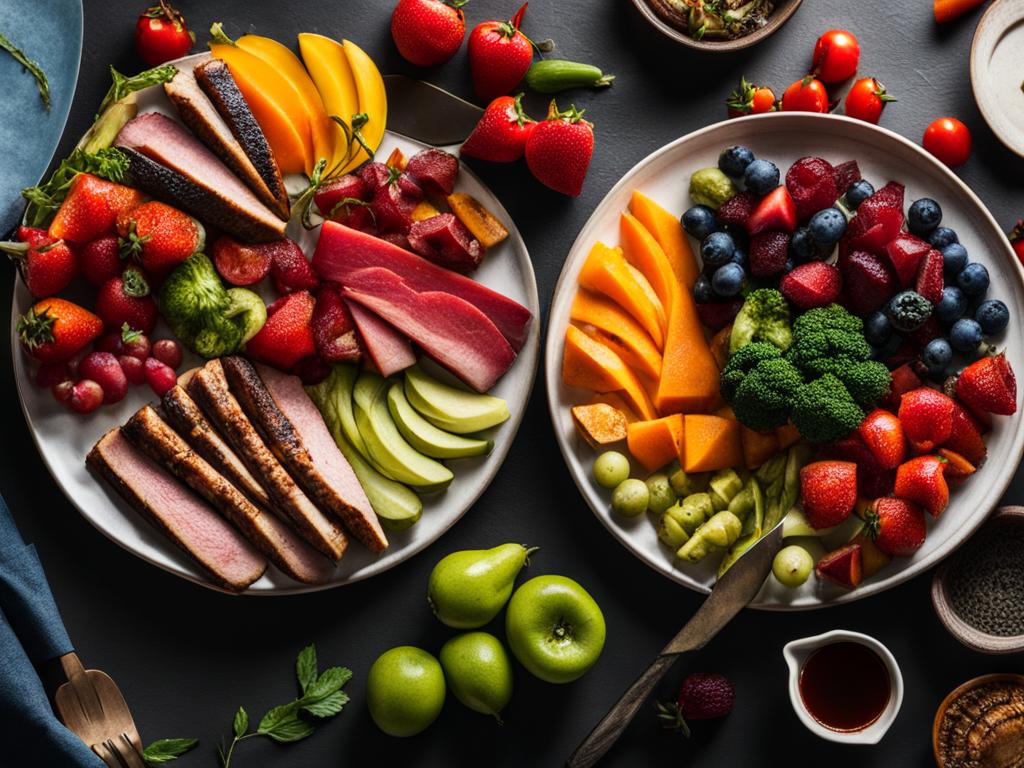
In your quest for optimal health, you may have encountered the carnivore and vegan diets – two distinct paths in the world of nutrition. Each offers a unique take on fueling your body, but how do they stack up against each other? The carnivore diet centers on animal-based foods, championing proteins and fats as the cornerstone of your dietary journey. Conversely, veganism champions plant-based nutrition, a way of eating that nurtures your body with fruits, vegetables, and whole grains, and has been linked to an array of positive health outcomes.
Deciding between a plate of leafy greens and a juicy steak isn’t just about taste – it’s a complex decision with implications for your health, ethics, and environmental impact. Let’s delve into the nutritional battle royale between these two dietary titans and uncover which might align best with your wellness aspirations.
Key Takeaways
- Plunge into the health benefits and risks associated with both carnivore and vegan diets.
- Discover how plant-based nutrition could potentially lower the risk of chronic diseases.
- Explore how an animal-based diet might improve mental health and body composition.
- Consider the ethical and environmental ramifications that come with each dietary choice.
- Learn how your dietary journey could navigate through the exclusivity of either diet.
Dietary Philosophy and Core Tenets: Carnivore and Vegan Diets
Embarking on a journey towards health-conscious living often leads you to explore different nutritional philosophies. Among the prominent dietary frameworks attracting attention for their polar approaches are the carnivore and vegan diets, each with its own set of core tenets and promised benefits.
Understanding the Carnivore Diet’s Approach to Nutrition
The carnivore diet champions the consumption of animal products and stands tall on the belief in their multitude of potential carnivore diet benefits. Practitioners typically indulge in meats such as beef, chicken, and pork, alongside ocean offerings like fish and seafood. The introduction of eggs and full-fat dairy further intensifies the diet’s focus on essential amino acids and nutrients pivotal for human health. While some adherents may opt to include non-starchy vegetables and a minimal amount of fruits, the diet is fundamentally high-protein, low-carbohydrate.
Veganism: More Than Just Plant-Based Eating
Conversely, the vegan lifestyle extends its roots beyond mere dietary choices, embodying a holistic approach that involves ethical eating and environmental consciousness. Vegans abstain from all forms of animal-derived substances, be it in their food, clothing, or cosmetics. This commitment to plant-based proteins and ethical diets sets forth a compassionate tableau, merging personal health aims with broader ethical convictions. The vegan diet teems with vegetables, fruits, legumes, nuts, and seeds, all known for fostering a reduced risk of lifestyle diseases despite the challenge of ensuring adequate vitamin B12 intake, which is primarily found in animal foods.
Similarities in Philosophical Commitments
Interestingly, the divergence in food sources does not translate to a complete ideological separation between these dietary frameworks. Both the carnivore and vegan diets share a unified front when it comes to advocating for unprocessed and real foods. The commitment to a healthier, more ethical way of living remains a common thread—whether that’s through the preferential selection of ethically sourced meats or the avoidance of animal products altogether in favor of a lower environmental footprint. Such diets underscore the growing currents of health-conscious living and a global trend towards more environmental consciousness. At the heart of each diet is an individual’s pursuit to align their eating habits with their personal values and beliefs.
As you navigate through the contrasting terrains of carnivore and vegan diets, it’s important to remember that the choice between animal-based sustenance and plant-derived nourishment is not just about what’s on your plate—it’s also about what you stand for, and how you see your food choices impacting both your body and the world around you.
Navigating Nutrient Profiles: What Each Diet Offers
When it comes to nutritional balance and maximizing diet benefits, understanding the unique nutrient profiles of carnivore and vegan diets is key. Whether it’s guarding against deficiencies or maximizing intake of essential vitamins, there is a strategy within each dietary approach that could serve your health objectives. Let’s explore how these diets fulfill nutritional requirements and what you might need to supplement to maintain a robust and resilient body.
Vegans are known to indulge in a rich variety of fruits, vegetables, seeds, and legumes, which are teeming with life-sustaining nutrients like antioxidants, fiber, vitamin C, potassium, and magnesium. All these contribute to a plethora of diet benefits, including better heart health and stronger immunity. However, the lack of vitamin B12, typically found in animal products, is a common concern that needs addressing, possibly through fortified foods or supplements.
Conversely, the carnivore diet is a powerhouse of essential amino acids and other vital nutrients, integral to muscle development and overall vitality. Still, it’s essential to be vigilant about including a diverse range of animal products to avoid shortfalls in certain vitamins and fiber that are not as plentiful in a meat-only regimen.
Both dietary approaches offer distinct dietary benefits, yet require a keen eye to ensure nutritional balance is achieved. Sustainability comes into play, not just for our own bodies but for the environment at large. Choosing responsibly sourced foods, whether from the plant or animal kingdom, mitigates environmental impact and supports ethical practices.
To further illustrate the key nutrients obtained from each diet, let’s view a comparative snapshot:
| Nutrient | Vegan Sources | Carnivore Sources |
|---|---|---|
| Protein | Lentils, Chickpeas, Tempeh | Beef, Poultry, Seafood |
| Fiber | Broccoli, Oats, Apples | Limited options |
| Vitamin B12 | Fortified Nutritional Yeast | Eggs, Cheese, Organ Meats |
| Vitamin C | Bell Peppers, Strawberries, Citrus Fruits | Animal sources are minimal |
| Potassium | Bananas, Spinach, Potatoes | Fish, Dairy, Some Meats |
| Magnesium | Nuts, Whole Grains, Dark Chocolate | Seafood, Nuts, Dairy |
As you can see, both diets have their own strengths to harness and weaknesses to consider. Whichever path you take in quest of nutritional balance, it’s essential to tailor your intake based on your individual health needs and lifestyle preferences.
Ultimately, your nutrition journey is yours to pave. Whether you’re drawn to the leafy greens of the vegan world or the pasture-raised cuts of the carnivore lifestyle, embracing a thoughtful approach towards dietary balance can lead to a nourished, vibrant life. Purposeful eating paired with informed supplement choices ensures that your body doesn’t miss out on essential vitamins and that you continue to reap the manifold diet benefits. Remember, knowledge is the finest ingredient.
Protein Puzzle: Comparing Animal and Plant-Based Sources
When you’re exploring dietary proteins for health and muscle building, understanding the sources and their impact on the body is crucial. Complete proteins, which contain all nine essential amino acids, are typically associated with animal sources. However, vegan protein sources can also provide a full amino acid profile with proper combination—essential for those concerned with nutrient absorption and protein bioavailability.
Quality of Protein: Amino Acid Profiles
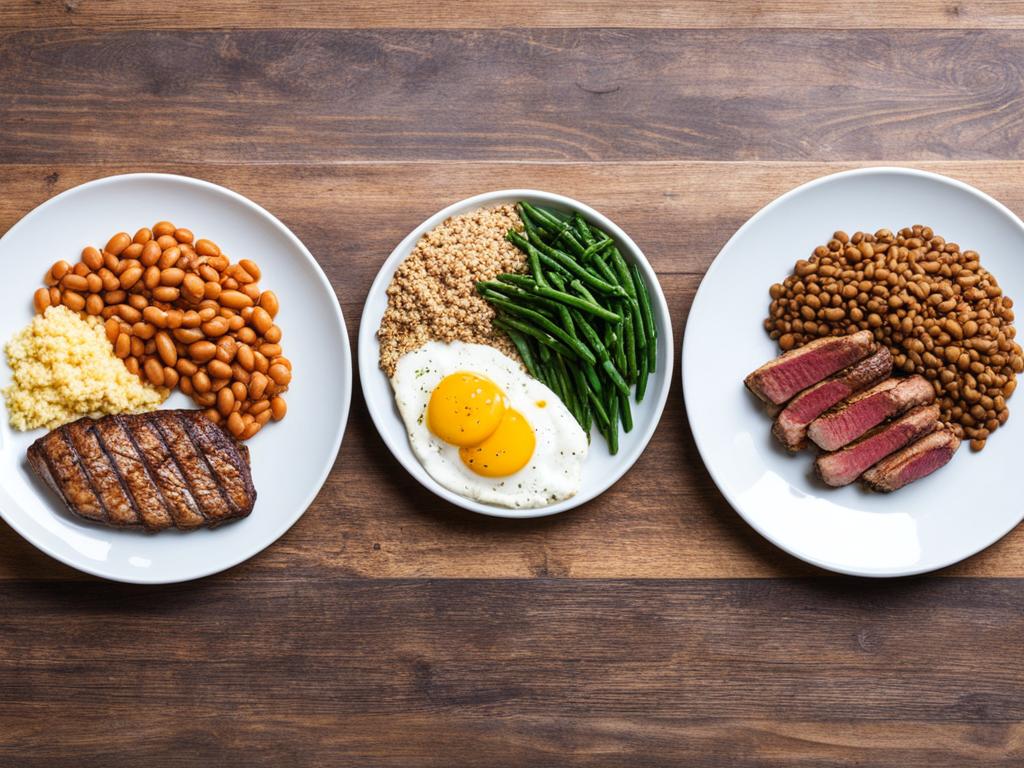
Animal-derived foods are lauded for their complete protein content, with eggs and dairy often at the forefront. They’re readily used by the body, which is especially beneficial for muscle building. But don’t underestimate plant-based proteins; when foods like beans and lentils are paired with grains such as quinoa, they form a complete protein that supports your dietary needs without relying on animal products.
Protein Absorption and Utilization
Your body’s ability to absorb and use protein effectively is termed ‘bioavailability’. Generally, animal proteins have a higher bioavailability, which is why they are prominent in the diets of athletes and bodybuilders. Vegans or anyone leaning towards plant-based diets should consider the variety in their protein sources to optimize nutrient absorption and maintain efficient muscle synthesis.
| Protein Source | Key Nutrients | Amino Acid Profile | Notes on Absorption |
|---|---|---|---|
| Beef (Animal-based) | B12, Iron, Zinc | Complete | High bioavailability |
| Lentils (Plant-based) | Fiber, Iron, Folate | Must combine with rice for completeness | Lower bioavailability; improved when soaked or sprouted |
| Quinoa (Plant-based) | Magnesium, Fiber, Manganese | Complete | Very good bioavailability for a plant source |
| Eggs (Animal-based) | Vitamin D, Choline, Lutein | Complete | Excellent bioavailability, reference protein for comparison |
Whether you’re focused on muscle building, overall health, or transitioning to plant-based eating, integrating a variety of dietary proteins is key to achieving balanced nutrition. Remember, it’s not just about the quantity of protein consumed but also the quality and how your body can utilize it.
Fiber and Digestive Health: A Vegan Advantage?
When you embark on a vegan diet, you’re not just making a choice for animals and the environment; you’re also taking a serious step towards improving your gut health. How, you ask? Let’s dive into the role of dietary fiber in promoting the wellness of your digestive system and why a vegan diet might be a force for good in your gut.
Soluble vs Insoluble Fiber
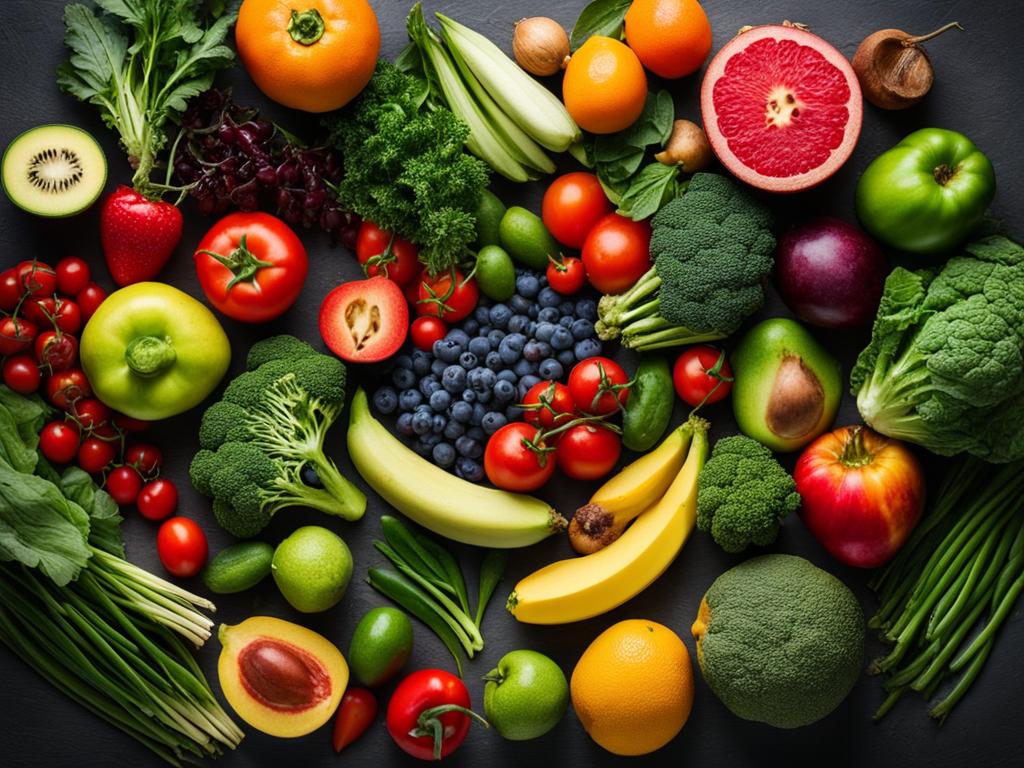
Vegan diets are bountiful sources of both soluble and insoluble dietary fiber, components that have distinctive yet cooperative roles in digestive wellness. Soluble fiber, found in foods like oats, nuts, beans, and certain fruits, dissolves in water to form a gel-like substance, easing digestion and contributing to heart health by reducing cholesterol levels. Alternatively, insoluble fiber — present in vegetables, whole grains, and legumes — doesn’t dissolve in water and adds bulk to your stool, which helps maintain regular bowel movements and prevents constipation.
Prebiotics and Gut Microbiome
A vegan diet rich in various plant-based foods can act as a treasure trove of vegan prebiotics, non-digestible fibers that ferment in the gut and provide nourishment for your microbiota diversity. This synergistic relationship between your diet and the beneficial bacteria in your gut not only supports your gut health but also influences your overall well-being, from immunity to mental health.
| Benefits of Dietary Fiber | Impact on Gut Microbiome |
|---|---|
| Promotes regular bowel movements | Enhances microbial diversity |
| Contributes to weight management | Supports the growth of beneficial bacteria |
| Reduces risk of colon cancer | Improves immune function |
| Aids in controlling blood sugar levels | May contribute to reducing inflammation |
Remember, even if you’re on a carnivore diet, you can still strive for a balanced gut by incorporating non-starchy vegetables and fiber supplements to gain some digestive benefits. Your microbiota and your body will thank you for adding a touch of vegan wisdom to your dietary regimen!
Carnivore Diet vs Vegan: Evaluating Vitamin and Mineral Intake
When exploring the realms of extreme diets such as the carnivore diet and veganism, one must understand the importance of maintaining a balanced diet. It’s all about hitting that sweet spot of nutritional adequacy, avoiding nutrient deficiencies that can tip the scales towards health complications. Let’s delve into the microcosm of vitamins and minerals, highlighting where each diet may require nutritional strategies through careful planning and potential vitamin supplementation.
Identifying Potential Deficiencies in Both Diets
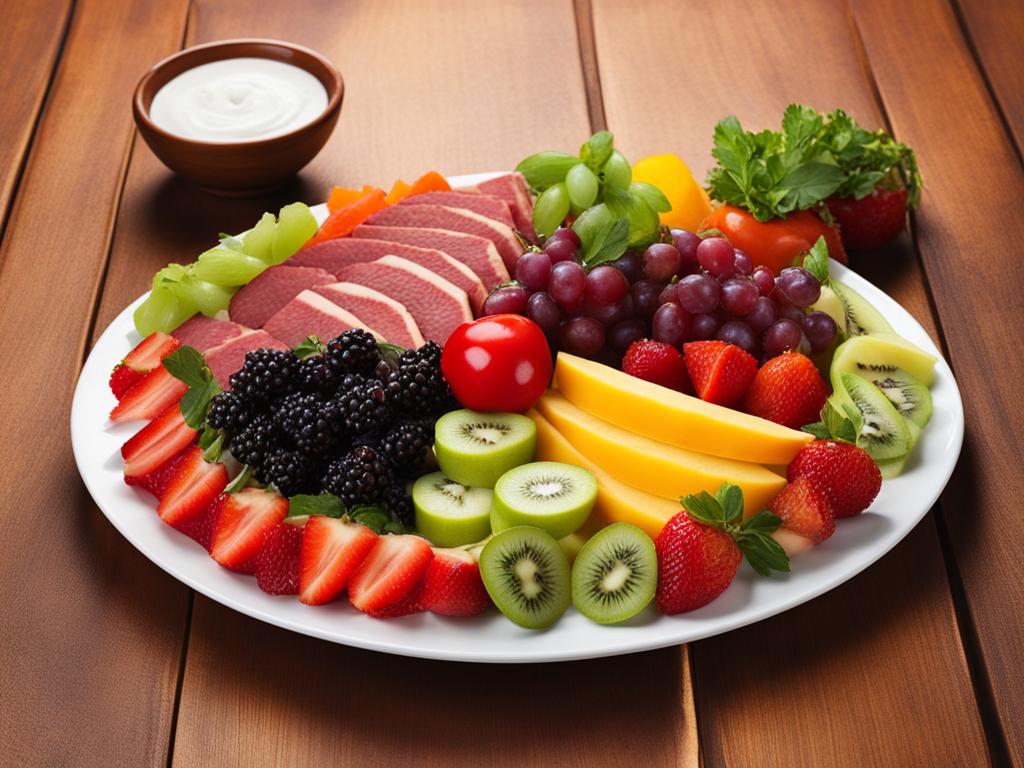
Whether you’re a meat aficionado or a creature of plant habit, the deficiencies lurking in your specific diet can be subtle yet significant. Vegans might find themselves running low on vitamin B12, iron, and omega-3 fatty acids. Conversely, those on the carnivore diet might be missing out on the full spectrum of vitamins typically bursting from fruits and vegetables. However, with the right mix of dietary supplements and fortified foods, you can paint a more complete nutritional picture.
Finding Equilibrium Through Supplementation or Diet Adjustments
Chasing after a dietary balance through either diet requires a bit of nutritional know-how. Consolidating your meal plans with either naturally rich or fortified foods is key. Vegans may reach for fortified products like plant milks or cereals, while those on the carnivore diet might consider a side of vitamin-packed kale or occasional supplements. It’s about drafting a roster of foods and supplements that work seamlessly together, orchestrating a balanced diet symphony.
Remember, it’s more than just ingesting a rainbow of foods or piling on the meats—it’s about ensuring your diet hits every nutritional note. So, embrace the challenge, whether through vitamin-rich snacks or a cabinet of thoughtfully chosen dietary supplements. Your body will thank you for the harmonic approach to your daily food choices.
The Environmental and Ethical Implications
When you consider your dietary choices, it’s not just about what’s on your plate—it’s about the impact those choices have on the planet. Sustainable diets are gaining traction as individuals search for ways to reduce their ecological footprint. Plant-based diets are often showcased as a beacon of sustainability, thanks to their lower demands on resources and diminished greenhouse gas emissions. This contrasts significantly with animal agriculture, which is resource-intensive and a significant source of emissions. Ethical considerations also play a pivotal role in this discussion.
Below, you’ll find a snapshot of how different diets weigh in on both environmental and ethical scales:
| Aspect | Plant-Based Diet | Animal Agriculture |
|---|---|---|
| Resource Usage | Lower usage of water, land, and energy | Higher consumption of water, land, and energy |
| Greenhouse Gas Emissions | Significantly reduced emissions | Major contributor to emissions |
| Animal Welfare | Supports animal rights and opposes animal suffering | Varies; may include ethical practices like free-range farming |
As we delve into sustainable diets, ethical concerns around animal welfare cannot be overlooked. Many people gravitate towards veganism to take a stand against animal suffering—an element intrinsically linked to the fabric of animal agriculture. For those who include meat in their diet, ethical sourcing practices and support for responsible farming methods are ways carnivores make their dietary pattern more tenable from a moral standpoint.
- Choosing free-range meat and eggs
- Purchasing from local farms with transparent practices
- Engaging in or supporting ethical hunting practices
You have the power to shape the future of food production with every meal you eat. By being mindful of these issues, you can align your dietary choices with an ethos that champions environmental stewardship and ethical responsibility.
Exploring the Energy Shift: Ketosis and Carbohydrate Restriction
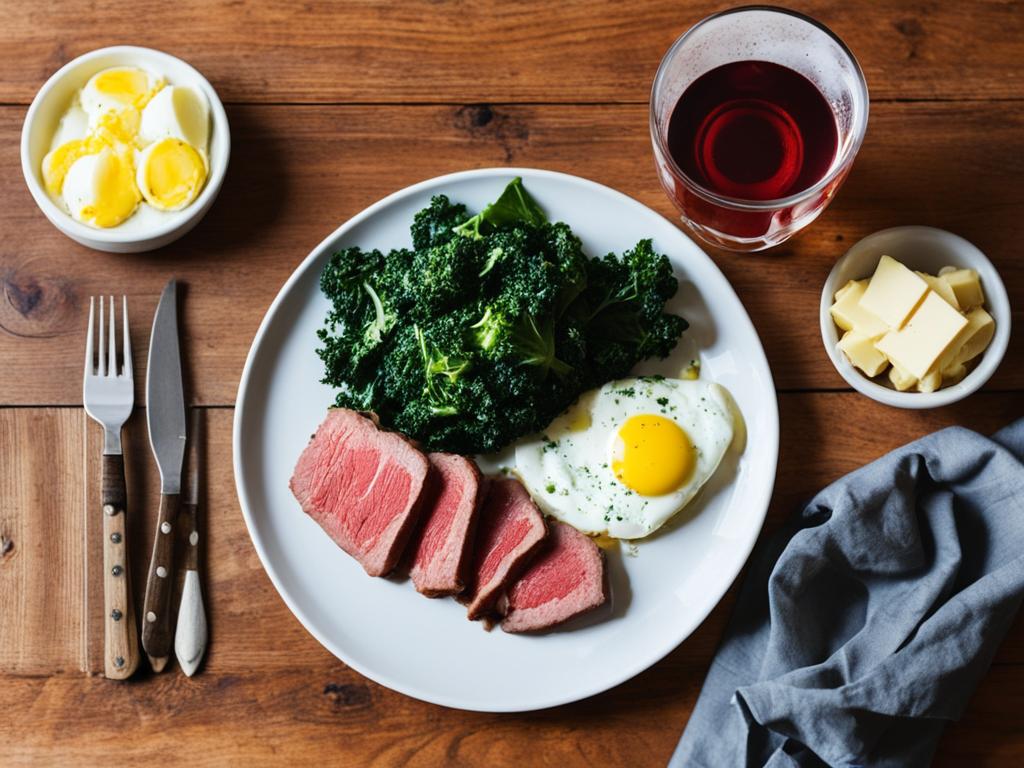
Embarking on a carnivore dietary journey positions you in a unique metabolic state where your body undergoes significant transformations in energy production. This shift is predicated on the principle of ketogenic eating, where your body’s primary fuel source switches from carbohydrates to fats, an adaptive process catalyzed by a definitive carb reduction.
The Role of Glucose and Ketones for Energy
In a traditional diet rich in carbohydrates, glucose reigns as the primary energy molecule. However, when you embrace low-carb benefits through diet adaptation, you dramatically alter this energy paradigm. As your body depletes its glucose reserves, it begins to produce ketones, a byproduct of fat breakdown, which efficiently fuels your brain and muscles in the absence of sugar. This process underlines the core mechanism behind ketogenic eating—a proven method to sharpen mental clarity and sustain physical endurance.
Adapting to a Low-Carb Regimen
The transition to a low-carb, high-fat carnivore diet isn’t merely about forgoing a macronutrient; it’s a holistic lifestyle choice that initiates profound changes in bodily function. Your diet adaptation period may come with fluctuating energy levels and cravings as you bid farewell to glucose dependency. Nevertheless, perseverance through this carb reduction phase unlocks a metabolic state finely tuned for optimal energy production, leveraging the innate low-carb benefits.
| A Comparison of Metabolic Processes | Glucose as Energy | Ketones as Energy |
|---|---|---|
| Fuel Source | Carbohydrates | Fat Stores and Dietary Fat |
| Main Beneficiaries | Muscles during high-intensity activities | Brain and muscles during steady-state activities |
| Impact on Blood Sugar | Spikes insulin levels | Stabilizes insulin levels |
| Dietary Considerations | High in sugar and starches | Rich in healthy fats and proteins |
| Physiological Adaptation | Readily usable energy | Requires weeks of metabolic adjustment |
As you delve into the carnivore way of life, remember that knowledge is your ally. Understanding the intricacies of your body’s energy production and staying informed on the progressive stages of diet adaptation can profoundly influence your success in forging a path to enhanced well-being through ketogenic eating.
Analyzing Health Outcomes: What Research Says About Longevity and Disease
In the quest for optimal health, the balance between diet-related diseases and nutrition choices is pivotal. Understanding how various diets influence longevity and disease prevalence is critical to make informed decisions regarding diet management. Research offers insights into how different dietary patterns can impact our susceptibility to diseases and our overall cardiovascular health.
Studies on Heart Disease and Cancer Risks
Vegan diets have been tied to cancer prevention and reducing heart disease, which researchers attribute to their high antioxidant content and robust dietary fiber. On flip side, carnivore diets, with a focus on animal proteins, might have a nuanced relationship with disease risk factors, influencing heart disease and cancer risks differently.
Yet, not all animal-based diets are created equal. The type and quality of meat consumed, along with individual lifestyle factors, can mitigate or elevate disease risk factors. It is essential to examine the nuances and differences within these broad diet categories to truly understand their health outcomes.
Impacts on Diabetes and Obesity
Moving towards the realm of metabolic disorders, there is growing evidence to support the role of carnivore diets in weight management and improved insulin sensitivity. This can be particularly beneficial for those grappling with metabolic disorders such as diabetes or obesity. Conversely, vegan diets are also noted for their potential in combatting obesity, thanks to their typically low-calorie nature.
| Diet Type | Heart Disease Risk | Cancer Risk | Diabetes/Obesity Impact |
|---|---|---|---|
| Vegan | Lower risk | Lower risk | Positive impact (weight loss) |
| Carnivore | Potential increased risk | Varies by meat quality and consumption | Positive impact (insulin sensitivity) |
It becomes clear that while both diet types have potentials to positively influence metabolic disorders and weight control, the overarching diet management and individual health conditions should steer the course of action. Awareness and proper diet management could ensure that either diet promotes better health outcomes in your life.
Lifestyle Adaptability: Making the Diets Work in Daily Life
When you embark on dietary transitions towards veganism or a carnivore regimen, the practical aspects of food accessibility and social dining scenarios play critical roles in weaving these diets into the fabric of your daily life. Whether you are at a restaurant with friends or enjoying a family dinner, adopting these restrictive diets potently influences your ability to engage socially.
Food Availability and Social Considerations
Maintaining a new diet can be a smooth ride or a tough challenge, depending on what’s on your plate. What’s readily available at the local market and what’s offered on the menu when dining out can considerably affect your ability to stick to your chosen path of emotional well-being.
| Diet Type | Availability in Restaurants | Family and Social Gatherings | Convenience and Prep Time |
|---|---|---|---|
| Vegan | Increasingly common as plant-based options expand. | May require planning ahead or bringing dishes to share. | May involve more time due to preparation of various plant-based ingredients. |
| Carnivore | Meat-based dishes widely available, but may need to request modifications. | Often more easily adapted, but may clash with vegetarian/vegan hosts. | Typically less prep time, depending on cooking preferences for meat. |
Psychological Aspects of Restrictive Eating
Restrictive eating patterns can manifest profound impacts on your mental health. It’s more than just the physical implications of a diet; it’s how you feel when you’re dining alone or with others, and whether your choices resonate with a sense of personal fulfillment and emotional well-being. It is imperative to evaluate how these changes align with your lifestyle and relationships to ensure the best outcomes for your mental and emotional health.
- Understanding and respecting your motivation for diet adoption
- Seeking support from like-minded individuals or communities
- Being gentle with yourself during the adjustment period
- Recognizing the psychological benefits of nourishing your body appropriately
Whatever dietary path you choose, remember it’s a deeply personal journey that intertwines with your lifestyle, psychology, and social circles. Each bite is a step towards optimal well-being, and the best diet for you is one that considers the totality of your life’s tapestry.
Conclusion
As we’ve navigated through the contrasting landscapes of carnivore and vegan diets, the crux of the matter settles firmly on making informed dietary decisions that cater to your unique situation. Considering your personal health goals is paramount, as each diet holds its own set of benefits and considerations. Whether you aim for increased muscle mass and cognitive enhancement with the carnivore diet or long-term disease prevention and ethical satisfaction with veganism, it’s your individual objectives that should guide your choices.
The delicate balance of nutritional wellbeing transcends diet labels, directing focus instead toward the quality and variety of your food sources. Ethical values and environmental impacts are influential factors that may sway your decision, reflecting a growing consciousness that what we consume goes beyond mere sustenance. It affects the planet and other species inhabiting it,
In summary, the debate between animal-based and plant-based nutrition is less about winning arguments and more about understanding and adapting to dietary practices that will foster your wellbeing. An optimal diet is one that not only aligns with your values and lifestyle but also supports your health in a holistic way. Use the information presented to first and foremost serve your wellbeing, as this is the keystone to any successful dietary journey.
FAQ
What are the core principles of a carnivore diet?
The core principles of the carnivore diet focus on a high-protein regimen consisting of animal-based foods such as meat, fish, eggs, and certain dairy products, aimed at consuming essential amino acids and animal fats. It generally minimizes or excludes plant-based nutrition.
How does veganism extend beyond diet choices?
Veganism is a lifestyle choice that avoids all animal products, not only in diet but also in clothing, cosmetics, and other aspects of daily living, driven by ethical eating, environmental consciousness, and health outcomes.
What nutritional benefits do vegan and carnivore diets share?
Both diets emphasize whole, unprocessed foods and share a commitment to health-conscious living. They exclude processed goods, focusing on real foods to achieve good health while aligning with individual ethical diets and environmental values.
What factors affect protein quality in animal and plant sources?
Protein quality is influenced by the amino acid profiles of the sources. Animal-based proteins usually provide complete proteins with essential amino acids in one source, while plant-based proteins can offer a balanced profile through combining different foods like legumes and grains, promoting a health-conscious dietary journey.
How does fiber intake differ between carnivore and vegan diets?
Vegan diets are typically high in dietary fiber, providing digestive benefits and aiding in gut health. Carnivore diets, rich in animal products, tend to have lower fiber intake, potentially affecting microbiota diversity and requiring the inclusion of non-starchy vegetables or fiber supplements.
Can both vegan and carnivore diets lead to nutrient deficiencies?
Yes, a vegan diet might lack essential vitamins like B12, omega-3 fatty acids, and iron, whereas a carnivore diet could be deficient in fiber and vitamins abundant in plant-based foods. Nutritional balance is essential, and both diets may require supplementation or dietary adjustments.
What are the environmental implications of following a carnivore or vegan diet?
Vegan diets are often touted for their lower environmental impact due to reduced resource usage and greenhouse gas emissions. Conversely, the carnivore diet is associated with higher impacts due to the resource-intensive nature of meat production. Sustainable diets and ethical considerations in sourcing can mitigate some of these concerns.
How does reducing carbohydrate intake on a carnivore diet impact energy production?
Reducing carbohydrate intake can lead to a state of ketosis where the body uses ketones for energy. This low-carb benefit can improve insulin sensitivity and blood sugar control, but requires metabolic adaptation for sustained energy levels and ketogenic eating practices.
What does research say about the health outcomes related to vegan and carnivore diets?
Studies have shown that vegan diets might reduce the risk of heart disease and certain cancers due to their high antioxidant and fiber content. However, carnivore diets focusing on quality animal-based nutrition have been linked to improved body composition, insulin sensitivity, and aid in weight management but may increase the risk of other health conditions if not well managed.
How can I adapt to a vegan or carnivore diet considering social and lifestyle factors?
Successfully adapting to either a vegan or carnivore diet involves planning for food availability, accounting for social dining experiences, and considering the emotional well-being associated with restrictive diets. Gradual dietary transitions can facilitate better integration into your lifestyle and help maintain mental health.