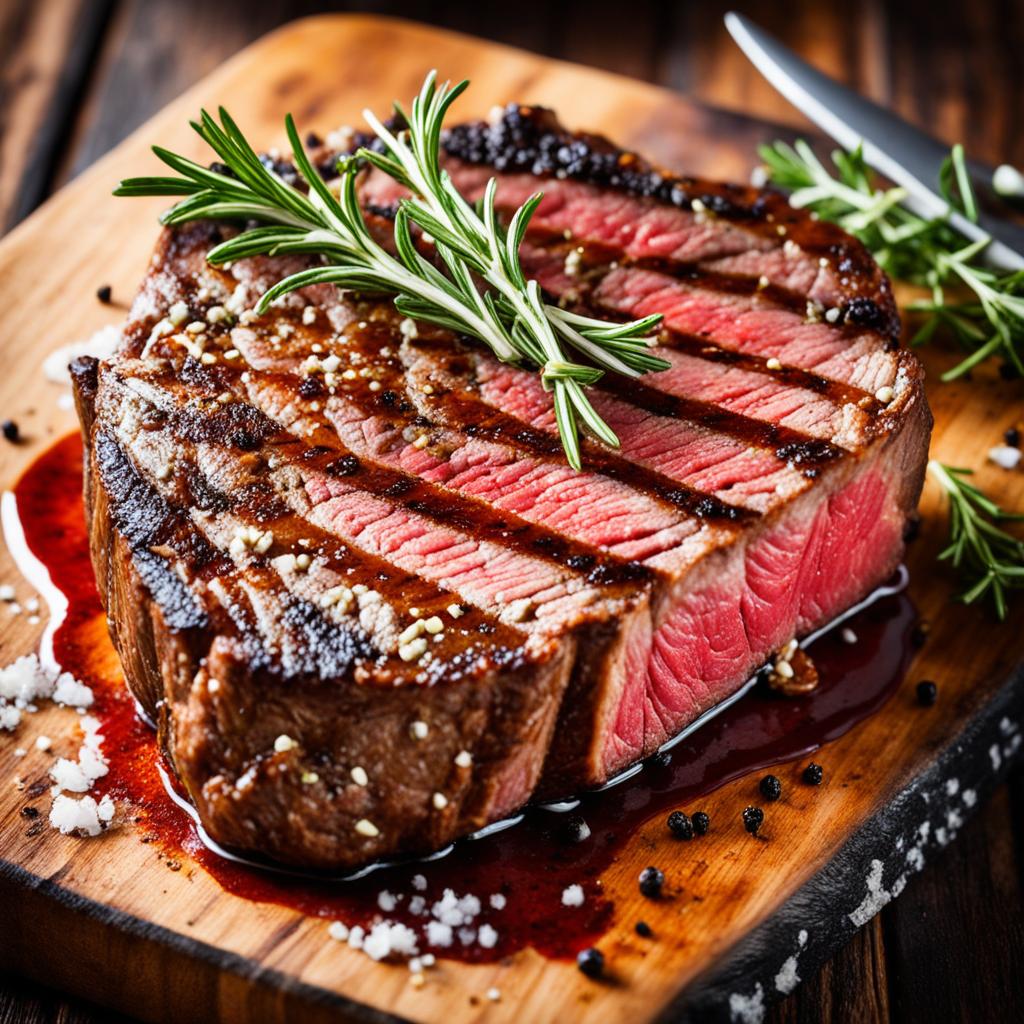
Ever wondered why dry aged steak stands out? Unlike regular cuts, it offers a unique culinary delight. It has deep flavors and extra tenderness. This process turns normal beef into a true delicacy. It’s a flavor adventure for steak fans.
What is Dry Aged Steak?
Dry aged steak refers to beef aged for weeks or months in a special environment. This process allows enzymes to soften the meat, improving its taste and tenderness. In comparison to wet aged steak, dry aging exposes the beef to air, which enhances its flavor.
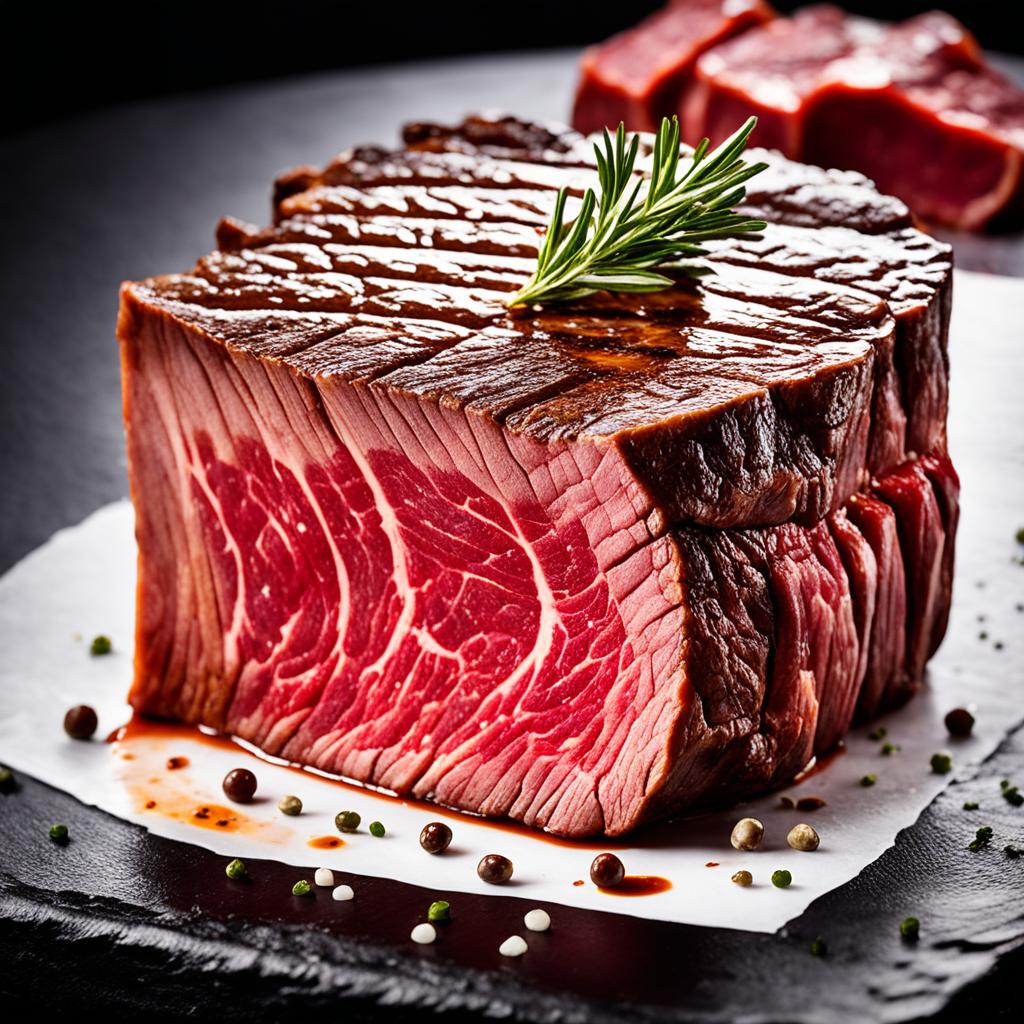
The way dry aged steak is prepared can vary. As it ages, the steak loses moisture, which concentrates its flavors. This results in a richer taste. The texture becomes exceptionally tender, making it a standout choice for any meal.
Benefits of Eating Dry Aged Steak
Dry aged steak brings a deep and rich taste to the table. It has benefits that make your meal better. The aging process makes the flavor and tenderness stand out. Let’s dive into these great perks.
Enhanced Flavor Profile
The flavor of dry aged steak is deeper and more complex. As it ages, the meat loses moisture. This concentrates the flavors, making them stronger. You get to enjoy rich, beefy tastes with every bite.
Tenderness Compared to Standard Steak
Aging makes the beef much more tender. It breaks down the muscle fibers in the meat. This natural process result in a steak that’s easy to cut and eat. Dry aged steak stands out with its mix of great flavor and softness.
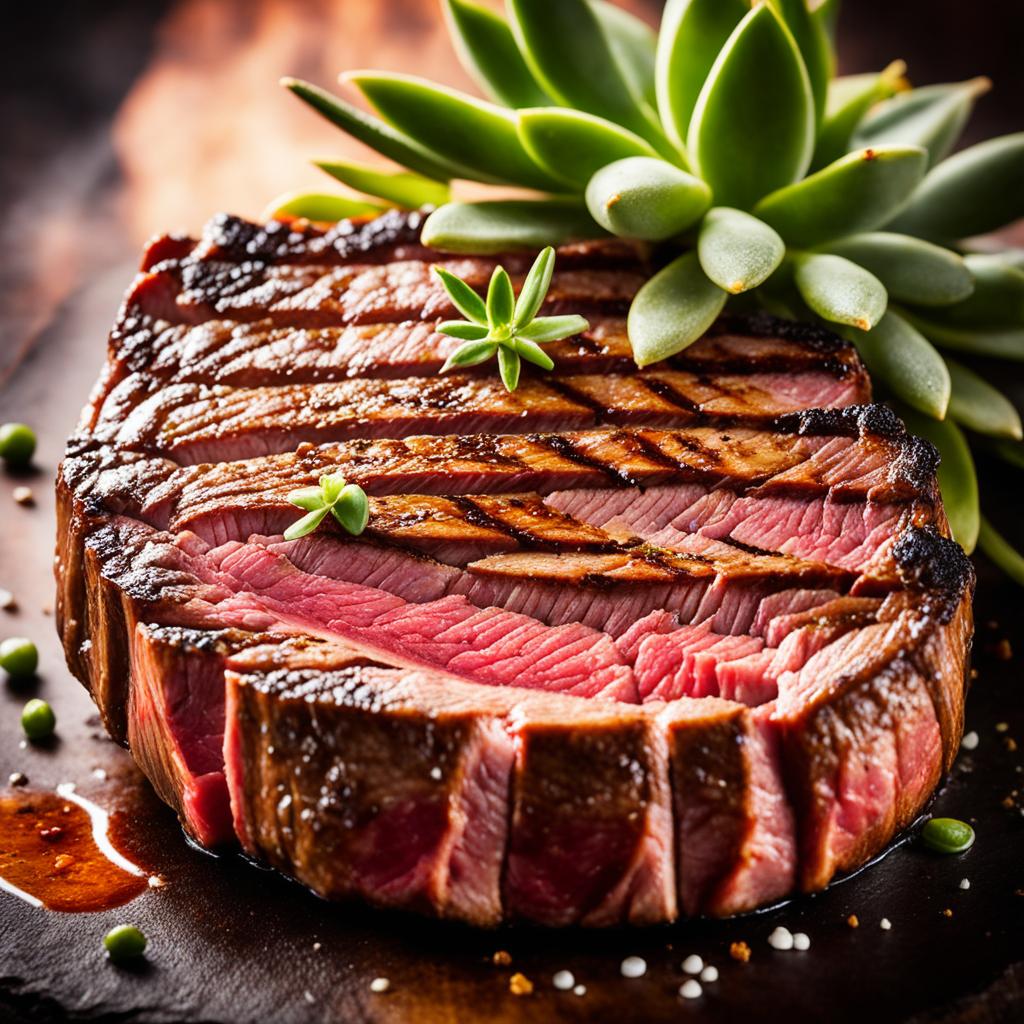
How is Dry Aged Steak Made?
The dry aging process changes the beef’s flavor and tenderness. It uses special methods and a controlled environment. This involves hanging large beef cuts in a space where the temperature and humidity are just right.
This special setting keeps the meat from spoiling. It lets the beef develop better flavors and textures over time.
The Dry Aging Process Explained
The beef changes a lot during the aging process. A crust forms on the outside, which is cut off later. This ensures the inside meat stays juicy and tasty.
Preparing the beef the right way is crucial for the best taste.
Optimal Aging Time for Maximum Flavor
The length of aging affects the steak’s taste. Experts often suggest 28 to 45 days for the best flavor. Shorter times give a milder taste, while longer ones offer a richer depth.
Finding the right aging balance is key to enjoying your steak at its best. For cooking tips, check out this guide.
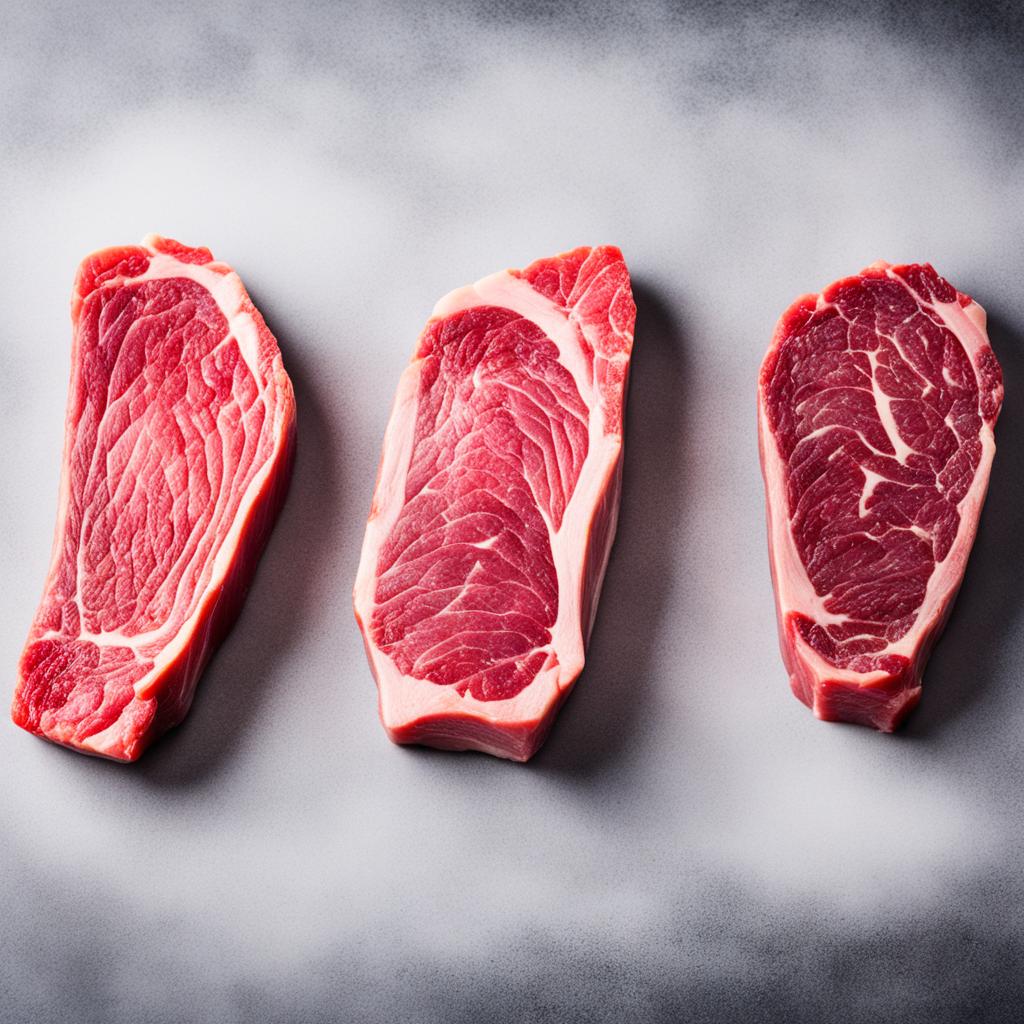
Choosing the Best Cuts for Dry Aging
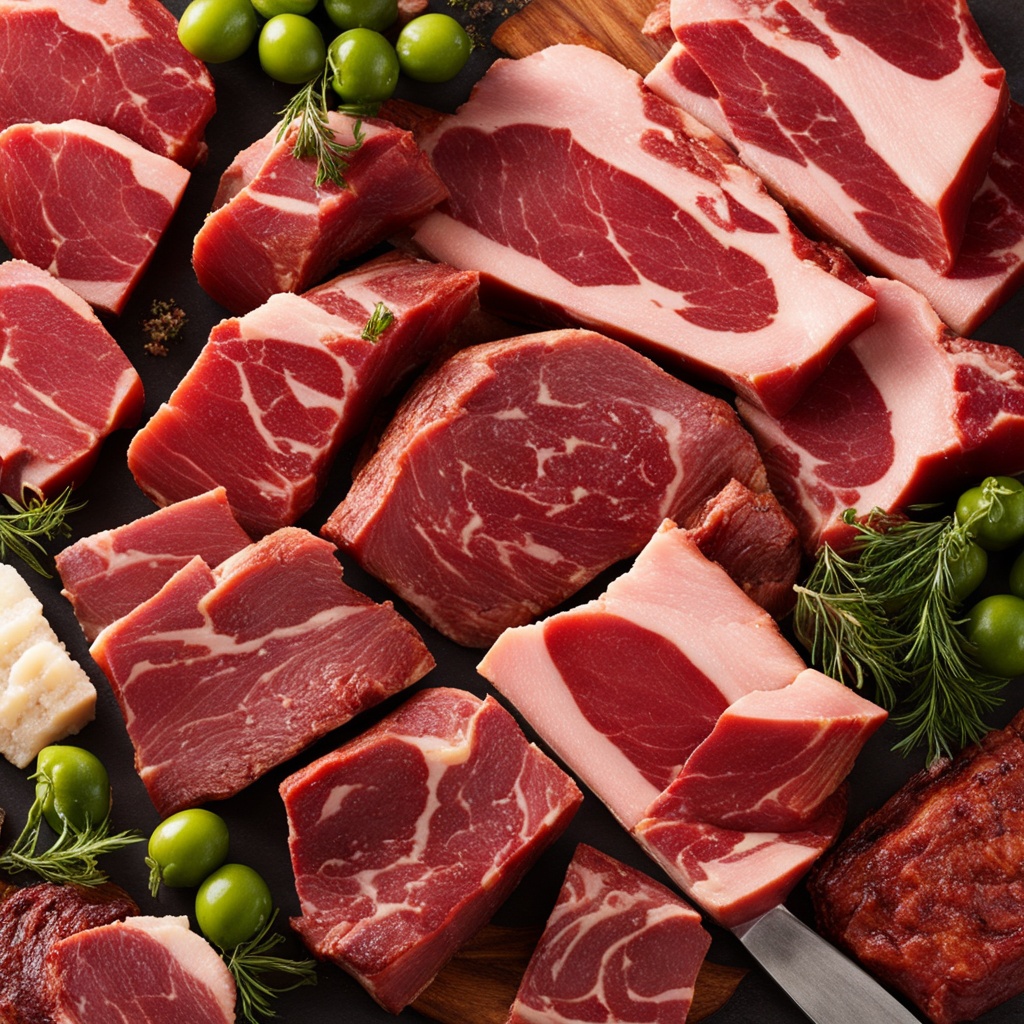
Selecting the right cuts for dry aging is key for that deep, satisfying taste. Certain steaks are favorites because they’re perfect for this. They gain complex tastes as they age. The cut you pick makes the meal better.
Popular Cuts of Dry Aged Steak
For the best dry aging experience, look for:
- Ribeye
- Porterhouse
- T-bone
- Tomahawk ribeye
- Filet mignon
These steaks are loved for their fat and marbling. This is what makes them taste so good. Choosing these will give you that richer flavor that comes from aging.
Grass-Fed vs. Grain-Fed Beef
It matters if you choose grass-fed or grain-fed beef. Grass-fed is leaner and has a grassy flavor. Grain-fed has more fat, making it juicier and richer. Know these tastes to find the best steak for you.
Where to Buy High-Quality Dry Aged Steak
Getting your hands on high-quality dry aged steak can make your meals special. You can find amazing options both locally and online. By choosing independent butchers or online beef sellers, you can enjoy top-notch meat with ease.
Support Local Butchers
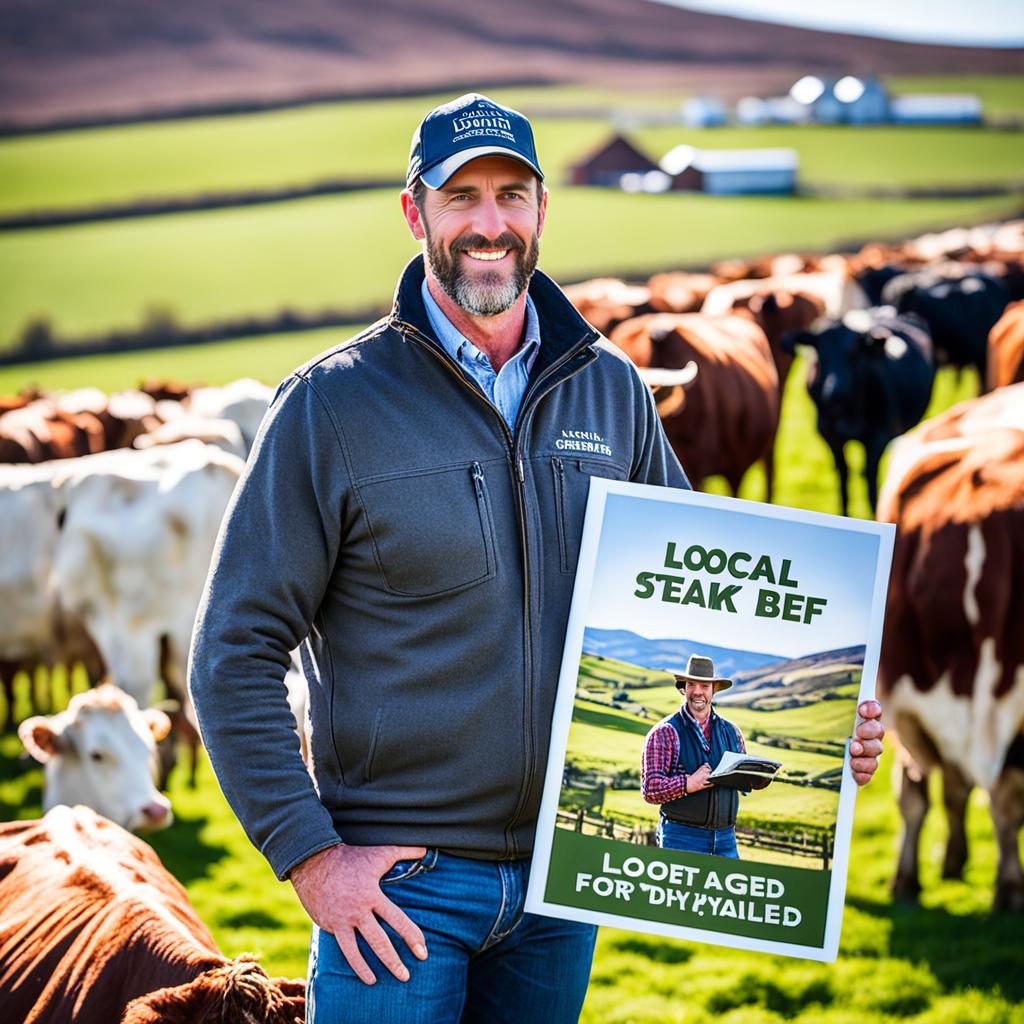
Buying local beef often leads to finding incredible meats. Independent butchers focus on the art of butchery, offering special dry aged steaks. By getting to know your butcher, you learn about their methods and unique cuts. This way, you can enjoy flavors and specialties not found in big stores.
Online Options for Purchasing Beef
If you like to shop from home, there are many online beef sellers. You can buy steak online from places that ensure quality meat is delivered to you. Companies like Porter Road provide pasture-raised, dry aged beef. Make sure to choose trusted suppliers for the best quality and freshness.
How to Cook Dry Aged Steak Perfectly
Dry aged steak requires special cooking techniques to make sure its flavor is at its best. You can grill, broil, or pan-sear it. Each method helps create a delicious crust while keeping the steak’s rich flavors. These methods also make the steak’s dry surface easy to caramelize, making it taste even better.
Best Cooking Techniques for Dry Aged Steak
There are several cooking methods that can make your dry aged steak taste amazing:
- Grilling Steak: Best for those who love to cook outdoors. Grilling brings out the steak’s natural flavors and adds a smoky touch.
- Broiling: This fast, high-heat method creates a great crust while keeping the inside of the steak tender.
- Pan-Searing: A cast-iron skillet or a stainless steel pan can give the steak a perfect sear. This locks in juices and boosts its flavor.
Temperature Guidelines for Perfectly Cooked Steak
It’s important to watch the steak’s temperature to get it just right. For medium-rare, aim for 130°F inside the steak. For medium, go for 140°F. Using a meat thermometer can help you avoid overcooking. This tool is key to keeping the steak’s unique flavors.

Pairing Wine with Dry Aged Steak
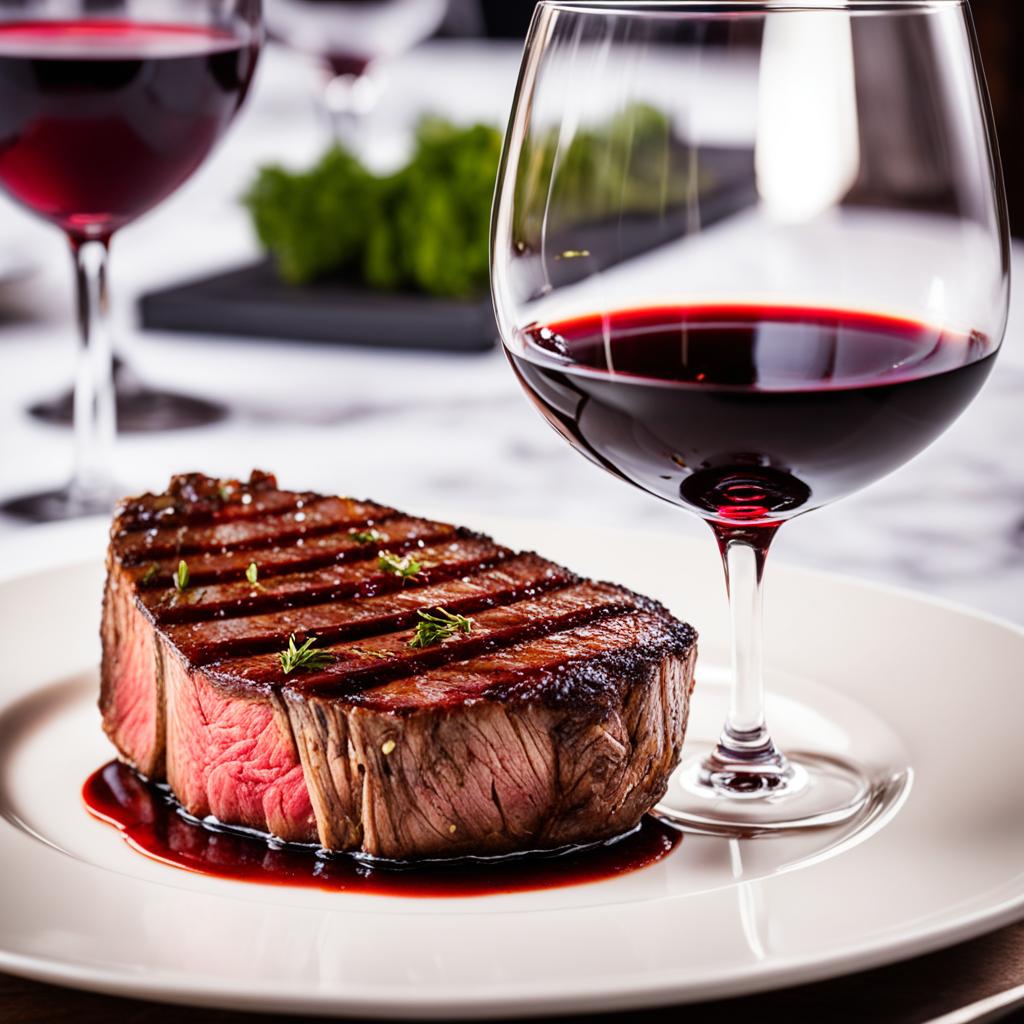
Choosing the right wine for dry aged steak makes your meal special. Full-bodied red wines like Cabernet Sauvignon, Syrah, or Malbec match well. They blend with the steak’s rich, savory flavors. The wine’s tannins balance the meat’s fat perfectly.
Top Wine Choices for Steak Lovers
- Cabernet Sauvignon: Known for its bold character, this wine enhances the meat’s umami flavors.
- Syrah: With its spice and berry notes, Syrah complements the steak’s deep flavors.
- Malbec: This red wine for steak is fruity with a touch of earthiness, providing a robust pairing experience.
Understanding Flavor Pairings
When pairing wine with steak, think about how flavors mix. Aged steak goes well with wines that have fruitiness and earth notes. By matching different tastes, you make a meal that celebrates both the steak and the wine.
Can You Dry Age Steak at Home?
Drying aging steak at home can add great flavor. But, you’ll need the right equipment and a controlled setting. This ensures the best quality aged steak.
Necessary Equipment for Home Dry Aging
Knowing what equipment you need is the first step. Essential items include:
- A dedicated fridge or cooler for dry aging.
- Dry-aging bags that allow for airflow.
- Humidity monitors to keep track of moisture levels.
- Thermometers for accurate temperature readings.
Choosing the correct tools is key. They make an ideal aging setting. This improves your steak’s flavor and tenderness.
Monitoring Conditions for Success
Keeping stable conditions is essential for home aging. You should keep the temperature between 34°F and 38°F. Humidity should be around 80%.
Use your thermometer and hygrometer to check the environment often. These checks are vital for safe and tasty aging. Following these tips helps you enjoy rich, aged steak flavors.
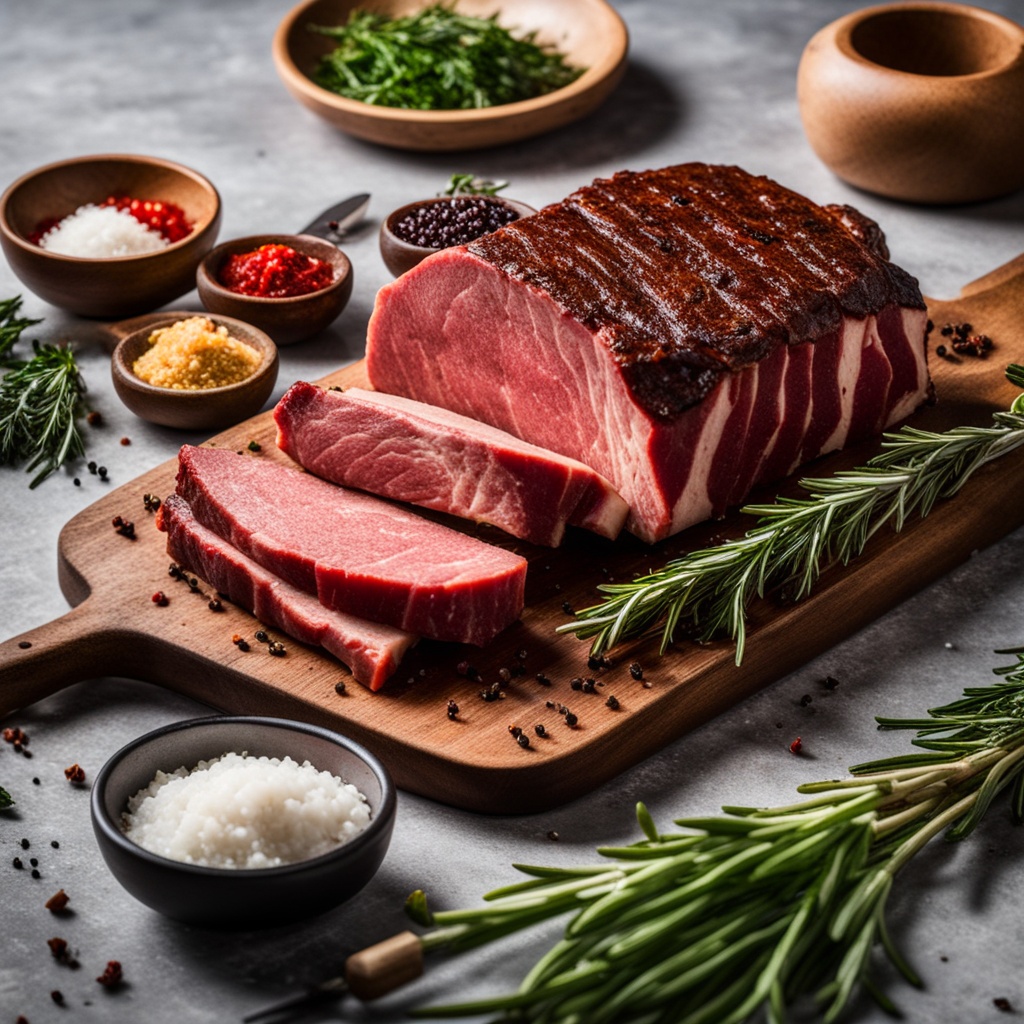
For a better cooking experience, try the reverse sear method. It lets you control the temperature precisely, making the steak delicious. Learn more about the technique here.
Myths About Dry Aged Steak
Many myths about dry aging mislead steak fans. Some think dry aged steak is too expensive. This isn’t true. Many local butchers provide it at reasonable prices. Knowing the truth broadens your food choices.
Not every steak is fit for dry aging. Only certain cuts with enough marbling work well. Knowing this helps you value the dry aging art more.
Dry Aged Steak and Health Considerations
Enjoying dry aged steak can be part of eating healthy. This food is full of important nutrients for your health. Adding steak to your meals can bring many benefits if you eat it the right way.
Nutritional Aspects of Dry Aged Steak
Dry aged steak is filled with nutrients that are good for you. Let’s look at what it offers:
- High protein content supports muscle growth and repair.
- Rich in iron, vital for oxygen transport in your body.
- Contains B vitamins, which promote energy metabolism and nerve function.
These details show how dry aged steak meets your dietary needs. It can be a great part of what you eat.
Moderation and Dietary Balance
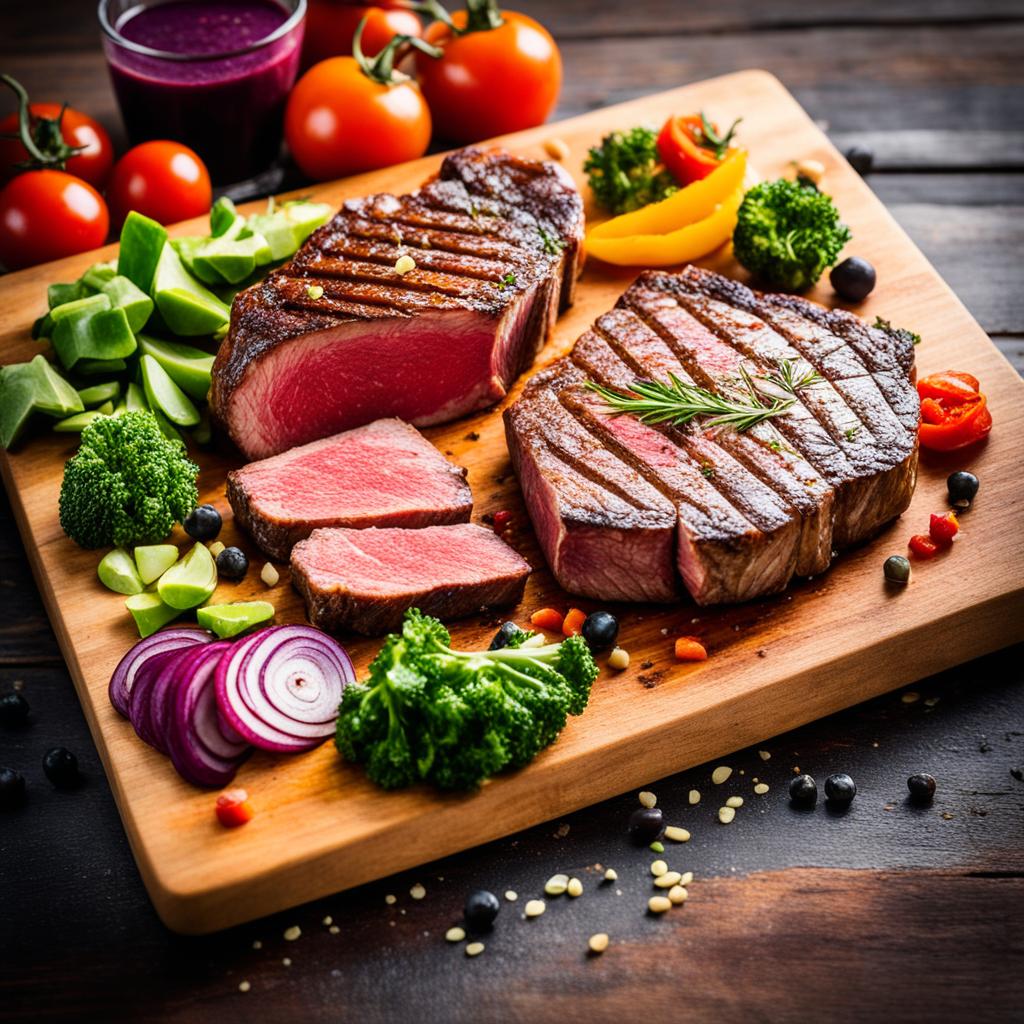
Eating dry aged steak in a healthy way means knowing how much. It’s important to balance red meat with other foods:
- Fruits
- Vegetables
- Whole grains
Combining these food groups adds necessary fiber and vitamins to your diet. Keeping a balance lets you enjoy steak. This way, it won’t affect your health goals.
The Role of Fat in Dry Aged Steak
The fat in dry aged steak is very important for your meal. It makes both the texture and taste better. This fat inside the meat helps the steak cook well and taste great.
As the steak cooks, the fat melts into the meat. This makes the steak both tastier and juicier. You get a tender steak with a rich buttery flavor. This happens because of the fat in well-marbled steak.
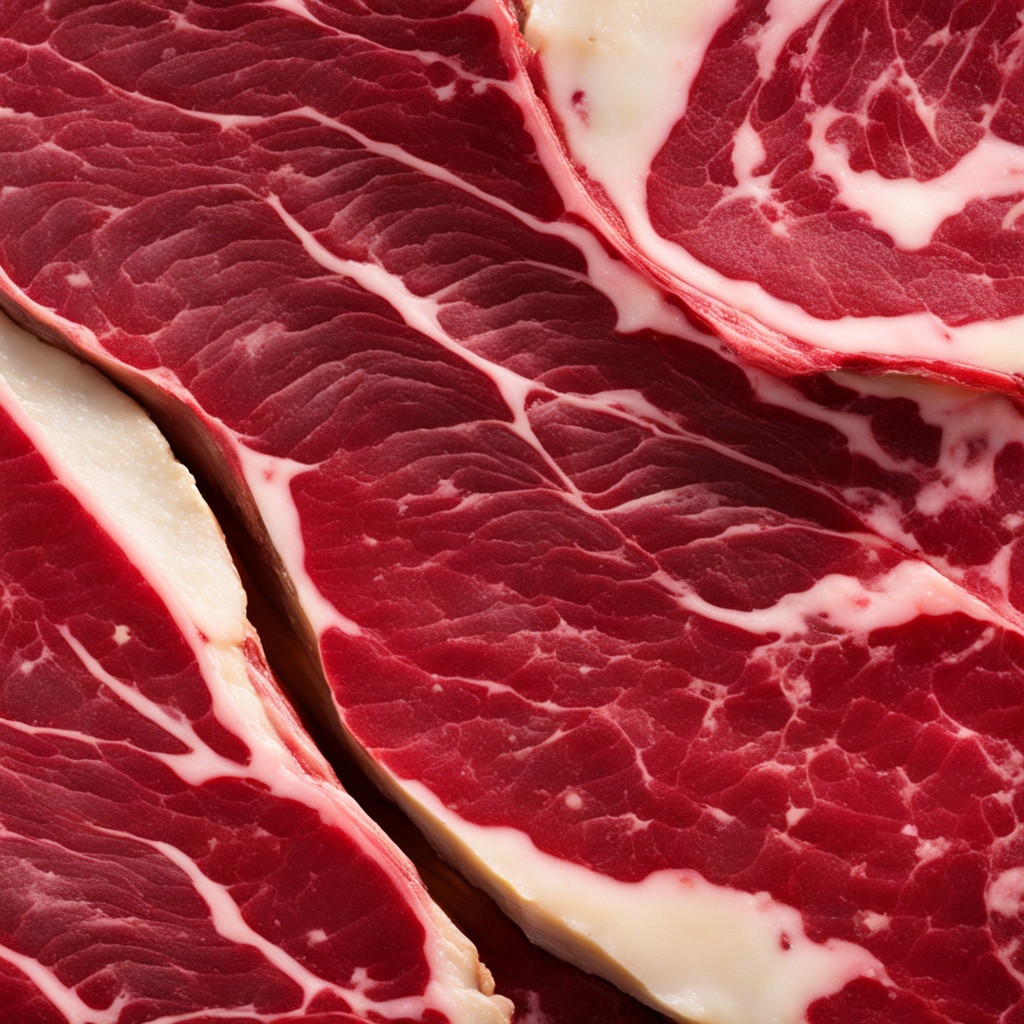
It’s important to pick steaks with lots of marbling for the best flavor. This good balance of fat makes the steak tender. It gives you a deep flavor you can’t get from lean cuts. Fat makes your dry aged steak richer and more enjoyable.
Top Restaurants Known for Dry Aged Steak
Across the country, many steakhouses are known for their dry aged steak. Each place offers a unique twist on this dish. For example, Peter Luger Steak House in New York City lets you taste their richly aged beef. The House of Prime Rib in San Francisco is known for its classic prime cuts and ribeye.
In the Midwest, steak dishes highlight the area’s rich agricultural roots. Menus feature local steak varieties with robust flavors. The South has its own specialties, like marbled ribeye and T-bone steaks. These dishes show the skill of butchers and chefs and the region’s pride.
When looking for the best dry aged steak, consider each restaurant’s special touch. Enjoying a classic steakhouse atmosphere in New York or a regional favorite elsewhere is a treat. You’ll find dishes that excite your taste buds and satisfy your beef cravings. Quality and creativity are key to enjoying dry aged steak at these top spots.