
Have you ever wondered how a simple piece of beef can elevate dinner to an amazing event? The magic is in cooking filet mignon the right way. In this recipe, you’ll get easy tips to make a juicy filet mignon. It’s perfect for special moments.
Whether you’re planning a romantic dinner or a big celebration, everyone will love this steak. It tastes like it’s from a high-end restaurant, but you made it at home!
Introduction to Filet Mignon
Filet mignon is a top choice in gourmet meats. It stands out for its tenderness and full flavor. This makes it perfect for special dinners.
Before you start cooking filet mignon, it’s key to grasp what makes it unique. We’ll guide you through the details. This ensures your steak turns out great each time.
What is Filet Mignon?
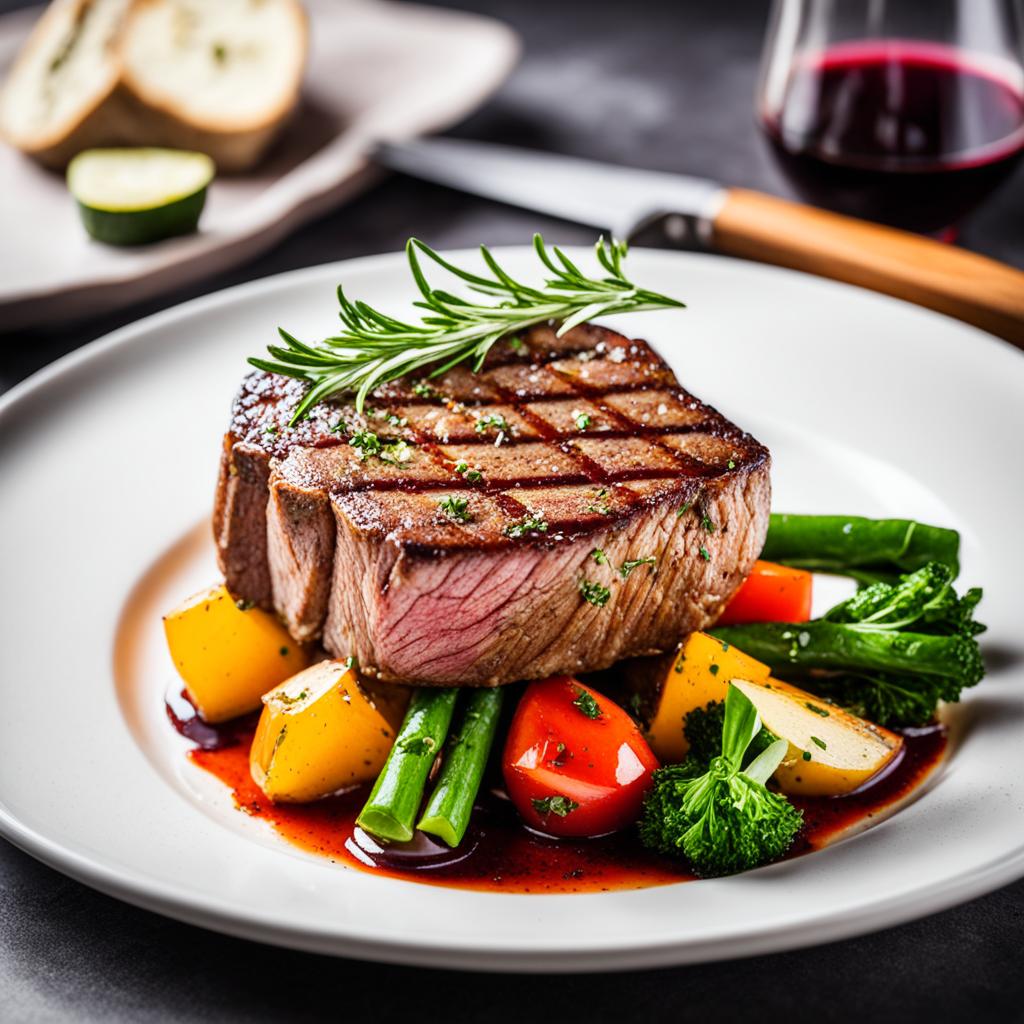
Filet mignon is a top-notch cut from the beef tenderloin. It’s known for its incredible tenderness and buttery texture. This makes it a top pick for steak enthusiasts. Plus, it’s often seen as a luxury choice in fancy restaurants because of its quality and taste.
Understanding the Cut of Meat
The filet mignon comes from the beef tenderloin, close to the spine. This spot doesn’t do much work, keeping the meat soft and tender. It’s worth mentioning that filet mignon sizes can change based on where it’s from. In the US, the cuts are usually thicker than those in Europe.
Flavor Profile of Filet Mignon
Filet mignon is milder than other beef cuts. While some steaks have strong flavors from fat and marbling, filet mignon has a delicate taste. It works well with many seasonings and sauces. This lets its natural taste stand out, perfect for fancy dishes.

Why Choose Filet Mignon for Special Occasions?
Filet mignon is a top pick for special steaks. Its tender feel and rich taste make every event memorable. It’s perfect for anniversaries and romantic dinners. Serving this special cut shows your love for indulgence and celebration.
This steak makes any event better. Showing off your cooking with filet mignon boosts the occasion’s mood. It turns a simple meal into a grand feast, whether grilled outdoors or cooked inside.
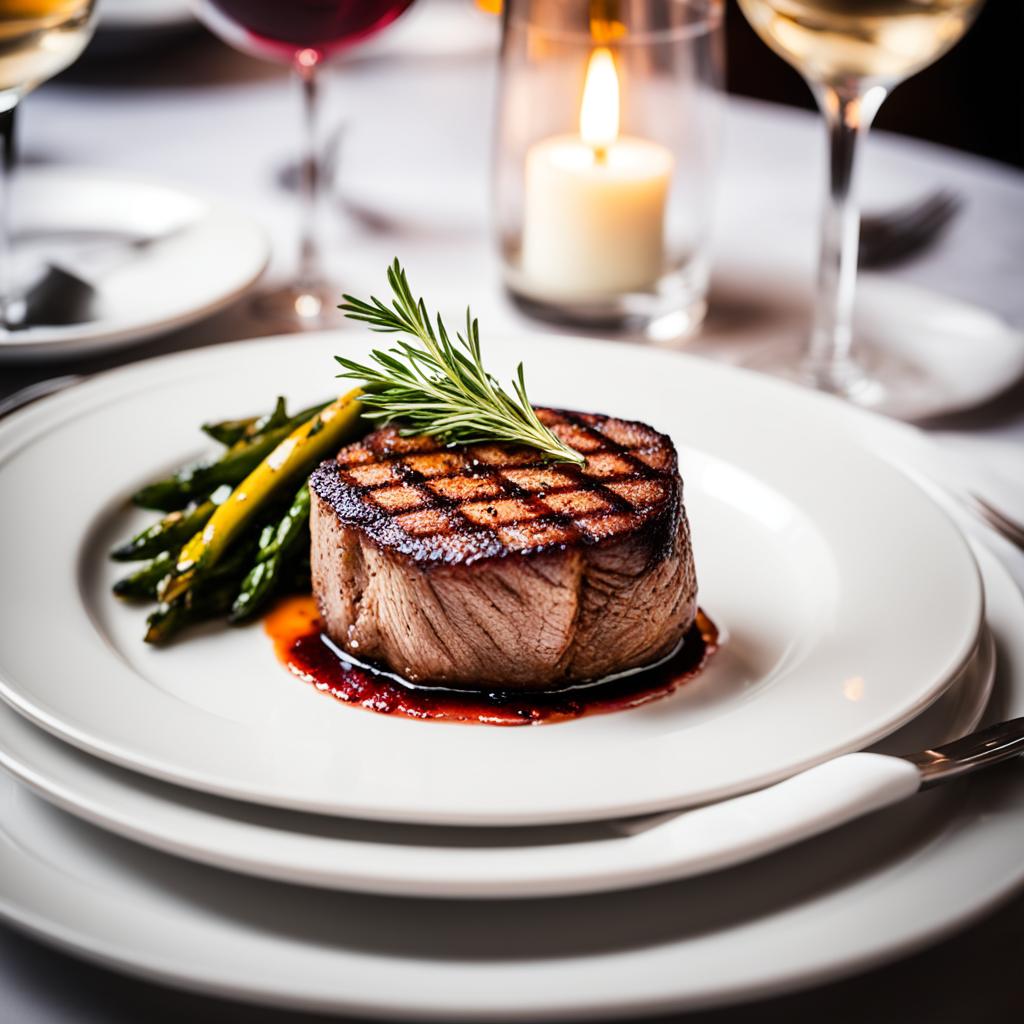
Filet mignon is magic for romantic nights. It sets a cozy, intimate mood when paired with great sides and wine. Its softness and your careful cooking make the evening unforgettable.
Ingredients for the Perfect Filet Mignon
Having the right ingredients is key to a delicious filet mignon. You’ll want to make sure everything adds to the steak’s flavor and texture. Let’s explore the essentials for cooking steak and how to pick top-notch filet mignon steaks.
Essential Ingredients Overview
You’ll need certain ingredients to bring out the meat’s natural flavors. Here’s your list:
- Filet mignon steaks (approximately 1.5 inches thick or more)
- Butter for richness
- High-quality oil, like olive or canola
- Garlic for an aromatic touch
- Fresh rosemary or other herbs
- Salt and freshly ground black pepper
Choosing Quality Filet Mignon Steaks
Picking the right steak is vital for a delicious meal. Here are some tips:
- Go for steaks with good marbling for tenderness and flavor.
- Steaks should be a bright red for freshness.
- Opt for cuts at least 1.5 inches thick. They stay juicier.
- Always choose fresh garlic and herbs for the best flavor.
How to Cook Filet Mignon
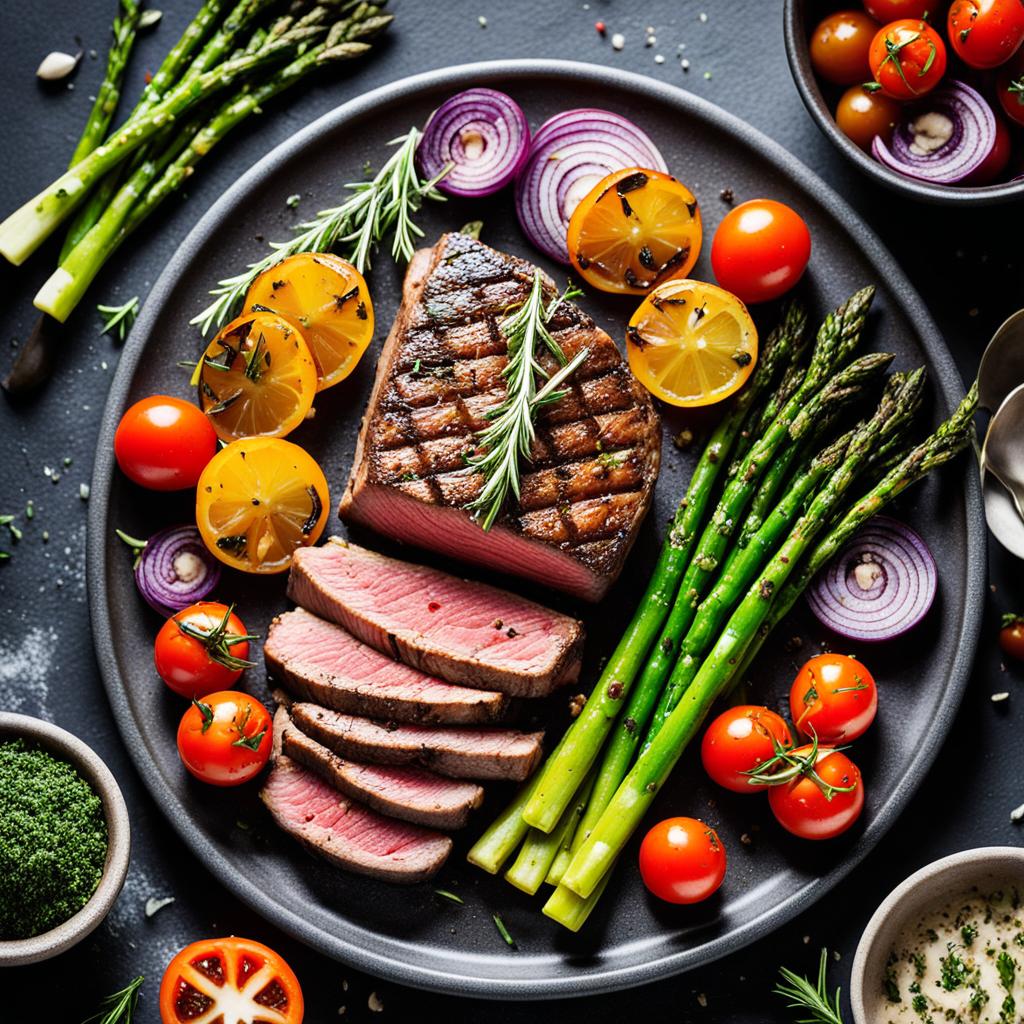
Cooking filet mignon requires careful technique for that perfect tenderness and flavor. One top tip is using the stovetop-to-oven method. This method enhances flavor and keeps the steak juicy.
Follow these essential steps for your filet mignon recipe:
- Preheat Your Oven: Aim for a temperature of 400°F (204°C) to ensure even cooking.
- Prepare the Steak: Let the steak rest at room temperature for about 30 minutes before cooking. This helps it cook evenly.
- Sear the Steak: Heat a skillet over high heat and add a little oil. Once hot, add the filet mignon and sear for 3-4 minutes on each side until a golden-brown crust forms.
- Finish in the Oven: Transfer the skillet to the preheated oven. For a medium-rare steak, cook for an additional 5-7 minutes.
- Check Doneness: Use a meat thermometer to ensure the internal temperature reaches 130-135°F (54-57°C) for medium-rare.
- Rest the Steak: Allow the steak to rest for 5-10 minutes after cooking to let the juices redistribute.
This steak cooking method will make your meal special. Master this technique and you’ll wow your guests with succulent filet mignon. Enjoy the cooking and love the delicious outcomes!
Preparing Your Filet Mignon
Getting your filet mignon just right can turn it into the perfect, juicy steak. Begin by letting your steak warm up to room temperature before cooking. This ensures it cooks evenly and stays tender.
Bringing Steaks to Room Temperature
For best results, pull your filet mignon out of the fridge 30 minutes before you cook it. This allows the steak to warm up evenly. It prevents a cold middle, giving you an evenly cooked steak.
Seasoning Techniques
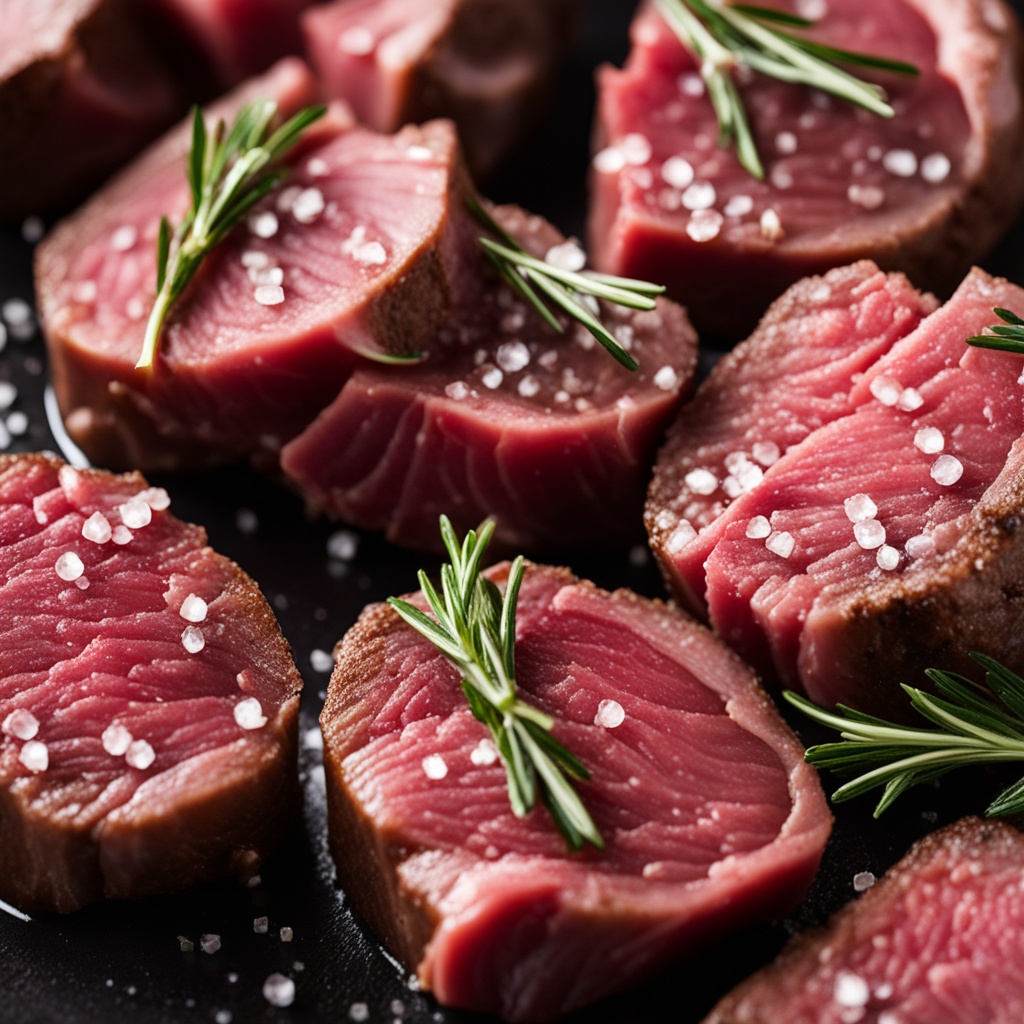
Seasoning right brings out the steak’s natural flavors. Coat it well with salt and cracked pepper. Add garlic powder or smoked paprika for extra taste. Always season right before cooking to keep the steak flavorful and moist.
The Best Cooking Method for Filet Mignon
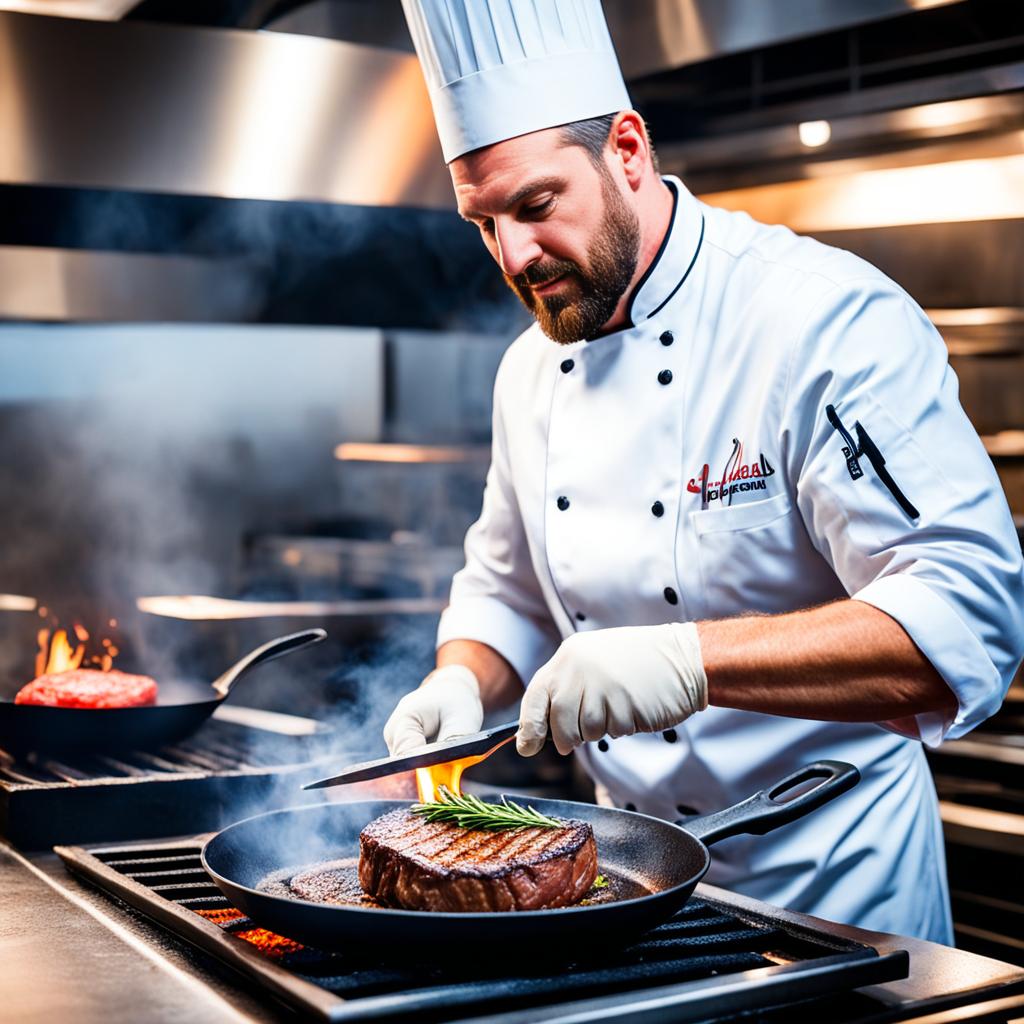
To make a perfect filet mignon, choosing the right cooking method is key. The stovetop-to-oven method is outstanding among many. It sears the steak on the stove and finishes in the oven. This way, you get a steak that is juicy inside and crispy on the outside.
Understanding the Stovetop-to-Oven Technique
The stovetop-to-oven method starts with searing in a hot skillet. This step seals in the steak’s flavors and juices. Then, you move the skillet to the oven. This lets the steak cook evenly and to the right level of doneness.
To ace this method, follow these simple steps:
- Preheat your oven to 400°F.
- Heat a heavy skillet over medium-high heat and add oil.
- Season the filet mignon generously.
- Sear the steak for about 3-4 minutes on each side.
- Transfer the skillet directly to the preheated oven.
- Cook until your desired doneness is reached, using a meat thermometer for accuracy.
Searing Filet Mignon: Tips for Success
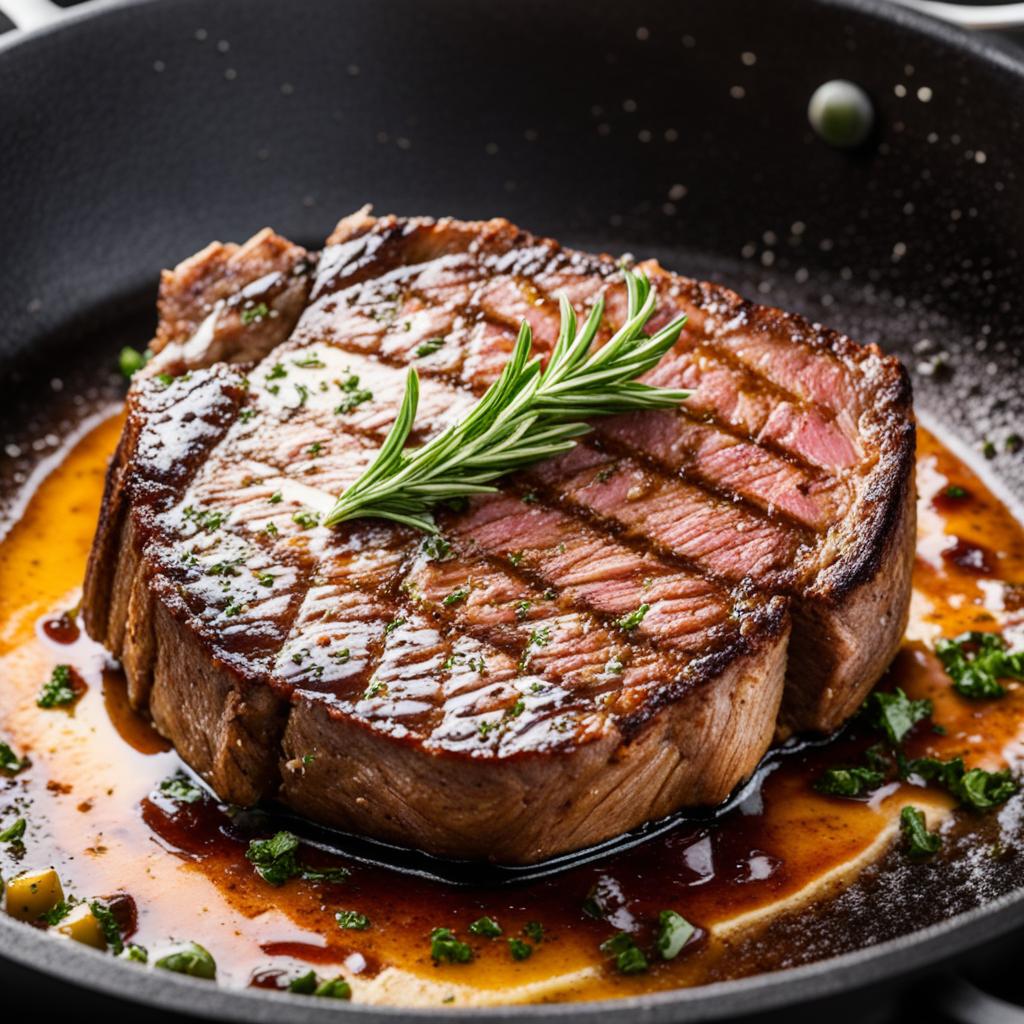
Searing makes your filet mignon taste better. You need the right tools and ingredients. We will talk about what makes a great sear.
Choosing the Right Pan
A cast iron skillet is best for cooking filet mignon. It keeps heat well for even cooking. Always preheat your skillet on medium-high. This way, you get a fast sear that keeps the inside soft.
Optimal Oil for Searing
Use oil that doesn’t smoke easily, like canola or avocado oil. They’re great for high heat, giving you that perfect crust. Try not to move your steak too much. Moving it can ruin the crust you want.
Finishing Your Filet Mignon in the Oven
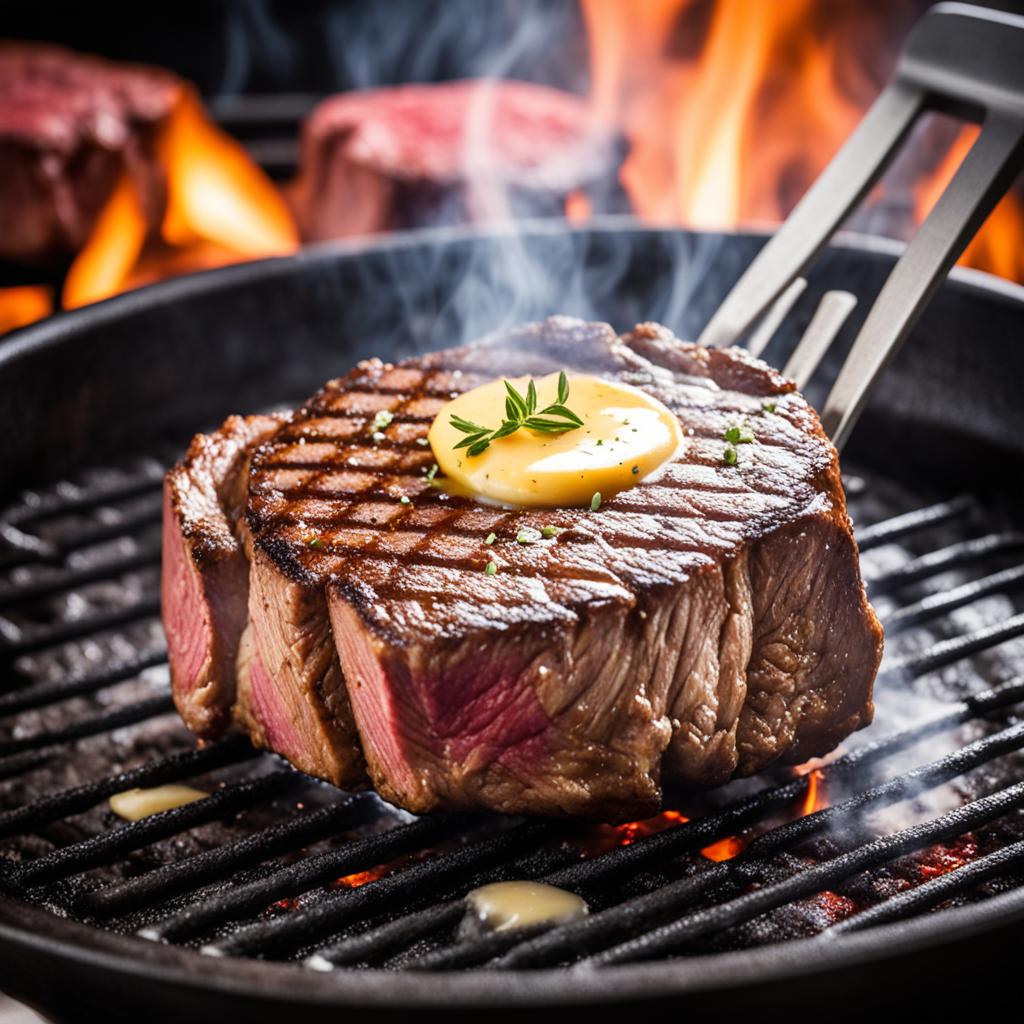
Getting your filet mignon just right means finishing it in the oven. This method cooks the steak evenly while keeping it soft. It’s also key to know how long to cook your steak to get the taste and softness you want.
Cooking Times for Desired Doneness
It’s vital to know how long to cook your filet mignon to make it perfect. Here’s a guide:
- Rare: 120°F – 125°F (about 6-8 minutes in oven)
- Medium-Rare: 130°F – 135°F (around 8-10 minutes)
- Medium: 140°F – 145°F (approximately 10-12 minutes)
- Medium-Well: 150°F – 155°F (roughly 12-14 minutes)
- Well-Done: 160°F and above (about 14-16 minutes)
Different steak thicknesses and ovens might change these times. Always watch your steak as it cooks.
Using a Meat Thermometer
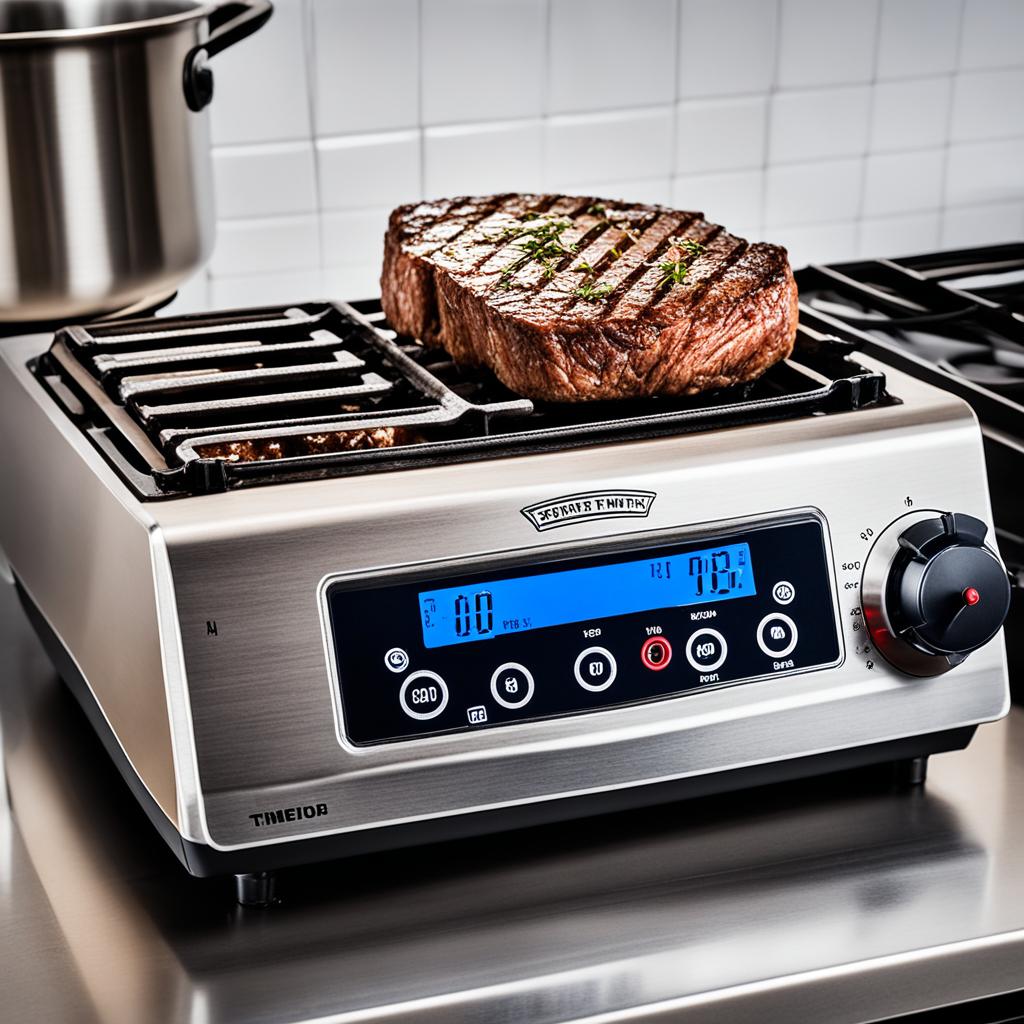
A meat thermometer is a reliable way to check if your steak is done. It gives you a precise internal temperature. Just place it in the thickest part, avoiding bone or fat. For more steak tips, see alternatives to flank steak. This can open up more possibilities for your meals.
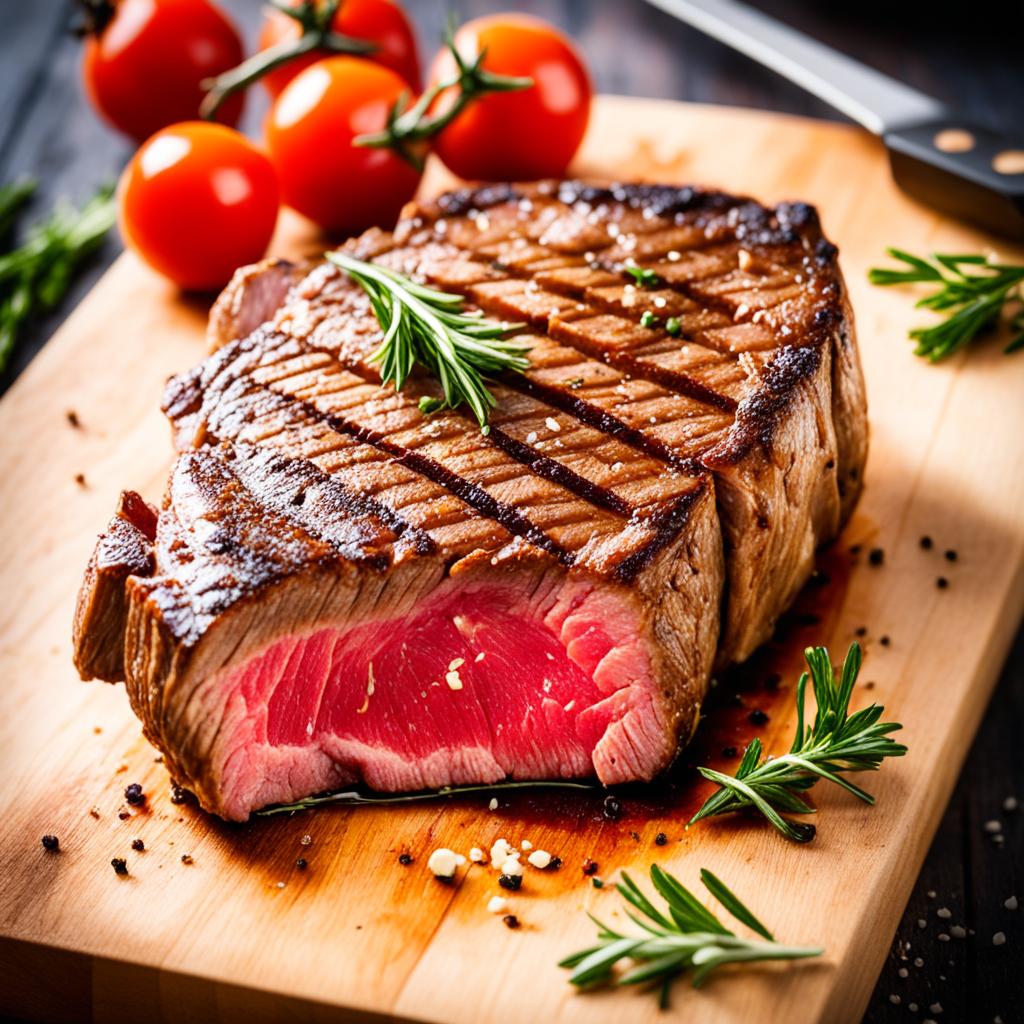
Resting Your Steak: Why It Matters
Knowing why to let your steak rest is key to a perfect juicy meal. It’s tempting to cut into it right away after cooking. But giving it time to rest improves your meal greatly.
When you cook a steak, the heat pushes juices to the center. Letting it rest lets the juices spread out evenly. This makes every bite flavorful and moist. Skipping this step can lead to a dry, less tasty steak.
Here’s why resting your steak is a must:
- Resting makes every bite tender and juicy.
- It keeps the steak’s flavor just right.
- It makes the steak softer to chew.
So, when you make a juicy steak next time, let it rest. It’s a step you won’t regret!
Serving Suggestions for Filet Mignon
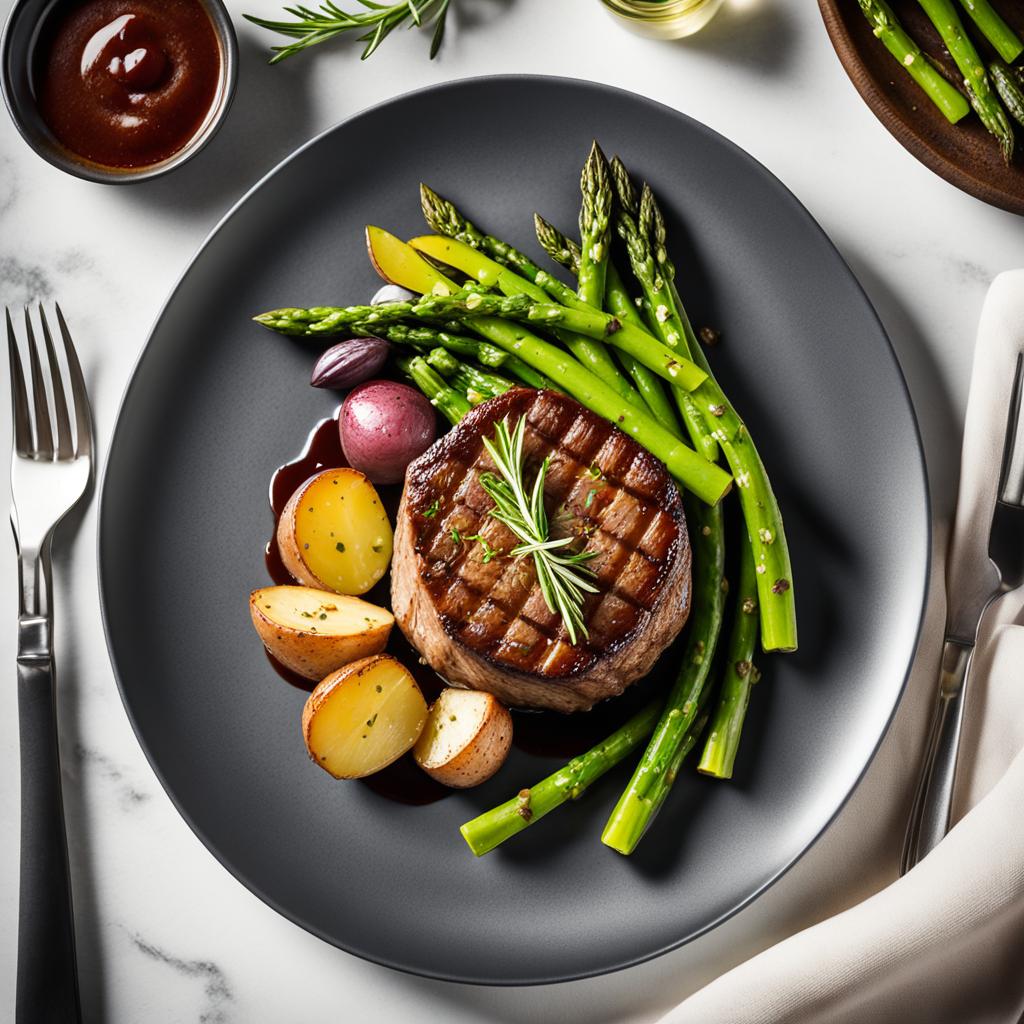
Enjoying filet mignon is an art. The right sides and wine can turn your meal into an event. They take your dining from good to unforgettable.
Classic Side Dishes
Filet mignon goes well with many sides. These add to its rich taste:
- Mashed Potatoes – Creamy and buttery, they form a classic side.
- Roasted Vegetables – A mix of seasonal veggies adds color and flavor.
- Garlic Green Beans – Crisp-tender green beans sautéed with garlic offer a nice contrast.
- Caesar Salad – The crisp romaine and tangy dressing balance the richness of the steak.
Pairing Wine with Filet Mignon
Choosing the right wine is crucial. Rich red wines generally work best with filet mignon, like:
- Cabernet Sauvignon – Its bold flavor complements the steak’s tenderness.
- Merlot – A softer alternative with fruitiness that pairs well.
- Malbec – Offers a spicy note that enhances the meat’s flavors.
Common Mistakes to Avoid When Cooking Filet Mignon
Cooking filet mignon can make any meal joyful, yet it’s easy to slip up. Knowing and sidestepping these errors can transform your cooking. It’s all about mastering the right techniques for that perfect taste and texture.
Overcooking the Steak
Avoiding overcooking is crucial with filet mignon, a cut famous for its softness. Overdoing it turns it dry and less tasty. Always use a meat thermometer to check its doneness.
- Rare: 120-125°F
- Medium Rare: 130-135°F
- Medium: 140-145°F
- Medium Well: 150-155°F
- Well Done: 160°F and above
Watch the steak carefully as it cooks to ensure it stays juicy. Learning about the right times and methods helps prevent the steak from overcooking.
Skipping the Resting Period
Resting the steak after cooking is a step many miss. It lets the juices spread out, making the steak moister. After taking it off the heat, let it sit for 5-10 minutes.
Letting it rest stops juices from leaking when you slice the steak. A rested filet mignon is always better.
For more advice on cooking filet mignon, see this guide on broiling filet mignon. Avoiding these mistakes will lead to a tasty meal.
Storing and Reheating Leftover Filet Mignon
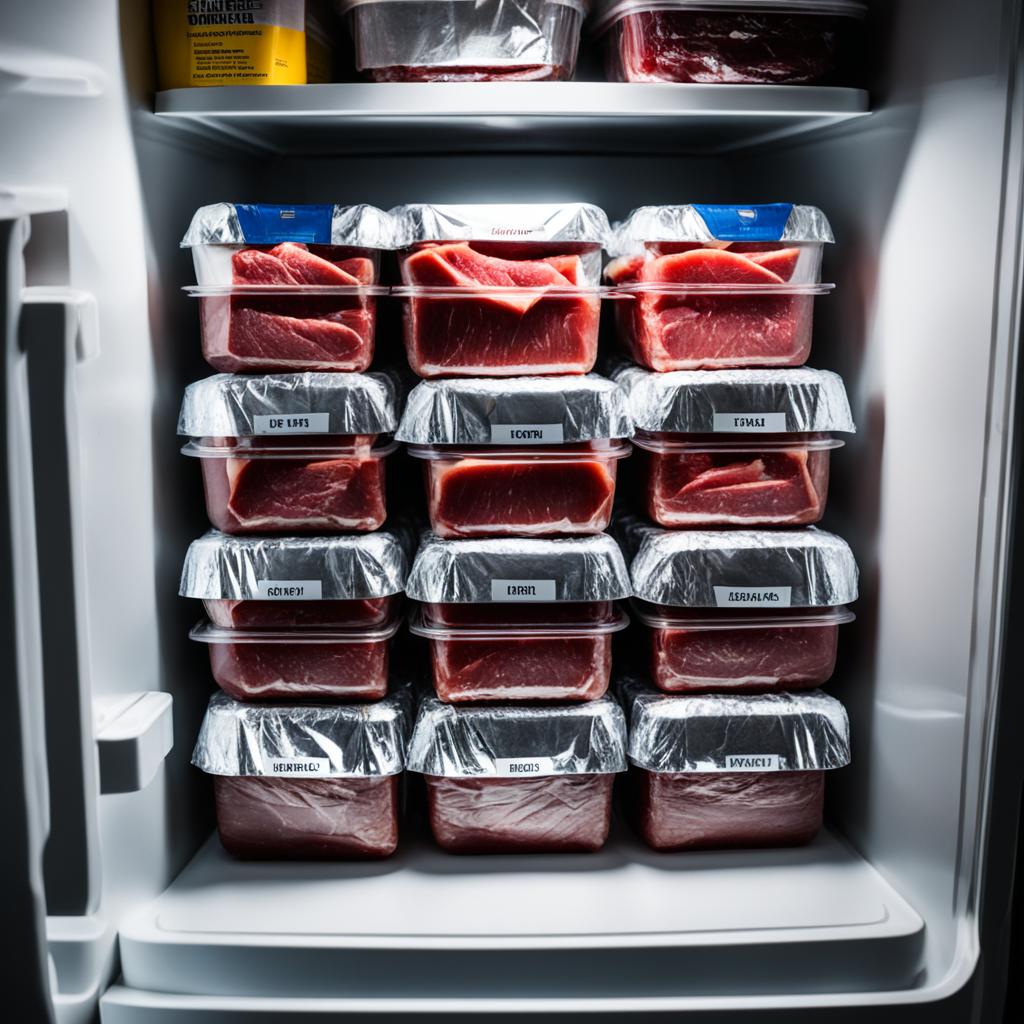
Ended up with leftover filet mignon? It’s crucial to store it right to keep its taste and softness. Putting it in the fridge the right way is key. This lets you enjoy this tasty steak later just as much.
Proper Refrigeration Techniques
To keep your steak good, just follow these steps:
- Let the filet mignon cool off before you put it away.
- Wrap it well in plastic or foil. This keeps air out.
- Put the steak in an airtight box for extra safety.
- Keep it in the fridge for three days to stay fresh.
Reheating Methods
Ready to eat your steak again? It’s important to reheat it right so it stays juicy. Here are the best ways to do it:
- Oven Method: Heat the oven to 250°F. Put the steak on a tray and warm it for 20–30 minutes.
- Stovetop Method: Warm up a skillet on low. Add a bit of broth, then the steak. Cover it and heat for 5–10 minutes.
- Microwave Method: Put the steak on a plate safe for microwaves. Cover with a moist paper towel. Heat in short bursts of 30 seconds. Be careful not to overdo it.
Alternative Cooking Methods for Filet Mignon
Exploring new ways to cook filet mignon can make it even better. While the usual methods work great, trying grilling or air frying can add amazing flavors and textures. These options can make your filet mignon meals more interesting and fun.
Grilling Filet Mignon
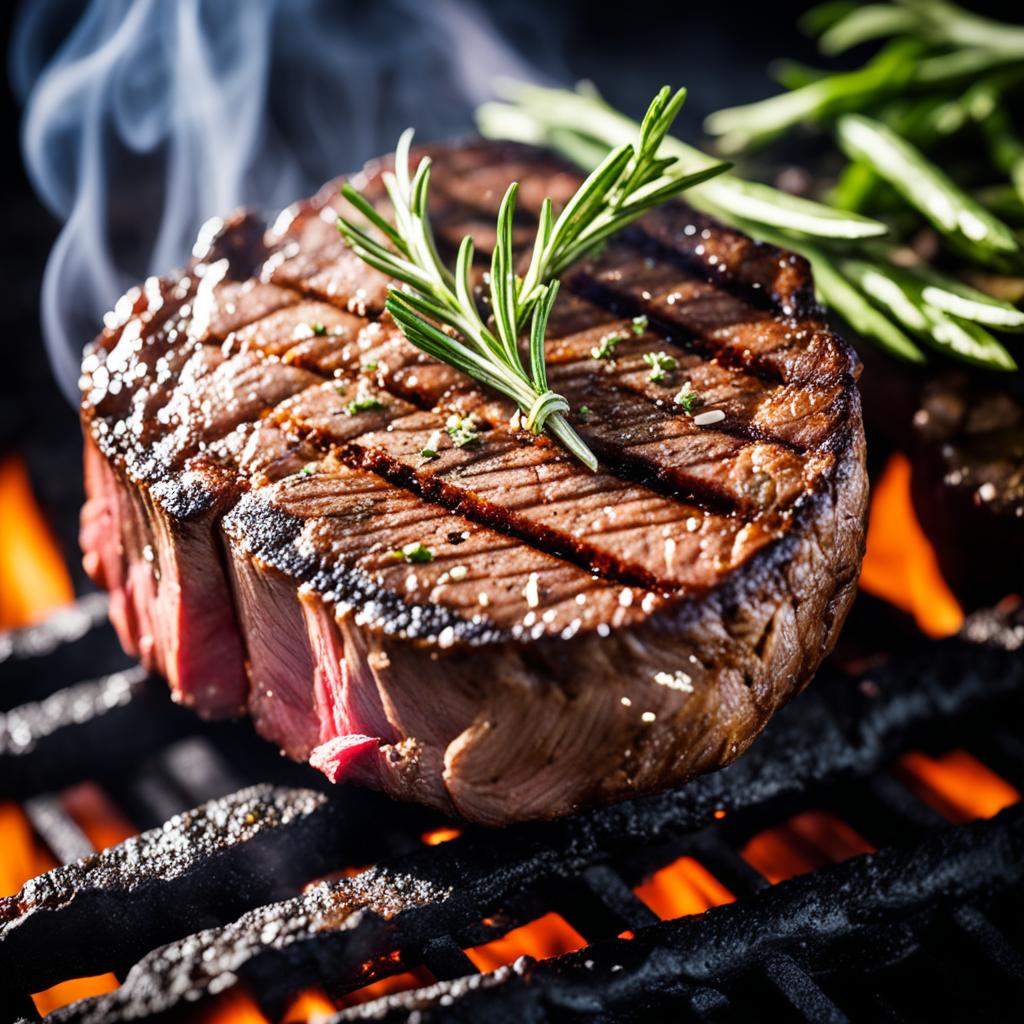
Grilling gives filet mignon a smoky taste that makes it tender. Here are tips to grill it perfectly:
- Heat the grill between 450°F and 500°F.
- Season the meat well with salt, pepper, or a marinade you love.
- Cook it on the grill for 4-6 minutes each side for medium-rare, time varies with thickness.
- Check if it’s done with a meat thermometer. You want 130°F to 135°F inside.
- Let it rest a bit before cutting to keep it juicy.
Air Fryer Instructions
Cooking steak in an air fryer is quick, less greasy, and still gives a tasty char. Here’s how to do it:
- Warm up your air fryer to 400°F.
- Brush the filet mignon with a bit of oil and sprinkle salt and pepper on it.
- Put the steak in the air fryer but don’t pack it in.
- Cook for about 10-12 minutes, flipping it over halfway for even cooking.
- Check that the inside temperature is between 130°F and 135°F for medium-rare.
- Let the steak rest a while before you serve it.
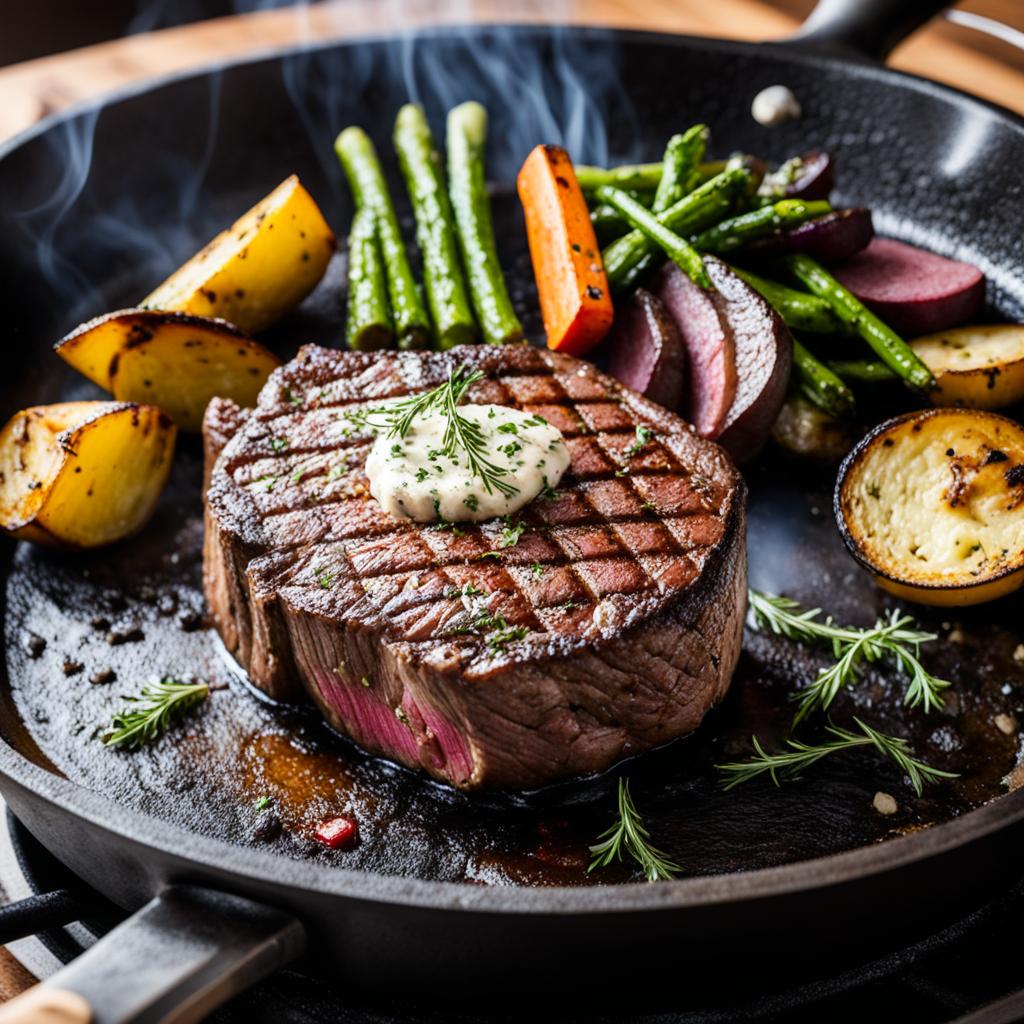
Enhancing Flavor with Compound Butters and Sauces
Make your filet mignon taste better with compound butters and pan sauces. These add to the steak’s flavor and create a fancy meal at home. A simple butter mix brings herbs and spices to your plate. Pan sauces use the skillet’s drippings for rich tastes.
Creating Herb-Infused Butter
To make tasty herb butter, you need:
- 1 stick of unsalted butter (softened)
- 2 tablespoons of fresh herbs (like thyme, rosemary, or parsley)
- 1 clove of garlic (minced)
- Salt and pepper to taste
Mix everything in a bowl well. Roll it in parchment paper into a log. Chill it until hard. This butter melts over steak, adding amazing flavors.
Delicious Pan Sauces to Serve
Making a pan sauce is great for using leftover pan juices. After cooking your steak, pour in some red wine or beef broth to clean the skillet. Scrape the browned pieces for more taste. You can add:
- 1 tablespoon of Dijon mustard
- 1 tablespoon of butter
- Fresh herbs or shallots
Cook until it’s a bit thick. This fancy sauce makes steak even better. It turns your meal into an unforgettable one.
Conclusion
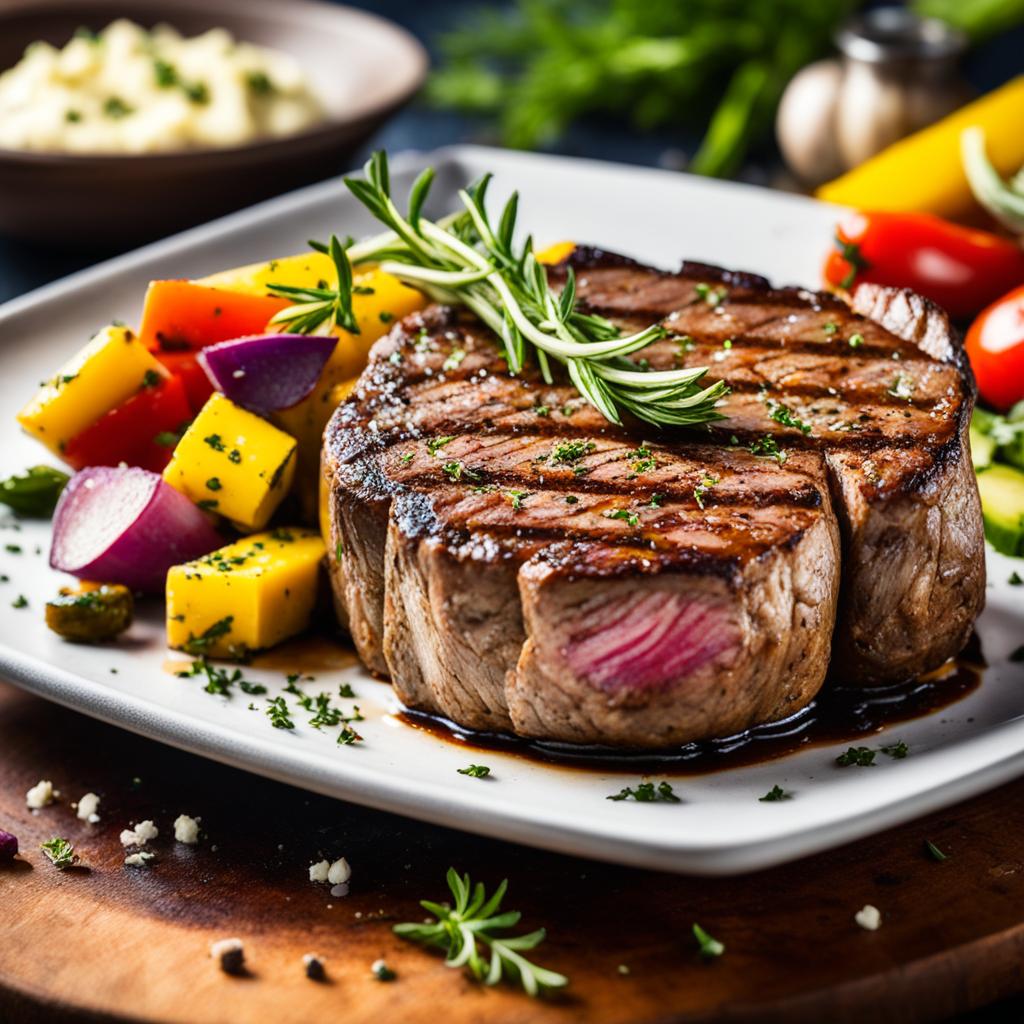
In this journey of mastering the perfect filet mignon, you’ve seen that the right techniques matter. Anyone can achieve juicy, flavorful results at home. Understanding the cut and the best ways to cook it makes any meal special. With some practice, cooking filet mignon confidently will come easily to you.
As you start your culinary adventure, remember the tips from our cooking summary. Focus on using quality ingredients and controlling the temperature. Proper resting is also key to make the steak perfect.
This conclusion is your invitation to enjoy cooking and the delicious results. So, get your ingredients ready and start cooking on your stovetop or grill. Enjoy the rich flavors of a perfectly cooked filet mignon. Your taste buds, and your guests, will be amazed!