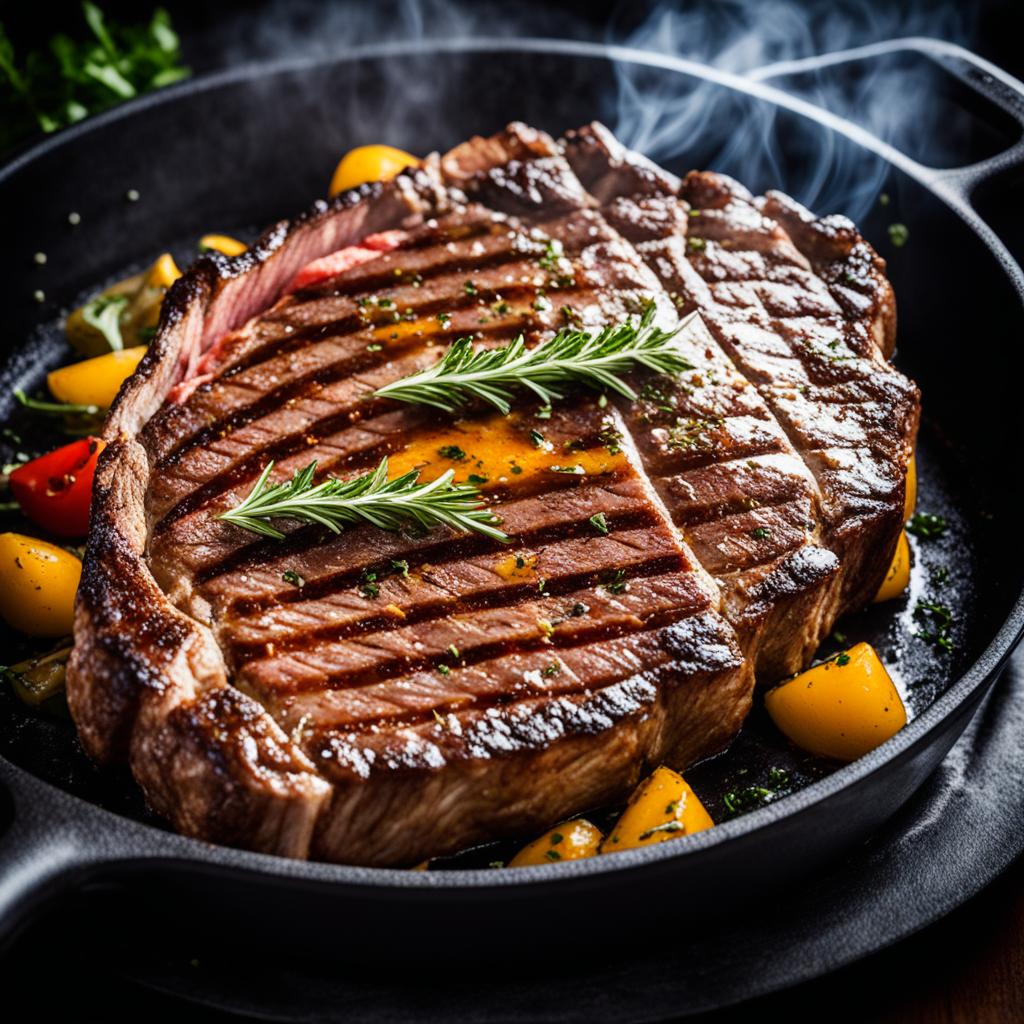
Did you know a well-cooked ribeye steak keeps up to 70% of its juiciness and taste? That’s why mastering the pan-sear method for ribeye steak is key for meat lovers. In this article, discover a ribeye steak recipe that turns a simple beef cut into a gourmet meal. You can enjoy this fine dining experience right in your kitchen.
Planning a special meal or just craving a tasty dinner? This steak cooking guide has all the tricks, tips, and ingredients you need. Master the art of cooking ribeye steak in a pan. Get ready to boost your cooking skills and wow your guests with a juicy, flavorful steak!
Introduction
Ribeye steak is a top pick for meat lovers because of its juicy tenderness and full flavor. The marbling is key to its tender texture and moister taste. This makes it perfect for making a ribeye steak at home. You will find simple steak recipes here that make the home-cooked ribeye better than ever.
Get ready to learn the key steps for the perfect sear and how to cook your steak just right. This guide will show you how to cook a ribeye steak with ease. You will make meals that everyone will remember. Cooking a delicious steak at home is easier than you might think. This guide gives you easy-to-follow instructions, no matter your cooking level.

What Makes Ribeye Steak Perfect?
Cooking a ribeye steak the right way needs focus on certain details. Getting to know the steak’s marbling is key. It helps make the steak not just tender but also tasty.
The Importance of Marbling
Marbling is the little bits of fat in the meat. When cooked, this fat melts. It makes the steak moist and flavorful. A steak with good marbling will be tender and juicy. The fat and muscle mix boosts the flavor, making any meal better.
Choosing the Right Cut
Picking the best ribeye cut matters a lot. Aim for cuts that are 1 to 1.5 inches thick. This thickness is best for cooking and for tenderness. You can choose between boneless or bone-in cuts. Bone-in offers more flavor, while boneless is easier to prepare.
For more tips on making the perfect ribeye steak, read this guide on cooking ribeye steak.
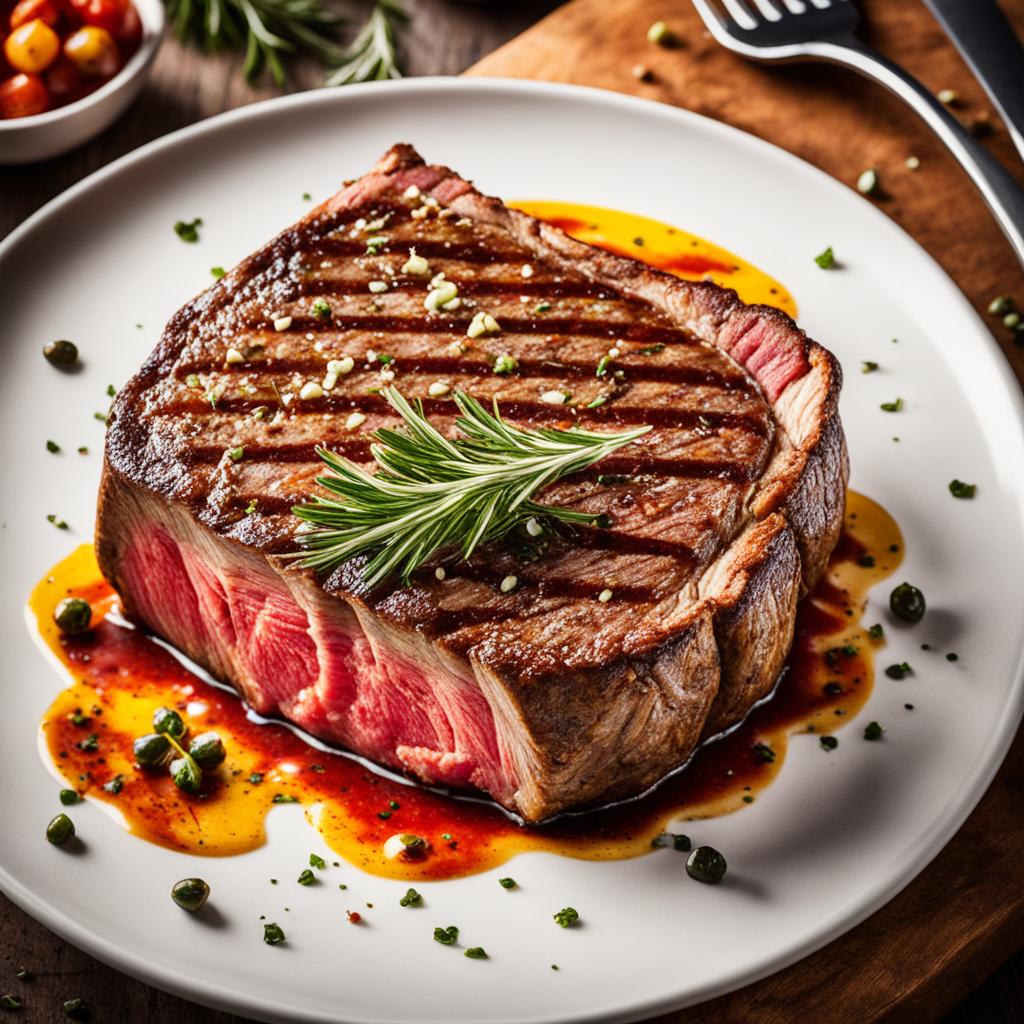
Essential Ingredients for Your Ribeye
Creating a delicious ribeye steak starts with choosing the right ingredients. The seasoning is key for enhancing flavor. Pay attention to the spices you use before cooking. With the right mix, you can make your steak taste incredible.
The Role of Seasoning
Seasoning brings out the ribeye’s natural flavors. A mix of salt and pepper is a good base. Want something special? Use a homemade mix with garlic powder and smoked paprika. You could also try:
- Lawry’s seasoned salt
- Lemon and pepper combo
- Freshly ground black pepper
Each choice adds a special flavor. They make sure your steak is tasty, not dull.
Butter and Oil: The Perfect Blend
The right oil is crucial for cooking steak. For a perfect sear, mix oil and butter in your pan. High smoke point oils, like olive or canola, are your best bet. They prevent burning, while butter adds flavor and a nice crust.
Heat oil and butter together in the skillet until bubbly. This mix is perfect for cooking your ribeye. It enhances both the flavor and texture.
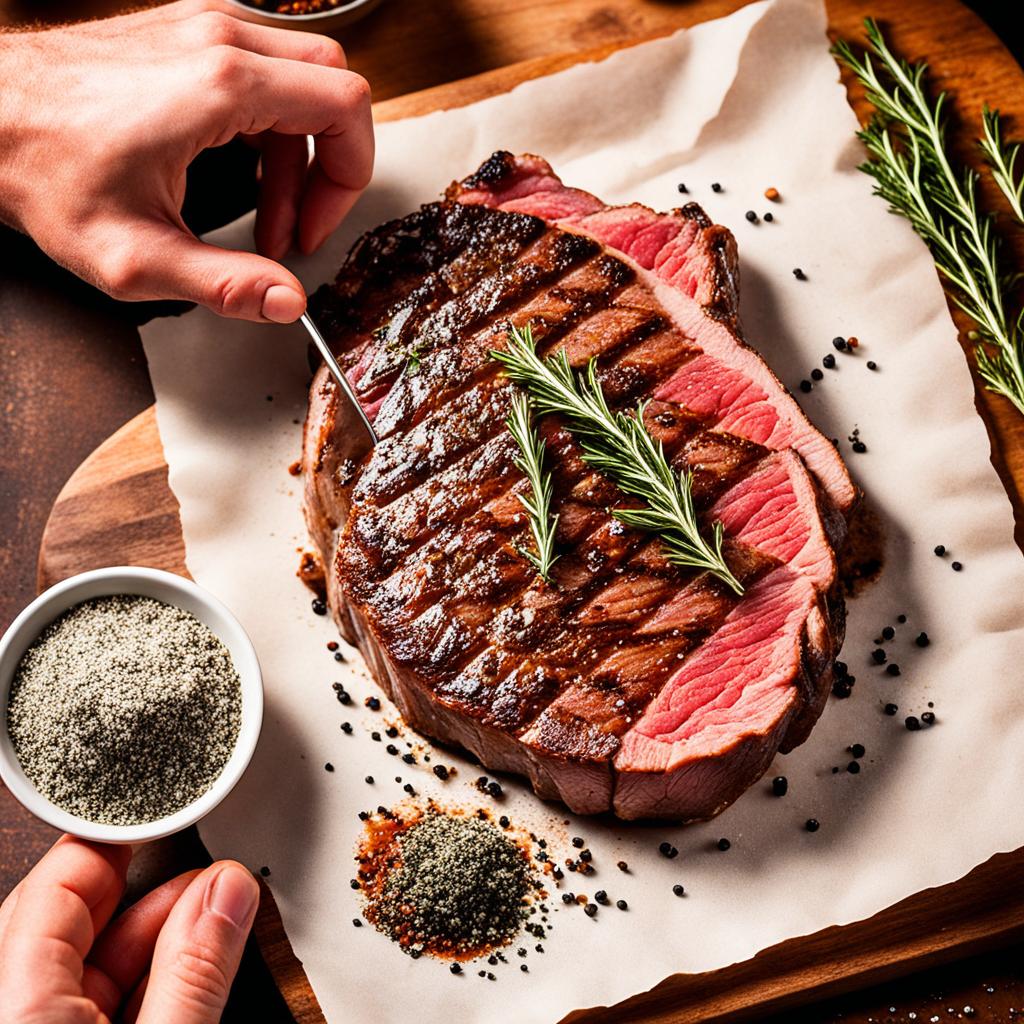
How to Cook Ribeye Steak in a Pan
Getting a ribeye steak just right in a pan needs focus and some skill. Begin with preparing your steak for a tasty and tender bite. First, take the steak out of the fridge and dab it dry. This step is very important for cooking it evenly. Then, sprinkle salt and pepper on both sides.
It’s important to let the steak sit out until it’s room temperature. This takes about 30 minutes and helps the steak cook evenly. Now, you’re all set to start cooking.
Preparing Your Steak
Now that your ribeye is seasoned and ready, it’s time to cook. Heat your skillet to medium-high. Making sure your pan is hot enough is key to a good sear. Using a mix of oil and butter will make it taste even better. When the pan is ready, add the oil and wait until it’s hot to add the steak.
Cooking Techniques for Perfect Sear
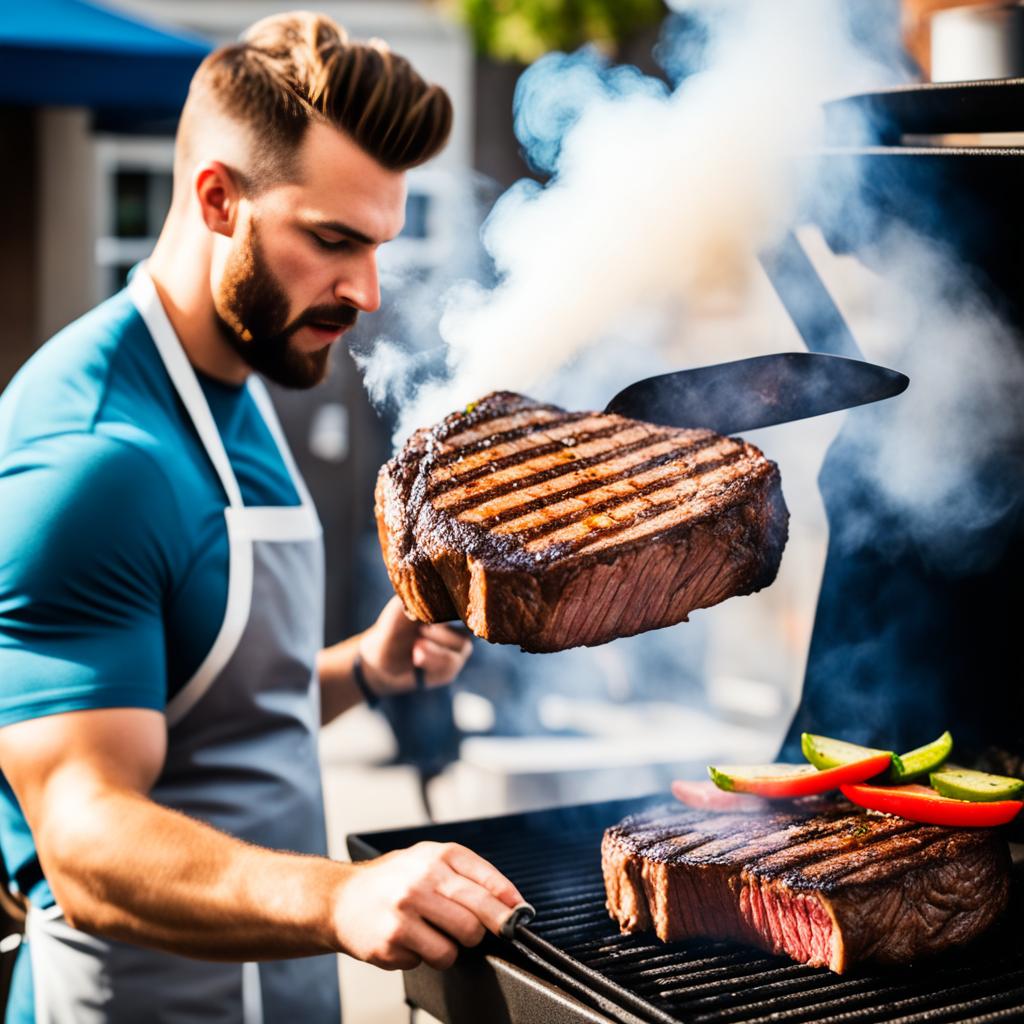
To sear the ribeye well, place it in the hot pan carefully. Don’t let it touch the sides. Let it cook without moving it for 2-4 minutes on each side if you like it medium-rare. Only flip the steak once to get a crisp crust. This way, it stays juicy and tastes amazing. Remember, even heat and patience are your friends here.
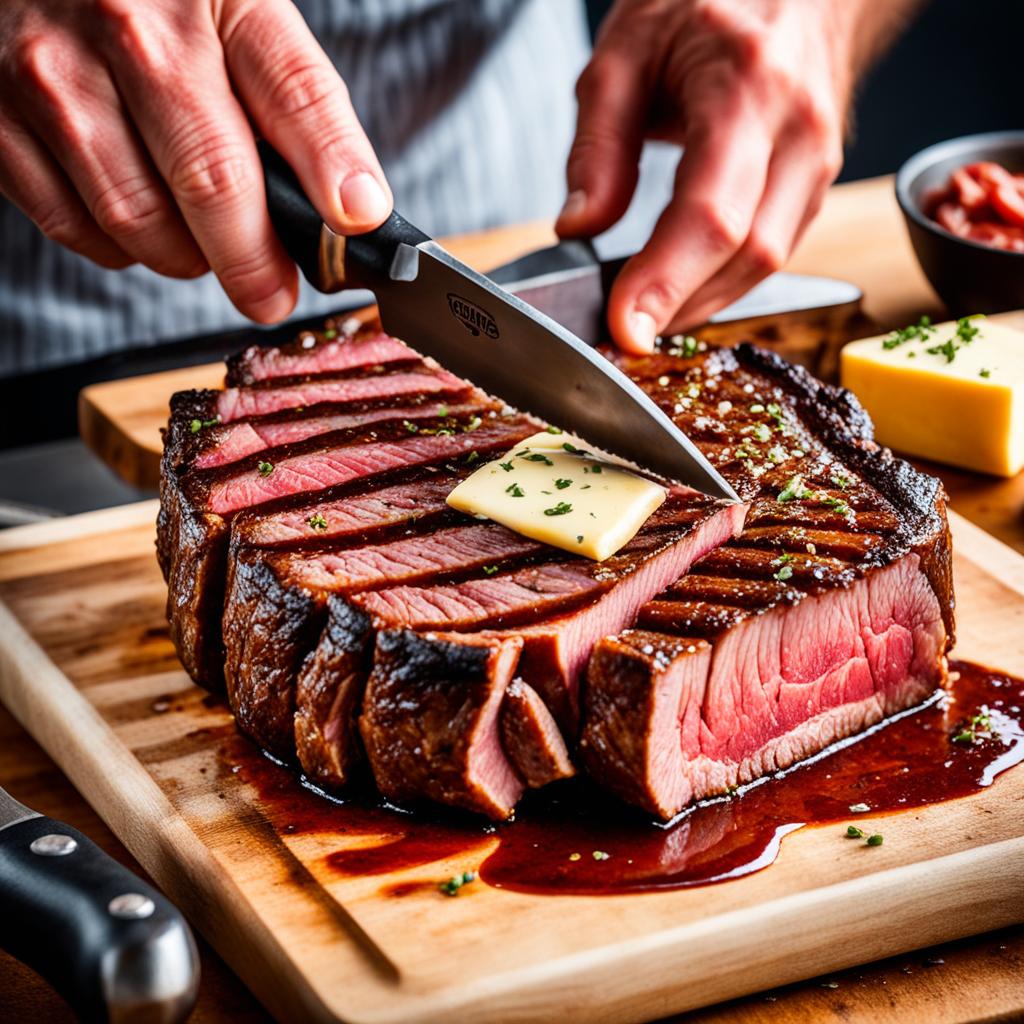
Cooking Time and Temperature Guide
Getting the steak just right is key for a great ribeye. Different doneness levels make the steak taste unique. Knowing how hot your steak should be for your taste can make your cooking stand out.
Understanding Steak Doneness
Steaks need certain temperatures for each doneness level. Here’s what you need to know:
- Rare: 120-130°F
- Medium-Rare: 130-140°F
- Medium: 140-150°F
- Medium-Well: 150-160°F
- Well Done: 160°F and above
When cooking a ribeye, take it off the heat just before it’s done. It will keep cooking while it rests.
Using a Meat Thermometer
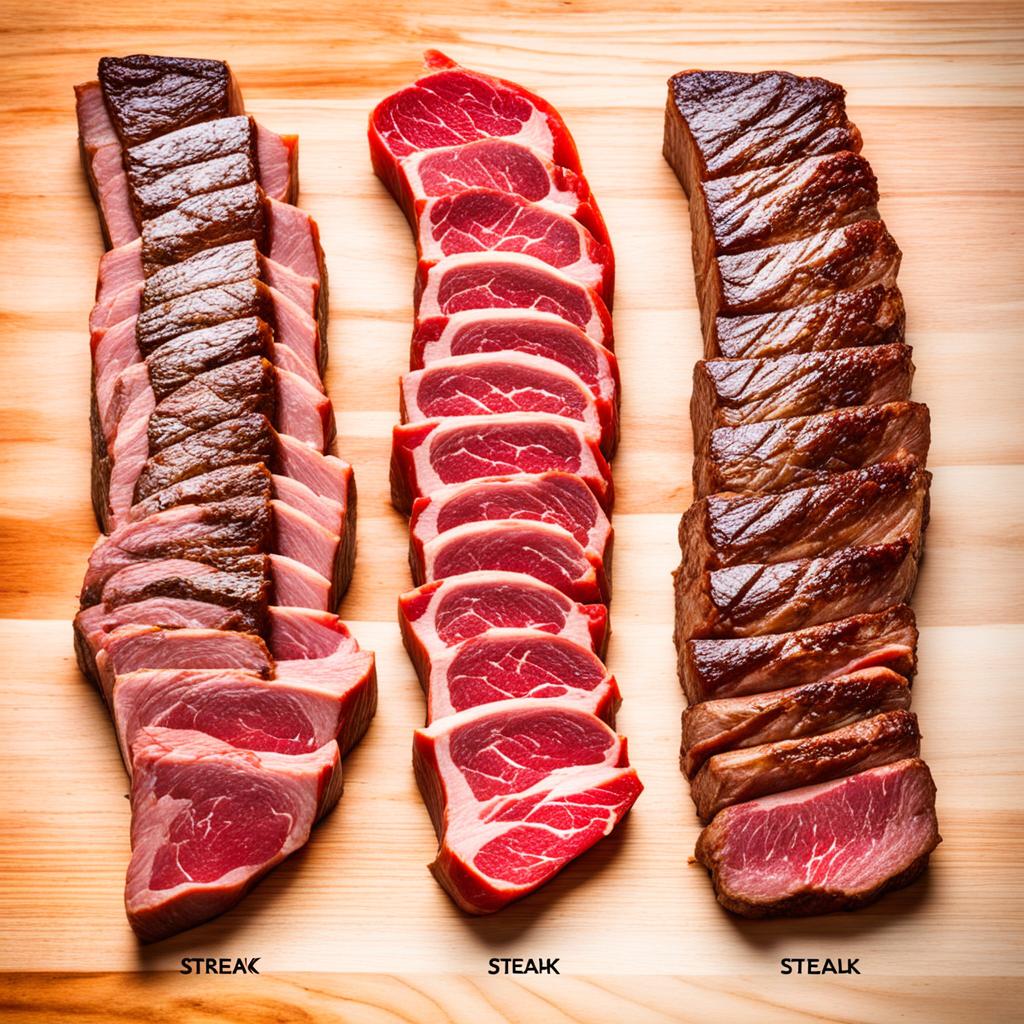
Using a meat thermometer is the best way to ensure your steak is perfect. Put the thermometer in the steak’s thickest part, avoiding bones and fat. This will give you the most accurate temperature. Taking the steak off the heat a little early lets it reach the perfect doneness.
How to Season Your Ribeye Steak
Getting the seasoning right is key to a tasty ribeye steak. By making your own seasonings, the flavor gets customized to your taste. A great steak rub makes every bite a treat.
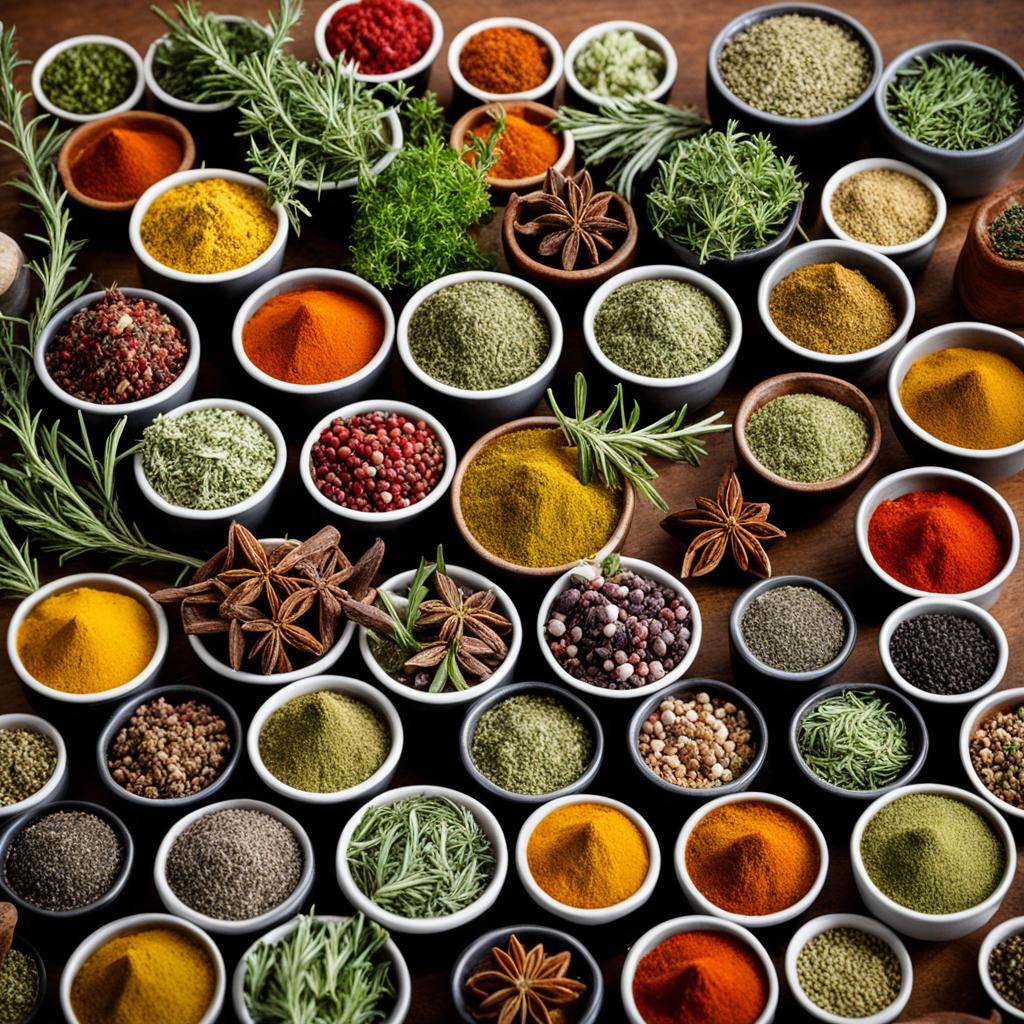
Creating Your Own Seasoning Blend
To begin, you’ll need the following for your blend:
- Equal parts of kosher salt and black pepper
- Garlic powder
- Smoked paprika or dried herbs such as thyme or rosemary
Mix these items in a bowl for a tasty ribeye seasoning. This blend boosts the meat’s natural flavor without overwhelming it.
Prepping the Steak for Cooking
Prepping your steak before cooking is essential. Start by drying the steak with paper towels. Drying it ensures a better sear when cooked.
After drying, rub your homemade seasoning all over the steak. Let it rest to let the flavors sink in, improving the taste.
Cooking Process Step-by-Step
Learning how to cook a ribeye steak is crucial for a perfect meal. This guide will walk you through important steps. It covers why you need to preheat your skillet. Plus, it shows effective ways to cook your steak.
Preheating Your Skillet
Start by preheating your skillet. It’s important to set it to medium-high heat. Let it warm up for a few minutes. When you see smoke, your skillet is hot enough for cooking. A hot skillet gives your steak a perfect sear. It keeps the juice inside and boosts flavor.
Cooking Techniques: Sear and Baste
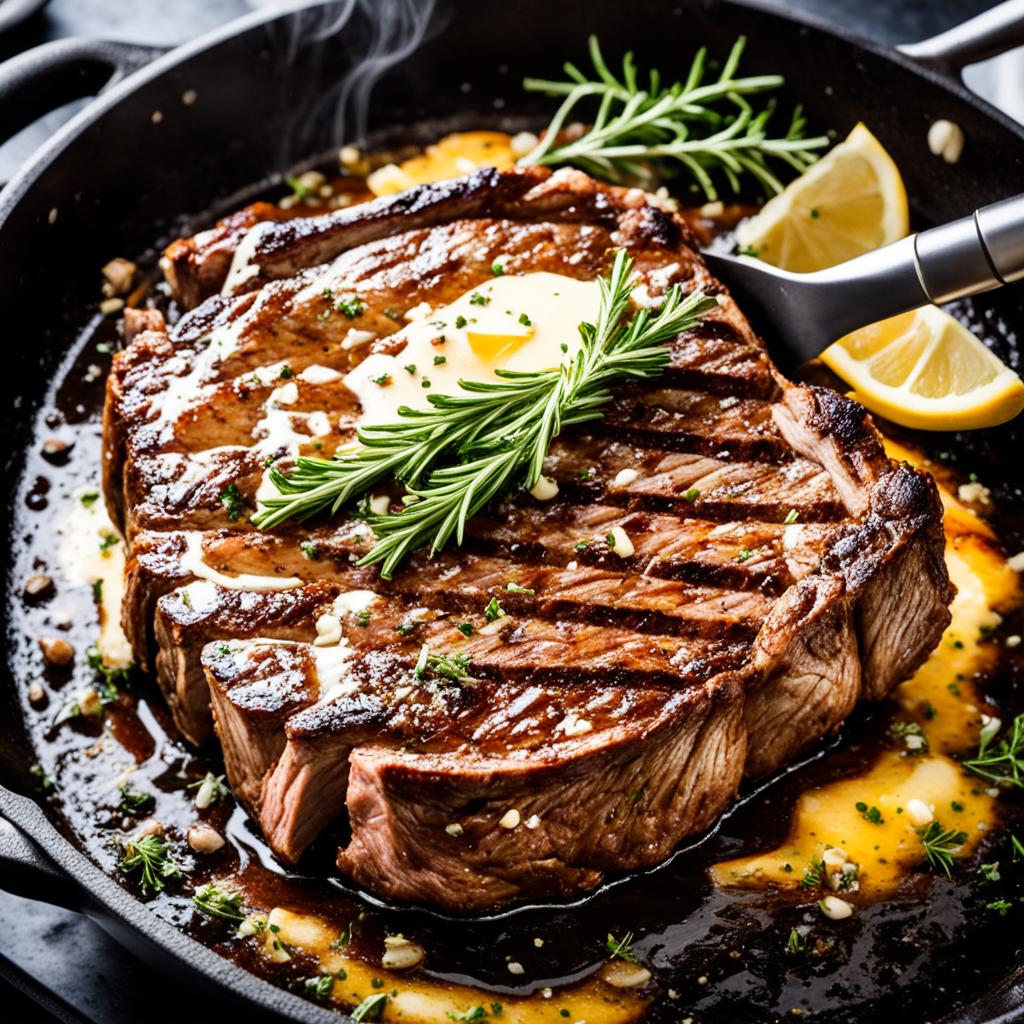
To get a tasty crust, sear your steak well. While cooking, baste it with melted butter. Keep pouring the butter over the steak. This makes it flavorful and cooks it evenly. These steps will make your ribeye steak delicious.
Serving Suggestions for Your Ribeye
After you’ve cooked your ribeye steak to perfection, it’s time to serve it. The right side dishes will make your meal even better. With smart pairing, you get a complete meal that brings out the steak’s taste.
Pairing with Side Dishes
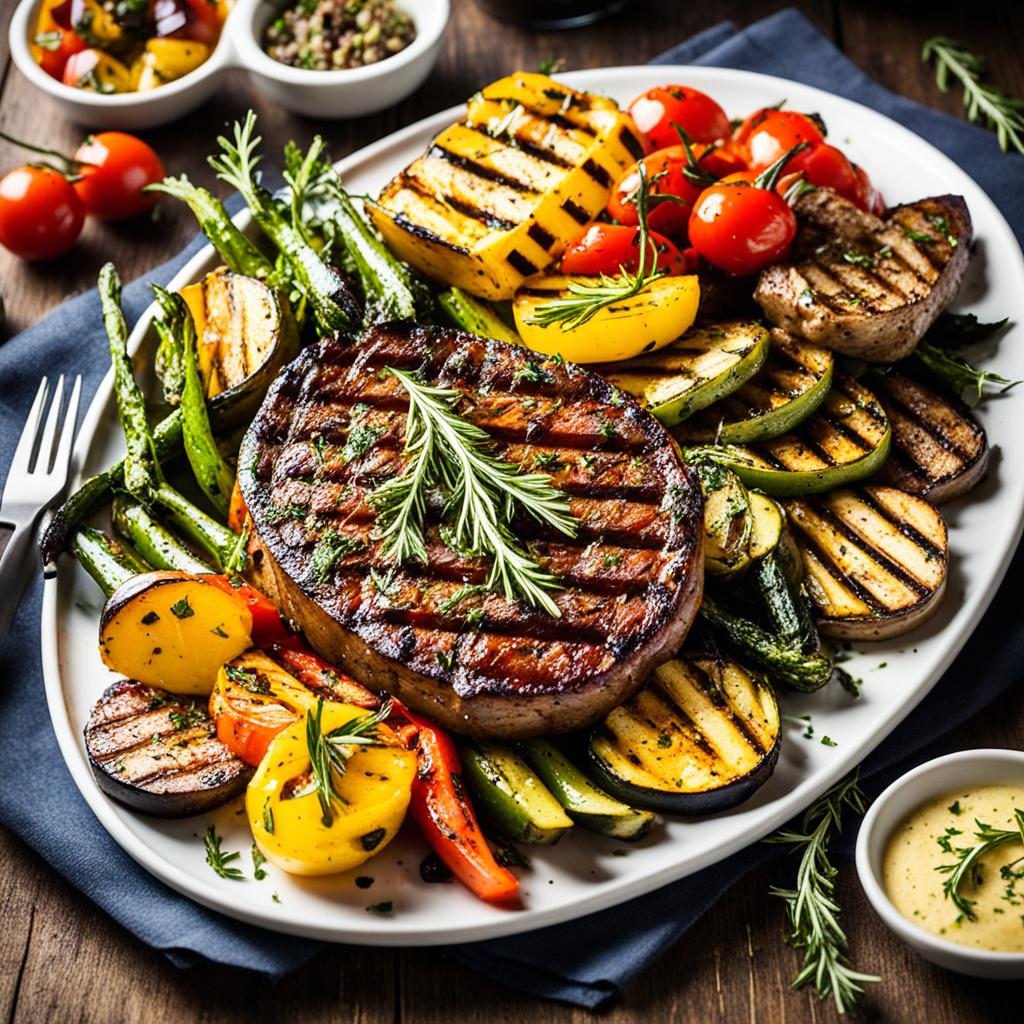
There are many hearty sides you can serve with ribeye steak. Some top picks include:
- Mashed potatoes with a creamy texture
- Roasted vegetables seasoned just right
- A fresh garden salad with a zesty dressing
- Steamed asparagus for a crisp touch
- Twice-baked potatoes with loads of cheese and crispy bacon
These choices boost the rich taste of ribeye. They make your meal more satisfying. Try different combos to see what you like best.
Creative Presentation Ideas
Showing off your ribeye steak can wow your guests. To make your dish stand out:
- Cut the ribeye against the grain so it’s tender.
- Place it on mashed potatoes or next to bright roasted veggies.
- Add a drizzle of pan juices or flavorful butter for a fancy touch.
These tips make your ribeye the star of the table. A pretty dish is a treat for the eyes and the stomach. It brings your cooking to the next level.
Storing and Reheating Leftover Ribeye
Enjoyed a tasty ribeye steak but have some left? It’s important to store leftovers well to keep their taste and texture. This guide will show how to save and reheat your ribeye so it stays yummy.
Best Practices for Storing Steak
To keep your leftover steak fresh, do the following:
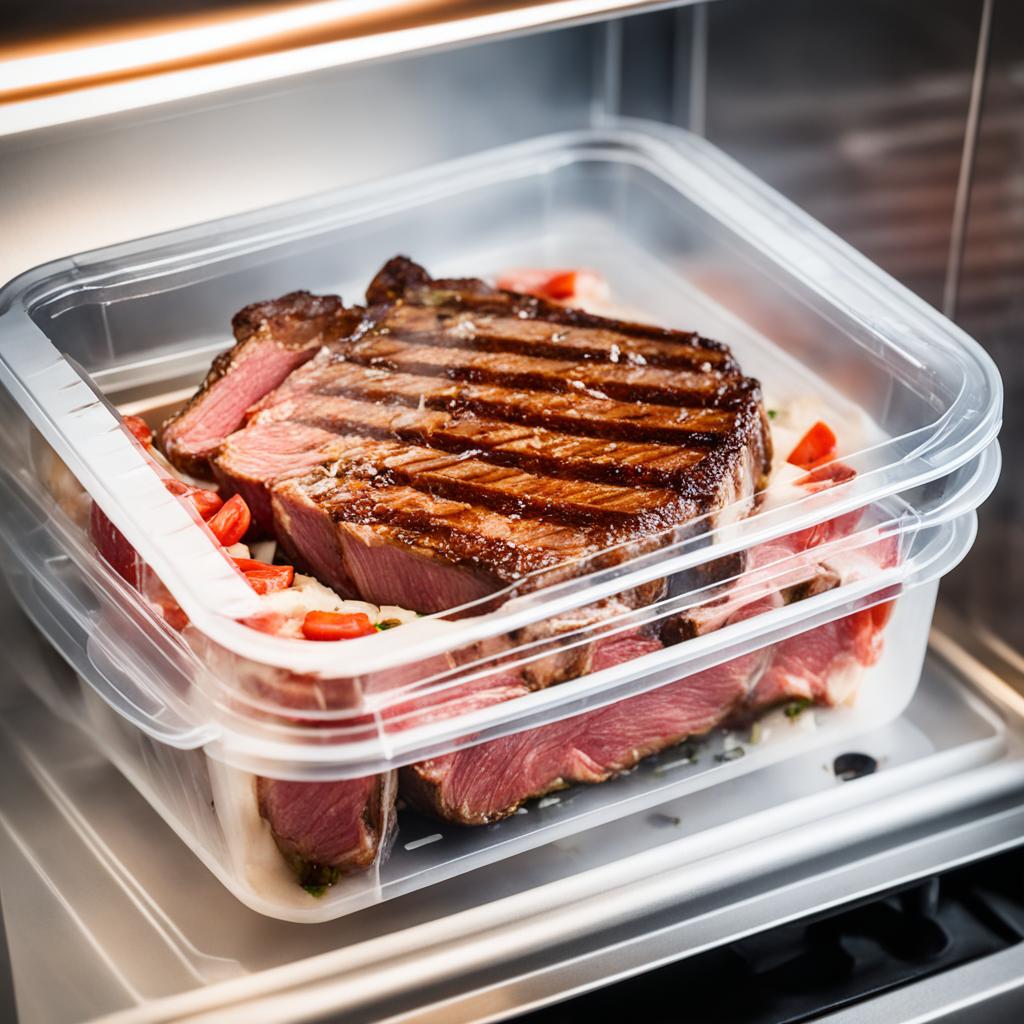
- Wrap the steak well in aluminum foil or put it in an airtight container.
- Don’t forget to mark the date on the container to remember its freshness.
- Keep it in the fridge; it stays good for about 3 days.
How to Reheat Without Losing Juiciness
Reheating steak the right way keeps it juicy. Try these steps for a moist steak:
- Put the steak in a skillet on low heat.
- Put a lid on the skillet to keep moisture in.
- Warm the steak gently but don’t overcook it.
Avoid using the microwave as it may make the steak tough. By following these tips, your ribeye leftovers will taste great.
Common Mistakes to Avoid
Understanding the common mistakes in cooking steak can make your ribeye taste better. By avoiding these errors, you’re more likely to enjoy a juicy, flavorful steak. Here’s what to look out for.
Overcooking Your Steak
One big mistake is overcooking the steak. This makes it dry and tough, which isn’t enjoyable. Watch how long you cook it. Adjust the time based on how thick your steak is and how well-done you like it. Using a meat thermometer ensures your steak is just right, keeping it juicy.
Searing vs. Stewing: Finding the Right Balance
Choosing the right cooking method is key. Searing locks in juices and gives the steak a tasty crust. But, if you cover the pan too much, you’ll lose moisture. Aim for the perfect sear to keep your steak flavorful and tender. It’s about finding the right balance.
Conclusion
Learning to cook a perfect ribeye steak is possible for you. You just need to pick the right steak and learn a few techniques. This way, you can make a steak dinner as good as the ones in top restaurants. Cooking is all about experimenting and tweaking things how you like.
Following tested cooking tips can really improve your skills in the kitchen. Getting your steak just right and seasoning it well is crucial. Keep trying, and soon, every bite will be a delight.
Start your cooking adventure and don’t be afraid to try new ways and flavors. Your dream ribeye steak is closer than you think. It’s waiting for you to cook it in a skillet!