
Did you know improperly cooked venison could raise foodborne illness risks by 30%? For hunters, making sure your venison is tasty and safe is crucial. Hitting the right internal temp is key for both flavor and safety.
It matters whether you like your steak medium-rare or your roast well-done. Knowing the correct internal temp for venison will make your game meat experience better.
Don’t let doubts spoil your cooking adventure! Learning the right cooking temp for venison is the start. In this article, find essential tips to cook your venison perfectly.
Understanding Venison and Its Unique Characteristics
Venison is a delightful meat from deer, different from beef and other game meats. Its bold flavor stands out, being richer and more intense. Also, it has less fat, which makes it a leaner and healthier choice.
Knowing about venison’s unique taste is crucial for those who want to enjoy it. Its flavor means you need to pick seasonings and cooking techniques carefully. You might need to marinate it or cook it slowly to keep it tender.
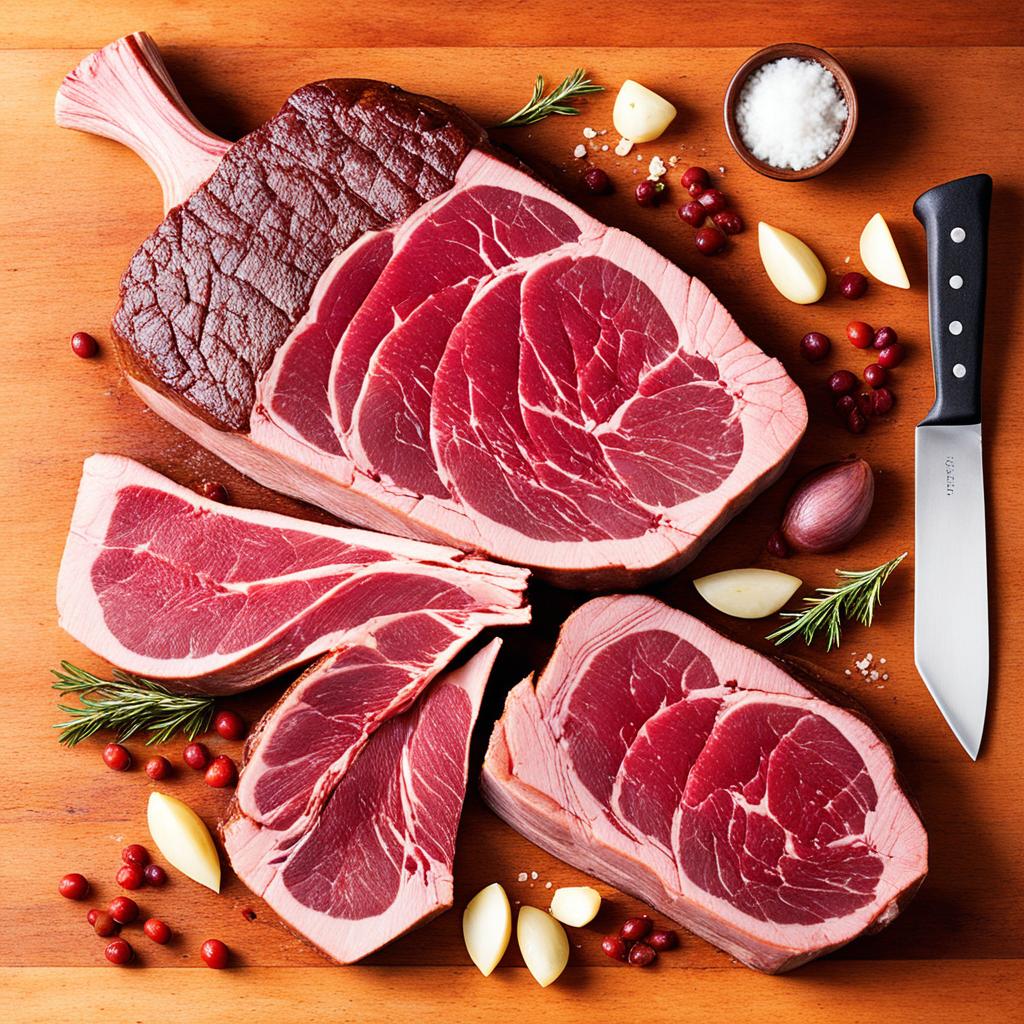
- Flavor: Venison has a rich, gamey taste that appeals to many.
- Fat Content: Much lower than beef, making it a lean choice.
- Texture: Firmer than traditional meats, requiring careful preparation.
Understanding these facts will enhance your experience with venison. It doesn’t matter if you are an experienced chef or new to deer meat. Knowing its features can improve your dishes greatly.
Why Cooking Temperature Matters for Venison
When cooking venison, it’s vital to know the right temperature. Getting the internal temperature right affects the taste and texture. It’s also key for safety. Eating undercooked venison might make you sick, so always watch the temperature.
Cooking venison right is super important. You want it safe to eat and nicely tender. The perfect temperature keeps the flavor and juiciness. But if you cook it too much, it gets dry and loses its great taste.
To make sure your venison is both tasty and safe, try these tips:
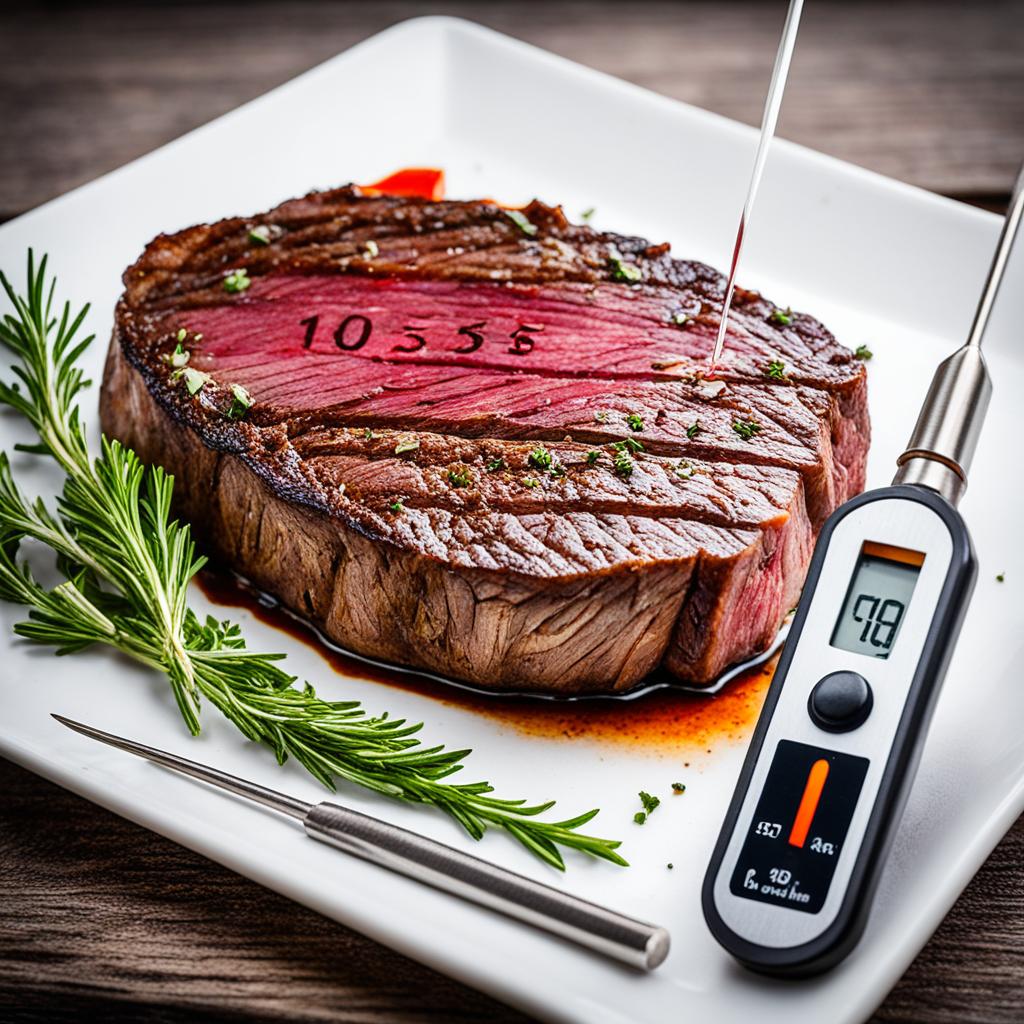
- Use a meat thermometer to check internal temperatures.
- Aim for a minimum of 145°F for a medium-rare. This makes sure the venison is safe.
- Let the meat rest a bit after cooking. It keeps cooking a little more on its own.
Using the right temp for venison makes your food better and keeps you healthy. You’ll enjoy your venison more, knowing it’s cooked just right.
Government Recommendations for Venison Internal Temperatures
Cooking venison right is key for taste and safety. Government guidelines show how to cook it safely and tastily. They help avoid foodborne illnesses linked to undercooked meat.
U.S. Health Guidelines Overview
The CDC has important tips for venison’s internal temp. You must cook venison to at least 160°F. This kills harmful germs, making your meal safe.
Wild game like venison carries extra risks. So, it’s crucial to follow these cooking rules closely. For more on safe cooking and temps, click here.
Expert Opinions on Ideal Internal Temp Venison
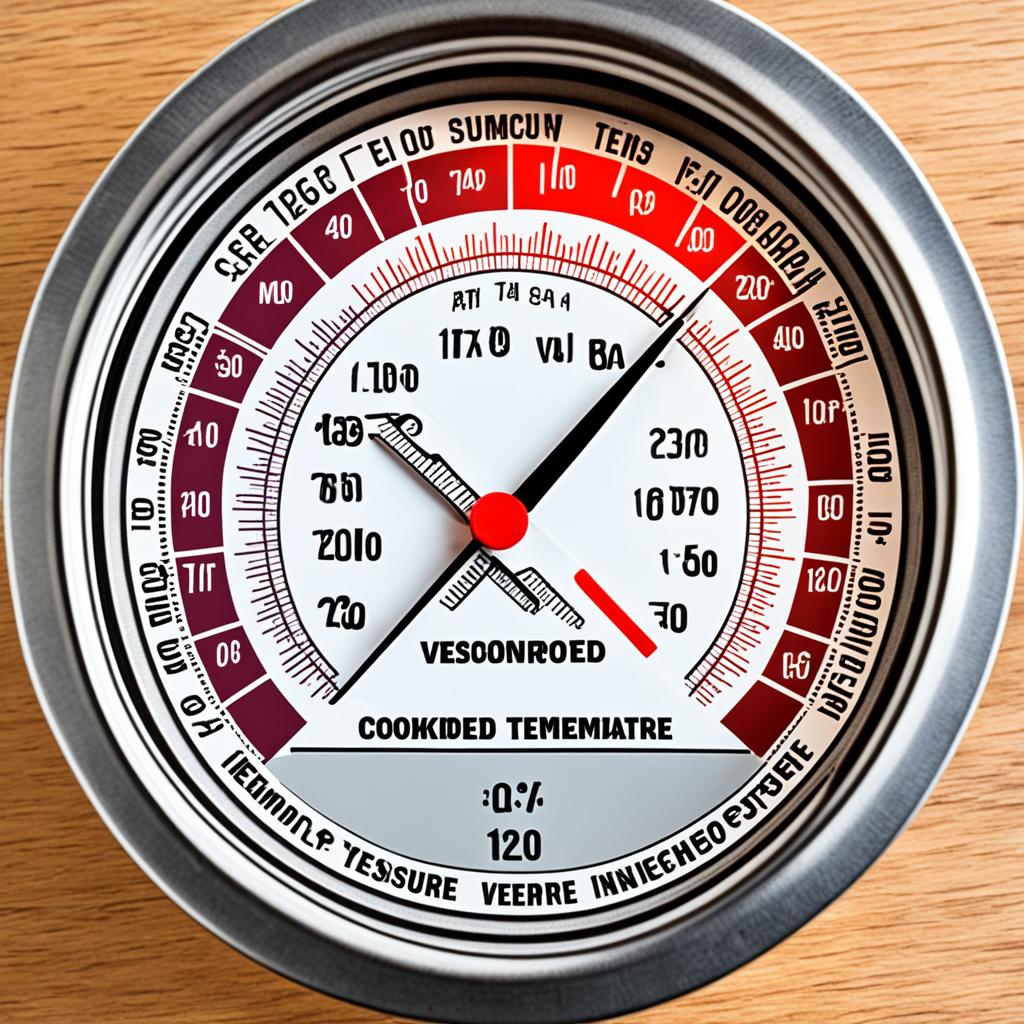
Preparing venison rightly needs wisdom from skilled wild game chefs. Especially about the best internal temperature. They usually suggest keeping it between 120°F and 130°F. At this temperature, the meat’s flavor and tenderness shine, making steaks and roasts exceptional. Aiming for this heat ensures the meat stays juicy, blending culinary finesse with safety.
Wild Game Chefs’ Perspectives
Experts in wild game stress knowing the perfect venison temperature for top results. There’s often a balance between not cooking enough and boosting flavor. They share these tips:
- Cooking venison to medium-rare keeps it moist and flavorful.
- A cast-iron skillet provides the best sear, trapping juices.
- Well-marbled cuts result in superior texture and flavor.
For expert tips on cooking a flawless ribeye with that perfect sear, visit this link. It offers detailed guide to elevate your venison cooking game. By adopting the wisdom of these chefs, your dishes will not only taste better but will impress anyone who tries them.
Cooking Techniques for Achieving the Perfect Internal Temp
Mastering a few key techniques is crucial when cooking venison. These methods help you get the perfect internal temperature. They also make the venison tastier and improve its texture.
Grilling, Smoking, and Sautéing Venison
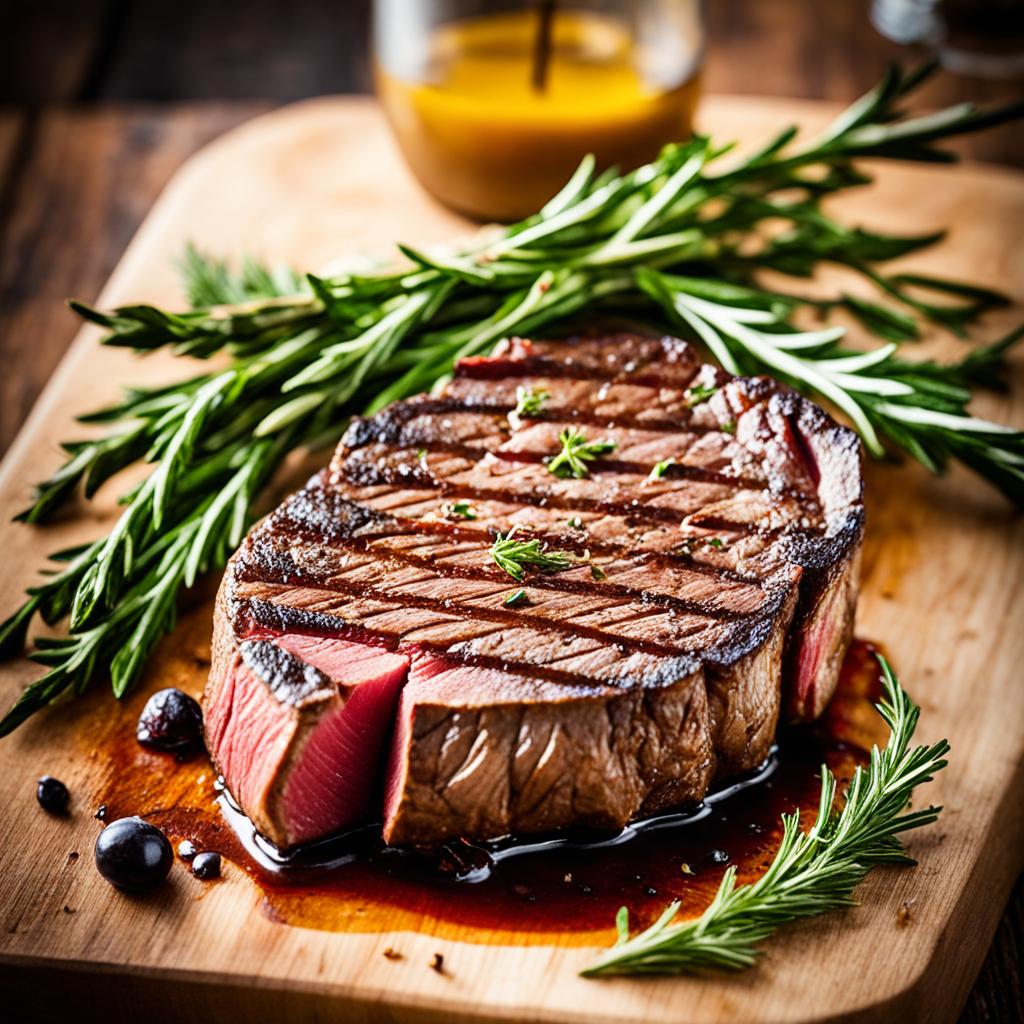
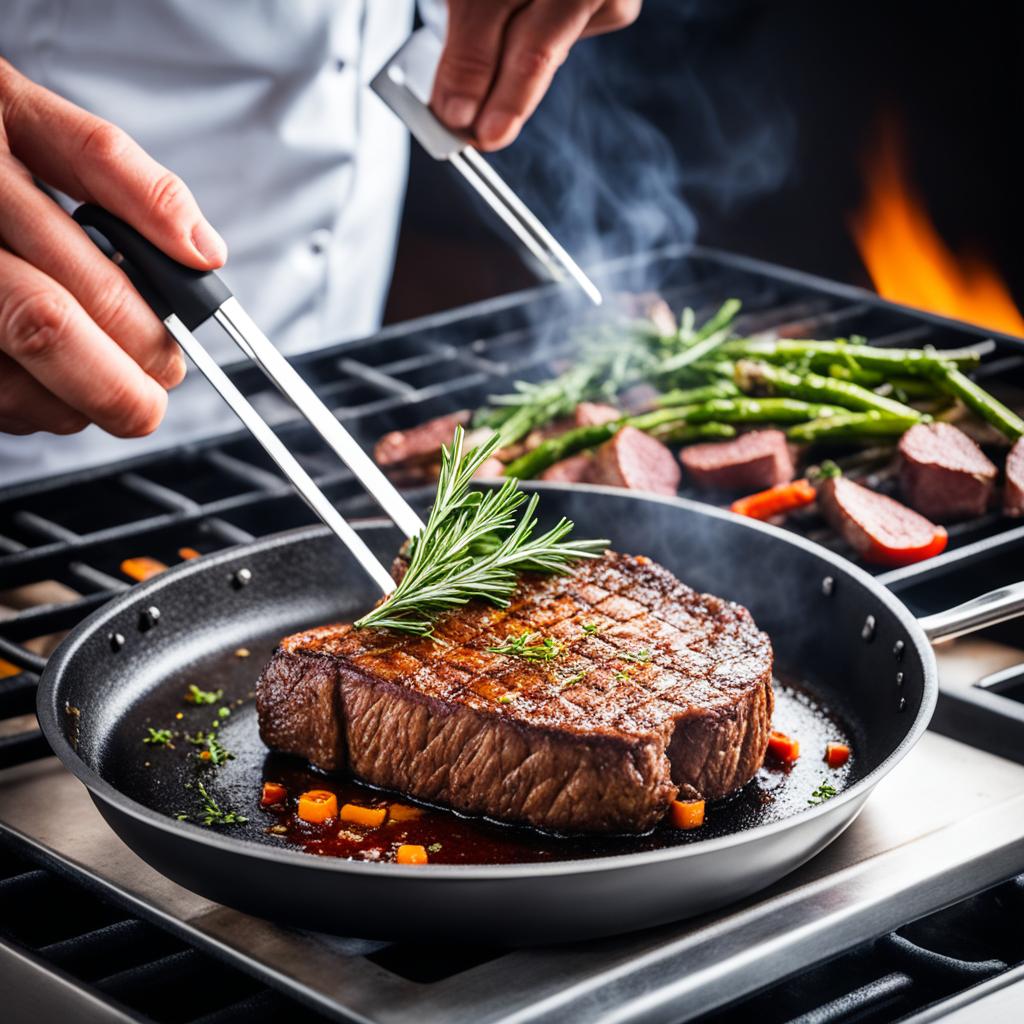
Grilling venison is a great way to get a delicious seared crust. It keeps the inside juicy. High heat helps create an appealing char and locks in the flavors. Here are some useful tips:
- Preheat your grill to high heat.
- Season the meat well to bring out its natural taste.
- Use a meat thermometer to ensure it reaches the ideal temperature.
Smoking venison gives it a deep, rich flavor. This slow-cooking process keeps the meat moist and tender. Here’s what to keep in mind:
- Pick the right wood chips for your smoker.
- Cook at a low heat for a long time.
- Keep your smoker humid to make the meat more tender.
Sautéing works best for smaller venison pieces. It lets you closely control the cooking time. This way, your meat won’t overcook. Here’s how to do it right:
- Make sure the venison pieces are the same size.
- Heat the pan with oil before adding the meat.
- Keep an eye on it, flipping the meat for even cooking.
Ground Venison: Cook Temperatures and Best Practices
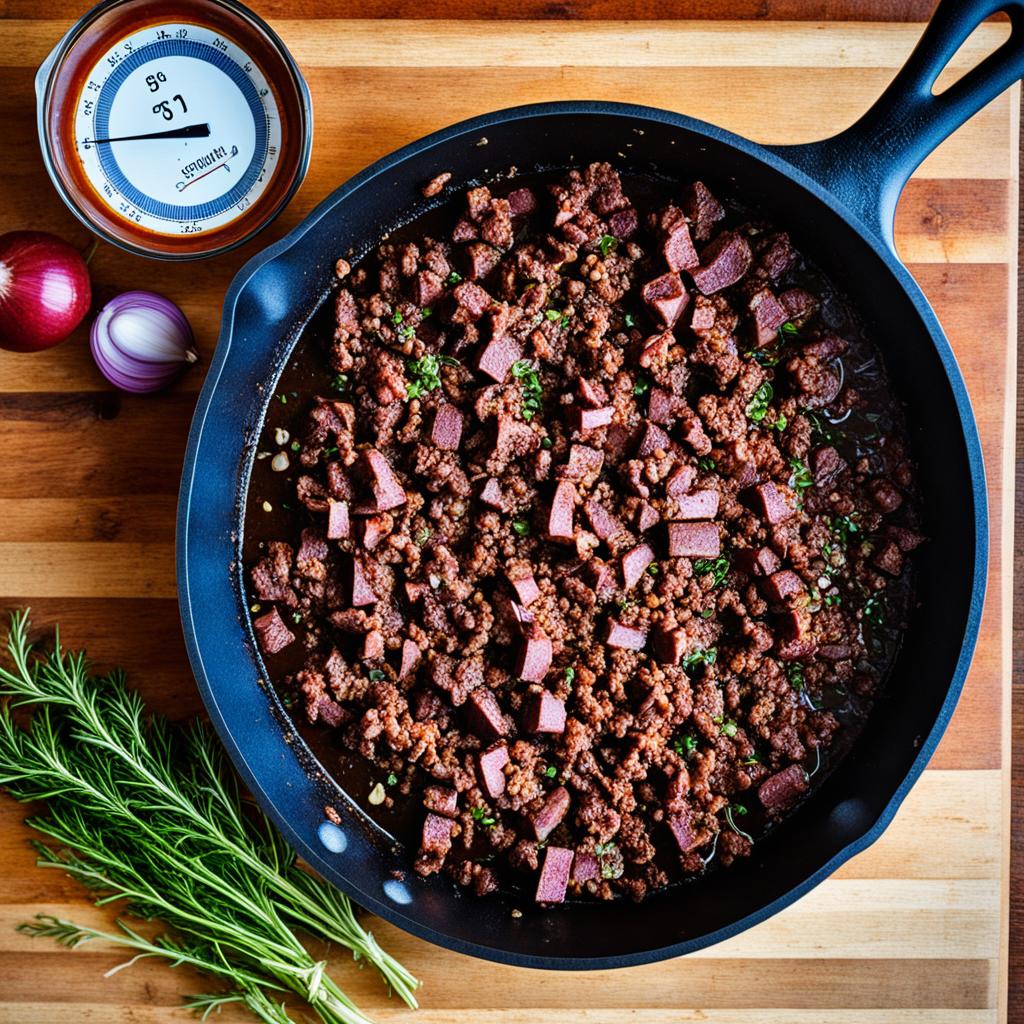
Understanding the right temperatures for ground venison is crucial for safety. It’s key to make sure the internal temperature hits at least 160°F. This prevents harmful bacteria that might be in the meat. Whether making venison burgers or adding it to a tasty dish, knowing how to cook it makes your meal better.
Importance of Freshly Ground Venison
Using freshly ground venison improves your dish’s texture and taste. By grinding venison at home, you ensure it’s fresh and high-quality. This results in meals that are juicier and more flavorful.
- Freshly ground venison is great for medium-rare to medium cooking, typically between 130°F to 145°F.
- These lower temperatures help keep the meat moist, making it tender and delicious.
- Always watch the internal temperature of venison burgers to ensure they’re tasty but also safe.
It’s important to handle ground meats properly. Make sure all your tools and surfaces are clean to prevent cross-contamination. Following these steps ensures that your venison cooking is safe and delightful.
Braising and Stewing Venison for Optimal Flavor
Braising and stewing make venison taste much better, especially the tough parts. These methods use low heat over time. This softens the meat, making it both tender and flavorful. Keeping the oven at 350°F for 2 to 3 hours is key. This technique brings out venison’s intense, savory flavors.
Understanding Cooking Times and Temperatures
To make venison tender and delicious, keep these in mind:
- Use a heavy pot or Dutch oven for even heat distribution.
- Add liquid early, such as stock or wine, to keep the meat moist.
- Allow ample time for the meat to simmer, ensuring the optimal cooking time for venison is respected.
Stewing venison can also be amazing. Putting it with veggies and tasty broth makes a hearty meal. Here’s how to do it:
- Start by browning the meat to develop complex flavors.
- Include aromatic vegetables like onions, carrots, and garlic.
- Simmer gently for several hours to deepen flavors and achieve tenderness.
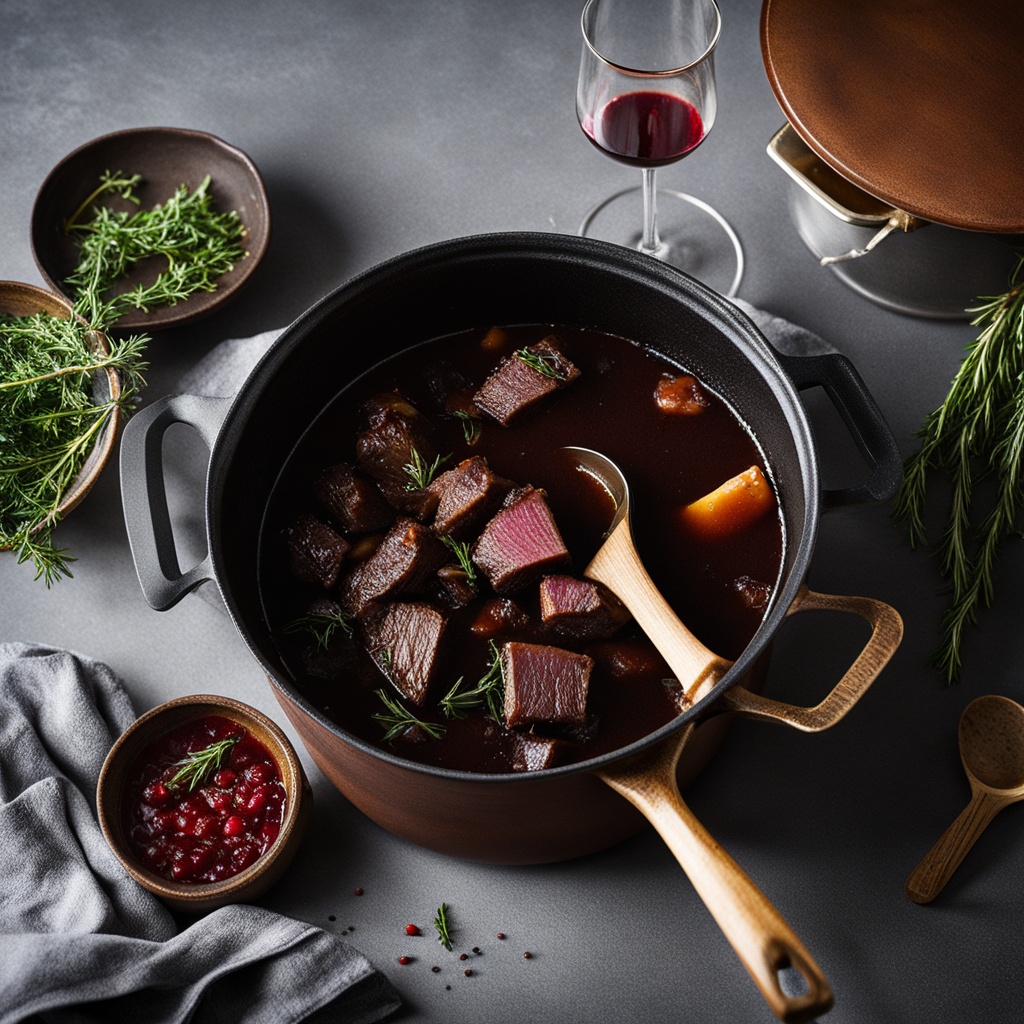
Using the right braising and stewing techniques elevates venison. It can become a standout dish for you.
Conclusion
Cooking venison well mixes art, science, and learning about the right internal temperatures. This guide has shared health tips and expert chef advice. It also showed you many ways to cook venison well. Now, you know how to make tasty venison meals.
Properly cooked venison can make your meals much better. Whether you grill, braise, or stew, hitting the perfect internal temperature is key. It makes the meal tastier and keeps you healthy. Follow these venison cooking tips for superb and safe dishes.
Keep these cooking tips in mind as you try more venison recipes. Pay attention to how long and at what temperature you cook. With time and care, you’ll make amazing venison that shows your commitment to great and safe cooking.