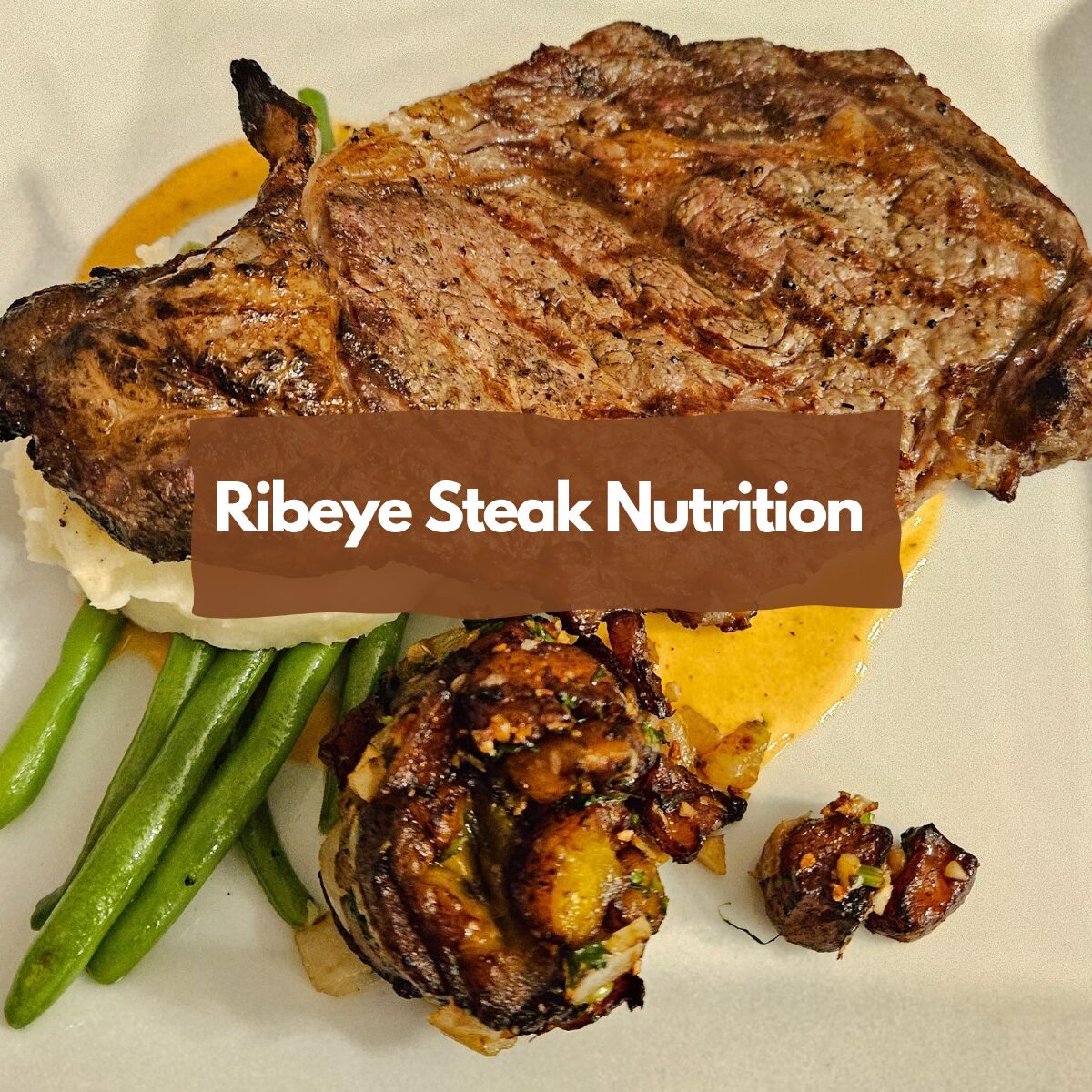
Ribeye steak nutrition is an essential aspect for anyone looking to enjoy this rich cut of beef wisely. Packed with proteins and essential nutrients, yet also high in fats, understanding how to balance its intake can significantly enhance your dining experience and overall health.
So, read on to discover how to make the most of your ribeye steak meals without compromising on health. We’ll explore optimal portion sizes, compare nutritional content with other protein sources, and provide tips for pairing it with other nutritious foods to create a balanced meal.
Ribeye Steak Nutrition: Choosing the Best Cuts
Selecting the right ribeye steak is crucial for both taste and nutrition. This guide will help you navigate the meat aisle and make informed choices, whether you’re looking for a luxurious meal or a more budget-friendly option.
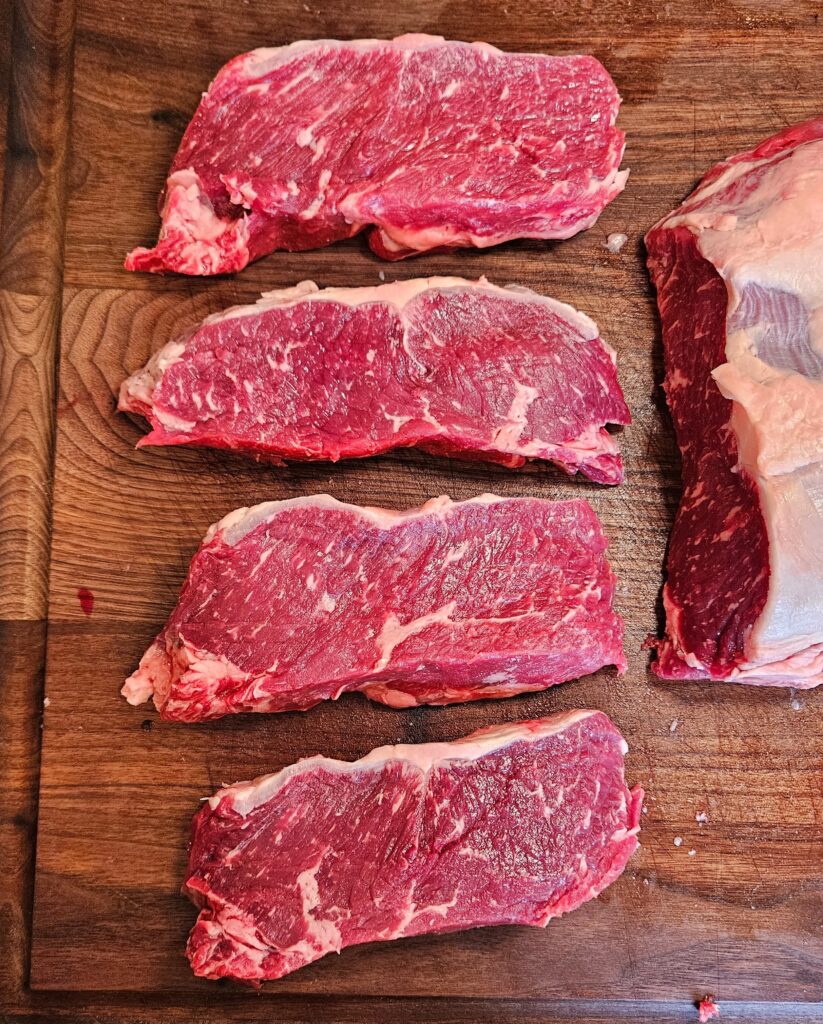
First, consider the USDA grade of the steak. Prime grade ribeyes offer the highest level of marbling, making them tender and flavorful, but they come at a higher price. Choice grade is more affordable and still offers good quality, with decent marbling and flavor.
Look for marbling—the fat within the muscle—because it enhances flavor and juiciness. A good ribeye should have even marbling throughout. Also, bone-in cuts often cost less and can add extra flavor during cooking.
Keep in mind that steak prices can fluctuate, so it’s wise to stay informed about current costs. Always check for the USDA sticker to ensure quality and grade.
Here’s a breakdown of what to expect with each USDA grade:
| USDA Grade | Marbling Level | Price Range ($/lb) | Bone Presence | Taste Profile |
|---|---|---|---|---|
| Prime | Extensive | $$$ | Varies | Rich, Buttery |
| Choice | Moderate | $$ | Varies | Strong, Beefy |
| Select | Minimal | $ | Often Boneless | Leaner, Less Juicy |
Nutritional Breakdown of Ribeye Steak
Diving into the nutrition of a ribeye steak reveals that it’s not just a treat for the taste buds—it’s packed with essential nutrients. This guide breaks down the vitamins, minerals, and other nutritional components that make ribeye steak a valuable part of your diet.
Vitamins and Minerals in Ribeye
Ribeye steak is a powerhouse of essential nutrients. It’s rich in B vitamins like niacin, B6, and B12, which are crucial for energy production and efficient oxygen transport in your blood.
Ribeye is also a good source of minerals such as selenium, which helps protect your cells from damage, zinc to boost your immune system, and both phosphorus and iron to keep your energy levels high.
Protein, Fats, Calories, and Cholesterol in Ribeye
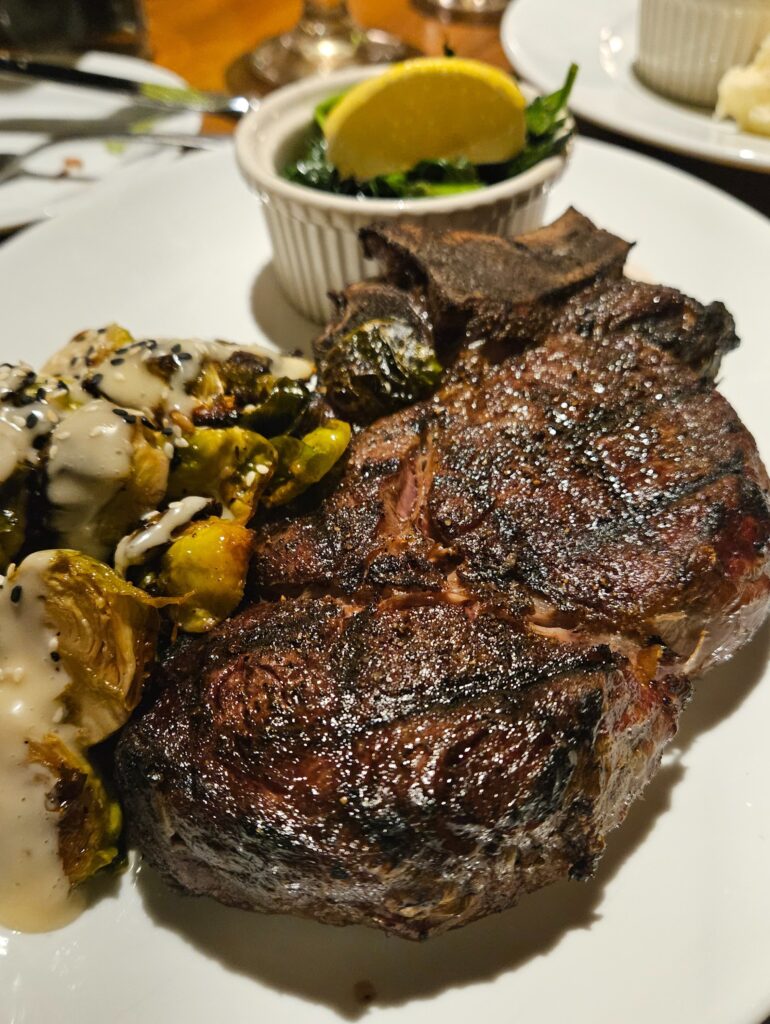
When it comes to protein, ribeye is a champion. A 3.5-ounce serving offers almost half of your daily protein needs, supporting muscle growth and repair.
But that’s not all—ribeye is also high in fat, particularly saturated fat. It’s important to consider this if you’re balancing your overall fat intake. Here’s a quick look at what a typical serving brings to your plate:
| Nutrient | Content in a 3.5-oz Serving | % Daily Value |
|---|---|---|
| Protein | 24g | 48% |
| Total Fat | 17g | 26% |
| Saturated Fat | 7g | 35% |
| Cholesterol | 70mg | 23% |
| Calories | 271 | 13.5% |
Related Article: For a deeper understanding of how this cut of meat fits into your dietary plans, particularly if you’re counting calories or managing fat consumption, you may want to explore our comprehensive guide on Ribeye Steak Calories.
Comparing Ribeye to Other Protein Sources
When comparing ribeye steak to other protein sources, ribeye often stands out for its higher nutritional content. It’s like comparing a luxury car with standard models—it offers more than just basic benefits. Ribeye boasts a high protein content and a rich fat profile, including saturated fats. But remember, moderation is key.
Here’s a quick breakdown of how ribeye compares with other popular protein sources like flank steak and chicken breast:
| Nutrient | Ribeye | Flank Steak | Chicken Breast |
|---|---|---|---|
| Protein (g per 100g) | 25 | 22 | 31 |
| Fat (g per 100g) | 16 | 7 | 3.6 |
| Vitamin B12 (mcg per 100g) | 5.1 | 1.7 | 0.3 |
| Zinc (mg per 100g) | 4.8 | 3.9 | 1.0 |
| Iron (mg per 100g) | 2.7 | 2.0 | 0.7 |
When choosing between ribeye and other meats, consider not just the flavor but also the rich array of nutrients that ribeye offers. Whether grilled or pan-seared, ribeye isn’t just a treat for the taste buds—it’s a nutritious choice that supports a well-rounded diet.
Healthy Pairings: Complementing Your Ribeye Steak
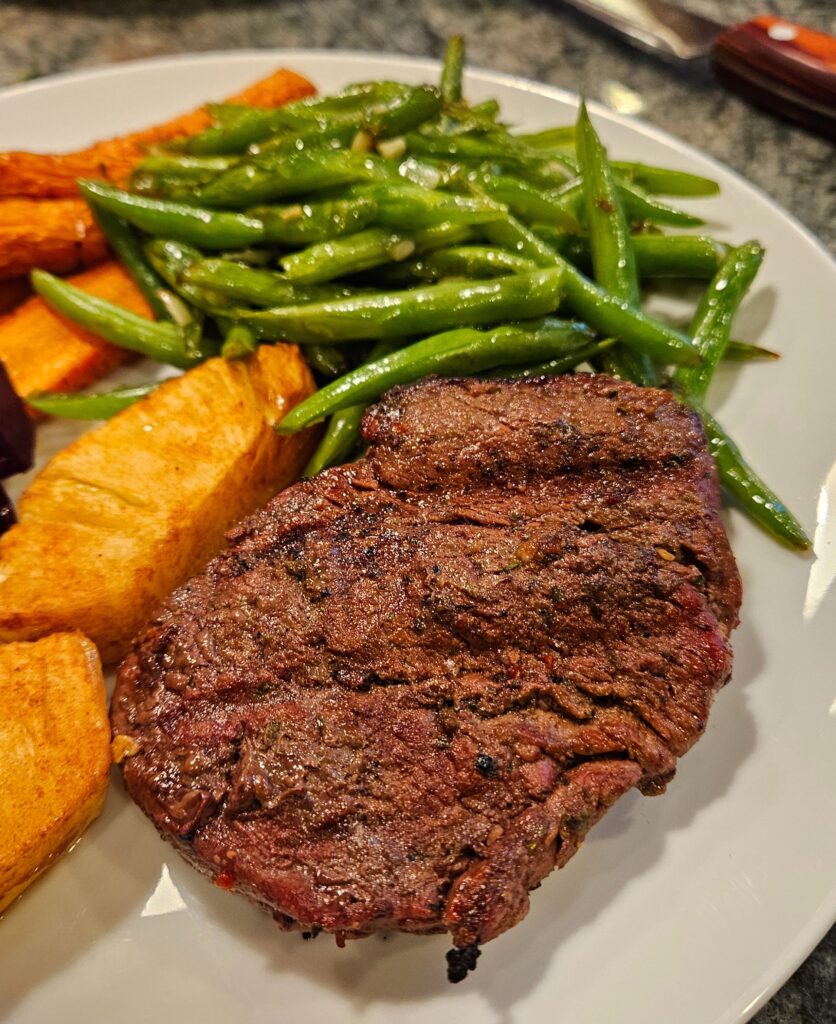
Complementing your grilled ribeye with nutritious and tasty accompaniments not only adds variety but enhances the entire dining experience. For those watching their carbs, try green beans fresh out of the air fryer or colorful sautéed bell peppers with a light dressing.
If you’re not counting carbs, consider serving your steak with hearty whole-grain tortillas or oven-baked crinkle-cut fries for that perfect comfort food touch.
Here’s a guide to creating the ideal side dish ensemble for your ribeye steak:
| Side Dish | Flavor Profile | Health Benefits | Perfect For |
|---|---|---|---|
| Steamed Broccoli with Lemon and Parmesan | Zesty and Savory | High in Vitamin C and Fiber | Adding brightness and crunch |
| Air Fryer Green Beans | Earthy with a hint of smoke | Low in calories, rich in antioxidants | Low-carb diets |
| Sautéed Bell Peppers | Sweet and vibrant | Vitamin A & C powerhouse | A colorful addition |
| Whole-Grain Flour Tortillas | Nutty and robust | Source of whole grains and fiber | Heartier appetites |
| Oven-Baked Crinkle-Cut Fries | Comfortingly crisp | Less fat than deep-fried alternatives | Indulging sensibly |
Mix and match these sides to discover your favorite combinations that not only satisfy your taste buds but also contribute to a balanced diet. Each pairing is designed to enhance your ribeye meal, turning it from just another dinner into a memorable culinary adventure.
Managing Ribeye Steak Portions
Enjoying a ribeye steak is a treat, but it’s easy to overdo it. A reasonable portion of ribeye is about 3 to 4 ounces, roughly the size of a deck of cards. This amount provides ample protein while keeping your fat intake in check, allowing you to savor the flavor without the excess.
Incorporating a variety of proteins and nutrients into your diet is key. Balance your meals with different sources like legumes, nuts, fruits, and vegetables alongside occasional servings of red meat. This diverse approach not only enriches your diet but also keeps mealtime interesting.
When ribeye is on the menu, make it a highlight rather than the entirety, ensuring each bite is part of a larger, nutritious ensemble. This strategy helps you enjoy your steak while maintaining a balanced diet.
Conclusion
Ribeye steak is a culinary delight, rich in flavor and nutrients, but knowing how to enjoy it with a balanced diet is crucial. It offers a substantial amount of protein along with essential vitamins and minerals, making it a valuable addition to your diet when consumed in moderation.
To keep things interesting and your meals well-rounded, experiment with different seasonings and side dishes that complement the nutritional profile of ribeye.
Whether you’re grilling, searing, or baking, remember to enjoy your steak responsibly. Try out various seasonings and techniques to discover your favorite way to enjoy ribeye while maintaining a nutritious and exciting diet.
FAQ
What vitamins are found in ribeye steak?
Ribeye steak is a good source of several B vitamins, including niacin, B6, and B12, which are essential for energy metabolism and maintaining healthy blood cells.
Is ribeye steak good for a low-carb diet?
Yes, ribeye steak is suitable for low-carb diets as it contains no carbohydrates and offers high levels of protein and fat.
What is the best way to cook ribeye steak to preserve its nutrients?
Grilling or broiling ribeye steak at a medium-high temperature can help preserve its nutrients while achieving a great flavor and texture.
How does the marbling impact the nutrition of a ribeye steak?
Marbling refers to the white flecks of intramuscular fat within the ribeye steak, which significantly impact its nutritional profile. Higher marbling increases the fat content, particularly saturated fats, making the steak richer in calories and fats. While this enhances flavor and tenderness, it also means a higher caloric intake and fat content per serving.
Can eating ribeye steak help with muscle building?
Absolutely, the high protein content in ribeye steak supports muscle growth and repair, making it a popular choice among athletes and those looking to increase muscle mass.
How can I make ribeye steak part of a balanced diet?
Balance ribeye steak with sides rich in fiber and vitamins, such as steamed vegetables, salads, or whole grains, to create a well-rounded meal.
What are some healthy seasoning options for ribeye steak?
Opt for herbs and spices like rosemary, thyme, and garlic instead of high-sodium sauces to add flavor without excess calories or fat.