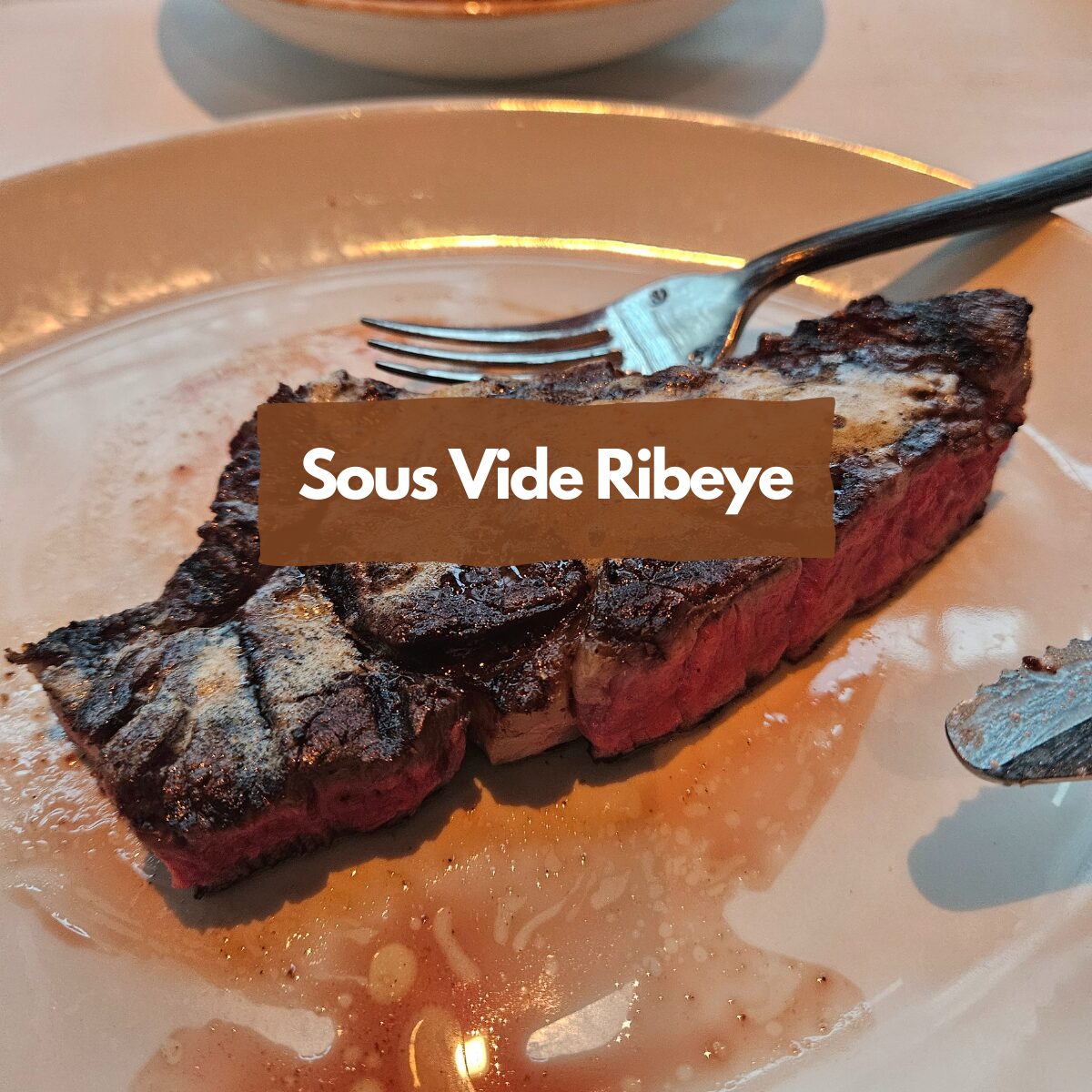
If you’re looking to cook a steak that’s perfectly tender and full of flavor, sous vide ribeye is the way to go. This method allows you to control the temperature precisely, ensuring your ribeye steak is cooked just the way you like it, every time.
With sous vide, you can achieve a juicy, evenly cooked steak that’s impossible to overcook. Whether you’re a seasoned chef or new to this technique, sous vide ribeye will impress your taste buds and anyone you serve it to.
As you continue reading, you’ll discover step-by-step instructions on how to prepare, cook, and finish your ribeye to perfection. Ready to elevate your steak game? Keep reading to learn more.
Why Sous Vide Ribeye
Sous vide is an excellent way to cook ribeye, ensuring a perfectly juicy and tender steak every time. This technique involves sealing the steak in a vacuum-sealed bag and cooking it in a water bath at a precise temperature. The controlled cooking process guarantees even doneness throughout the steak, eliminating the risk of overcooking.
Sous vide might sound like something only chefs do, but it’s actually quite simple to master at home. The best part? You can achieve restaurant-quality results consistently. By the time you’re done, your ribeye will be so tender and flavorful that it will impress even the toughest critics at your dinner table.
With sous vide, you get the perfect balance of flavor and texture, making every steak night a success. So, get ready to elevate your ribeye game with this foolproof cooking method!
Related Article: You can also try this method on other popular cuts of steak. Check out our recipes for Sous Vide New York strip, Sous Vide Flank Steak, Sous Vide Skirt Steak, and Sous Vide Filet Mignon.
Choosing the Best Ribeye for Sous Vide

When it comes to cooking ribeye using the sous vide method, selecting the right cut is key. The two things you want to focus on are marbling and thickness.
Marbling refers to the small streaks of fat running through the meat, and it’s what gives the steak its rich flavor and tender texture. Look for a ribeye with plenty of marbling, as this fat will melt during cooking, making the steak juicy and flavorful.
Thickness is also important. For sous vide, a steak that’s at least 1 ¾ inches thick is ideal. A thicker cut gives you more control during cooking and ensures that the steak cooks evenly. It also allows you to get a nice sear on the outside without overcooking the inside.
Choosing a ribeye with good marbling and the right thickness sets you up for success with sous vide, leading to a steak that’s perfectly tender and full of flavor.
Seasoning Your Ribeye for Sous Vide
Seasoning your ribeye is a crucial step in creating a steak full of flavor. One effective method is dry brining, which enhances the meat’s natural juices and helps form a delicious crust during cooking.
To dry brine, start by generously coating your ribeye with kosher or sea salt. Let the steak rest for at least 45 minutes, or even up to 48 hours in the refrigerator, to allow the salt to penetrate and tenderize the meat.
After dry brining, you can add other seasonings like ground pepper, garlic powder, or herbs to complement the beef’s rich flavor. Remember, the goal is to enhance the steak, not overpower it. With just the right touch of seasoning, your ribeye will be ready for an incredible sous vide experience.

Sous Vide Ribeye: Temperature and Time
Why guess when you can get it right every time with sous vide? This method lets you cook your ribeye to perfection, consistently. The key to sous vide success lies in controlling the temperature and time.
For a tender, juicy steak, use these temperature guidelines:
- Rare: 120°F (49°C) to 128°F (53°C)
- Medium-Rare: 129°F (54°C) to 134°F (57°C)
- Medium: 135°F (57°C) to 144°F (62°C)
- Medium-Well: 145°F (63°C) to 155°F (68°C)
- Well Done: 156°F (69°C) and up
Cooking time also matters. For steaks that are 1 inch thick or less, sous vide for 40 minutes. For steaks 1.5 inches thick or more, aim for 1 hour.
During this time, your ribeye gently cooks in a water bath, ensuring even doneness throughout. With sous vide, you control the temperature precisely, avoiding overcooking and delivering a perfect steak every time.
Sous Vide Ribeye: The Main Event
Cooking a ribeye using the sous vide method is like putting on a show where perfection is the star. Here’s how to do it step by step:
Step 1: Sous Vide Bath
Set your sous vide machine to your desired temperature (e.g., 129°F for medium-rare) and let the water heat up. Season your ribeye generously with salt and pepper, then place it in a vacuum-sealed bag.
Make sure the bag is sealed tightly so no water can get in. Submerge the bag in the water bath and cook for the recommended time—40 minutes for a steak 1 inch thick or 1 hour for thicker cuts.
Step 2: Searing
Once the ribeye has cooked in the sous vide bath, remove it from the bag and pat it dry with paper towels. Heat a cast-iron skillet until it’s smoking hot, and add a high-smoke-point oil like grapeseed or avocado oil.
Sear the steak for 1-2 minutes on each side to develop a beautiful crust. The goal here is to get a golden-brown exterior while keeping the inside perfectly tender.
Step 3: Oven Finish (Optional)
If your steak is thicker than 1.5 inches, you may want to finish it in the oven. Preheat your oven to 400°F, and after searing, transfer the steak to the oven for 3-5 minutes.
This ensures even cooking without overcooking the exterior. Use a meat thermometer to check the ribeye’s internal temperature, making sure it’s at your desired level of doneness.
Step 4: Resting

Remove the ribeye from the oven and place it on a wire rack. Add a dollop of butter, fresh thyme, and a few smashed garlic cloves on top of the steak. Let it rest for 5 to 10 minutes to allow the juices to redistribute throughout the meat, making every bite as juicy as possible.
The Finishing Touch: Searing Your Sous Vide Ribeye
Searing your sous vide ribeye is like the grand finale of a fireworks show—quick, intense, and full of flavor. Start by heating your cast-iron skillet until it’s extremely hot, almost smoking. Once the skillet is ready, place your ribeye in the pan and sear for 2-4 minutes on each side. This will give you that perfect crust that takes your steak to the next level.
Not a fan of the stovetop? No worries. You can also broil your steak in the oven for a few minutes or grill the ribeye for those classic grill marks. Don’t forget to add some melted butter and herbs during the last minute of searing to boost the flavor even more.
Searing Methods
| Searing Method | Heat Source | Typical Searing Time | Extra Flavor Tip |
|---|---|---|---|
| Stovetop | Cast-Iron Skillet | 2-4 minutes per side | Baste with butter and herbs in the final minute |
| Broiling | Oven Broiler | 3-5 minutes total | Add a spice rub pre-sear for a bold crust |
| Grilling | Charcoal or Gas Grill | 3-4 minutes per side | Smoke with wood chips for a smoky finish |
Flavor Enhancers: Pairing Sides and Sauces with Sous Vide Ribeye
Let’s transform your sous vide ribeye experience from great to unforgettable. It’s not just about the steak—it’s about the symphony of flavors that come with it. Whether you’re looking for classic steak sides or searching for the perfect sauce pairing, the possibilities are endless.
Complementary Side Dishes

Imagine your ribeye flanked by the perfect ensemble of side dishes. Here are some top choices that harmonize beautifully with your succulent steak:
- Sautéed Spinach: A simple yet sophisticated touch of greens.
- Roasted Garlic Mashed Potatoes: A creamy, comforting companion.
- Crispy Brussels Sprouts: Caramelized outer leaves with a tender heart.
- Grilled Asparagus: Crisp and slightly smoky, a perfect counterbalance to the rich ribeye.
- Truffle Parmesan Fries: Crunchy with a luxurious umami finish, adding both flavor and texture.
- Creamed Spinach: Smooth and velvety, it enhances the richness without overpowering the steak.
Each side dish not only complements the ribeye but also adds its unique texture and flavor to the palate, making every mouthful a delight.
Sauce Selections for Steak
The right sauce is like the final brushstroke on a masterpiece—it can make all the difference. Below are sauces that perfectly accentuate your ribeye:
- Béarnaise: A rich, buttery sauce with the subtle tang of tarragon.
- Peppercorn Sauce: Creamy with a bite, perfect for those who love a bit of spice.
- Blue Cheese Butter: Bold and rich, it’s a great choice for cheese lovers
Whether you choose a sauce that’s decadent and creamy, or one that’s bursting with herbs and zest, it’s guaranteed to make each bite even more delicious.
Conclusion
Cooking a Sous Vide Ribeye is a game-changer for anyone who loves steak. By mastering this method, you can create a meal that rivals the best steakhouses. The combination of precise temperature control and a final sear ensures that your steak is both tender and flavorful.
Whether you’re cooking for yourself or entertaining guests, sous vide guarantees consistency and delicious results every time. Keep exploring this technique, and soon you’ll be a sous vide expert, turning out perfect ribeyes and other dishes with ease.
PrintHow to Sous Vide Ribeye for the Ultimate Steak Experience

This Sous Vide Ribeye recipe ensures a perfectly cooked, juicy steak with a flavorful crust. By combining dry brining and precise sous vide cooking, you’ll create a restaurant-quality meal at home.
Ingredients
- 1 ribeye steak, 1.5 inches thick
- 1 tablespoon kosher salt
- 1 teaspoon cracked black pepper
- 1/2 teaspoon garlic powder (optional)
- 1 tablespoon high-smoke-point oil (e.g., grapeseed or avocado oil)
- 1 tablespoon butter (for basting)
- 1 sprig fresh thyme (for basting)
- 1 garlic clove, smashed (for basting)
Instructions
- Step 1 – Generously coat the ribeye with kosher salt. Let it rest for at least 45 minutes or up to 48 hours in the refrigerator to allow the salt to penetrate and tenderize the meat. After brining, season with cracked black pepper and garlic powder, if using.
- Step 2 – Set your sous vide machine to 129°F for medium-rare. Place the seasoned ribeye in a vacuum-sealed bag and ensure it’s sealed tightly. Submerge the bag in the water bath and cook for 1 hour for a steak 1.5 inches thick.
- Step 3 – Remove the ribeye from the bag and pat it dry with paper towels. Heat a cast-iron skillet until it’s smoking hot, then add the high-smoke-point oil. Sear the steak for 1-2 minutes on each side until a golden-brown crust forms.
- Step 4 – In the last minute of searing, add butter, fresh thyme, and the smashed garlic clove to the skillet. Baste the steak with melted butter and herbs for added flavor.
- Step 5 – If your steak is thicker than 1.5 inches, preheat your oven to 400°F. After searing, transfer the steak to the oven for 3-5 minutes to ensure even cooking.
- Step 6 – Remove the ribeye from the skillet or oven and let it rest on a wire rack for 5 minutes. This allows the juices to redistribute, making the steak as juicy as possible.
FAQ
Is sous vide ribeye better than traditional grilling?
Sous vide ensures precise doneness and even cooking, while grilling can offer a more intense, smoky flavor. Combining both methods can give you the best of both worlds.
What’s the difference between sous vide and slow cooking?
Sous vide cooks food at a precise, controlled temperature in a water bath, while slow cooking ribeye or any cut of steak uses low, steady heat over a longer period in a crockpot or slow cooker.
What type of bag should I use for sous vide cooking?
Use vacuum-sealed bags or high-quality, food-safe zipper-lock bags designed for sous vide to ensure no water leaks into the bag during cooking.
Can I finish my sous vide ribeye on the grill instead of a pan?
Absolutely! Grilling your ribeye after sous vide adds a great smoky flavor and creates a nice crust.
Can I sous vide multiple ribeye steaks at once?
Yes, you can sous vide multiple ribeye steaks at once. Just make sure they are in a single layer and not overlapping in the water bath for even cooking.
Can I add aromatics like garlic and herbs directly into the sous vide bag?
Yes, adding aromatics like garlic, rosemary, or thyme to the sous vide bag can enhance the flavor of the ribeye during cooking.
Can I sous vide ribeye in advance and sear it later?
Yes, you can sous vide the ribeye ahead of time and store it in the fridge. When ready to serve, sear it quickly to bring it back to temperature and develop a crust.