
Ever wonder why some steaks are juicy and others are dry? The science of steak temperature holds the secret to perfect steaks. When you learn the ideal levels of doneness, your steaks will taste better. This knowledge is crucial for anyone wanting to impress with their grilling skills.
In this guide, we’ll share tips for achieving the perfect steak temperature. You’ll learn how the right internal temperature makes steak juicy. Are you ready to take your steak cooking to the next level?
Understanding Steak Doneness Levels
Thinking about steak doneness, you imagine a range from raw to well-cooked. Each level has its own internal temperature and texture. This affects the steak’s taste and juiciness. Knowing these levels helps you cook the perfect steak.

- Blue: The rarest choice, with a cool center.
- Rare: Slightly warmer, cool and juicy.
- Medium Rare: Known as the golden standard, offering ideal flavor and texture.
- Medium: More cooked, often a popular option for many diners.
- Medium Well: Less pink, resulting in a firmer texture.
- Well Done: No pink remains, fully cooked throughout.
Learning about these levels lets you cook steak just how you like it. Whether you enjoy a juicy rare or a firmer well done. Knowing your options promises tasty outcomes.
Importance of Steak Temperature
The right internal temperature of steak is crucial for the perfect doneness, flavor, and texture. It helps you cook a tender steak and keep it safe to eat. Finding the right balance between taste and safety is key, especially with steak.
The USDA advises cooking steak to 145°F to kill harmful bacteria. However, many prefer their steak Medium Rare, at about 130-135°F. Cooking steak properly brings out the best flavors. It keeps it juicy, avoiding the dryness or toughness that comes from overcooking.

Steak Temperature Chart for Perfect Results
Knowing the right temperatures for steak is key to perfect doneness. This steak temperature chart guides you on proper internal temperatures. It ensures your steak turns out just how you like it.
Blue Steak: The Rarest Choice
For those who love their steak very rare, blue steak is the best. It reaches an internal temperature of 110-115°F. You should take it off the heat at 108°F.
Rare Steak: Cool and Juicy
A rare steak should hit an internal temperature of 120-125°F. To get a cool, juicy center, remove it from the grill at 115°F. It keeps the steak warm and delicious on the edges.
Medium Rare Steak: The Golden Standard
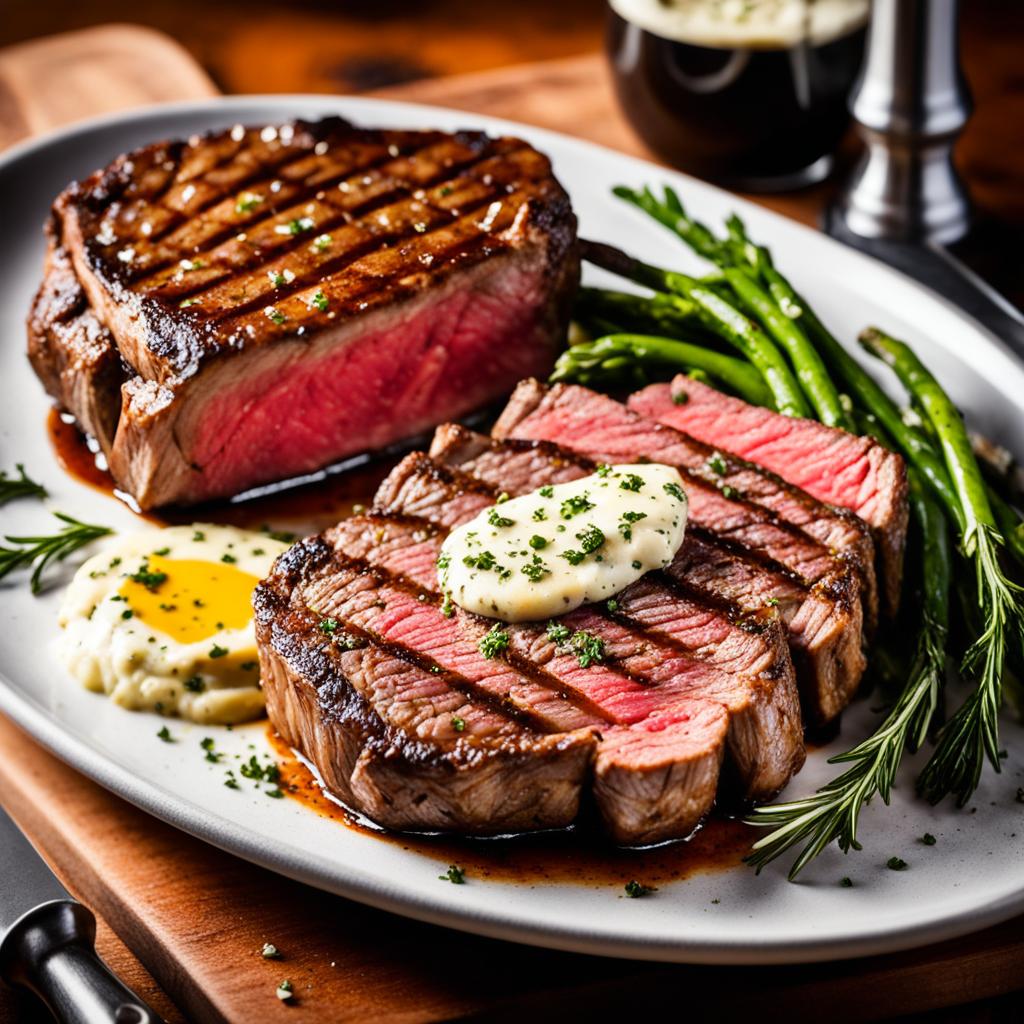
Many consider medium rare steak to be the best. It reaches an ideal temperature of 130-135°F. The perfect moment to pull it from the grill is at 125°F.
Medium: A Popular Option
Medium steak is well-loved for its balance of tenderness and flavor. Aim for a temperature of 140-145°F. Then, remove it at 135°F for the best taste.
Medium Well: Less Pink, More Firm
For a firmer steak with just a bit of pink, go medium well. Cook it to 150-155°F. Take it off the heat at 145°F for ideal firmness.
Well Done: No Pink Left
To enjoy a well-done steak, cook it to 160-165°F. Remove it from the heat at 155°F. It’s less juicy but perfect for those who like their steak fully cooked.

Check out our complete guide on grilling and flavor tips here. Mastering these steak temperatures will boost your cooking game. You’ll be able to make perfectly prepared dishes every time.
How to Achieve the Perfect Medium Rare
A well-cooked medium rare steak combines moisture, tenderness, and taste perfectly. Just follow these easy steps:
- Start by preheating your grill or skillet to a high heat, around 450°F.
- Place the steak on the grill and cook for 5-7 minutes on one side. Flip the steak carefully to ensure an even sear.
- Cook for an additional 5-7 minutes on the other side.
- Use a meat thermometer to check the internal temperature, aiming for 130-135°F for that perfect medium rare.
- Once cooked, allow the steak to rest for a few minutes. This resting period helps retain juices, enhancing the overall flavor profile.
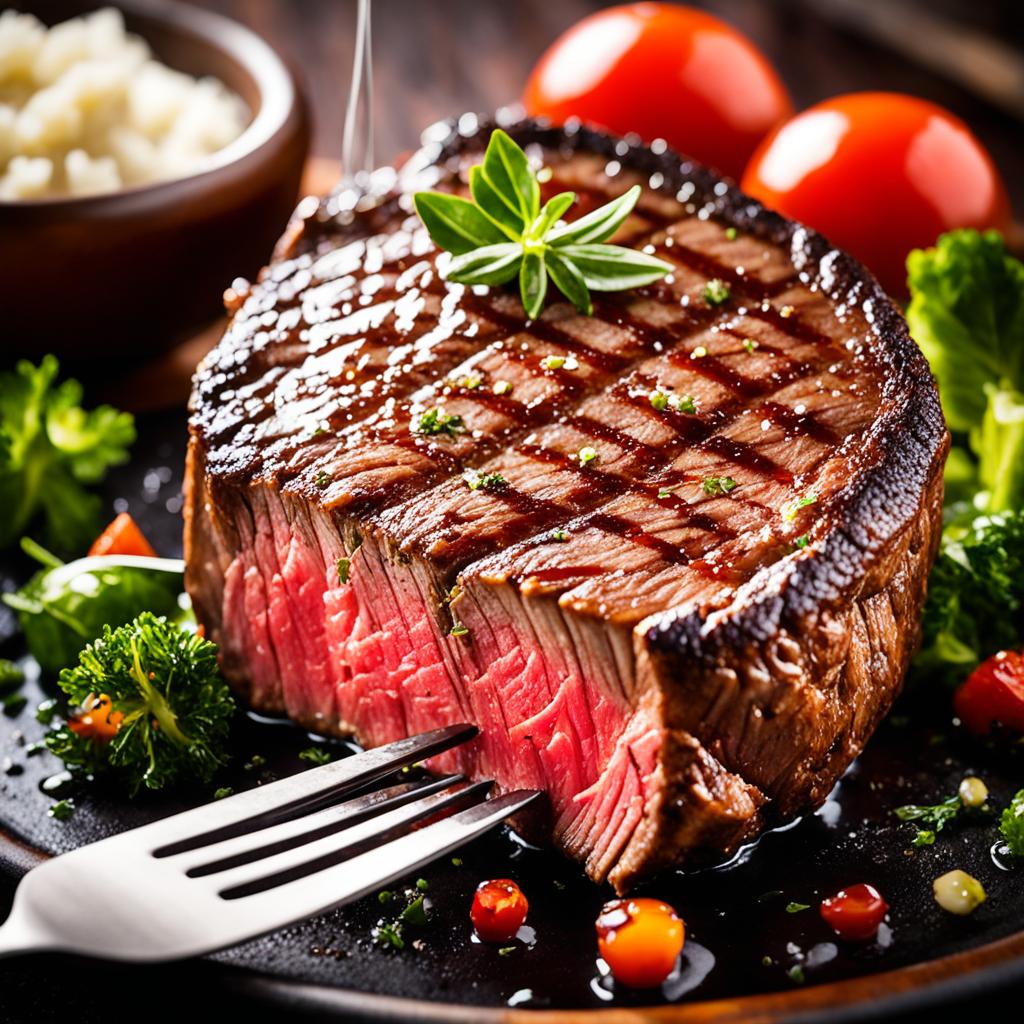
To get that perfect medium rare steak, just stick to these tips. You’ll get a steak seared perfectly outside and hot and pink inside. It’s what makes medium rare so special.
High-Quality Meat: The Foundation
Choosing the right meat is key to a great steak. Look for USDA Prime cuts when you shop. These cuts are known for top-notch flavor and softness. They make your cooking stand out and delight your guests with their tenderness.
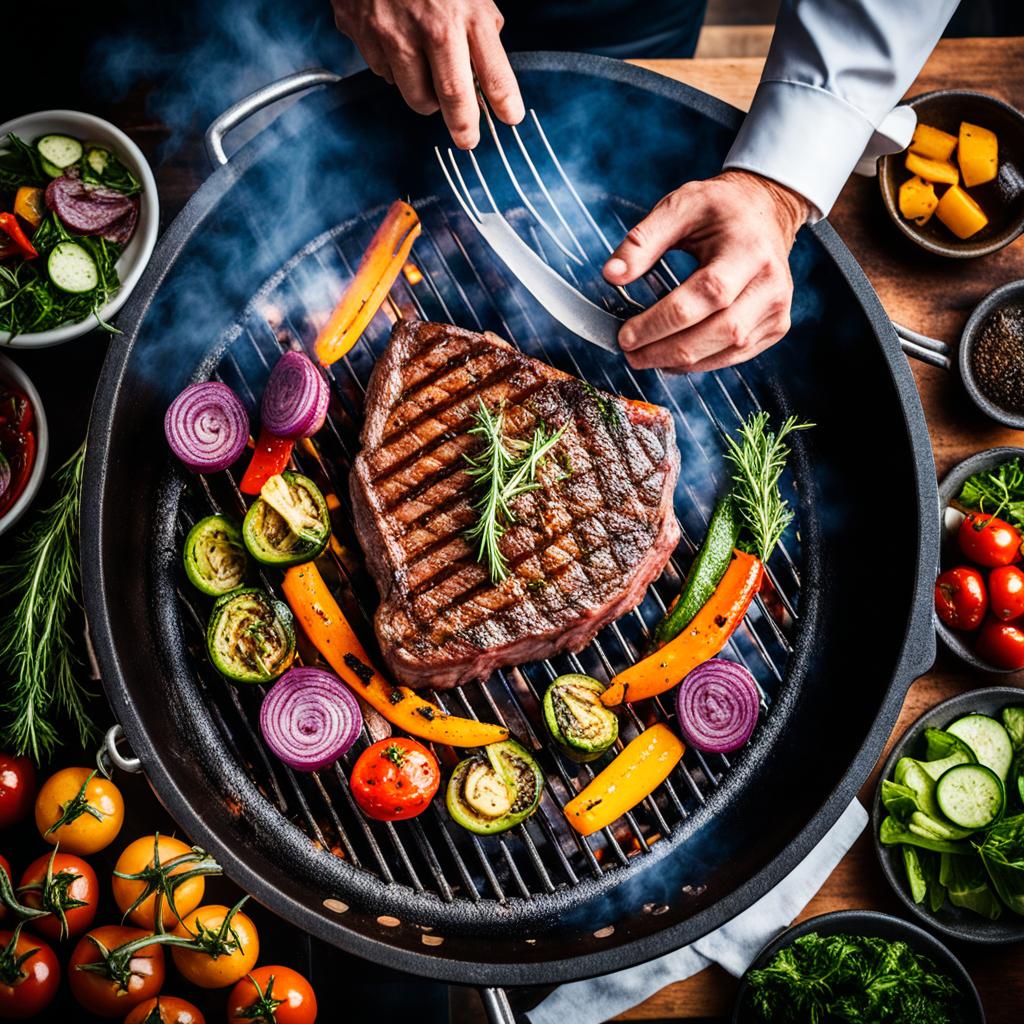
Opt for thicker steak cuts, about 2 inches thick. This helps control the cooking temperature better. Thicker steaks stay juicy, while thin ones might dry out. Try visiting local butcher shops for fresh, high-quality steaks. These spots often have better options than regular grocery stores.
How Temperature Affects Steak Texture and Flavor
Cooking steak at the right temperature is key to the perfect bite. The texture and flavor of steak are greatly affected by how you cook it. This is mainly because of the fat rendering process. When fat melts, it makes the meat juicier and tastier.
Fat Rendering and Juiciness
The steak’s internal fat starts to melt as it heats up. This has a big effect on how good your meal tastes. To make sure the steak stays moist, it needs to be cooked at the right temperatures.
When you do this, the steak is juicy and full of flavor. It feels tender in your mouth, which is what everyone loves.
But if you cook it too much, things go wrong. The fat doesn’t melt the right way if the steak is too hot. Then, the steak becomes dry and tough to chew. It loses its natural taste and juiciness. So, getting the steak temperature just right is very important for enjoying every bite.

Using a Meat Thermometer for Accurate Cooking
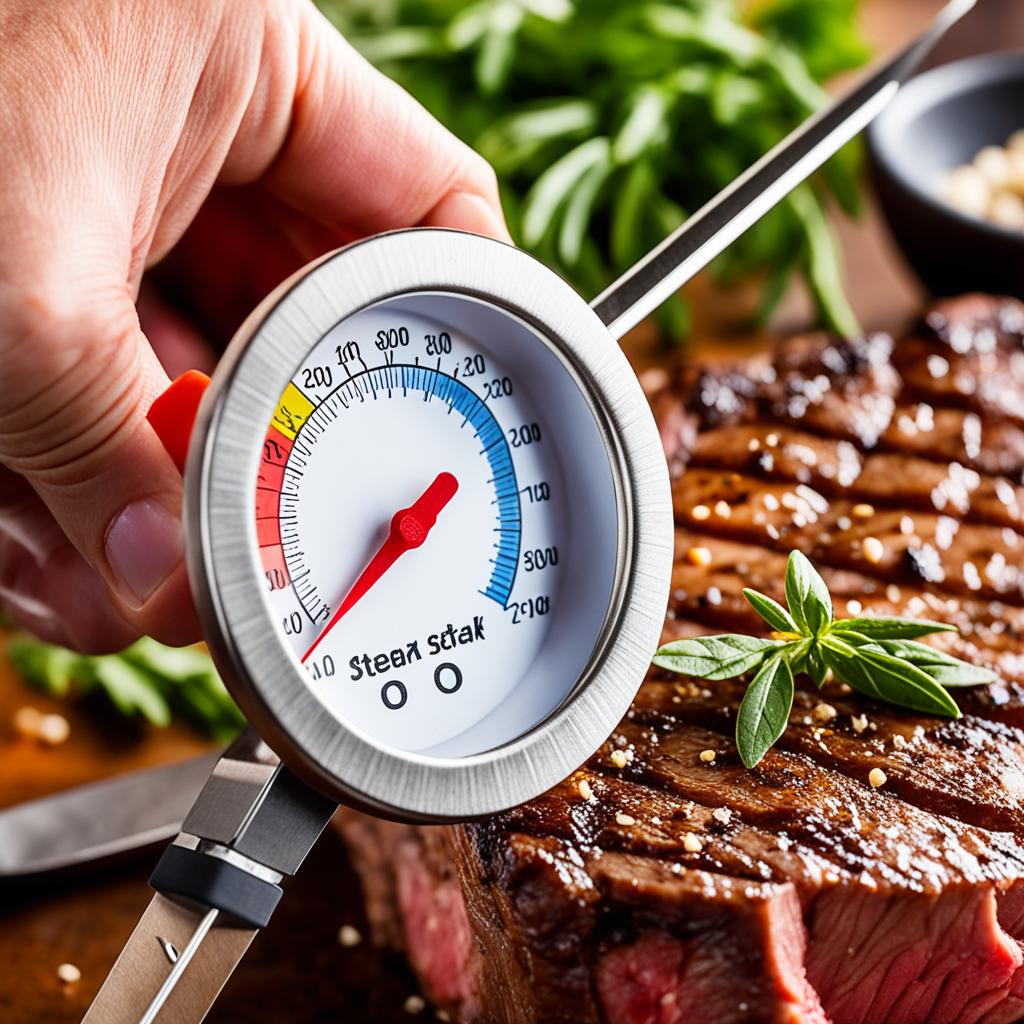
To get the perfect steak, you need a trusty meat thermometer. It helps you keep an eye on the steak’s inside temperature. This makes sure your steak reaches the exact level of doneness you want. Chefs love using an instant-read thermometer like the Thermapen ONE for its quick and correct readings.
Choosing the Right Thermometer
Here’s what to think about when picking a digital thermometer:
- Speed: Choose a quick thermometer so you can check the heat without cooling the meat.
- Accuracy: Pick one that’s known for precise readings, as it’s vital for perfect steak cooking.
- Ease of Use: Go for an easy-to-use model, which is also simple to read in the sun.
- Calibration: Select a thermometer you can calibrate for trusted readings over time.
To get a true reading, stick the meat thermometer deep into the steak’s thickest part. Stop heating when it hits your target temperature to avoid overcooking.
Direct Heat vs. Reverse Sear Cooking Methods
Choosing how to cook your steak is crucial. Understanding the differences between direct heat and reverse sear can change your cooking game. Each method shines in its own way. It lets you pick the best method, considering the steak’s thickness and what you like.
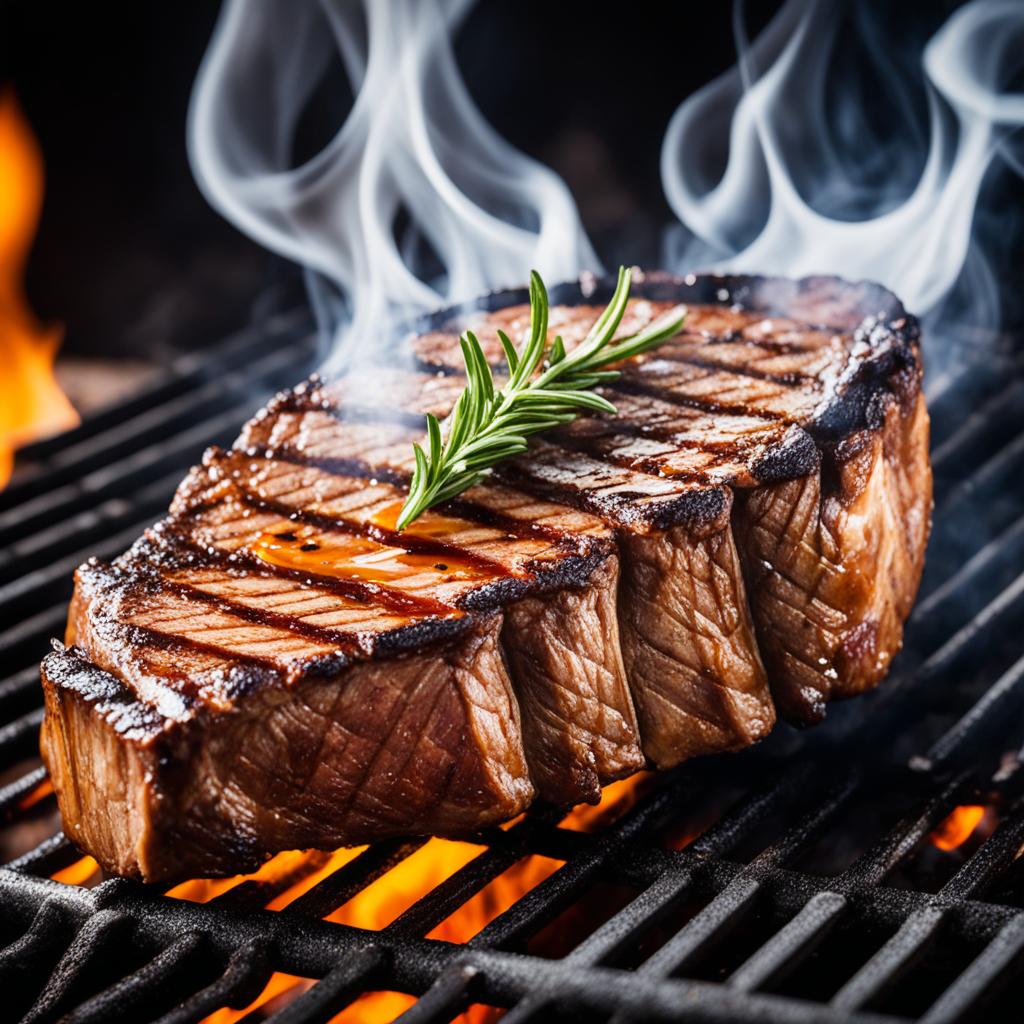
Direct heat means grilling your steak on high heat all through the cook time. This way is quick, making the outside of the steak crusty. It’s perfect for thinner steaks, as the intense heat quickly browns the outside but keeps the inside tender.
The reverse sear method is a bit different. You start by cooking the steak on low heat. After the steak is just how you like it inside, you sear it on high heat. This method works great for thicker steaks. It cooks evenly all over and finishes with a flavorful crust.
- Direct heat cooking is ideal for thinner steaks.
- Reverse sear steak provides even cooking for thick cuts.
- Consider your preferred texture and flavor when choosing between these cooking methods.
Additional Tips for Cooking Steak to Perfection
When cooking steak, a few key tips can make your meal amazing. Timing and patience are very important. They help when letting meat rest and understanding carryover cooking. These ideas can take your steak cooking skills to the next level.
Resting Your Steak
It’s crucial to let your steak rest for about 10 minutes after cooking. This rest period lets the juices spread out in the meat. It makes the steak more flavorful and moist. Skipping this step could lead to a dry and less tasty steak.
Carryover Cooking: What You Need to Know
Carryover cooking is key. It happens when your steak keeps getting hotter from its own heat after leaving the grill. For the best steak, take it off the heat when it’s 5°F under your target temperature. This trick ensures a perfectly cooked steak every time.
Best Cuts of Steak for Different Cooking Temperatures
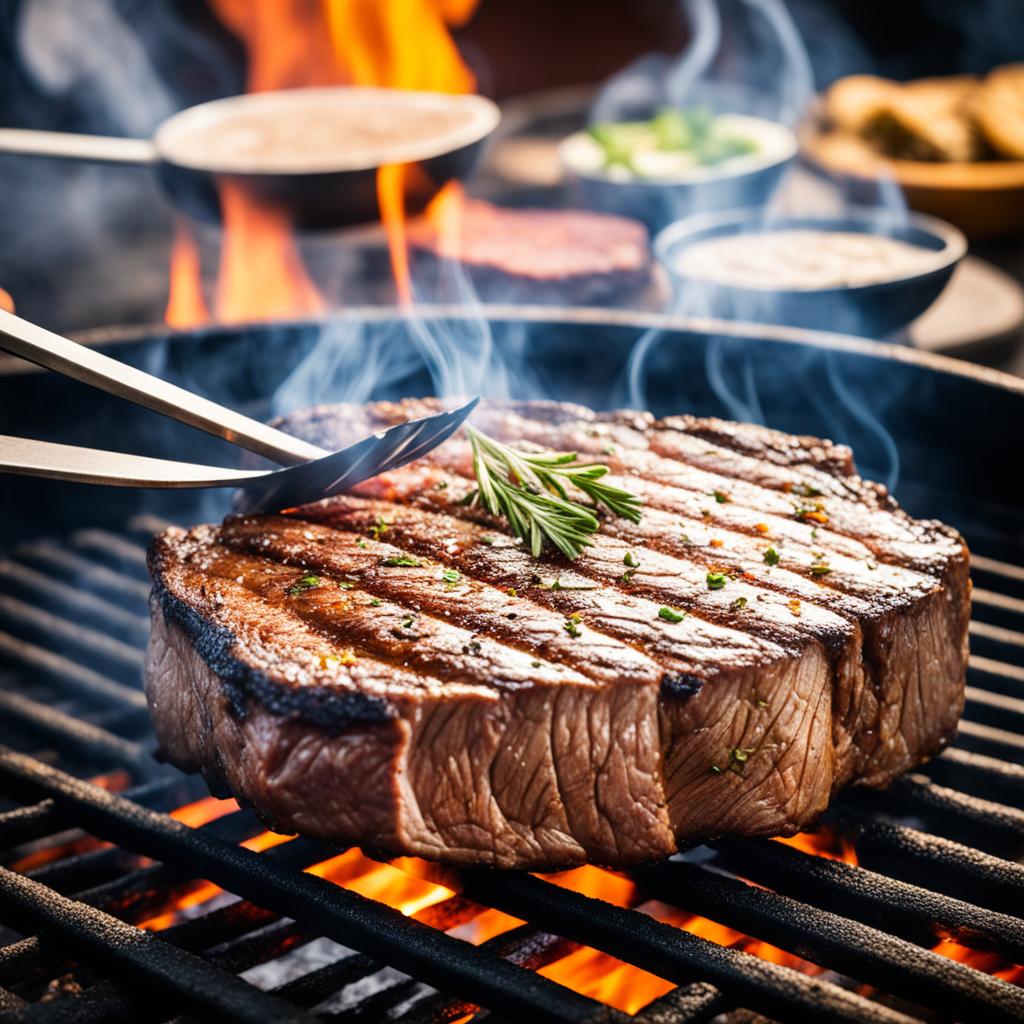
Choosing the right steak cut is key for the perfect tenderness and taste. Each cut has its own level of fat and muscle. This affects how they cook at different temperatures. Knowing which steak cuts work best with various temperatures will better your cooking game.
- Rib-eye: Known for its rich marbling, rib-eye steak handles high heat well. It stays juicy and flavorful even when well done.
- New York Strip: Great for high temperatures, this cut offers a perfect mix of tenderness and taste. It’s perfect for the grill.
- Filet Mignon: Best when cooked to medium rare, this lean cut is tender. It’s a top pick for a soft, buttery bite.
- T-bone: A mix of strip and tenderloin, this cut is all about versatility. Cook it medium to medium rare for the best of both worlds.
- Flank Steak: Quick cooking over high heat works best for this tasty cut. Aim for medium rare to keep it soft.
When planning your steak dinner, remember that fatty cuts do well at high heat without drying out. Leaner cuts need gentle cooking to stay tender. Choose the right steak cuts for your preferred cooking temp to make steak night unforgettable.
Common Mistakes to Avoid When Cooking Steak
Cooking a perfect steak can be tough. There are many mistakes that can make the meal less enjoyable. By knowing these mistakes, you can get better at cooking and avoid common errors.
- Cutting Too Early: Don’t cut into your steak right away. Let it rest for 5-10 minutes to keep it juicy and tasty.
- Not Using a Meat Thermometer: Judging steak by its color isn’t reliable. Always use a meat thermometer to ensure it’s cooked just right.
- Overcooking: Overdoing it is a big mistake. It makes the steak dry and tough. Try to cook it to the perfect point.
- Skipping the Seasoning: A steak needs good seasoning for full flavor. Remember to use salt, pepper, or your favorite spices.
- Insufficient Heating: Make sure your grill or skillet is hot before cooking. This helps give the steak a good sear.
Being aware of these pitfalls can improve your steak dishes. Use these tips for a delicious and juicy steak every time.
Steak Temperature and Cooking Times
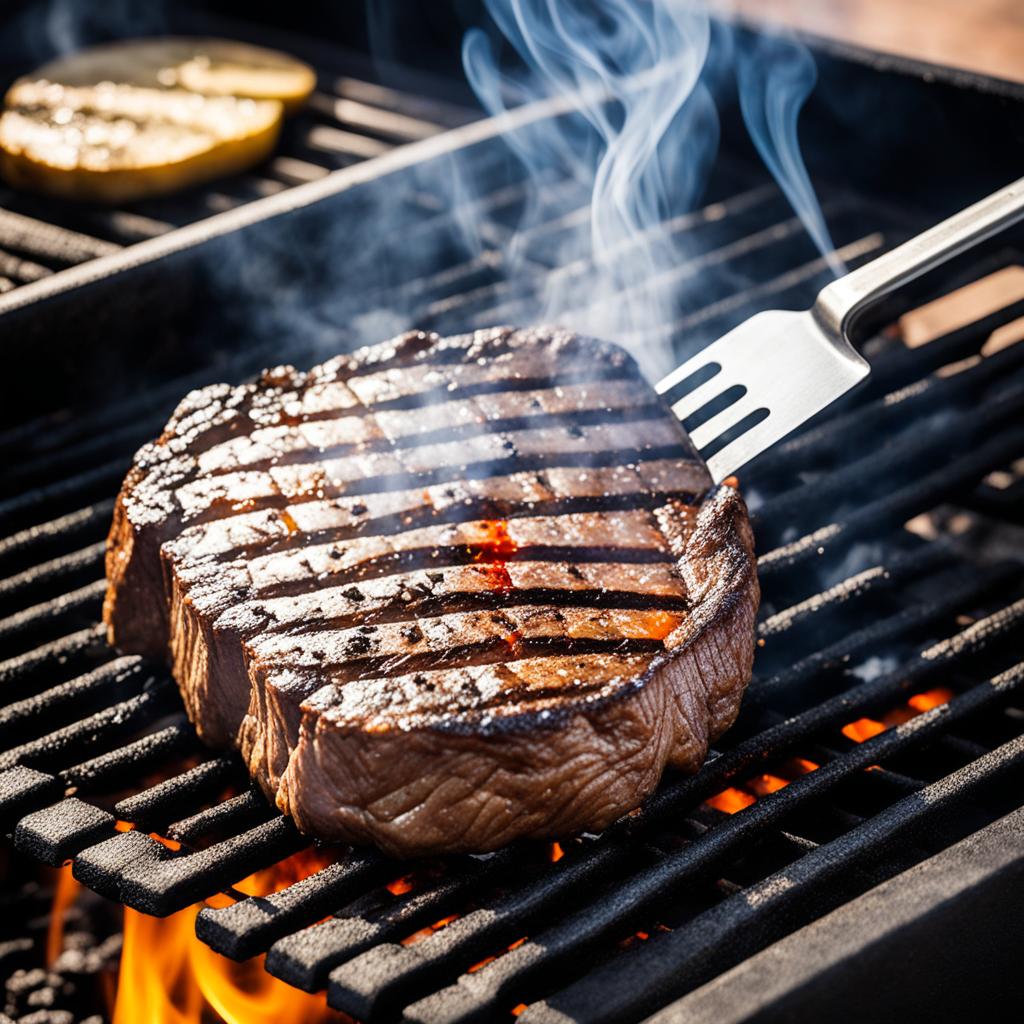
Cooking steak right means knowing how thickness and temperature affect time. A standard 1-inch steak needs about 3-4 minutes per side for Rare. It takes 7-8 minutes per side for Medium. Grill heat and cooking conditions can change these times a lot.
To cook your steak perfectly, take note of a few things:
- Thickness of the steak: Thicker cuts will require longer cooking times.
- Grill temperature: A hotter grill can reduce cooking times, offering a faster sear.
- Desired doneness: Each level of doneness corresponds to a specific internal temperature.
Use a steak temperature guide to figure out cooking times for your situation. For lean cuts like filet mignon, which are low in calories but high in protein, knowing these times is crucial. Discover the calorie details of this delicious steak here.

Conclusion
Getting the temperature right for a steak is key if you want to impress at a barbecue or dinner. Knowing how to cook it well turns a simple piece of meat into something special. It’s important to keep track of how well it’s done and to use a meat thermometer.
Learning about direct heat and reverse searing makes your steak even better. These methods improve its texture and taste. So, mastering these skills really matters.
Being able to cook a steak perfectly will make your meals stand out. This guide shows you how to do it, keeping everyone’s taste in mind. Whether you like your steak medium rare or well done, these tips will help. They make sure you get the steak just right.
Cooking a great steak is all about the journey as well as the finish. Practice and a keen eye for detail go a long way. Add some creativity, and soon you’ll be making steaks that leave everyone talking. Start exploring steak cooking, and discover the joy in every bite.