
Hey there, grill enthusiast and steak savant! Have you been hankering for the ultimate guide to unpicking the delicious enigma that is the ribeye steak? Look no further, because you’re about to dive into a world where the ribeye steak reigns as the undisputed heavyweight champion of flavor-packed indulgence. A place where the rich marbling meets a maestro’s touch, intertwining the art of gourmet ribeye steak cooking with the science of selecting the prime cut of beef. Whether you fancy the grandeur of a bone-in or the simplicity of a boneless cut, our ribeye steak guide is your ticket to mastering those coveted ribeye steak flavors that dance on the palate. So, prep your taste buds, as we’re about to carve into the meaty goodness and grill our way to steak heaven.
Key Takeaways
- Understanding the ribeye’s place in the pantheon of premium beef selections.
- Discover the significance of marbling in elevating the ribeye steak flavors.
- Mastering the choice between a bone-in or boneless cut for gourmet ribeye steak cooking.
- Unraveling the mystique behind different ribeye steak cuts and their unique culinary characteristics.
- Insights into why ribeye is celebrated as a prime cut of beef and a favorite among steak connoisseurs.
The Allure of Ribeye: America’s Beloved Steak
When it comes to steak supremacy, the robust ribeye steak popularity does more than just sizzle—it reigns supreme across the United States. Its succulent flavor sends taste buds into overdrive, securing its position as the crown jewel of beef cuts. Is it the marbling? The rich taste? Or the versatility that labels it a gourmet classic and a BBQ favorite? Well, get ready, because you’re about to dig into the delectable world of the ribeye—the steak that’s been winning hearts and igniting grills from coast to coast.
A Flavorful Reputation
Take one bite of a prime ribeye steak cooking to perfection, and you’ll understand the fanfare. The gourmet ribeye steak boasts a profile so rich, so engaging, it’s as if the beef itself is toasting to your culinary savvy. The enthralling dance of fat marbling ensures each morsel is juicy and tender, commanding an encore every time you indulge in this beefy masterpiece. Stride into any upscale eatery or a backyard bonanza, and you’ll find the ribeye as the undisputed star—a testament to its gourmet pedigree and full-bodied flavor.
Popular Names of Ribeye Cuts
Ever met a Cowboy in the confines of your kitchen? Or an Entrecôte that turned a simple dinner into a French affair? The ribeye steak cuts come with names as varied and charming as the experiences they embody. Each moniker, from the classic Delmonico to the bone-hugging Ribeye Cap, brings with it a story—a slice of the steak’s rich history and culture.
Ribeye in Cuisine: From Posh to BBQ
Envision the smoky aroma of a BBQ ribeye steak wafting through the summer air—there’s no better call to the table. Or perhaps, picture a sear-kissed, rosemary-infused entrecôte resting elegantly on fine china. The ribeye is your culinary canvas, one that graciously adapts from black-tie galas to the casual camaraderie of a family grill-out. Whether it dons the sophisticated hat of a high-end delicacy or takes the guise of a smoky, char-grilled champion, the ribeye steak steadfastly delivers a world-class experience, plate after glorious plate.
And if words aren’t enough to convince you of the ribeye steak’s grandeur, perhaps a glimpse at the culinary staple will do the trick. The visual splendor of a well-cooked ribeye is undeniable—a sight to stir the soul and inspire the inner chef. So, fire up those flames or preheat that pan. Because once you’ve gone ribeye, there’s just no turning back.
What is a Ribeye Steak?
Picture this: You’re looking at a sumptuous piece of beef, marbled to perfection, and just begging to be seared on a hot grill. You’re staring at a ribeye steak definition incarnate. Coming from the upper rib cage of the cow, specifically between ribs six through twelve, the ribeye is the epitome of a rib section steak that’s poised to revolutionize your dinner plate.
Now, when it comes to ribeye steak characteristics, its diversity is as rich as its flavor. Want a steak that virtually cooks itself to become the highlight of your weeknight dinner? Meet the boneless ribeye, a marvel of tenderness and ease. But maybe you’d prefer to venture into the deep end of flavor town? Then the bone-in ribeye is your ticket to a succulent journey, each bite a discovery of deep, complex flavors.
Let’s not mince words – the ribeye sets you up for a culinary adventure. Whether you’re after simplicity and quick prep time or savoring the nuances of taste that come with a bone-in option, the ribeye flexes its muscular beauty to match your cravings. This table to your right? It’s not just a visual treat; it’s the map to your steak escapade up the rib mountain!
| Bone-in Ribeye | Boneless Ribeye |
|---|---|
| Richer flavor due to bone marrow contribution | Clean cut, uniform cooking |
| Challenges your knife skills for a reward in taste | The no-frills choice for ease and speed |
| Perfect for those who enjoy the art of cooking | An undeniable choice for quick and efficient steak prep |
Now, with your newfound knowledge, when someone asks, “What’s your beef?” confidently answer “Ribeye,” because you know. Whether it’s the bone-in affair or the boneless wonder, you’re now the self-appointed ambassador of this majestic cut.
Origin Story: Unveiling the Ribeye Sources
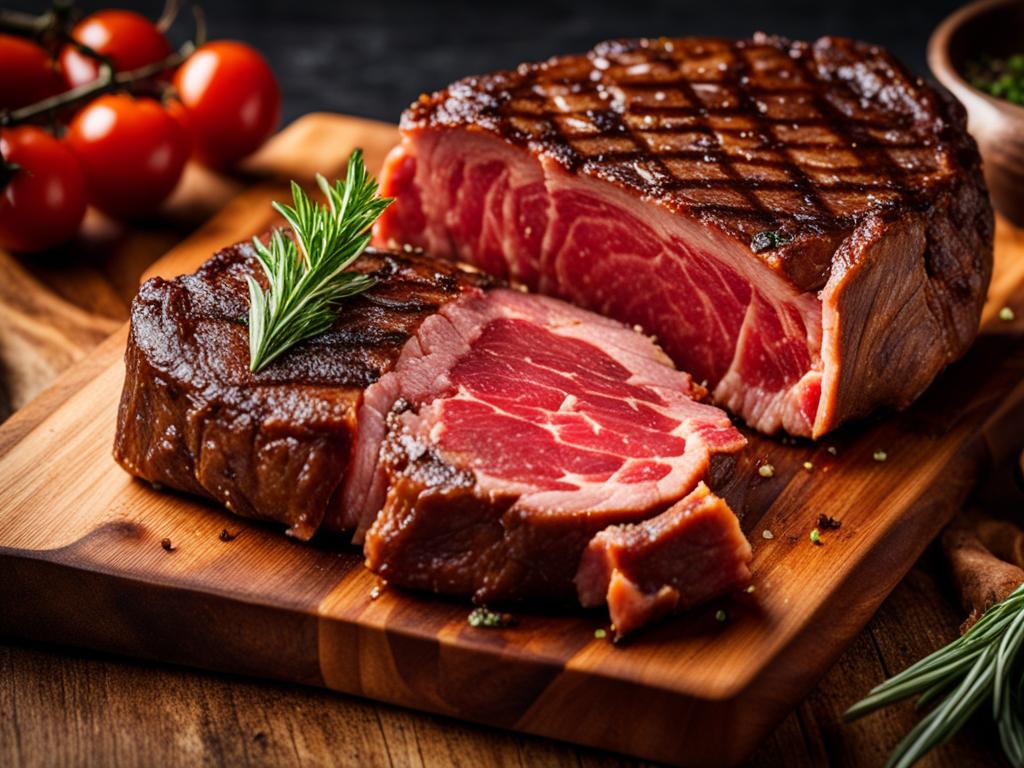
Unearthing the history of your beloved ribeye steak is quite the tale that stretches from the hands of skilled butchers to your dinner plate. If steak cut identification were a mystery novel, ribeye would play the role of the storied protagonist. With roots firmly planted in the beef rib section, a space nestled comfortably between the chuck and the loin, the journey of this exceptional steak cut is worth exploring.
Primal Cuts and Ribeye Origins
Think of ribeye primal cuts as the aristocrats of the steak world. The cut comes from one of the eight primary sections in butchery, known for producing the most sought-after beef experiences. When we talk about ribeye steak origin, we’re highlighting the longissimus muscle, a tender, minimally-worked muscle that knows the secret to staying succulent – it’s all in the marbling.
Detailing the Beef Rib Section
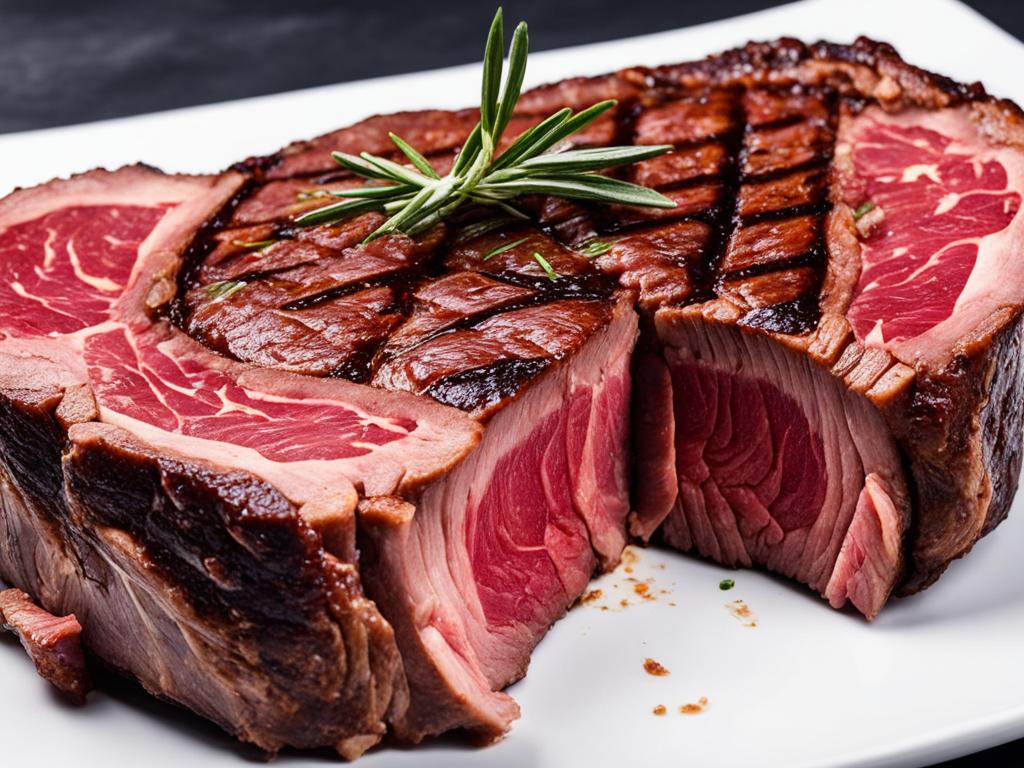
While you’re pondering the intricacies of ribeye muscle cuts, let’s carve deeper into the details of the beef rib section. Here lies the spinalis dorsi—the plump cap of fat enriching the steak with indulgent flavors. It’s a match made in heaven when these muscles merge, as they bring to the table just what your palate desires—a steak cut so luxurious, it’s no wonder it’s seated at the top of the beef hierarchy.
- Longissimus Muscle: Prime source of marbling, the key to tenderness and flavor.
- Spinalis Dorsi: The cap that adds a decadent layer of fat for richness.
- Intramuscular Fat: The white streaks that score the steak, leading to that famous marbleization.
There you have it, the journey from primal beginnings to the illustrious steak you know and love. As they say, knowledge enhances flavor, and now that you’ve traced the ribeye back to its prestigious roots, each bite promises to be an adventure—a true carnivorous delight!
Decoding Ribeye’s Succulence: Flavor, Texture, and Marbling
The crown jewel of steak, the ribeye, commands respect on the plate and the palate. Renowned for its ribeye steak flavor and exceptional ribeye steak texture, every morsel of this prized cut promises a taste of luxury. But what’s the secret behind this steak’s drool-worthy profile? Let’s carve into the journey that transforms a ribeye from good to great.
The King of Steaks: An Unparalleled Taste
When you’re sinking your teeth into a well-prepared ribeye, you’re tasting the culmination of all the right elements. Astonishing flavor that dances on the tongue, followed by an exquisite tenderness that almost melts in your mouth, you’re experiencing what many steak aficionados consider the zenith of steak quality.
Exploring Marbling and Its Benefits
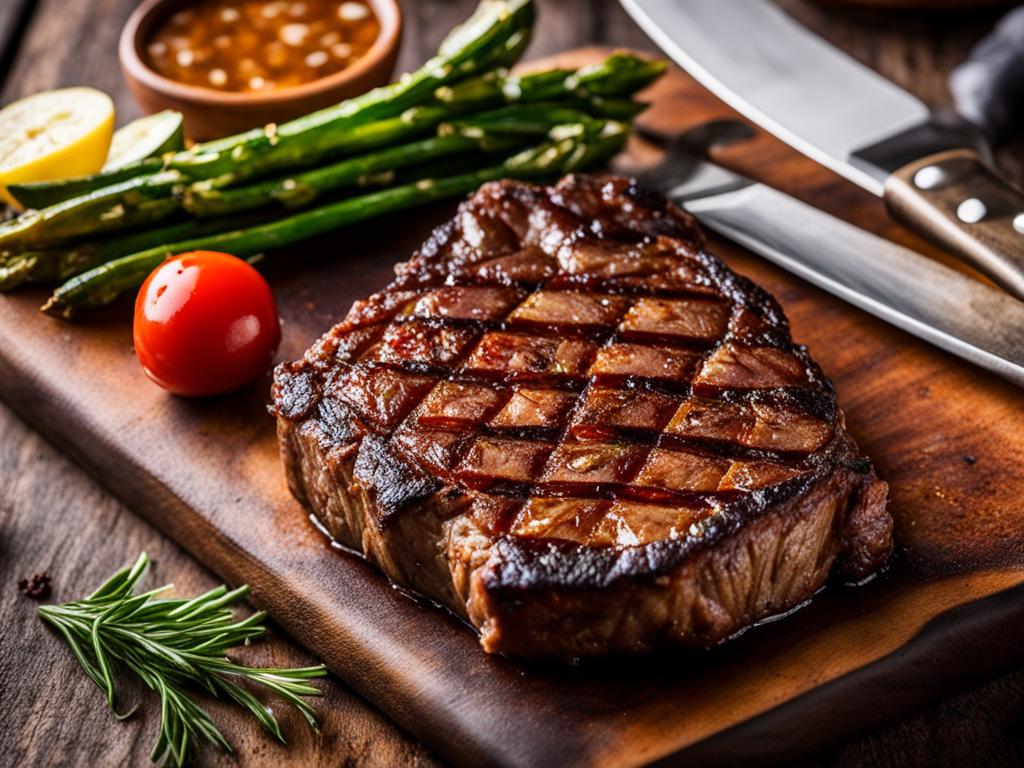
Every ribeye is a masterpiece, with its signature feature being the delicate webbing of beef marbling. This characteristic is the Mona Lisa smile of the steak world. When that marbling melts during ribeye steak cooking, it mingles with the muscle, bathing it in flavor, ensuring that each bite is as juicy and delicious as the last.
To visualize this, imagine the best bite you’ve ever had. Now imagine that experience with every forkful. That’s the power of marbling. It’s not just fat; it’s a ticket to a heavenly steak experience, elevating the flavors and making the texture of ribeye iconic.
Check out the table below for a no-frills guide on how marbling influences the cooking process:
| Marbling Level | Cooking Method Preferred | Expected Flavor and Texture |
|---|---|---|
| Low Marbling | Quick Searing | Moderately tender, less flavorful |
| Moderate Marbling | Grilling / Broiling | Very tender, rich flavor |
| High Marbling (Wagyu) | Slow Cooking, Minimum Handling | Buttery texture, flavor explosion |
A great ribeye is like a symphony where beef marbling is the conductor, ribeye steak texture and flavor are the orchestra, and when it’s showtime, your taste buds are the audience giving a standing ovation.
So, strap in your tastebuds and prepare for liftoff. Next time you’re eyeing that ribeye at the butchers, just think about the cascade of flavors waiting to impress upon your palette. And remember, it’s not just dinner you’re bringing home— it’s an experience.
Health Benefits: The Nutritional Facet of Ribeye
Turns out, indulging in that juicy ribeye steak isn’t just a feast for your tastebuds—it’s also packing a punch of nutrition your body will thank you for. That’s right, this beloved steak isn’t just about the sizzle on your plate; it’s serving up a savory slice of health benefits too!
Before you take your next bite, consider the ribeye nutrition powerhouse you’re about to enjoy. We’re talking about a generous dose of conjugated linoleic acid (CLA), your new best friend when it comes to wielding anti-inflammatory prowess, bolstering heart health, and even duking it out against cancer.
And oh, the monounsaturated fats! These unsung heroes contribute to your steak’s velvet texture while quietly working to curtail your heart disease risks—talk about a stealthy guardian angel for your arteries. Dive into that steak knowing that these fats are the bodyguards keeping your ticker in top-notch condition.
Now, let’s cut through the fat talk—specifically, the talk about the steak fat content. You’ve probably heard whispers about saturated fat, but here’s a juicy tidbit: a third of this fat in ribeye is stearic acid, which actually buddies up with your cells to help improve how you handle other fats and manage your weight. It’s all starting to sound like a nutritious plot twist, isn’t it?
And there’s more. Sit back and let your body relish in the ribeye steak vitamins you’re delivering to your system. From Vitamin B12 that powers your brain to iron that keeps your blood pumping like a champion, to zinc that moonlights as your immune system’s warrior, a ribeye steak isn’t just satisfying—it’s fortifying!
If you’re already daydreaming about your next steak night, consider the healthy steak options that ribeye brings to the table. A lean cut here and proper portioning there—you’re all set for a meal that’s as nutritious as it is delicious.
So while you’re sauntering over to sear that succulent slab, remember: you’re not being indulgent, you’re simply making smart, flavorful choices for your health. Bon appétit!
Need a visual to whet your appetite? Feast your eyes on the ribeye’s rich profile:
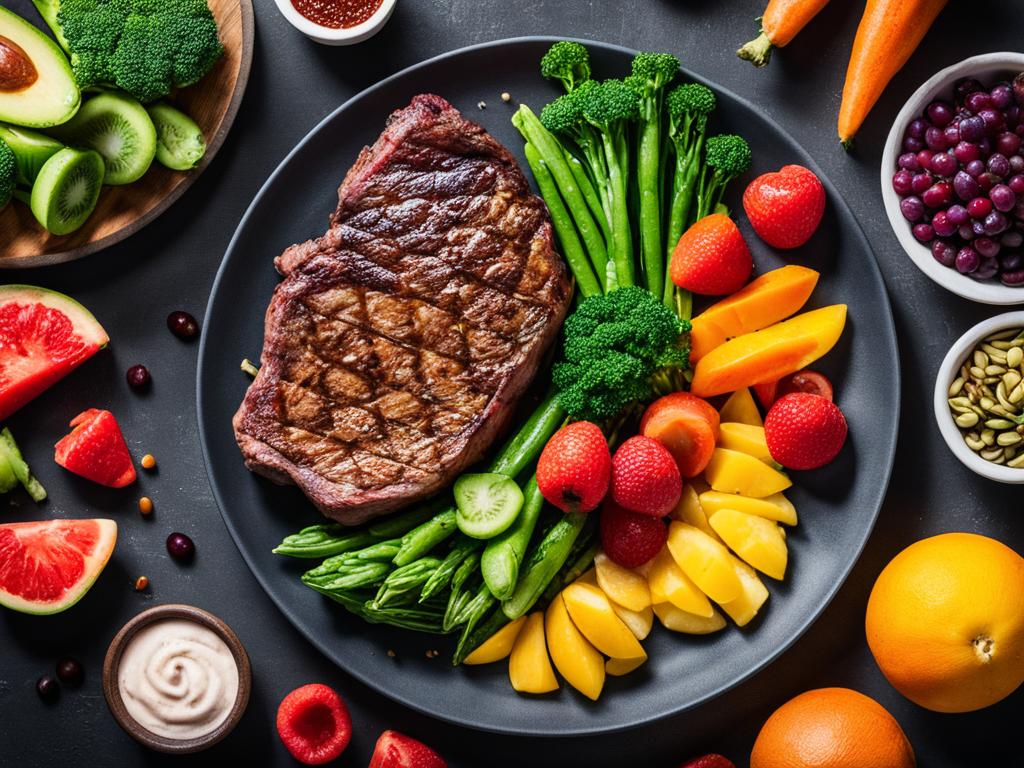
- Conjugated Linoleic Acid (CLA): Anti-inflammatory and cancer-fighting superhero
- Monounsaturated Fats: Your heart’s partner in crime
- Stearic Acid: The saturated fat that’s on your side
- Vitamin B12, Iron, & Zinc: The ribeye trio for brain power, strong blood, and immune defense
With a profile like this, you might find yourself scheduling more steak nights, and we wouldn’t blame you one bit. Just remember, like all good things in life, moderation is key. Now go on, grill that goodness and raise a fork to your health!
Choosing Your Ribeye: Bone-In vs. Boneless
When it comes to selecting the quintessential steak, you might find yourself pondering the merits of the ribeye, each variation tempting you with promises of flavor and ease. But here’s the rub: should you entertain a bone-in slice of carnivorous extravaganza or opt for the expediency of its boneless counterpart? Your choice in this ribeye steak selection can impact more than just your taste buds—it could very well define your status as a true steak savant.
Understanding the Differences
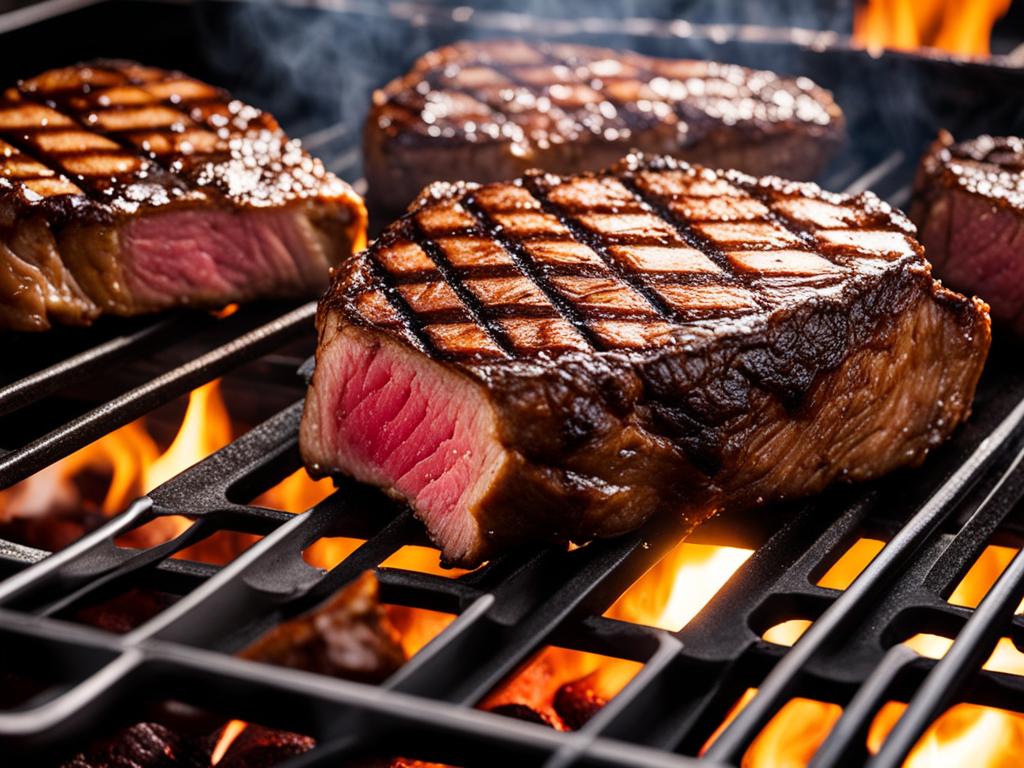
Undoubtedly, you’ve heard the enthusiast’s claim: bone-in ribeye is a reservoir of richness, allegedly endowing the meat with extra flavor during the cooking process. This isn’t mere hearsay—the bone is said to channel heat through the steak differently, creating a symphony of tastes that might otherwise be absent. However, the best ribeye cuts come down to more than bones; the absence thereof in a boneless steak provides uniform cooking and an unfettered path to every sharp, succulent angle.
Cooking Revelations: Bone-In or Boneless Preferences
Let’s talk turkey—or steak, rather—in terms of ribeye steak cooking techniques. A bone-in cut might be your ticket to a robust flavor profile but bear in mind the finesse required to navigate varying temperatures around the bone. Want a tip for optimizing steak flavor without the extra challenge? A boneless ribeye hits that sweet spot between expediency and epicurean pleasure. Not needing to sidestep that pesky bone allows more consistent cooking conditions and a quicker transition from pan to palate.
So, my dear steak aficionados, whether you’re charmed by the siren song of the bone-in ribeye’s depth or are allured by the straight-shooting, savory boneless cut, remember—choosing your contender in the ring of ribeye steaks is a journey worth savoring, a tale of texture and taste that only you can tell.
Ribeye’s Richness: Types of Fat and Their Impact
When you’re contemplating that gorgeous cut of ribeye, know that it’s more than just a feast for the senses — it’s a treasure trove of fats, each with their own resume of health benefits. Let’s cut through the fat, literally, and explore what makes a ribeye such a standout in the steak galaxy.
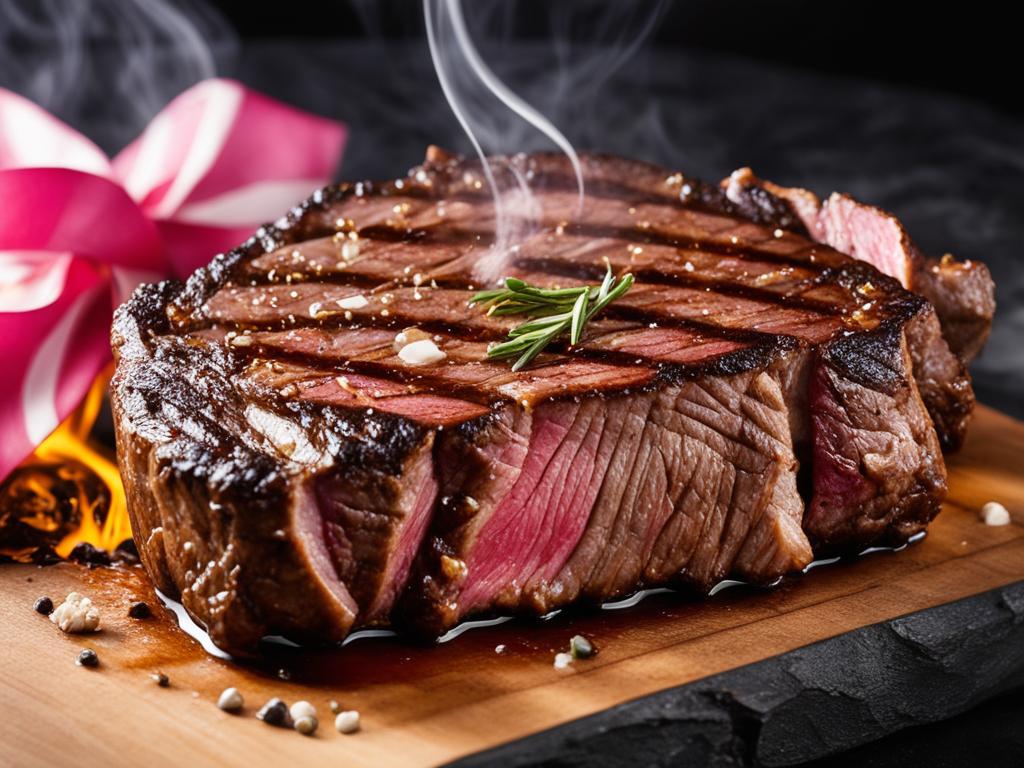
Consider conjugated linoleic acid, or CLA for short – this isn’t just your average fat. Known for its role in reducing inflammation, bolstering heart health, and even flaunting anti-cancer properties, CLA is kind of a superhero in the fat family. Who knew ribeye fat content could be so righteous?
Digging deeper into types of steak fat, behold the monounsaturated fats. These guys are the peacekeepers of your body, working to chill out inflammation and lower the odds of heart disease. With monounsaturated fat in the mix, your ribeye is serving up some serious body benefits.
And let’s not forget our friend, stearic acid. Sitting pretty as a significant portion of ribeye’s saturated fat, it’s a plucky lipid lending a hand in improving your body’s fat composition and romancing your cells to function better. Touché, stearic acid!
- Conjugated Linoleic Acid (CLA)
- Anti-inflammatory
- Heart health booster
- Anti-cancer properties
- Monounsaturated Fats
- Reduces inflammation
- Decreases heart disease risk
- Stearic Acid
- Improves body fat composition
- Boosts cellular function
Now, let’s talk steak preparation. Perfecting your flavorful ribeye cooking is not just about tantalizing your taste buds; it’s about knowing the health impacts of steak fats. Reminisce over those unforgettable dinners where each bite of ribeye was a cascade of flavors whisking you away to your happy place. With each intricate detail of preparation, from seasoning to searing, that rich fat content is not just coaxing out drool-worthy tastes, it’s spoon-feeding your health, too.
So, next time you’re savoring a tender slice of ribeye, cooked to perfection with a beautiful edge crust, you can revel in the sumptuous mantle of flavor, but also take comfort in the fact that you’re indulging in fats that can actually do a body good. Yes, your taste buds and your health can indeed coexist peacefully, especially on the savory plains of a well-prepared ribeye steak.
Meet the Butchers: Craftsmanship in Ribeye Preparation
Step into the world of artisanal butchers, where the butchers ribeye preparation is a matter of pride and precision. Here, the mastery behind hand-cut ribeye steaks becomes clear as each slice reflects years of expertise.
Artisanal Touch in Hand-Cutting Ribeye
If you’ve ever wondered why some ribeye steaks stand out from the rest, look no further than the delicate hands of a master butcher. They treat each piece of beef as a canvas, sculpting it into a culinary pleasure. The dedication to hand-cut ribeye steaks means less mechanical processing and more personality in every bite. As they trim with finesse, crafting the perfect cut, they know they’re preparing more than just dinner; they’re creating an experience.
Why Choose Premium and Aged Beef?
It’s not just about skill—quality matters, too. That’s why top butchers choose premium beef selection, known for its intrinsically superior taste and tenderness. This isn’t just any beef, we’re talking about USDA’s cream of the crop—the coveted prime USDA beef. Then comes the age-old process of dry-aging, enhancing the aged ribeye quality you dream of, concentrating the beefy flavors and breaking down the tissues to hand you tenderness in its most pure form. So, when you choose their handiwork, you’re choosing quality that’s been nurtured over time. Savoring their selection means you’re taking part in a tradition of taste that’s rich with history.
Stick with the pros for your next ribeye rendezvous. As they choose the best, treat it with care, and pass it to you, they’re offering a piece of their tradition—sliced, aged, and trimmed to perfection.
The Ribeye Varieties: Exploring Different Cuts
Embark on a savory journey, dear steak enthusiast, as we slice into the world of ribeye steak cuts. Picture yourself as a culinary explorer, about to traverse the beefy landscape and discover steaks that are not just meals but masterpieces on a plate.
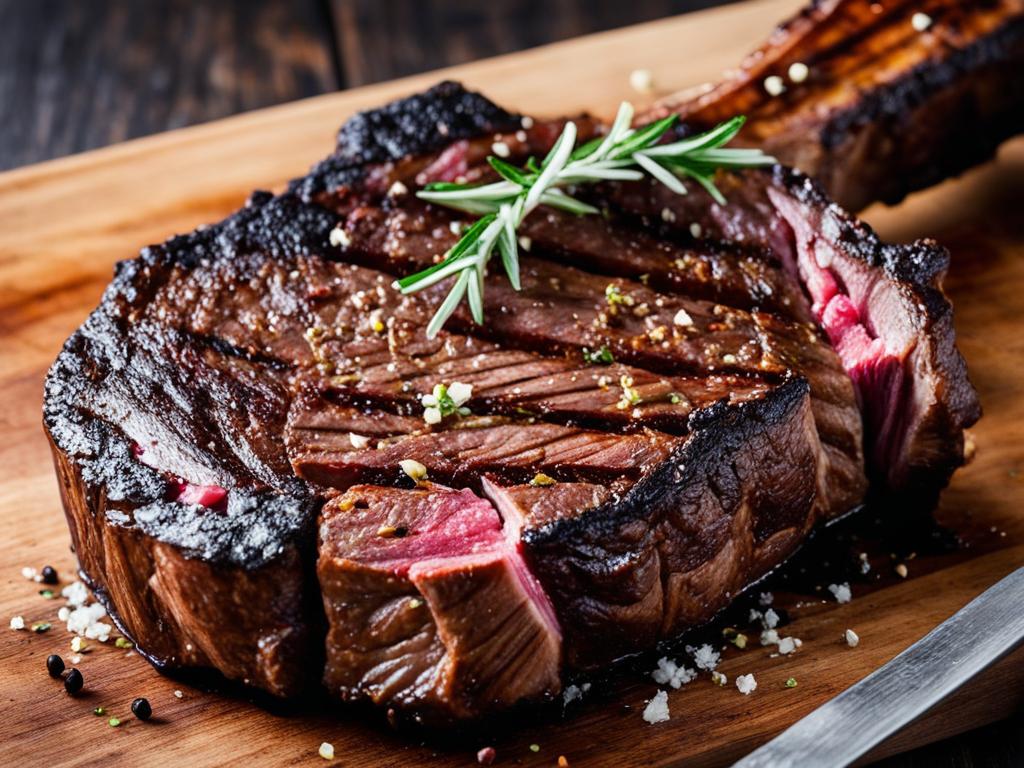
Consider the steak cut variety in ribeye like a gallery of edible art, where each piece evokes a different emotion in the palate of the beholder. Let’s carve out the details and feast our eyes—and taste buds—on the selections that make connoisseurs swoon and grill masters giddy.
Tomahawk Steak: A Showstopper
Enter the Tomahawk ribeye, akin to the leading actor in the play of platters. This cut is more than a steak; it’s a statement. Its Frenched bone stretches out like a handle, turning each serving into a Neolithic tool of taste. This giant among giants is not just about the size—it’s about the dramatic presentation and the undeniably rich flavor that will have your guests talking long after the last morsel has disappeared.
Ribeye Cap Steak: The Connoisseur’s Preference
Next, we tip our hats to the ribeye cap steak. Picture the most tender part of the ribeye, the spinalis dorsi, celebrated for its marbling that whispers secrets of flavor to those wise enough to listen. This is the steak for those who single out the best bite every time.
A5 Wagyu Ribeye: The Ultimate Indulgence
Last, but in no way least, is the magnificent A5 Wagyu ribeye. When it comes to marbling, this is the epitome, the summit, the peak so high that only the most special of beef can hope to reach it. It’s like eating beefy butter, a velvety texture that pays homage to the cattle of Japan that offer us this honor. With an A5 rating, be prepared for a flavor so profound, it almost feels like a lifetime’s worth of steak experiences condensed into one perfect moment.
If you’ve made it this far without drooling, congratulations! But, let the record show—these cuts are not just about good looks on a plate. They’re also rich with history, tradition, and a sense of place that transports you straight to the source with every succulent bite.
How to Pick the Prime Ribeye: A Shopper’s Guide
Let’s delve into the art of choosing ribeye steak, shall we? Imagine the ribeye as your canvas, and marbling – those appetizing flecks of fat – as your paint. Getting it just right is key to ensuring every bite is worth savoring. Whether you’re on the hunt for that ideal cut to impress at your next dinner party or simply treating yourself to a gourmet meal at home, knowing a thing or two about selecting a ribeye is essential. So, tighten your apron strings, and let’s start the best ribeye steak hunt!
Spotting the Perfect Marbling
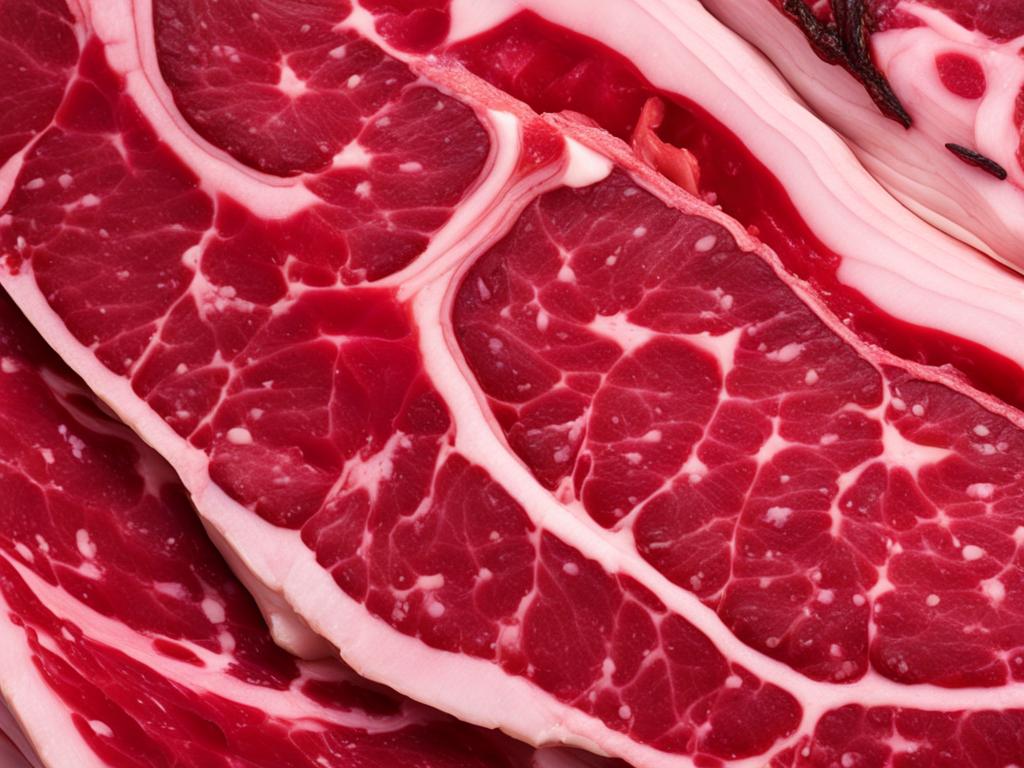
As a smart shopper, your first mission is identifying steak marbling. Rather like picking out a piece of fine art, a prime ribeye features a symphony of marbling – those little white strokes of fat – promising a masterpiece of flavour and tenderness upon cooking. Seek out steaks that display a consistent marbling pattern; this ensures an uniform flavor and succulence. This is exactly what transforms a good steak into a great one.
The Importance of Cut Thickness
Thick or thin? Here’s where your prowess at selecting steak thickness comes into play. Ideally, you want to aim for about 1.5 to 2 inches – it’s your golden ticket to achieving that mouth-watering crust on the outside with a warm juicy centre. Don’t be shy! Ask your butcher for a custom cut if you can’t find the ideal thickness. It’s a simple step that can elevate your ribeye experience to royal heights.
For a bit of extra showmanship, consider a bone-in cut. Yes, it may be a tad trickier to cook, but the additional flavor it introduces is well worth the effort. Remember, grass-fed, well-aged beef such as A5 Wagyu, while quite the investment, will unfailingly provide a luxurious dining experience, unparalleled in both flavor and texture.
Now that you’re armed with these ribeye shopping tips, step forth confidently into your culinary quest. Go on, your perfect ribeye steak awaits!
Mastering Ribeye Cooking Techniques
Welcome to the savory world of ribeye steak cooking methods! Whether you’re a grill master or a kitchen whiz, the pathways to ribeye steak perfection are vast and varied. Let’s dive into the classic and innovative approaches that will transform your home into the ultimate steakhouse.
The Classics: Grilling and Pan-Searing
Good old-fashioned grilling ribeye steak is a rite of passage for any steak enthusiast. Feel the heat, hear the sizzle, and get ready for that chargrilled flavor that’ll knock your socks off. It’s the caveman method with a gourmet twist. But let’s not overshadow pan-searing steak, a culinary skill that delivers a beautifully crusted exterior while sealing in all those delectable juices.
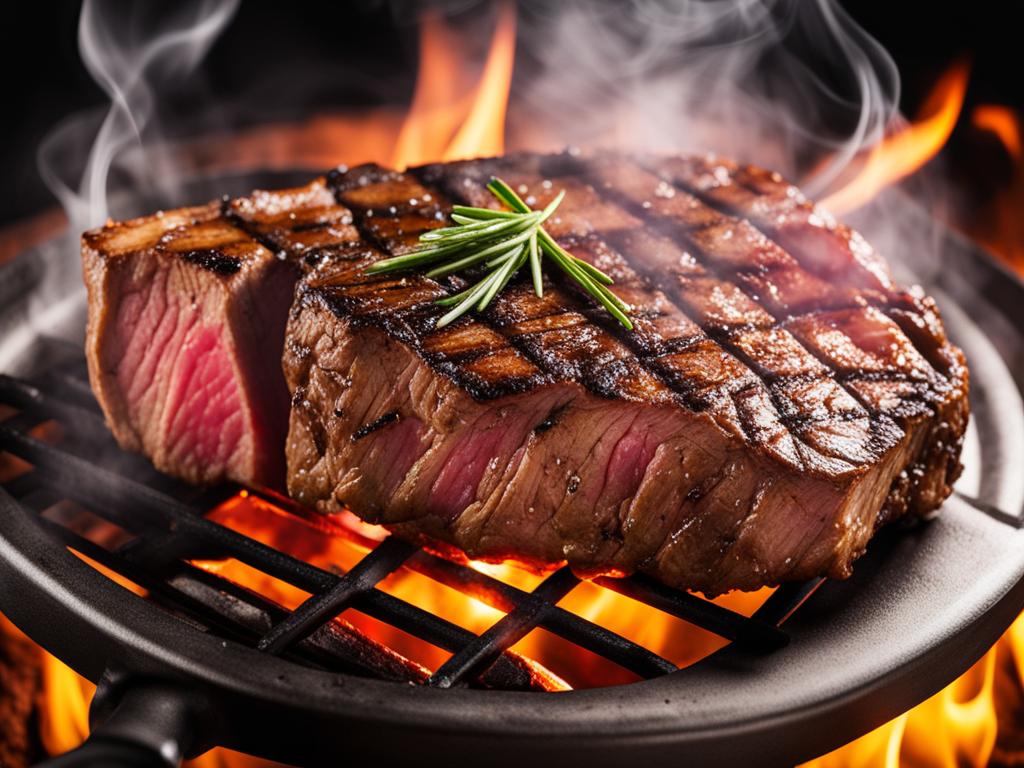
Innovative Approaches: Reverse Searing and Sous Vide
Now, if you’re the type who likes to color outside the lines, meet the reverse searing technique. This game-changer starts with a gentle warm-up for the meat, followed by a searing crescendo. It’ll make that thick-cut ribeye sing a tune of tenderness like you’ve never heard before. But why stop there? Sous vide steak perfection is where precision meets passion. Bathe your steak in the exact temperature needed for your desired doneness, then finish with a sear for that irresistible edge.
| Cooking Method | Description | Best For | Expert Tip |
|---|---|---|---|
| Grilling | Adds a rich, smoky flavor with beautiful grill marks. | Anyone craving that traditional steakhouse experience. | Keep it high and dry; a hot grill evaporates moisture quickly, giving you the perfect crust. |
| Pan-Searing | Fasts and furious with a caramelized crust. | Home cooks looking for a quick and reliable method. | Cast iron is your best friend for even heat distribution. |
| Reverse Searing | Slow-cooking followed by a flash-sear for edge-to-edge doneness. | Thicker cuts that require nuanced cooking. | Let your oven do the heavy lifting before you bring the sizzle. |
| Sous Vide | Low and slow immersion in a water bath for controlled cooking. | Ribeye purists seeking absolute precision. | A quick sear post-sous vide creates the perfect texture contrast. |
Remember, no matter the path you choose, the secret to a heavenly steak is in the rest. Give your masterpiece a break before slicing, and watch it ascend to a whole new level of awesome. Grab your tongs, sharpen your knives, and let’s turn up the heat!
Conclusion
You’ve ventured through the savory pathways of the ribeye steak culinary journey, and now you stand at the precipice of indulgence, ready to craft the perfect ribeye meal. The knowledge dispensed serves as your keystone in the archway that leads to gourmet steak enjoyment. From the rich marbling that promises a succulent bite to the symphony of flavors awaiting within each cut, ribeye extends an invitation to explore its depth and character.
Your understanding of ribeye finishes, a testament to your culinary savviness, will allow you to brandish your tongs with confidence. Whether it’s the elegant char of a steakhouse-quality sear or the comforting aroma of a homestyle barbecue, the ribeye exercises its prowess as a titan of taste. Heeding the nuances in the steak’s preparation, celebrate the artisanal craft that transforms this prime cut into a gastronomic delight.
Cheers to you, as you embark on this personal chapter of gourmet steak enjoyment. With every sizzle in the pan or hiss over the flames, may your ribeye steak experience be etched into memory as an epicurean adventure truly worth relishing. Now go forth, sear with passion, and dine with pleasure, for you have mastered the artistry that is the ribeye steak.
FAQ
What makes the ribeye steak a gourmet choice?
Its divine marbling, tender texture, and robust beef flavors elevate the ribeye to gourmet status, making it a celebrated choice both in upscale restaurants and at home BBQs.
What are some popular names for different ribeye cuts?
Ribeye steaks are known by many names, including Entrecôte, Delmonico, Cowboy steak for the bone-in version, and the Tomahawk when it features a long rib bone.
How do bone-in and boneless ribeye steaks differ?
The bone-in ribeye, often called a Cowboy steak, tends to have more flavor and a unique texture due to the bone. The boneless ribeye is equally flavorful and offers a convenient, easier-to-cook option.
What part of the cow does the ribeye come from?
The ribeye is a prime cut hailing from the rib section of the cow, specifically between the chuck and the loin, along ribs six through twelve.
Why is marbling important in a ribeye steak?
Marbling refers to the fat veins woven within the muscle. It melts as it cooks, rendering the steak succulent and imbued with buttery richness. The more marbling, the more flavor and tenderness your steak will have.
Can eating ribeye steak be healthy?
Surprisingly, yes! Ribeye steaks offer nutritional benefits, such as CLA and monounsaturated fats, which can support heart health and possess anti-inflammatory properties.
What’s the truth about the fats in ribeye steaks?
Ribeye offers a variety of fats, such as CLA and stearic acid, which have been shown to be beneficial for health in moderation, contributing to heart health and supporting overall cellular function.
What role do butchers play in the quality of ribeye steaks?
Butchers are the artisans of the steak world, expertly hand-cutting and trimming to ensure only the highest quality cuts make it onto your plate. They select from premium, often dry-aged beef to ensure a top-notch eating experience.
Are there different types of ribeye steaks?
Certainly! Beyond the traditional ribeye, there’s the Tomahawk with an impressive bone, the ribeye cap steak revered for its marbling and tenderness, and the luxurious A5 Wagyu variant known for its exquisite fat distribution.
How do I select the best ribeye steak?
Look for a steak with a rich marbling, an ideal thickness of 1.5 to 2 inches, and if possible, opt for premium quality or aged beef such as USDA prime or A5 Wagyu to ensure the finest flavor and texture.
What are some recommended cooking methods for ribeye?
From the traditional grilling approach to the delicate reverse sear technique, options abound. Pan-searing delivers a crisp crust, while sous vide provides unrivaled consistency, all finished with a good rest for perfect juiciness.