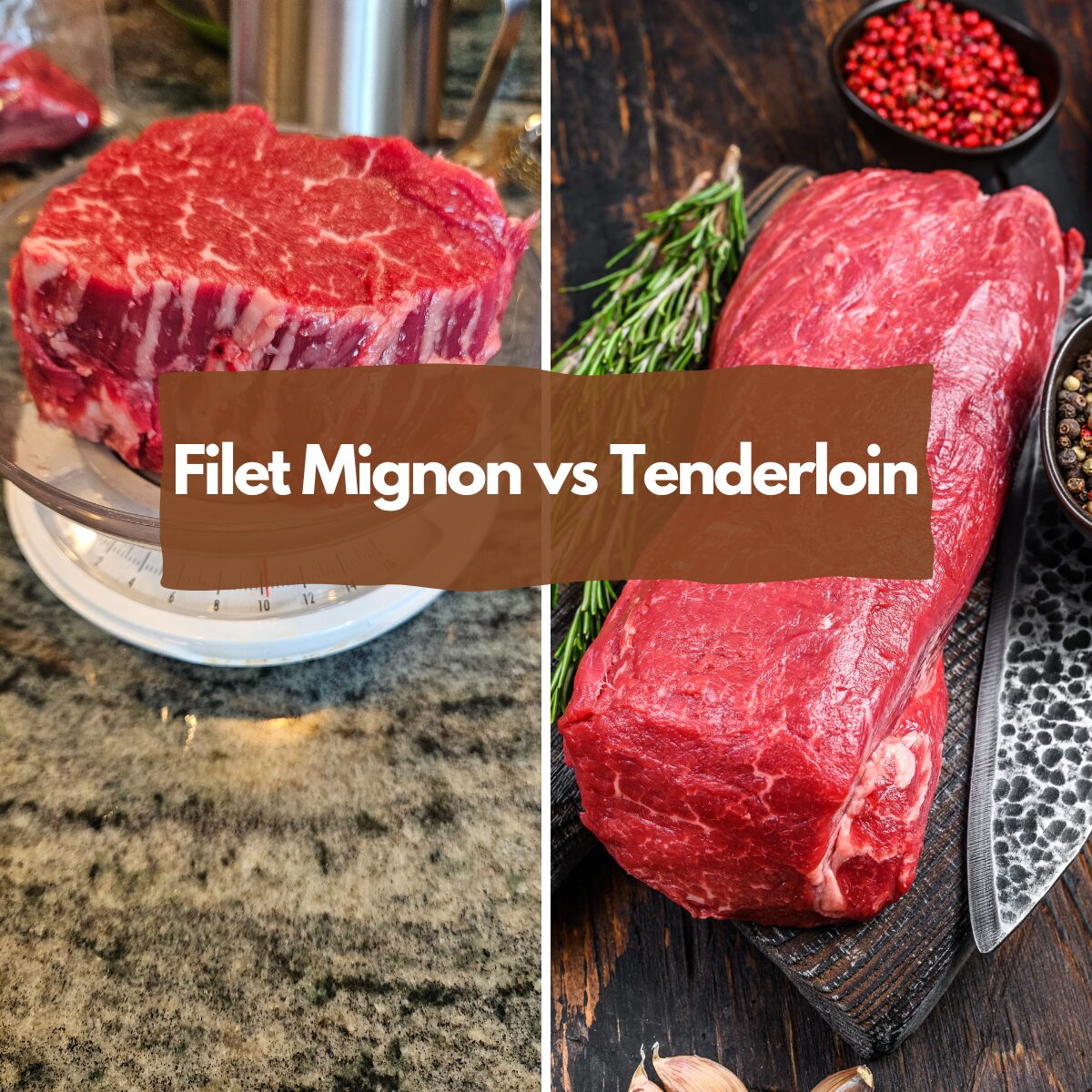
In the culinary world, the debate between Filet Mignon vs Tenderloin is one savored by chefs and diners alike. Both cuts are prized for their tenderness and flavor, but understanding their differences can enhance your cooking and dining experience.
Filet mignon, known for its buttery texture, and tenderloin, celebrated for its versatility, each brings something unique to the table. Whether you’re planning a special dinner or just looking to refine your steak selection, knowing these distinctions is key.
Keep reading as we delve deeper into what sets these two premium cuts apart and how to make the most out of each.
What is Tenderloin?
The tenderloin is a long, narrow, and lean muscle located along the spine of the cow, tucked between the sirloin and the rib. It spans two primal cuts: the short loin and the sirloin. This muscle is known for its tenderness because it is one of the least used muscles in the cow’s body, making the meat particularly soft.
The entire tenderloin is typically about 18 to 24 inches long and can be sold whole or cut into various portions, including steaks.

What is Filet Mignon?
Filet mignon is a steak cut from the smaller end of the tenderloin, located near the rib primal section. This cut is famous for its buttery texture, mild taste, and tender consistency, making it one of the most sought-after and expensive cuts of beef.
Because of its size and the prestige associated with it, filet mignon is often reserved for special occasions. It’s typically 1 to 2 inches thick and is best cooked using high-heat methods like grilling or pan-searing to enhance its flavor while maintaining its tenderness.
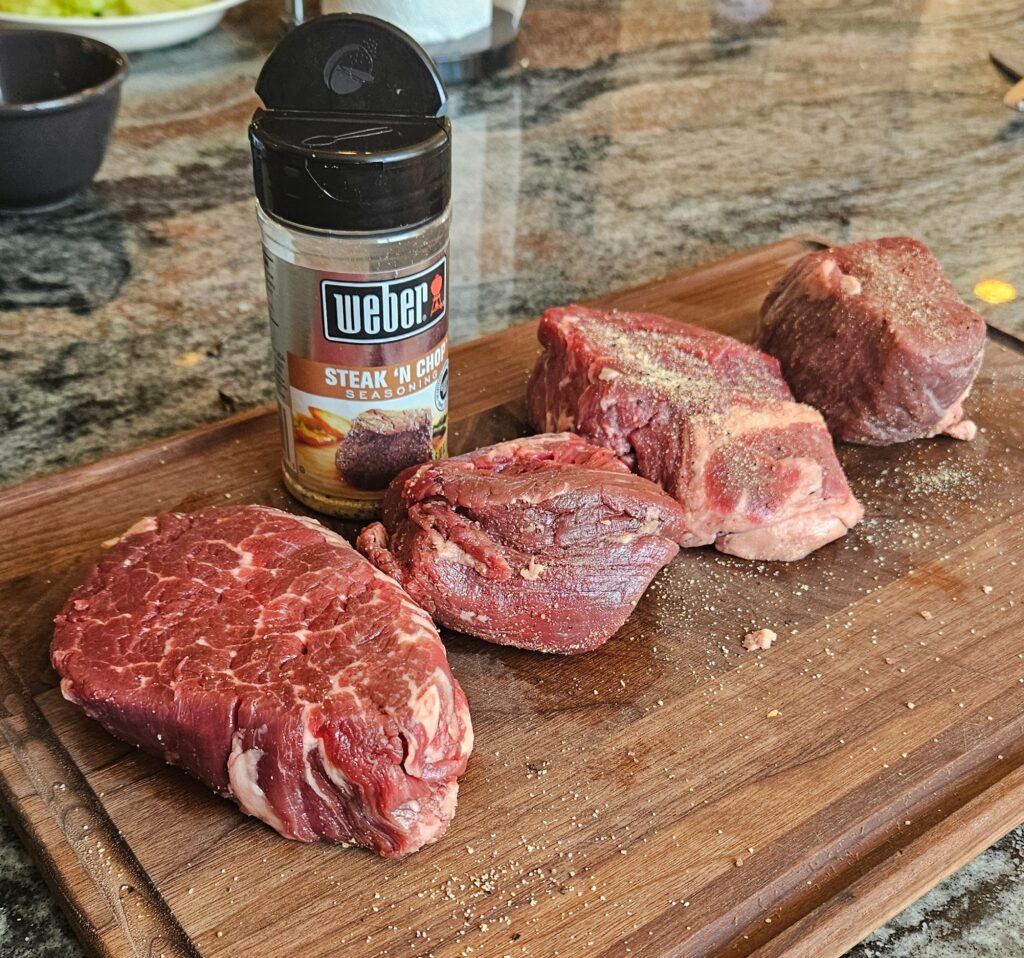
Filet Mignon vs Tenderloin: Tenderness and Texture Comparison
When it comes to tenderness and texture, both filet mignon and the tenderloin from which it comes are celebrated for their softness. Here’s how they compare:
Tenderloin
Tenderloin is one of the most tender parts of the beef because it comes from a muscle that does very little work, the psoas major. This muscle stretches along the spine and does not bear much weight, which means less connective tissue and a finer, buttery texture. The entire tenderloin is consistently tender throughout, making it a top choice for beef lovers seeking a delicate bite.
Filet Mignon
Specifically cut from the smaller end of the tenderloin, near the rib, filet mignon is considered the pinnacle of tenderness. It is the most tender part of the already tenderloin. This steak is prized for its almost melt-in-your-mouth texture, which is why it’s often featured in fine dining restaurants.
Related Article: If you’re intrigued by the subtleties of filet mignon and tenderloin, you may also be interested in how these cuts compare to other premium steaks. Check out our detailed analysis in the article on Filet Mignon vs Ribeye.
Filet Mignon vs Tenderloin: The Flavor Showdown
Filet mignon and tenderloin are both premium cuts known for their exceptional quality, but they offer distinctly different taste experiences. Let’s delve into the flavors of these two popular cuts to help you decide which one might suit your palate better.
Filet Mignon’s Delicate Flavor
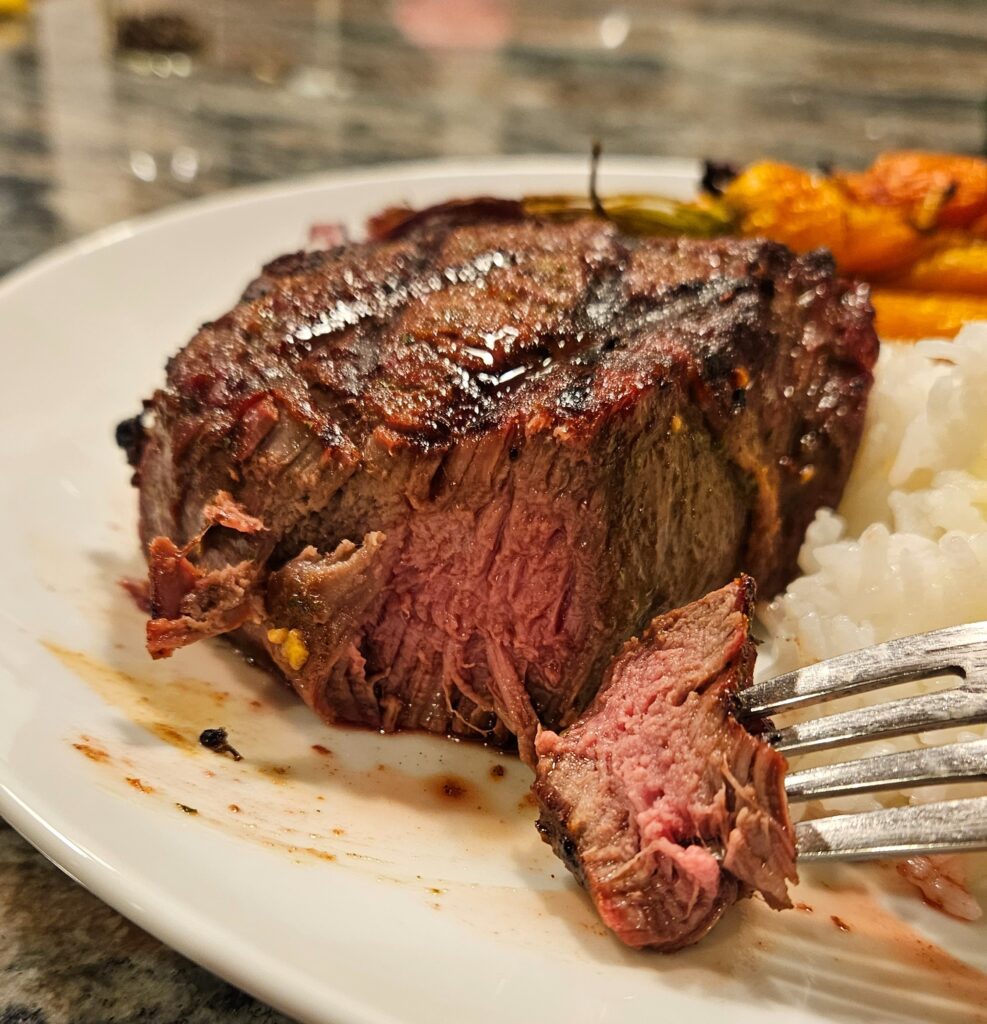
Filet mignon is often regarded as the more refined choice. Known for its mild and subtle taste, this cut is perfect for those who prefer a less intense beef taste. Its tenderness is unmatched, and while it’s not as robust in flavor as other cuts, its buttery texture allows it to pair beautifully with rich sauces and seasonings that enhance its natural flavor without overpowering it.
Tenderloin’s Rich Taste
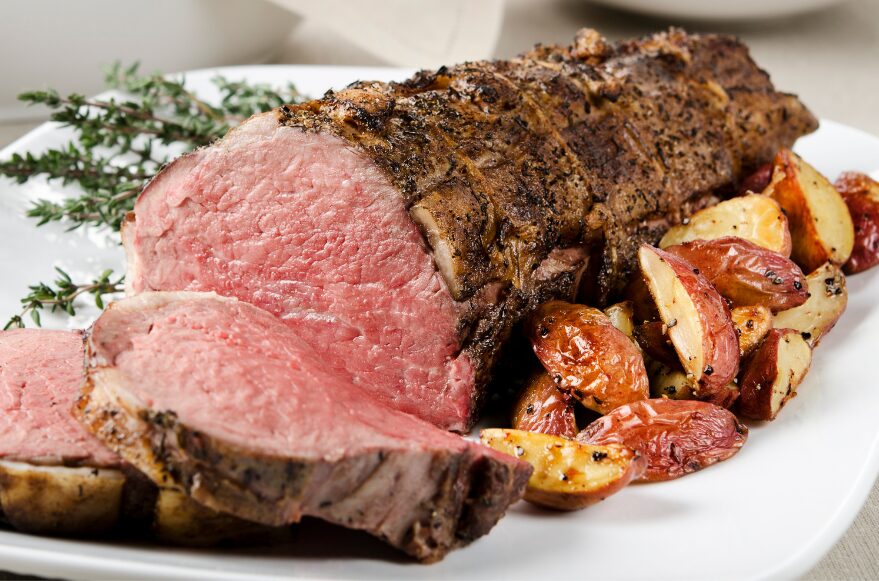
In contrast, the tenderloin offers a more pronounced beef flavor. It comes from the same cut as filet mignon but includes the entire strip, allowing it to develop a richer taste. This cut is appreciated for its versatility and stronger beefy notes, which stand out even with minimal seasoning. The tenderloin’s robust taste makes it a favorite among those who enjoy the true essence of beef.
Filet Mignon vs. Tenderloin: Comparing Costs and Value
Indulging in premium steak cuts like filet mignon and tenderloin is a highlight of fine dining, but it often comes with a hefty price tag. Understanding why these steaks are priced so high can help you decide which one offers better value for your money.
Filet Mignon: The Price of Perfection
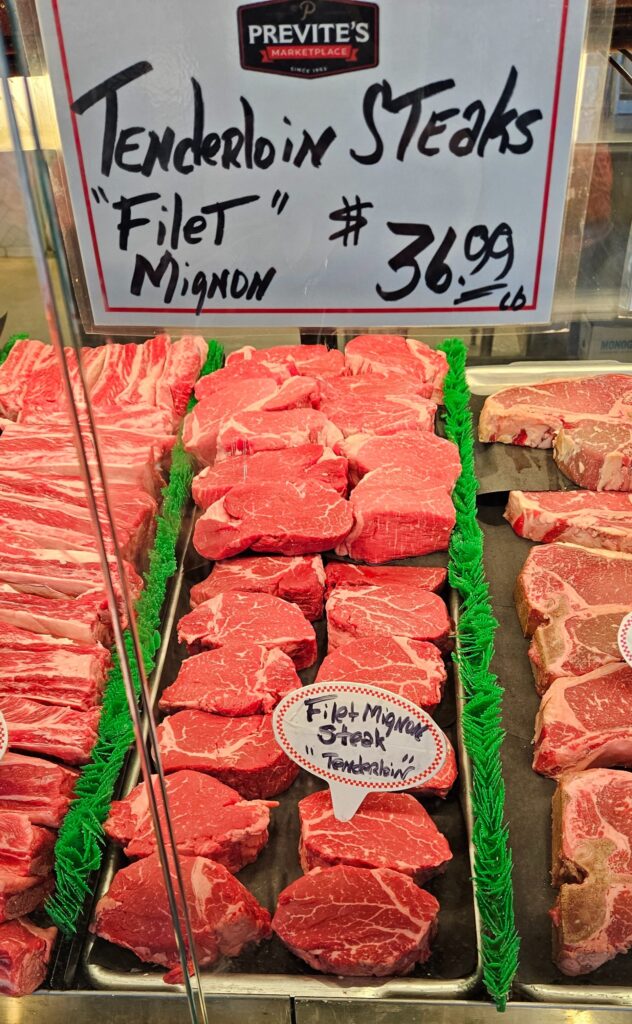
Filet mignon is renowned for its tenderness and fine texture, often making it the most expensive option on the menu. This high cost is due to the cut’s rarity; the filet mignon is a small portion of the tenderloin, located in a part of the cow that does minimal work, thus remaining exceptionally tender. Its scarcity and high demand contribute to its higher price, much like a rare gem in the culinary world.
Tenderloin: More Meat, More Value
On the other hand, the tenderloin encompasses a larger section of the cow, including the filet mignon, which allows more servings per cut. This generally makes tenderloin steaks more economical than filet mignon. Restaurants can serve several dishes from one tenderloin, helping to moderate its price while still offering the luxury of a high-end cut.
Here’s a quick breakdown to help you understand what you’re paying for:
| Cut | Average Cost per Pound | What are you paying for? |
|---|---|---|
| Filet Mignon | $20-$60 | Luxurious tenderness, smaller portion size |
| Tenderloin | $15-$30 | Robust flavor, larger volume |
Deciding When to Choose Tenderloin Over Filet Mignon
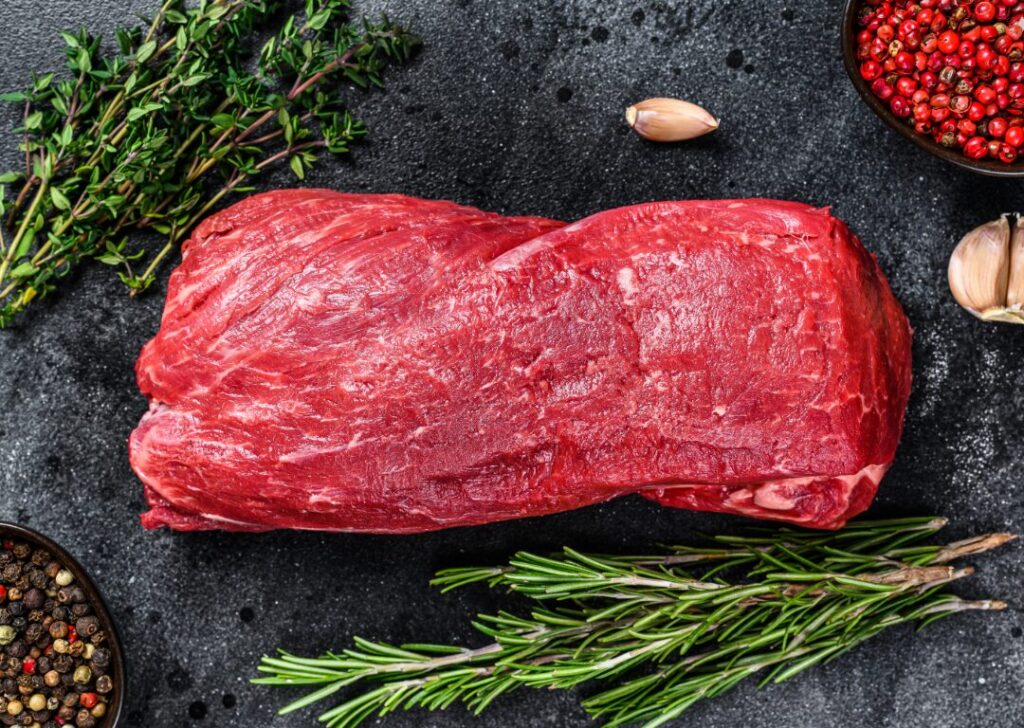
When selecting between tenderloin and filet mignon, consider both your occasion and budget. Tenderloin offers a versatile and economical choice that doesn’t skimp on flavor or quality.
It’s ideal for serving larger groups because you get more meat for your money compared to the smaller, more expensive filet mignon. This makes tenderloin a smart pick for family dinners or gatherings where you want to impress without extravagant spending.
Filet mignon, though pricier, is perfect for those special occasions when you want to indulge in the most tender and exquisite steak experience. Its smaller size is ideal for individual servings, making it a luxurious choice for date nights or small dinner parties where each plate can be a showcase.
Ultimately, choose tenderloin when you need more flexibility and value, and save filet mignon for those moments when you want to celebrate with something exceptionally special.
Cooking Techniques: Enhancing Each Cut’s Natural Qualities
Understanding how to properly cook filet mignon and tenderloin can take these already premium cuts to an even higher level of culinary excellence. Here’s how to master the art of cooking both tenderloin and filet mignon.
Best Methods for Tenderloin
Tenderloin is incredibly versatile and can be cooked in various ways to highlight its natural tenderness and flavor. For the best results, consider roasting or grilling the tenderloin to medium-rare. This method enhances the cut’s natural beefy flavors without overpowering its delicate texture.
A simple seasoning with salt, pepper, or a few herbs is all you need to make the tenderloin shine. Since tenderloin is less fatty, it’s important not to overcook it to maintain its juiciness.
Optimal Preparation of Filet Mignon
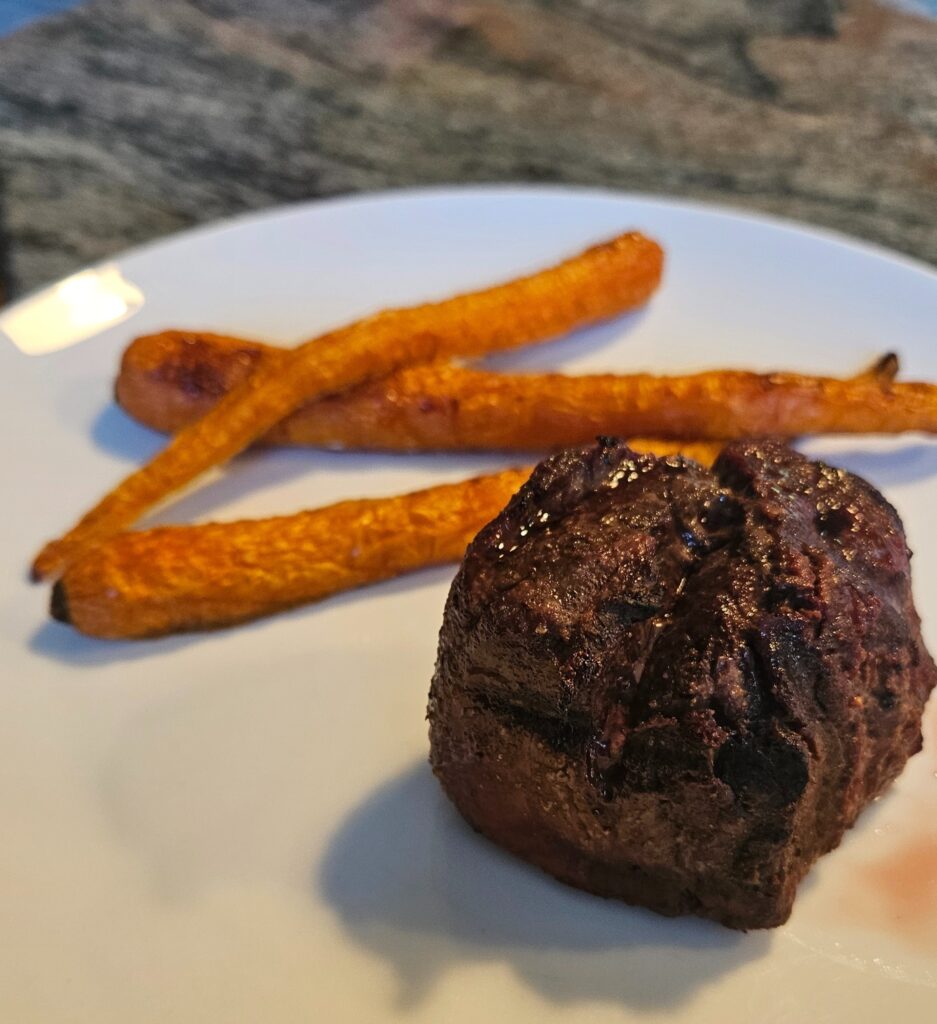
Filet mignon, known for its fine texture and subtle flavor, thrives with careful cooking. Pan-searing filet mignon is an ideal method, as it quickly creates a beautifully caramelized crust while keeping the interior tender and juicy.
Cooking filet mignon to medium-rare allows its mild flavors to stand out without drying out the meat. Serve the filet mignon in thin slices to showcase its elegance and ensure that each bite is as flavorful as possible.
Related Article: For more tips on cooking filet mignon to perfection, check out our guides on How to Broil Filet Mignon and Grilling Filet Mignon.
Conclusion
Understanding the differences between filet mignon and tenderloin is essential for anyone looking to elevate their culinary game.
Filet mignon offers unmatched tenderness and a subtle flavor that makes it a favorite for special occasions, while tenderloin provides a slightly more robust taste and flexibility in cooking options. Both cuts have their merits and can create exceptional dining experiences when prepared with care.
Whether you choose the luxurious filet mignon or the versatile tenderloin, both are sure to impress any steak lover. Explore these cuts in your next meal and discover which one truly captures your culinary heart.
FAQ
Can both filet mignon and tenderloin be cooked the same way?
Yes, both can be cooked using similar methods, such as grilling or pan-searing, but filet mignon is best cooked quickly over high heat due to its thickness and tenderness.
Can I marinate filet mignon and tenderloin? If so, what are good marinade choices?
Yes, though tenderloin benefits more from marination to enhance flavor. A simple filet mignon marinade of olive oil, garlic, and herbs works well for both cuts.
What are the best seasoning recommendations for filet mignon and tenderloin?
Both cuts taste great with just salt and pepper to enhance their natural flavors, though filet mignon pairs well with richer sauces due to its mild taste.
Are filet mignon and tenderloin suitable for a barbecue?
Yes, both cuts can be barbecued. However, care must be taken with filet mignon due to its size and tenderness to avoid overcooking.
What is the best way to store leftover filet mignon and tenderloin?
Wrap leftovers tightly in plastic wrap or store them in an airtight container in the refrigerator for up to 3 days.
Is there a nutritional difference between filet mignon and tenderloin?
Nutritional content is similar, as both are lean cuts of beef. However, portion size and preparation methods can affect the calorie and fat content.