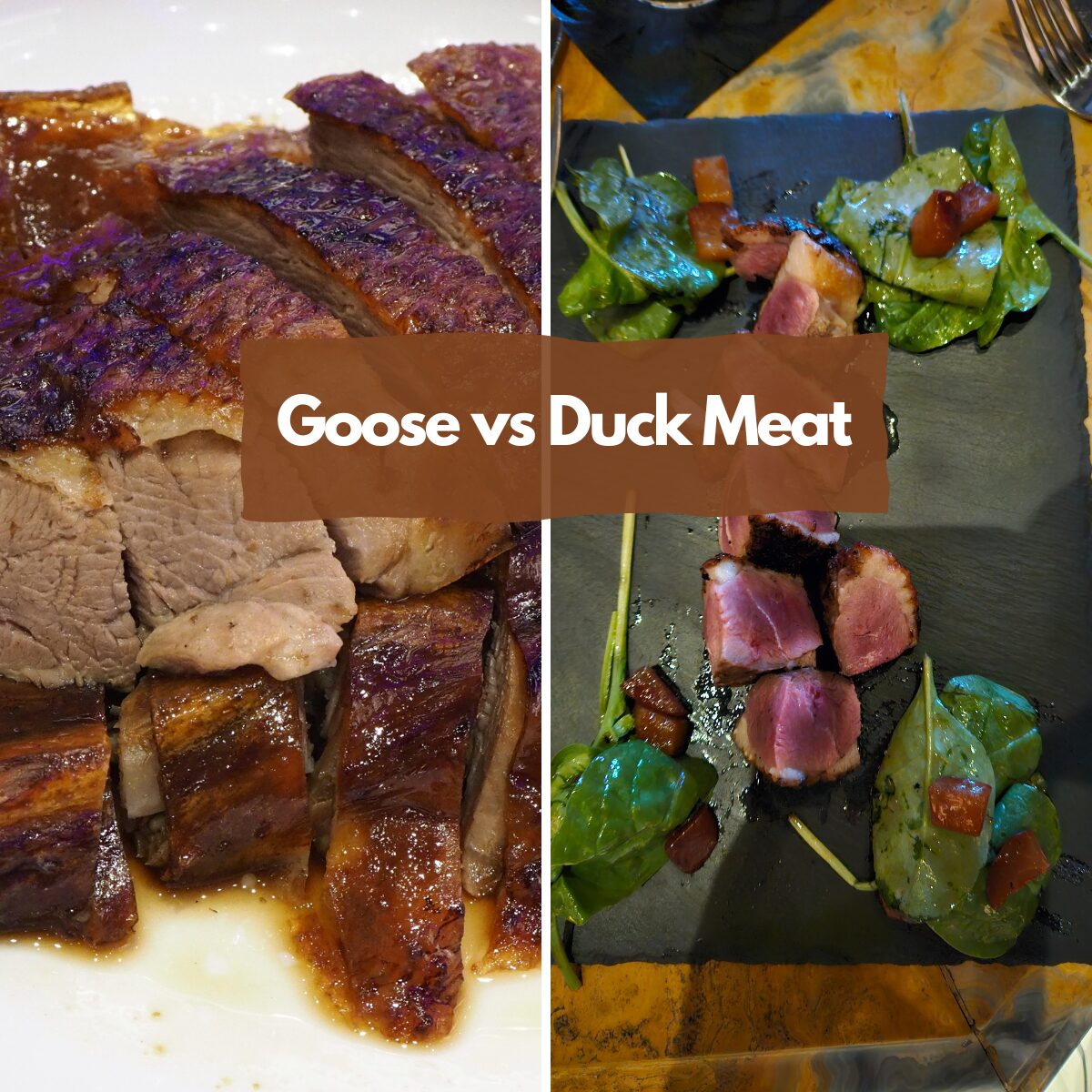
When it comes to poultry, not all birds are created equal. In the debate of Goose vs Duck meat, each brings its unique flavors and textures to the table. Whether you’re a seasoned chef or a home cook looking to try something new, understanding the differences between these two can enhance your cooking experience.
In this article, we’ll look into what sets goose and duck meat apart, from their culinary uses to nutritional benefits. Keep reading to discover which bird might be the right choice for your next meal!
Goose vs Duck Meat: Physical Characteristics
When choosing between duck and goose meat, understanding their physical differences can greatly influence your culinary decisions. Both duck and goose are waterfowl, but their meat characteristics vary in several key ways that affect flavor and cooking methods.
Texture and Fat Content
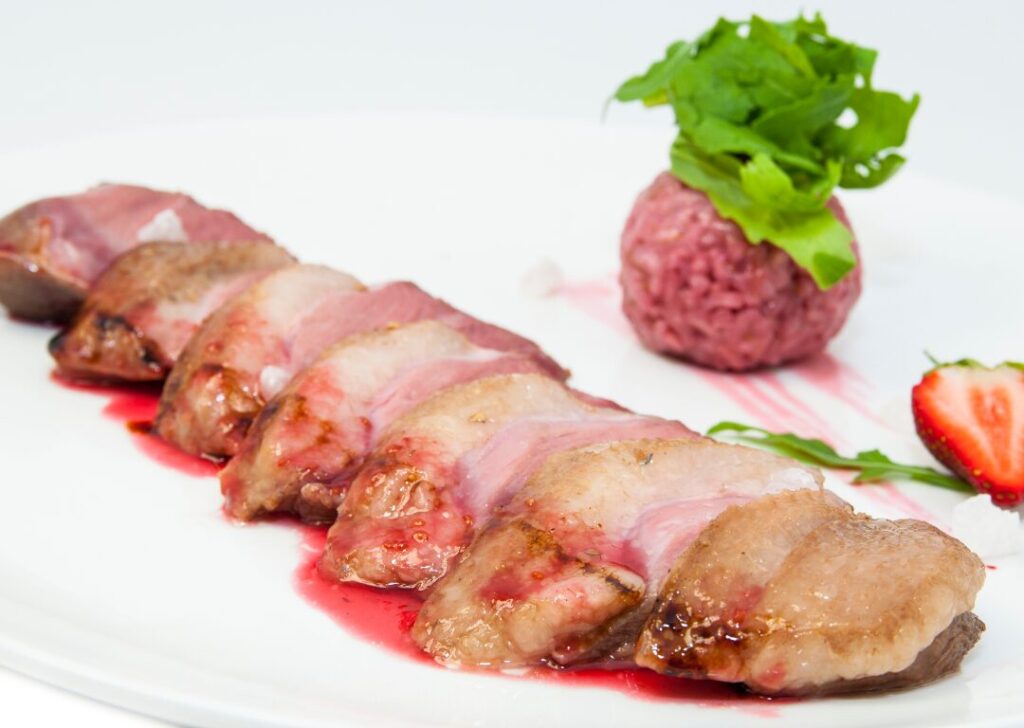
Duck meat is known for its rich flavor and a significant amount of subcutaneous fat, which helps keep the meat moist during cooking. This fat layer is especially prominent in the breast area, contributing to the meat’s juicy texture.
Goose meat, on the other hand, is denser and generally has a thicker layer of fat than ducks. This not only adds a deeper flavor but also allows for a longer cooking time, which is ideal for rendering the fat and achieving crispy skin.
Color
Duck and goose meat both exhibit a deeper, richer color compared to chicken, reflecting their different diets and lifestyles. Duck meat generally showcases a deep red hue, while goose meat is often a shade darker.
This color difference is not just cosmetic but also indicates a higher myoglobin content, which is typical in birds that are more active or have longer life spans.
Flavor Profiles
When it comes to flavor, both duck and goose meat are celebrated for their depth and complexity. Duck meat is known for its slightly sweet undertone, which complements its rich fattiness beautifully, making it versatile for both sweet and savory applications.
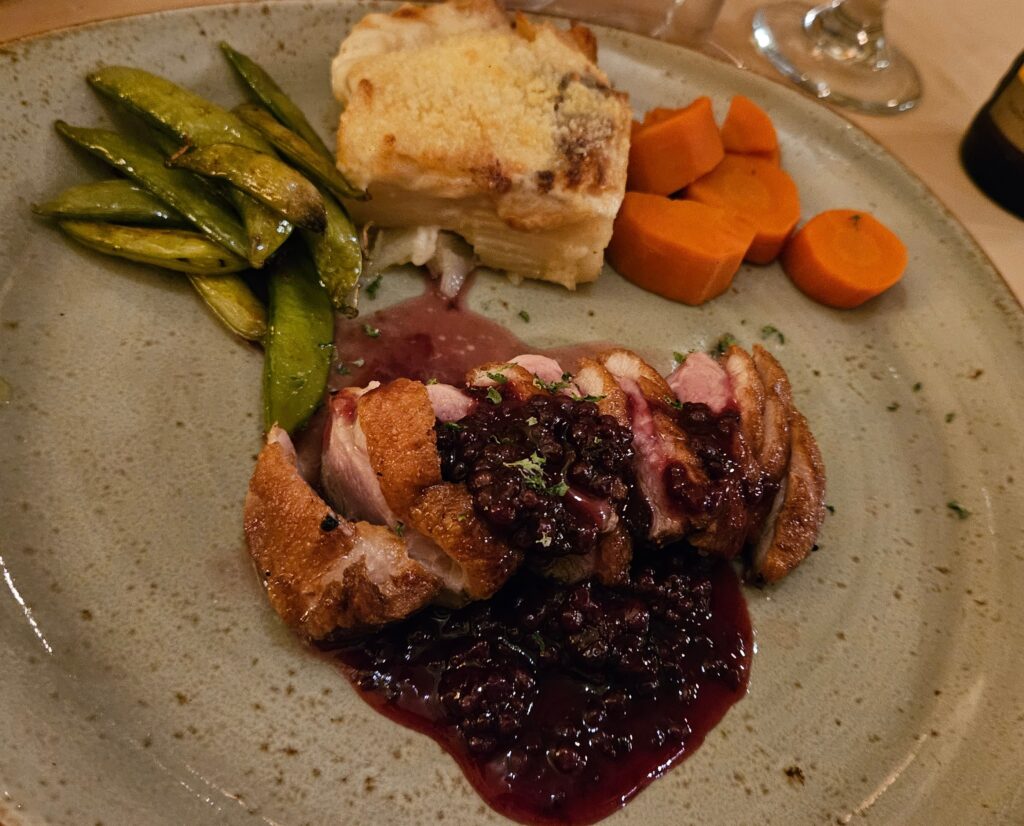
Goose meat, on the other hand, offers a bolder, more pronounced flavor. It’s characterized by its robust and somewhat gamier taste compared to duck, a result of the goose’s larger size and more vigorous lifestyle. This makes goose particularly popular in dishes that can stand up to and benefit from its hearty flavor profile.
Goose vs Duck Meat: Cooking Applications
When it comes to sumptuous and flavor-packed meats, both duck and goose take center stage on the culinary scene. These birds offer a gastronomic experience that will leave your taste buds begging for more. Let’s explore how best to prepare these birds, focusing on methods that highlight their distinctive qualities.
Cooking Goose Meat
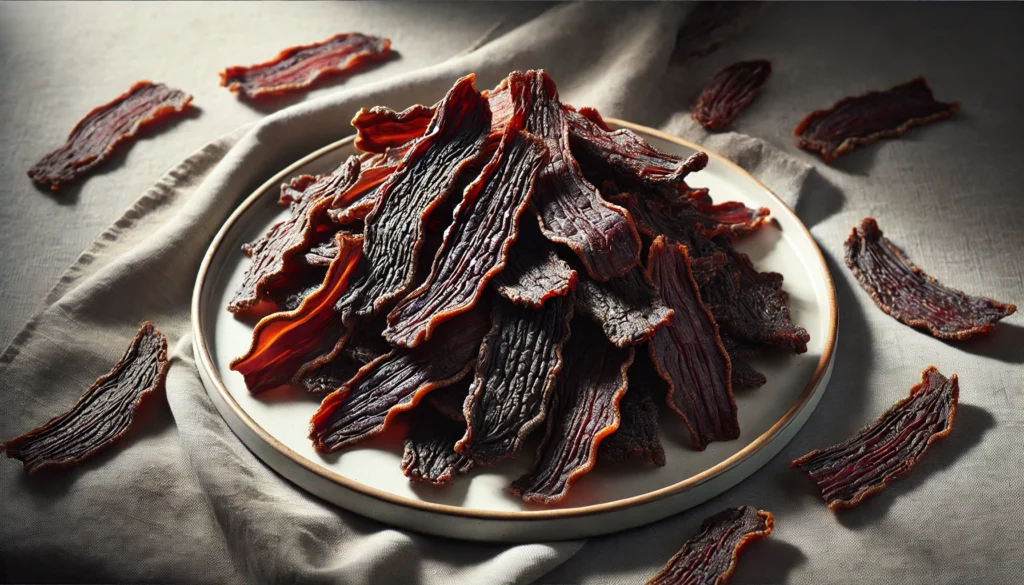
Goose, with its thicker fat layer and denser meat, requires a longer cooking time, making it ideal for recipes that allow for slow cooking. Goose jerky and roasted goose breasts are prime examples of how to harness the robust flavors of goose.
For jerky, the leaner parts of the bird are marinated and dried, resulting in a savory snack that highlights the goose’s rich taste.
Meanwhile, cooking goose breast involves careful management of the fat to ensure it renders without drying out the meat, resulting in a succulent and richly flavored dish.
These methods make the most of the goose’s natural qualities, whether you’re following traditional Canada goose recipes or experimenting with new culinary ideas.
Related Article: For those looking to delve deeper into the culinary potential of this bird, explore our collection of goose breast recipes. Whether you’re interested in traditional dishes or adventurous wild goose breast recipes, there’s something to satisfy every palate.
Cooking Duck Meat
Duck meat, known for its rich flavor and layer of fat, is perfect for roasting or making crispy duck. The key to perfect roast duck is to cook it in a way that renders the fat, leaving the skin deliciously crispy.
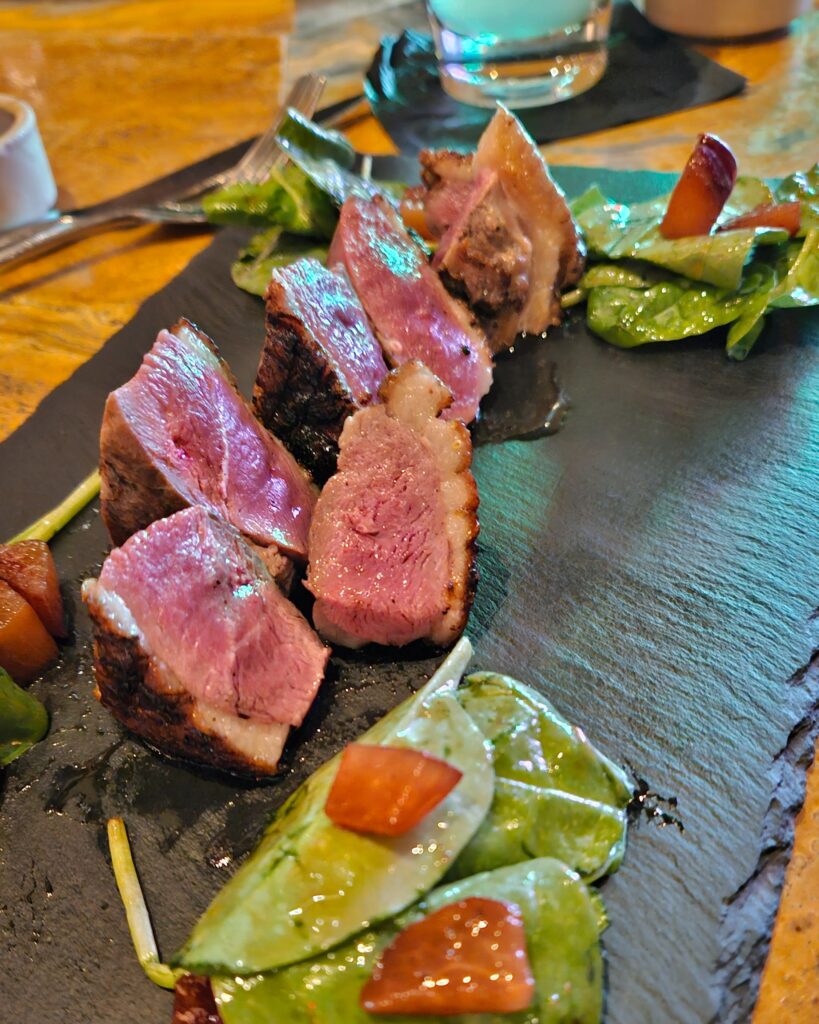
This method not only maximizes flavor but also achieves that sought-after crispy texture that makes duck a favorite in many cuisines.
Additionally, duck meat adapts well to a range of flavors—from classic orange sauces to spicy Asian-inspired glazes—making it a popular choice across different culinary traditions.
Related Article: If you’re inspired by the versatility of duck and want to try something new, check out our smoked duck recipe and our article on wild duck recipes.
Goose vs Duck Meat: Nutritional Benefits
While duck meat and goose meat offer delectable flavors, they boast different nutritional profiles, making them unique choices for health-conscious individuals.
Nutritional Profile of Goose Meat
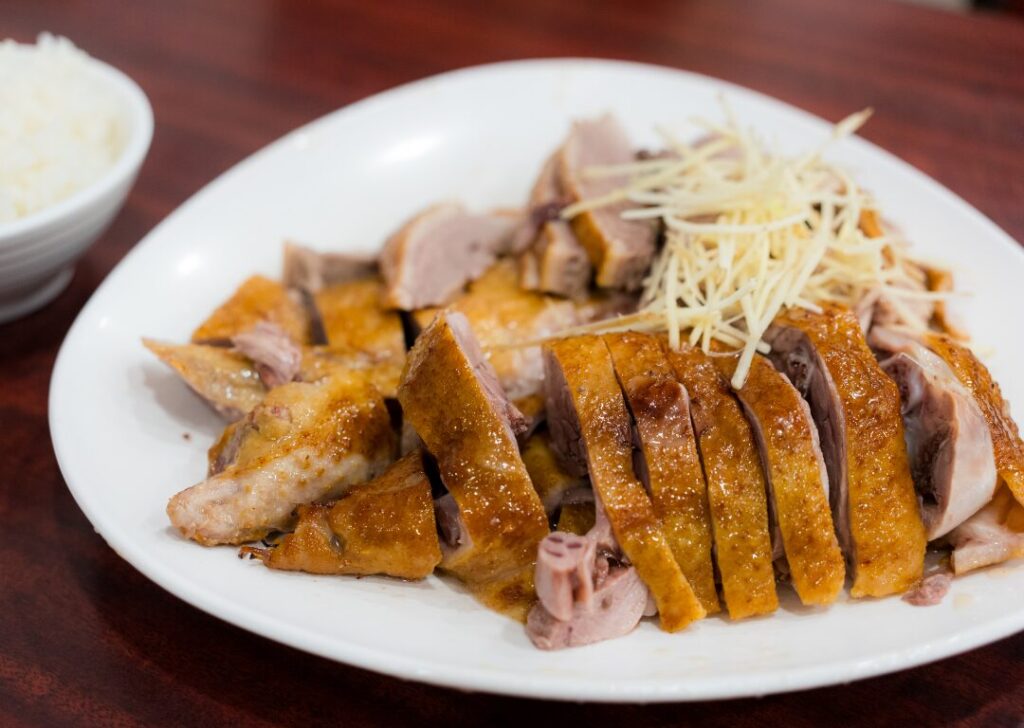
Goose meat is higher in calories and fat, offering a more indulgent option for those seeking a richer culinary experience. While it may be higher in fat, goose meat is still a good source of protein and provides valuable vitamins and minerals, such as:
- Vitamin B2: Essential for energy production and maintaining healthy skin.
- Phosphorus: Vital for strong bones and teeth.
- Magnesium: Important for muscle function and nerve transmission.
So, if you’re looking for a truly sumptuous treat, goose meat can satisfy your cravings while delivering essential nutrients to support your overall well-being.
Nutritional Profile of Duck Meat
Duck meat is a healthier option compared to goose meat, as it is lower in calories and fat but still provides a generous amount of protein. In addition to being a delectable choice, duck meat is also a good source of essential vitamins and minerals, including:
- Vitamin B6: Essential for brain development and function.
- Iron: Important for oxygen transport in the body.
- Zinc: Necessary for a strong immune system.
So, by indulging in succulent duck meat, you not only satisfy your taste buds but also nourish your body with vital nutrients.
Goose vs Duck Meat: Availability and Cost
Duck meat takes the crown when it comes to availability, as it is more widely found in the market compared to its feathered rival, goose meat. While you can easily locate duck meat in various stores and suppliers, the same cannot be said for goose meat, which is a bit more elusive.
Note that the availability of both duck and goose meat can depend on your region and the specific stores or suppliers you visit. So, make sure to keep your eyes peeled for the bird you desire, as availability may vary.
Now, let’s talk about cost. Duck meat is generally more affordable than goose. This difference in price can be attributed to several factors, including the scale of production and demand. Ducks are widely farmed and have a shorter production cycle, making them less expensive to raise and market.
Geese, on the other hand, are less commonly farmed on a large scale and require more resources to rear, contributing to their higher cost. So, if you’re looking for a delicious and affordable poultry option, duck meat is the way to quack!
Conclusion
After a thorough examination of goose and duck meat, it is clear that these two poultry options offer distinct qualities and culinary experiences. While both meats boast delectable flavors and are prized in various dishes, the choice ultimately boils down to your personal preferences.
Duck meat, renowned for its versatility, can be enjoyed in a range of mouthwatering preparations, from succulent pan-seared duck breast to crispy-skinned roasted duck. Its rich taste and tender texture make it a favorite among food enthusiasts seeking a delectable gastronomic adventure.
On the other hand, goose meat presents a unique and sumptuous taste that sets it apart. With its slightly gamey flavor, goose meat is often featured in traditional holiday feasts, like the classic roasted goose. The distinctiveness of its flavor profile promises an unforgettable dining experience.
So go ahead and indulge in the wonders of either rich and versatile duck meat or the distinctive and sumptuous goose meat – whichever you choose, satisfaction is guaranteed!
FAQ
What dishes are traditionally made with goose meat?
Traditional dishes made with goose include roast goose, especially popular during festive seasons like Christmas, and goose confit.
What dishes are traditionally made with duck meat?
Duck is famously used in dishes like Peking duck, duck confit, and various French and Asian preparations that highlight its flavorful fat and tender meat.
Can I substitute duck for goose in recipes?
Yes, duck can often be substituted for goose in recipes, especially in dishes where the meat is roasted or braised. However, expect a difference in flavor and texture due to the varying fat content and meat density.
Why is goose meat less available than duck meat?
Goose meat is less available mainly due to lower demand and smaller-scale farming compared to ducks, which are more widely raised globally.
How should I store fresh duck and goose meat?
Both duck and goose meat should be stored in the refrigerator and used within 1-2 days, or they can be frozen for up to six months while maintaining quality.