
Are you ready to explore a type of beef that could change how you see steak? Denver steak is a hidden treasure in the beef world, known for its amazing taste and softness. In this guide, we’ll cover where Denver steak comes from, how to cook it best, and the top recipes to try. This guide has everything you need, whether you’re just starting in the kitchen or you’re already a master chef. Let’s dive into the delicious world of Denver steak!
Introduction to Denver Steak
Discovering Denver steak could give your meals a thrilling twist. It comes from the under shoulder blade of the cow. Found in the beef chuck section, it rose to fame in the early 2000s. People love it for its deep, beefy taste that’s similar to a ribeye. Yet, it’s usually more affordable.
Getting to know Denver steak means understanding what makes it special. It’s known for being both juicy and tender. This makes it perfect for various occasions, from daily dinners to big celebrations. You can grill, sear, or broil it. Either way, it promises a rich and delightful meal.

The Unique Cut of Denver Steak
The Denver steak is known for its taste and softness. It’s important to know where it comes from and how it’s cut. This makes us enjoy it even more.
Origin and Butchering
This steak is from a specific muscle beneath the cow’s shoulder. It wasn’t always popular. But new cutting techniques made it a favorite. Now, it’s loved for its taste and texture.
Flavor and Tenderness Profile
Eating a Denver steak is a treat. It has a strong beef flavor and is very tender. It’s as soft as a ribeye but has its unique taste.
The steak’s marbling makes it juicy and perfect for cooking in different ways. Each bite is a taste adventure. It’s perfect with many spices and cooking styles.
How to Select the Perfect Denver Steak
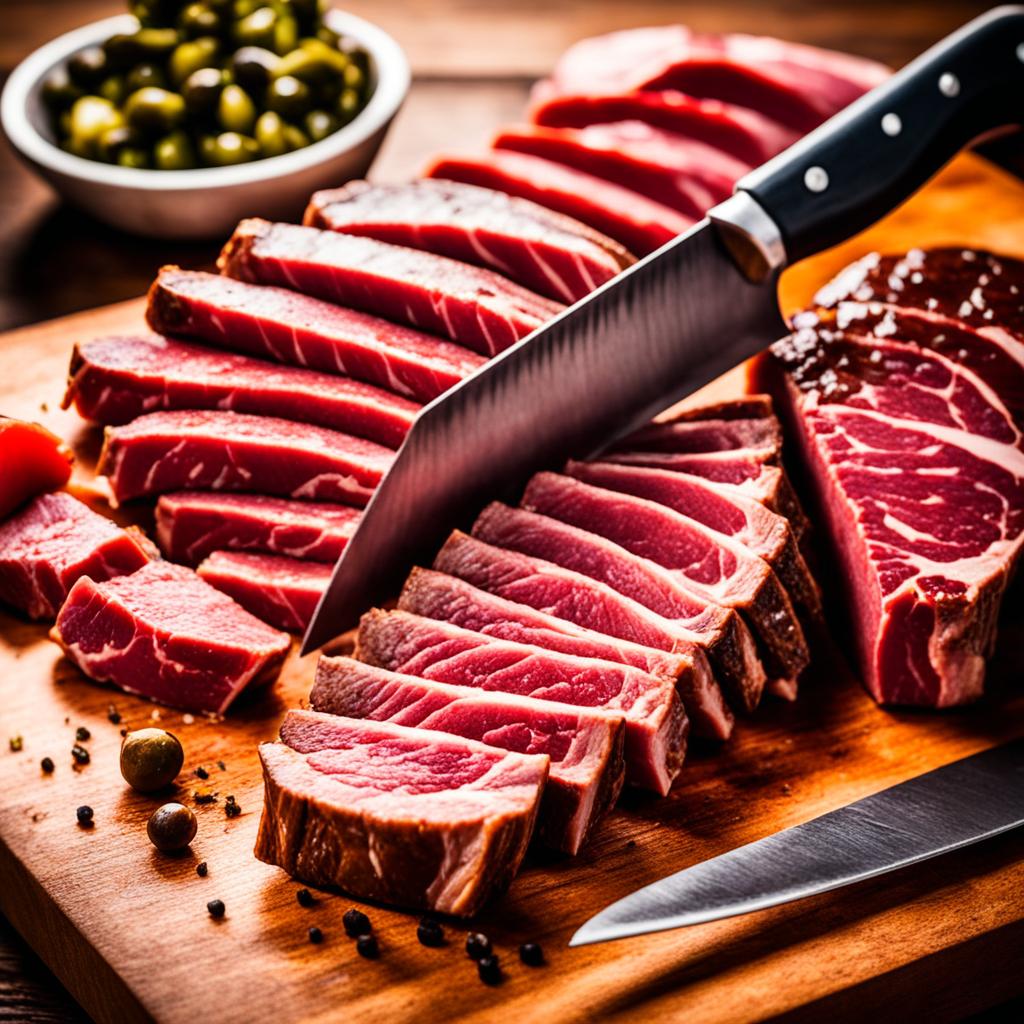
Choosing the right Denver steak involves some key steps. First, look for cuts with nice marbling. This is fat spread throughout the meat, which makes it taste better and more tender when cooked. You should also look for a steak that’s bright red. This shows it’s fresh. Steer clear of any meat that looks dull or discolored.
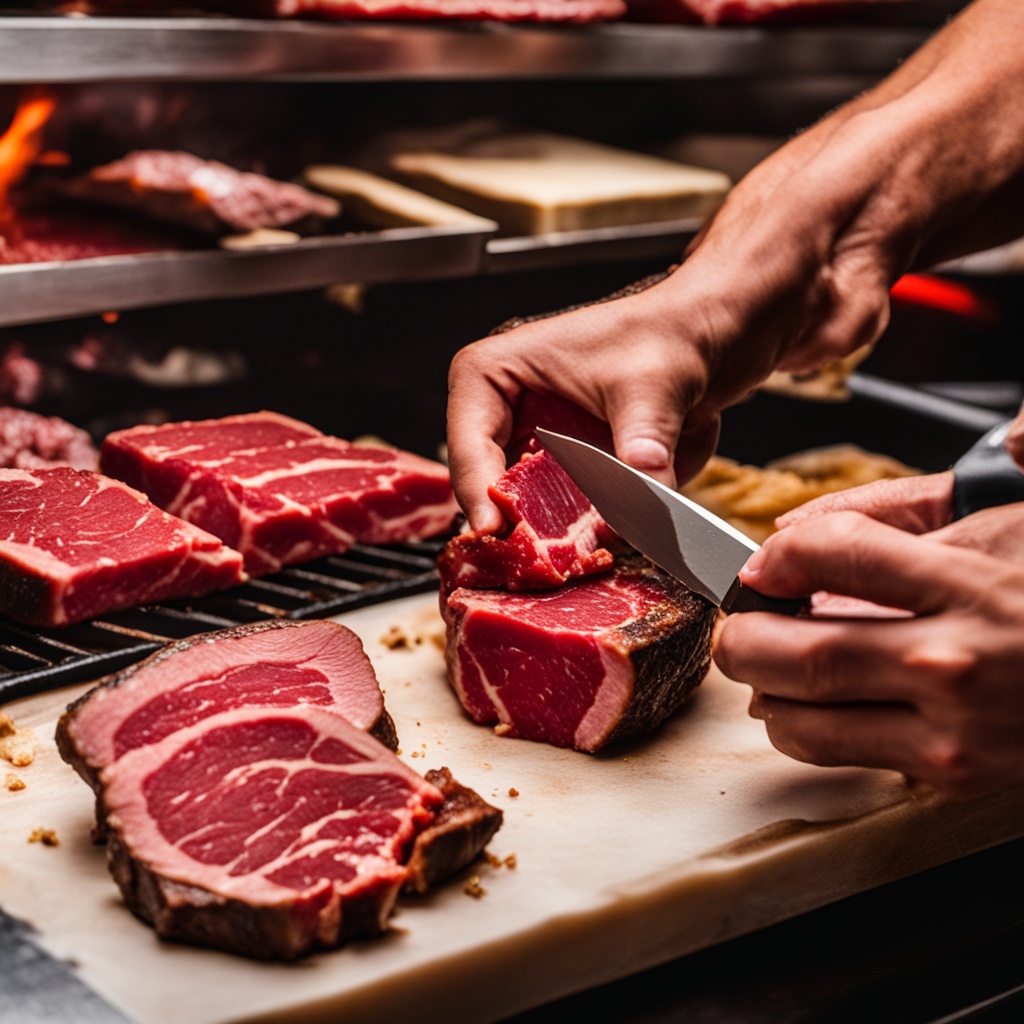
Knowing your butcher can really help you get excellent steaks. Ask where the beef comes from. The origin can have a big impact on quality.
- Choose cuts that are about 1 inch thick for optimal cooking.
- Inspect the color and fat content before purchasing.
- Inquire about any specific qualities or practices, like grass-fed or organic, to guide your choice.
Keep these tips in mind for an easy and fun steak selection process.
Preparation Techniques for Denver Steak
Proper preparation is key to making Denver steak taste amazing. You can use two main methods: dry brining and seasoning. These steps will ensure your steak is juicy and packed with flavor.
Dry Brining for Maximum Flavor
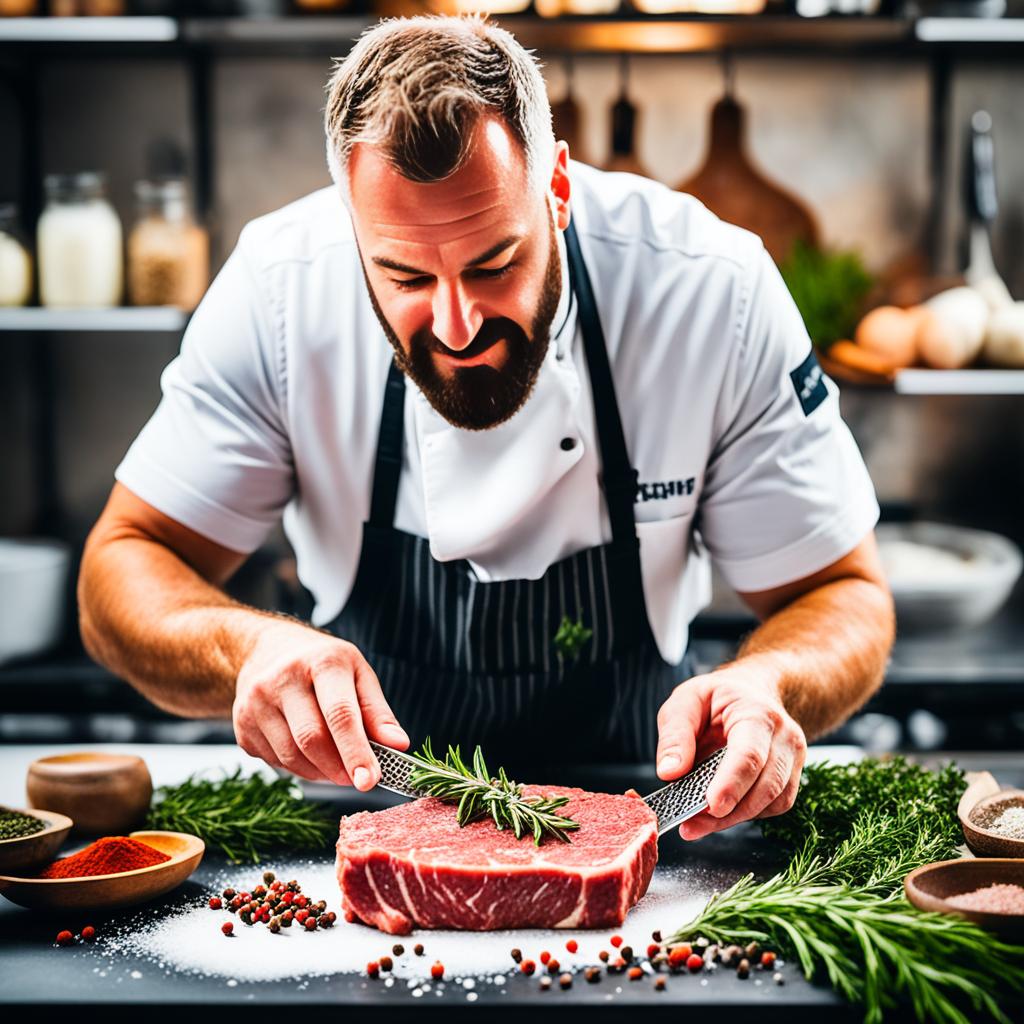
Dry brining makes your steak tender and tasty. First, cover your steak with coarse Kosher salt. Then, let it sit in the fridge for 1 to 1.5 hours without covering. The salt goes deep into the meat, enhancing its texture and taste.
As the steak rests, it loses moisture which is then absorbed back. This process makes every bite deliciously savory.
Seasoning Your Denver Steak
The right seasoning can turn a simple steak into a gourmet meal. Start with the basics: salt and pepper. For more flavor, add garlic powder or paprika. Rub these spices all over the steak for a perfect blend.
This technique brings out the steak’s natural flavors and richness. For more tips on cooking steaks to perfection, check out this link.
Cooking Methods for Denver Steak
Denver steak is great for many cooking styles. You can enjoy its tasty flavor whether you like grilling outside or cooking inside. Each technique gives you yummy results.
Grilling: The Traditional Approach
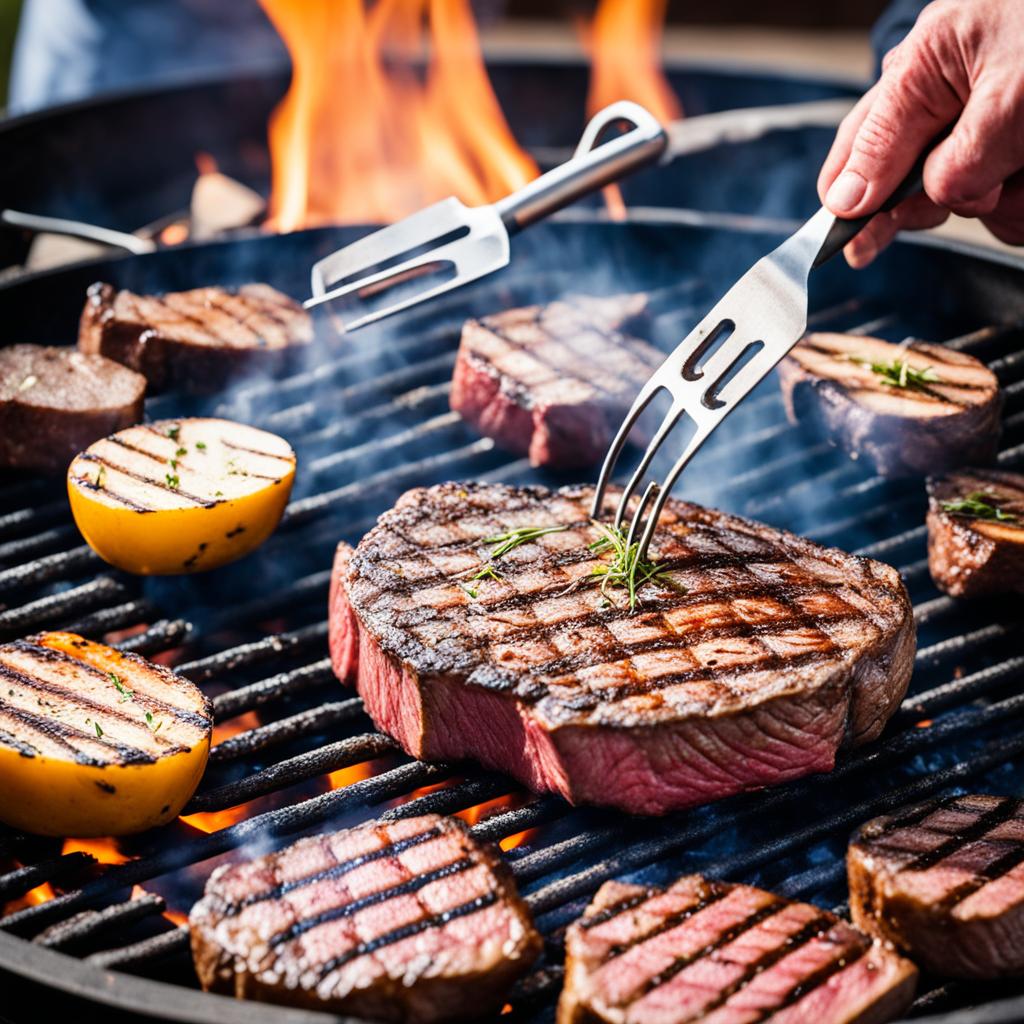
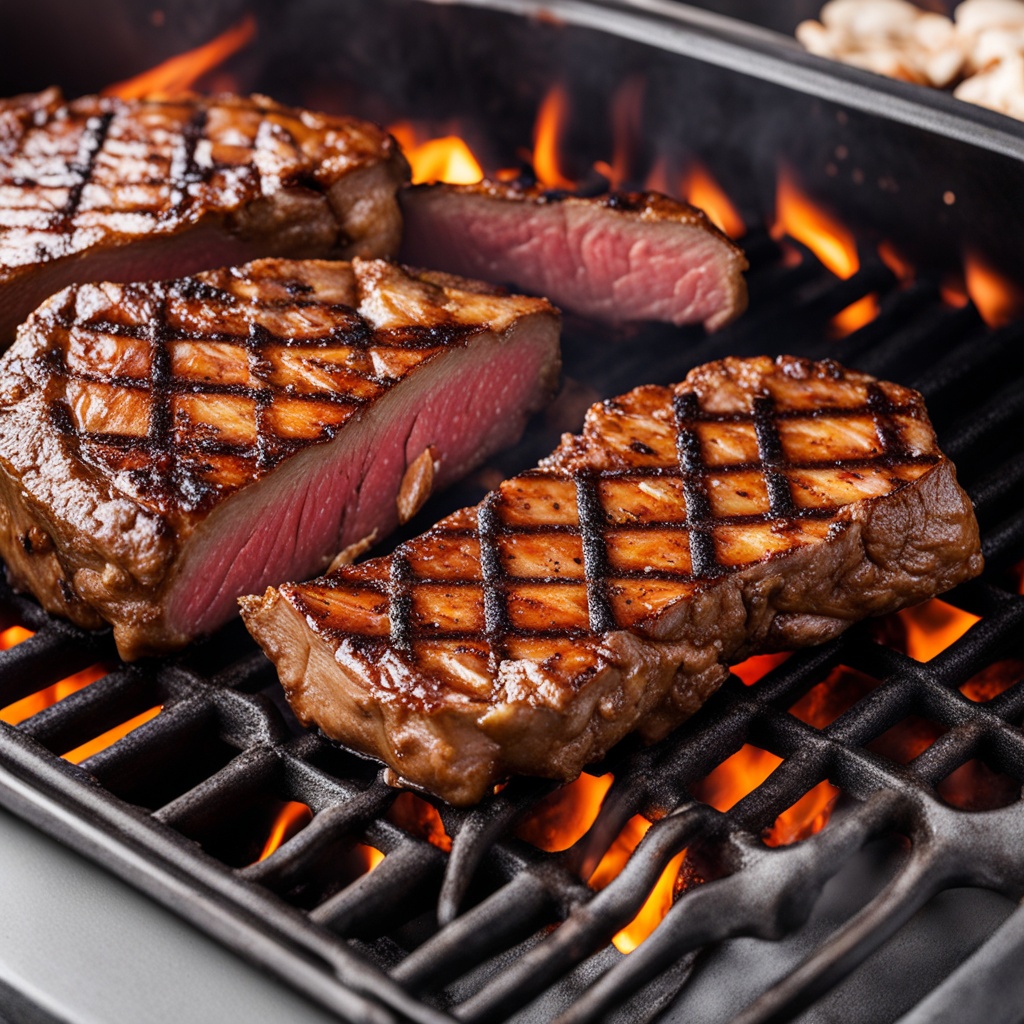
Grilling is a favorite way to cook Denver steak. It brings out its deep flavors well. Use a two-zone grilling method for the best experience. Have one side very hot for searing and the other cooler for slower cooking. This makes sure your steak cooks all the way through. It keeps juicy and gets that signature grill taste.
Pan-Searing for a Delicious Crust
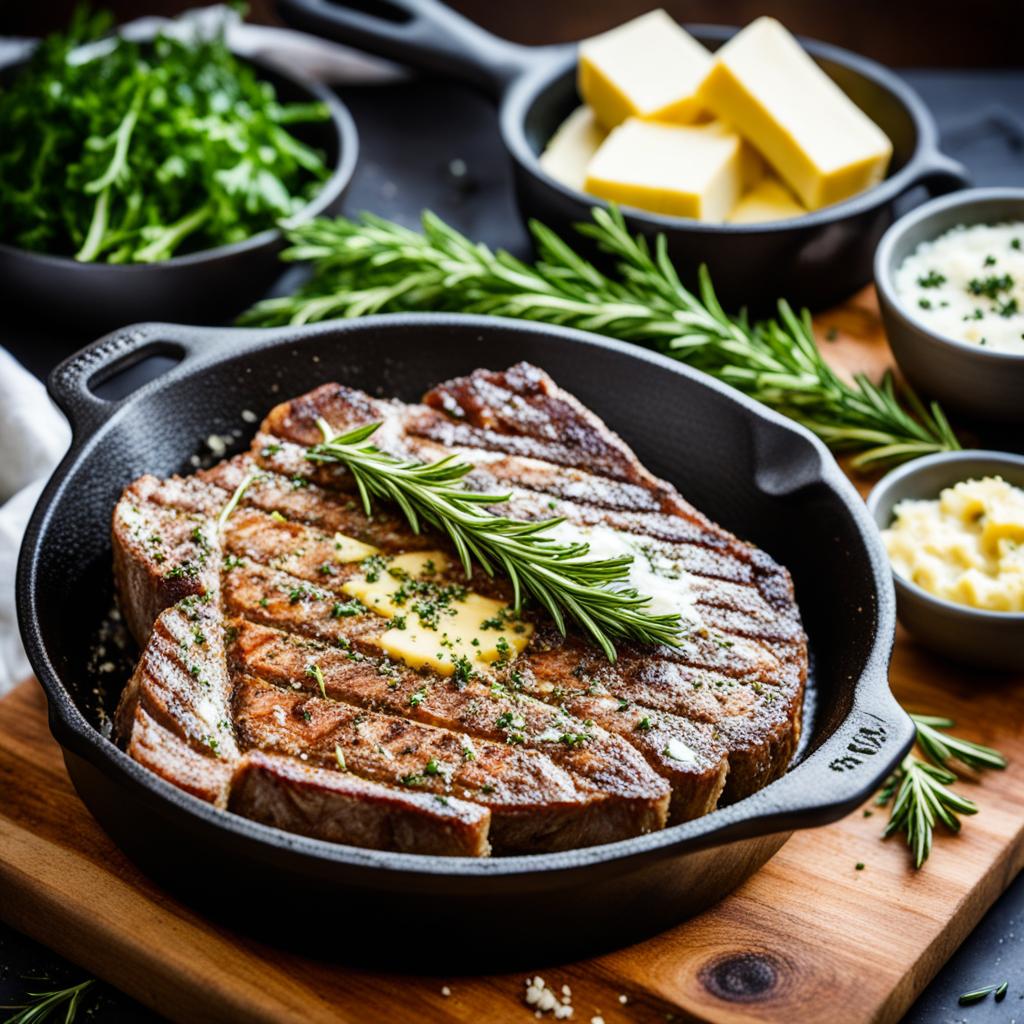
If you’re cooking inside, try pan-searing Denver steak. Use a hot cast-iron skillet for best results. Make sure it’s really hot and not too crowded with steak. This way, you get a nice crust that seals in the juices. It’s a quick way to cook steak with a lot of flavors.
Broiling for Convenience
Broiling is a good option if you can’t grill outside. Putting Denver steak under the broiler cooks it fast. You get a steak that’s crispy outside but still moist inside. It’s quick and easy, perfect for a busy night.
Learn more about making yummy steaks with different methods. Check out this comprehensive guide for more tips.
Grilling Denver Steak to Perfection
Grilling Denver steak needs careful attention to taste and texture. The two-zone grilling method lets you mix slow and fast cooking for better taste. Start by heating your grill to about 275°F for slow cooking. Then, transfer the steak for a quick sear.
Setting Up Two-Zone Grilling
To prepare your grill for two-zone cooking, do these things:
- Turn on only some burners or coals for indirect heat on one side.
- Leave the other side off for cooler, slower cooking.
- Put the Denver steak on the cooler side, flipping it now and then.
- When it’s almost done, move it over to get a tasty crust.
Understanding Ideal Cooking Temperatures
Knowing the right steak temperatures is key to grilling. Always use a meat thermometer for precise cooking. Here’s what temperatures to aim for depending on how done you like your steak:
- Rare: 125°F
- Medium Rare: 135°F
- Medium: 145°F
- Well Done: 160°F
Flavorful Variations on Classic Denver Steak
Exploring cooking styles from around the world can make Denver steak exciting. You can mix in global flavors for a special meal. For example, Greek marinades use olive oil and lemon for a fresh twist.
Or, you might try Asian touches like soy sauce and ginger. They add a great umami taste. Every international style turns a simple steak into a standout dish.
Global Cuisine Inspirations
Look to these global flavors to spice up your Denver steak:
- Latin American chimichurri, a vibrant herb sauce adding depth.
- Indian spices like garam masala for an exotic kick.
- Italian herbs blended with balsamic glaze for a Mediterranean flair.
Pairing with Unique Ingredients
Adding the right extras can lift the taste of Denver steak. Use fresh herbs, fancy butters, and rich sauces like Béarnaise. Such additions make your meal gourmet.
- Use fresh parsley or rosemary to brighten the dish.
- Top with herb-infused butter for a decadent touch.
- Serve with a side of red wine reduction for added elegance.
Denver Steaks vs Wagyu Denver Steaks
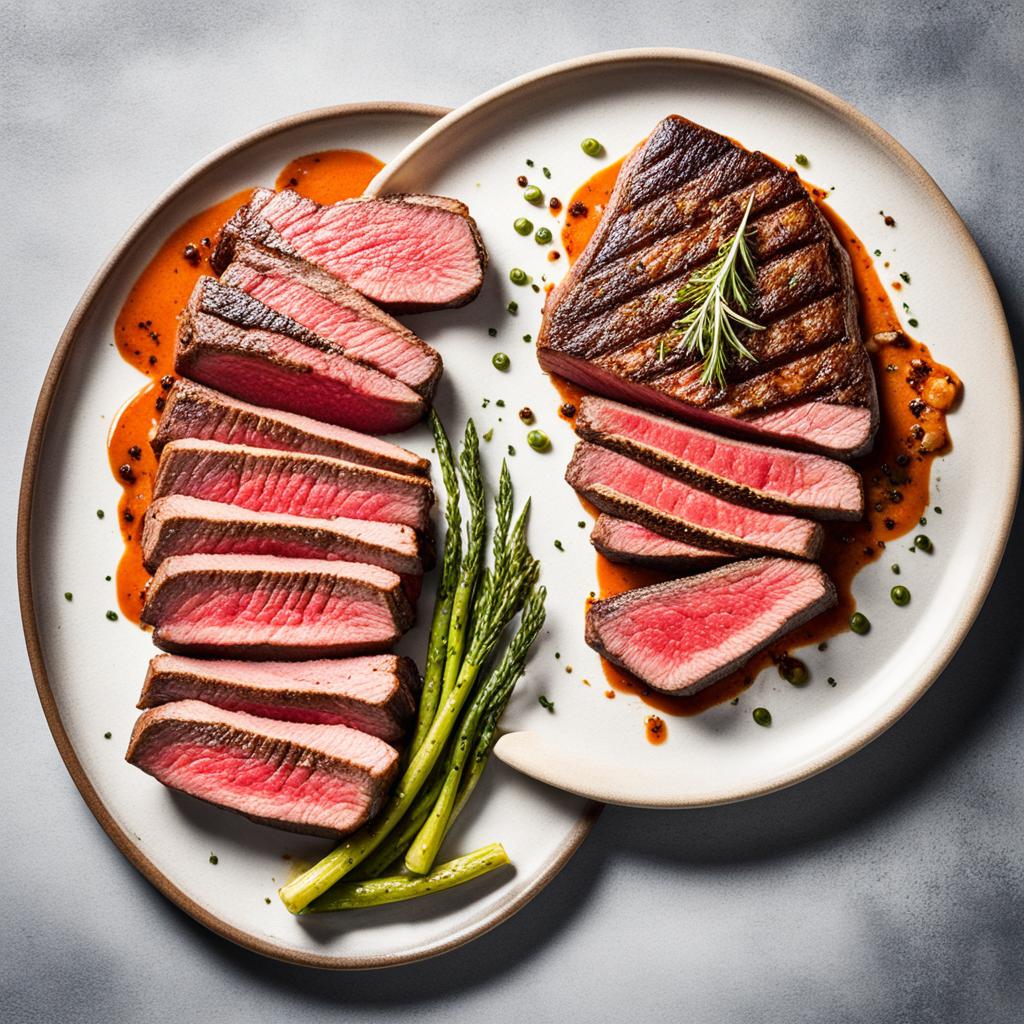
Denver steaks and Wagyu Denver steaks are similar since they both come from the chuck. However, they offer different dining experiences. Wagyu beef is famous for its incredible marbling and softness. This is thanks to the special way these cows are fed.
This type of fat makes the beef taste better and feel smoother in your mouth. It’s a unique feature of Wagyu beef. On the other hand, Denver steaks are known for their strong and satisfying flavor. They are a hit with steak lovers because of the great mix of taste and texture.
Going for Wagyu means opting for a luxury eating experience, which often costs more. Choosing between Denver and Wagyu depends on what you like and how much you want to spend.
No matter if you pick a regular Denver steak or a Wagyu Denver steak, both are great choices. They each provide a special dining experience. It’s all about what you’re in the mood for and your adventure in cooking.
Nutrition Information About Denver Steak
When you’re picking out your meals, it’s smart to look at what Denver steak offers. It’s not just tasty, but it’s also full of good nutrients. We’re going to talk about its calories, macros, and health perks.
Calories and Macronutrient Breakdown
A typical Denver steak has about 593 calories. It gives you a lot of protein and fat. This makes it a great food for anyone looking to get more nutrition from their meals:
- Protein: 43g
- Fat: 47g
- Carbohydrates: Negligible
Denver steak is rich in protein and low in carbs. This makes it a good fit for low-carb diets. For those wanting a balanced diet and a tasty steak, this beef is a good pick.
Health Benefits of Choosing Denver Steak
Picking Denver steak is not only about a tasty meal. It also helps you get strong muscles, which is great for active people or those wanting to stay fit. Plus, it has a lot of iron, which boosts energy and supports your body’s vital functions.
In short, Denver steak is packed with nutrition. It can really improve your diet while being delicious to eat.
Home Chef Tips for Cooking Denver Steak
To enhance your Denver steak meals, use some home chef tricks. They can improve both flavor and texture. Here are easy tips for cooking Denver steak that you can add to your cooking habits:
- Let your steaks warm to room temperature before cooking. It helps cook them evenly, preventing a cold middle.
- Use a meat thermometer to get your steak just right without overdoing it. Aim for about 135°F for medium-rare.
- Try dry brining your steak at least an hour before cooking. It boosts flavor and makes the steak juicier.
- For pan-searing, go with a cast-iron skillet. It keeps heat well and gives your steak a perfect crust.
- After cooking, let your steak rest for 5 to 10 minutes. It helps the juices spread out, making each bite taste better.
Using these easy chef strategies, you can make the most of delicious Denver steaks. You’re sure to wow your friends and family.
Serving Suggestions and Side Dishes
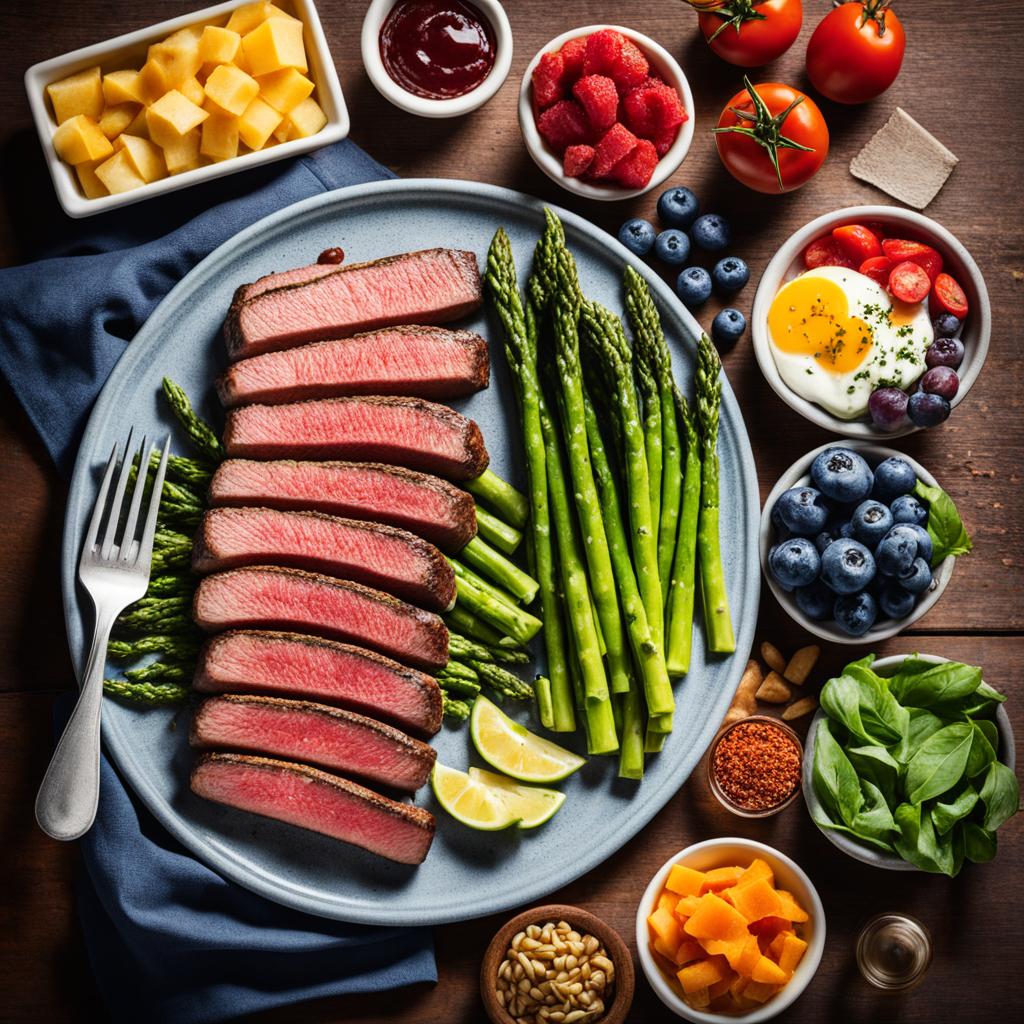
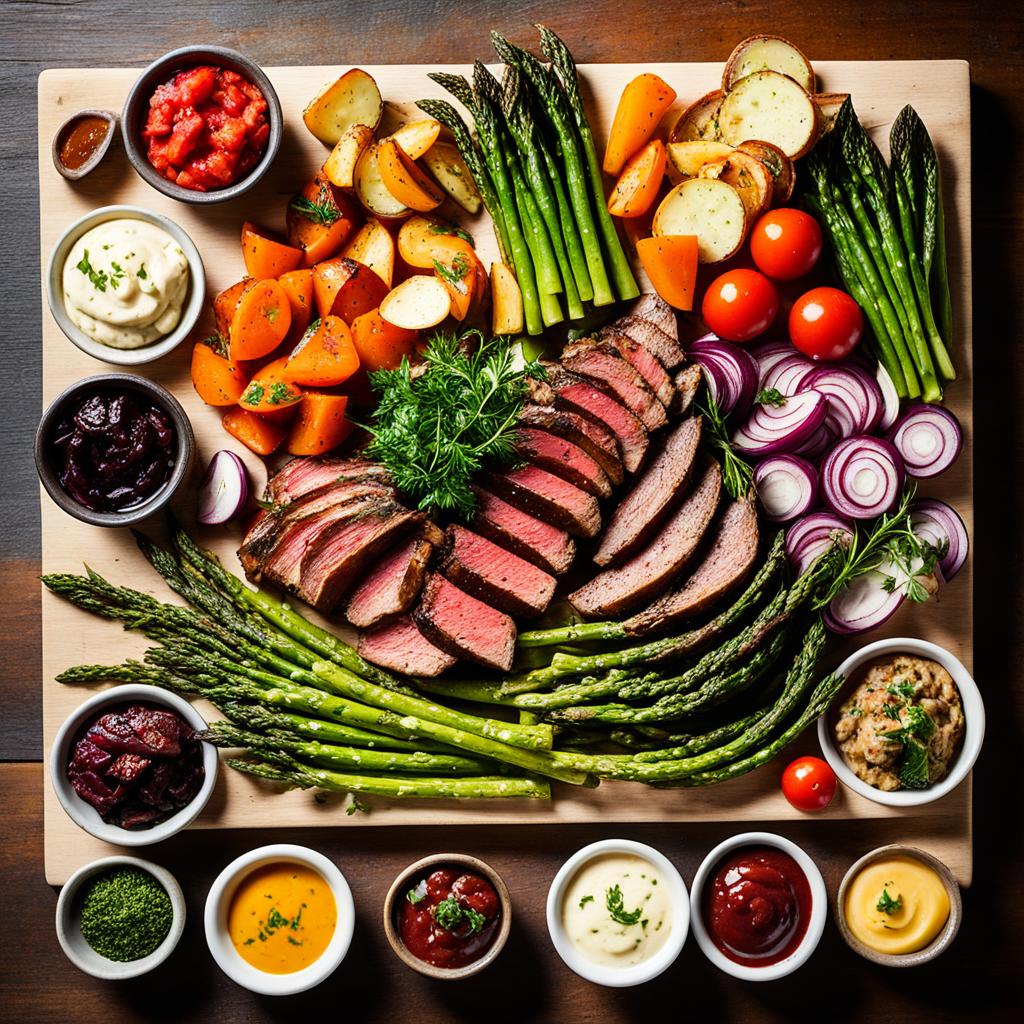
When serving Denver steak, think about adding perfect side dishes. These should really bring out the meat’s rich flavors. Garlic mashed potatoes are a classic pick. They add a creamy, savory taste to the meal. Roasted veggies give color and balance the meal’s richness.
A fresh salad is a refreshing addition. It blends mixed greens, cherry tomatoes, and a light dressing. Adding nuts or cheese can boost flavors and textures. This combo beautifully contrasts with the Denver steak’s richness.
For something heartier, baked potatoes or wild rice pilaf are great. These sides make the meal more satisfying. Everyone will want seconds. With these sides, your Denver steak meal will be memorable.
Elevating Your Denver Steak Experience
To truly lift your Denver steak game, try high-quality marinades. They boost flavors, turning a simple steak into a feast. Partner your steak with special toppings like compound butter. This adds flavor depth and a luxurious touch.
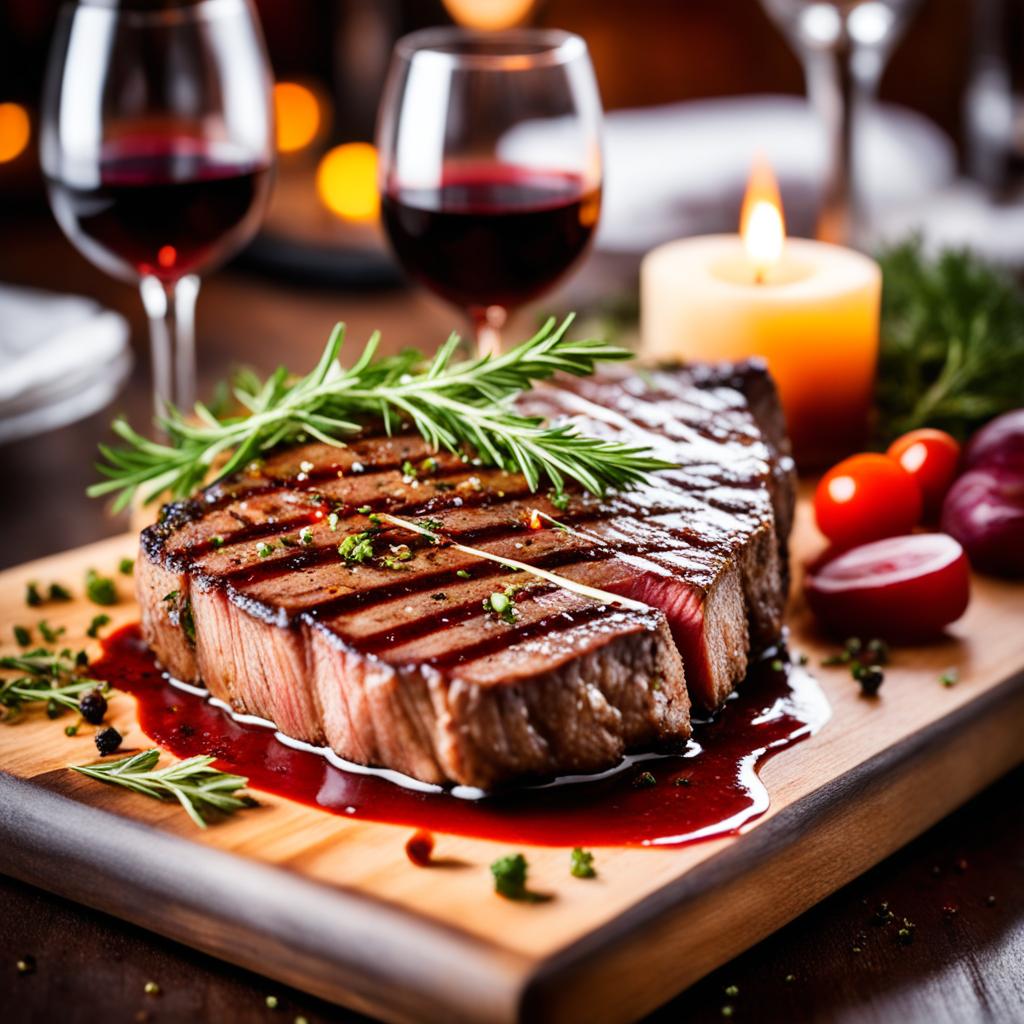
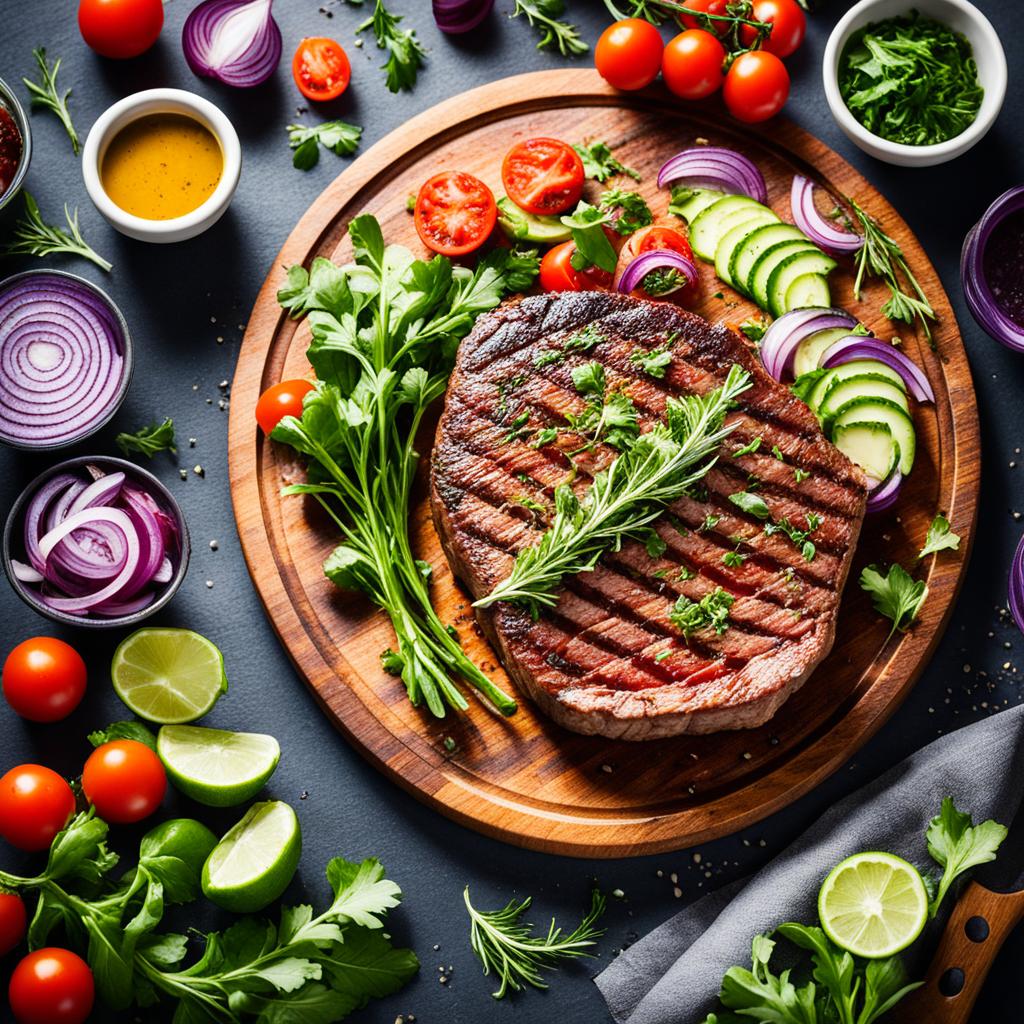
Adding particular wines to your meal raises the experience. A full-bodied red wine suits the steak’s rich tastes perfectly. Presentation is key in gourmet food; serve your Denver steak with style. It makes every bite better. Try garnishing with fresh herbs or use a chic platter for effect.
Get into gourmet cooking by using seasonal veggies or special sides. Roasting or grilling can enhance these sides, creating an unforgettable meal. Get your guests involved by sharing flavor tips. It makes dining together a celebration of taste.
Conclusion
The Denver steak is a flavorful choice for any meal, fancy or casual. It comes from a rich history and offers great taste along with health perks. This guide lets you have steakhouse-level dinners right at home.
Trying different ways to prepare and cook Denver steak can make your meals even better. You could grill it, pan-sear, or mix up the flavors. Each method highlights its unique qualities.
Delving into Denver steak’s world lets you enjoy its charm in every bite. With knowledge and creativity, you’ll get great at cooking it. This promises delicious dishes for you and your company.