
You’ve set your sights on the culinary Everest: achieving that steakhouse quality filet without leaving the cozy confines of your kitchen. Well, consider this your base camp because, with this trusty filet mignon recipe, you’re about to scale the flavor peaks with finesse. It’s time to tie on your apron and preheat your oven, as we walk you through how to bring home the sizzle, transforming your kitchen into a beacon of cooking steak at home excellence.
Remember, achieving that sublime oven-baked filet mignon doesn’t require a culinary degree—just a pinch of patience, a dash of daring, and this foolproof guide. Let’s crank up the heat and create an ambrosial experience that’ll woo your taste buds and humble brag your newfound prowess to the world. Strap in, steak lovers, you’re in for a mouthwatering journey.
Key Takeaways
- Discover the secrets to a perfectly cooked oven-baked filet mignon through a straightforward process.
- Learn how to master timing and temperature for a filet mignon recipe that guarantees success every time.
- Embrace the fundamentals of cooking steak at home and rival the quality of a high-end steakhouse.
- Understand the importance of letting your steak bathe in ambient heat for that coveted, even doneness.
- Enhance your meal with the finesse of complementary sauces and butters for a true steakhouse quality filet.
The Luxurious World of Filet Mignon
Imagine slicing into a tender filet mignon, the embodiment of culinary luxury right on your plate. This is no ordinary piece of beef – it’s the crown jewel of the beef tenderloin. Nestled in a cozy, non-weight-bearing corner of the cow, the filet mignon boasts minimal connective tissue, which gifts it that renowned buttery texture. Sure, it might fetch a price tag between $30 to $45 per pound – but remember, luxury doesn’t come cheap. And for those epicurean moments worth celebrating, it stands unsurpassed.
When you’re seeking that stellar steak experience, the criteria for selection are straightforward: the filet mignon should flaunt a deep red hue and a softness that whispers quality when you give it a gentle press. It’s not just beef; it’s an indulgence, the star of steak nights, and the main attraction of the most sophisticated dinner parties. Whether it’s a velvety tender filet mignon or the robust charm of a prime rib, the quest for exquisite red meat ends with these choices.
| Filet Mignon | Prime Rib |
|---|---|
| Supremely tender | Richly flavored |
| Less connective tissue | Beautiful marbling |
| Luxury pricing | Hearty portions |
| Premium dining occasions | Comforting splendor |
| Deep red, soft to touch | A bold, juicy delight |
Here’s the bottom line: you’re not just eating a steak, you’re treating yourself to an experience. Whether it’s for an anniversary, a significant milestone or simply to satiate your gourmet cravings, filet mignon is your go-to for an unforgettable feast.
Choosing the Perfect Cut: Tips from the Butcher’s Block
Have you ever gawked at a butcher shop window, mesmerized by the array of choices, and wondered how to select the best cut for your exquisite dinner plans? Worry not, as we’ve carved out some valuable tips to guide you through selecting filet mignon like a seasoned chef.
Deep Red Coloring and Textural Cues
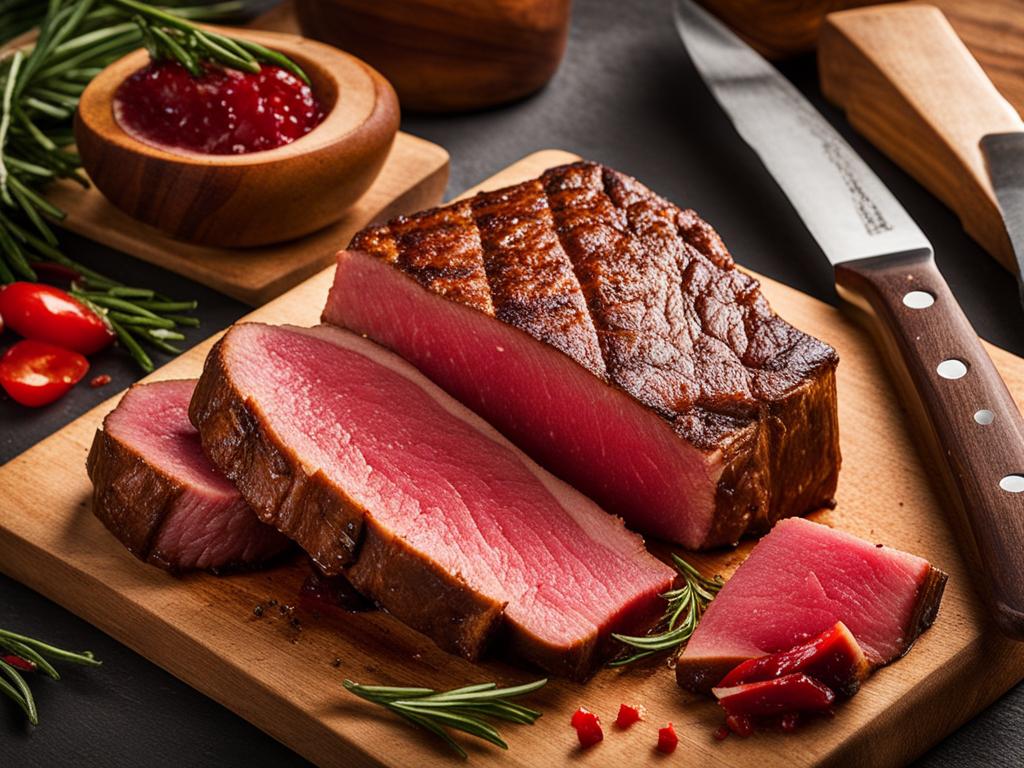
When it comes to steak quality indicators, the rich, deep red color of the filet mignon is your first tip-off to its freshness. Don’t be shy; give that steak a gentle poke! A high-quality cut should be soft to the touch, with minimal resistance, demonstrating the tenderness that filet mignon is renowned for. A cut above the rest lacks that pesky silver skin, a sign that your butcher knows their trade.
Finding the Right Size: Ounce-by-Ounce Breakdown
Next up, let’s talk steak sizing. If an 8-ounce filet mignon is your goldilocks portion – not too small, not too large – you’re on the mark. But remember, your ideal cut may vary depending on the occasion and personal preference. Here’s a quick breakdown:
- 6 ounces: Perfect for a light meal.
- 8 ounces: The classic choice that satisfies the most.
- 10+ ounces: For the hearty appetites or those feeling extra carnivorous.
Always remember, the thickness of the steak affects cooking time – the thicker, the slower it cooks. Keep this in mind if you want to dazzle with your culinary finesse!
Understanding Marbling and Its Impact on Flavor
Those little white lines crisscrossing through the steak like the work of a master painter? That’s steak marbling, and it’s the secret to a juicy, flavorful bite. USDA prime cuts tend to have more marbling – think of it as your cut’s intrinsic flavor map. Conversely, while grass-fed filet mignon might sport less marbling, they pack a unique flavor and are a tad leaner, appealing to the health-conscious gourmet.
By keeping these butcher’s tips in your back pocket, your chances of bringing home a prime cut leap from mere possibility to unequivocal certainty. If these tips have whetted your appetite for perfection, proceed to wield your newfound knowledge proudly as you confidently saunter down the butcher’s aisle. Your ultimate steak night awaits!
Seasoning Your Steak: The Key to Effortless Flavor
It’s time to elevate your filet mignon from merely good to utterly magnificent. And guess what? The magic lies in the seasoning. Sure, you’ve heard a zillion times about salt and pepper, but it’s not just about what you use—it’s also about how you use it. Let’s delve into some culinary techniques that will guarantee a crusty sear and flavors that dance on your palate.
Salting Strategically: When to Season
Don’t just sprinkle; rain salt and pepper on that steak with confidence. You’re not only seasoning; you’re commencing a process that will result in that glorious crusty sear we all crave. Place your steak out like it’s sunbathing—melting those salt and pepper seasoning granules for about 30 minutes at room temperature before it takes the plunge into the skillet.
The Simplicity of Salt and Pepper
Think of it as the little black dress of the culinary world—the classic, simple steak seasoning duo. Coarse salt and a battlefield of freshly ground black pepper are all it takes to accentuate the natural flavors of your high-quality cut. It’s a minimalist approach with maximum impact.
The Role of Basting Butter in Steak Perfection
Now, let’s talk about the sizzle before the steak. Butter basting is less of a step and more of an art. Combine unsalted butter, freshly plucked rosemary, and garlic cloves crushed by the weight of your culinary passion. Introducing this aromatic trio as the steak sears bathes it in moisture and luxuriousness, producing a steak that whispers sumptuous secrets to your taste buds.
Whether you’re a seasoned chef or a home cook with aspirations, it’s time to tango with these trusted techniques. So grab your rosemary and garlic, and let’s ready that skillet. After all, why settle for eating your steak when you can savor every bite?
| Ingredient | Quality | Purpose |
|---|---|---|
| Coarse Salt | High | Foundation of flavor and texture |
| Black Pepper | Freshly Ground | Aromatic spice that adds depth |
| Unsalted Butter | Pure | Carrier of flavor and basting medium |
| Rosemary | Fresh Sprigs | Herbal note that complements beef |
| Garlic Cloves | Fresh | Infuses butter with rich fragrance |
The Cast Iron Advantage in Steak Searing
When you’re in the mood for a steakhouse-quality sear right at home, the kind that makes your friends go “wow” when they see your Instagram post, then a trusty cast iron skillet is your go-to kitchen equipment. Considered the holy grail of steak searing, these pans are practically indestructible and can be passed down from generation to generation like a treasured family heirloom. But why, you might ask, is this heavyweight the reigning champ of the steak world? Let’s dive in.
First off, cast iron skillets have unmatched heat retention. This means that once they get hot, they stay hot, ensuring your steak gets an even and consistent sear that would make a professional chef nod in approval. A well-preheated skillet acts like a caramelization catalyst, creating a golden-brown crust that’s the stuff of culinary dreams. And if you ever wondered how to get that perfect sizzle sound that’s like music to the food lover’s ears, cast iron is your answer.
| Feature | Benefit to Steak Searing |
|---|---|
| Superior Heat Retention | Even, consistent cooking for the perfect crust |
| High Heat Tolerance | Can reach and sustain the temperatures needed for hard searing |
| Nonstick Qualities (when seasoned) | Easier release of steak, preserving the beautiful sear |
| Oven-Safe Composition | Seamless transition from stovetop to oven for finishing the steak |
But let’s not overlook versatility. Most kitchen wonders are one-trick ponies, but your cast iron skillet goes from stovetop to oven without breaking a sweat. This means you can start searing your steak on the cooker and then mosey on over to the oven to finish the cooking process. It’s this seamless continuity that makes cast iron a beloved staple for chefs and home cooks alike.
Fancy a crust that rivals the best steak restaurants? The answer is clear: get yourself a cast iron skillet. With it, you’re not just cooking; you’re creating a masterpiece. So go ahead, let your inner chef shine, and watch as that steak sizzles to perfection, leaving you with nothing less than a feast for the senses. And remember, the better your kitchen equipment, the tastier your results. Bon appétit!
Dialing In the Temperature: The Oven Factor
Before you even think about laying your filet mignon gently onto the rack, let’s turn up the heat on your oven knowledge. Preheating is your first step to steak success, as an oven set to a proper oven temperature is non-negotiable. But don’t sweat it; we’re not just heating willy-nilly. We’re aiming for the sweet spot of 400°F (200°C) to ensure not just even cooking, but a prime environment for your steak to reach its full, juicy potential.
The Right Heat: Setting Your Oven
Accurate cooking is as essential as a sharp chef’s knife. Be precise; be patient – that’s our mantra. Your steak deserves a fully preheated oven, where the ambient heat will work its alchemy on your meat. Trust us, you don’t want a lukewarm reception when it comes to cooking steak. So crank that dial, wait for the beep, and only then introduce your steak to its hot new friend.
Steak Doneness: A Guide to Temperatures and Timing
Remember, your slab of beef isn’t just another piece of meat; it’s a canvas waiting to be turned into a carnivorous masterpiece. And the key to getting that steak doneness just right? Temperature guide and cooking time. It’s the difference between a “meh” meal and a mouthwatering memory. Let us guide you through these pivotal numerical waypoints.
For the love of tender, succulent steaks, let the meat rest and carry over to its ultimate doneness destination. It’s like a power nap for your steak – emerging more relaxed and juicy.
Using a Meat Thermometer for Precision
Unleash your inner kitchen tools ninja and grab that instant-read thermometer. This gadget isn’t just for looks; it’s an essential sidekick. Jamming it right in the midst of your steak’s thickest part will give you an accurate reading that’s not just numbers – it’s the signpost to Flavortown.
Now, let’s break down the specifics with a handy table. Whether you’re in the realm of rare or wandering towards well-done, here’s how to nail it every time:
| Level of Doneness | Oven Removal Temp (°F) | Final Rested Temp (°F) |
|---|---|---|
| Rare | 115 | 120-125 |
| Medium Rare | 120 | 125-130 |
| Medium | 130 | 135-140 |
| Medium Well | 140 | 145-150 |
| Well Done | 155 | 160+ |
Don’t be shy with that thermometer; it’s as vital to your cooking ensemble as the pan you sear in. Remember, a watchful eye and an instant-read thermometer are all that stand between you and the perfectly cooked filet mignon – well, that and the right kitchen tools. So be vigilant, be willing, and always, always, be ready to go the extra degree.
From Stovetop Sizzle to Oven Mastery: The Cooking Process
Ever wonder how chefs at top steakhouses make their steak so irresistible? They master the transition from stovetop to oven steak like a well-rehearsed ballet. It’s time to unveil the curtain on cooking filet mignon with chef’s techniques that will revolutionize your kitchen game.
Imagine hearing that sizzle as your filet mignon kisses the hot skillet. It’s not just cooking; it’s an act of love for food, steering you toward culinary victory. Follow along, and let’s turn your kitchen into a steak temple.
- Heat that cast iron skillet until it’s smoking hot – it’s your stage for the first act.
- Place your seasoned filet mignon in the skillet, let it sear and form a crust that’s full of character and depth.
- Flip theatrically, and behold the golden sear – this is what steak dreams are made of.
- Baste with garlic, rosemary, and a generous amount of butter because, let’s face it, butter makes everything better.
After this show-stopping searing performance, it’s time for the oven to play its part. Here’s a foolproof timetable for cooking filet mignon that will ensure your steak is applause-worthy:
| Doneness | Internal Temp Before Oven | Resting Temp Goal | Oven Time (Approx.) |
|---|---|---|---|
| Rare | 90-95°F | 120-125°F | 4-5 min |
| Medium Rare | 105-110°F | 130-135°F | 5-7 min |
| Medium | 115-120°F | 140-145°F | 8-10 min |
| Well Done | 130-135°F | 160-165°F | 10-12 min |
This is no time for guesstimating; use a meat thermometer, and remember that trust is good, but control is better when you’re aiming for oven mastery.
And now, behold the most tantalizing sight: your beautifully basted filet mignon ready to grace the oven. Slide it in and let the heat gently wrap around the steak as it ascends to its final glory.
You’ve done it! You’ve harnessed the power of chef’s techniques and mastered the stovetop-to-oven transition like a pro. Now, take that victory lap around your kitchen and prepare for the standing ovation at your dinner table.
The Resting Ritual: Patience for Perfection
Imagine this: you’ve just cooked your steak to what seems like the peak of perfection—a sight to incite pure envy in the hearts of steak lovers everywhere. But hold your horses! Before you slice into that beautiful hunk of beef, you must master the sacred art of steak resting. Yes, my friend, the magic happens not just in the oven, but also on the countertop.
Why Resting Your Meat is Crucial
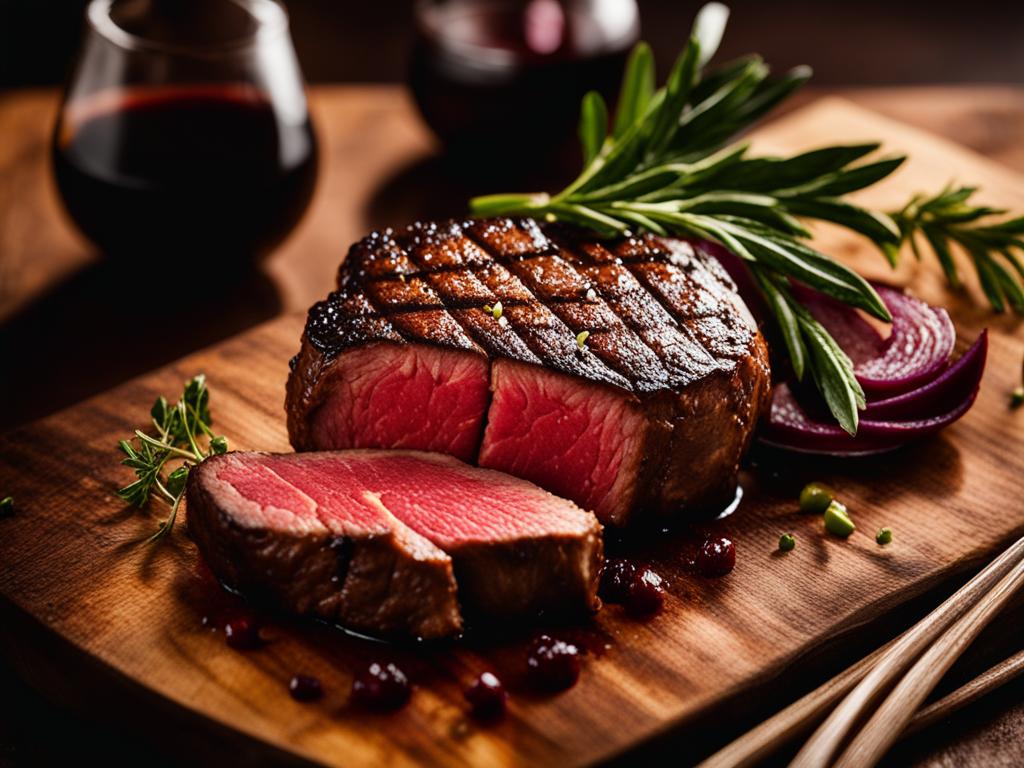
A filet mignon is not just a piece of meat; it’s a canvas on which you’ll paint your culinary masterpiece. The steak resting period allows for carryover cooking, a gentle nudge to bring your steak to that picture-perfect serving temperature. It’s an encore in the symphony of cooking—a chance for the heat to gently distribute throughout the steak.
Moreover, unless you want your plate to look like a crime scene, allowing steak to rest is pivotal for juice retention. This is the pause that lets the juices mellow out and redistribute, ensuring each bite is as succulent as the last. Resting makes the difference between a good steak and a steak that has your guests whispering sweet nothings to their cutlery.
Serving Temperatures: The Final Touch
The final hurdle lies in hitting the bull’s-eye on the temperature gauge. From the blue rare enthusiast to the “no-pink” petitioner, every degree counts. Below is a guideline to help you present your filet mignon at the epitome of its tastiness:
| Doneness Level | Internal Temp (Before Resting) | Internal Temp (After Resting) |
|---|---|---|
| Rare | 115°F | 120°F – 125°F |
| Medium-Rare | 120°F | 125°F – 130°F |
| Medium | 130°F | 135°F – 140°F |
| Medium-Well | 140°F | 145°F – 150°F |
| Well-Done | 155°F | 160°F and above |
Why obsess over these numbers? Because they’re your secret weapon in achieving the sorts of steak textures that cause involuntary sighs of satisfaction. Through precise resting, your steak will grace the plate with the poise of a prima ballerina—each fiber tender, but with just the right amount of resilience to remind you: this, dear diner, is the real deal.
Do remember, the diamond in the crown of any steak worth its salt is the culinary presentation. After the ritual rest, unveil your masterpiece with confidence. Your guests should feel like they’ve been given a front-row seat to the most decadent of feasts, where the filet mignon is not just cooked, but artfully crafted. Rest assured, steak resting isn’t mere folly—it’s your ticket to the zenith of meat-preparing mastery.
Filet Mignon in Oven: Your Step-by-Step Guide
Gearing up for a gastronomical delight right in your kitchen? Well, strap in, chef, because this complete cooking guide is about to turn you into a filet mignon maestro! Whether you’re a budding home cook or a seasoned culinary warrior, these filet mignon instructions are your golden ticket to a sensational home-cooked steak that rivals any five-star eatery. Let’s jump into this delectable home cook tutorial and get that steak sizzling to perfection!
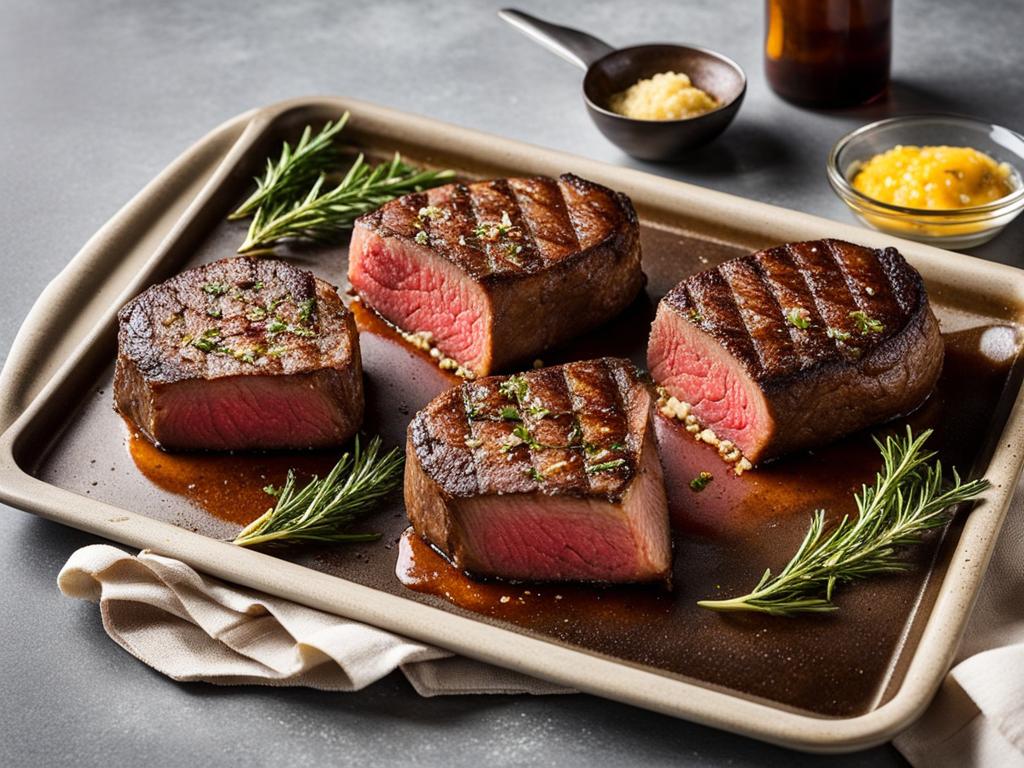
First things first, crank that oven up to a scorching 400°F (200°C) to get things heated. While the oven’s getting fired up, let’s give that succulent steak a good old-seasoning rub with some sea salt and freshly cracked pepper – don’t be shy, let those crystals rain down!
- Preheat your oven to 400°F (200°C).
- Season both sides of your filet mignon with salt and pepper.
- Heat your trusty pan (cast iron for the win) over high heat until it’s screaming hot.
- Just a touch of oil, and let it shimmer like a desert mirage.
- It’s searing time! Place your steak in the pan, listen to that sizzle, and sear to a golden-brown elation.
- Flip the steak over to a chorus of more sizzling – it’s music to a carnivore’s ears.
Oh, and because we are all about that flavor, grab a knob of unsalted butter and toss in some rosemary and garlic for a basting bonanza. Spoon that melty mixture over your steak, and soak in the aromas – we’re getting fancy up in here.
Remember, dear meat maestro, patience is the secret seasoning of every astonishing chef out there.
| Step | Action | Notes |
|---|---|---|
| 1 | Preheat Oven | 400°F (200°C), let it come to temperature fully |
| 2 | Season Steak | Generous salt and pepper |
| 3 | Heat Pan | Cast iron for even heat distribution |
| 4 | Add Oil | High smoke point oil preferred |
| 5 | Sear Steak | 2-3 minutes each side for that perfect crust |
| 6 | Baste with Butter Mix | Unsalted butter, garlic, and rosemary infusion |
| 7 | Finish in Oven | Transfer pan to oven, bake to desired doneness |
As that final magical step unfolds in the oven, transforming your filet mignon into a tender, crusty work of art, why not pour yourself a glass of something red and spectacular? By the time you take your first sip, it’ll be time to pull that masterpiece out of the oven and into your culinary hall of fame. Salut!
Elevating Your Meal: Compound Butters and Sauces
Imagine the perfect steak: juicy, flavorful, and just begging to be savored. Now, amplify that experience with the magic of homemade compound butter melting over the top, or perhaps a drizzle of creamy béarnaise sauce. We’re diving into the world of gourmet steak toppings that will transform your home-cooked filet mignon into a feast that tantalizes your taste buds with every bite.
Crafting Compound Butter: Flavor Enhancing Tips
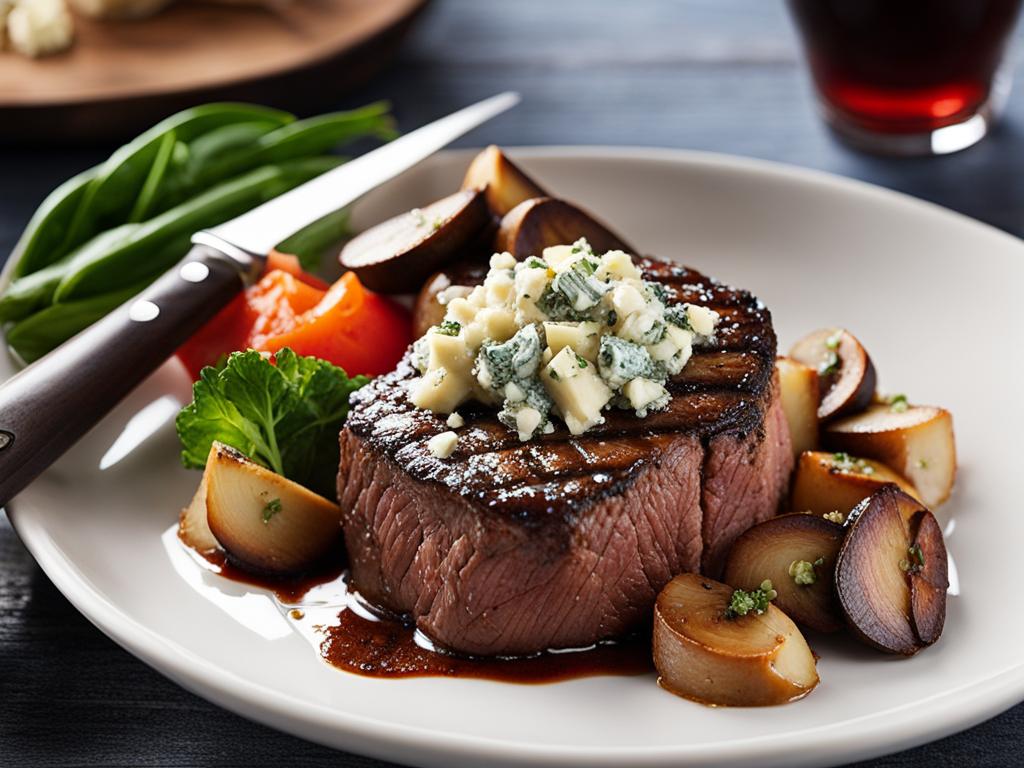
Unleash your culinary creativity by combining unsalted butter with an array of herbs, spices, and other flavorings to create your own trademark compound butter. Whether you opt for the brightness of citrus zest, the bold punch of roasted garlic, or even the indulgent tang of blue cheese, these butters will create a luxurious cascade of flavor that perfectly complements the natural richness of your steak.
Béarnaise and Beyond: Exquisite Toppings for Filet Mignon
Let’s not forget the classic béarnaise—its velvety texture and subtle tang is a time-honored favorite to enhance steak flavor. Don’t shy away from variations such as a peppercorn reduction or a hint of tarragon to give your sauce a personal twist. Gourmet additions like sautéed mushrooms, crispy fried shallots, or a dollop of truffle-infused butter can seal the deal, launching your filet mignon into the stratosphere of high-end dining experiences right at your dinner table.
Leftover Love: Storing and Reheating Your Steaks
Let’s talk about what happens when your eyes are hungrier than your belly. You’ve enjoyed that delectable filet mignon but, alas, you’re blissfully stuffed. Don’t let that steak’s future sizzle out in despair—embrace the art of steak storage and resurrect it like a pro with these refrigeration guidelines and reheating techniques. The key to maintaining steak quality is handling leftovers with a little TLC, so you can relive the magic bite for bite.
Maximizing Freshness: Tips for Storage
When your savory encounter has come to a pause, proper storage plays the starring role in the encore performance of your steak. To guarantee freshness, swathe your cooled filet mignon with affection, sealing it in a freezer-safe love note (also known as a zipper bag with the air pressed out).
- Refrigerate promptly after your meal – your fridge is where steaks chill out for a short stay of 4 to 5 days.
- Freezer tips for the long haul – a frozen steak can be your future delight up to three months down the romantic road.
Reheating Without Sacrificing Quality
Darling, the path to savoring your steak once more requires gentle warmth. Thaw your frozen beauties in the fridge, slowly bringing them back to a pliable tenderness. Then, employ microwave techniques that should be swift and sparing—think of it as a quick embrace to heat the meat. A minute or two is all you need to enkindle the romance without overcooking your beloved.
- Thaw steak in the fridge overnight – anticipation is the essence of pleasure, is it not?
- Reheat with care – just a touch of microwave magic to revive the warmth without diminishing its spirit.
There you have it, epicurean aficionados—a fillet’s tale doesn’t end at the last bite. With a dash of foresight and the finesse of proper reheating, you’ll be savoring yesterday’s luxury all over again, as exquisite as the first rendezvous.
The Perfect Pairing: Choosing Your Sides
When you’re aiming for that impeccable steakhouse night in, remember that steakhouse side dishes are essential to round off your culinary masterpiece. Think of your oven-baked filet mignon as an esteemed lead actor, which, while superb on its own, truly shines with a strong supporting cast. The magic of complete meal planning lies in harmonizing your main with classic pairings that elevate your dining experience.
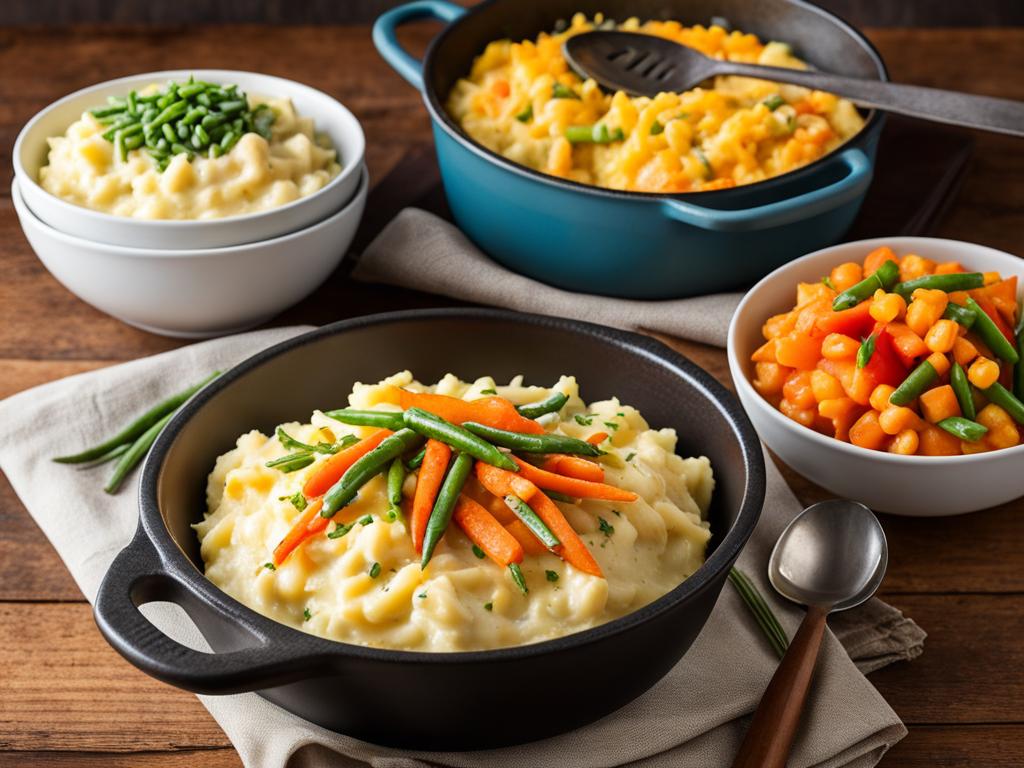
Concocting the perfect set of side dishes is both an art and a science. You want contrasting flavors and textures to complement the succulent, tender steak—therefore, variety is key. Let’s construct your ideal plate with a table of side options that are not just fillers, but headliners in their own right:
| Side Dish | Flavor Profile | Texture | Pairing Notes |
|---|---|---|---|
| Garlic Mashed Potatoes | Creamy with a hint of sharpness | Smooth with buttery chunks | Richness complements steak’s umami |
| Roasted Brussels Sprouts | Earthy with a touch of caramelization | Crispy outside, tender inside | Charred notes match the steak’s sear |
| Sautéed Asparagus | Grassy, mildly nutty | Snappy, al dente | Lightness balances hearty steak |
| Blue Cheese Wedge Salad | Tangy, with a creamy funk | Crisp, juicy, with creamy dressing | Fresh, bold contrast to the savory steak |
| Grilled Corn on the Cob | Sweet, smoky, buttery | Juicy kernels with a bite | A hint of sweetness cuts through the fat |
In your quest for epicurean bliss, don’t shy away from being bold. Pair your filet mignon with sides that not only satisfy hunger but also spark conversation. Those garlicky potatoes and caramelized Brussels sprouts don’t just fill the plate; they intrigue the palate and complement the main event to perfection. Bon appétit!
Conclusion
Embarking on the culinary journey of cooking the quintessential steak transforms your kitchen into a beacon of home cooked steak satisfaction. You’ve learned that bringing the steakhouse experience to your home reaches beyond merely satisfying your taste buds—it fosters an atmosphere of refinement and comfort. The allure of searing and basting to create that perfect filet mignon is no small feat, yet you’re capable of achieving it, all without stepping foot outside your abode.
Your Home Steakhouse: Reflections on the Perfect Steak
Ponder the aroma of a well-seasoned steak sizzling in your skillet. It’s a testament to the tender care and precision you’ve invested. Each slice, a reminder of the high-quality indulgence you’ve mastered—rivalling the elite chefs of prestige steakhouses. It’s a moment that swells with pride, knowing your culinary expertise has reached new heights, right from the comfort of your own kitchen. With every bite, you relish in the fruits of your labor, realizing that a filet mignon worth its salt is achievable at your very own hearth.
Parting Thoughts and Additional Resources
But why stop here? As you journey forward, carry with you the wealth of home chef tips and recipe resources curated for your continued exploration. Share your victories and insights with a community eager to learn, who appreciates the art of a succulent steak. Remember, perfection in the kitchen is not a destination; it’s a merry procession of discovery, technique, and flavor. So, keep your pan hot, your butter basted, and your recipes close—your culinary expedition has just begun!
FAQ
What’s the secret to creating that steakhouse quality filet mignon at home?
Ah, culinary alchemy at its finest! The steakhouse magic at home is all about the three-step tango: sear that baby, baste it with love, and let the oven do its slow dance to perfection. Don’t forget your instant-read thermometer; it’s your wand for that enchanting doneness.
How do I pick a tender filet mignon at the store?
It’s like choosing your dance partner – look for deep red color, soft texture, and absence of silver skin. These sultry cues mean it’s ready for a tenderloin tango!
What’s the ideal size for a serving of filet mignon?
Picture this: about 8 ounces of luscious beef that’s thick enough to sear yet manageable to devour. The ounce-by-ounce breakdown, my friend, is a matter of personal taste and how ravenous your belly’s orchestra is playing.
How essential is marbling to the flavor of my steak?
Marbling is like the sizzle to your steak; it’s the divine interplay of fat within the lean that serenades your palate. Aim for USDA prime for a high-fat concerto or the choice cut for a budget-friendly duet.
Do I really need to let my steak rest before seasoning?
Oh, absolutely! Letting it sit at room temperature is like letting it bask in a spa before the sear. This little break elevates your seasoning symphony to a crescendo!
Why should I consider using a cast iron skillet for searing my filet mignon?
A cast iron skillet isn’t just cookware; it’s your trusty stage. It’s all about that magnificent heat retention and even distribution that makes your filet mignon the star of the show.
What’s the perfect oven temperature for cooking filet mignon?
The golden ticket to flawlessness lies at 400°F (200°C). It’s hot enough to embrace your steak in a toasty oven hug without being too fervent.
How do I use a meat thermometer to achieve the perfect doneness?
Thrust that thermometer into the thickest part like you’re searching for its heart. The numbers don’t lie; they’ll lead you to the promised land of rare, medium-rare, or whatever tickles your fancy.
What’s this resting ritual all about, and why must I practice patience?
Resisting the urge to slice immediately is a testimony of your love for steak. Allowing it to rest is like a goodnight kiss that ensures a juicy wakeup. The wait is the hardest part, but oh, the rewards are juicy!
Can you give me some pointers on crafting compound butter for my filet mignon?
Imagine your filet mignon luxuriating under a blanket of flavored butter. A union of unsalted butter with your favorite herbs and spices – think of it as a buttery brush to paint your masterpiece!
How do I store and reheat leftover steak without losing its sublime taste?
Keep it in the fridge for a short-term encore or lay it gently in the freezer for a later gig. Reheat with the gentle caress of the microwave, just enough to warm, not cook, your prized possession.
What are some fail-proof sides that will complement my filet mignon?
Pairing your filet mignon is like composing a harmonic melody – roasted veg for earthiness, mashed spuds for comfort, or a fresh salad for a crunch. It’s about creating that ensemble where every player shines.