
Ever stood by the grill, spatula in hand, pondering the mysteries of the universe—or at least how to grill filet mignon to juicy perfection? Fear not, intrepid grill master! Your quest to conquer the elusive art of cooking steak on the grill, with an emphasis on those coveted 2” filet mignon cook times, is about to reach a sizzling resolution.
First, let’s shed the apron of ambiguity; when we speak of “filet mignon,” we’re not just tossing around snazzy French to impress your dinner guests. We’re delving into a symphony of flavors that, when done right, will summon high-fives from taste buds you didn’t even know existed. Setting up for success means understanding that precision, patience, and a smidge of bold culinary bravado will guide you through the process. Now, grab your tongs—let’s fire up the grill!
Key Takeaways
- Understanding your filet’s finish: Know those ideal temperatures to aim for each level of doneness, from rare to well-done.
- Selecting the steak: Aim for 2-inch thick cuts sourced from top-notch, grass-fed cattle for that supreme taste and tenderness.
- Timing is everything: Develop a nuanced sense of grill filet mignon cook times—each moment counts towards achieving that impeccable crust.
- Seasoning makes the steak: A dash of salt and a sprinkle of pepper might just be enough, but for the daredevils, a custom rub awaits.
- Grill mastery: High heat and knowing your grill’s hot spots are the tickets to those Instagram-worthy grill marks.
- Rest before you ingest: Always allow your steak that crucial rest time, letting it reach the pinnacle of juiciness and flavor.
Selecting the Perfect Cut: The 2″ Filet Mignon
When it comes to savoring the ultimate steak experience, the quality meat source reigns supreme. Imagine sinking your teeth into a juicy, grass-fed filet mignon that has been expertly grilled to perfection. But hold your grilling tongs! Before you even think about firing up the grill, let’s talk about the canvas for your culinary art—the filet mignon itself. Here’s the cut to the chase on selecting a premium steak selection that promises flavor galore.
First and foremost, a mighty fine steak begins with its origins. You’ll want to zero in on a cut that’s both 2 inches thick (talk about a hearty portion!) and boasts an enviable resume. Think grass-fed, grass-finished, and raised without synthetic hormones or antibiotics—just pure bovine happiness. Moreover, if it’s certified as 100% born, raised, and harvested in the USA, you’re on your way to a star-spangled steak. These claims aren’t just chalkboard décor for your trendy local butchery; they’re the hallmarks of a top-tier, quality meat source.
- Grass-fed and grass-finished beef often provides richer flavors and better nutritional value.
- Choosing beef without synthetic enhancers means the true taste shines on your palate.
- Steaks that hail from regenerative agriculture practices also help our dear planet.
So, ready to hunt down the best cut for your grill fest? Pack this guide with you, and let your discerning palate lead the way. To honor the noble quest of grilling that utterly delectable, grass-fed filet mignon, select nothing less than the cream of the crop. And remember, a discerning chef starts with impeccable ingredients for an unmatched feast!
Understanding Steak Doneness: A Temperature Guide
Imagine you’re at the grill, armed with a tongs of precision, aiming to conquer the elusive perfect steak. The difference between an amateur and a grilling virtuoso lies in the mastery of steak doneness levels. Whether aiming for a rare filet mignon, with its signature cool red center, or a well-done treasure boasting a firm brown interior, the key to your success is the knowledge of ideal internal meat temperatures.

Let’s break it down with a steak doneness chart that will guide you through the temperatures like a map to buried treasure. Remember, these numbers are more than mere suggestions—they are your path to culinary glory. And don’t rely on the force of instinct alone; a trusty meat thermometer will be your compass to ensure you hit the mark perfectly. Look closely, your filet mignon temperature guide is here:
| Doneness | Temperature | Texture & Color |
|---|---|---|
| Rare | 120-125°F | Cool red center |
| Medium Rare | 130-135°F | Warm red center |
| Medium | 140-145°F | Warm pink throughout |
| Medium Well | 150-155°F | Slight pink inside |
| Well Done | 160°F and above | Brown throughout |
Armed with your newfound knowledge, approach your grilling stage with confidence. Each level of doneness is a character in your carnivorous play, and only you, the director, can decide who gets the spotlight on the plate tonight. Now, go forth and bring those ideal internal meat temperatures to life. Your audience awaits with bated breath and ready forks!
Preparation: Herbs and Seasonings for Filet Mignon
Imagine the stage is set. Your prime cut of filet mignon sits at the center, waiting for the magic to begin. As a culinary artist, you understand that steak seasoning is not just a sprinkle and a dash; it’s an orchestrated play designed to enhance steak flavors, setting up your filet mignon for a standing ovation on your taste buds.
Classic Salt and Pepper
The simplicity of salt and pepper often deceives the undiscerning. We’re here to tell you, faithful griller, that this classic duo, with their power to enhance the natural succulence of beef, can raise your steak game. When thinking of steak seasoning, don’t underestimate this timeless pair. Use flaky sea salt and freshly cracked black pepper for a crust that sings of the sizzle.
Herbs that Enhance Beef Flavors
A small green garnish is your secret ticket to amplifying the richness of the filet. Fresh rosemary and thyme not only create an aromatic halo around your steak but they invite a subtle, earthy twist to the flavor party. These herbs, robust and resilient, are made for the high heats your grill has to offer.
Marinades vs. Dry Rubs: What’s Best for Filet Mignon?
You may find yourself at the crossroads of marinade meadows and rubbing it right with dry rubs. Here’s the deal: marinades tenderize and moisten but may mask the merry meat taste. Dry rubs, on the other hand, form a delightful crust, seeping spices and garlic goodness into the steak, delivering an intense taste without the cloak of liquid disguise. But remember, my fellow filet fervent, if you want your filet mignon rub to truly befriend the beef, time is of the essence. Season it an hour before for that perfect dinner theater.
Let’s break it down on the flavor runway:
| Seasoning Type | Flavor Profile | Texture Contribution | Best Application Time |
|---|---|---|---|
| Salt and Pepper | Fresh, Bold | Crust Formation | Just before grilling |
| Herbs | Earthy, Aromatic | Subtle Flavoring | Mixed in the rub or sprinkled after grilling |
| Marinades | Varies by ingredients | Tenderization & Moisture | 1 hour to overnight |
| Dry Rubs | Rich, Intense | Bold Flavor Infusion | 1 hour before grilling |
Armed with this knowledge, let us bestow upon our filet mignon the royal treatment it truly deserves, lavishing it in seasoning that excites the palate. The perfect steak awaits. Ready, set, season!

Grill Preheating Tips: Starting Your Filet Mignon Right
Ready for a juicy, drool-worthy filet mignon experience? Grill preheat is your first and most critical step towards tantalizing steak perfection! Get your grill fired up to an optimal steak grilling temperature, around the sweet spot of 450°F. Hold your horses, though! Let that heat build up for a solid 10-15 minutes before you even think about laying your steak on the grates. Patience here isn’t just a virtue; it’s a necessity for that golden-brown, mouth-water charm.

Remember, your grilling setup is now your temple. Keep those grates pristine with a trusty grill brush assembly, because clean grates mean stellar grill marks. And a little pro tip: give them a gossamer brush of oil to prevent any tragic sticking incidents. By following these grill preheating commandments, you’re all set to embark on a steak grilling crusade that’ll have your filet mignon donning the perfect crust while keeping its tender soul intact.
- Achieve the high heat ambiance with preheat finesse
- Embrace the waiting game and let the grill sizzle
- Maintain the grilling temple: cleanliness is next to grill-godliness
- Anoint the altar of grates with oil for non-stick grace
Dive into this grilling escapade like the grillmaster you are, armed with these trusty tips. The sweet symphony of perfect preheating will sing through each slice of your impeccably grilled filet mignon. Fire up and grill on!
Mastering the Sear: Technique for Grilling Filet Mignon
Hey there, grill aficionado! Ever wonder how to get that perfect, restaurant-quality sear on your filet mignon that makes your taste buds do the tango? It’s all about high heat and a savvy understanding of your grill’s layout. First things first, we’re turning up the heat to transform your searing filet mignon game from ‘meh’ to ‘magnificent’!
Achieving Perfect Grill Marks
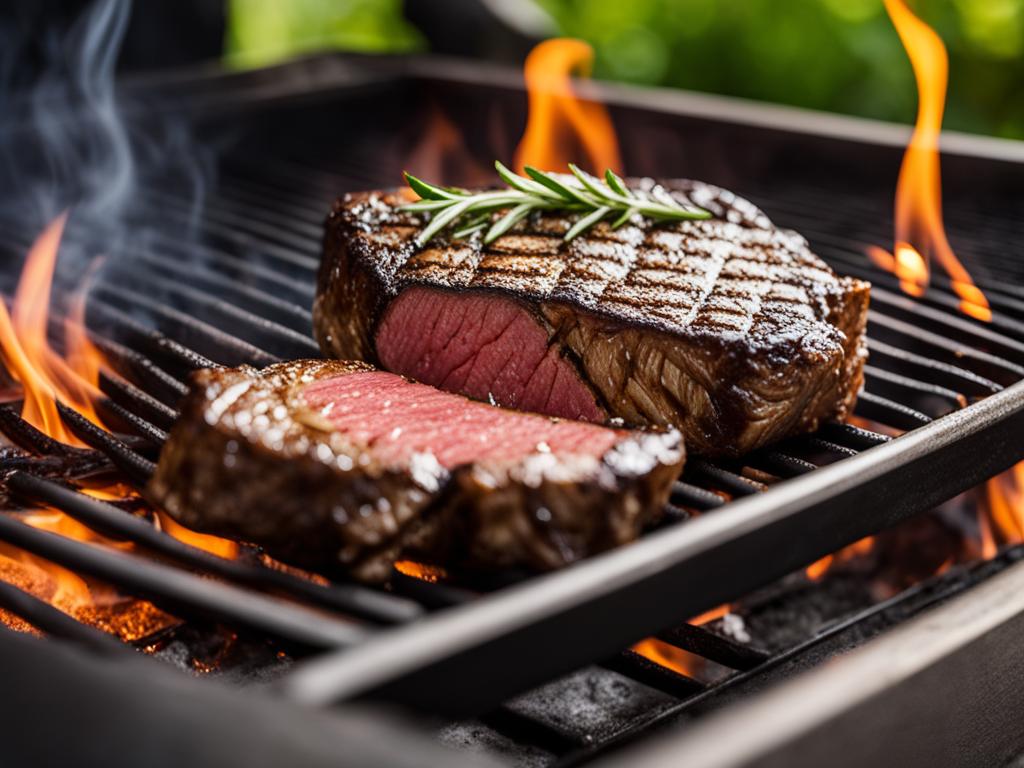
To kick things off, let’s talk about grilling technique. It’s showtime for the main event—those coveted, envy-inducing grill marks. Lay your steak on the grill grates and do not—repeat, do not—move it for 2-3 minutes straight. This allows the meat to develop those handsome, browned lines of beefy goodness. All you need is patience and a pair of tongs at the ready. And remember, it’s not just about looks; those marks are flavor gold mines!
Understanding Heat Zones on Your Grill
Your grill is a stage, and every actor must know their spot to shine. For searing filet mignon, you’ll need to embrace the concept of heat zones on your grill. Set up a stage where the flames are hot enough to give a pop star’s pyrotechnics a run for their money—that’s your hot zone for searing. But, have an area that’s as cool as a lounge singer for slower, indirect cooking—this is essential to avoid overdoing your delicate steak while still aiming for a juicy, pink center.
| Grill Zone | Temperature | Use |
|---|---|---|
| Hot Zone | Over 500°F | Searing Steaks |
| Indirect Zone | 350°F – 450°F | Finishing Cooking |
By manipulating these zones, you can perfect the art of grilling by making sure that the outside of your steak is as gorgeously seared as the morning sunrise, while the inside remains a soft serenade to your senses—a match made in grilling heaven.
How Long to Grill Filet Mignon 2 Inches Thick
Listen up, grill aficionados! If you’re aiming to wow your palate with a succulent 2-inch thick filet mignon, time is of the essence. The path to cooking steak to perfection is paved with patience and precision. Here’s the lowdown on the grilling times for steak to transform your gourmet dreams into delectable, grill-charred reality.
Rare: A Delicate Touch
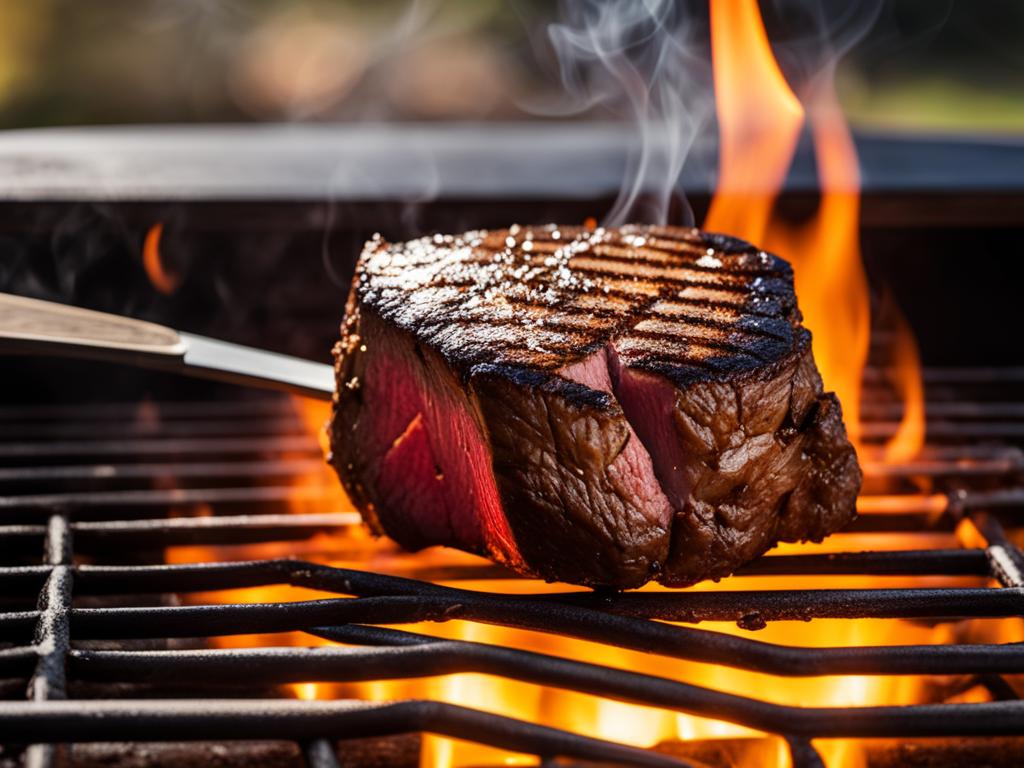
If you prefer your steak with a cool, red center, aim for a total grilling time of 6-8 minutes. This fleeting encounter with heat will caress the filet mignon, sealing in its juices while ensuring a tender and rare finish that melts on your tongue like butter on a hot skillet.
Medium-Rare: The Steak Lover’s Choice
Medium-rare—the golden mean, the stuff of steak legend. This level requires about 10-11 minutes over the flames. It’s the sweet spot where robust flavor meets silken texture, a testament to your grilling prowess and a nod to filet mignon grilling duration mastery. Just long enough on the grill, and your steak will sing with flavor.
Well-Done: Patience is Key
Walking the tightrope of grilling a well-done filet mignon without drying it out can be akin to an acrobatic act. So, you’ll want about 16+ minutes, depending on how your grill embraces the heat. Flip your steak every 5 minutes to achieve the even cook that’s the hallmark of a well-done work of art. But remember, keep your trusty meat thermometer at the ready to prevent a charred misstep!
There you have it. Whether it’s a touch of red at the heart of your steak or a golden-brown hue throughout, be in tune with the rhythm of your grill and dance to the beats of timing. Now go forth and grill with confidence—as the sizzle serenades you closer to that perfect steak crescendo.
Turning Steaks on the Grill: Timing and Techniques
Let’s get one thing straight, flipping filet mignon isn’t just about showing off your wrist action; it’s about giving that steak an even tan and ensuring each bite is as sensational as the next. So, how do you become the flip master that your backyard BBQ deserves? As with any art, it’s all about timing, technique, and a little bit of finesse.
Imagine you’ve got that juicy piece of filet mignon on the grill. It’s been sitting pretty on one side, and the moment of truth arrives – it’s time to flip. Here’s the approach: about 5 minutes per side for a medium-rare chef-d’oeuvre, but remember, your grill, your rules. Adjustments might be necessary if you’re aiming for a different level of doneness.
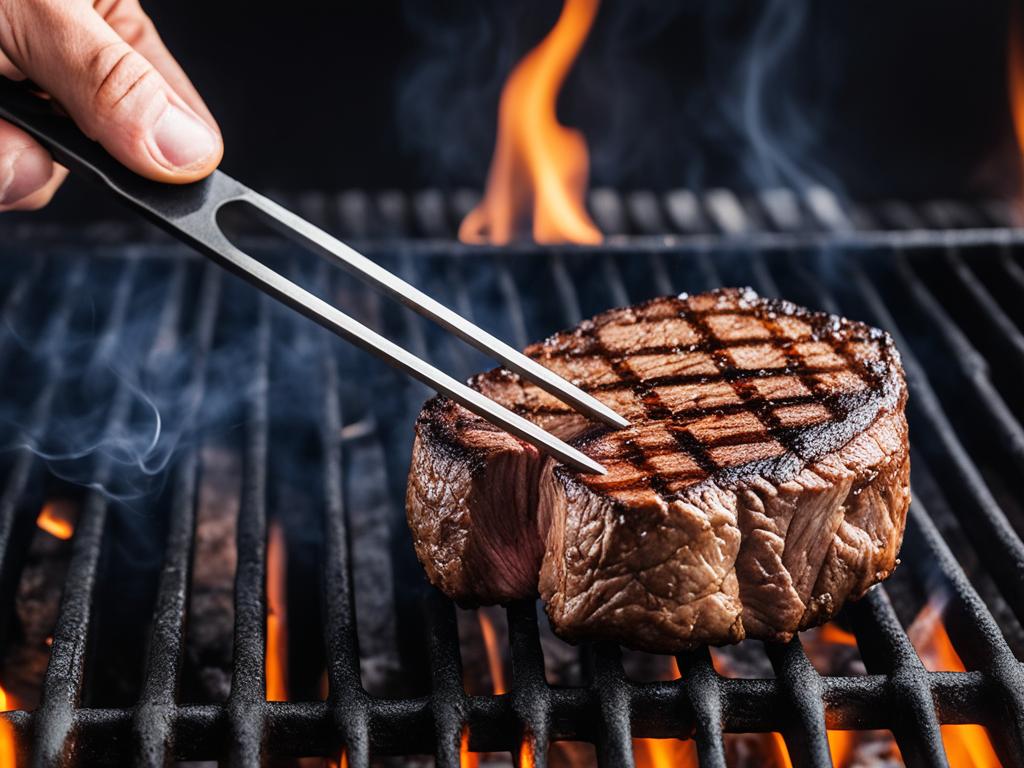
- Use tongs for a gentle grip and turn; you’re flipping steak, not playing hot potato.
- Give the steak a 90-degree turn on each side halfway through the cooking time for those Instagram-worthy crosshatch marks.
- Remember, each grill has its own personality – some run hot, others play it cool. Adjust times accordingly!
Now, as the grill sizzles and the aroma of expertly cooked beef fills the air, let’s talk tools and tactics:
Tools: Long-handled tongs
“The only thing I flip more carefully than my filet mignon is the page of a mystery novel during the climax. Timing and technique, my friends, timing and technique!”
Finally, although flipping is crucial, the rest after grilling can’t be snubbed. It’s your secret weapon to a juicy, tender finish. Let that steaky goodness rest and absorb every last drop of flavor before serving.
| Doneness | Time Per Side | Internal Temp | Notes |
|---|---|---|---|
| Medium-Rare | 5 minutes | 130-135°F | Center warm, pink throughout |
| Medium | 7 minutes | 140-145°F | Pink center, mostly browned |
| Medium-Well | 9 minutes | 150-155°F | Small hint of pink, mostly firm |
| Well-Done | 11+ minutes | 160°F and above | Fully browned, firmer texture |
There you have it, champion of the char—you’re now armed with the flipping filet mignon facts. Go forth, grill with confidence, and remember: the best steak grilling methods are all about embracing the heat and dancing with the flames.
Resting Your Steak: The Critical Final Step
Imagine you’ve just cooked your steak to sublime perfection. It’s sitting there on the grill, begging to be enjoyed, but hold your horses—there’s still an essential encore before the grand performance of serving. Resting your grilled steak isn’t just a suggestion, it’s a cornerstone in enhancing steak juiciness. Trust us, your taste buds will thank you. During this tranquil interim, the magic happens, transforming your steak from superb to phenomenal.

Why Resting Meat is Essential for Juiciness
The heat of grilling is a stressor that causes the juices in your steak to move towards the center. When you let your steak relax after grilling, a reversal of this great juice migration occurs, redistributing moisture evenly throughout the steak. This means every slice is the perfect amalgamation of flavor and tenderness, optimally enhancing the steak’s juiciness.
Timing the Rest: Ensuring Optimal Temperature and Moisture
While your steak takes this essential breather, timing is key. Too short, and you’ll lose those precious juices; too long, and you could get a cold, less palatable meal. A 5-10 minute rest strikes that delicate balance, safeguarding the delightful warmth and sumptuous juiciness of your carefully grilled creation. A foil tent, nonchalantly draped over the steak, acts as a cozy blanket that’s both chic and functional.
If you’re wondering how to master this final step like a pro, here are some steak serving tips neatly laid out in an easy-to-follow table:
| Resting Time | Steak Thickness | Temperature Setting |
|---|---|---|
| 5 minutes | 1″ thickness | Warm (not in direct heat) |
| 10 minutes | 2″ thickness | Warm with foil tent |
By following these simple guidelines, you assure an epilogue to your grilling saga that eloquently sets the stage for the ultimate payoff—a dining experience that’s juicier, tastier, and all-around more memorable. Bon Appétit!
Alternative Grilling Methods: Gas vs. Charcoal
Whether you’re craving the ease of a gas grill filet mignon or the authentic smokiness imparted by charcoal grill techniques, your grilling adventure doesn’t have to be monotonous. As aficionados know, each method has its champions and its strategy. Choosing between these grilling alternatives involves more than tossing a coin; it’s about savoring the journey to that perfect steak.
Adjusting Filet Mignon Cooking Time for Gas Grills
Feeling the swift, clean convenience of a gas grill? Here, temperature control is king, and perfection is but a knob turn away. The beauty of a gas grill lies in its ability to maintain the steady heat needed for that juicy, savory filet mignon. Just remember, sear your steak for a scrumptious 2-3 minutes per side and then dial it down to finish the cook without a hint of stress.
Embracing the Smokiness of Charcoal Grilling
If you’re yearning for that irreplaceable charcoal flavor, grab your tongs and embrace the challenge! It takes a careful hand and an attentive eye to harness the primal dance of flame and ember. A two-zone fire — that’s your secret weapon, allowing a sear on the hot side before moving to the gentler zone for a perfect conclusion.
| Grill Type | Searing Time | Low-Temp Cooking | Flavor Profile |
|---|---|---|---|
| Gas Grill | 2-3 min/side | Precise Temperature Control | Mild, Subtle |
| Charcoal Grill | 2-3 min/side | Temperature Management Skill | Rich, Smoky |
Whatever your preference, your ultimate guide to the sizzling world of steaks lies in the palm of your hand (and your tongs!). So fire up that grill, whether it’s gas-powered or fueled by charcoal, and let the grilling begin!
Indoor Alternatives: When Grilling is Not an Option
Ever had your steak plans rained out or found yourself longing for that filet mignon with winter howling outside? Have no fear! Your culinary escapade can still yield a steak that could grace the cover of “Sizzling Steaks Magazine.” The beauty of indoor steak cooking is the harmony between control and savored traditions from our trusty kitchen accomplices: the stovetop and oven.
Let’s talk strategy. Fancy a pan-seared filet mignon? Pull out your pan (cast iron earns you bonus chef points!), crank up the heat, and get that steak sizzling to lock in all those mouth-watering juices. Your mission: create that perfect crust that whispers “pro chef” with every golden edge. Aim for a searing high heat and give each side a brief encounter with the fiery surface—just enough to seal in that epic flavor but not to complete the cooking process.
Now, for the seamless transition, employ the oven finishing technique. Like a steak baton pass, the oven is your anchor that brings the race to a close. Transfer the steak to a preheated oven and let the gentle, encompassing heat guide it to your preferred level of doneness. The best part? This method of indoor steak cooking brings a touch of outdoor grilling into your kitchen without compromising on texture or taste. Whether it’s a rainy day or you’re sans grill, these techniques ensure that your filet mignon is eternally grill-independent.
Here’s a quick cheat sheet to refer to:
| Step | Instructions |
|---|---|
| 1. Preheat Your Pan | Set your stovetop flame to high and let your pan of choice come to a sizzle-ready temperature. |
| 2. Sear the Steak | Place your filet mignon in the pan, flipping once to sear both sides evenly, crafting a crust that’s texture heaven. |
| 3. Oven Finish | Preheat your oven and let your seared filet mignon bask in its warmth, finalizing the cooking to your exact specifications. |
And remember, whether it’s the clear skies of grilling season or the wind’s bluster against your windowpanes, a divine filet mignon is just a sizzle and oven-timer away. Go ahead, set the table, and pour a glass of your finest — your indoor steak masterpiece awaits!

Pairings and Sides: Complementing Your Filet Mignon
Now that you’ve mastered the art of grilling a sublime filet mignon, let’s talk about crowning your achievement with delectable steak side dishes that harmonize with your entrée. A well-rounded complete steak dinner not only tantalizes the taste buds but also brings visual appeal and nutritional balance to your plate. Let’s dive into the world of filet mignon pairings that will undoubtedly take your culinary creation to the next level.
Vegetable Accomplices: Grilled and Healthy
There’s an undeniable allure to the smoky charm of grilled vegetables. When you pair them with your filet mignon, you’re opting for a fresh, vibrant side that cuts through the richness of the meat. Crisp-tender spears of asparagus, charred chunks of bell pepper, or a medley of zucchini and summer squash can add not just color and texture, but a dose of healthfulness to your plate. All it takes is a light drizzle of olive oil, a sprinkle of salt and pepper, and a quick dance over the flames to make these vegetables sing.
Starchy Supporters: Potatoes and Breads
Don’t shy away from a little carb indulgence; after all, what’s a steak without its starchy sidekick? A fluffy, buttery baked potato or a mound of creamy mashed potatoes could carry your filet mignon like a gustatory throne. And for the bread enthusiasts, imagine the joy of sopping up those rich, meaty juices with a crusty slice of artisanal bread. These starchy supporters are not just filling; they complement the texture and succulence of filet mignon, creating a harmony of flavors that resonate with comfort and satisfaction.
Conclusion
Embarking on the journey of grilling the perfect 2-inch thick filet mignon is more than following a simple recipe—it’s about embracing the art of grilling mastery. Every slice of quality meat holds the promise of a savory steak experience that could turn an ordinary evening into a gourmet event. Remember, attention to the subtle nuances of steak preparation is not just recommended; it’s required for those aiming for culinary excellence. Whether it’s selecting the optimal cut or nailing the exact minute to pull the meat off the grill, your new-found knowledge makes you more than ready.
Isn’t it about time you put this ultimate grilling guide to the test? Imagine the burst of flavors as you slice through that succulent filet mignon, grilled to perfection. It’s not just about feeding the hungry mouths at your dinner table; it’s about taking pride in the process—from the careful heat calibration to the patient resting of your steak. You have the techniques at your fingertips to ensure that every mouthful is a testament to your grilling acumen.
So go ahead, fire up that grill with confidence. You are now the craftsman of your own backyard domain, armed with the skills to transform a humble piece of beef into an extraordinary meal. Impress your guests, and more importantly, impress yourself. Every time you serve up a masterfully grilled steak, you’re not just sharing a meal; you’re creating an experience. A tip of the chef’s hat to you, grill enthusiast—your pursuit of the ultimate grilled filet mignon is not only achievable, it’s guaranteed to be memorable.
FAQ
How long should I grill my 2-inch thick filet mignon?
Well, aren’t you hungry for specifics? For a rare sensation, aim for a total of 6-8 minutes on the grill. If you prefer a medium-rare masterpiece, set your timer for around 10-11 minutes. As for well-done warriors, you’ll need patience and roughly 16 or more minutes, depending on your grill’s temperament.
How do I choose the best cut of filet mignon?
To snag that premium steak selection, look for a quality meat source. This means grass-fed filet mignon from cattle that’s been pampered with regenerative agriculture. No synthetic hormones or antibiotics here, and a blue-ribbon tip is to find one that’s 100% born, raised, and harvested in the USA. It’s like choosing a vintage wine, only beefier.
What’s the ideal internal temperature for filet mignon?
For those precision-seekers out there, arm yourselves with a trusty meat thermometer and aim for these numbers: a rare rendezvous at 120-125°F, medium-rare magic at 130-135°F, a medium mood at 140-145°F, a medium-well soiree at 150-155°F, and for well-done aficionados—an unwavering 160°F or beyond. Temperature temples, let us rejoice!
Should I season my filet mignon before or after grilling?
Timing is everything in the spice cabaret. For a curtain call of flavor, season your filet just before it graces the grill stage, or go for a grand preparation one hour in advance. This allows the filet’s texture to harmonize beautifully with the classic salt-and-pepper number or any steak seasoning symphony of choice.
What’s the scoop on grill preheating for filet mignon?
Ah, the preheat – the overture to your grilling concerto! You’ll want to crank that grill up to a sizzling 450°F symphony and let it warm up for 10-15 minutes. This ensures your filet mignon hits the right notes with a harmonious crust while whispering sweet nothings to the tender interior.
Can you give me any pro tips on searing a filet mignon?
Certainly, you aspiring grill maestro! To sear the perfect note on your filet, introduce it to the high-heat zone for 2-3 minutes each side. Seeking those coveted grill marks? Aim for the fiery embrace of the hot zone, then play it cool in the indirect heat area to cook through without going overboard. It’s all about hitting the right tempo.
Why is resting grilled steak important?
Imagine an encore that gets better with every moment. Resting your meat allows the flavors and juices a chance to redistribute, delivering a finale that’s juicier and more succulent. A brief respite of 5-10 minutes under a foil tent will keep it warm, allowing the temperature and moisture to set just right for the standing ovation.
Gas or charcoal – which is better for grilling filet mignon?
It’s the debate that could fire up any barbecue conversation. Gas grills bring consistency and control to the table, letting you finesse the temperature like a grillmaster in a tux. Charcoal, on the other hand, adds a smoky nuance, creating a jazzier flavor profile for those willing to finesse the flames through a two-zone fire. Choose your dance partner wisely!
What if I can’t grill outdoors – any indoor cooking tips for filet mignon?
The great indoors can be the stage for a culinary ballet as well! Pan-sear your filet mignon to a golden perfection on each side. Afterward, let it pirouette in a preheated oven until it reaches the doneness duet you desire. You’ll curtsy to a beautifully crusted filet without the fireworks of the grill.
Any suggestions for side dishes worthy of my filet mignon?
Absolutely, it’s all about creating a harmonious plate duet! Enlist the company of some grilled asparagus, green beans, or broccoli for a veggie virtuoso. Starchy sides like a baked potato sonnet or a symphony of mashed potatoes make classic accompaniments. Don’t forget the grand finale—a pat of garlic or herb butter for a truly opulent ovation.