
When it comes to indulging in a premium cut of steak, filet mignon nutrition facts might surprise you with how it balances rich flavor with health benefits. Known for its tenderness and lean profile, filet mignon is a steak that offers not only an amazing taste but also nutritional value.
Curious about how filet mignon fits into your healthy eating plan? Let’s dive into the details of its nutritional benefits, including its lower fat content compared to other steaks, its rich protein punch, and how it can complement a balanced diet.
Stay tuned for more tips on how to enjoy filet mignon while keeping your meals both delicious and nutritious!
Introducing Filet Mignon: The Crown Jewel of Steaks
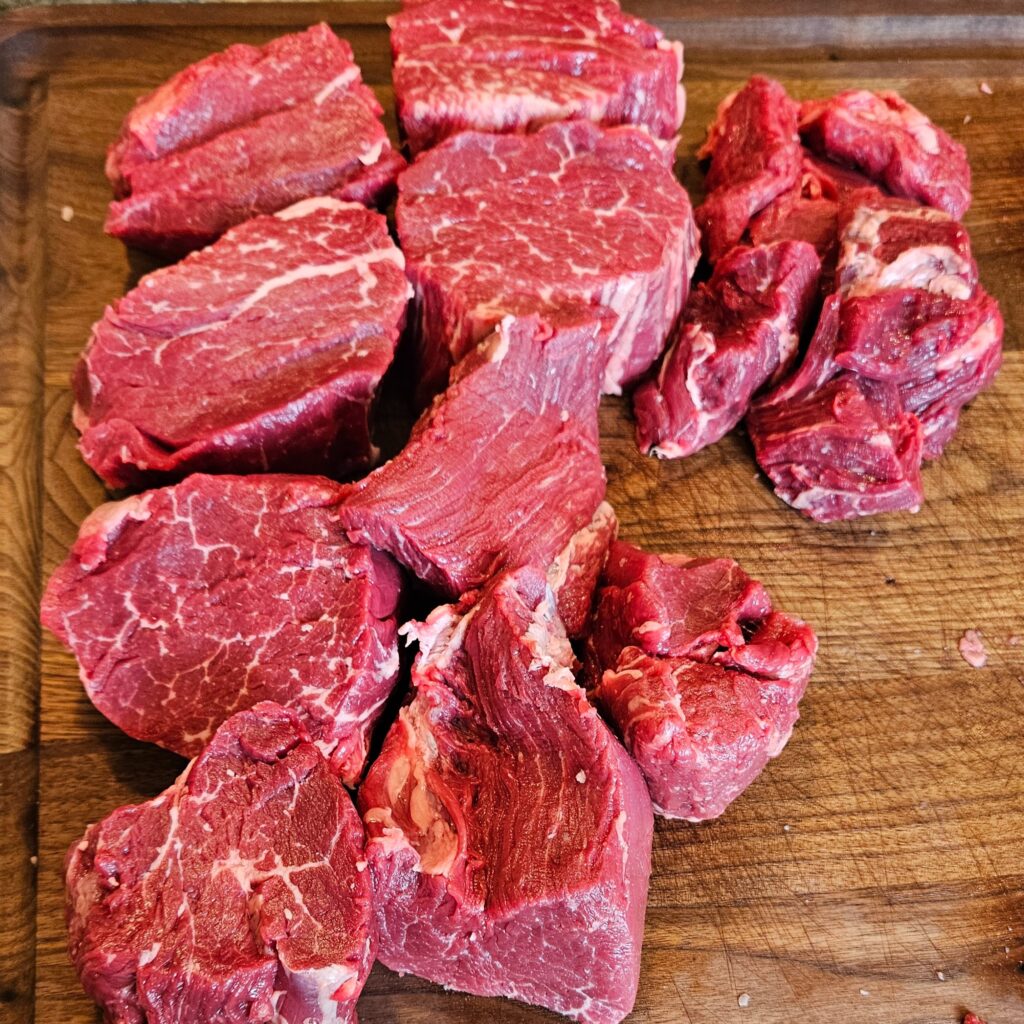
When it comes to premium cuts of beef, few rival the elegance of filet mignon. Known for its tenderness and mild flavor, filet mignon is a go-to choice for steak lovers seeking a luxurious dining experience. Let’s dive into what makes this cut so special, both in taste and nutrition.
Filet mignon comes from the tenderloin, one of the leanest and most tender sections of beef. This cut is prized for its buttery texture and minimal fat content, making it a healthier option compared to other, fattier cuts of steak.
Why is filet mignon considered the top of the line? Its delicate flavor and melt-in-your-mouth consistency make it stand out, with less marbling than other beef cuts, yet still packed with essential nutrients. If you’re looking for a high-protein, low-fat option, filet mignon delivers in both taste and nutrition.
Here’s a quick breakdown of what you can expect when enjoying filet mignon:
| Feature | Filet Mignon | Other Beef Cuts |
|---|---|---|
| Marbling | Minimal | More fat content |
| Texture | Buttery, tender | Firmer, chewier |
| Flavor Profile | Mild, subtle | Bold, robust |
| Cut Location | Smaller end of tenderloin | Varies across the cow |
| Experience | Luxurious, melt-in-mouth | Depends on preparation and cut |
When choosing filet mignon, you’re opting for a lean, tender, and nutritious cut that is both elegant and satisfying. Keep reading to discover the full nutritional profile of this delicious steak and why it’s a great addition to any balanced diet.
Filet Mignon Nutrition Facts: What’s Under the Sizzle?

When you’re enjoying the melt-in-your-mouth tenderness of filet mignon, there’s more than just flavor to celebrate—its nutrition is equally impressive. This cut of beef is not only delicious but also fits well into high-protein, low-calorie meal plans. If you’re mindful of what you eat, filet mignon offers indulgence without compromise.
Caloric Content and Macronutrients Breakdown
Filet mignon is a lean steak that allows you to enjoy a rich meal without straying too far from your dietary goals. Here’s a quick look at the nutrients found in a typical 3 oz serving:
| Macronutrient | Amount per 3 oz serving |
|---|---|
| Calories | 215 |
| Protein | 18g |
| Total Fat | 15g |
| Saturated Fat | 6g |
| Carbohydrates | 0g |
Related Article: If you’re curious about the calorie content in a larger portion, check out our article on calories in an 8 oz filet mignon for more details.
Nutritional Benefits of Filet Mignon

When you enjoy the tender, juicy flavors of filet mignon, you’re also making a smart choice for your health. This premium cut of beef is not only delicious but also loaded with nutritional benefits. With its lean protein and low-fat content, filet mignon is a great option for those looking to enjoy a healthy yet satisfying meal.
Lean and Heart-Healthy
Filet mignon is known for being one of the leanest cuts of beef, making it a good choice if you’re watching your fat intake. It contains healthy fats that support your heart without adding too much saturated fat to your diet. If you’re looking for a flavorful steak that’s also a healthier option, filet mignon checks all the boxes.
High in Protein
If you’re following a high-protein diet, filet mignon is an excellent option. Packed with protein, this cut helps support muscle growth and keeps you feeling full longer. Each serving delivers a protein boost without the extra carbs, making it a solid choice for anyone focused on balanced nutrition.
Low in Calories
Another benefit of filet mignon is its relatively low calorie count compared to other cuts of beef. A typical 3 oz serving contains about 215 calories, allowing you to enjoy the rich flavor of steak without overloading on calories. It’s a win-win for your taste buds and your health goals.
Filet Mignon vs. Other Cuts: A Nutritional Showdown
But how does filet mignon really weigh in against other beefy contenders? Let’s take a quick look. Filet mignon is known for its tenderness, but it also has some impressive nutrition to boast about compared to other cuts like ribeye steak and New York strip.
| Nutrient | Filet Mignon (3 oz) | Ribeye (3 oz) | NY Strip (3 oz) |
|---|---|---|---|
| Calories | 179 | 207 | 200 |
| Total Fat (g) | 7.6 | 10.7 | 10.6 |
| Saturated Fat (g) | 3.0 | 4.4 | 4.3 |
| Protein (g) | 24 | 23 | 22 |
| Cholesterol (mg) | 69 | 75 | 76 |
In this nutritional face-off, filet mignon emerges as the leaner choice, with fewer calories and less fat than ribeye or New York strip. It also packs more protein and has lower cholesterol, making it not just a gourmet option, but a healthier one too.
Your Guide to Cooking Filet Mignon to Nutritional Perfection

Want to cook filet mignon without losing all those valuable nutrients? You’re in the right place! Here’s how to keep your filet mignon delicious and nutritious at the same time. It’s not complicated—just a mix of smart cooking methods and a little kitchen know-how. Let’s get started!
Tips for Preserving Nutrients While Cooking
You’ve got your premium cut of filet mignon, so don’t let it go to waste by overcooking it. The key is high-heat searing, which locks in the juices and nutrients while giving you that perfect crust. And don’t forget to let it rest after cooking to keep it tender and juicy. Trust us—this is where the magic happens.
Common Cooking Method Comparisons
Wondering which cooking method is best? Here’s a quick comparison to guide you:
| Cooking Method | Taste Profile | Nutrient Retention |
|---|---|---|
| Grilling | Robust, Smoky | High (if not overcooked) |
| Pan Searing | Rich, Caramelized | Very High (with brief, intense heat) |
| Oven Roasting | Even, Gentle | Moderate (longer exposure to heat) |
| Broiling | Bold, Charred Edges | High (similar to grilling) |
For the best flavor and nutrient retention, grilling or pan-searing filet mignon are your best bets. Both methods keep the filet mignon juicy and loaded with its natural nutrients.
Incorporating Filet Mignon in a Balanced Diet

Yes, filet mignon can be part of a healthy diet! Pair it with veggies or a grain like quinoa, and you’ve got a meal that’s both satisfying and nutritious. Enjoying filet mignon in moderation is a great way to treat yourself without feeling guilty, so go ahead and enjoy this lean cut as part of a balanced diet!
Unveiling the Myths: Saturated Fat and Cholesterol in Filet Mignon
Let’s set the record straight on saturated fat and cholesterol in filet mignon. You may have heard it’s high in fat or cholesterol, but when it comes to lean cuts like filet mignon, things aren’t so black and white. This prized cut of beef isn’t just a luxury on your plate—it can actually fit into a healthy, balanced diet without worry.
The Truth About Saturated Fat in Lean Meat
Filet mignon is known for being leaner than other red meats. While it still has some saturated fat, it’s much lower than fattier cuts like ribeye.
This makes filet mignon a smart choice when you’re looking for a high-protein, low-fat option. You can enjoy its tender texture without the heavy fat content often associated with red meat.
Dietary Cholesterol: Separating Fact from Fear
As for cholesterol, it’s time to ease up on the fear. Research now shows that dietary cholesterol doesn’t affect your blood cholesterol as much as once believed. So, you can enjoy filet mignon in moderation without worrying too much about raising your cholesterol levels.
Conclusion
In the world of steak, filet mignon stands out not just for its taste but for its impressive nutritional profile. With lower levels of saturated fat and cholesterol compared to other cuts, it’s a smarter choice for those who want to enjoy a luxurious meal without the guilt.
Packed with protein and lean by nature, filet mignon can easily fit into various diet plans while still delivering indulgence.
So, next time you’re planning a special meal, remember that filet mignon offers a perfect balance of flavor and nutrition. By cooking it right and pairing it with healthy sides, you can treat yourself while staying mindful of your health.
FAQ
Is filet mignon considered a lean cut of beef?
Yes, filet mignon is considered a lean cut. It has lower fat content compared to other popular cuts like ribeye or T-bone, making it a healthier choice for those watching their fat intake.
How many calories are in filet mignon?
A 3-ounce serving of filet mignon contains approximately 179-200 calories, depending on preparation methods. It’s a relatively low-calorie option compared to fattier cuts of steak.
Does filet mignon contain any carbohydrates?
No, filet mignon contains zero carbohydrates, making it a great option for low-carb or keto diets.
Is filet mignon good for heart health?
Since filet mignon is lower in saturated fat compared to fattier cuts of beef, it can be included in a heart-healthy diet when eaten in moderation and paired with other nutritious foods like vegetables.
Can filet mignon fit into a weight-loss plan?
Yes, filet mignon can fit into a weight-loss plan due to its lean profile and high protein content. Pair it with vegetables and whole grains for a balanced, low-calorie meal.
Is filet mignon high in vitamins or minerals?
Filet mignon is a good source of important nutrients like iron, zinc, and B vitamins, which support energy production, immune function, and overall health.