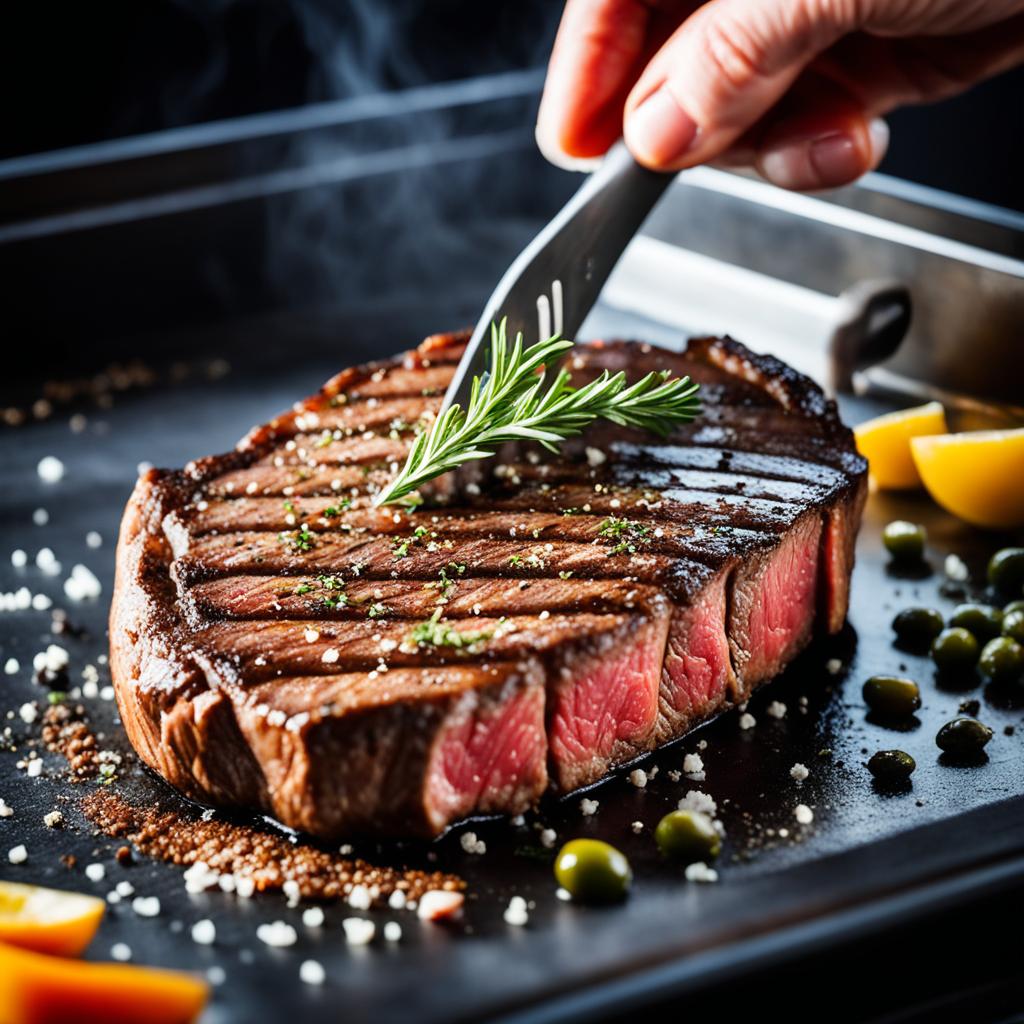
Have you ever thought about why oven-baked steak is so loved? Grilling is fun, but oven steak brings tenderness and flavor together. This guide will show you the secrets to perfect oven steak. With the right steps and a bit of knowledge, you’ll master the art of making each meal feel like an occasion.
Understanding the Joy of Cooking Steak in the Oven
Cooking steak in the oven can make your meals feel fancy, right from your kitchen. If bad weather stops you from grilling outside, this is great. This way, you get tasty, high-quality steak without much trouble.
The oven lets you control the heat and time perfectly. You get to enjoy cooking more and stress less about other things. It’s great for making a special dinner or a simple meal during the week. Oven-cooked steak is an easy, yet impressive, dish to share.
Cooking inside is fun and delivers great taste without the hassle of outdoor grilling. This method keeps your kitchen comfy and gives you amazing food. As you learn to roast and broil, your cooking skills grow. This makes everything even more enjoyable.
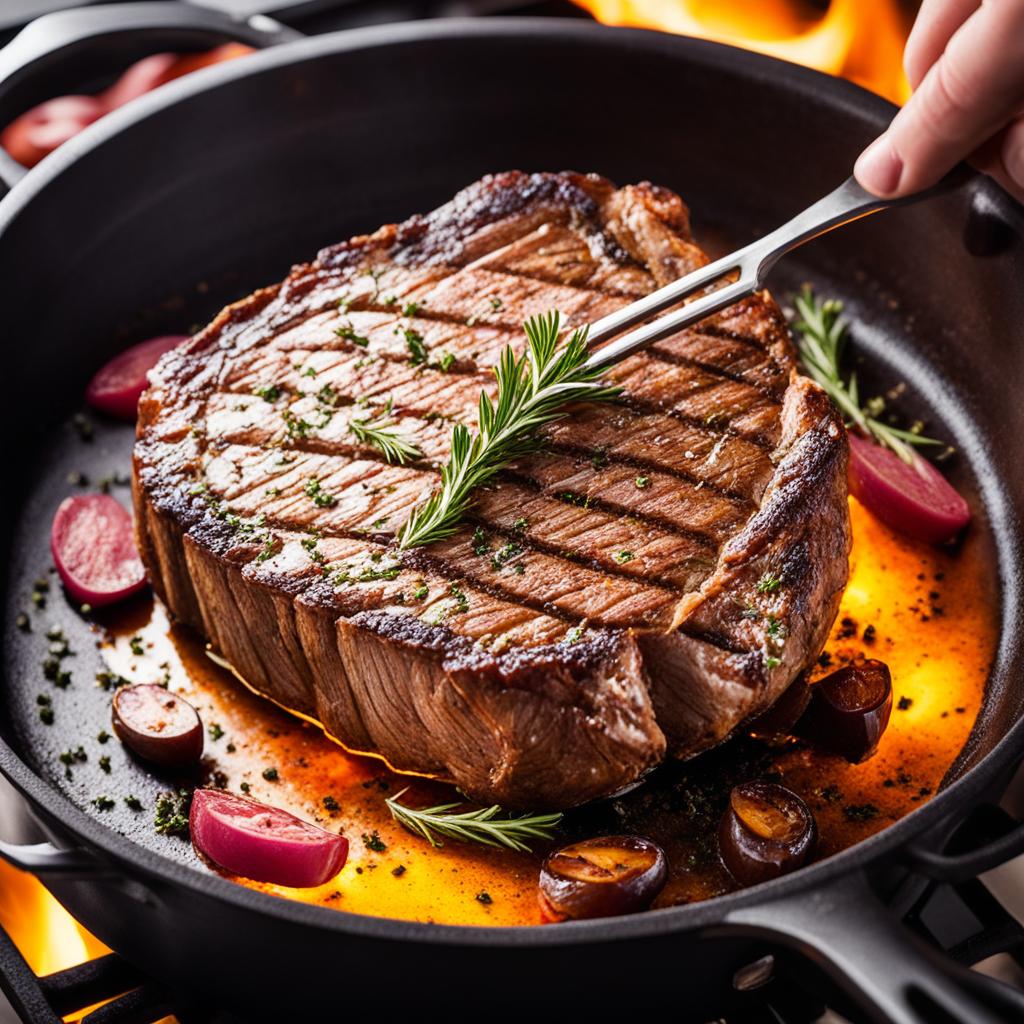
Choosing the Right Cut of Steak
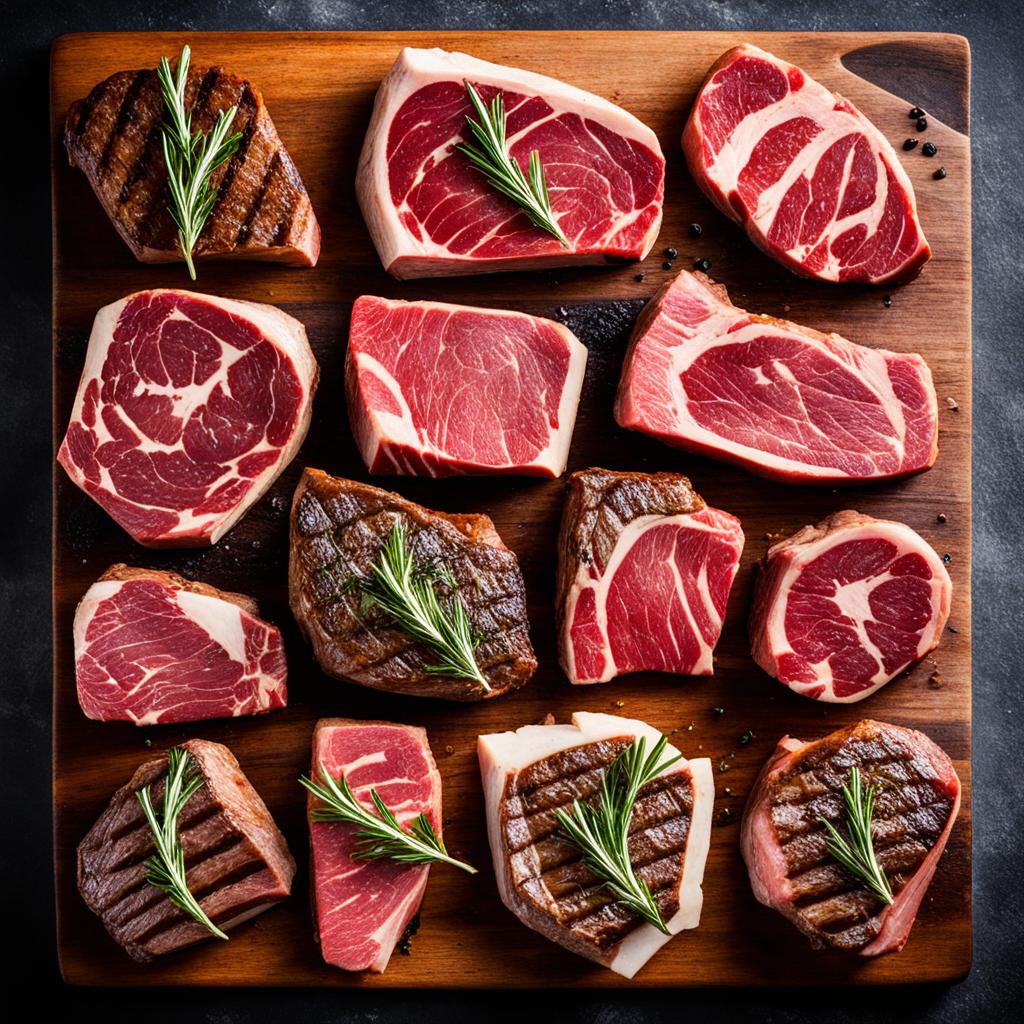
Picking the perfect steak cut is key to a great oven-cooked meal. Each type offers different flavors and textures. It’s crucial to know the options you have. You might want a cut with lots of marbling or something more tender. The right choice will make your meal even better.
Popular Cuts for Oven Cooking
Here are the top steak cuts for oven cooking:
- Rib-eye: Known for its marbling, which adds flavor and juiciness.
- Filet mignon: Offers unparalleled tenderness, perfect for a special occasion.
- T-bone: A combination of two cuts in one, providing both tenderness and flavor.
- Sirloin: A flavorful option that balances taste and cost, great for everyday meals.
Thickness Matters
How thick your steak is will affect how it cooks. Try to find cuts that are 1 to 1.5 inches thick. Such thickness is best for baking and gets you a nice crust while keeping the inside juicy. Thicker steaks also cook more evenly. This way, you can easily get the perfect doneness.
Opt for Quality: Organic and Grass-Fed
Choose organic steak and grass-fed beef when you can. These choices taste better and are healthier. Organic steaks have a richer flavor. Grass-fed beef is also more nutritious. With high-quality cuts, you get a delicious and guilt-free meal.
Essential Tools for Cooking Steak in the Oven
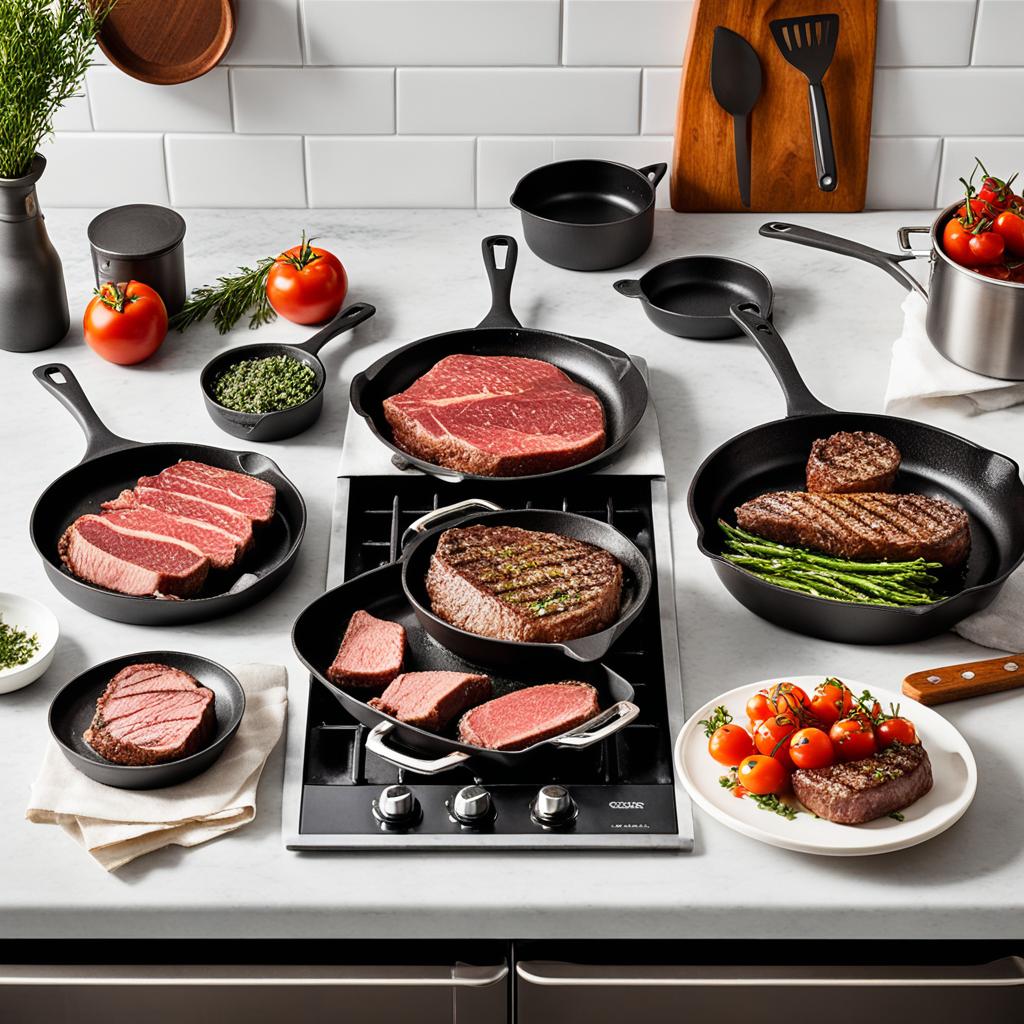
To get the perfect oven-cooked steak, you need the right tools. Good cookware and gadgets can really change how your meals turn out. They make cooking easier and your steak better.
Recommended Cookware
A great pan is key for steak. The best ones can handle high heat and keep the temperature even. Let’s look at some top picks:
- Cast-iron skillet: Perfect for searing, it keeps your steak evenly browned thanks to great heat retention.
- Oven-safe pans: Choose a pan that can go straight from stove to oven. Stainless steel works well and won’t bend out of shape from the heat.
Must-Have Kitchen Gadgets
Cookware is just part of the equation. Some gadgets are just as important for steak:
- Tongs: They keep your steak juicy while you flip or move it. A good pair of tongs is a must.
- Instant-read thermometer: Perfect for knowing exactly when your steak is cooked just right. No more guessing if it’s done.
Preparing Your Steak for the Oven
Before you start cooking, getting your steak ready is key for the best taste. It’s important to have your steak at room temperature. This helps it cook evenly. If it’s cold, you might end up with uneven cooking. So, leave it out for 30 to 45 minutes before cooking.
Bringing it to Room Temperature
To get your steak ready, let it warm up outside the fridge. This step is crucial but often missed. A steak at room temperature cooks more evenly. As it warms, grab your cooking ingredients and tools.
Proper Seasoning Techniques
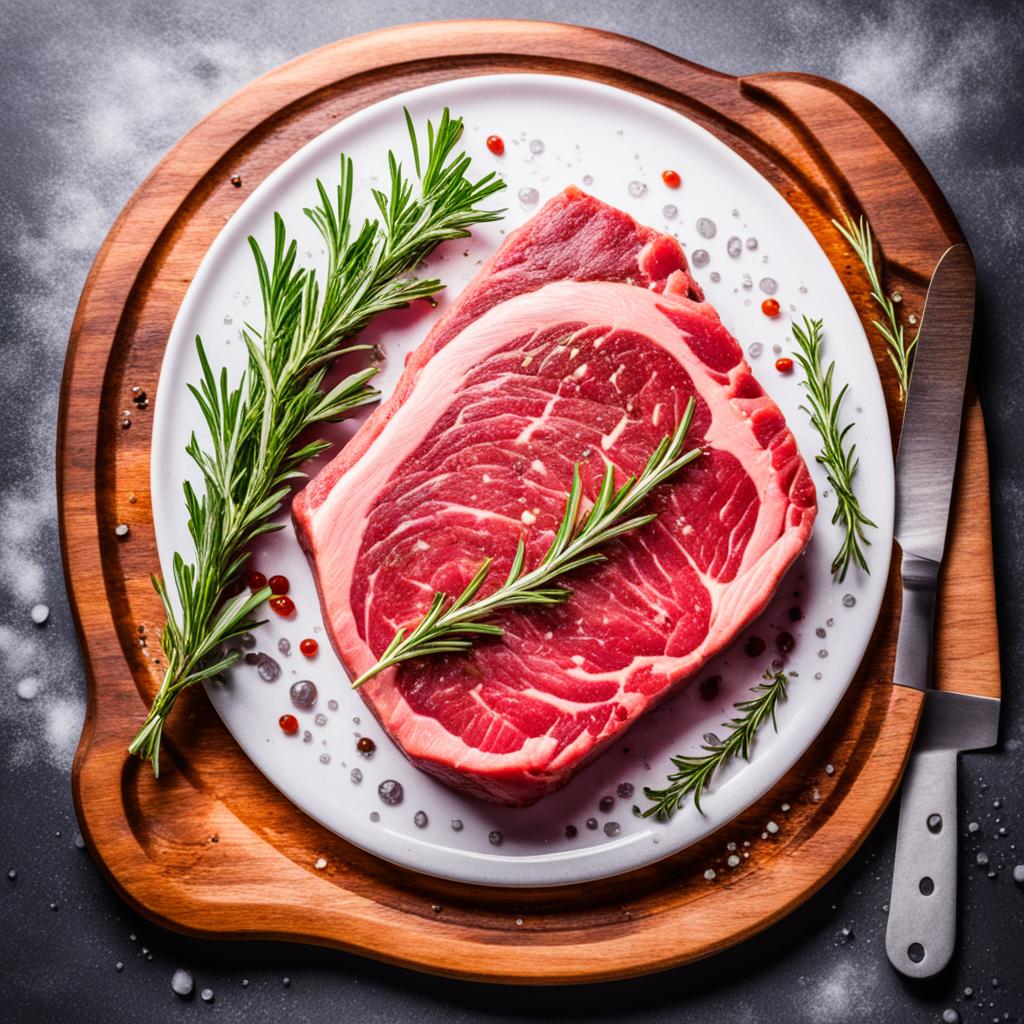
Next, focus on seasoning your steak to boost its taste. Start by drying your steak with paper towels. This helps remove moisture for a better sear. Brush the steak with oil, then add salt and pepper generously.
For more taste, add spices like garlic powder or your favorite herbs. This enhances the steak’s flavor and makes a tasty crust when cooked.
How to Cook Steak in Oven
Cooking steak in the oven gives juicy and tasty results. Start by heating your oven between 400°F and 450°F. This hot start is key to getting a perfect crust.
To cook a great steak, follow these steps:
- Generously season your steak with salt, pepper, or your chosen spices.
- Put a bit of oil in an oven-safe skillet and heat it on medium-high.
- When hot, add the steak. Let it sear for 2-3 minutes on each side until it’s nicely browned.
- Then, move the skillet to the oven. Bake for 6-10 minutes for the doneness you like.
Using these steps for oven-baking steak makes sure the meat stays juicy. It mixes searing with oven’s softer heat. So, the steak ends up tender, flavorful, and delicious.
Searing the Steak: The First Step to Perfection
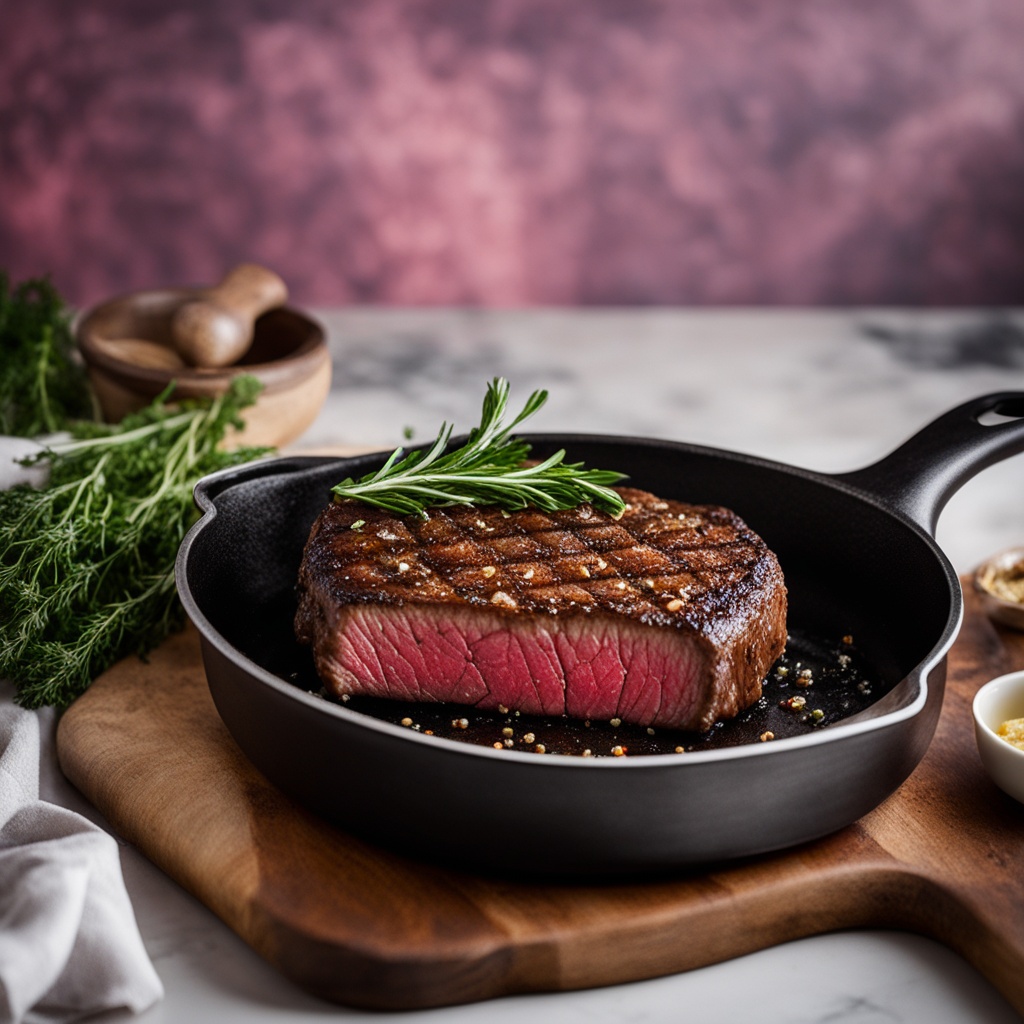
Searing the steak boosts its flavor and texture. It’s the key for a tasty meal. It’s about heating the skillet right and using the best methods. Get this step right, and it changes everything.
Heating Your Skillet
First, heat your skillet until it’s very hot, which should take 6-8 minutes. This heat kicks off the Maillard reaction, which gives the steak a browned crust. A hot skillet means the meat sizzles as soon as it touches the pan, keeping the juices and flavors locked in.
Techniques for a Perfect Sear
With the skillet hot, place the steak in carefully. Press it gently so it touches the pan fully. This helps it sear well without burning. Here are tips to sear perfectly:
- Sear each side for 2-3 minutes, adjusting based on how thick your steak is.
- Don’t put too many steaks in the skillet at once. It cools the pan down and affects the sear.
- Adding seasoning or herbs to the pan can boost the steak’s flavor as it sears.
Using the Broiler: High Heat for a Crispy Finish
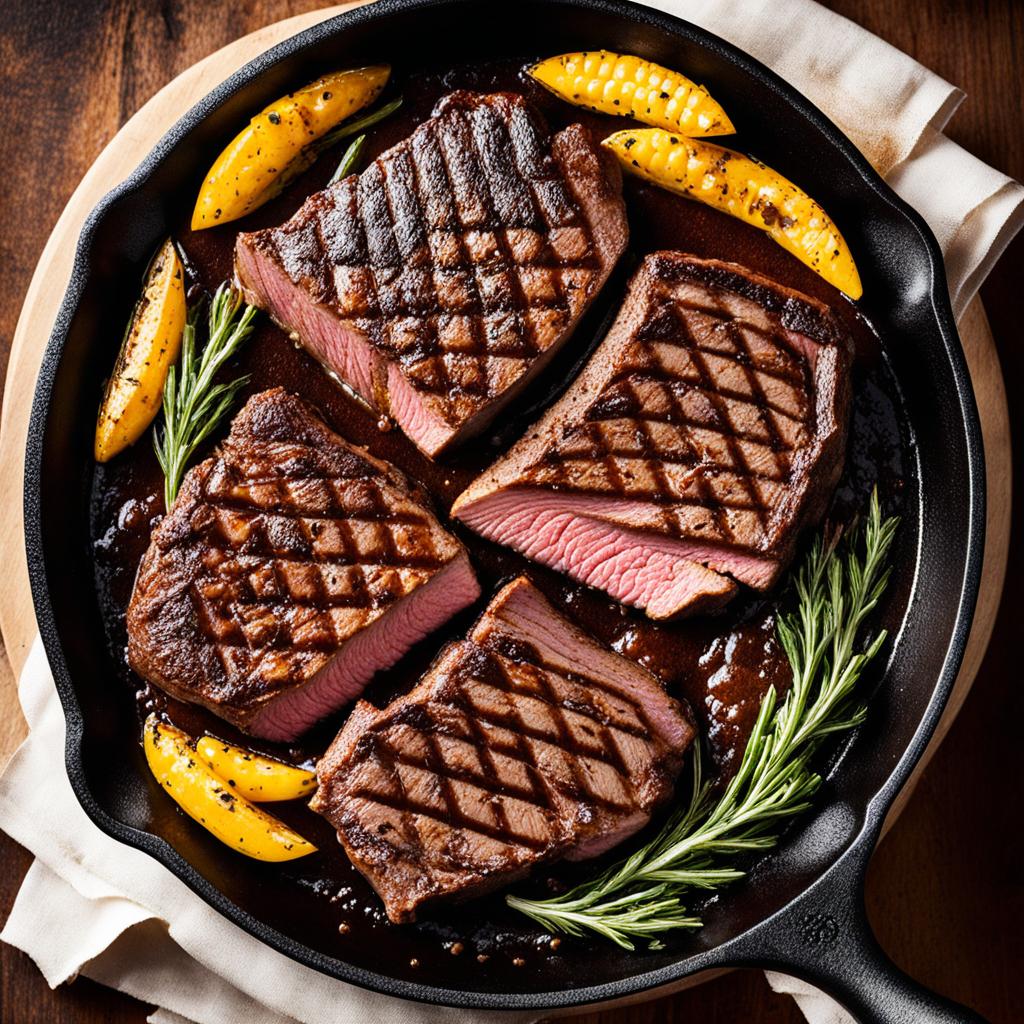
The broiler is key for that crispy steak finish. Start by moving your steak from the stove to the oven. Then, switch your oven to broil. This blasts the steak with heat from above, browning the outside fast and keeping it juicy inside.
Understanding the Broiling Process
Broiling sears the steak, making it very flavorful. First, move your oven rack up close to the top. Then, heat up the broiler. Each oven is a bit different, so know how yours works. Learning about your broiler will help you make your steak just right.
Timing and Flipping Techniques
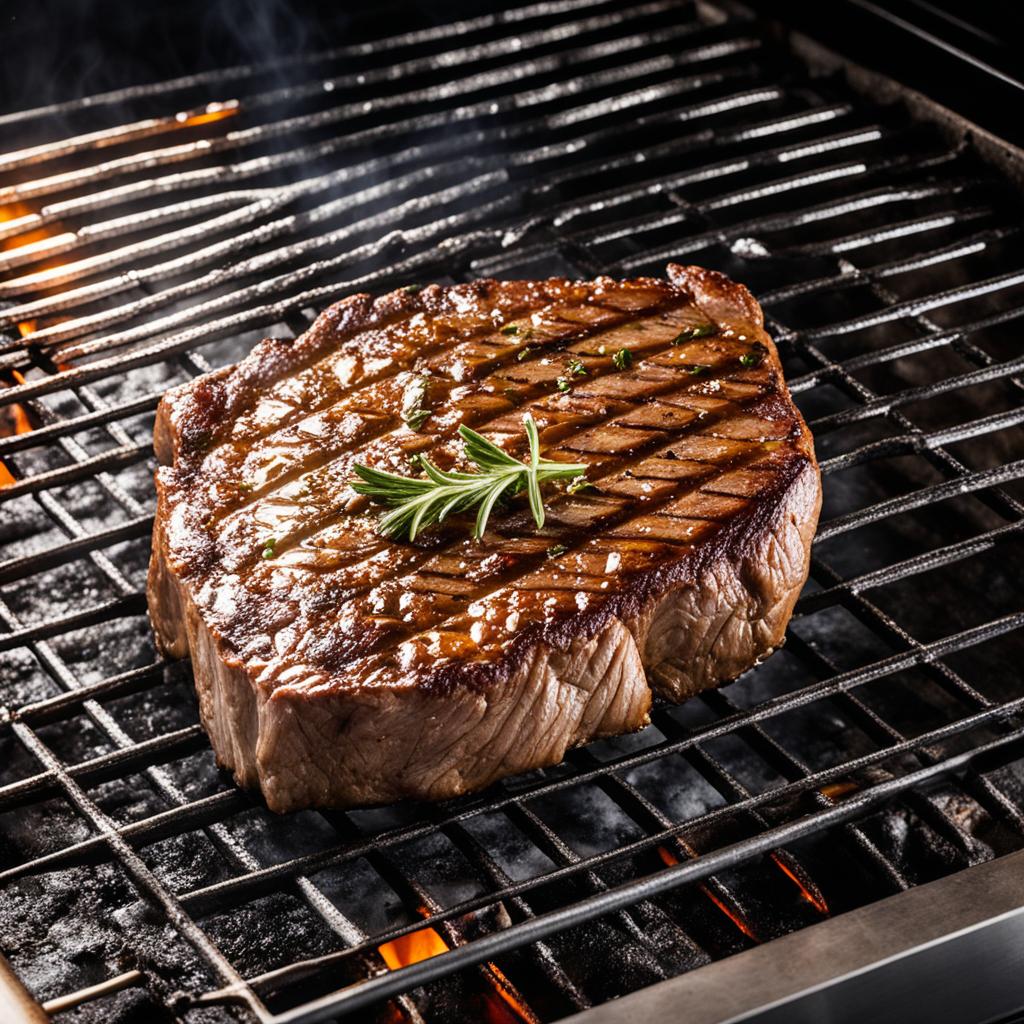
Getting the timing right is very important. Start by broiling your steak for 2-3 minutes. Then, check if it has seared well before you flip it. After flipping, broil for another 2-3 minutes. It’s wise to use a meat thermometer to check its inside temperature. This helps you cook your steak exactly how you like it. Properly timed broiling improves its texture and keeps it moist.
Determining the Desired Doneness
It’s key to cook your steak just right for a great meal. Different doneness levels have their own temperature needs. Knowing these can really up your steak game.
Understanding Meat Temperatures
Here’s your go-to guide for steak temperatures:
- Rare: Approximately 125°F
- Medium-rare: 135°F
- Medium: 145°F
- Medium-well: 150°F
- Well-done: 160°F
Take your steak out of the oven when it’s 5°F less than your target. It will keep cooking a bit afterwards. This trick helps you nail the perfect steak.
Visual Cues for Steak Doneness
You can also look for steak doneness visual cues. They tell you a lot. Check for:
- Rare: Bright red center, soft to touch
- Medium-rare: Red center, a bit firmer
- Medium: Pink all through, firm feel
- Medium-well: Just a bit pink, firmer yet
- Well-done: Barely pink, very firm
Combine these cues with your thermometer checks. You’ll become a steak cooking pro. Love the cooking journey and enjoy every tasty bite!
Resting Your Steak: Why It’s Crucial
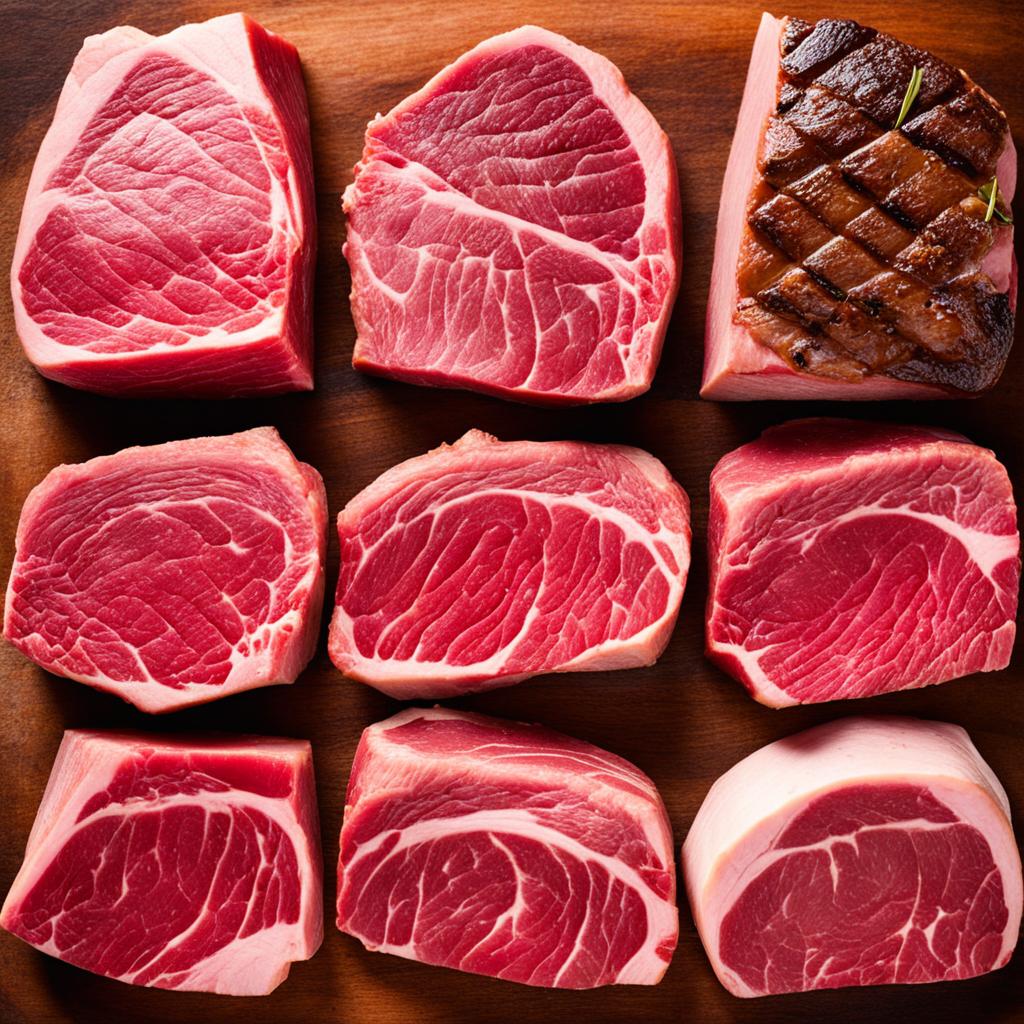
Don’t slice into your steak right after cooking it. Letting it rest is very important for a perfect meal. Give it about 5 to 10 minutes. This makes sure the juices spread evenly. It keeps your steak juicy and delicious with every bite.
The Science Behind Resting
Heat pushes steak juices to the center when cooking. If you cut it too soon, you’ll lose those tasty juices. This makes your steak dry and less tasty. Let the steak rest, and the juices will soak back into the meat. You’ll get a steak full of flavor and tenderness.
Want to make your steak even better? Learn more about cooking the perfect steak. Just adding a little rest time improves juiciness and taste.
Serving Tips for Your Oven-Cooked Steak
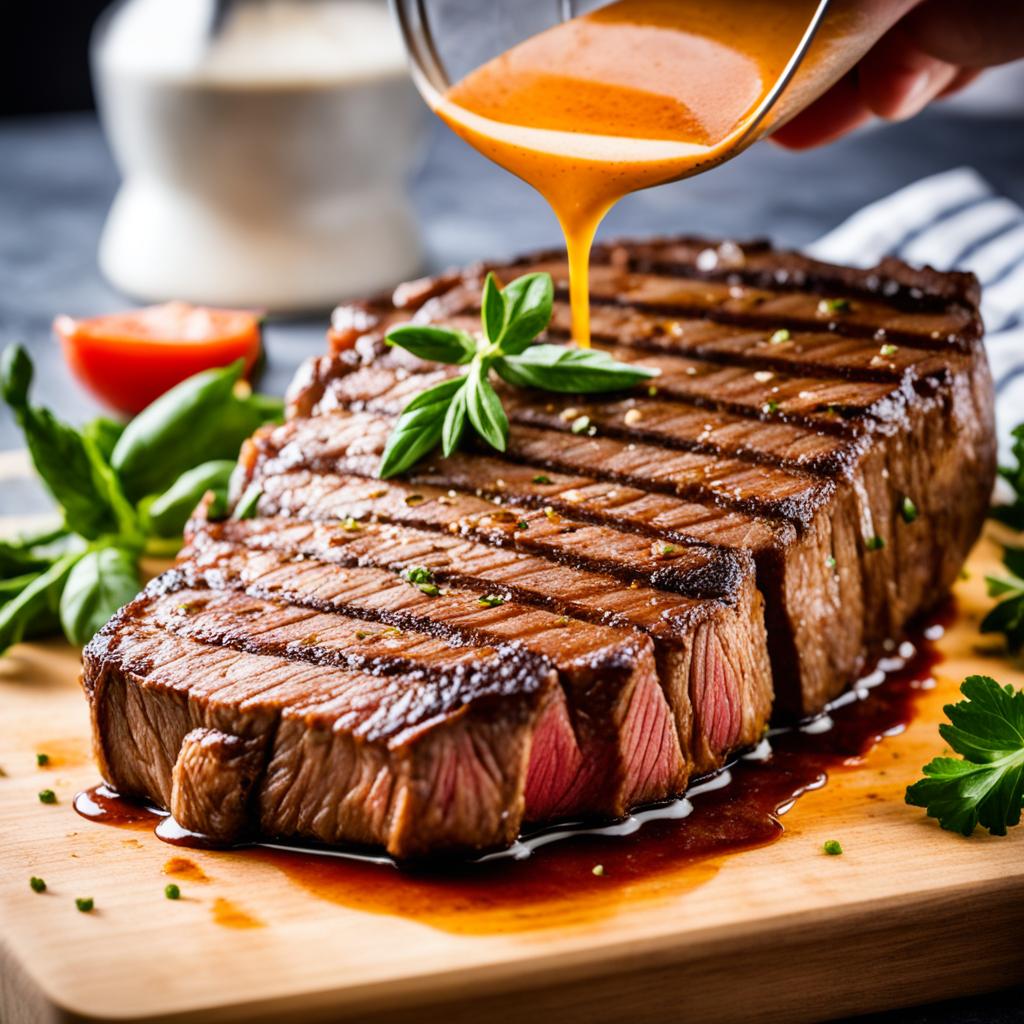
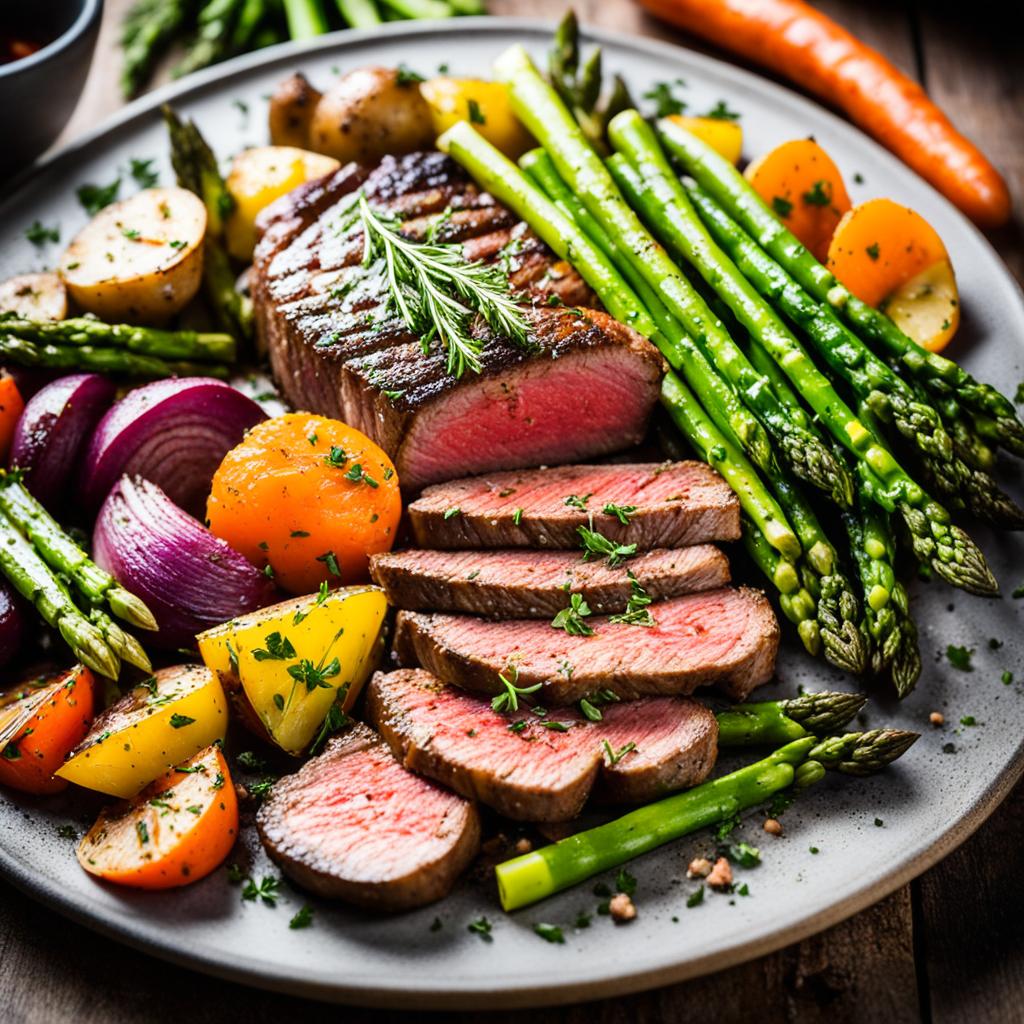
To elevate your oven-cooked steak, pair it with amazing sides. This boosts your meal’s appeal by adding texture and diverse flavors. Choose sides that complement the steak well for a balanced experience.
Delicious Side Dishes to Pair
Consider both traditional and new sides. Here are some favorites:
- Mashed potatoes with a touch of butter and cream
- Baked potatoes topped with chives and sour cream
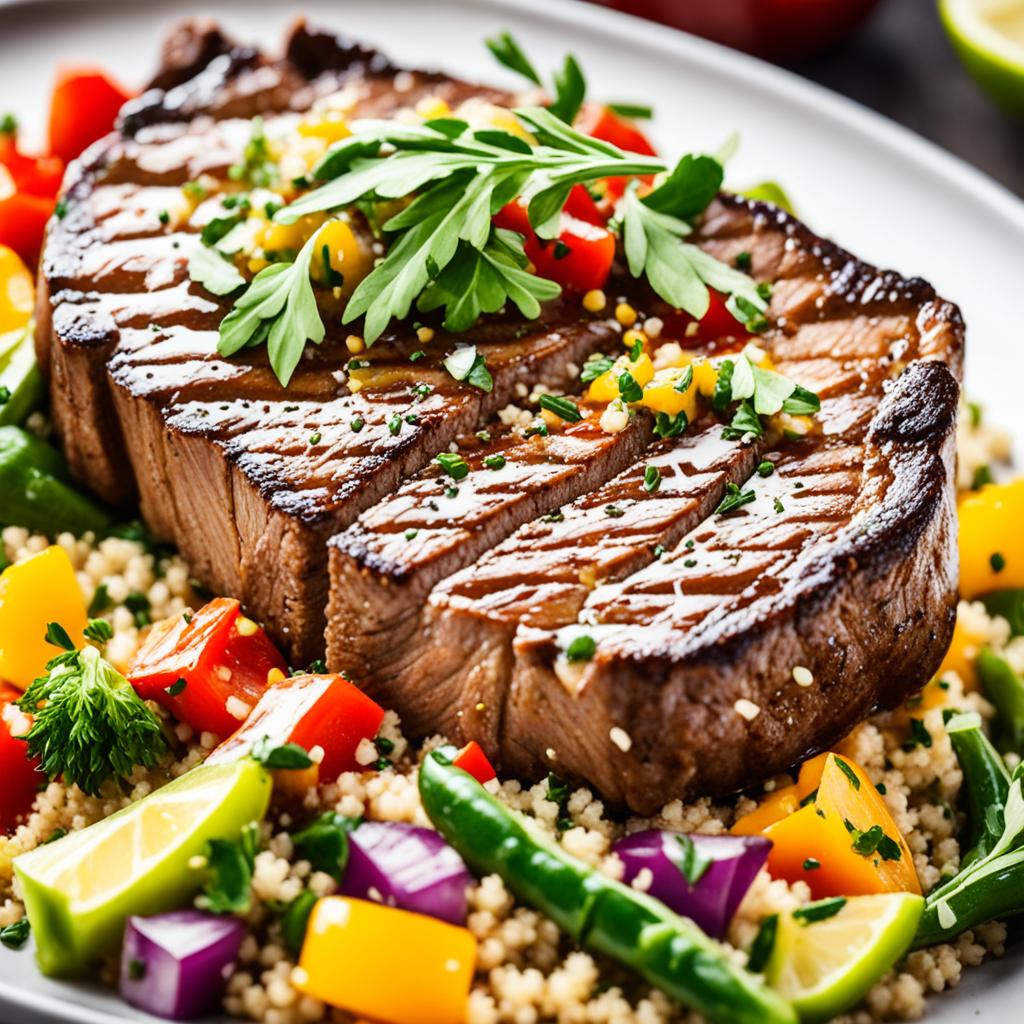
- Grilled vegetables for a fresh, colorful addition
Adding these sides ensures a full and rich dining experience.
Enhancing Flavor with Sauces
Vary your steak’s taste with different sauces. A few changes can turn your steak from tasty to incredible. Try:
- A rich pan sauce made from the steak drippings
- Garlic herb butter that melts beautifully over the hot steak
- Chimichurri sauce for a fresh, zesty kick
Storing Leftover Oven-Cooked Steak
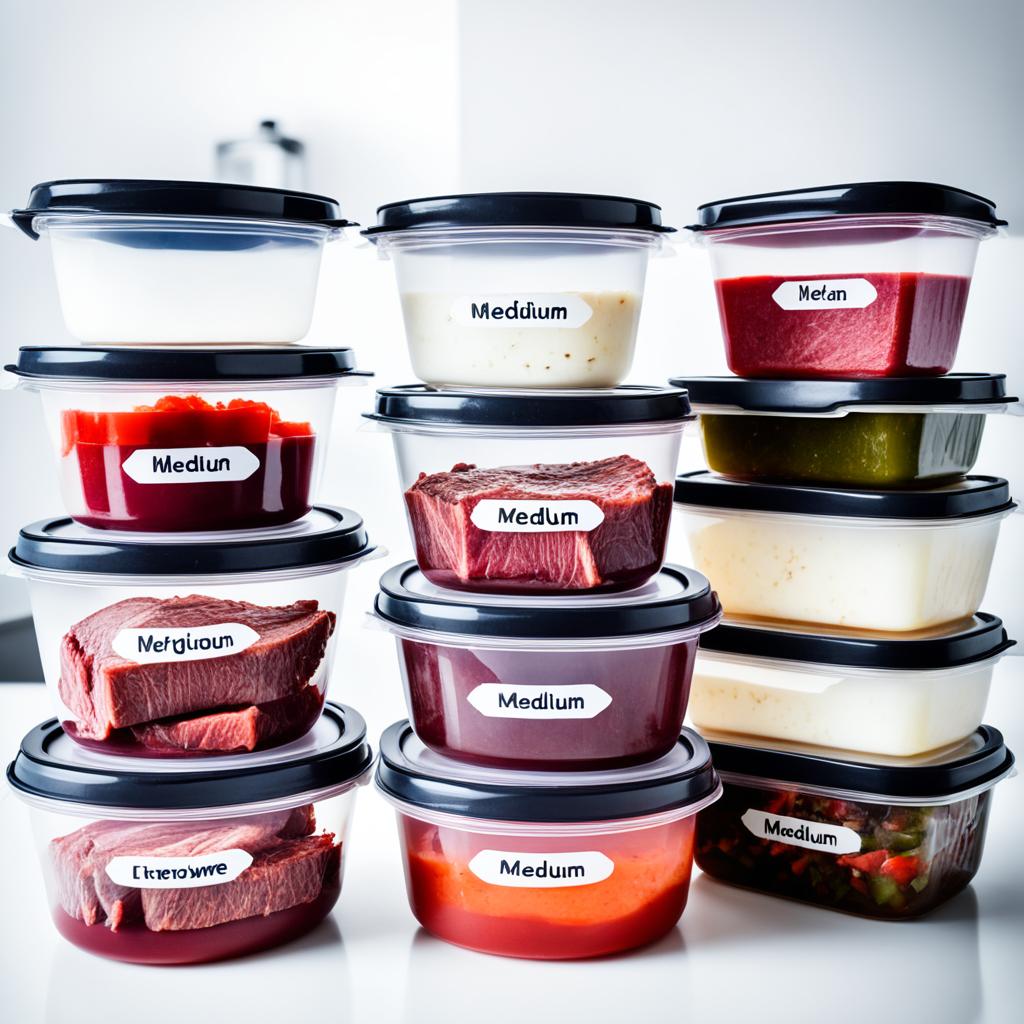
Storing leftover steak correctly keeps its taste great. After you’ve had your delicious steak, remember to store any leftovers quickly. Use an airtight container for this. It keeps the steak fresh and tasty over time.
Leftover steak stays good in the fridge for up to three days. If you need it to last longer, freezing is a great solution. Properly frozen steak stays good for up to three months. It’s smart to slice the steak before you freeze it. This trick lets you easily take what you need for meals later.
- Store in an airtight container
- Refrigerate for up to 3 days
- Freeze for up to 3 months
- Slice before freezing for convenience
Healthy Alternatives to Traditional Steak Recipes
Exploring healthier options doesn’t mean you have to give up taste. Creative marinades and seasoning ideas let you keep your steak tasty and healthy. Add colorful, nutritious ingredients to make your meals both delicious and good for you.
Exploring Marinade and Seasoning Variations
To make your steak healthier, try marinades with fresh, natural ingredients. Here are tips for tasty and healthy marinades:
- Use citrus juices like lemon or lime to tenderize the meat and add zest.
- Add herbs such as rosemary, thyme, and cilantro for flavor and health.
- Try spices like paprika, cumin, and black pepper to boost flavor without the calories.
- Go for yogurt-based marinades which add creaminess and probiotics.
With these marinade ideas, you can create healthy steak dishes that taste great. Enjoy meals that are both delicious and good for you.
Conclusion
Cooking steak in the oven is simple and rewarding. You can achieve restaurant-quality steak at home. Follow the right steps to impress your loved ones with a tasty steak for any event.
Choosing the right cut and learning how to sear and broil are key. Let your steak rest to increase flavor and juiciness. It makes your dish the highlight of any meal. Your culinary skills will improve, whether for a casual dinner or a big celebration.
Using these tips makes cooking steak in the oven a fun experience. With patience and focus, every steak you cook will be perfectly delicious. Your guests will love every bite.