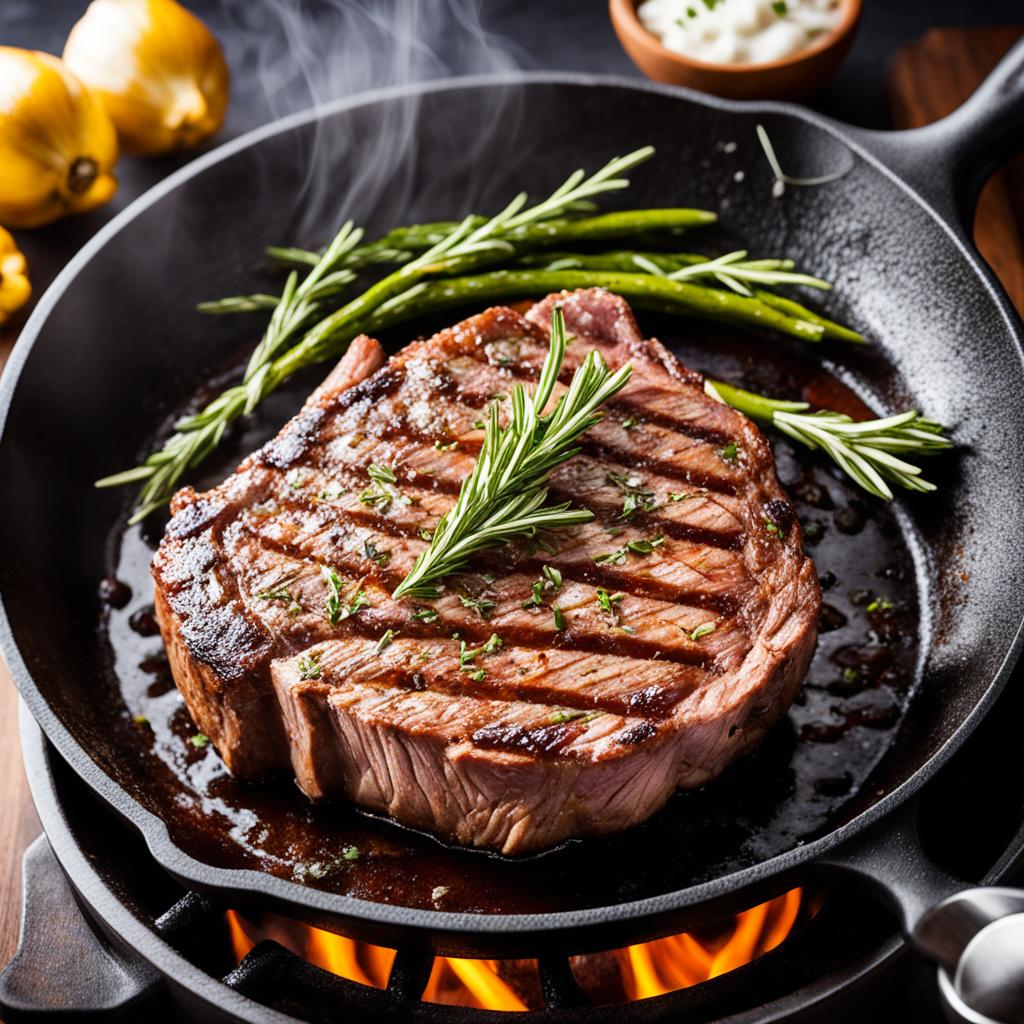
Did you know nearly 30% of all steak sales in the U.S. are ribeyes? This shows how loved they are and why it’s important to cook them right. By learning about this steak’s marbling, you can make it super flavorful and tender.
We’re about to share important tips on ribeye steaks. You’ll learn how to pick the best ones, the best ways to cook them, and how to make sure they’re perfect every time. This advice will help you make steak that’s juicy, tasty, and unforgettable, whether you’re new to cooking or a grill pro.
The Allure of Ribeye Steak
The ribeye steak is loved for its flavor and tenderness. It stands out in any meal when you know its traits. The rich flavor comes from the marbling.
Understanding What Makes Ribeye Special
This cut is from the rib section, rich in fat. The mix of meat and fat gives it great flavor and texture. Steak lovers enjoy its juiciness, even at high heat.
The fat melts while cooking, boosting the taste. This makes it a top pick for those who love a beefy experience.
Marbling: The Key to Flavor and Tenderness
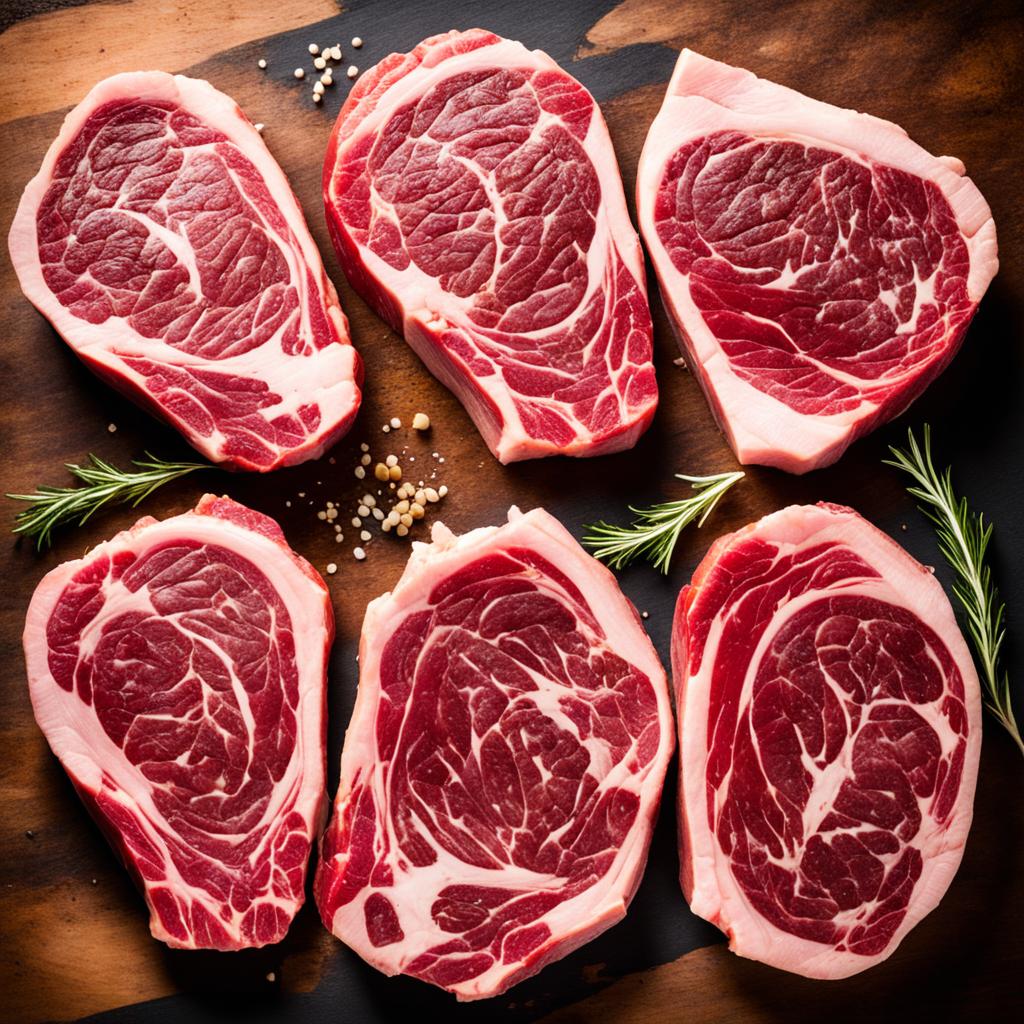
Marbling means thin streaks of fat in the muscle. This gives ribeye its flavor and tenderness.
Shoppers seek well-marbled steaks for a quality meal. Cooking it right lets the fat melt, adding exceptional flavor. Discover more about flavor enhancement by marinating.

Selecting the Best Ribeye Steaks
Choosing the right ribeye steak is key to a great meal. You might wonder about bone-in vs boneless. Each type has its benefits and affects how you cook.
Bone-In vs. Boneless: Which to Choose?
Bone-in ribeyes are known for better flavor. The bone adds taste and keeps the steak juicy. But boneless ribeyes are easier to handle and cook. You have to decide what’s more important: flavor or convenience.
How Thickness Affects Cooking Time
The thickness of your ribeye matters a lot when cooking. Steaks at least 1.5 inches thick need more time to cook correctly. Keep this in mind to achieve the perfect level of doneness. Thicker steaks take longer but are often tastier and more tender.
Essential Tools for Cooking Ribeye
To cook the perfect ribeye steak, you need the right tools. Good quality ribeye cooking tools can make your food taste better. A heavy-duty, oven-safe skillet is key for a great sear and even cooking. For cooking ribeye, cast iron skillets are a top choice among chefs.
Choosing the Right Cookware
Look for cookware that can handle high heat and holds heat well. The cookware you pick will affect how your ribeye tastes and feels. Here are some good options:
- Cast Iron Skillets: Perfect for searing and retaining heat.
- Stainless Steel Pans: Provides an excellent sear and allows for deglazing.
- Non-Stick Skillets: Great for easy cleanup but may not provide the best sear.
Make sure you use the best ribeye cooking tools with your skillet. This will ensure a great cooking experience.
The Importance of a Meat Thermometer
It’s very important to use a meat thermometer when cooking ribeye. This tool helps you check the temperature inside your steak accurately. For a medium-rare steak, aim for 135°F. This is often seen as the best way to cook ribeye.
A meat thermometer and the right cookware will make you a ribeye cooking expert. You’ll cook with more confidence and get better results.

How to Cook Ribeye Steak Perfectly
To cook a ribeye steak perfectly, seasoning it correctly is key. Start with kosher salt and freshly ground black pepper for amazing flavor. Let the steak sit at room temperature for 30 minutes after seasoning. This helps cook the steak evenly.
Preparing Your Steak: Seasoning Tips
Here are some pointers for seasoning your ribeye:
- Generously season the steak, covering every side well.
- Allow it to rest so it can fully absorb the flavors.
- Add garlic powder or fresh herbs if you want more flavor.
Recommended Cooking Methods
There are several ways to cook ribeye to enjoy its unique taste:
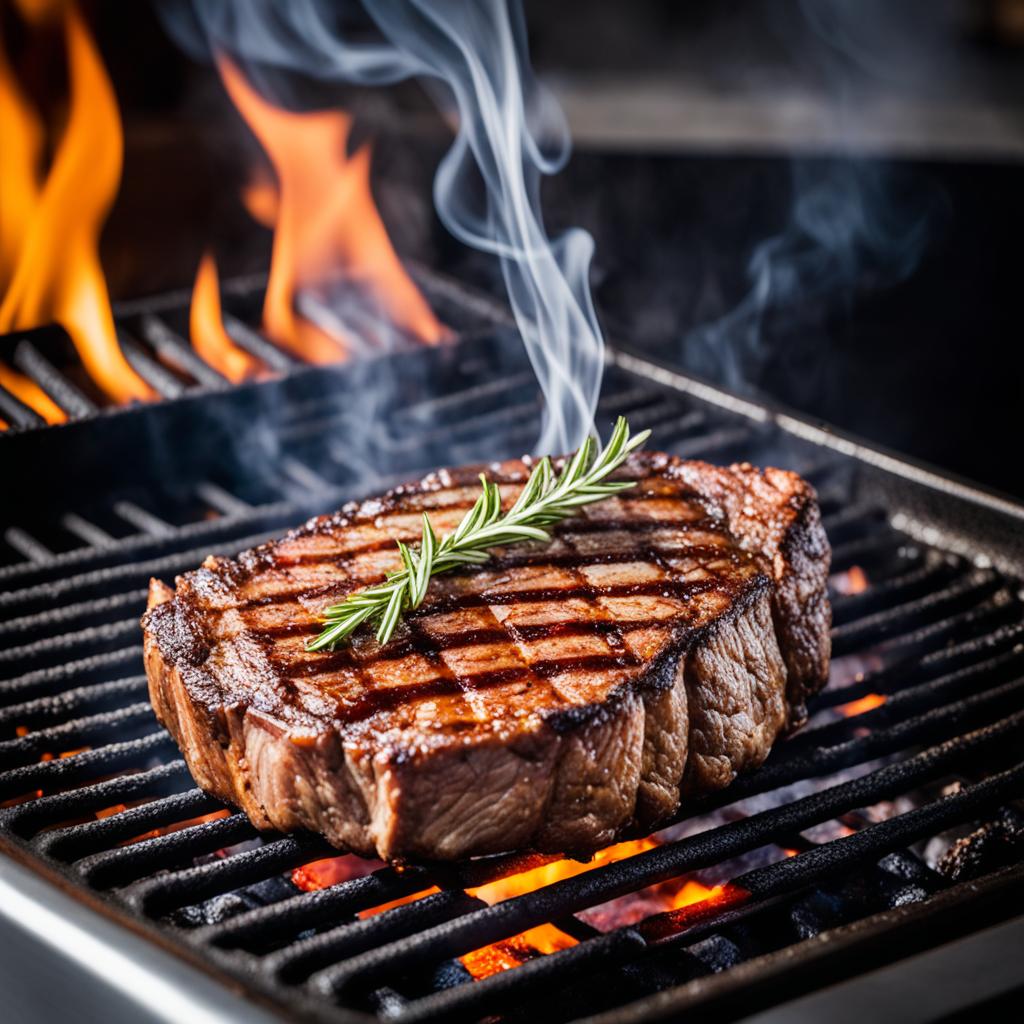
- Grilling: Grilling adds a smoky taste, perfect for outdoor events.
- Pan-searing: A cast iron skillet will give the steak a perfect crust while keeping it juicy.
- Broiling: If you can’t grill outdoors, broiling is a fantastic option for uniform cooking.
Grilling the Perfect Ribeye Steak
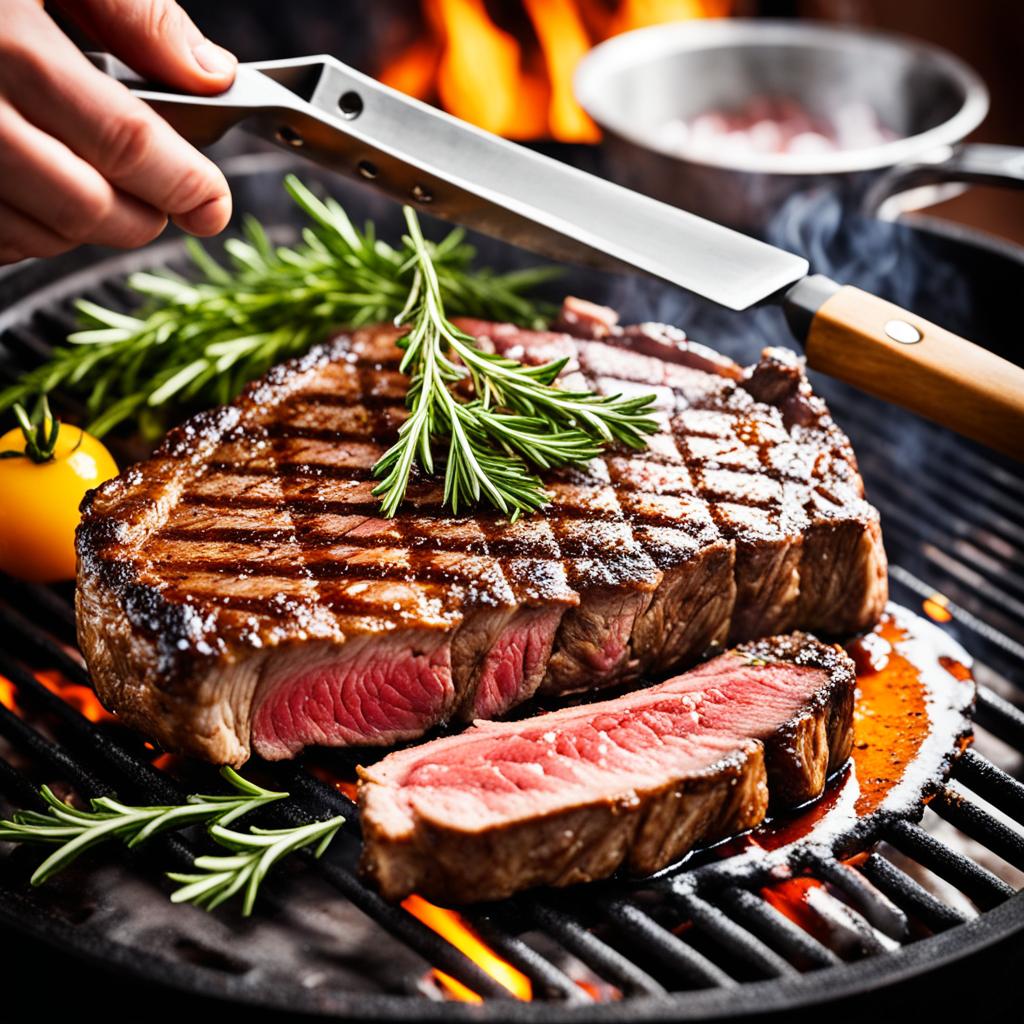
Grilling ribeye steak brings out its natural flavors, making it juicy and tender. Proper grill setup and accurate cooking time are key. These steps help you make the perfect ribeye on the grill.
Setting Up Your Grill for Success
Begin by heating your grill on high. A hot grill gives your steak a great sear, locking in its juices. Make sure to clean the grates and lightly oil them to avoid sticking. If using a charcoal grill, choose high-quality charcoal or wood for extra flavor.
Timing: How Long to Grill for Desired Doneness
Getting the timing right is essential for cooking ribeye steak. Follow these guidelines for a medium-rare finish:
- For a 1-inch thick ribeye: 4-6 minutes per side.
- For a 1.5-inch thick ribeye: 6-8 minutes per side.
- For a 2-inch thick ribeye: 8-10 minutes per side.
Always use a meat thermometer to check for the right internal temperature. For medium-rare, look for 130-135°F. Adjust the grilling time if you prefer your steak done differently. With these tips, a perfectly grilled ribeye is within reach.

Pan-Searing for the Ultimate Flavor
Pan-searing is a great way to cook a ribeye steak. It uses a cast iron skillet for its many benefits. Cast iron has excellent heat retention and cooks evenly. This means you get a perfect crust outside and a tender inside.
Why Cast Iron is Your Best Friend
Cast iron heats up evenly, which is key for cooking steak. It prevents the steak from charring too much on one side. Make sure to preheat your skillet and use oil that can handle high heat. This helps create a delicious crust on your steak.
Basting for Increased Flavor and Moisture
Consider basting your steak as it cooks. Use butter and herbs like thyme or rosemary for extra flavor. By tilting the skillet, you pool the butter. Then, spoon it over the steak for more taste and juiciness. This makes your steak moist and flavorful.

Oven Broiling Techniques for Ribeye
Broiling ribeye steak is a smart choice for cooking. It’s like grilling but inside your oven. The heat comes from above and gives the steak a perfect sear. Learning to broil can make your dishes stand out.
Advantages of Using the Broiler
Broiling has many benefits that cooks love. For starters:
- It’s fast, making for a quick meal.
- The steak cooks evenly, so it’s tender and juicy.
- There’s less chance of burning since you can watch it closely.
- You just need a broiler pan and an oven.
Steps for Achieaching Even Cooking
To get good at broiling, just follow these steps:
- Get your broiler hot before you start.
- Put your ribeye on a broiler pan, not too close to the heat.
- Flip it after a few minutes to cook both sides just right.
- Let it rest a bit after cooking for the best taste and juice.
Resting Your Ribeye Steak: Why It Matters
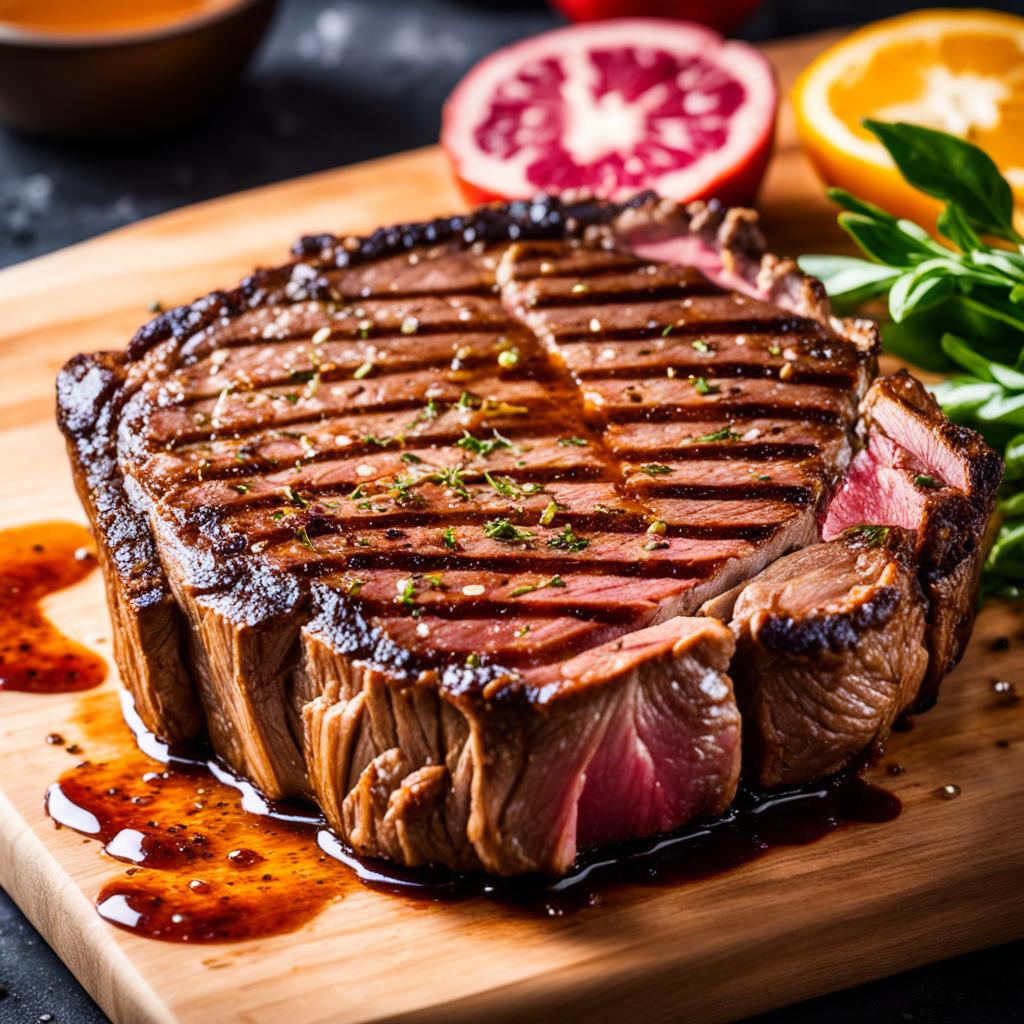
You might want to eat your ribeye steak right after cooking. Yet, resting the meat before serving is crucial. This step boosts the steak’s flavor and keeps it juicy. When you let the ribeye rest, its juices spread out evenly. This makes every bite richer and softer.
The Science Behind Resting Steak
Heating steak makes its protein fibers shrink and push moisture to the middle. Cutting it too soon causes juices to leak, resulting in a less moist steak. Letting your ribeye rest lets the juices move back through the meat. This makes the steak juicier and tastier. Resting steak is key for a better texture and taste.
How Long Should You Rest Your Steak?
Wondering how long to wait? A 10-minute rest after cooking is ideal for ribeye. This timing helps the steak stay moist and tender. Cover the steak with foil to keep it warm as it rests. By doing this, you’ll make your ribeye even more delicious.
Perfect Sides and Accompaniments
To make your ribeye steak unforgettable, pair it with the perfect sides and drinks. The goal is to choose add-ons that highlight the steak’s rich flavor without overwhelming it.
Classic Side Dishes That Complement Ribeye
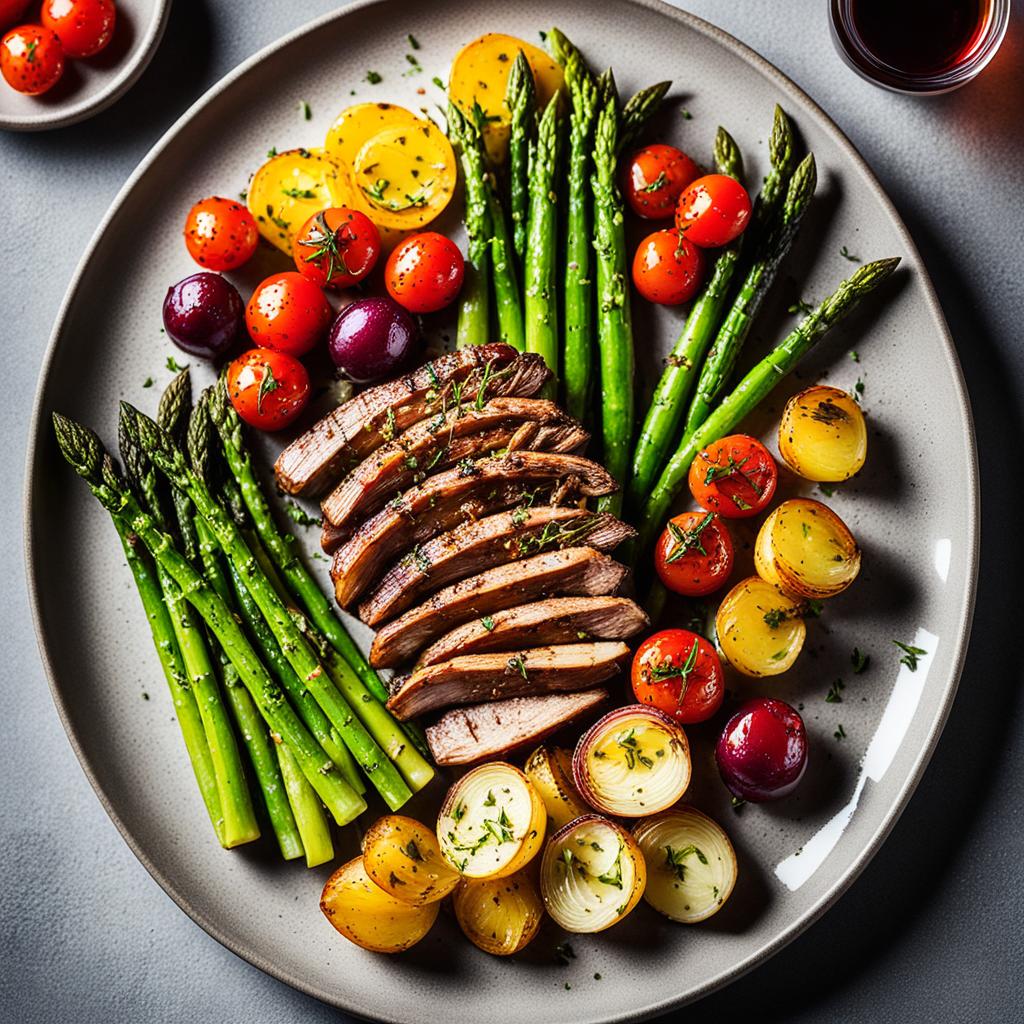
Traditional side dishes tend to be the best match for ribeye steak. They balance the meat’s intensity while adding enjoyable contrasts. Favorites include:
- Creamy mashed potatoes
- Roasted vegetables, like asparagus or Brussels sprouts
- Sautéed mushrooms, adding an earthy depth
- Garlic butter green beans for a zesty twist
- Coleslaw, providing a refreshing crunch
Choosing the Right Wine and Beverages
Pairing the right wine with ribeye can greatly enhance your meal. Opt for full-bodied red wines like Cabernet Sauvignon or Malbec. They complement the beef’s strong flavors wonderfully. For a non-alcoholic choice, sparkling water with lemon freshens the palate. It’s a top pick for enjoying ribeye.
Common Mistakes to Avoid When Cooking Ribeye
Cooking ribeye should be fun, but some errors can ruin the experience. Knowing these mistakes can improve your cooking skills. This ensures your steak tastes amazing. Focus on not overcooking the steak and adding the right amount of seasoning.
Overcooking: How to Prevent It
Overcooking is a big ribeye mistake. It makes the steak tough and dry. To avoid this, get a good meat thermometer.
Aim for 130°F for a medium-rare finish. It’s wise to frequently check the steak’s temperature. This helps you achieve the perfect doneness without drying it out.
Skipping the Seasoning: The Flavor Factor
Forgetting to season the ribeye is another common error. Proper seasoning greatly boosts the steak’s flavor. Always season with salt and pepper before cooking.
Try adding herbs and spices for an extra flavor kick. This turns a simple steak into an extraordinary meal.

Conclusion
To become a ribeye steak master, first, understand the meat’s unique traits. Then, pick the best cooking methods to enhance its flavors. Using the tips from this article, you’ll learn to season and cook your steak just right. You can grill, pan-sear, or broil, depending on what you like.
Practice will help you make a ribeye steak that wows your family and friends. Make sure to rest your steak after cooking. Also, serve it with the perfect side dishes and drinks. This will make your meal even more memorable for everyone.
Keep using these cooking tips, and you’ll see your cooking confidence and skills soar. Soon, you’ll be the ribeye steak chef you’ve always wanted to be. Here’s to great cooking adventures ahead!