
If you’re looking for a method to achieve tender and flavorful steak at home, learning how to slow cook filet mignon is the perfect choice.
This method brings out the rich, buttery texture of filet mignon while making sure it’s cooked evenly from edge to center. Whether you’re preparing a special dinner or just want to treat yourself, slow cooking filet mignon ensures a delicious, restaurant-quality meal with minimal effort.
Keep reading to discover how to master this cooking technique, along with tips on choosing the right ingredients and achieving the perfect doneness. Your journey to becoming a home chef starts here.
Why Filet Mignon is Perfect for Slow Cooking
Known for its unparalleled tenderness, filet mignon comes from the tenderloin—a muscle that does little work, making it exceptionally soft.
This characteristic makes it an ideal candidate for slow cooking, where the low and slow heat gently breaks down the muscle fibers even further, resulting in a steak that practically dissolves on your tongue.
Slow cooking also enhances the subtle, buttery flavor of filet mignon. As the meat slowly cooks, it absorbs the seasonings and aromatics, creating a dish that’s both luxurious and full of depth.
Whether you’re preparing a special dinner or simply indulging in a gourmet meal at home, slow cooking filet mignon ensures a deliciously tender and flavorful experience.
Slow Cook Filet Mignon: Ingredients Selection
Creating a slow-cooked filet mignon that melts in your mouth starts with choosing the right ingredients. From selecting the perfect cut of meat to seasoning it just right and finishing with herb-infused butter, every detail counts. Let’s delve into how to build the foundation for a truly unforgettable dish.
Choosing the Right Cut of Meat
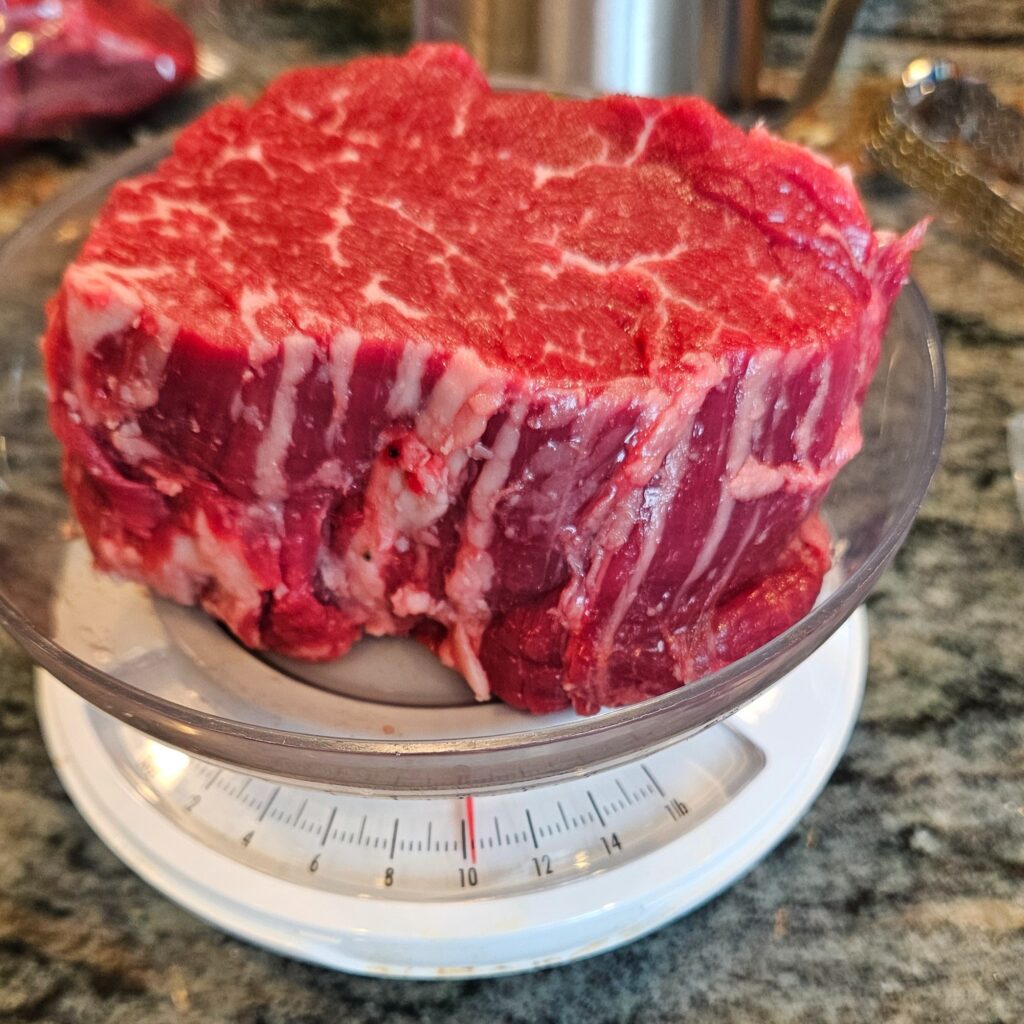
When preparing slow-cooked filet mignon, the quality of the meat is the foundation of your dish. Start by selecting a premium cut of filet mignon—look for steaks that are well-marbled with fat, which ensures tenderness and flavor.
This cut, known for its buttery texture and mild taste, is perfect for slow cooking, as the gentle heat allows the meat to become even more tender and flavorful.
For planning purposes, aim for one 6-ounce to 8-ounce filet mignon steak per person, which is an ideal portion size to satisfy your guests while showcasing the filet mignon’s exquisite taste and texture.
Seasoning Your Filet Mignon
Seasoning is key to bringing out the best in your filet mignon. Keep it simple but effective: a sprinkle of kosher salt and freshly ground black pepper is all you need to enhance the natural flavors of the beef. These basic seasonings create a savory crust on the outside while allowing the rich, beefy taste of the filet mignon to shine through.
Herb-Infused Butter: The Finishing Touch
To elevate your filet mignon to gourmet levels, prepare a herb-infused butter. Mix unsalted butter with crushed garlic, fresh parsley, and a pinch of salt.
As the filet mignon cooks, this butter melts over the meat, infusing it with aromatic flavors and adding a luxurious finish. This simple addition transforms your dish, adding depth and richness that complements the tender, slow-cooked steak.
How to Slow Cook Filet Mignon
Mastering the art of slow-cooking filet mignon is easier than you think, and it’s a surefire way to impress with a perfectly tender, juicy steak. Here’s a simple, step-by-step guide to help you create a steakhouse-quality meal at home.

1. Preheat the Oven
Set your oven to 275°F (135°C). This low temperature is essential for slow-cooking the filet mignon, allowing it to cook evenly and stay juicy throughout.
2. Season the Filet Mignon
Generously season your filet mignon with kosher salt and freshly ground black pepper on all sides. This simple seasoning enhances the natural flavors of the meat.
3. Roast the Filet Mignon
Place the seasoned steaks on a wire rack set over a baking sheet. This setup allows air to circulate around the meat, ensuring even cooking. Roast in the preheated oven for 20-30 minutes, depending on the thickness of your steaks and your desired level of doneness.
4. Prepare the Cast-Iron Skillet
While your steak is roasting, heat a cast-iron skillet over high heat. Add a small amount of vegetable oil with a high smoke point, like canola or grapeseed oil. The skillet should be smoking hot before the steak hits the pan.
5. Sear the Filet Mignon
Once the steaks reach your desired internal temperature in the oven, transfer them immediately to the hot skillet. Sear each side for 1-2 minutes or until a deep golden-brown crust forms. This quick sear locks in the juices and adds a deliciously crispy texture.
6. Add Herb-Infused Butter
In the last minute of searing, add a pat of herb-infused butter (made from unsalted butter, garlic, and fresh herbs like thyme or rosemary) to the skillet. Spoon the melted butter over the steaks as they finish searing, infusing them with rich, aromatic flavors.
7. Rest the Steaks
After searing, transfer the steaks to a plate and let them rest for 5-10 minutes. Resting allows the juices to redistribute throughout the meat, making every bite tender and flavorful.
Temperature Mastery: Ensuring an Ideal Doneness

Getting the perfect doneness for your filet mignon is all about mastering the right temperature. Here’s a quick guide to help you achieve your desired level of doneness:
| Doneness | Temperature (°F) | Description |
|---|---|---|
| Rare | 120-130°F (49-54°C) | Soft, very pink inside with a cool center. |
| Medium-Rare | 130-135°F (54-57°C) | Warm, red center with a slight pink around the edges. |
| Medium | 135-145°F (57-63°C) | Pink and juicy in the middle, with a firmer texture. |
| Medium-Well | 145-155°F (63-68°C) | Slightly pink center, with more brown around the edges. |
| Well-Done | 155°F (68°C) and above | Fully cooked through with no pink, and a firmer texture. |
Using a meat thermometer is key to achieving these temperatures, so keep it handy to ensure your filet mignon turns out just the way you like it.
Conclusion
Slow cook filet mignon is a fantastic way to enjoy one of the most luxurious cuts of beef. By carefully selecting your ingredients and following the right steps, you can create a meal that impresses with both its flavor and tenderness.
From understanding the importance of temperature control to knowing how to finish with a perfect sear, this method makes cooking filet mignon at home both simple and rewarding.
So, next time you’re planning a special meal, remember that slow-cooked filet mignon can deliver a memorable dining experience. Enjoy every bite and the satisfaction of having mastered this classic dish!
PrintMaster the Art of Slow Cook Filet Mignon at Home

Slow cook filet mignon is the ultimate way to achieve a tender, flavorful steak right at home. Follow these simple steps for a perfectly cooked filet every time.
Ingredients
- 2 filet mignon steaks (6–8 ounces each)
- 1 tablespoon kosher salt
- 1 teaspoon freshly ground black pepper
- 2 tablespoons vegetable oil
- 2 tablespoons unsalted butter
- 2 cloves garlic, smashed
- 1 tablespoon fresh rosemary, chopped
- 1 tablespoon fresh thyme, chopped
Instructions
- Step 1 – Preheat your oven to 275°F. Season the filet mignon steaks generously with kosher salt and freshly ground black pepper.
- Step 2 – Place the steaks on a baking sheet and slow-cook in the oven for 20-30 minutes or until the internal temperature reaches your desired doneness (refer to the temperature chart).
- Step 3 – While the steaks are in the oven, heat a cast-iron skillet over high heat. Add vegetable oil and let it get very hot.
- Step 4 – Once the steaks are done in the oven, sear them in the hot skillet for 1-2 minutes on each side, until a golden-brown crust forms.
- Step 5 – Add the butter, garlic, rosemary, and thyme to the skillet. Baste the steaks with the melted butter and herbs for about 1 minute.
- Step 6 – Remove the steaks from the skillet and let them rest for 5-10 minutes before serving.
FAQ
Can I use other cuts of beef for slow cooking besides filet mignon?
Yes, while filet mignon is tender and perfect for slow cooking, you can also slow cook other cuts like ribeye, sirloin, or even tougher cuts like chuck roast for different textures and flavors.
Should I marinate the filet mignon before slow cooking?
Marinating isn’t necessary for filet mignon due to its natural tenderness, but a simple dry brine with salt can enhance the flavor. If you prefer, you can marinate filet mignon for added flavor.
Can I cook filet mignon in a slow cooker?
Yes, you can use a slow cooker, but it’s best to sear the filet mignon before placing it in the slow cooker to develop a flavorful crust.
What sides pair well with slow-cooked filet mignon?
Classic sides like garlic mashed potatoes, roasted vegetables, or a fresh green salad pair beautifully with filet mignon. You can also try truffle fries or creamy risotto for a more decadent meal.
How do I store and reheat leftover filet mignon?
Store leftovers in an airtight container in the refrigerator for up to 3 days. Reheat gently in a low oven (around 275°F) or a hot skillet to avoid overcooking.
Can I slow cook filet mignon without an oven?
Yes, you can slow cook on the stovetop using a heavy-bottomed pot with a lid or in a slow cooker. The key is to maintain a low, steady temperature.