
Are you craving a tender, juicy roast chicken that is both flavorful and easy to prepare? Look no further! Our spatchcock chicken recipe is perfect for creating the ultimate roast for any occasion. Spatchcock chicken takes the traditional whole chicken and transforms it into a simpler, more efficient cooking method. The result is a juicy roast chicken that cooks evenly and quickly, perfect for a busy weeknight or dinner with friends and family.
This one-of-a-kind recipe is not just about the technique; it’s also about the mouthwatering combination of garlic, herbs, and other seasonings that make this dish stand out from other whole chicken recipes. Ready to make the most out of your next easy chicken dinner? Read on to learn more about this spatchcock chicken recipe and discover its culinary secrets!
What is Spatchcock Chicken?
Spatchcock chicken, also known as butterflied chicken, is a method of preparing poultry for cooking that involves removing the backbone so the chicken lies flat. This technique has historical roots and presents numerous benefits for creating a delicious and evenly cooked meal. In this section, we will explore the origin of the spatchcock method and its advantages in the quest for a perfectly roasted, crispy-skinned chicken.
Origin of the Spatchcock Method
The term “spatchcock” has historical roots stemming from the old Irish phrase “dispatch the cock,” illustrating a quick method of preparing a bird for cooking. This process has been utilized in various cultures and is now widely embraced as a clever roasting technique that suits both expert chefs and home cooks.
Benefits of Spatchcocking Your Poultry
There are several advantages to using the spatchcock chicken method when it comes to roasting whole poultry. The primary benefit lies in its ability to speed up cooking time and ensure more even cooking. By laying the chicken flat, the breasts and darker meats cook simultaneously, preventing the breasts from drying out before the other parts are done. This guarantees that all sections of the chicken are perfectly juicy and flavorful.
Another significant advantage of spatchcocking your poultry is that it promotes a crispier skin. Since the chicken’s skin is spread out evenly, it is exposed to direct heat, allowing it to achieve a more desirable texture. The resulting flat shape of the bird also makes for an impressive presentation on the dinner table, adding an element of elegance to your meal. With these benefits, it’s no wonder the spatchcock chicken method has cemented its place amongst popular roasting techniques.
Essentials for Prepping Your Spatchcock Chicken
Preparing your spatchcock chicken involves not only selecting the right poultry, but also equipping yourself with the necessary tools and accessories for efficient and fuss-free cooking. Let’s dive into the specifics of poultry selection and assess the essential tools needed for this process.

Choosing Your Chicken
When it comes to poultry selection, choose a whole chicken that weighs around 4 to 4 1/2 pounds. Allowing it to sit at room temperature for approximately 30 minutes prior to preparation ensures more even cooking. A smaller-sized bird works best for spatchcocking as it cooks faster and evenly.
Gathering Necessary Tools
In addition to the right poultry, some crucial tools are required for a perfect spatchcock preparation. Start by equipping yourself with a pair of kitchen shears. These are instrumental in removing the backbone of the chicken with ease. A heavy chef’s knife is also needed to score down the sternum and flatten the bird.
Other baking essentials include a parchment-lined, rimmed baking half sheet to facilitate easy cleanup and even roasting. A reliable instant-read thermometer is indispensable for ensuring that the chicken is cooked to perfection.
Creating The Perfect Garlic Herb Butter for Roasting

The standout element of this spatchcock chicken recipe is the garlic herb butter, which infuses the roast with intense flavor. This secret weapon, often referred to as compound butter, takes a simple chicken dish to the next level, acting as an impressive flavor enhancement. To create this savory spread, gather the ingredients that will contribute to this unforgettable recipe for roast chicken.
- Unsalted softened butter
- Olive oil
- Finely chopped parsley
- Minced garlic cloves
- Lemon zest
- Lemon juice
- Salt
- Black pepper
By mashing these ingredients together until the lemon juice is mostly incorporated into the butter, you create a compound butter that becomes the secret seasoning weapon. Apply this mixture under the chicken’s skin and all over its exterior, ensuring that each bite is loaded with memorable taste.
With your garlic herb butter prepared, your spatchcock chicken is now primed for a flavorful, juicy, and unforgettable roasting experience. So go ahead and take your culinary game to new heights by mastering this indispensable and delicious addition to your chicken recipes!
Mastering The Art of Butterflying a Chicken
Butterflying, or spatchcocking, a chicken is an essential skill that simplifies cooking preparations and creates a faster, more evenly cooked, and juicier roast. This spatchcocking tutorial delves into the key steps of this butchering technique to help you perfect this method in your own kitchen.
Cutting Out the Chicken’s Backbone
To begin the spatchcocking process, place the chicken breast-side down on a clean cutting board. Utilize a pair of sharp kitchen shears to carefully cut out the backbone, starting at the tail end and cutting along one side of the spine. Repeat the process on the other side of the spine, joining the two cuts to remove the backbone completely.
Discarding the backbone or saving it for making a chicken stock, the bird will now open up like a book, allowing for easier cooking preparations and a simpler roast.
Flattening the Bird for Even Cooking
With the chicken now opened, the next step is to flatten it for more even cooking. Start by locating the sternum, or breastbone, and use a heavy chef’s knife to make a shallow score along its entire length. This will help expose the cartilage and make the bird easier to flatten.
Place the palm of your hand on one side of the scored breastbone, applying firm pressure until the cartilage breaks, and the chicken lays flat. Repeat this process on the other side. To facilitate better seasoning penetration and an intensely flavored roast, gently separate the skin from the meat using your fingers, being careful not to tear the skin.
By mastering these butchering techniques, you’ll be well on your way to creating a delectable spatchcocked roast chicken that’s both simple to make and delivers mouthwatering, evenly cooked results every time.
Seasoning Secrets for a Flavorful Spatchcock Chicken
A well-seasoned spatchcock chicken is the cornerstone of flavor in the dish. Essential seasonings include salt, black pepper, and the previously mentioned garlic herb butter. Seasoning both under and over the skin with these elements contributes to the depth of flavor and succulence of the meat.
Begin by seasoning under the skin by carefully lifting it from the meat and massaging the garlic herb butter onto the flesh. This step not only infuses the seasonings into the poultry but also helps to create a perfectly moist roast chicken.

- Combine the remaining garlic herb butter with a small amount of olive oil, salt, and pepper in a bowl.
- Rub this seasoning mix all over the exterior of the chicken, making sure to coat the skin evenly for a golden and crispy finish.
By paying careful attention to these seasoning techniques, you ensure a rich and savory roast chicken as the end result. For optimal flavor, consider experimenting with other spices for poultry tailored to your own personal preferences. Whether it’s adding a hint of smokiness with paprika or a touch of heat with cayenne pepper, the possibilities for a mouthwatering spatchcock chicken are endless.
Selecting the Best Vegetables to Roast with Your Chicken
Transform your spatchcock chicken into a well-balanced one-pan chicken dinner by incorporating delicious roast vegetables with your poultry. Choosing the right vegetables will not only provide variety and color to your plate but will absorb and complement the flavors of the garlic herb butter and olive oil that coats the chicken.
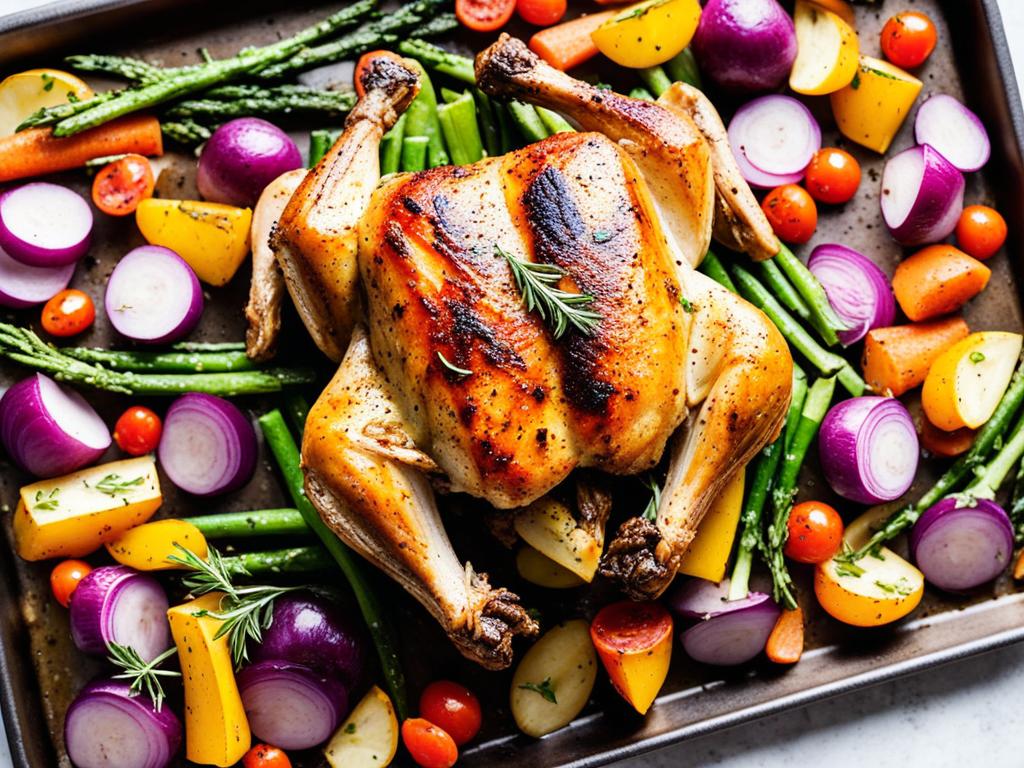
One-Pan Dinner: Adding Vegetables to the Mix
Select vegetables that are hearty and robust to withstand the roasting process. Examples include:
- Medium red potatoes for a crisp, salty skin
- Carrots that caramelize and sweeten upon roasting
- Brussels sprouts for a concentrated, nutty flavor
Arrange these vegetables around the chicken in the baking sheet, ensuring they benefit from the infused flavors of the garlic herb butter and olive oil.
Roasting Times for Vegetable Companions
Proper roasting time is essential for achieving the perfect harmony of textures and tastes in your meal. To ensure the vegetables cook evenly and retain their desired level of doneness, follow these cooking schedules and tips:
- Preheat your oven to 425˚F
- Roast the vegetables together with the spatchcock chicken for approximately 45 minutes
- Make sure vegetables are tender and slightly golden by checking them with a fork
With proper meal planning, your one-pan chicken dinner will be a colorful, flavorful, and satisfying experience that your tastebuds will thank you for.
Getting the Roasting Just Right: Times and Temperatures
Ensuring your spatchcock chicken is cooked to perfection requires attention to the optimal roasting temperature and cook times. By following these guidelines, you can guarantee food safety and culinary precision. In this section, we will discuss how to set the stage for crispiness and measure internal temperature for perfect doneness.
Preheating: Setting the Stage for Crispiness
Preheat your oven to 425˚F before roasting your spatchcock chicken, as this is the optimal roasting temperature for achieving a crispy exterior. Placing the chicken in the oven once it has reached the correct temperature helps ensure even cooking and proper browning of the skin.
Measuring Internal Temperature for Perfect Doneness
Use an instant-read thermometer to measure the internal temperature of your spatchcock chicken throughout the roasting process. Cook your chicken for approximately 45 minutes, then insert the thermometer into the thickest part of the breast. A reading of 160˚F indicates that your chicken is ready to come out of the oven. Remember that the chicken’s internal temperature will continue to rise by 5-10 degrees after you remove it from the oven.
Once your chicken is done cooking, allow it to rest untouched for 10 minutes before serving. This resting period helps the juices redistribute, ensuring a moist and tender roast. By adhering to these temperature and cooking guidelines, you can be confident that your spatchcock chicken will be a delicious and enjoyable centerpiece at any dinner table.
Tips for Serving Your Spatchcock Chicken
Once the spatchcock chicken has rested, move it to a cutting board for carving. Serve the chicken with fresh herbs like chives and thyme leaves for garnish, enhancing both the visual appeal and the flavor profile. It pairs well with a variety of sides, ranging from roasted vegetables from the pan to fresh salads. Offering lemon wedges alongside can add a burst of brightness that complements the rich, savory notes of the roast chicken.

When carving, be sure to separate the chicken into sections like breast, wings, drumsticks, and thighs, using proper poultry carving techniques. This allows guests to choose their preferred pieces. To elevate your dinner presentation, consider adopting some creative plating techniques, such as arranging the carved chicken around a bed of greens or drizzling a simple sauce on the serving plate before placing the chicken. You can also sprinkle colorful spices like paprika or cumin around the plate for an extra touch of sophistication.
Saving and Savoring: Storing and Reheating Your Roast
Leftover spatchcock chicken can be enjoyed in subsequent meals without compromising on flavor or quality. To ensure safe food preservation and efficient meal usage, follow these tips for proper chicken storage and safe reheating techniques.
Storing Leftover Chicken
After enjoying your delicious spatchcock chicken, store the leftovers in an airtight container and keep them refrigerated for up to three days. For longer storage, cut the chicken into smaller pieces and place them in a resealable bag with the air removed. You can safely store the chicken in the freezer for up to three months, ensuring you have delicious roasted chicken on hand for future meals.
Best Practices for Reheating
When it’s time to enjoy your leftover chicken, use smart methods to preserve its moisture and flavor. Preheat the oven to 350˚F and gently warm the chicken, allowing it to reach the ideal serving temperature without overcooking. Cover the chicken with a foil tent if necessary, to prevent further browning while reheating. By following these steps, you’ll be able to savor the taste of your spatchcock chicken in various meals, fully utilizing your culinary efforts.
More Inspiration for Leftover Spatchcock Chicken
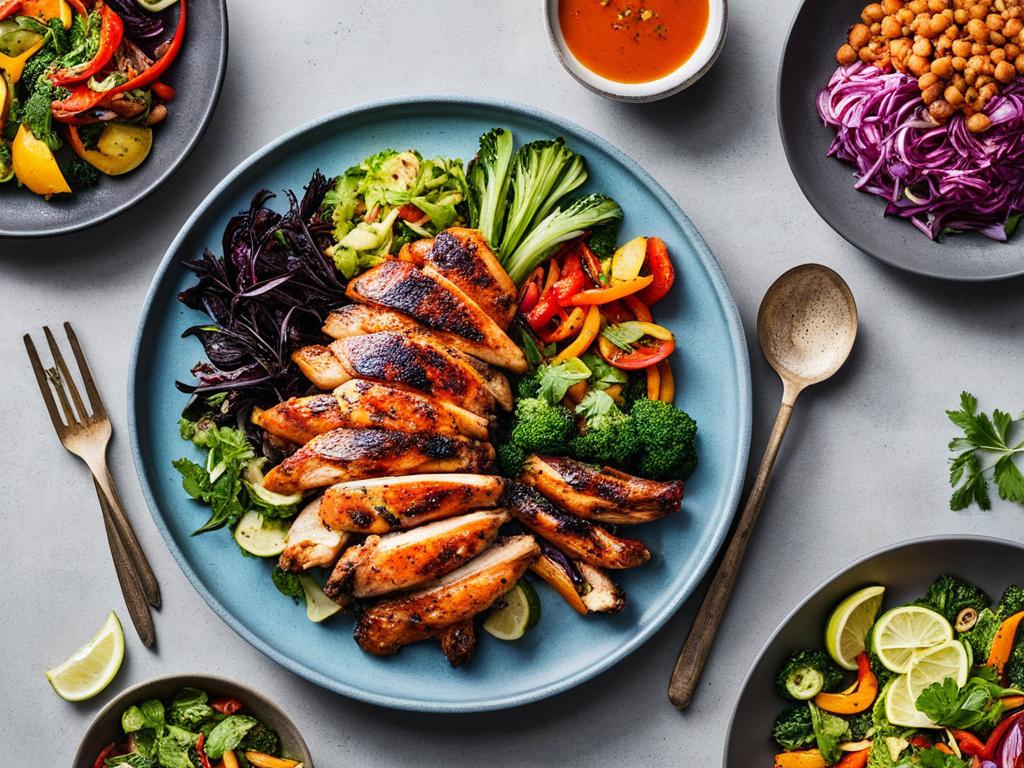
Transforming your leftovers into scrumptious and creative chicken recipes is both satisfying and beneficial for your meal planning routine. The versatility of spatchcock chicken lends itself to a myriad of meal prep ideas that can be incorporated into various dishes.
Shred the juicy chicken and use the protein-rich addition in innovative cooking uses such as soups, salads, sandwiches, and casseroles. This not only extends the life of your leftovers but also adds a delicious twist to your meals.
The spatchcock chicken’s remaining carcass should not be discarded, as it can be repurposed for a rich, homemade chicken bone broth. This staple for future recipes is a testament to your sustainable culinary practices, making excellent use of every part of the roast.
Don’t be surprised when your family and friends are impressed with your ability to transform leftovers into delightful and appetizing dishes, maximizing the potential of your spatchcock chicken and creating mouthwatering, tasty meals with ease.
Conclusion
In summary, the art of spatchcocking has transformed the way we roast poultry, delivering a perfect balance of succulence, flavor, and texture in every bite of spatchcock chicken. This detailed guide equips you with the essential knowledge and techniques required to achieve spatchcock chicken mastery, creating a homemade roast success worthy of applause.
Final Thoughts on Spatchcock Chicken Perfection
Embrace the culinary accomplishments this method offers, elevating your chicken dish to new heights. Whether you’re preparing a simple weeknight dinner or hosting a dinner party, a spatchcock chicken provides an impressive centerpiece for your table, showcasing the true power of this time-honored technique. Your guests will rave about the juicy, tender, and flavorful chicken they are served, solidifying this as your go-to chicken recipe for any occasion.
Sharing Your Spatchcock Success
After perfecting the art of spatchcock chicken, inspire others by sharing your accomplishments online. Engage with the wider cooking community by using hashtags and showcasing your beautiful results on social media platforms. Exchange tips, experiences, and advice with fellow home cooks, fostering connections and paving the way for more culinary masterpieces. Don’t be shy—your spatchcock chicken is a testament to your dedication and love for superbly executed home-cooked meals.
FAQ
What is the spatchcock method?
The spatchcock method, also known as butterflying, is a way of preparing poultry for cooking that involves removing the backbone, allowing the chicken to lay flat and cook evenly. This technique results in faster, more even cooking and crispier skin.
How do I choose the right chicken for spatchcocking?
Aim for a whole chicken weighing around 4 to 4 1/2 pounds and let it sit at room temperature for 30 minutes before use to ensure even cooking.
What tools do I need for preparing a spatchcock chicken?
Some essential tools include kitchen shears for removing the spine, a heavy chef’s knife for scoring down the sternum, a parchment-lined rimmed baking half sheet, and an instant-read thermometer to check doneness.
How do I make garlic herb butter for roasting my chicken?
Combine unsalted softened butter with olive oil, finely chopped parsley, minced garlic cloves, lemon zest, lemon juice, salt, and black pepper. Mash the ingredients together to create a compound butter that flavors the chicken.
How can I season my spatchcock chicken for maximum flavor?
Use salt, black pepper, and the garlic herb butter to season both under and over the skin, ensuring depth of flavor and succulence. Rub the skin with a mix of the compound butter, olive oil, salt, and pepper for a golden and crispy exterior.
What vegetables should I roast with my spatchcock chicken?
Choose robust vegetables like medium red potatoes, carrots, and Brussels sprouts. Prepare the vegetables around the chicken, allowing them to absorb the flavors of the garlic herb butter and olive oil during roasting.
What is the best roasting time and temperature for spatchcock chicken and vegetables?
Preheat your oven to 425˚F and roast the chicken and vegetables together for approximately 45 minutes, or until an instant-read thermometer registers 160˚F in the thickest part of the chicken breast.
How should I store and reheat leftover spatchcock chicken?
Store leftovers in an airtight container in the refrigerator for up to 3 days, or freeze in a resealable bag for up to 3 months. When reheating, use a 350˚F oven to gently warm the chicken, with a foil tent if necessary to prevent further browning.
What other meal options can be made using leftover spatchcock chicken?
Use the leftover chicken to make soups, salads, sandwiches, or casseroles. The remaining carcass can be used to create a rich, homemade chicken bone broth for future recipes.