
Ever wondered about the allure of raw beef in fine dining? Steak tartare mixes flavors and textures for a unique culinary journey. It’s not just food; it’s an art. It shows how quality ingredients and careful preparation blend beautifully.
Exploring steak tartare uncovers its deep history and the care in making it. Join us to explore this delicacy. Each bite promises elegance and boldness, enhancing your meal.
Introduction to the World of Steak Tartare
Steak tartare is a special and elegant food art. It turns raw beef into something more. It mixes fresh, top-notch ingredients to create amazing tastes and textures. This dish shows off a bright side of food culture. Here, raw meat becomes a fancy meal loved in upscale restaurants.

More people now prefer raw and lightly processed foods. Chefs worldwide are getting into this trend. They make dishes that showcase fresh ingredients’ real flavors. Steak tartare is more than just a treat for your taste buds. It shares the history and methods behind food making. When you eat it, you celebrate the charm of raw foods. You dive into a world of taste and discover what fine dining is all about.
What is Steak Tartare?
Steak tartare is a famous raw beef dish loved around the world. It is made of finely chopped or minced raw beef, seasoned well. Steak tartare is more than just its ingredients; it’s a unique eating experience.

To prepare it, chefs choose ingredients like Dijon mustard, capers, onions, and Worcestershire sauce. Each adds to the dish’s complex taste, making every bite enjoyable. An egg yolk on top adds richness, making the beef even more delicious.
Steak tartare is about appreciating high-quality dining and tradition. It shows the chef’s skill and the eater’s willingness to try new things. Diving into steak tartare opens up a world of culinary excellence and pleasure, creating memorable food moments.
The History of Steak Tartare
Steak tartare’s story begins with the Central Asian Tatar people. They often ate raw meat while traveling. This tradition laid the foundation for today’s cherished dish. The origins of steak tartare show the Tatar’s clever use of their surroundings.
Over time, steak tartare made its way west, becoming a star in French cuisine. By the 1900s, it was a hit in Paris eateries. Chefs improved the recipe with top-notch ingredients and traditional sides. This turned steak tartare into a refined dish, mixing its raw nature with French cooking’s flair.
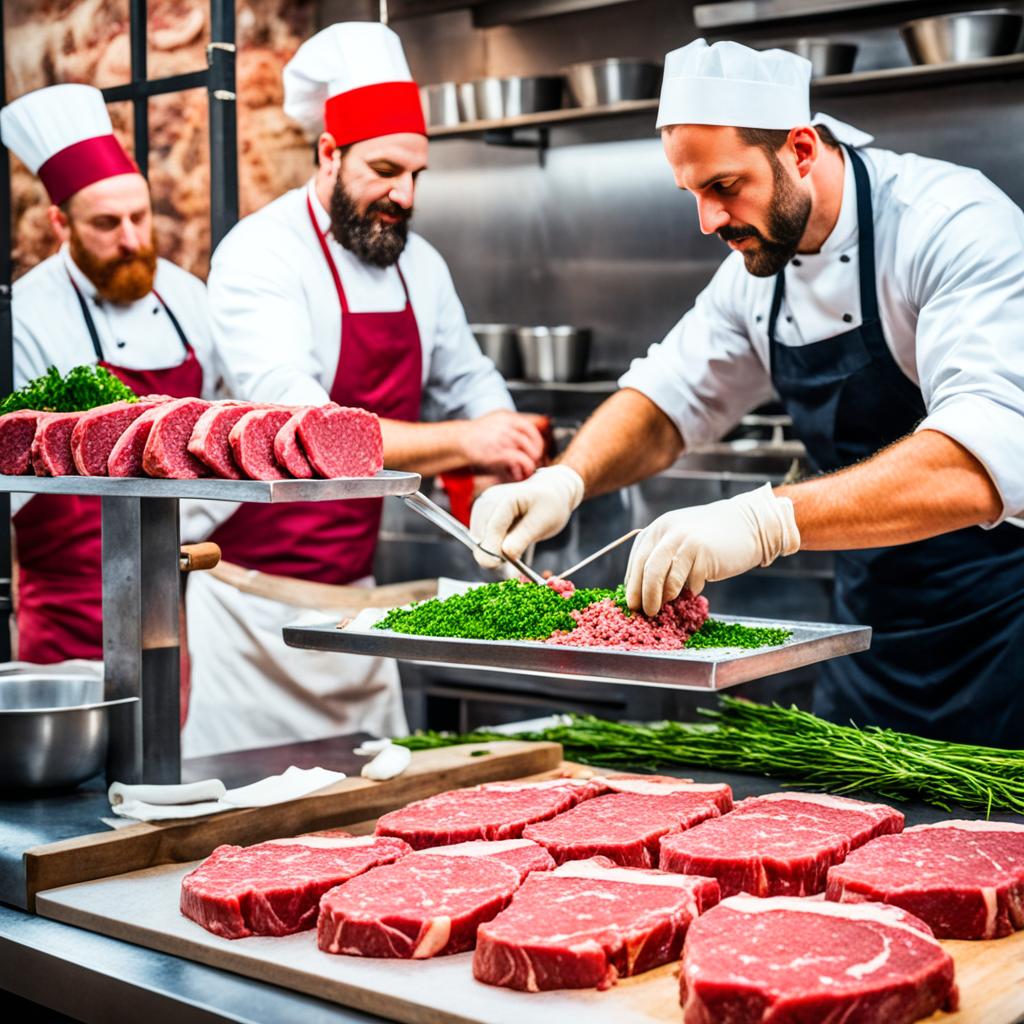
Now, steak tartare is a fine dining favorite, known for its excellence and elegance. Its story reflects cultural sharing and the growth of cooking across ages and lands. This dish combines old traditions with upscale taste, inviting us to explore its rich past with every bite.
Crafting the Perfect Steak Tartare
Creating a remarkable steak tartare needs careful attention to detail. It’s critical to pick the best beef cut and mix in essential ingredients. The meat’s quality greatly impacts the flavor, making top-grade beef vital for your steak tartare.
Choosing the Right Cut of Beef
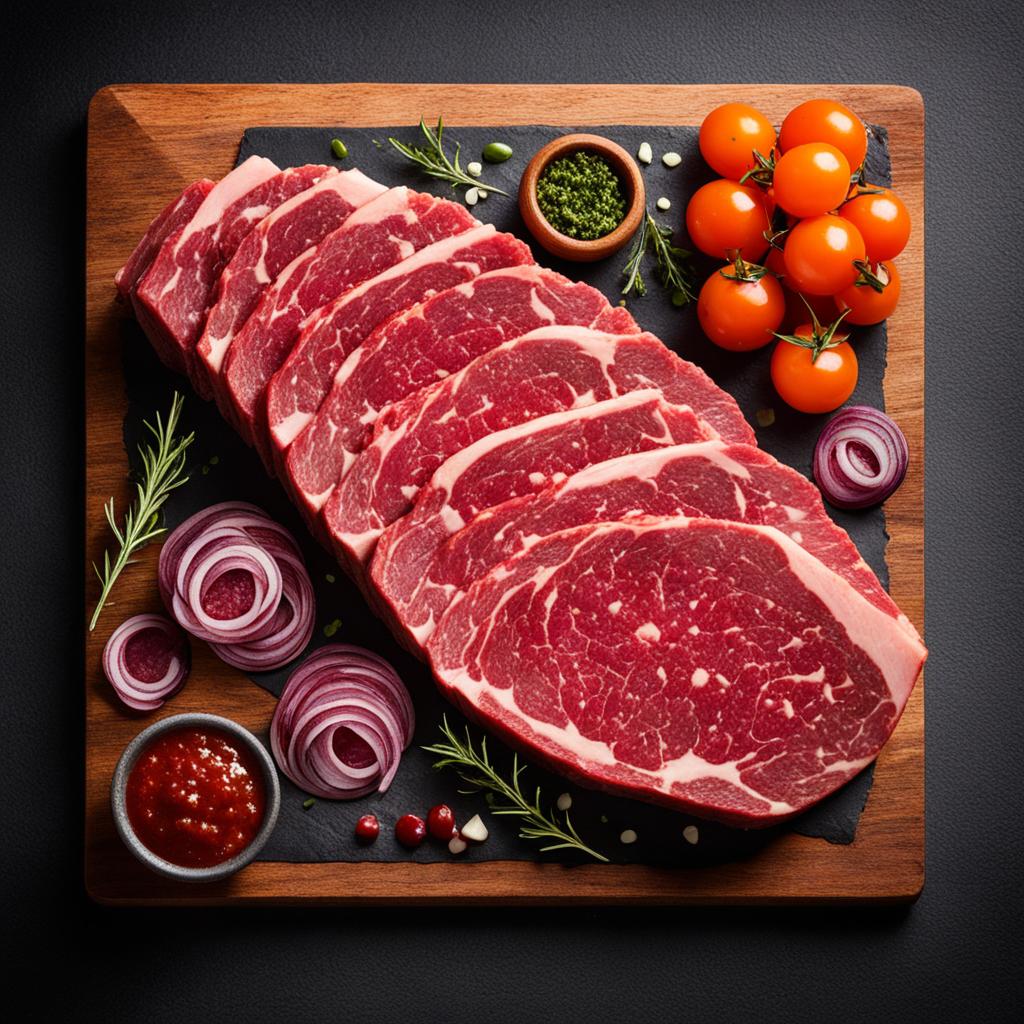
The best beef cuts for steak tartare are typically tenderloin or sirloin. These cuts are tender and full of flavor, enhancing the dish. It’s important to choose fresh, high-quality beef from trusted sources for the best taste and safety.
Essential Ingredients for Steak Tartare
To boost your steak tartare’s flavor, essential ingredients are key. Consider including:
- Dijon mustard
- Capers
- Olive oil
- Worcestershire sauce
- Salt and pepper
- Chopped onions or shallots
These ingredients enhance the taste, making quality a priority. Carefully mix them to create a steak tartare that pleases every palate.
The Culinary Techniques Behind Steak Tartare
Mastering the culinary techniques is key to perfecting steak tartare. It’s important to know how to prepare and store food safely. This ensures the dish is fresh and safe to eat. Mixing methods also play a big role. They help to enhance the flavor of this classic dish.
Preparation and Storage Tips
Always choose the freshest ingredients for steak tartare. Here are some essential tips:
- Select high-quality beef cuts from trusted sources.
- Make sure your working area is clean and sanitized.
- Ingredients should be kept cold until use. This reduces bacteria risk.
- Eat your steak tartare soon after making it for best freshness. If needed, store it in the fridge in a sealed container.
Mixing Techniques for Flavor
Mixing correctly is crucial for the right flavor balance in steak tartare. Follow these steps:
- Finely chop the raw beef for a smooth texture.
- Mix in condiments like Worcestershire sauce, mustard, and capers carefully. This keeps the flavors balanced.
- Add seasonings such as salt and pepper bit by bit. Taste as you go to get it just right.
- Mix in fresh herbs, like parsley or chives, for an extra flavor boost.

Health Benefits of Enjoying Steak Tartare
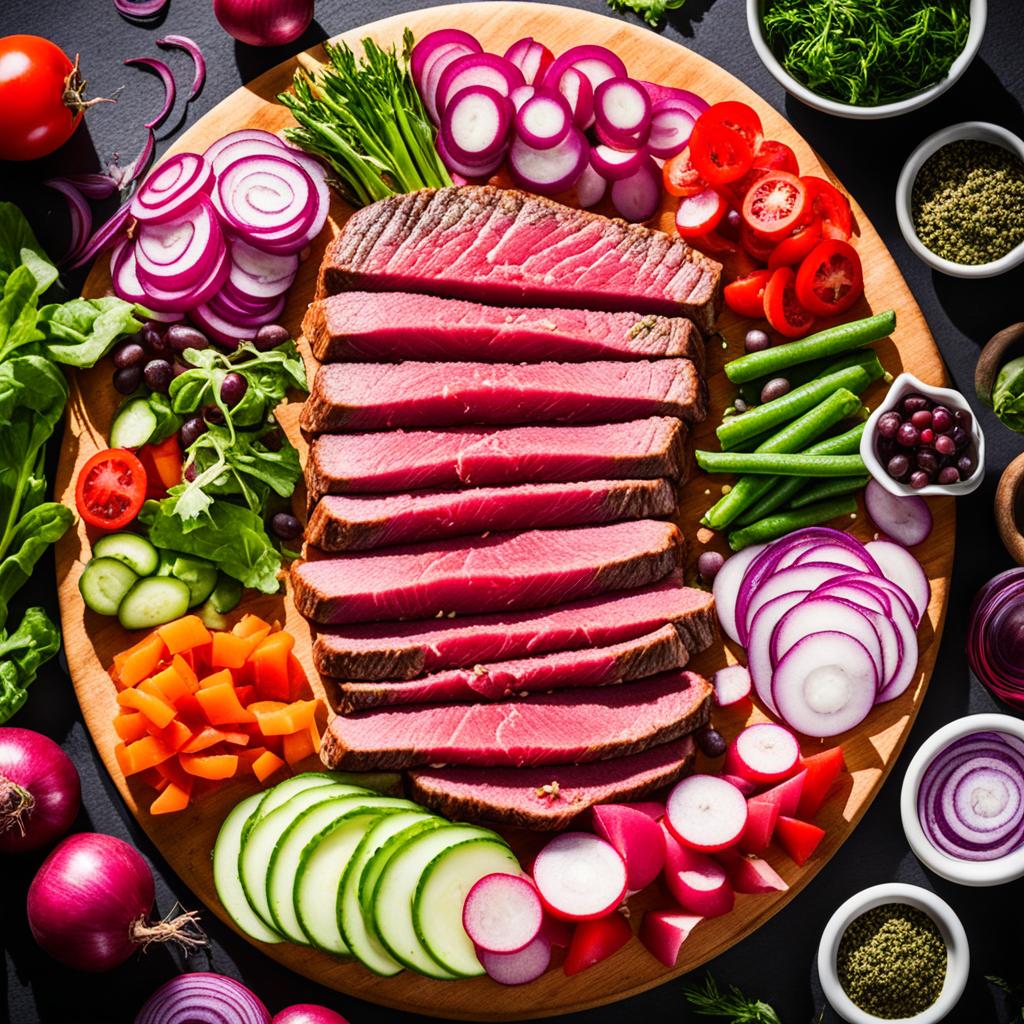
Steak tartare isn’t just tasty—it’s also loaded with nutrients. It’s packed with protein, helping with muscle repair and growth. This dish is great for those looking to stay fit.
It’s full of vitamins and minerals too. For energy and healthy nerves, it’s got vitamin B12. It also contains iron for making red blood cells, and zinc for immune health and healing wounds.
When you choose top-quality beef, eating steak tartare is both delicious and healthy. It’s key to pick fresh, high-grade ingredients for the best benefits.
Variations of Steak Tartare to Try
Exploring different steak tartare variations is a fun adventure. It lets you find new and exciting flavors. You can tweak this classic dish in creative ways. Try Asian influences or spicy twists to wow different taste buds. These twists keep steak tartare’s core but add fresh, bold flavors.
Asian-Inspired Steak Tartare
Asian-inspired steak tartare mixes the old with new Asian tastes. It includes:
- Soy sauce
- Sesame oil
- Chopped green onions
- Fresh cilantro
- Chili paste for a touch of heat
This blend brings something special to the table. It surprises your guests with a unique taste. The mix of umami with fresh touches creates a wonderful contrast with the raw beef.
Spicy Steak Tartare for Adventurous Eaters
For those who love heat, try a spicy steak tartare. It uses ingredients such as:
- Chili peppers, finely chopped
- Sriracha sauce
- Wasabi for an extra kick
- Ginger for a zesty finish
This version is great for bold flavor lovers. It makes each bite an exciting taste adventure. And it stays true to steak tartare’s origins.

Perfect Pairings for Your Steak Tartare
Choosing the right wine and side dishes is key to enhancing your steak tartare. Light red wines like Pinot Noir are great. They have bright acidity and soft fruit notes. Or, try crisp whites like Sauvignon Blanc. These wines have refreshing citrus flavors that balance the meat’s richness.
Wine and Beverage Recommendations
There are other drinks you can try with your meal too. A chilled dry rosé can be a delightful contrast. Sparkling wines add a special touch. Craft cocktails with herbs and citrus can also lift up the meal. Each option brings something special to your steak tartare.
Best Accompaniments to Serve
What you serve on the side is very important for enjoying steak tartare. Here are some ideas:
- Toasted artisanal bread or crostini for added crunch
- Crackers that give a nice texture
- Pickles or cornichons, for acidity against the meat’s richness
- Simple green salads for a fresh touch
Adding these sides not only complements the steak tartare. It makes the whole meal better. As you try these pairings, you may love this classic dish even more. For more culinary tips and recipes, especially on premium meats, check out this site.

Steak Tartare in Culinary Traditions Around the World
Steak tartare is a famous French dish that has inspired many global variations. Around the world, people enjoy this raw meat dish, adding their own local flavors. This has created a rich tapestry of culinary traditions.
In Italy, there’s Carpaccio. It’s thinly sliced raw beef, topped with olive oil, arugula, and cheese. This dish shares its love for fine meat with steak tartare. Korea offers Yukhoe, mixing raw beef with sesame oil, garlic, and an egg yolk. It’s another tasty take on raw meat.
Ethiopia gives us Kitfo, a spicy raw beef dish usually served with yogurt. These international dishes highlight how different cultures value raw meat. They show the diverse ways of preparing it worldwide. Exploring these cuisines reveals many interesting versions of steak tartare.

Trying these dishes lets you see how different countries approach raw meat. Learning about other culinary traditions can make eating more enjoyable. It can also inspire you to create your own version of steak tartare. For those wanting to improve their kitchen skills, studying methods like marinating and seasoning is beneficial. Tips can be found in resources like this article on flank steak techniques.
The Luxurious Experience of Steak Tartare
Indulging in steak tartare is a true steak tartare dining experience. Each bite captures the luxury of fine foods. Known as a fine dining symbol, it turns meals into flavorful celebrations. The care in its preparation highlights its art and ingredients, showing sophistication.
Imagine being at a fancy restaurant or dinner party. Here, steak tartare often steals the spotlight. It’s the thrill of tasting raw flavors, combined with delicate seasonings. This dish impresses your taste buds and leaves a mark on special occasions. Whether it’s for love, a birthday, or business, it shines.
Steak tartare is not just eating; it’s a gourmet dining adventure. Thoughtful pairings and refined settings complete the experience. From the beef cut to the garnishes, everything is chosen with care. This luxurious dining promises memories where food meets celebration.

Tips for Serving Steak Tartare at Home
Serving steak tartare at home can impress your guests. Focus on how you present it to make the dish inviting. Start by picking a beautiful plate that shows off the ingredients’ vibrant colors and textures.

Think about what goes with your dish. Fresh herbs, pickled veggies, or crispy bread can make it tastier. Arrange these items nicely around the steak to make it look good.
Remember, timing is key. Serve the dish right after you make it to keep it fresh and flavorful. This ensures your guests get the best taste. Feel free to show your style in preparing this dish. It makes the experience fun and honors the tradition of steak tartare.
Conclusion
Steak tartare is a classic in fine dining. It invites you to explore its deep flavors and cultural history. Every part of steak tartare shows the skill in making it.
Discovering this dish is an adventure. You get to try different versions and mix ingredients. When you eat it, appreciate the blend of flavors and textures. It’s a real treat.
Every meal celebrates a tradition across cultures. As you enjoy steak tartare, cherish the experience. This dish has won over taste buds for many years.