
This post may contain affiliate links so we may receive compensation if you sign up for or purchase products linked to below. As an Amazon Associate, I can earn from qualifying purchases
Picture this: the sizzle of a juicy flank steak hitting the grill, the aroma that beckons from the backyard, and the anticipation of that first tender bite. You, my friend, are on a quest for the quintessential carnivorous experience—one where the ideal flank steak temperature is the holy grail. Well, tighten your apron because we’re about to delve into the art of grilling flank steak to perfection.
No more guessing games when it comes to cooking temperatures for flank steak. Achieve perfect steak doneness without breaking a sweat—with our guide, you’ll wield your tongs like a maestro, charming the flavors out of that beef like a culinary wizard.
Sink your teeth into our treasure trove of tips and banish the fear of tough, overcooked beef to the land of forgotten meals. Ready to up your grill game?
Key Takeaways
- Unlock the secrets to the ideal flank steak temperature for unmatched tenderness.
- Master the craft of precise grilling flank steak for unbeatable flavor and juiciness.
- Control cooking temperatures for flank steak to ensure your masterpiece is the talk of the table.
- Explore the nuances between rare and medium, hitting that perfect steak doneness every time.
- Embrace the wait—letting your steak rest is the unsung hero of steak supremacy.
- Use a meat thermometer as your trusty sidekick to avoid the perils of guessing.
- Remember, patience and knowledge are your best grill companions!
Understanding Flank Steak Cuts
When you venture into the realm of beef cuts, getting to grips with flank steak anatomy can turn your meal into a culinary masterpiece. This prized cut, derived from the abdominal muscles of beef, is more than just a piece of meat; it’s the epitome of flavor and, with the right know-how in beef flank steak preparation, can be transformed into succulent dishes like the famed London broil.
The Anatomy of Flank Steak
If you’re looking to impress your guests or just treat yourself to an elevated dining experience, delving into the anatomy of flank steak is essential. Cut from the underside of the cow, it boasts a rich, intense beefiness that distinguishes it from other cuts. While marbled with flavor, its characteristic toughness calls for specific cooking techniques to unlock its potential.
Flank Steak vs. Skirt Steak: Clearing the Confusion
Now, let’s clear up a common mix-up: flank steak versus skirt steak. While both come from the cow’s underbelly, discerning foodies know that flank is the thicker and wider cousin of skirt steak, which boasts a slightly more potent flavor. Cooking aficionados prize both for their full-bodied taste, but the similarities end there. Flank commands a unique approach to unleash its best qualities.
| Characteristic | Flank Steak | Skirt Steak |
|---|---|---|
| Location | Abdominal muscles | Plate or diaphragm muscles |
| Texture | Fibrous and tough | Coarse texture with more fat |
| Flavor | Beefy but less intense | Moderately more intense |
| Best Preparation | Marinate, then slice against the grain | Marinate, quickly sear, and slice against the grain |
Mastering the art of preparing a flank steak is like conducting a symphony. With each slice against the grain, you’re creating a tender experience for the palate that elevates beef to new heights. So grab your chef’s hat, and let your culinary journey begin.
Marinating Your Flank Steak: A Flavorful Foundation
As the wise grill connoisseurs insist, a sublime flank steak marinade is your secret weapon for transforming that lean cut into a succulent, flavor-filled steak. Remember, the primary goal is to meticulously tenderize flank steak and infuse it with unmatched flavors that promise a parade for the taste buds. So, roll up those sleeves and let’s get mixing!

Let’s dive deep into the art of creating marinade recipes that do more than just season—they revamp and they revolutionize. Pay attention, because you’re about to become the marinade maestro your humble kitchen never knew it desperately needed.
Well-balanced marinades are a symphony of ingredients where each note plays its essential part. You’ve got your acids like a spritz of lime juice to break down those proteins, the umami bomb that is soy sauce, and a slick of vegetable oil to carry flavors deep into the beef’s soul.
If you find yourself in the midst of a marinade conundrum, fear not. Here’s a trusty table that’ll have you crafting the perfect soak in no time:
| Component | Purpose | Examples |
|---|---|---|
| Acids | Tenderizing agent | Lime juice, Vinegar |
| Saltiness | Flavor enhancer | Soy Sauce, Worcestershire sauce |
| Fats | Flavor carrier | Vegetable oil, Olive oil |
| Sweeteners | Balancing flavor | Brown sugar, Honey |
| Herbs and Spices | Aroma and zest | Garlic, Rosemary, Black Pepper |
Remember, this isn’t just throwing things together and hoping for the best—it’s about creating the perfect backdrop for your steak to shine. Instruction manuals might not be your thing but trust this one: marinade generously and await the magic that occurs after just a few hours, or—if you’re a true flavor aficionado—overnight. You’re about to take that beef on a zest-filled voyage, paving the way to a meal that’s sure to snag some serious culinary kudos.
Grilling Techniques for Flank Steak Perfection
Let’s turn up the heat and talk about bringing out the best in your flank steak with some serious grilling action. Whether you’re firing up a bed of coals or twisting the knob on your gas grill, getting that **perfect grill sear** is a delicious symphony whose notes you’re about to master.

Charcoal vs. Gas Grilling
Choosing your grilling platform can be like picking between a vintage LP and a streaming track – both deliver the music, but each plays it a little differently. Charcoal grilling is the LP, offering rich, smoky notes that infuse your flank steak with a rustic charm. Gas grilling, on the other hand, is crisp and convenient, like your go-to playlist; it heats up quickly and gives you precise control to hit just the right pitch in your cooking.
Searing and Grilling Times
Whether you’re team charcoal or gas, searing is your opening act. Start with a high-heat sear to lock in those savory juices and give your steak a gloriously caramelized crust. Aim for about 3-5 minutes on each side, depending on your flame and the voice of your inner grill master. Then let the medium heat coax your steak to a perfect medium-rare. Here, timing is key – think 9-12 minutes total, with a single authoritative flip at the halftime show.
To ensure your encore is greeted with applause, check the internal temp with a meat thermometer – 130°F is your cue for a rest. This rest allows your steak to absorb the adulation (and heat), bringing it up to an ideal 135°F. What you get is flank steak grilled to juicy, flavorful perfection, ready to take center stage at your table.
The Ideal Temperature Flank Steak Should Reach
When you’re aiming for that mouthwatering flank steak, under or overcooking can be the bane of your culinary existence. But, fear not, your meat thermometer is the Excalibur in your kitchen! It’s all about hitting that sweet spot, the ideal steak temperature that chefs and steak aficionados lust over.
What Meat Thermometers Tell Us
Firstly, let’s nail down those meat thermometer guidelines. The perfect medium-rare steak beckons at precisely 130°F. Poke in the thermometer’s probe like it’s the stake to Van Helsing’s vampire and wait for it to read your ticket to flavor town. Remember, you’re not looking for an uptick, yet.
“Pull your steak off the fire at 130°F, and let the magic of carryover cooking do the rest.”
And that’s not just us talking; it’s seasoned steak wisdom. You’ll unwrap a parcel of perfection when those juices redistribute—cue salivation.
Understanding Carryover Cooking
Now, take a step into the science of sizzle with the carryover cooking phenomenon. It’s that stage when the steak goes from hot grates to resting grace. Here’s the kicker: the temperature will climb a wee bit more, caressing up by about 5°F while the meat rests, tender and juicy.
Think of it as your steak taking a quick spa retreat. Just a few more minutes of relaxation for those muscle fibers, and voilà, you’ve achieved the ideal steak temperature without even lifting a finger—or tong, as it were.
What you’re left with is not just a steak, but a masterpiece. A cut so tantalizingly tender, each slice whispers a story of perfect heat, impeccable timing, and the tenderest of loving cares. So, go on, tell your friends. You’ve mastered the art of grill-fu, with a little help from your trusty thermometer sidekick.
Broiling Flank Steak in Your Oven
So, you’re craving that perfectly seared flank steak but the weather or your tiny balcony won’t cooperate for outdoor grilling. Fear not, steak aficionado! You can achieve those drool-worthy, grill-like results with your trusty oven’s broiler. Let’s dive into the indoor steak preparation wonderland, where broiling flank steak delivers a succulent finish rivaling the best outdoor barbecues.
Firstly, the glory of oven cooking steak lies in understanding your broiler. This top-down heat furnace is essentially an upside-down grill—talk about flipping the script on your standard broiling techniques! For an ideal broil, let’s position the steak about 3–4 inches from the heat source. Oh, and crank that knob to high because we’re about to blast this steak with all the heat it can handle.

Timing is everything. Having your steak in the oven for 11–14 minutes should hit that sweet spot of 130°F before some good old-fashioned resting. This rest is not just for you to admire your handiwork; it allows your steak to finish cooking in the most relaxed manner, soaking in all its juices, so they redistribute like the attendees of a great party finding their groove.
| Broiling Step | Action | Details |
|---|---|---|
| Prep and Preheat | Turn on broiler and preheat | Ensure your broiler is engaged and ready to embrace the steak. |
| Steak Positioning | Place steak 3-4 inches from heat | This is the goldilocks zone—not too close, not too far. |
| Cooking Time | Broil for 11-14 minutes | Monitor closely—broilers are as temperamental as a reality show judge. |
| Rest Period | Rest steak post-broiling | Give it 5 to 10 minutes to reach perfection, just chilling on the counter. |
Now grab that fork, summon your inner steak connoisseur, and prepare to indulge in a beautifully broiled flank steak right from your own oven. Ain’t no rain nor lack of grill gonna keep you from your steak night now!
The Art of Stovetop Flank Steak
Stovetop cookery isn’t just about convenience; it’s a realm where the culinary artist can transform a simple piece of meat into a masterpiece. When you pan-sear flank steak on your stovetop, you’re not only cooking; you’re conducting a symphony of flavor and texture.
Marinating for Stovetop Cooking
Before you take to the flames, remember that a good marinade is the secret to infusing your flank steak with deep, memorable flavors. Meat marinades that strike a synergy of acid, oil, and aromatics not only tenderize the beef but also prepare it for the high heat of pan-searing. This pre-cooking ritual ensures each fibrous strand of your flank steak capitulates to a more succulent bite.
Getting the Perfect Sear
Every stovetop chef’s quest is achieving that golden-brown sear – that magical crust that speaks volumes of flavor. To excel in this culinary art, preheat your pan to a sizzling sweet spot. Lay your marinated flank steak down and hear the symphony start. Within minutes, an impeccable crust should form, one that proudly boasts the prowess of your stovetop cookery skills.
Remember, your timing is critical here; too long and you risk a tough chew, too short and you miss the sear. Just right, and you raise your kitchen status to searing savant, serving up not just a steak, but an experience. Now, take your tongs and reap the rewards of your stovetop ambition.
Resting the Steak: Your Key to Juiciness
Let’s talk about a simple yet crucial step on your journey to the juiciest steak on the block: resting your cooked steak. After you’ve masterfully grilled that beautiful flank steak to perfection, hold your horses! Don’t slice into it immediately. Trust us; patience pays off here, and it’s all about meat juices redistribution for optimal steak moistness.
Imagine this: Your steak’s hot off the grill, the aroma’s taunting your taste buds, you’re tempted to cut right in, but what happens next is crucial. The high heat during cooking forces the steak’s juices to the center, making the sides seem dryer. Here’s where the art of resting comes into play. Envelope your steak in a foil tent like a culinary cozy blanket. Now, let time work its magic.
During this restful hiatus, the meat’s internal temperature continues to rise slightly (hello, carryover cooking!) and the juices evenly wend their way back through the fibers, ensuring every slice is as succulent as the next. You wouldn’t want all that juice running out onto the plate and not your palate, right?
Here’s a table to show you just how significant resting is:
| Rest Period | Juice Retention | Texture & Tenderness |
|---|---|---|
| 0 minutes (Immediate slicing) | Poor (juices escape, leads to a dry steak) | Tougher chewier texture |
| 3-5 minutes | Better (meat begins to reabsorb juices) | Improvement in moistness and tenderness |
| 5+ minutes (Ideal) | Excellent (optimal juice redistribution) | Steak at its most tender and flavorsome |
Whether it’s a fiery summer grill-out or a cozy winter pan-sear, resting your cooked steak not only locks in those juices, making each slice a mouthwatering revelation, but it also allows you to catch up on dressing the salad, plating the sides, or pouring that glass of Cabernet Sauvignon you’ve been eyeing.
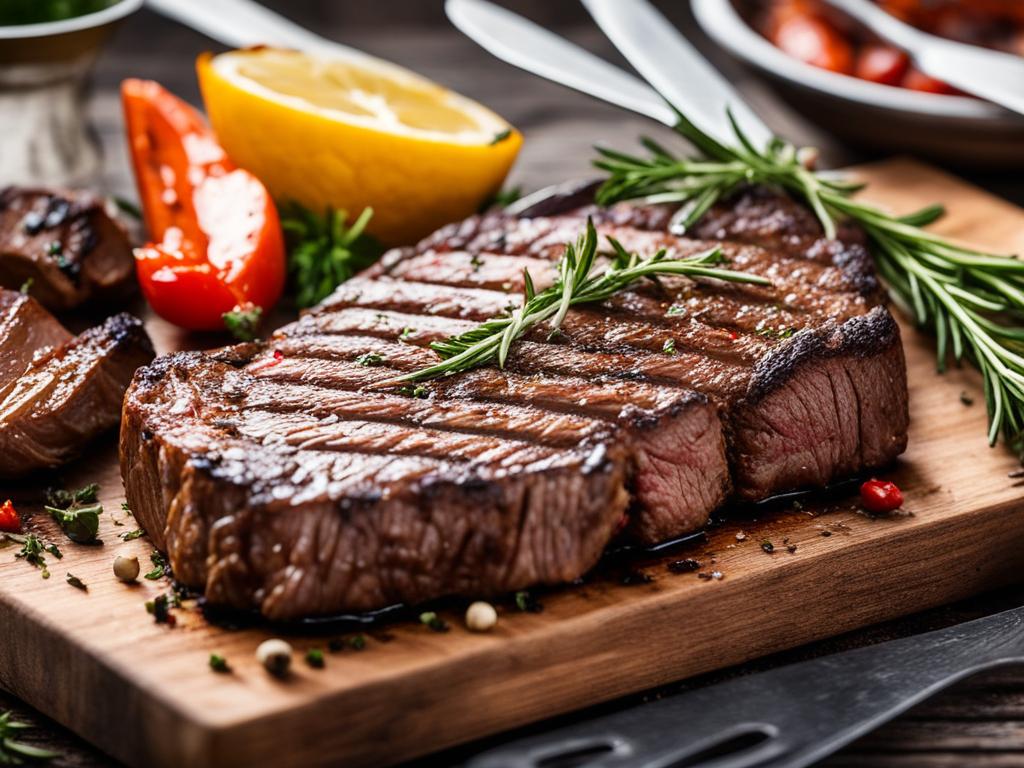
So remember, the next time you grill, give your steak a well-deserved rest, because when it comes to steak, time really is on your side. And your future self, along with your guests, will thank you when they sink their teeth into a steak that’s the epitome of moistness and flavor. Now, are you ready to rest those steaks like a pro?
Slicing Flank Steak: Techniques for Maximum Tenderness
Now that you’ve cooked your flank steak to perfection, let’s turn that beautiful piece of meat into a tender masterpiece. Carving steak the right way, believe it or not, can make or break its tenderness. The secret? Getting to know its grains and mastering the bias cut technique. Stick with me, and you’ll be slicing like a pro in no time.
Finding the Grain
Before you dive knife-first into your flank steak, take a moment to admire its structure. You’ll notice lines running across it—that’s the grain we’ve been raving about. To ensure each bite is blissfully easy to chew, you’ll want to cut against the grain. Here’s a witty analogy for you: think of it as cutting through a series of ropes. When you snip across them, they become much shorter, translating to tender beef slices on your plate.
Cutting on the Bias
A snazzy chef term, ‘on the bias’, means slicing at an angle— a strong 45° to be exact. This critical move not only makes your steak slices look elegant but also maximizes tenderness. This bias cut technique widens the surface of each slice, giving you a larger canvas to enjoy the flavors. Your knife will glide through the steak like it’s butter on a warm day, delivering the ultimate melt-in-your-mouth experience.
| Tips for Carving Flank Steak | Why It Works |
|---|---|
| Identify the grain direction | Allows for precise, against-the-grain cutting |
| Position knife at a 45° angle | Creates a larger surface area, enhancing texture |
| Use a sharp carving knife | Ensures clean, easy slices without shredding the meat |
| Take your time while slicing | Prevents uneven slices and preserves the integrity of the beef |
Armed with these slicing strategies, you’re all set to transform that flank steak from good to grandiose. After all, what’s a mouthwatering piece of meat if not sliced to tender, flavorful perfection? Go forth and carve with confidence, knowing you hold the key to the ultimate taste and texture experience.
Specialty Cooking Methods: Thinking Beyond the Grill
Get ready to take your flank steak on a journey of culinary exploration with alternative cooking methods that go beyond the traditional flames. Adopt the adventurous spirit of unconventional steak cooking and discover the joy of preparing an Instant Pot flank steak, where convenience meets flavor in a pressure-packed environment. Let’s dive into the versatility that unconventional wisdom brings to your steak game.
Why stick to the script when the offbeat path calls? An Instant Pot isn’t just for your beans and stews; it’s a champion of moist, tender, and quick flank steak preparation. While the grill has its charm, the Instant Pot locks in the flavor and achieves that desired doneness without the smoke or the hassle of coal. Embrace the rebellion of alternative cooking methods and relish in the textures and tastes they unveil.

| Cooking Method | Prep Time | Cook Time | Characteristics |
|---|---|---|---|
| Grill | 10 min | 15 min | Smoky flavor, charred exterior |
| Broil | 5 min | 12-14 min | Intense heat, golden crust |
| Pan-Sear | 5 min | 12-15 min | Caramelized surface, tender interior |
| Instant Pot | 5 min | 35-40 min | Fast, juicy, evenly cooked |
Now, imagine your Instant Pot gently embracing your flank steak with the caress of pressure and heat, whisking it away to a state of unconventional steak cooking elegance. It’s time to transform your kitchen routine and give the grill a well-deserved break. Who knows, you might just discover your new favorite way to tackle that delicious cut of beef with the techniques outlined above. Ready, set, pressure cook!
Creative Serving Suggestions: Elevating Your Flank Steak Dish
When your flank steak has reached that succulent, mouth-watering state, it’s time to let your culinary creativity shine. Don’t just serve it; present it! The vibrancy of your flank steak presentation can transform any dining experience. And let’s be real, who wouldn’t want to add a dash of flair to their plate with some clever chimichurri sauce pairing? But before we dive into the vast sea of sides and sauces, consider how a slice of this savory beef will look perched atop a pile of freshly made steak tacos and fajitas. It’s a sight to behold and a taste to remember!
From Tacos to Fajitas: Versatile Plating Ideas
Picture this: your kitchen is the stage, your plate the canvas, and the flank steak is your vibrant palette of flavors. Use it to add depth to steak tacos by loading them with strips of juicy steak, topped with diced onions and cilantro. Or wrap it in a warm fajita with sautéed peppers and onions for a sizzle that satisfies. It’s not just a meal; it’s a masterpiece waiting to happen.
Pairing Sides and Sauces
Every artist needs their color wheel, and in the realm of food, sides and sauces are your spectrum to choose from. The tangy zest of chimichurri sauce pairing with the richness of the flank steak? It’s the kind of combination that can make taste buds dance the tango. No matter your choice of side dish accompaniments, ensure they complement and elevate the main act, without stealing the show.

| Sides | Sauces |
|---|---|
| Roasted Asparagus | Chimichurri |
| Grilled Corn on the Cob | Classic Salsa |
| Garlic Mashed Potatoes | Cilantro Lime Crema |
| Caramelized Brussel Sprouts | Spicy Aioli |
Do you prefer your flavors to mingle or do you like them bold and standing tall on their own? You call the shots. Pair your flank steak with a side of roasted asparagus or grill some corn on the cob to add a smoky sweetness. How about garlic mashed potatoes, because, let’s face it, garlic makes everything better. Or perhaps add a bit of crunch with caramelized Brussel sprouts.
And then, polish off with the sauces. The right sauce can be the proverbial icing on the cake—or in this case, the steak. Chimichurri adds a herby freshness that’s hard to beat, while a dollop of classic salsa can provide a tangy kick. A drizzle of cilantro lime crema or a dab of spicy aioli could be the very twist your plate yearns for. In the grand mural of flank steak presentation, each side, each sauce, each addition plays its pivotal part in creating a masterpiece that’s as much a pleasure to the eyes as to the palate.
Conclusion: Savor the Perfectly Cooked Flank Steak
As you lift your fork, the culmination of carefully honed cooking achievements rests before you: a flank steak, seared to perfection, rich in flavor, exuding culinary satisfaction. The journey from selecting the finest cut to presenting a masterpiece on the plate is no mere task—it’s an art form. The marbling of fat, the shimmer from the resting juices, and the aromatic hint of marinade all yield to your deft craftsmanship. Every tender slice is a testament to the skill you’ve employed, the knowledge you’ve applied, and the patience you’ve upheld until this perfect flank steak enjoyment unfolds in every bite.
Your kitchen has become the stage, and the applause comes in the form of savory, succulent bites. The satisfaction of nailing the ideal steak temperature, understanding the right slicing techniques, and pairing your dish with complementary sides or sauces is beyond palpable—it’s etched into the satisfaction of every guest who partakes. After all, what’s better than sharing the spoils of your culinary quest? The flank steak, with its bold flavor, now becomes a shared delight, enhancing the meal and the moment alike.
So here’s to the passion that simmers in pots and pans, to the tradition passed down through each recipe, and to the innovation that flares with every newly ignited grill flame. Mastery of the flank steak is a badge of honor you wear proudly, for it goes beyond the propers of dining etiquette; it’s about creating an experience—a perfect flank steak experience—that resonates long after the plates are cleared. Here’s to your next culinary adventure, may it be as fulfilling and flavorful as the perfectly cooked flank steak that graced your table today.
FAQ
What’s the scoop on finding the ideal flank steak temperature?
Picture this: You’re aiming for that medium-rare sweet spot. The meat thermometer should whisper sweet nothings at 130°F before resting. Post-resting, you should see a cozy 135°F, as perfect as a Sunday nap.
Can you school me on the flank steak anatomy?
Think of it as the cow’s six-pack, located on the abdominal muscles. This area works hard, meaning the meat is lean, flavorful, and, without proper care, as tough as an overcooked trivia question.
I’m all tangled up. Is it flank or skirt steak on my plate?
Think of flank steak as the broader, thicker cousin of the gossamer-thin skirt steak. While both enjoy a good marinade like a spa day, flank steak is the one you’ll spend a bit more time grilling to perfection.
What’s the secret marinade formula for a flavor-filled steak?
Acid, salt, and fat. It’s like the holy trinity of flavor enhancement and tenderization. Mix something tangy like lime juice with something salty like soy sauce and a kiss of oil, and see your steak soak it up like a juicy rumor.
Charcoal or gas? Help me crack the grilling technique enigma.
Whether you prefer the primal call of crackling charcoal or the James Bond-like precision of gas grilling, start with a high-heat sear, then let your steak bask in a cooler side, flipping gracefully like an Olympic diver for 9-12 minutes.
What can a meat thermometer tell me aside from the temperature?
It’s your grilling crystal ball, revealing the mystical doneness of your meat without slicing it into a peep show. For medium-rare wonders, 130°F is your magic number before you let the steak contemplate life on a cutting board.
Mystery of the oven: How do I broil flank steak perfectly?
It’s less of a mystery and more of a controlled steak sauna. Position the meat 3-4 inches below the broiler, give it 11-14 minutes of high-heat attention, and you’ve got a flavor-packed alternative to grilling.
They say resting your steak is crucial. Why?
Think of the rest period like a good thriller’s climax—everything comes together. Ten minutes under foil and the meat’s juices redistribute, making every slice as juicy as the last bite of a well-paced drama.
What’s ‘cutting against the grain,’ and why does it matter?
Against the grain is not just for rebels. It’s slicing perpendicular to those muscle fibers—making the steak as tender as your feelings during a rom-com. And at a 45° angle—because, like life, a good cut is all about perspective.
Can the Instant Pot really handle something as hallowed as flank steak?
Indeed! Your trusty Instant Pot can take that hunk of beef and turn it into something fork-tender and infused with flavor, proving convenience and culinary prowess can be bosom buddies.
Got any smart tips for plating flank steak with pizzazz?
Lay that steak across a pile of warm tortillas, crown it with a zesty chimichurri or tuck into a bed of greens. Versatility is flank steak’s middle name, making it the life of the party in any dish.