This post may contain affiliate links so we may receive compensation if you sign up for or purchase products linked to below. As an Amazon Associate, I can earn from qualifying purchases
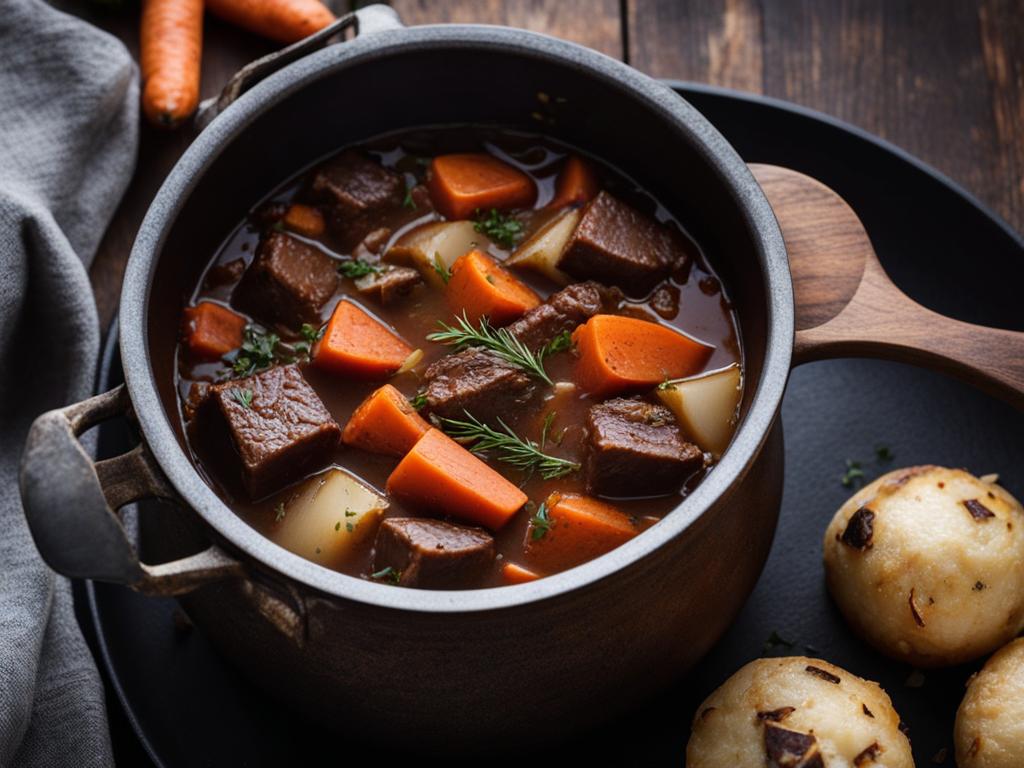
When the winter chill sets in, there’s nothing quite like the heartwarming comfort that a homemade venison stew recipe can provide. Imagine sitting down to a bowl of oven slow-cooked stew with fork-tender venison, simmering in a rich red wine sauce that promises to chase away the coldest of days. A dish that not only warms your home but also fills it with the irresistible aroma of traditional comfort food. Dive into the world of sumptuous flavors with a venison stew that’s been perfected for your culinary delight.
Key Takeaways
- Mastering the art of a classic venison stew creates the ultimate winter comfort food.
- Utilizing an oven to slow-cook enhances the flavor and tenderness of the venison.
- An infusion of rich red wine elevates the stew’s sauce to an opulent level of taste.
- Learn how to achieve that fall-apart consistency that makes venison stew irresistible.
- Discover the simplicity behind a succulent stew that brings together friends and family.
Why Venison Stew is the Perfect Winter Meal
Imagine the temperature outside dropping, the wind brushing against your window, and a sense of chill seeping through the walls. Now envision yourself in the kitchen, where the warmth emanates from a pot of simmering venison stew – your quintessential cold weather comfort food. Preparing an easy venison stew recipe can be one of the most satisfying culinary pursuits during the winter months, and here’s why.
Flavorful stew, filled with tender chunks of venison, richly seasoned and mingling with hearty vegetables, exemplifies a nutritious meal. Venison, known for its lean profile and high protein content, outshines conventional meats with its health benefits. It’s not just about staying true to traditional comfort food; it’s about indulging in a dish that feels indulgent yet aligns with a mindful diet.
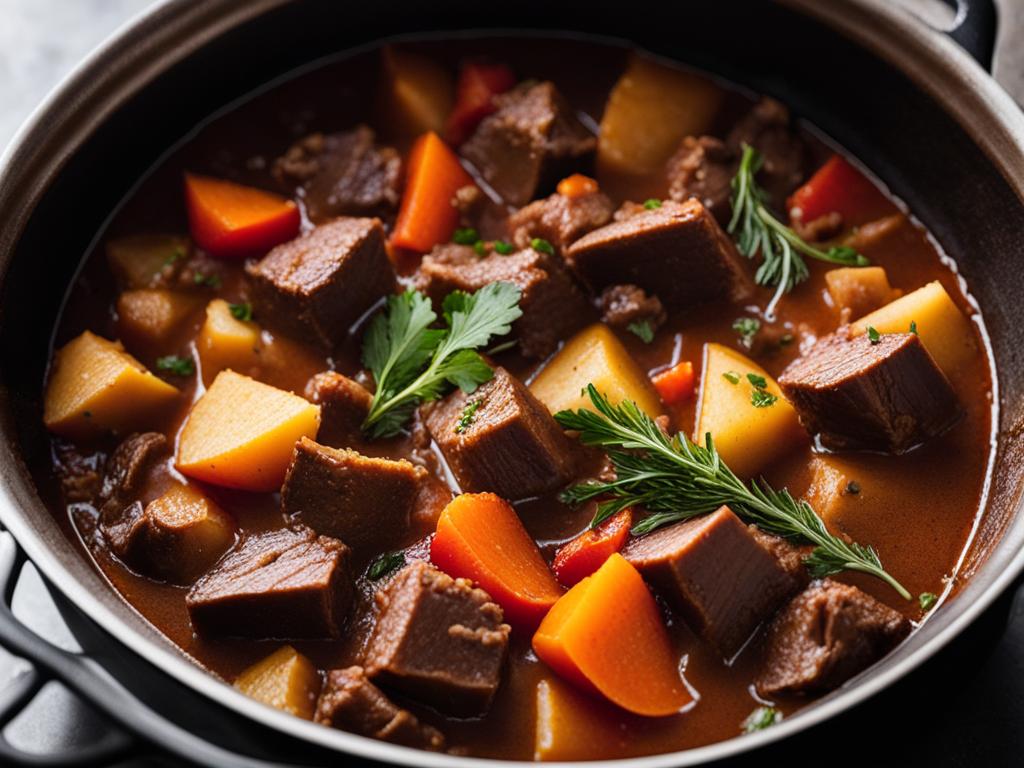
The slow-cooking process central to a flavorful stew does more than just tenderize the meat. It harmonizes the flavors of each component, ensuring every spoonful is as delicious as it is heartwarming. This alchemy of ingredients in a single pot transforms cooking during the cold season into an engaging experience, yielding a meal that’s as nourishing as it is delightful.
And then there’s the practical side to consider. An easy venison stew recipe doesn’t demand constant attention or complicated steps. It’s a dish that you can leave to simmer while you wrap yourself in a cozy blanket, read your favorite book, or enjoy the company of loved ones. And when you lift the lid off the pot, you’re greeted with an aroma that promises to chase away any winter blues.
This winter, let venison stew be more than just a dish; let it be a comforting ritual that warms you not just through its heat, but through the richness of its flavor and the wholesome ingredients it brings to your table. Dive into the world of venison stew and discover how it encapsulates everything a winter meal should be.
An Overview of the Key Ingredients for Venison Stew
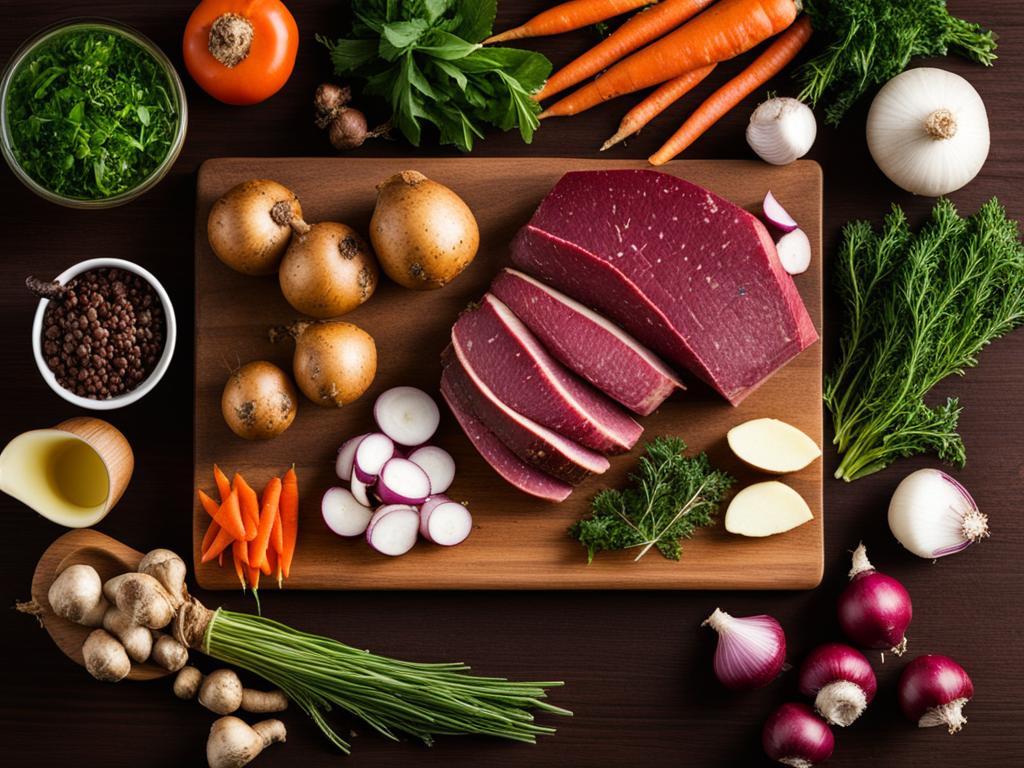
Creating a sublime venison stew starts with incorporating the right harmony of key venison stew ingredients. The essentials range from choosing the most succulent and flavorful right cut of venison to blending it with aromatics, complementary vegetables, and a handpicked selection of herbs and spices. It’s these core components that lay the foundation for the rich, comforting, and inviting stew you envision.
The Role of Aromatics in Flavor Development
When it comes to depth of flavor, aromatics cannot be overlooked. They are the cornerstone of taste, providing an aromatic backdrop that truly brings your stew to life. Onions and garlic, the quintessential duo, work in tandem to form a robust flavor base that infuses the entire stew.
Choosing the Right Cut of Venison for Stew
Not all meat cuts are created equal, especially when slow-cooking a stew. Aim for cuts like the rump, leg, shoulder, or shank for their ability to transform under low, patient heat into magnificently tender bites worth savoring.
Vegetables that Complement Venison
The hearty structure of the stew comes from root vegetables that stand up to hours of simmering. Carrots and potatoes are the traditional stalwarts, providing not just substance but a delicate balance to the rich venison.
Herbs and Spices to Enhance the Broth
No stew is complete without the gentle yet defining touch of herbs and spices. The woody notes of thyme, the aromatic laurel leaves of bay, and the piquancy of ground pepper introduce layers upon layers of nuanced flavor to your venison broth.
The Best Venison Cuts for a Tender Stew
When you’re in the mood for a comforting stew, you’ll want to select the right venison cuts to ensure that every bite is irresistibly tender. Not all cuts are created equal when it comes to preparing a stew. Go for the rump, shoulder, or shank for that melt-in-your-mouth texture that you crave from your stew. These cuts, known for their robust flavor, transform into tender meat with the magic of low and slow cooking.
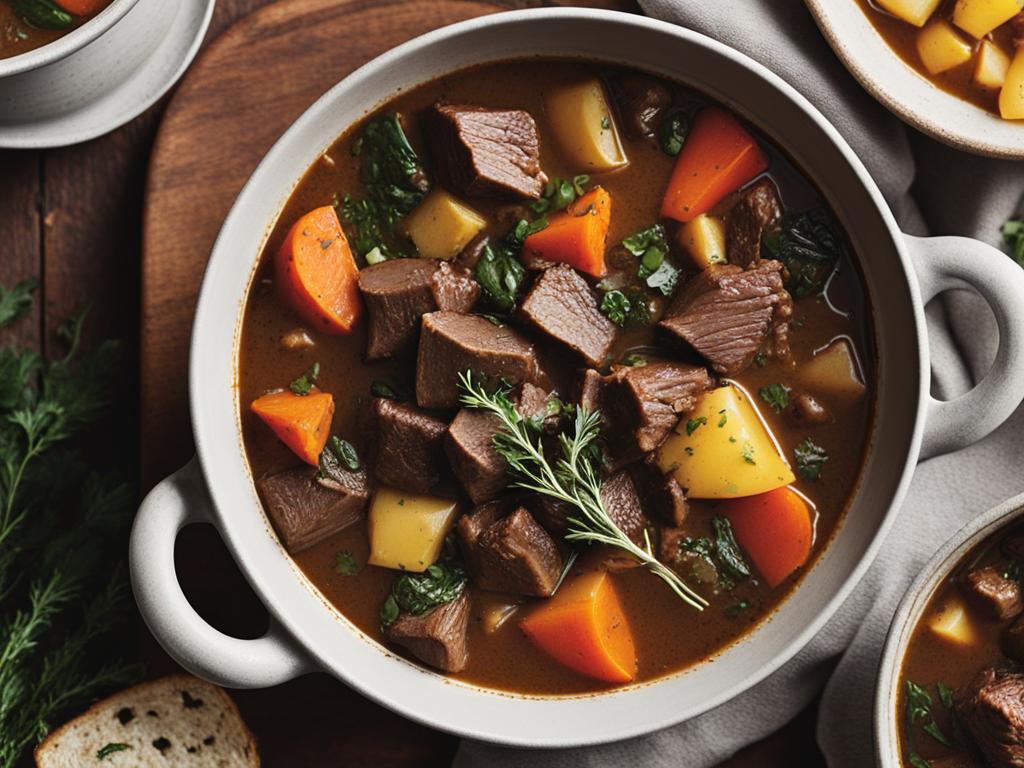
Understanding the characteristics of each cut can help you make the best choice for your stew:
| Venison Cut | Description | Benefits for Stew |
|---|---|---|
| Rump | From the hindquarters, this cut is lean and flavorful. | Lean yet moist, great for absorbing flavors. |
| Shoulder (Chuck) | More marbling means more flavor and a succulent texture. | Perfect for slow-cooked stews, becoming incredibly tender. |
| Shank | A tougher cut that’s rich in connective tissues. | Long cooking breaks it down, resulting in rich, gelatinous meat. |
As these venison cuts simmer away, their connective tissues dissolve, thickening your stew and creating a dining experience that’s both luxurious and filling. Remember, patience is key—the longer and slower you cook these cuts, the more tender the meat becomes, rewarding you with a stew that’s bursting with flavors and a texture that’s truly remarkable.
Preparing for Your Venison Stew: Tips and Techniques
When the time comes to create your own delectable venison stew, there are some pivotal techniques and strategies you’ll want to employ. Ensuring you’re fully equipped with the knowledge of these methods will make the difference between a good stew and a truly great one. Let’s dive into the culinary secrets that will elevate your dish.
Secrets to Browning Venison for Maximum Flavor
To begin preparing venison stew, browning the meat is an essential step you shouldn’t skip. It’s not just about changing the color of your venison; it’s about creating a rich foundation of flavor. When browning venison, don’t overcrowd the pan and give each piece space to sear properly, developing a delicious crust full of umami flavor that will permeate through your stew.
Thickening Your Stew for a Comforting Consistency
A stew should be lush and thick, enveloping your spoon with each hearty bite. To achieve the right consistency, adding a thickening agent is key. Use flour or arrowroot powder to create a roux, cook out the raw flavor, then slowly whisk in your broth for that desirable thickening stew effect. The result? A velvety texture that clings to your meat and vegetables, providing that soothing, comforting embrace with every mouthful.
Marinating Venison: To Do or Not To Do
If you have time on your hands, marinating venison can inject your stew with even more flavor. It’s a debated topic, but marinating can tenderize the meat and layer in nuances of taste that mere seasoning might miss. Herbs, wine, and a touch of acid can break down tough fibers, making your venison not just flavorful, but also superbly tender.
Venison Stew Recipe: Directions for a Mouthwatering Dish
For those ready to enjoy a mouthwatering dish, these venison stew directions will guide you through a cooking process that’s guaranteed to please your palate. Let’s embark on creating this savory comfort food, perfect for those chilly evenings.
- Begin by heating some oil in a large pot on medium-high heat.
- Sear the venison pieces until they are beautifully browned on all sides.
- Remove the venison from the pot and set aside.
Step 2: Sautéing the Aromatics
- In the same pot, add the onions and cook until they’re translucent.
- Mix in the minced garlic and tomato paste, and cook for an additional minute to enhance their rich flavors.
Step 3: Deglazing and Creating the Sauce
- Pour a generous amount of red wine into the pot to deglaze, scraping up any delicious browned bits from the bottom.
- Add the beef broth and water, stirring well.
- Reintroduce the venison to the pot along with your chosen seasonings.
Step 4: Slow Cooking the Stew
- Cover the pot and transfer it into a preheated oven, or continue to simmer on the stovetop.
- Halfway through the cooking process, add the diced vegetables to the stew.
- Allow everything to cook together until the venison is tender and the vegetables are cooked just right.
Step 5: Finishing Touches
- Just before serving, stir in frozen peas for a burst of sweetness and color.
- Adjust the seasoning to taste and serve your venison stew hot.
Every bowl of this stew promises a fulfilling and savory experience that will have everyone asking for seconds. Accompany this stew with a slice of crusty bread, perfect for sopping up the flavorful sauce, and you’ve got yourself a meal that epitomizes winter comfort. Follow these cooking instructions, and you’re sure to have a venison stew that is as delightful to eat as it is satisfying to prepare.
Enjoy the process and savor every bite of this comforting culinary creation!
Alternate Cooking Methods: Slow Cooker & Instant Pot Instructions
Embrace the ease and convenience of modern cookery by adapting your venison stew preparation to alternate cooking methods. Whether you have a Slow Cooker or an Instant Pot, these devices transform the cooking process, making it more manageable and just as flavorful as the traditional approach.
Adapting the Recipe for Your Slow Cooker
Engage in the art of hands-off cooking with your slow cooker, a perfect match for the slow cooker venison stew. It starts similarly – by searing the venison for that delectable depth of flavor. Once you’ve layered the ingredients into the cooker, you’re free; no stirring or checking in required. Set it to cook on low and let the magic happen over the hours as the aromas fill your kitchen.
How to Use Your Instant Pot for Venison Stew
The Instant Pot venison stew offers a quicker path to a sumptuous meal without skirting on taste. Employ the sauté function to brown the meat right in the pot. Then, switch to pressure cook mode. In a fraction of the time it takes to slow cook, the Instant Pot seals in the flavors under pressure, delivering tender venison and perfectly cooked vegetables in record time.
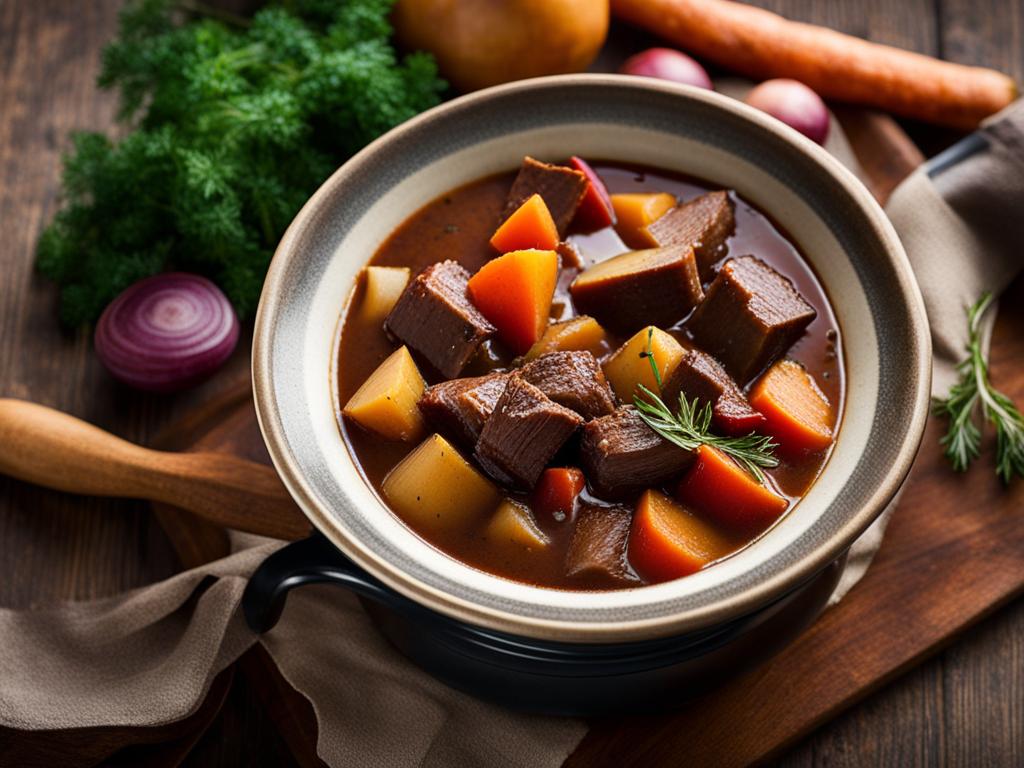
Whether you opt for the unhurried dance of the slow cooker or the brisk performance of the Instant Pot, these alternate cooking methods ensure a venison stew experience that’s both delightful and fitting to your lifestyle. Take the plunge and give these modern culinary tools a whirl; you might just find a new favorite way to prepare this classic comfort food.
Savory Complements: What to Serve with Venison Stew
When you’ve taken the time to prepare a delectable venison stew, selecting the savory complements that will enhance your dish is the next step. Whether you’re looking for perfect pairings for a family dinner or entertaining guests, serving venison stew with the right accompaniments can elevate the meal to new heights. Here you’ll find some classic favorites and suggested pairings that harmonize beautifully with the rich flavors of your stew.
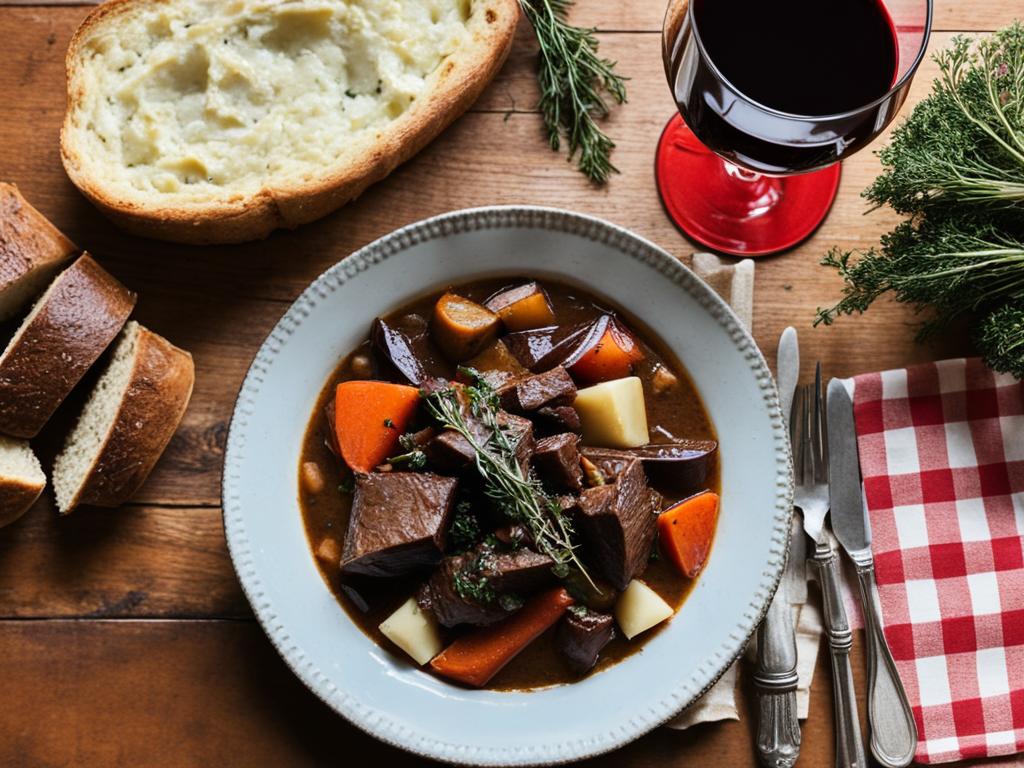
From the crusty delight of freshly baked bread to the fluffy appeal of rice or quinoa, you have multiple options to turn your venison stew into a full-fledged feast. Consider the following table as your guide to creating a satisfying meal complete with savory complements that will leave everyone at the table delighted.
| Complement | Description | Why It Pairs Well |
|---|---|---|
| Crusty Bread | A dense, chewy texture with a hard outer crust. | Ideal for sopping up the rich, hearty gravy of your stew. |
| Biscuits | Buttery, flaky, and soft, perfect for a comforting touch. | Complements the stew with its buttery richness and adds a soft texture contrast. |
| Rice | Light and fluffy grains that are subtly fragrant. | Acts as a bed to absorb the stew’s flavors, enhancing the taste experience. |
| Quinoa | A healthy, protein-rich seed that cooks up like a grain. | Brings a nutty element to the dish, while its slight crunch adds texture. |
| Couscous | Small pasta pearls that are light and absorbent. | Pairs well with the savory stew as it takes on the hearty flavors with every spoonful. |
Above all, the key to serving venison stew with success lies in complementing its complex flavors without overshadowing the star of the show. A simple side can elevate your stew or provide a refreshing contrast, making every bite a new discovery in taste and texture. Experiment with these perfect pairings to find what best enhances your culinary creation, ensuring a memorable dining experience.
Properly Storing and Reheating Leftover Venison Stew
There’s nothing quite like enjoying a homemade venison stew, with its rich flavors and tender meat. But, let’s be honest—sometimes, we cook in batches and end up with leftovers. Don’t let that hearty stew go to waste! Instead, learn the art of storing venison stew and reheating leftovers to savor another day. Whether you’re freezing stew for a future meal or thawing stew for an easy dinner, these tips will ensure your stew remains as delicious as when it was first made.
Freezing and Thawing Your Stew
When you’ve got more stew than you can eat within a few days, freezing is a great option. Transfer the cooled stew into an airtight container, leaving a small space at the top as the stew will expand when frozen. Label the container with the date, and remember that venison stew can be stored in the freezer for up to three months. When you’re ready to enjoy it again, transfer the container to your refrigerator to thaw overnight. Planning is key, as a gentle thaw is essential for maintaining the stew’s texture and flavor.
Best Practices for Reheating for Optimal Flavor
Once your stew is defrosted, reheating it properly will make all the difference. Avoid the microwave, as it can unevenly heat the stew and negatively affect its flavor. Instead, opt for the stove or oven. If using the stove, reheat the stew in a pot over medium heat, stirring occasionally until it reaches a gentle boil. If the stew seems too thick, a splash of water or broth can bring it back to its original glory. If you’d rather use the oven, place the stew in an oven-safe dish, cover it with a lid or aluminum foil, and warm it at 350°F for 10-15 minutes or until thoroughly heated.
If you follow these guidelines, your venison stew will not only retain its delectable taste but will also provide a convenient and hearty meal with minimal effort. So, go ahead, make a large batch, and rest easy knowing you’ve got future meals covered.
Conclusion
As we savor the close of our comfort food journey, we find at its heart the venison stew, a beacon of warmth in the frosty embrace of winter. This article has equipped you with a recipe rooted in tradition, yet refined to recipe perfection through a meticulous making process. Whether you opt for your reliable oven, the convenience of a slow cooker, or the swift magic of an Instant Pot, each method promises a dish brimming with flavor and tenderness.
Your mastery of this venison stew is more than a culinary skill—it’s an invitation to create moments of joy around the dining table. Perfecting the sear on your choice cut, orchestrating the rich symphony of root vegetables and bold herbs, and achieving that irresistible gravy-like thickness demonstrates your dedication to the art of cooking.
And when the last spoonful has been enjoyed, rest assured knowing that your venison stew, safely stored and thoughtfully reheated, will continue to provide nourishment and pleasure in meals to come. So take pride in each step of the process, from preparation to preservation, and relish the cold-weather comfort that your venison stew brings to every bowl.
FAQ
What makes venison stew a perfect winter comfort food?
Venison stew is rich in flavor, thanks to ingredients like tender venison, hearty vegetables, and a savory red wine sauce. Its warmth and richness make it an ideal cold-weather comfort food.
Can I make venison stew if I don’t have an oven?
Absolutely! While oven slow-cooking is one method, you can adapt the recipe for a stovetop, slow cooker, or Instant Pot, making it a versatile dish for any kitchen setup.
What are the key ingredients in venison stew?
Key ingredients include aromatics like onions and garlic, the right cut of venison (rump, leg, shoulder, or shank), root vegetables like potatoes and carrots, and a blend of herbs and spices such as thyme and bay leaves.
Which cut of venison is best for stew to ensure it is fork-tender?
For the most tender stew, choose cuts like the rump, leg, shoulder, or shank. These cuts benefit from slow cooking, which tenderizes them and enhances the flavor of the stew.
What are the secrets to achieving maximum flavor when browning venison?
To maximize flavor, sear the venison until it forms a crusty edge before slow-cooking. This locks in juices and intensifies the flavors in your stew.
Should I marinate the venison before cooking, and if so, why?
Marinating venison beforehand can infuse additional flavors and soften the connective tissues, although it’s not mandatory. It’s a step for those looking to elevate the tenderness and savor of the meat.
How do I thicken my venison stew to get a comforting consistency?
Use a thickening agent like flour or arrowroot powder, which can be mixed into the broth to achieve a gravy-like consistency that coats the meat and vegetables nicely.
Can I use a slow cooker for venison stew, and how does it differ from using an oven?
Yes, you can use a slow cooker. The main difference is the convenience of setting your slow cooker and leaving it to cook without the need for oven monitoring, resulting in similar tender and flavorful results.
What can I serve with venison stew to complement it?
Traditional sides like crusty bread or biscuits work great for soaking up the sauce. Alternatively, serve the stew over rice, quinoa, or couscous for a more filling meal.
What is the best way to store and reheat leftover venison stew?
Store the stew in an airtight container in the fridge for up to 4 days or freeze it for up to 3 months. Reheat on the stove over medium heat, stirring frequently for an even warming and to preserve flavor and texture.
How do I change the venison stew recipe for an Instant Pot?
To use an Instant Pot, sear the meat using the sauté function, deglaze with red wine, add the remaining ingredients, and then set it to cook on the stew/meat setting. It’s a convenient, hands-off method with delicious results.
Can I freeze venison stew, and if so, how should I thaw it?
Yes, venison stew can be frozen. When ready to eat, thaw it in the fridge overnight and reheat on the stove for best results.