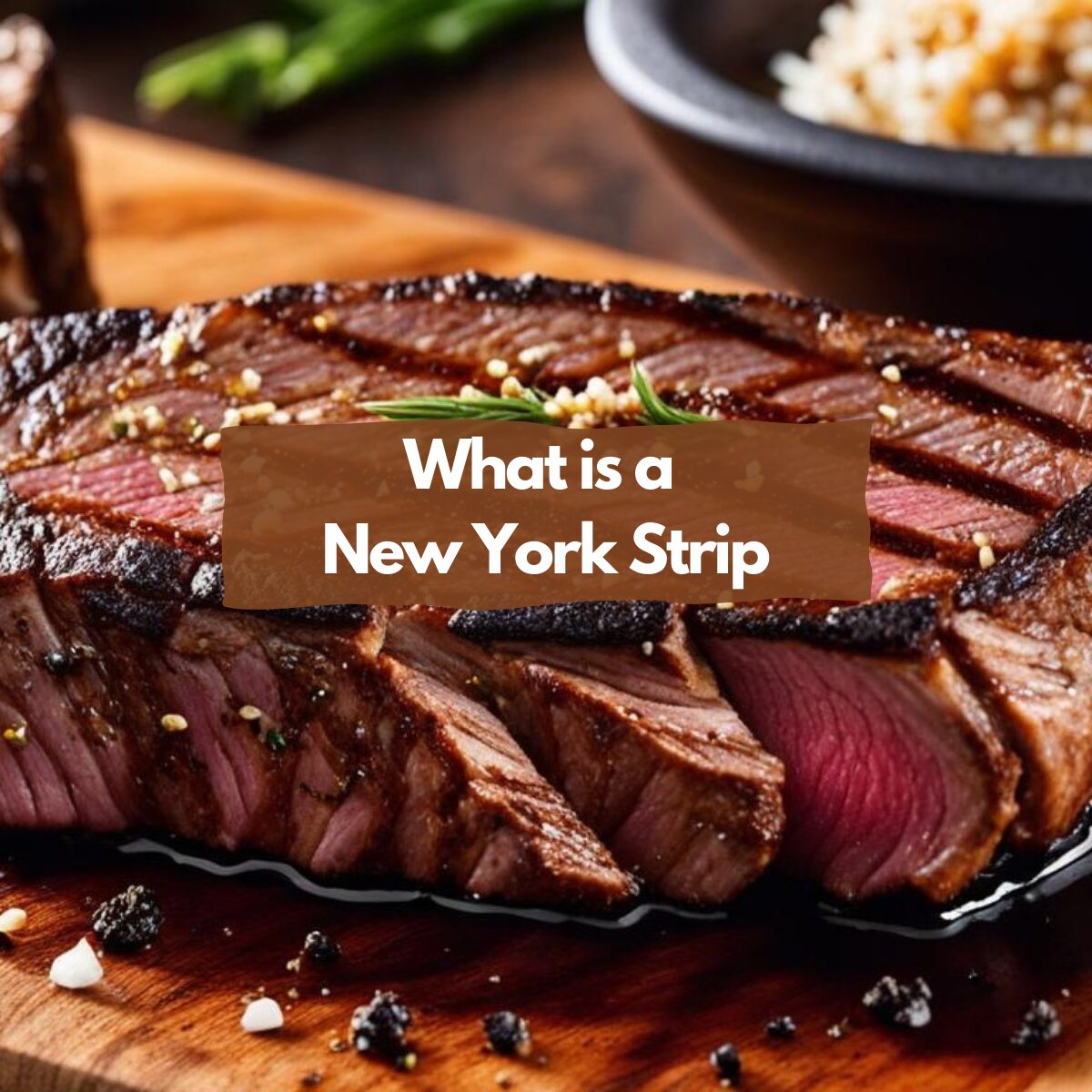
Delve into the world of premium beef cuts with a closer look at the New York Strip, a choice steak celebrated for its ideal balance of flavor and texture. Originating from the short loin of the cow, this cut combines tenderness with a satisfying chew, making it a staple on menus and in kitchens around the globe.
If you’ve ever wondered, “What is a New York Strip?” you’re about to discover why this steak is so revered by chefs and diners alike. Join us as we uncover the secrets behind its popularity and how best to enjoy its distinctive qualities.
What is a New York Strip: Discovering the Short Loin’s Treasure
Delve into the world of premium beef cuts with the New York Strip. Let’s explore what makes this steak cut a standout choice on your dinner plate.

Location and Texture
The New York Strip is nestled next to the tenderloin, part of the short loin section on a cow. It offers a superb blend of tenderness without being overly soft, striking the perfect balance that steak aficionados appreciate.
Known for its slightly firmer texture compared to the ultra-tender filet mignon, the New York Strip provides a chew that is both enjoyable and flavorful.
Historical Roots
The New York Strip steak got its name from the elite steakhouses of 19th-century New York City, where it became a menu staple. Known for its appeal among the upper crust, this steak continues to hold its prestigious status both in classic and contemporary culinary scenes.
Comparing the Cuts: New York Strip vs Ribeye Steaks
When comparing the New York Strip against the Ribeye, the distinctions are clear. The Ribeye steak is known for its rich marbling, which translates to a tender eating experience, while the New York Strip offers a meatier taste with less fat, making it a great choice for those seeking a beefier flavor and a more budget-friendly option.
Whether seared to perfection or grilled to your liking, the New York Strip holds its own as a top-tier steak choice.
Related Article: Exploring alternatives to your favorite steak cuts? Check out our guide on the best substitutes for New York Strip steak to keep your grill sizzling with equally delicious options.
Cooking Techniques for a Scrumptious New York Strip
Cooking a New York Strip steak to perfection involves more than just heat; it’s about technique and timing. Here are some of the best methods to ensure your New York Strip is as delicious as any steakhouse offering:
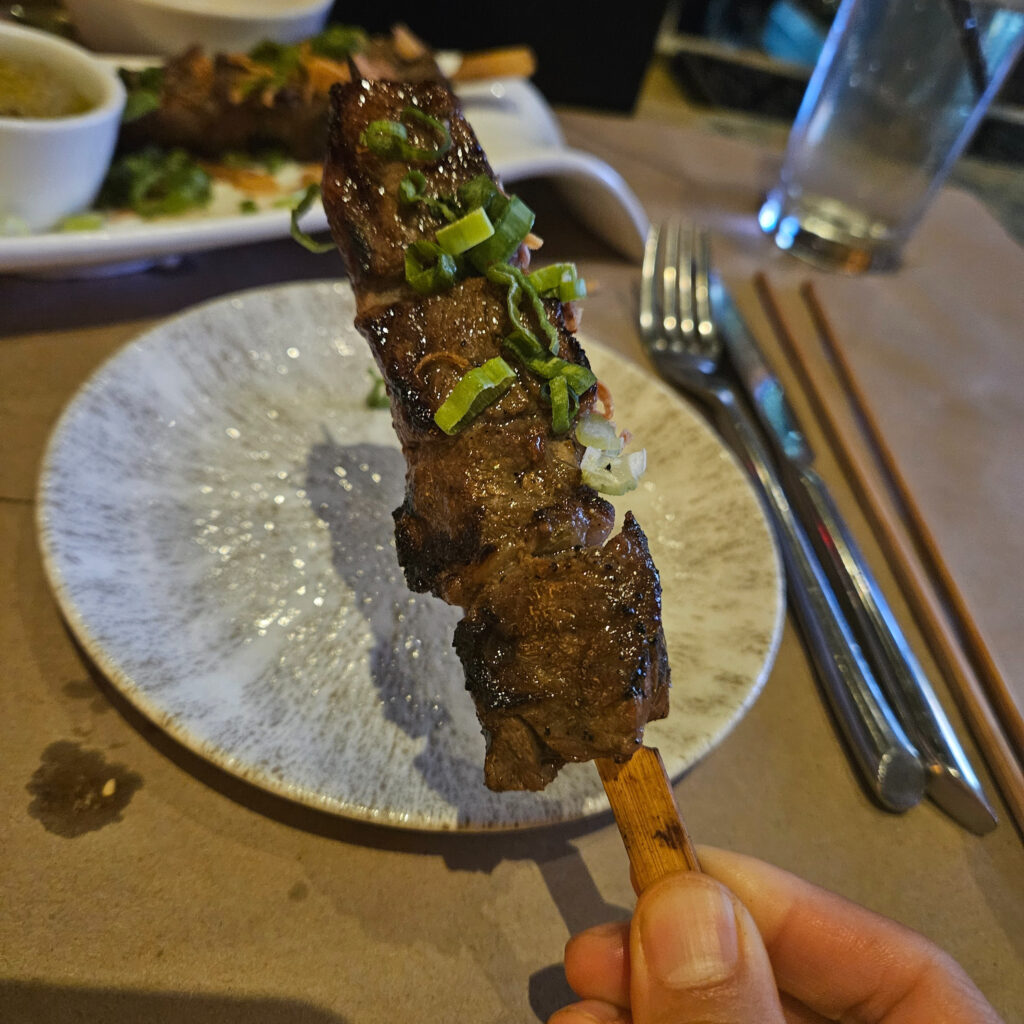
- Grilling: Fire up the grill to high heat and cook the steak to desired doneness, flipping only once to preserve moisture and tenderness. Grilling New York Strip brings out a smoky flavor that is perfect for the meat.
- Broiling: Place the steak under a preheated broiler to quickly cook the surface to crispy perfection, while keeping the inside succulent. Broiling New York Strip is ideal for achieving a steakhouse-like crust with a tender interior.
- Sous Vide: For consistent cooking and unparalleled tenderness, sous vide your New York Strip at a precise temperature in a water bath. This technique allows the steak to cook evenly throughout, ensuring perfect doneness without overcooking.
- Pan Searing: In a hot cast-iron skillet, sear the New York Strip on each side until a golden crust forms. Before cooking, a simple marinade for the New York Strip of olive oil, garlic, and herbs can enhance the meat’s flavor, making each bite more savory.
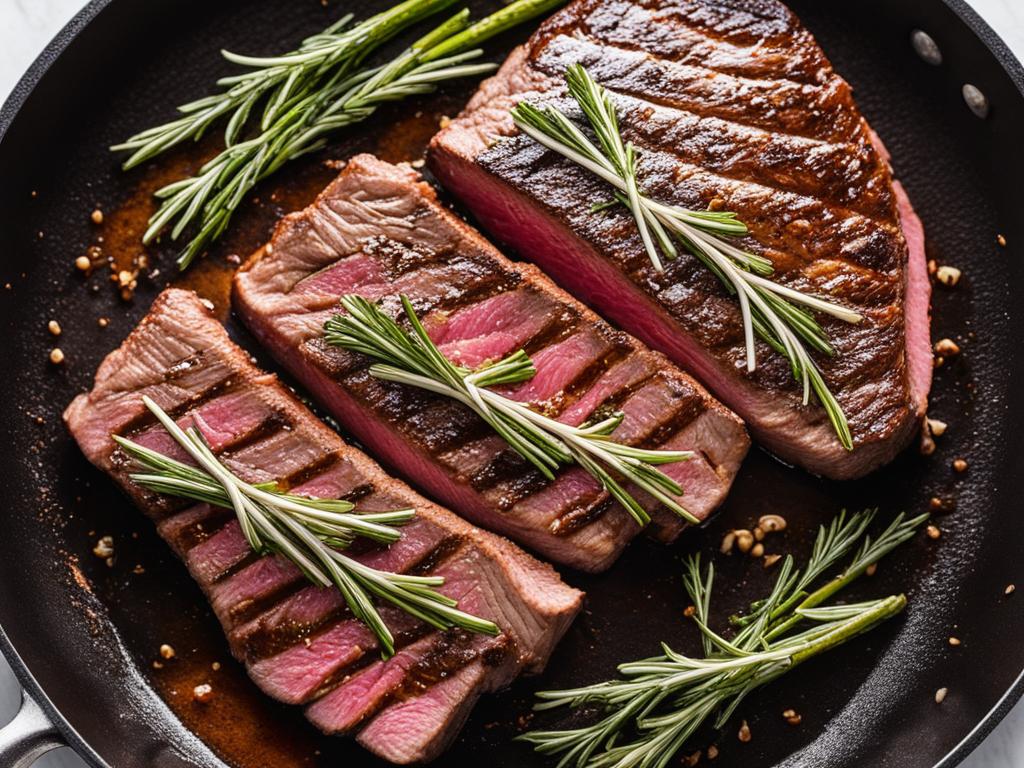
Each cooking method can be adjusted based on the thickness of your steak and your desired level of doneness, checking the meat with a thermometer to ensure it reaches the ideal New York Strip internal temperature—about 135°F for medium-rare.
Moreover, letting the steak rest after cooking is crucial; it allows the juices to redistribute throughout the meat, ensuring that every slice is as delicious as possible. Whether you prefer the quick sear of a grill or the slow perfection of sous vide, these methods will help you master the art of cooking a New York Strip.
Conclusion
The New York Strip stands out in the world of steaks for its excellent blend of taste and texture, offering a meaty flavor with a firm yet tender bite. This steak not only appeals to those who appreciate a leaner cut but also to those looking for a steak that performs well under various cooking methods.
It’s a versatile choice that suits any cooking style, whether you’re firing up the grill or heating a skillet. With its reasonable price and wide availability, the New York Strip continues to be a favorite choice for a classic steak dinner.
So next time you’re at the butcher or browsing the meat aisle, consider the New York Strip for a classic steak experience that won’t disappoint.
FAQ
How long should you cook a New York Strip steak?
Cooking times can vary based on thickness, but generally, a New York Strip should be cooked for about 4-5 minutes per side for medium-rare on a hot grill or pan.
Can the New York Strip steak be cooked from frozen?
While it’s possible, for the best results, it’s recommended to fully thaw the steak in the refrigerator before cooking to ensure even heating and optimal texture.
What are some popular marinades or seasonings for New York Strip steaks?
Simple salt and pepper work well, but you can also use garlic powder, onion powder, or a splash of Worcestershire sauce for added flavor.
What side dishes pair well with a New York Strip?
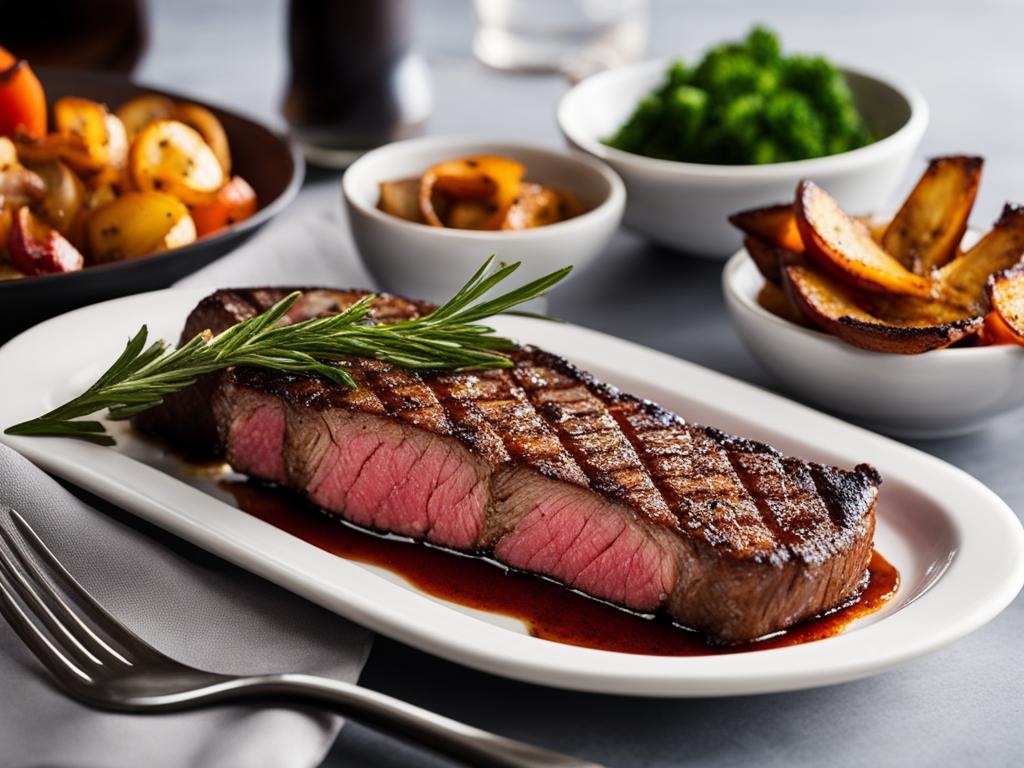
Classic sides include baked potatoes, steamed vegetables, or a fresh salad to complement the richness of the steak.
How thick should a New York Strip steak be for the best results?
Ideally, a New York Strip should be at least 1 to 1.5 inches thick to ensure it develops a nice crust on the outside while remaining juicy on the inside.
How do you store leftover New York Strip steak?
Leftover steak should be wrapped tightly in plastic wrap or stored in an airtight container and refrigerated. It’s best consumed within 3-4 days.