
When you ponder the question, “What is venison meat,” you’re embarking on a flavor journey that ventures beyond the usual steak and poultry. Venison, a term that conjures images of lush woodlands and the thrill of the hunt, refers to the savory meat harvested from deer. Considered a form of lean game meat, it offers an exquisite alternative to your traditional culinary repertoire.
Those well-versed in game meat recognize venison for its rich, full-bodied taste that becomes increasingly succulent with expert preparation. As you explore the diversity of venison dishes, you’ll discover that the allure of this game meat isn’t just in its bold flavors but also in the mastery of cooking venison. Proper technique transforms this game meat from simply good to great—a delight for food enthusiasts and health-conscious epicures alike.
Unfamiliar to some, venison can carry a distinct ‘gamey’ taste, often dispelled through careful handling and preparation. Removing excess fat and attending to the minutiae of aging are secrets not just to top-grade cuts but to experiencing venison in its most tender, delectable form. So, whether you’re contemplating how to enrich your culinary ventures or seeking to add healthier choices to your diet, venison stands as an inviting option on both counts.
Key Takeaways
- Venison meat is a tasty and healthy alternative to traditional meats, full of flavor when prepared properly.
- The taste and quality of venison are greatly influenced by the removal of excess fat and the proper aging process.
- Cooking venison requires specific techniques to enhance its natural richness and ensure a succulent meal.
- Optimal preparation and cooking can avoid or minimize the ‘gamey’ flavor inherent in many types of game meat.
- Quality venison dishes offer a healthy option for meat lovers and stand out for their lean and nutritious profile.
Introduction to Venison Meat
If you’re venturing into the world of game meats, you’ll quickly discover the unique and savory delights of venison meat. Not only does venison offer a distinct game meat taste that is both robust and earthy, but it’s also a source of incredibly lean meat with nutritional benefits to boot. The keys to unlocking the delectable flavors of venison lie in its venison preparation. From the moment of harvest, this culinary favorite demands attention to detail, ensuring each bite is as memorable as the last.
Why does venison require such precise handling? Well, you might be surprised to learn that venison’s fat is not your friend when it comes to taste. Unlike other popular meats, such as beef or pork, the fat in venison can actually detract from its flavor if not properly trimmed. That’s why seasoned chefs and home cooks alike know that to enhance venison’s natural taste, careful trimming is an essential step prior to cooking.
Remember, whether you’re preparing a stunning backstrap or a hearty stew, the process of making venison a palate-pleaser is akin to an art form—a fusion of skill, timing, and a dash of culinary intuition.
But what is so special about the taste of venison? How does one prepare it to ensure its uniqueness shines through? To help you on this gastronomic journey, here is a comparison of venison with other types of meat that might grace your dinner table.
| Meat Type | Flavor Profile | Fat Content | Ideal Cooking Method |
|---|---|---|---|
| Venison | Rich, earthy with a hint of wildness | Very low | Slow-cooking, grilling |
| Beef | Savory, with a subtle sweetness | Varies widely | Braising, grilling |
| Pork | Mild, with a fatty richness | High | Roasting, frying |
| Chicken | Light, versatile | Low to moderate | Roasting, boiling |
Understanding the distinctive qualities of game meat taste is crucial, but so is knowing where your venison comes from. Selecting meat from age-appropriate, healthy animals is a cornerstone of venison appreciation. Optimal aging and seasoning further amplify the meat’s flavors, proving that venison is both a refined craft and a culinary delight.
So, as you embark on the journey of preparing venison, remind yourself that each step—from sourcing to seasoning, trimming to cooking—is an integral part of the process. Embracing this path not only leads to extraordinary meals but also imparts an appreciation for the artisanal nature of venison preparation. Happy cooking!
What Is Venison Meat
When you hear the term venison meat, it refers to the lean and nutritious deer meat prized in many culinary circles. Distinctly known for its rich flavor profile, venison stands out as a choice game meat with numerous game meat characteristics that set it apart from more common meats such as beef, pork, or chicken.
This type of meat is not only a gourmand’s delight but also reflects a conscientious choice for health-conscious consumers seeking alternatives with lower fat content and greater nutritional value. To truly appreciate the subtleties of venison’s taste, it is important to understand the expert care required from field-to-plate handling. With the right processes in place, such as correct aging and preparation, venison meat can deliver not only an exquisite taste but also a myriad of health benefits.
Perfectly aged and prepared venison brings to your table a piece of the wilderness, with intense flavors and tenderness that can be manipulated through cooking techniques and seasoning. The journey of this game meat from the natural habitats of deer to your dinner plate involves nuanced steps that are essential for achieving the highest standards of taste and quality.
Here’s an overview of venison’s nutrition compared to other meats:
| Meat Type | Calories | Fat (grams) | Cholesterol (mg) | Protein (grams) |
|---|---|---|---|---|
| Venison | 158 | 3.2 | 68 | 30.2 |
| Beef (Lean) | 213 | 13.5 | 86 | 25.6 |
| Pork (Lean) | 206 | 13.2 | 73 | 24.6 |
| Chicken Breast | 165 | 3.6 | 85 | 31.0 |
By choosing venison, you are selecting a food source that’s not just sumptuous but also sustainable. Its lean texture, potential health benefits, and unique flavors are testament to the care invested in bringing deer meat from the pastures to your kitchen. Embrace venison in your culinary adventures to experience a robust and satisfying entrée that respects both tradition and gastronomy.
The Advantages of Choosing Venison
When you opt for venison, you are not just indulging in a delectable and sophisticated dining choice but also making a conscious decision towards a healthier lifestyle and a more sustainable environment. Let’s delve deeper into why venison stands out as a premier selection amongst game meats.
Health Benefits of Lean Game Meat
The term lean game meat truly exemplifies venison, a meat that is naturally low in fat but high in essential nutrients. Incorporating venison into your diet translates to numerous health benefits, including a lower risk of heart disease thanks to its lower saturated fat content. Plus, it’s an excellent source of protein to help maintain and build muscle. Its rich iron content also helps fend off anemia, proving that this meat isn’t just good for your taste buds—it’s good for your entire body.
Sustainable and Ethical Hunting Practices
Sustainable hunting underpins the existence of venison on your plate. Respecting the game and the environment, hunters follow ethical practices to maintain wildlife populations and ecological balance. This careful and controlled approach to hunting ensures that you’re consuming a product that has been sourced with the utmost responsibility towards nature.
Explore the table below to see a comparison of venison’s attributes to those of more traditional meats:
| Nutrient | Venison | Beef | Pork | Chicken |
|---|---|---|---|---|
| Calories | 158 kcal | 179 kcal | 206 kcal | 239 kcal |
| Fat (grams) | 3.2 g | 7.9 g | 13.5 g | 13.4 g |
| Cholesterol (milligrams) | 68 mg | 73 mg | 88 mg | 88 mg |
| Protein (grams) | 30.2 g | 24.8 g | 22 g | 27 g |
| Iron (milligrams) | 3.1 mg | 2.2 mg | 1 mg | 1.2 mg |
The table shows how venison surpasses other meats in terms of lower calories, fat content, and higher protein and iron, accentuating its health benefits without compromising on taste.
When you choose venison, remember that you’re not only choosing a heart-healthy option but also playing an integral role in supporting ethical practices that contribute to sustainable hunting and wildlife management. It’s a choice that fulfills both your culinary desires and your commitment to Earth’s natural resources.
From Field to Plate: The Journey of Venison
The experience of enjoying venison at its peak begins long before it reaches your kitchen. Each step from where the hunt concludes to when the venison is plated plays a pivotal role in the ultimate flavor and quality you savor. Let’s delve into why meticulous field dressing and the aging process are more than just tradition—they’re essential practices for any game enthusiast seeking to elevate their venison experience.
Why Proper Field Dressing Matters
A swift and efficient field dressing is the first critical move in meat spoilage prevention. The process requires skill to ensure you remove the internal organs to avoid bacteria growth and ensure rapid cooling. Successfully executed field dressing not only safeguards the venison from contaminants but also sets the stage for preserving the true, rich venison flavor that is cherished among aficionados.
The Aging Process and Its Impact on Flavor
Like a fine wine, venison too needs time to mature. Aging venison is a controlled endeavor that transforms the texture and taste, making it tender and more palatable. The enzymatic action during this period is nature’s way of enhancing each bite. The right aging conditions and duration will prevent premature spoilage and bring out the depth of taste that aging is known for. Follow these best practices for optimal results:
| Aging Step | Description | Benefit |
|---|---|---|
| Temperature Control | Keep aged venison between 34°F and 37°F | Prevents bacteria growth and spoilage |
| Humidity Regulation | Maintain a relative humidity of 85-90% | Preserves moisture balance in meat |
| Monitoring Aging Duration | Typically 1-2 weeks for optimal enzyme activity | Ensures meat tenderness without over-aging |
The journey your venison undergoes from field to plate is a testament to tradition merging with science to bring the best to your dining table. Whether a seasoned hunter or a culinary enthusiast, understanding the care involved in this process can lead to a greater appreciation of every flavorful bite you enjoy.
How to Select the Best Cuts of Venison
Selecting premium venison cuts is a critical step for any culinary enthusiast aiming to master the art of cooking venison steak. To achieve that melt-in-your-mouth experience, one must consider each cut’s muscle tenderness and the best cooking method to enhance it. Whether it’s a majestic roast or a seared, succulent steak, the right cut of venison can elevate your dish from good to gourmet.
Understanding the Different Cuts
The diversity in venison cuts offers a spectrum of textures and flavors. Knowing how to identify and select these cuts allows you to tailor your cooking technique for optimum tenderness. For steaks that aim to impress, the backstrap, or loin, is your prime choice for its natural tenderness. The rump and legs, while more muscular and firm, can yield delectable results when given the proper culinary attention.
Cooking Techniques for Each Cut
The approach to cooking varies significantly depending on the cut. Tender cuts like the loin require minimal intervention—often just a quick sear on high heat will suffice to preserve their tenderness. Whereas, tougher cuts like the shoulder or neck benefit from a slower, more patient approach, extracting flavor and tenderness over time.
Here’s a visual guide on choosing and preparing various venison cuts:
| Cut of Venison | Characteristic | Recommended Cooking Method |
|---|---|---|
| Backstrap & Tenderloins | Highly tender, lean | Quick sear, grill or broil |
| Shoulder | Moderately tough, more connective tissues | Braising, slow roasting |
| Rump (Round) | Leans towards tough | Slow cooking, stewing |
| Ribs & Neck | Tough, flavorful | Long, slow cooking, wet heat |
Regardless of the cut you select, tenderizing venison before it hits the pan or the grill can make a world of difference. This could entail physical tenderization, like pounding the meat, or a savory marinade that breaks down tough muscle fibers.
Armed with this knowledge, you’re now ready to embark on a flavorful adventure. Select your cuts, prepare them with care, and remember, the best culinary creations come from not just the meat itself, but the love and attention poured into every step of its preparation.
Cooking Venison: Tips and Tricks
Unlocking the true potential of venison in the kitchen requires a blend of art and science. Marinating venison is not just about infusing flavors; it’s a technique to ensure each bite is as tender as it is tasty. Although choosing the right ingredients is essential, knowledge about the optimal cooking temperature is what separates the average home-cooked meal from a dish that could be served in a gourmet restaurant. Let’s dive into some cooking tips that will help you master venison tenderness and taste.

Marinating for Enhanced Flavor and Tenderness
If you’re planning to elevate your venison dish, marinating is your secret weapon. It tenderizes the meat, allowing flavors to penetrate deeply for a succulent experience. Consider ingredients that complement venison’s robust flavor: acids like balsamic vinegar can break down tough fibers, while bold spices like rosemary and thyme add a herby punch. And don’t forget to give your marinated venison enough time to soak up all the goodness – a few hours to overnight should do the trick.
The Role of Temperature in Cooking Venison
Temperature control is the cornerstone of cooking venison to perfection. Achieving that perfect medium-rare requires precision – too low, and the meat will lose its juiciness; too high, and it risks drying out. Aim for an internal temperature of 145°F (63°C) if medium-rare is your goal, but if you prefer your venison well done, aim for 160°F (71°C) while still keeping moisture in. Remember, investing in a reliable meat thermometer can make all the difference in your quest for buttery tenderness.
Recipe Inspirations: Delightful Venison Dishes

If you’re seeking to broaden your culinary horizons with venison recipes, you’re in for a treat! Venison can be transformed into a suite of mouthwatering dishes, each promising a robust flavor and a healthy dining experience. Among these, the backstrap steak stands out as a tender and coveted cut, perfect for special occasions or a satisfying home-cooked meal.
Imagine the savory aroma of a backstrap steak sizzling in your skillet, seared in unsalted butter to lock in its juices and seasoned to enhance its natural flavors. Or perhaps you’re in the mood for something indulgently hearty, like a smothered steak drenched in a rustic mushroom gravy – the perfect comfort food after a long day.
Whether you’re an experienced chef or a kitchen novice, here’s a simple yet impressive recipe to delight your palate:
- Start by selecting a quality backstrap steak from your local butcher or game supplier.
- Season the steak generously with your favorite herbs and let it rest at room temperature for even cooking.
- Heat up some unsalted butter in a skillet over medium-high heat and place your steak in the pan.
- For the ideal medium-rare, cook for a few minutes on each side, depending on thickness.
- Remove the steak, letting it rest while you whip up a rich steak with mushroom gravy.
- Using the same skillet, sauté onions and sliced mushrooms until they’re golden brown, then add a splash of broth to deglaze the pan.
- Pour in some heavy cream and your choice of herbs, and let the gravy simmer to desired thickness.
- Slice the rested steak against the grain and serve with the mushroom gravy drizzled over the top.
The magic of venison is that it can be elegant or everyday, and with the right recipe, you can turn your meal into a memorable affair. Enjoy the journey of exploring these rich flavors in your own kitchen!
Pairing Venison: The Perfect Sides and Wine Matches
When it comes to elevating your venison meal, pairing it with the right sides and wine is essential. You want to match the robust flavors of this game meat with sides that complement and enhance, rather than overpower. Similarly, selecting a wine that harmonizes with venison’s rich taste will transform a simple meal into a memorable dining experience. Let’s explore the art of venison pairing.
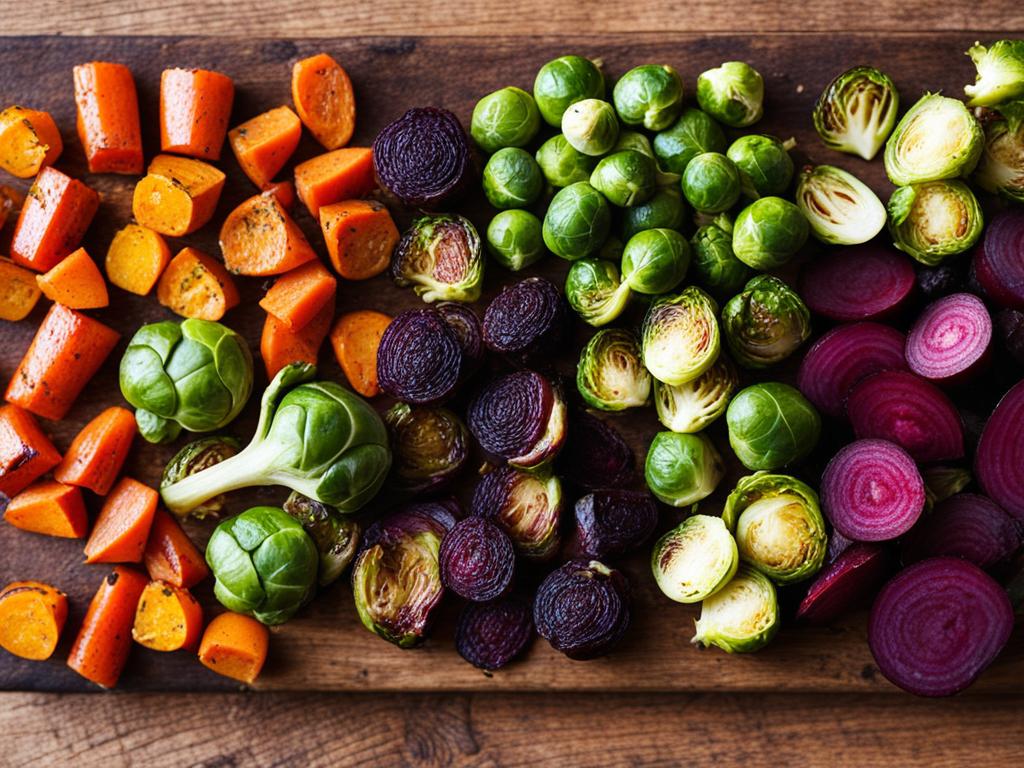
Choosing Vegetables That Complement Game Meat
The key to selecting complementary vegetables is to consider the texture and flavor profile of venison. Earthy root vegetables like carrots, onions, and potatoes are classic accompaniments that absorb the juices of the meat, enriching their own flavors. These vegetables also add a comforting balance to the plate, grounding the distinctive taste of the venison.
- Roasted carrots glazed with a touch of honey
- Caramelized onions that bring a hint of sweetness
- Garlic mashed potatoes or herbed potato wedges for a heartier side
Selecting a Wine That Elevates Your Venison Meal
An impeccable wine selection is the finishing touch to your venison pairing. Full-bodied red wines like Cabernet Sauvignon or Merlot are traditional choices that stand up to the rich flavors of game meat. For something less conventional, a Pinot Noir can bring out the earthiness of venison with its light, fruity notes without overshadowing the meat’s natural taste.
- Cabernet Sauvignon for a robust match
- Merlot to blend seamlessly with the meal’s savory aspects
- Pinot Noir for a lighter yet complementary pairing
Think of your venison dish as a canvas, and your game meat sides and wine as the palette from which you’ll paint a delightful culinary experience. The harmony of flavors will ensure your venison pairing is as perfect as it can be, turning each meal into a symphony of tastes that’s sure to impress.
Understanding and Preventing the ‘Gamey’ Flavor
When it comes to enjoying venison, the key to a superior taste experience lies in addressing the often-mentioned gamey flavor. Typically resulting from various factors such as diet and living conditions of the deer, understanding and preventing this distinguishing taste can significantly enhance your venison meals. Below, explore how the animal’s environment and what they consume impact the venison taste, and uncover cooking techniques that are crafted to minimize the gamey undertone. Coupled with this knowledge, you can fully appreciate the depth of flavors venison has to offer.
The Influence of Diet and Environment on Taste
Diet and environment are the backstage artists of the unique taste profile found in game meat. The forage consumed by deer, like acorns, herbs, and grasses, and the territories they roam can imbue the meat with a distinct flavor that is highlighted when brought to the table. Both meat diet influences and habitat conditions play pivotal roles in developing the depth and intensity of venison’s signature taste.
Techniques to Minimize Gamey Taste in Cooking
If you’re looking to steer clear of the gamey taste in your venison dishes, it’s useful to follow certain cooking techniques that are designed to tackle this challenge. Take a look at the table below for a straightforward guide to preparing mouthwatering venison that’s rich in flavor without the undesirable gamey undertone.
| Cooking Technique | Brief Description | Impact on Gamey Flavor |
|---|---|---|
| Marinating | Soaking the meat in savory or acidic mixtures. | Neutralizes strong flavors and tenderizes. |
| Slow Cooking | Using a crockpot or low-temperature oven settings. | Mellows intense flavors and infuses spices. |
| Proper Aging | Allowing meat to rest in controlled environments. | Enhances natural tastes, reducing ‘wild’ undertones. |
| Trimming Fat | Removing excess fat which can harbor gamey notes. | Mitigates risk of unpleasant flavors being cooked in. |
With these insights, you can navigate the unique culinary terrain that venison presents, transforming potentially overwhelming flavors into a dining delight. By consciously choosing your cooking methods and staying informed about how to handle this noble meat, you can ensure each venison meal is a celebration of taste.
Seasonal Venison: A Year-Round Culinary Adventure
The allure of seasonal venison lies not only in its rich flavors but also in the timely tradition of eating seasonally. As each season ushers in new beginnings, so does the chance to indulge in a venison culinary adventure, with recipes that celebrate the unique qualities of game harvested at different times of the year. Let’s delve into the vibrant world of seasonal recipes and how they can add a dash of excitement to your dining experience.
Benefits of Eating Seasonally
Aligning your diet with the seasons brings a variety of health and environmental benefits. Seasonal game like venison is fresher, tastier, and often more nutritious, having been allowed to grow naturally and at nature’s pace. You also support local economies and reduce your carbon footprint, since seasonal produce travels shorter distances to your plate.
Seasonal Recipes for Venison Enthusiasts
Eager to start your own culinary journey with venison? Explore recipes that highlight the subtleties of spring’s tender cuts, the robust flavors of autumn’s harvest, the zest of summer’s grilling, and the comfort of winter’s slow-cooked meals. Each season poses an opportunity to create dishes that reflect the time of year and the unique character of the venison available.
- Spring: Light salads with thinly sliced venison steak, complemented by fresh greens
- Summer: Venison burgers on the grill with vibrant herbs and seasonal vegetables
- Fall: Rich venison stews with root vegetables and bold spices
- Winter: Hearty venison roasts with savory glazes and warm, rustic sides
Whether you’re an experienced connoisseur or new to the tastes of venison, there’s something incredibly rewarding about connecting with nature’s cycles through your meals. So, embrace the seasonal shifts and let each one inspire a new chapter in your venison story.
Conclusion
Adventures in the kitchen can take on a wild twist with venison, a standout choice amongst game meats. Versatile and bursting with flavor, venison dishes have the power to introduce you to an extraordinary dining experience. Lean, nutty, and with a distinctively rich taste, cooking venison requires a master’s touch and respect for the animal. When you take the path from field to plate with care and skill, this lean game meat rewards you with meals that resonate with depth and nutrition.
The essence of quality in venison lies in sustainable hunting practices and meticulous preparation. As a conscientious food enthusiast, your understanding of these aspects ensures not just a divine meal but also contributes to the ecological balance and ethical treatment of wildlife. These foundations make every bite a testament to respect and responsibility—a true convergence of taste and mindfulness.
Ultimately, venison is more than just another meat option; it’s a culinary journey that celebrates finesse in flavors. It honors the tradition of hunting and the art of cooking, nestled in one sumptuous experience. Your foray into the world of venison cooking not only broadens your gastronomic horizons but also invites you into a sustainable way of savoring what nature has to offer. Dive into the world of venison—you’ll find its essence both invigorating and deliciously fulfilling.
FAQ
What exactly is venison meat?
Venison is the culinary term for deer meat. It’s considered a type of game meat and is renowned for its rich flavor and lean quality. Venison dishes vary widely and are prized for their nutritional value and gourmet appeal.
How does venison taste compared to other meats?
Venison has a distinct taste that some describe as rich, earthy, and slightly gamey. It’s leaner than beef and pork, which contributes to its unique flavor profile. The gamey flavor, often associated with venison, can be minimized through proper handling and preparation techniques.
What are the health benefits of venison?
Venison is a lean game meat packed with protein and low in fat, making it a healthier alternative to traditional meats like beef or pork. Its leanness contributes to a lower calorie count, which can be beneficial for those watching their diet.
Why is sustainable hunting important for venison quality?
Sustainable hunting practices ensure that deer populations are managed ethically and responsibly, which helps maintain ecological balance. Such practices also ensure the health of the animals, which in turn impacts the quality and flavor of the venison produced.
Can you explain the significance of field dressing the venison?
Proper field dressing is essential as it involves removing the internal organs of the deer quickly and cleanly to prevent meat spoilage and start the cooling process. This step is crucial in preserving the venison’s integrity and ensuring superior taste.
How does the aging process affect venison?
Aging venison is a critical process that lets enzymes naturally tenderize the muscle tissue. This enhances the meat’s flavor and texture. Aging must be done under controlled temperatures after the deer has undergone rigor mortis for optimal results.
How do you select the best cuts of venison?
Selecting the best cuts of venison involves considering the muscle location on the animal and the cooking method you plan to use. Tougher cuts are generally best for slow cooking, while tender cuts like the loin or backstrap are excellent for quick searing or grilling.
What are some tips for cooking venison?
When cooking venison, marinating can help tenderize the meat and infuse flavor, particularly because venison is so lean. Paying close attention to temperature is also essential, as overcooking can lead to dry, tough meat. Aim for medium-rare to ensure the venison remains juicy and flavorful.
Could you suggest some ingredients that marry well with venison?
Venison pairs beautifully with robust herbs like rosemary and thyme, as well as fruits such as cranberries or cherries to balance its rich taste. When it comes to spices, juniper, black pepper, and garlic can complement the natural flavors of the meat.
What sides and wines work best with venison?
Hearty vegetables like carrots, onions, and potatoes are excellent sides that can stand up to venison’s robust flavor. As for wine, a full-bodied red like a Cabernet Sauvignon or a Pinot Noir pairs well, enhancing the meat’s richness without overpowering it.
How can I prevent my venison from tasting too gamey?
To reduce the gamey flavor in venison, ensure the animal is properly field-dressed, its skin is meticulously removed, and the meat is appropriately aged. You can also soak the meat in marinades which can help mellow the strong flavors.
Why should I consider seasonal venison recipes?
Seasonal venison recipes take advantage of the variations in flavor and texture that come from the animal’s diet throughout the year, providing a diverse culinary experience. Eating seasonally also means enjoying the freshest and most flavorful meat possible.