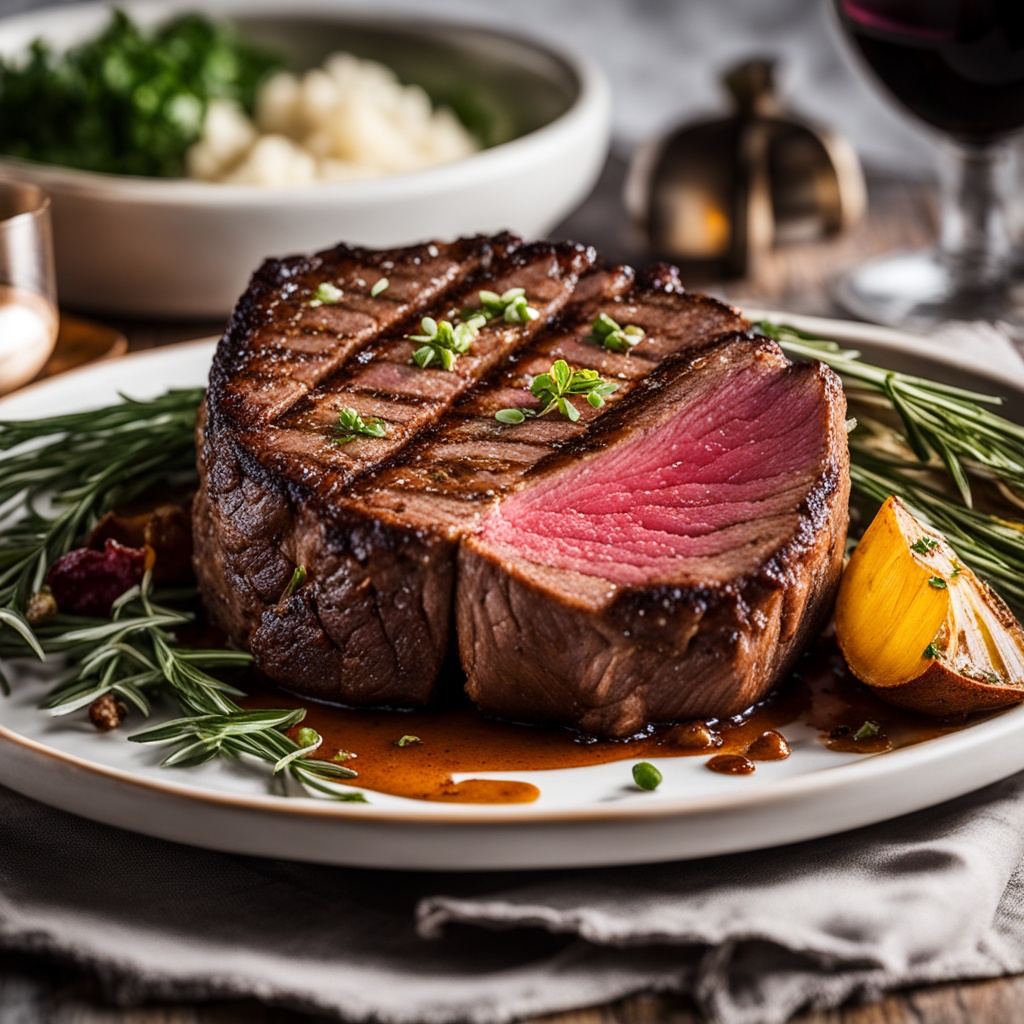
Did you know filet mignon is the most wanted beef part? It’s less than 2% of the cow. This beef cut is famous for being very tender and rich in flavor. It’s a top pick for those who love fine dining. If you’re planning something special or want to shine at your next dinner, this guide is for you. Learn to cook filet mignon like an expert.
Learn about this steak’s beginnings and what makes it so tender. Find out how to cook it right. Get ready to make your meals special with filet mignon.
Understanding Beef Cuts: An Overview
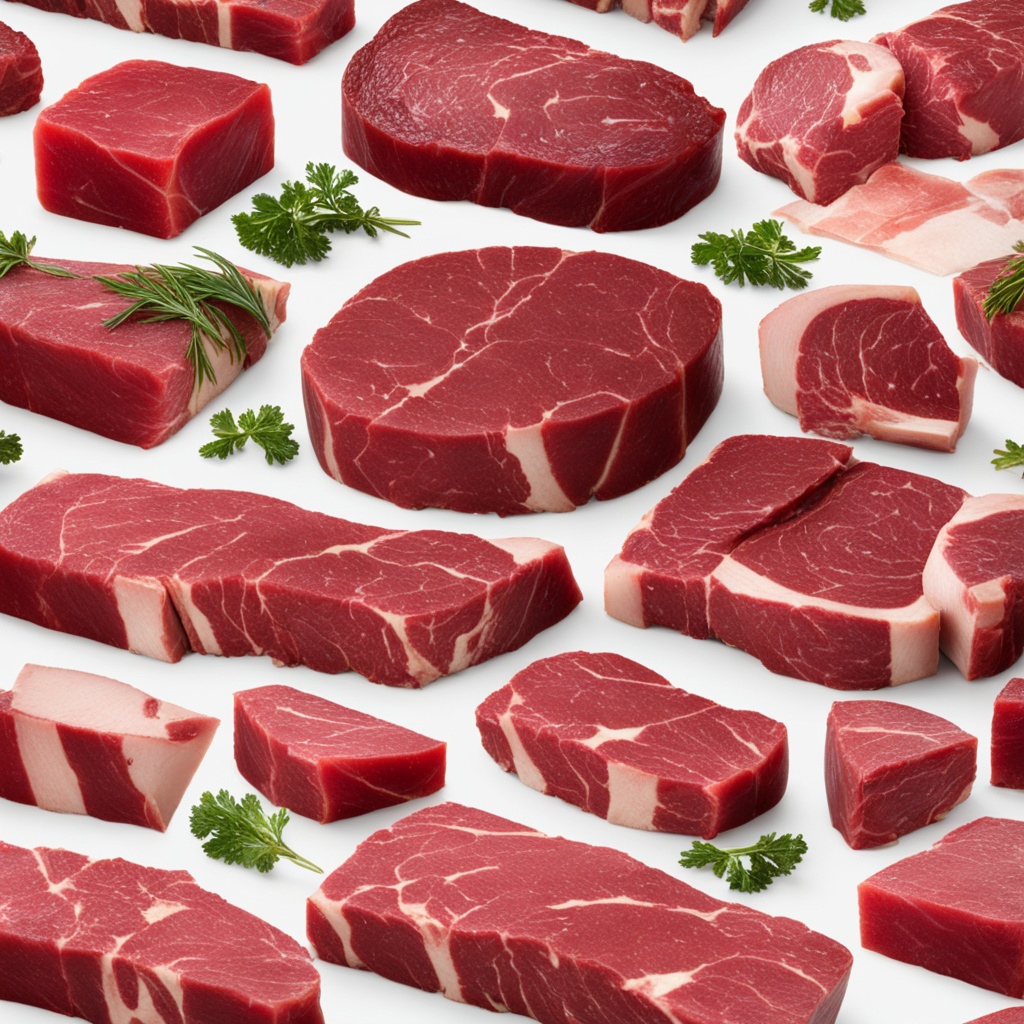
Learning about beef cuts is crucial for top-notch cooking. Beef breaks down into several beef categories. Each encompasses specific primal and sub-primal cuts. The main groups are:
- Chuck
- Rib
- Loin
- Round
- Brisket
Filet mignon is in the loin group, from the tenderloin area. This spot is known for its amazing tenderness. So, filet mignon is a top choice. Knowing about meat classification shows you filet mignon’s place among other cuts of beef.
Talking about filet mignon vs other cuts, think about the flavor, texture, and how you can cook it. Loin category stars like ribeye and sirloin bring their own taste and tenderness. With these basics, you can pick the best meat for your next meal or special event.
The Luxurious Appeal of Filet Mignon
Filet mignon is a sign of luxury in the food world. This special beef cut is not only soft but also has a deep, meaty taste. It’s often found on the menus at fancy restaurants, making meals extra special.
It’s a top pick at steakhouses, especially for significant events. Eating filet mignon is an unforgettable treat. The meat is so tender, it seems to melt in your mouth. Its high cost shows just how much people want this luxurious dish.
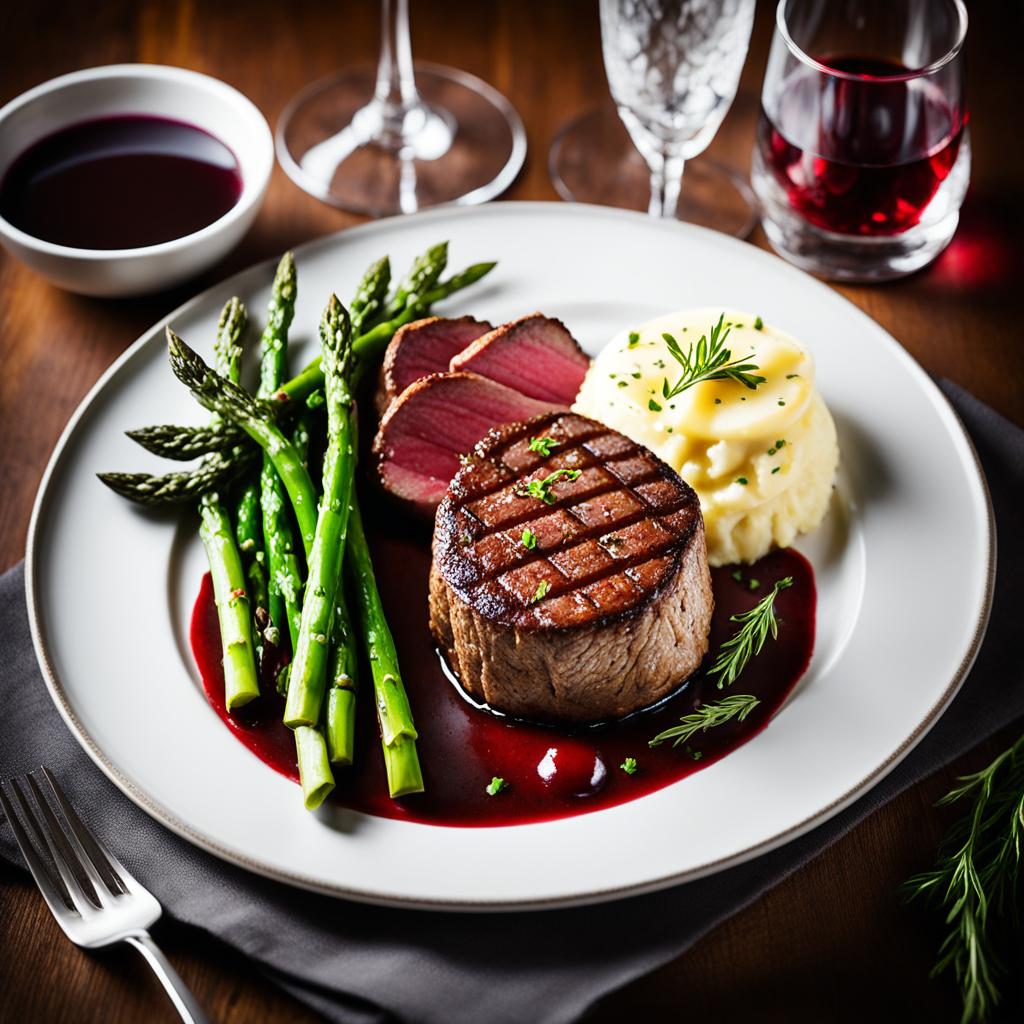
Filet mignon is more than a meal; it’s an experience that keeps guests coming back. Whether it’s served with elegant sides or a glass of the finest wine, this dish stands out. It captures the hearts of those who love great food.
What Is Filet Mignon: Origins and Characteristics
Filet mignon is known as a fancy beef cut with a rich history. It comes from French cooking, meaning “cute fillet.” This beef cut became famous in the 19th century. It shows how meat changed in Europe and America over time. When you learn about filet mignon, you find out why it’s a favorite in fancy meals.
Historical Background of Filet Mignon
The story behind filet mignon is quite interesting. It’s made from the beef tenderloin, a muscle that’s not used much. That’s why it’s so tender. Filet mignon is considered a top beef cut because of its buttery taste. It has been a key part of fancy meals in America and Europe for years.
Texture and Flavor Profile
Filet mignon’s texture and flavor are unmatched. It has a smooth, buttery feel that’s delightful. The low fat content makes it tender but tricky to cook just right. Eating filet mignon, you’ll notice a unique taste. It’s both rich and mild, making it stand out from other beef cuts.

Choosing the Perfect Filet Mignon
When picking filet mignon, certain qualities guarantee a tasty meal. Knowing what to search for changes your dining experience. This guide offers key tips to find quality cuts and understand their grades.
Identifying Quality: What to Look For
To find the top filet mignon, look for these features:
- A deep red color shows freshness.
- Fine muscle grain means a tender bite.
- Good marbling boosts flavor and tenderness.
- A firm texture shows the meat’s quality.
Using these tips, you can pick a great filet mignon at your local butcher or store.
Understanding USDA Grading
Knowing USDA grades is key when buying filet mignon. These grades tell the beef quality and include:
- USDA Prime: The top grade, with lots of marbling, offers great flavor and tenderness.
- USDA Choice: One step down, this grade has good quality with some marbling.
- USDA Select: This grade has less marbling and is leaner, affecting tenderness.
By understanding these grades, you can choose better beef. Picking higher grades means tastier and more enjoyable meals.
Cooking Methods for Filet Mignon
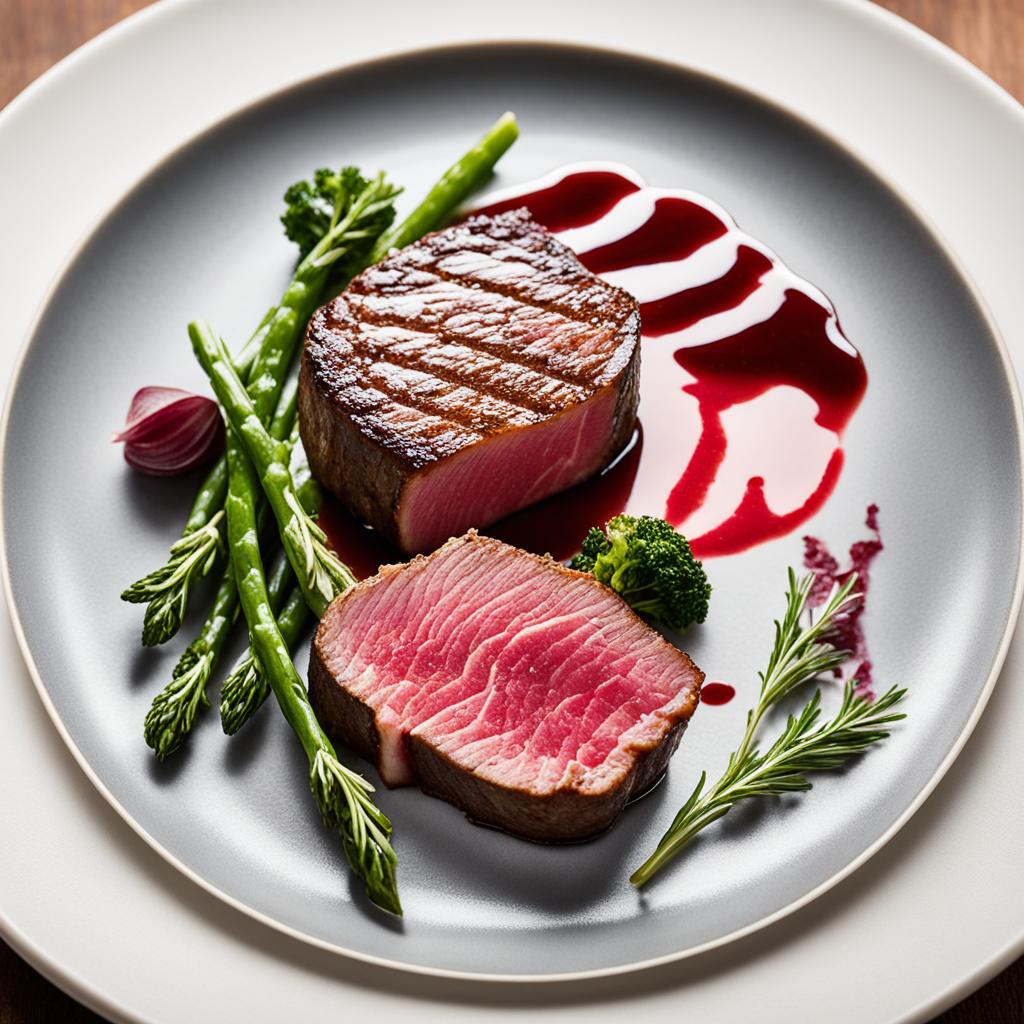
Exploring different ways to cook filet mignon can make your meals special. Each method brings out its own flavors and textures. Grilling adds smoky notes, while pan-searing gives a rich taste. Mastering these will help you cook a perfect steak.
Grilling Techniques for Optimal Flavor
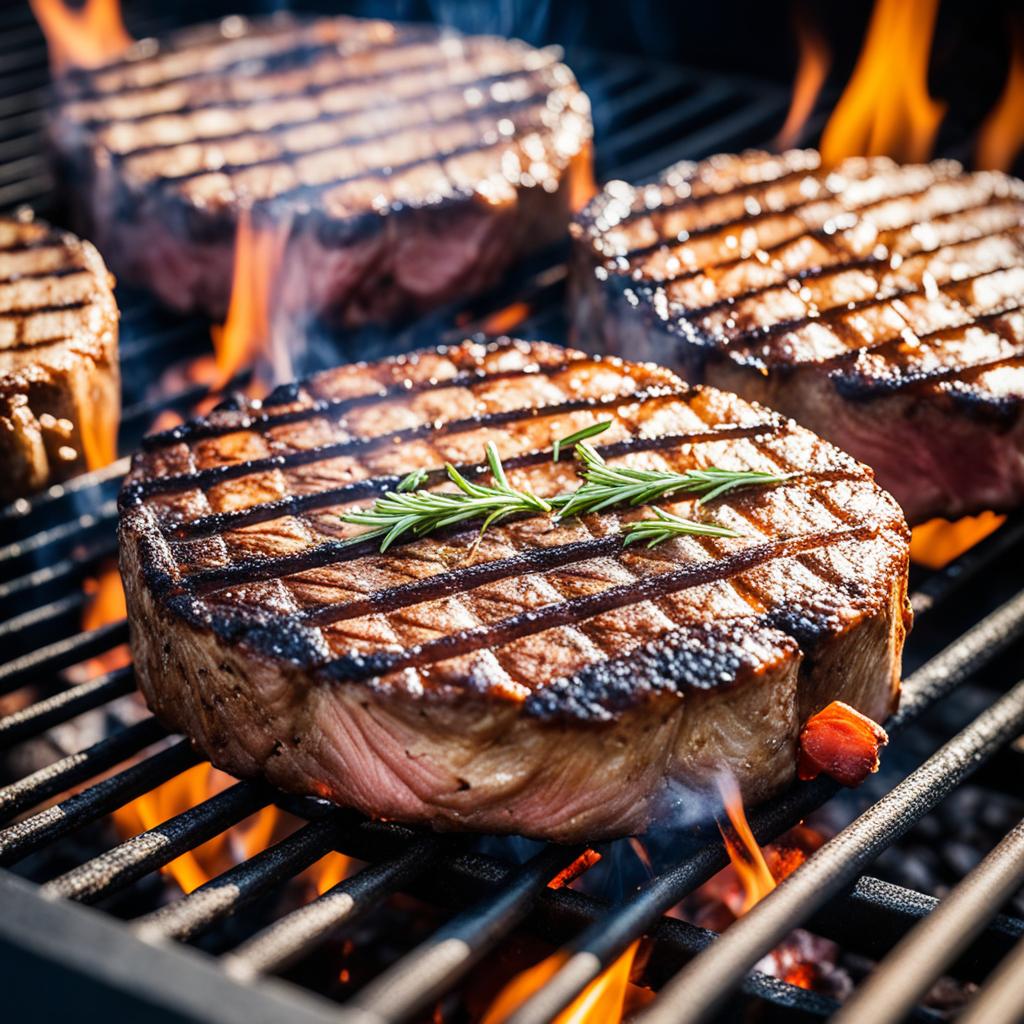
Grilling gives your steak a charred crust and keeps it juicy. Before grilling, make sure your grill is hot. Use direct heat for a good sear. Think about how cooked you want your steak:
- Rare: 120-125°F
- Medium Rare: 130-135°F
- Medium: 140-145°F
After grilling, let your steak rest. This step lets the juices spread out, making your steak even better.
Pan-Searing: A Chef’s Favorite
Pan-searing filet mignon is a top choice for many cooks. It brings out intense flavors. Use a hot cast-iron skillet for this. Here’s what to do:
- First, get your skillet very hot.
- Use oil that can handle high heat, like canola or grapeseed oil.
- Put the steak in the skillet and don’t move it for a bit.
- Add melted butter for more flavor.
Getting a golden crust makes your steak taste amazing.
Oven-Roasting for Tender Perfection
Oven-roasting makes filet mignon tender all through. Start by searing the steak, then finish in the oven. Remember these steps:
- Heat your oven to 425°F.
- Cook until it’s as done as you like.
- Let the steak rest for 5-10 minutes before cutting.
Using the right techniques makes a tender and unforgettable tenderloin.
Tips for Seasoning and Marinating
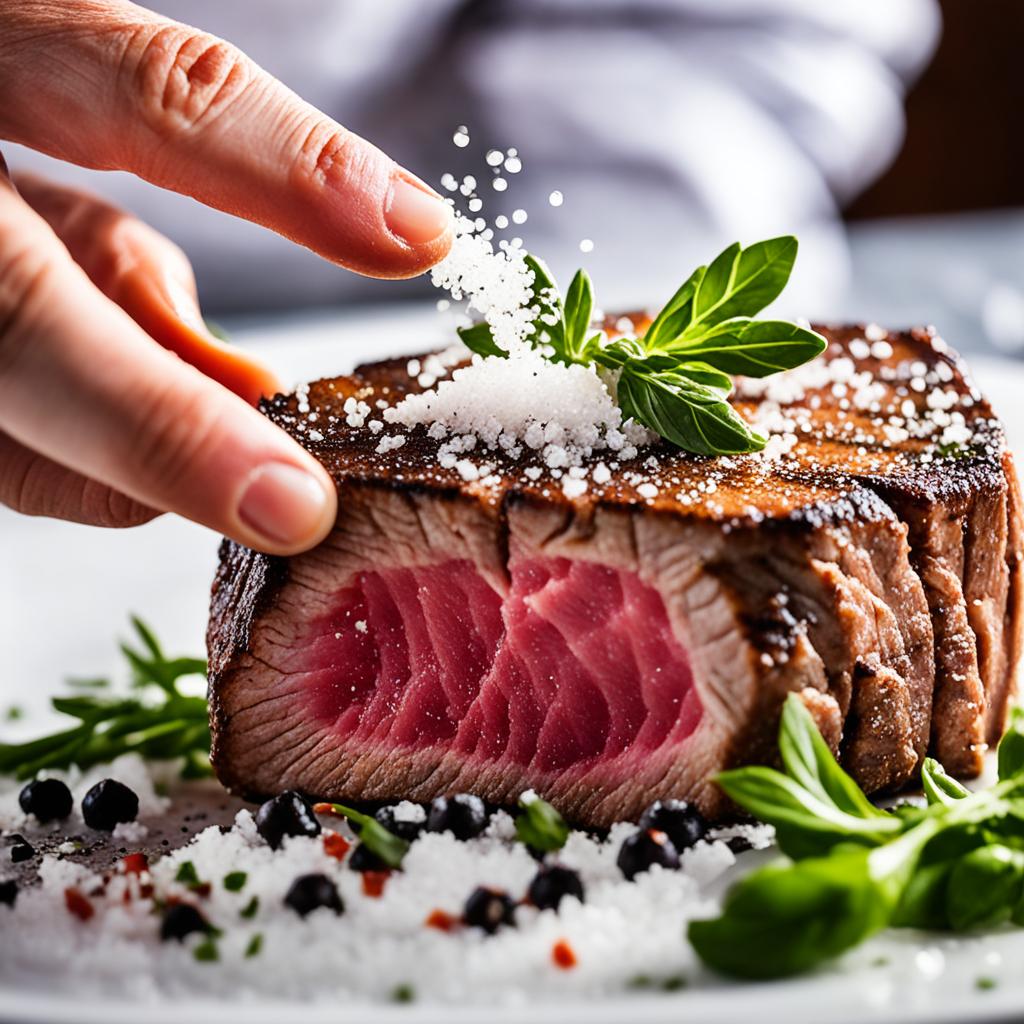
Seasoning filet mignon just right brings out its rich flavor. It lets the meat’s natural taste shine through. Use simple but powerful ingredients to make your meal special.
Essential Seasonings for Filet Mignon
Start with high-quality salt and freshly cracked black pepper. Add these well before cooking to create a tasty crust. You could also try a bit of garlic or onion powder for extra flavor.
Adding herbs like rosemary or thyme gives a gourmet feel. They enhance the filet’s rich taste beautifully.
Marinade Options to Enhance Flavor
Some prefer filet mignon with just a little seasoning, but marinating adds new tastes. A red wine marinade brings elegance and complexity to the meat. You could also try a marinade with olive oil, balsamic vinegar, and fresh herbs.
These choices not only make the meat tender. They also boost its flavor without hiding its natural goodness. For more tips on making this amazing cut of beef, visit this guide on filet mignon.
Serving Filet Mignon: Presentation Ideas
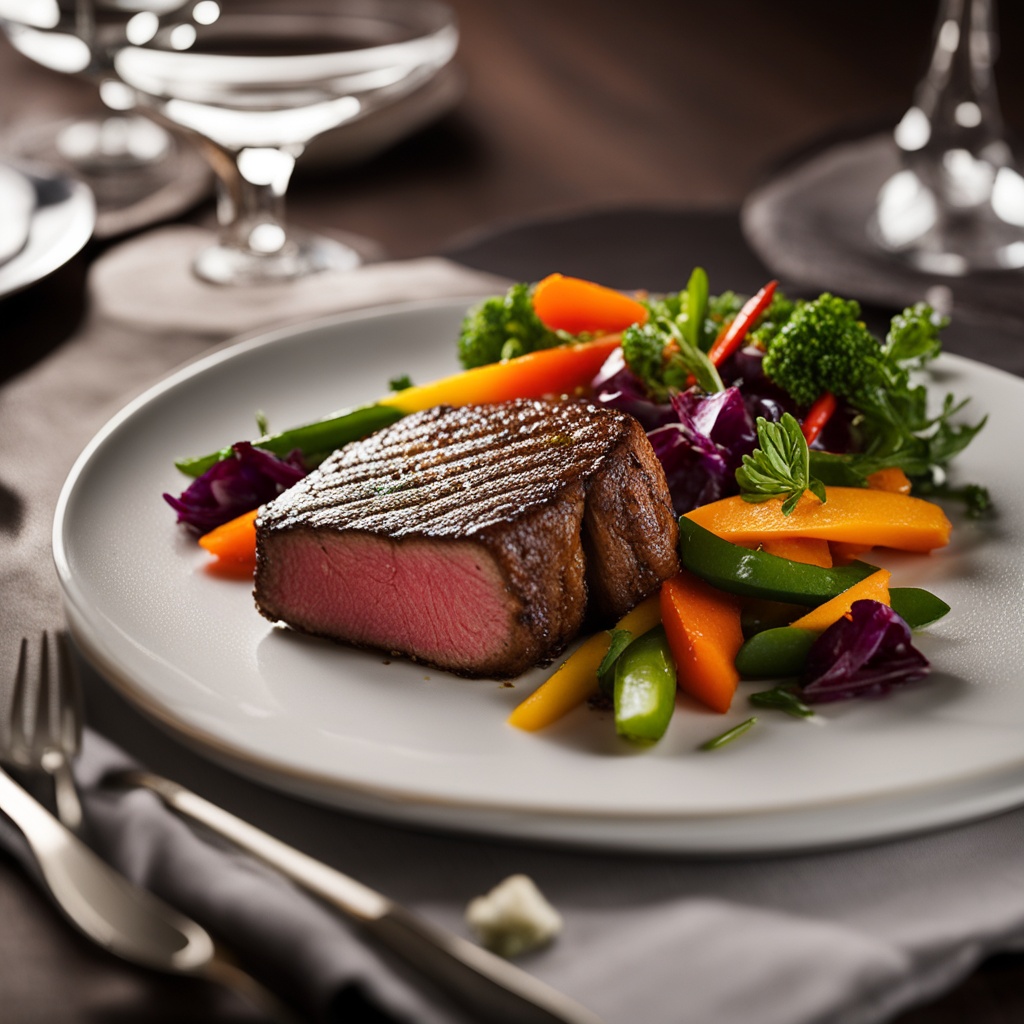
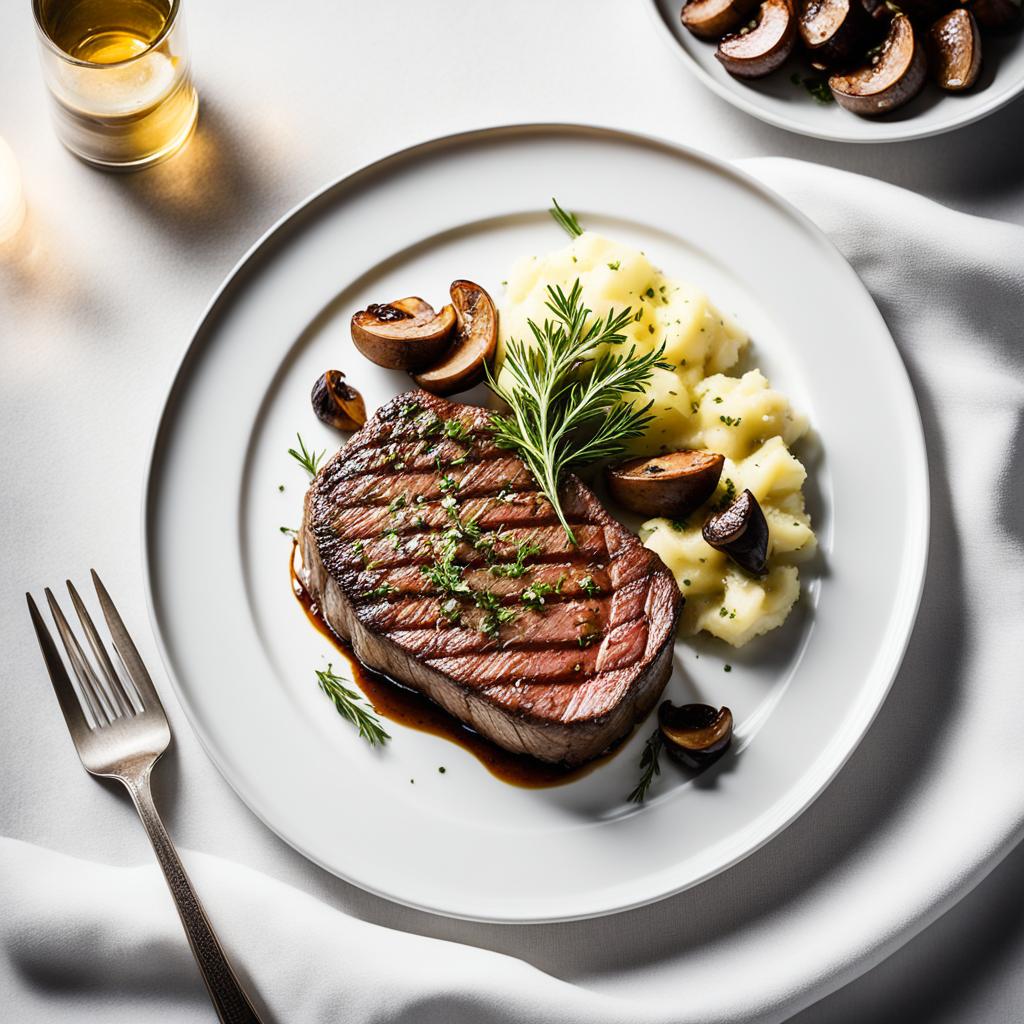
When serving filet mignon, how it looks is just as important as how it tastes. Adding the perfect sides can take your meal to the next level. Choose sides that match well with your steak, for a truly balanced meal.
Pairing with Side Dishes
What you serve with your steak really sets the tone of your meal. Some top choices include:
- Garlic mashed potatoes
- Sautéed asparagus with lemon
- Roasted Brussels sprouts with balsamic glaze
- Fresh mixed greens salad with vinaigrette
- Truffle mac and cheese
These sides blend perfectly with filet mignon, creating an impressive gourmet pairing.
Garnishing Techniques for a Gourmet Look
For an even more stunning presentation, try these garnish ideas:
- Drizzle high-quality sauces like a red wine reduction or béarnaise around the plate.
- Use fresh herbs like parsley or thyme for a splash of color.
- Add decorative vegetable slices or microgreens for more texture.
- Keep the filet mignon on a warm plate to keep it looking and tasting great.
Focusing on presentation turns a simple meal into a special dining event. Your extra effort in presentation will make your dish a feast for the eyes as well as the taste buds.
Wine Pairing with Filet Mignon
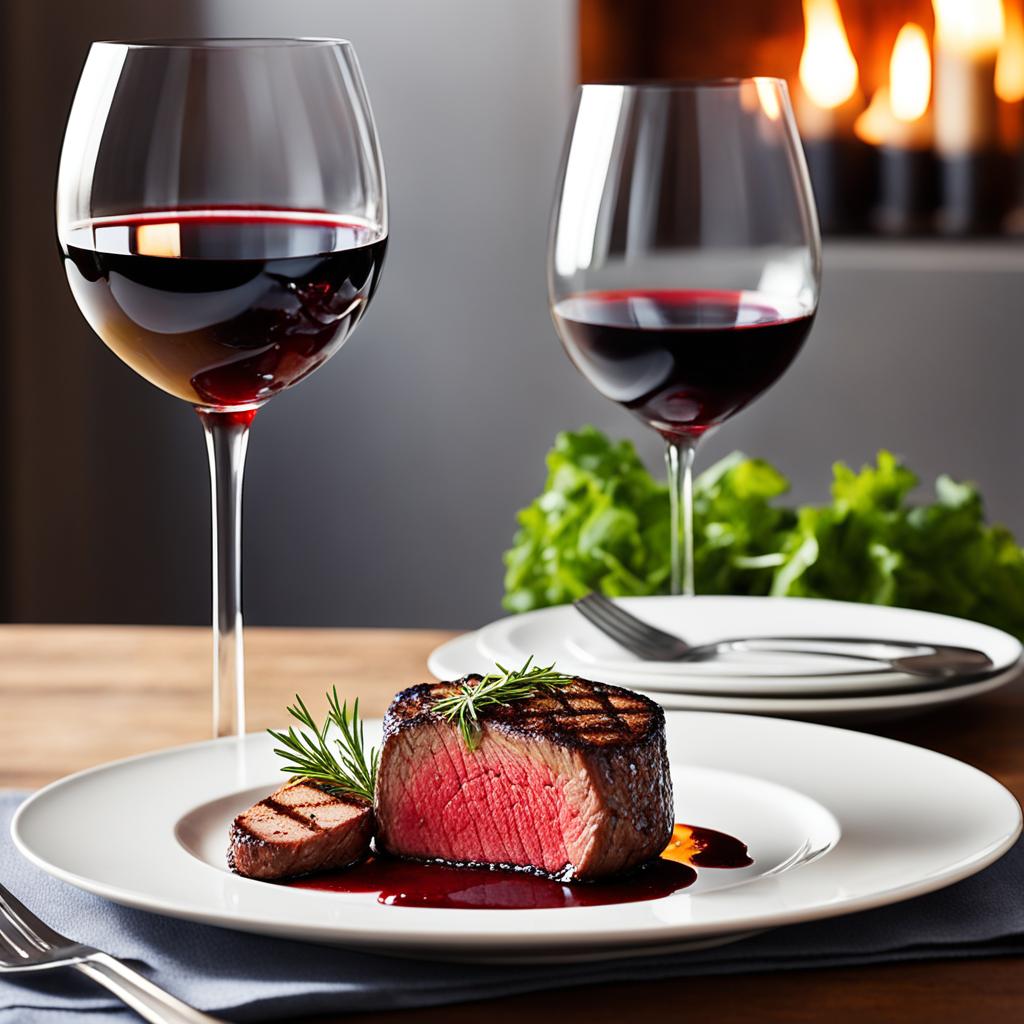
Pairing wine with steak turns dinner into an art. It makes your meal special. For filet mignon, the right wine is important. The best red wines can lift the beef’s rich taste and tender feel.
Red Wine Selections for Enhanced Dining
Classic pairings include red wines like Cabernet Sauvignon and Merlot. They have strong flavors and tannins that match filet mignon’s luxury. Here are some good choices:
- Cabernet Sauvignon: Offers deep fruit flavors and structure, enhancing the steak’s richness.
- Merlot: Known for its softness and roundness, this wine beautifully complements the tenderness of the meat.
- Syrah/Shiraz: Its peppery notes and bold character add a unique twist to your dining experience.
Serve red wines at 60-65°F in a big glass. This helps develop their aromas.
Alternative Pairings: Beyond the Basics
Sometimes, trying new wine with steak is fun. While red wines are popular, white and sparkling wines can also work. They don’t cover up the flavors of filet mignon. Here are some great alternatives:
- Sauvignon Blanc: Its zesty acidity and herbal notes enhance the dish’s flavors.
- Champagne: This sparkling option creates a refreshing contrast to the richness of the steak.
- Phoenix Rose: Offers a hint of fruitiness while remaining light, allowing the filet’s flavor to shine.
Filet Mignon in Fine Dining
Filet mignon often appears on the menus of upscale restaurants. It’s combined with gourmet recipes to enhance its luxury. Many places create special dishes that make filet mignon a true art. These dishes range from classic to modern styles, inspiring cooks at home to try gourmet cooking.
Signature Dishes Featuring Filet Mignon
Famous steakhouses offer many filet mignon dishes, each with its own touch. Favorites include:
- Filet Mignon Wrapped in Bacon: A delicious, rich choice.
- Truffle Butter Filet: This mix of luxury and taste is unforgettable.
- Filet Mignon with Béarnaise Sauce: A traditional duo that highlights the meat.
Culinary Techniques Used by Top Chefs
Top chefs use special cooking methods to make filet mignon extraordinary. Techniques include:
- Sous Vide Cooking: This method ensures meat is tender.
- Wood Grilling: It adds a smoky flavor that tastes great.
- Reverse Searing: Meat is perfectly cooked with a tasty crust.
Trying these cooking techniques and dishes can improve your skills. You’ll be able to make steakhouse favorites at home, delighting everyone’s taste.
Common Mistakes to Avoid When Cooking Filet Mignon
Cooking filet mignon is rewarding. But, it’s crucial to avoid mistakes for the perfect steak. One big mistake is overcooking it. Filet mignon shines when cooked medium-rare to medium. This keeps it tender and juicy.
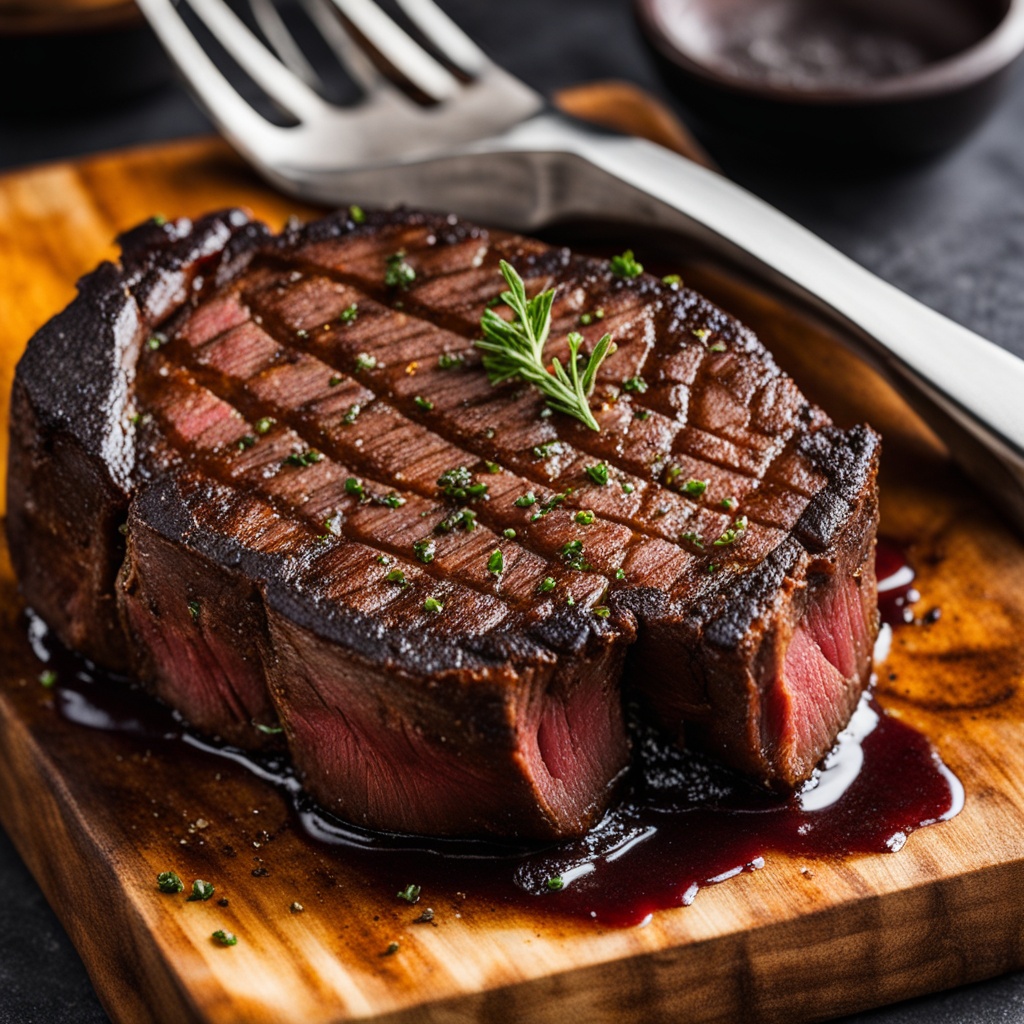
Don’t skip resting your steak after cooking. Let it rest for five to ten minutes before cutting. This step makes sure the juices flow back through the meat. It makes every bite more flavorful.
Here are some more steak preparation pitfalls to avoid:
- Not seasoning enough: Proper seasoning brings out the meat’s flavors.
- Not heating the pan or grill before starting: It’s key for a good sear.
- Too much flipping: Let the steak sit undisturbed to form a crusty outside.
For better cooking, follow these tips. Use a meat thermometer to check if it’s cooked right. Or, use the touch test if you’re experienced. Avoiding these mistakes will help you make an amazing filet mignon.
To learn more about filet mignon and its benefits, check out this useful link.
Conclusion
We’ve dived deep into the world of filet mignon, showing its luxury and possibilities in cooking. We’ve covered how to pick the best filet mignon and the ways to cook it perfectly. This knowledge gives you the power to wow your loved ones.
Great meals aren’t just about taste; how you present them matters too. Use the tips we’ve talked about to take your filet mignon up a notch. Whether it’s a big celebration or a fancy dinner at home, this cut will make your meal unforgettable.
Let this guide inspire you to sharpen your cooking skills and explore more joys of cooking. With what you’ve learned, you can make every filet mignon dish a standout, showing off your flair for cooking and love for good food.