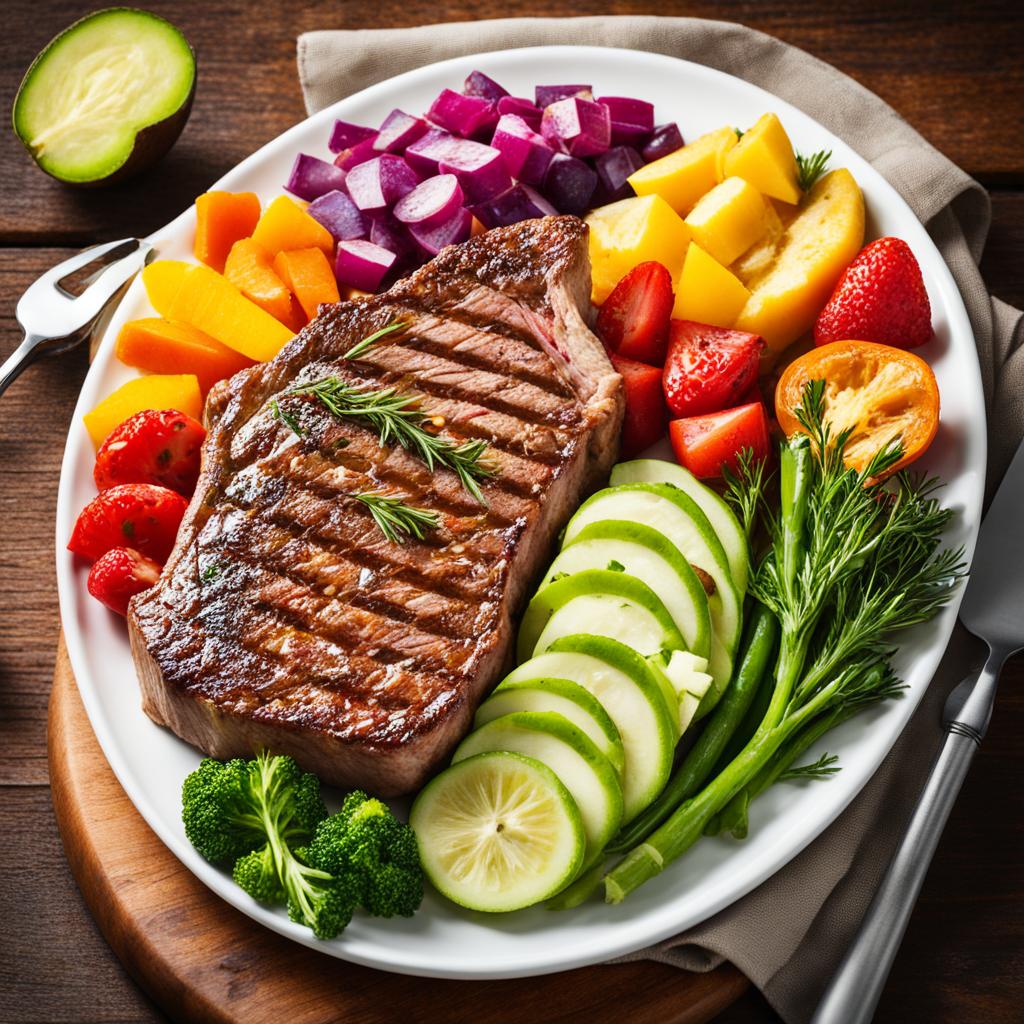
Did you know a small 3-ounce portion of ribeye steak contains 23.8 grams of protein and just 199 calories? This tasty meat cut is famous for its delicious taste and rich fat marbling. It’s not only a treat for your taste buds but also a nutrient-rich option. When you cook it by grilling, pan-broiling, or smoking, it’s vital to know about ribeye steak nutrition. This helps you include it in a balanced diet in a smart way.
Exploring ribeye nutrition shows why it’s a favored choice for many. Still, it’s important to be thoughtful about how much red meat we eat. Health experts have different views on red meat’s place in a healthy diet.
What is Ribeye Steak?
Ribeye steak comes from the rib section of the cow, right under the backbone. It’s known for being really tasty because of the fat mixed in the muscle. This fat makes the steak tender and adds a lot of flavor, which steak lovers really like.
There are many ways to cook a ribeye steak, like grilling, pan-frying, or broiling. Each way of cooking gives the steak a different taste. It’s a favorite for both chefs and home cooks because you can do so much with it. You can keep it simple or add different sauces to make it special.

Ribeye Steak Nutritional Profile
Ribeye steak has a nutritional profile that helps guide your eating choices. It’s packed with essential nutrients. This makes it a good option for various diets.
Caloric Content
A 3-ounce serving of ribeye steak has about 199 to 380 calories. The calories depend on how it’s cooked and the fat it has. Grilling, pan-searing, or roasting impacts the calories you get from this tasty steak.
Macronutrient Breakdown
The ribeye’s macronutrients are impressive. You get 23.8g to 30g of protein, which is almost half of what you need daily. It has 10.8g to 30g of fat, with 4.2g being saturated fat. Since it has no carbs, it’s great for low-carb diets. Keep in mind, these numbers can change with the cut and how it’s prepared.

Vitamins and Minerals in Ribeye Steak
Ribeye steak is packed with vitamins and minerals important for health. These nutrients help in many functions of the body.
Key Nutrients
This beef cut is rich in essential nutrients:
- Zinc
- Selenium
- Niacin
- Vitamin B6
- Vitamin B12
It’s key for a strong immune system, making energy, and building DNA. So, ribeye is a great choice for your meals.
Iron and Its Importance
Iron is also a big deal in ribeye steak. A single serving has about 1.44mg of iron. This mineral is crucial for avoiding anemia and keeping blood oxygen levels up.
The heme iron in ribeye is easier for your body to use than plant-based iron. Eating ribeye helps meet your iron needs for better health.
The Health Benefits of Ribeye Steak
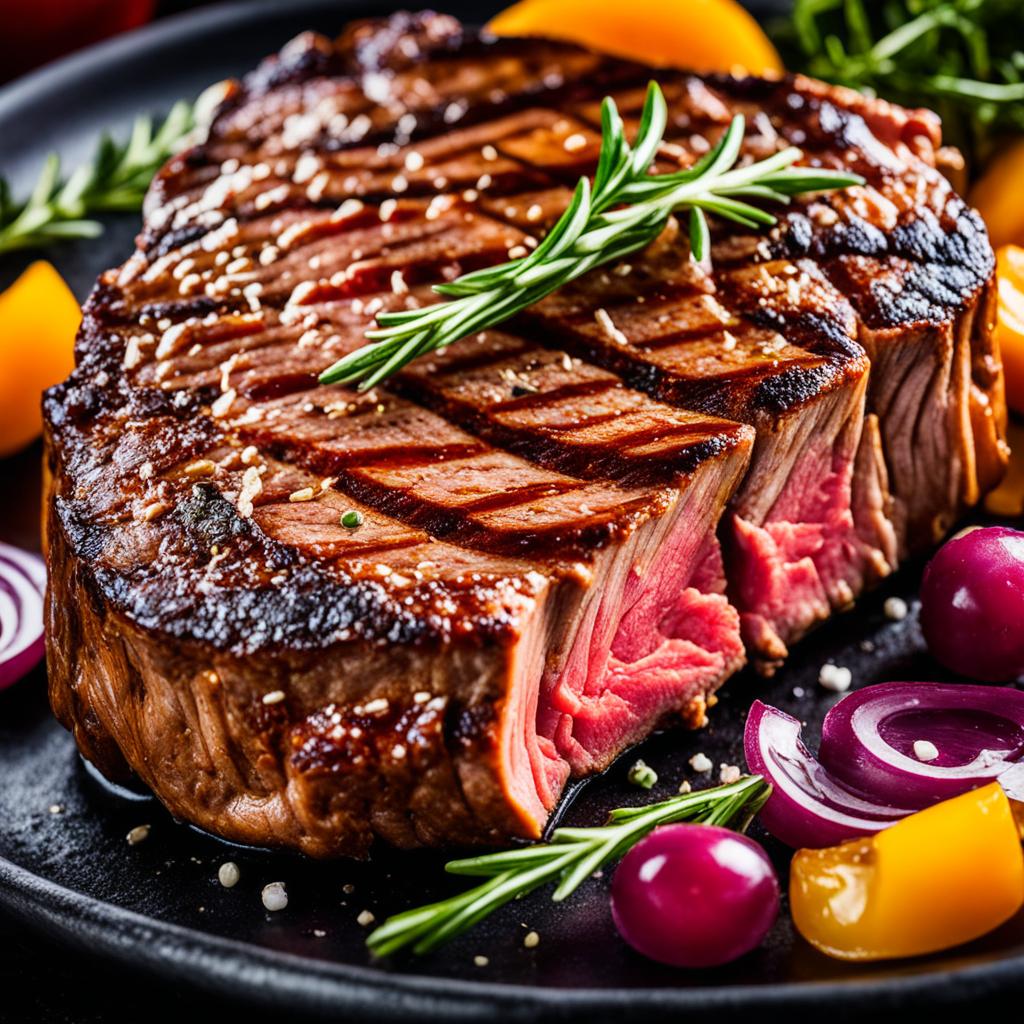
Ribeye steak is packed with health perks, making it a great addition to diets. It’s especially known for its high protein. This protein is key for keeping muscles strong and repairing them. As we get older, we risk losing muscle mass, a condition known as sarcopenia. Eating ribeye steak can help fight against this.
Protein and Muscle Maintenance
The protein in ribeye steak is tasty and crucial for health. It helps fix and grow muscles, important for athletes and anyone wanting to stay fit. It also boosts your metabolism, which helps keep muscles strong. Adding ribeye steak to your meals is a smart move for muscle health.
Role in Weight Management
Ribeye steak can also help with keeping a healthy weight because it’s rich in protein. This protein makes you feel full, which can mean eating less overall. When you’re not hungry after eating, you’re less likely to snack on junk food. This can help you manage your weight. Try including ribeye steak in a well-rounded diet to see benefits in weight control.

Fats in Ribeye Steak: The Good and the Bad
Ribeye steak packs a mix of fats like saturated, monounsaturated, and polyunsaturated. A serving has around 10g of saturated fat, which is more than some other meats. Yet, it’s not all bad news. Ribeye also has healthy fats that can be good for your heart.
These good fats, especially monounsaturated fats, are key for a healthy diet. They help improve our health, replacing the bad fats found in junk food.
It’s important to watch how much fat you eat. The American Heart Association suggests keeping saturated fats under 13g daily. Being smart about how much ribeye steak you eat lets you savor its taste and texture. And it helps you keep your fat intake in check.
Cooking Methods and Their Impact on Nutrition
The way you cook ribeye steak can really change its flavor and healthiness. Some cooking styles might increase or decrease the steak’s fat content. They can also change the amount of nutrients it has. Knowing about these methods helps you pick the best way to cook your meals.
Fat Content Variations by Cooking Style
Cooking ribeye steak in different ways affects how much fat it has. Let’s look at some usual cooking styles and their effects on fat:
- Grilling: This method lets extra fat drip off, making the steak less fatty but still flavorful.
- Pan-frying: Cooking in oil makes the steak fattier because of the oil in the pan.
- Broiling: Broiling doesn’t need much fat, so it makes the steak less fatty while keeping it moist.
- Slow cooking: Slow-cooked steak stays tender and moist. Sometimes, you might add fat for taste, depending on your recipe.
But it’s not just about fat. How we cook steak, like the temperature and time, affects fat quality and nutrients. Choosing cooking methods with less added fat is smart. It lets you enjoy ribeye steak in a healthier way.

Health Considerations and Dietary Recommendations
Ribeye steak is a delicious choice, but it’s wise to know about health guidelines related to meat. The saturated fat in red meats is a major concern. It’s crucial to balance ribeye steak with your overall fat intake for a healthy diet.
Saturated Fat Intake Guidelines
The USDA suggests keeping saturated fat under 10% of your daily calories. This is key for good heart health. Saturated fat health guidelines aim to reduce heart risks. The American Heart Association advises limiting it to 5% to 6%, especially for those with heart issues.
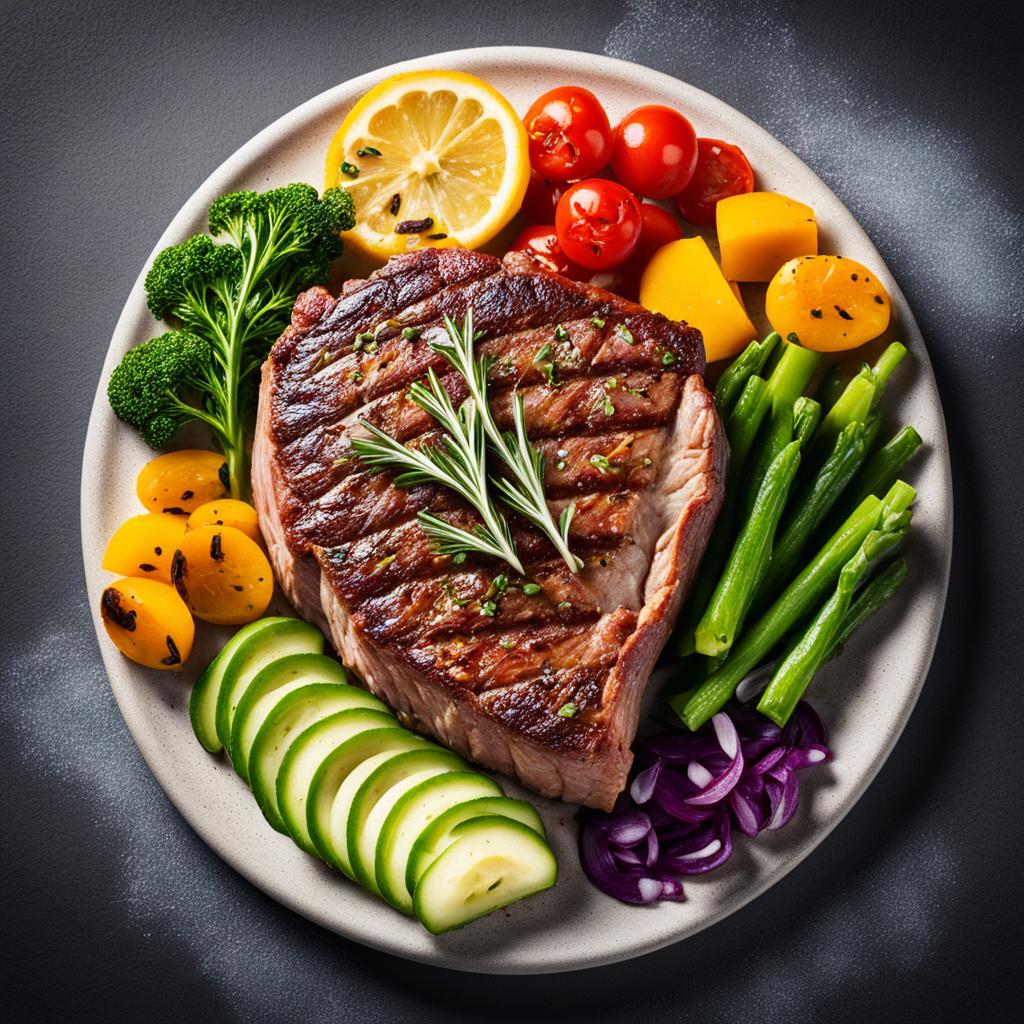
Finding low saturated fat options is important for these people. When making your meal plans, include ribeye steak dietary recommendations wisely. Enjoying ribeye in moderation is key. Pair it with fruits, vegetables, and whole grains for balance. A varied diet is essential to get all the nutrients while keeping meals tasty and healthy.
Buying Tips for Quality Ribeye Steak
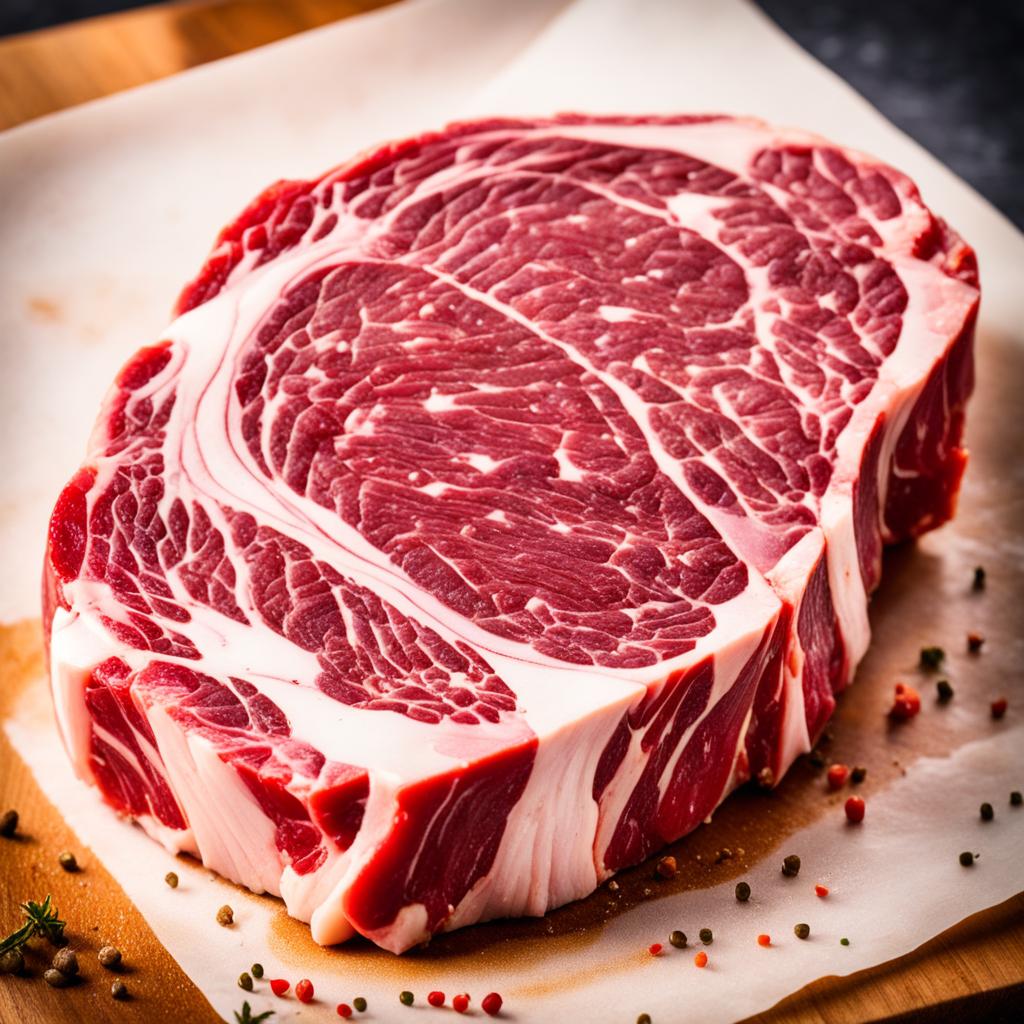
When you’re looking to buy ribeye steak, knowing the USDA grades is key. It helps you pick the best steak for taste and softness. This knowledge makes sure you get a ribeye that lives up to your expectations.
Understanding USDA Grading
The USDA grades beef based on how much marbling it has and its quality. There are three main grades you’ll see: Prime, Choice, and Select:
- Prime: This top grade has lots of marbling. It’s ideal for grilling or broiling. Prime cuts are often found in fancy restaurants.
- Choice: This is a high-quality grade with a bit less marbling than Prime. But it can still be tender if cooked right.
- Select: Select grade has the least marbling. To make it more tender and tasty, you might need to marinate it first.
Grass-Fed vs. Grain-Fed Options
Choosing between grass-fed and grain-fed ribeye affects the taste and nutrition. Each type has its own flavor and benefits:
- Grain-Fed: Grain-fed beef usually tastes richer because of the corn in its diet. It’s also juicier due to more marbling.
- Grass-Fed: Grass-fed beef is leaner and often considered healthier. It has a unique, earthy flavor that some people love.

Conclusion
Ribeye steak is not just tasty, it’s also filled with proteins, healthy fats, and lots of vitamins and minerals. Knowing what’s in your ribeye steak makes meals better. It helps you pick food that meets your health and diet needs.
Even though there’s some debate about eating red meat, having ribeye steak now and then is okay. If you eat small portions and have healthy sides, you can enjoy its great taste. Not giving up on good nutrition. Check out different ways to cook it while keeping it healthy here.
Adding ribeye steak to your diet, along with different proteins, is a smart move. It helps you enjoy its special flavor while looking after your health. This meat can make your meals exciting, especially when you eat it wisely and mix it up with various foods.