
Did you know that over 60% of Americans count a perfectly cooked steak among their top five favorite meals? A cast iron ribeye offers unbeatable flavor and tenderness. This article gives you steak tips to improve your cooking. You’ll get steakhouse-quality results at home. These secrets are great for both seasoned cooks and beginners.
Understanding Ribeye Steaks
Ribeye steaks are a journey into flavor and softness. They are famous for their marbling, making them unique. When you know what makes a ribeye special, you make better choices. This helps decide between a ribeye with the bone or without it.
What Makes Ribeye Special?
The marbling in a ribeye is what makes it delicious and tender. As it cooks, the fat melts. This makes the steak juicy and soft. Ribeyes have a bold taste, thanks to their fat. This makes them stand out from leaner cuts.
Choosing Between Bone-In and Boneless
Choosing a bone-in or boneless ribeye is about what you like. Bone-in has more flavor because of the bone. It makes the steak juicier. But, a boneless ribeye is easier to cook and cut. This might be better for some recipes.

The Importance of Quality Meat
Choosing the right ribeye steak is crucial for a delicious meal. High-quality meat gives you a juicy, tasty steak. It’s important to know about USDA grading. This grading tells you about the meat’s marbling, color, and firmness. With this knowledge, you can make smarter choices at the store.
USDA Grading and Selection Tips
USDA grades beef into Prime, Choice, and Select. Prime ribeye has lots of marbling, making it tender and flavorful. Choice and Select are good, but not as rich in taste. When you’re shopping, remember to:
- Look for USDA Prime grade labels for top quality.
- Check for marbling, which makes the steak juicy and flavorful.
- Find steaks that are bright red, which means they’re fresh.
Choosing the Right Thickness for Your Steak
The thickness of your steak is key to cooking it right. A 1.5-inch thick steak is often best, giving you a great sear without overcooking. Thicker cuts help in getting a medium-rare inside and a tasty crust. Remember these tips when picking your ribeye:
- Avoid steaks trimmed too much. They can end up dry.
- Choose steaks that are even in thickness. This helps cook them evenly.
- Look for a good fat balance in the ribeye. It adds flavor and tenderness.
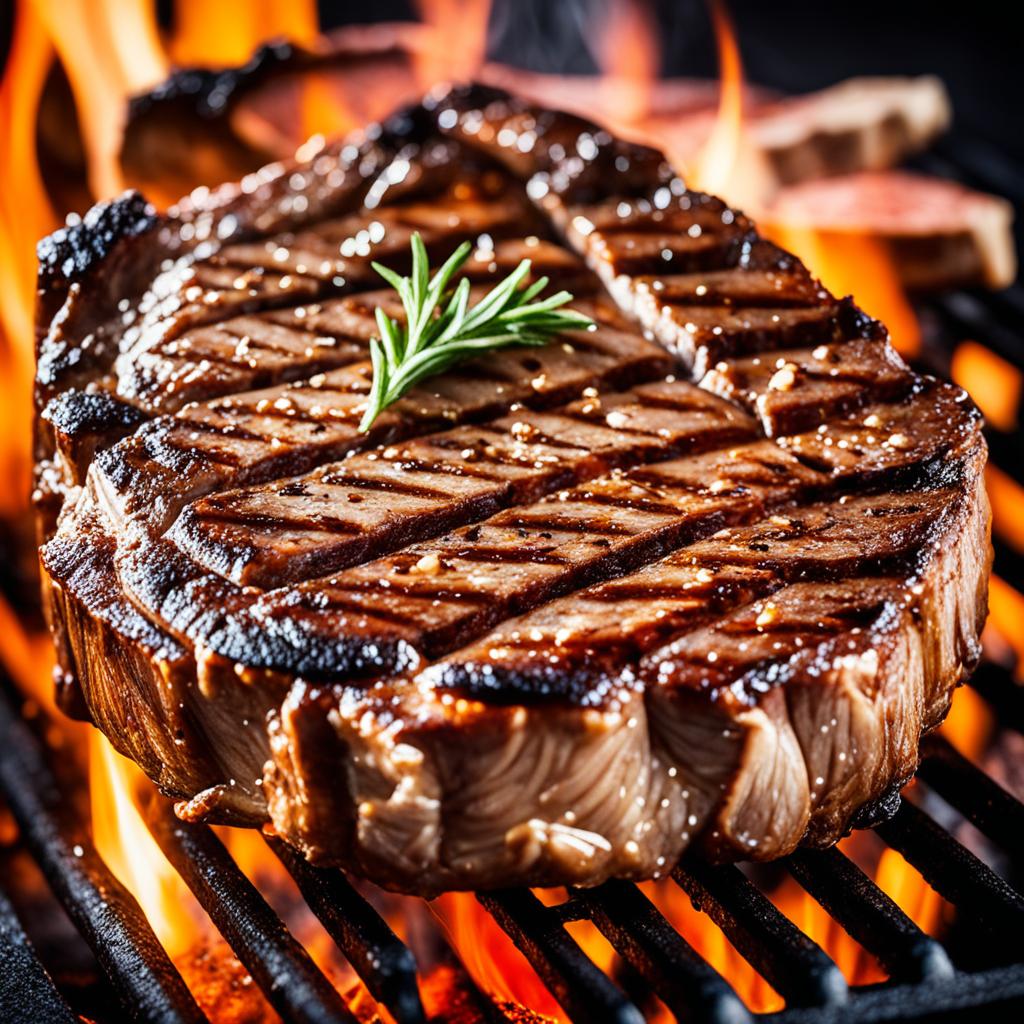
Essential Tools for Cooking Ribeye
Cooking a ribeye steak is very rewarding. But, it’s crucial to have the proper tools. A cast iron skillet is key for making steak. It’s great for keeping heat. This means you get a perfect sear and juicy meat.
Best Cookware: The Cast Iron Skillet
When making ribeye, a cast iron skillet is top-notch. It spreads heat well and can take the heat. This is key for a great crust. Plus, it works on the stove and in the oven. With good care, it gets better over time. It becomes non-stick, ideal for cooking steak.
Must-Have Kitchen Tools for Steak Cooking
Along with a cast iron skillet, you need some other tools:
- Tongs: Perfect for flipping steak without losing juices.
- Splatter Screen: Keeps the kitchen clean and lets steam out.
- Meat Thermometer: Checks if your steak is cooked just right.

Preparing Your Cast Iron Ribeye
Getting your cast iron ribeye just right is key. Make sure to season it well and give it time to marinate and rest. These steps will make your steak both tasty and tender.
Seasoning Your Steak: Salt and Pepper Basics
First, season your ribeye with plenty of kosher salt and cracked black pepper. This mix boosts the beef’s natural taste. After seasoning, let the steak rest for 40 minutes. This helps the salt seep in and softens the meat fibers.
The Role of Time: Marinating and Resting
Marinating your steak adds flavor and softness. Opt for a marinade with olive oil, garlic, and herbs to match ribeye’s richness. Marinate for at least 30 minutes, though longer is better. After cooking, rest your steak for 10 minutes. This step locks in juices, making every bite juicy. Find out more at this link.

Cooking Methods for Ribeye
There are different ways to cook ribeye that impact its taste and texture. Many people like to sear it on the stove and then finish it in the oven. This method gives the steak a crispy crust while keeping it moist inside.
Searing on the Stovetop
To sear on the stove, start by getting your cast iron skillet hot. Here’s what you need to know for a good sear:
- Choose an oil with a high smoke point, like canola or grapeseed oil.
- Make sure the skillet is very hot before putting in the steak. A water drop should sizzle when it touches.
- Cook each side for 3-4 minutes to get a delicious crust.
Finishing in the Oven
After searing, put the skillet in an oven preheated to 400°F. This ensures the steak cooks evenly and stays juicy. Here’s the process:
- Use a meat thermometer to check the internal temperature for doneness.
- Bake for 6-8 minutes for a medium-rare finish. Adjust the timing for how you like your steak.
- Let the steak rest for at least five minutes before cutting.

Achieving the Perfect Steak Temperature
Getting the steak cooked just right is key to a great meal. Knowing the right temperatures can make your steak tender and full of flavor. Use a meat thermometer to help you hit that perfect spot.
Understanding Doneness Levels
Steaks can be cooked to different levels of doneness. Each level has its own temperature range:
- Rare: 120°F to 125°F – cool red center
- Medium-Rare: 130°F to 135°F – warm red center
- Medium: 140°F to 145°F – pink center
- Medium-Well: 150°F to 155°F – slightly pink center
- Well-Done: 160°F and above – little to no pink
Picking the right temperature is crucial. It keeps the steak juicy and delicious. Remember these temperatures when cooking to get your steak just how you like it.
Using a Meat Thermometer Effectively
Here’s how to use a meat thermometer right:
- Put the thermometer probe in the steak’s thickest part. Make sure to avoid bone and fat for the best result.
- Start checking the temperature a bit before it’s supposed to be done. This prevents overcooking.
- Let the steak sit after cooking. This makes it juicier and more tender.
These tips will help you cook a ribeye perfectly. With a meat thermometer, you can achieve the level of doneness you prefer.

Serving Suggestions for Your Cast Iron Ribeye
Serving ribeye leads to a wonderful meal. It’s even better with the perfect sides. A good side dish makes the meal look and taste amazing. Think about sides that mix well with your steak.
Recommended Sides to Complement Your Steak
- Arugula Salad with Lemon Vinaigrette
- Garlic Mashed Potatoes
- Steamed Broccoli with Olive Oil
- Roasted Brussels Sprouts with Balsamic Glaze
- Grilled Asparagus
Great sides make your ribeye steak’s flavor stand out. They also make your plate look colorful and inviting. Different textures and tastes make every bite enjoyable for your guests.
Tips for Plating Your Ribeye
Plating your steak needs a careful approach. First, pick a big, flat plate for space. Put your ribeye at an angle. This makes it look good and catch the juices.
Then, add your sides around the steak in a nice way. A little bit of fresh herbs, like parsley or chives, brings in color and freshness.

Remember, how you serve ribeye is as important as how it tastes. With a focus on beautiful plating and tasty sides, you’ll wow your guests every time.
Storing and Reheating Leftover Ribeye
Leftover ribeye steak can taste just as good as when it was first cooked. To keep its flavor and tenderness, you need to store and reheat it the right way. Follow these tips to make your next meal with leftover steak just as enjoyable.
Best Practices for Storing Steak
After enjoying your ribeye, it’s important to keep it fresh. Here are a few tips for storing leftover steak:
- Wrap the ribeye tightly in aluminum foil or put it in an airtight container to lessen air exposure.
- Let the steak cool down to room temperature before putting it in the fridge. This helps prevent water build-up.
- Keep it in the fridge and plan to eat it within three days.
- If you need to store it longer, freeze the steak. It stays good for about three months in the freezer.
How to Reheat Without Drying Out
Reheating ribeye without drying it out takes some care. Use these methods to keep it delicious:
- Warm it up in the microwave on a low setting. Put the steak on a plate safe for the microwave and cover with a moist paper towel.
- Or, gently reheat the steak on a stovetop with a bit of broth or water. This helps it stay moist.
- Reheating in the oven is also an option. Wrap the steak in foil and heat at a low temp (around 250°F) until it’s warm.

Conclusion
We’ve come to the end of our ribeye steak cooking journey. It’s time to think about what we’ve learned. We looked at what makes ribeye special and how to cook it just right. You now know how to pick good meat and get that perfect sear in your skillet.
You’re ready to start cooking amazing ribeye steaks with this knowledge. Feel free to try different seasonings and ways of cooking. For more tips, check out this thorough guide on ribeye steaks.
Cooking at home is special and mastering your ribeye will wow your guests. It’s also very rewarding for you. Let your kitchen be where great meals happen. Remember, a perfectly cooked ribeye is the best way to finish your show!