
Did you know a 3-ounce filet mignon has nearly 25 grams of protein? It’s a top choice for those who want a lot of protein with their meals. This lean meat is perfect for keeping healthy while enjoying tasty dishes.
We’ll look into why filet mignon is a celebrated beef cut. It’s famous for being super tender and flavorful. You’ll learn about its health perks, how to add it to your meals, the best portions, and any risks.
Introduction to Filet Mignon
Filet mignon is one of the best beef cuts around. It’s often found on fancy restaurant menus and people love it. It comes from a cow’s tenderloin, which is near the spine. This makes it very tender and full of flavor.
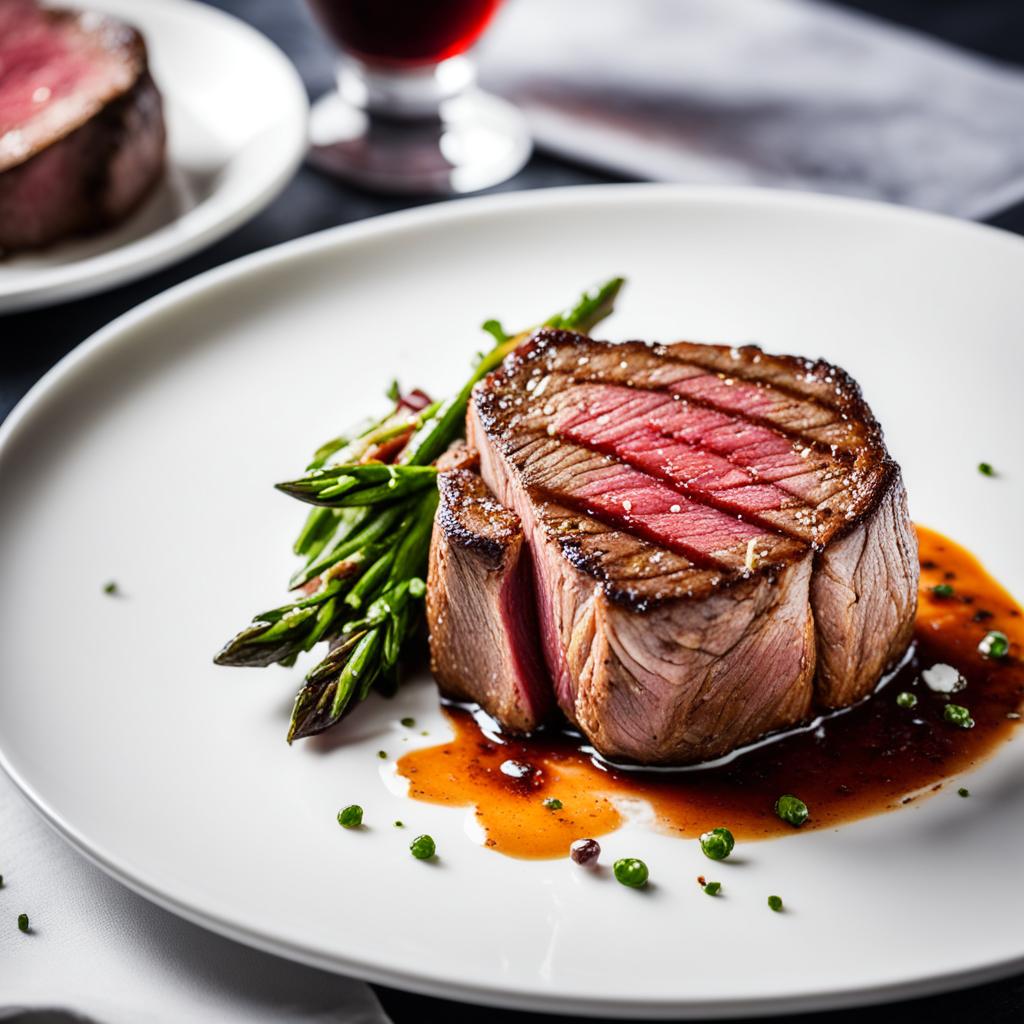
Even though filet mignon might be pricey, it’s worth it for a special meal. Each bite is soft and melts in your mouth. It’s part of eating healthy and makes a great choice for meat fans. You should treat yourself to this fancy beef cut once in a while.
Filet Mignon Nutrition Facts
Knowing about filet mignon nutrition is key if you’re watching your diet. This beef cut is a luxurious choice with many nutrients. It’s good to know its calories and what’s in it.
Caloric Breakdown
A 3 ounce serving of filet mignon has about 227 calories. Most of these calories are from fats, proteins, and very few carbs. It has around 15 grams of fat.
It’s also low in sodium, with only 46 mg. This is great news for those on a low-sodium diet.
Macronutrient Composition
This beef cut is rich in protein, offering 22 grams per serving. It has no carbs, making it ideal for low-carb diets. Remember, eating more means more calories and more fat.
Protein Content in Filet Mignon
Filet mignon is a great source of protein. A 3-ounce serving has about 22 grams of protein. This is nearly one-third of the daily need for someone weighing 165 pounds. Knowing how much protein is in filet mignon helps with dietary planning, especially for meeting protein goals.
Daily Protein Recommendations
How much protein you need every day can change based on age, sex, and how active you are. Usually, women need 46 grams of protein, while men need 56 grams. Eating filet mignon can help you meet these targets. It’s also tasty.
Comparative Protein Sources
Compared to other meats like chicken or pork, filet mignon has more protein per serving. It’s a good choice for boosting protein intake without adding too much fat. To keep your diet well-rounded, try adding legumes and plant-based options, too. For more about filet mignon and its nutritional benefits, check this informative source.
Health Benefits of Eating Filet Mignon
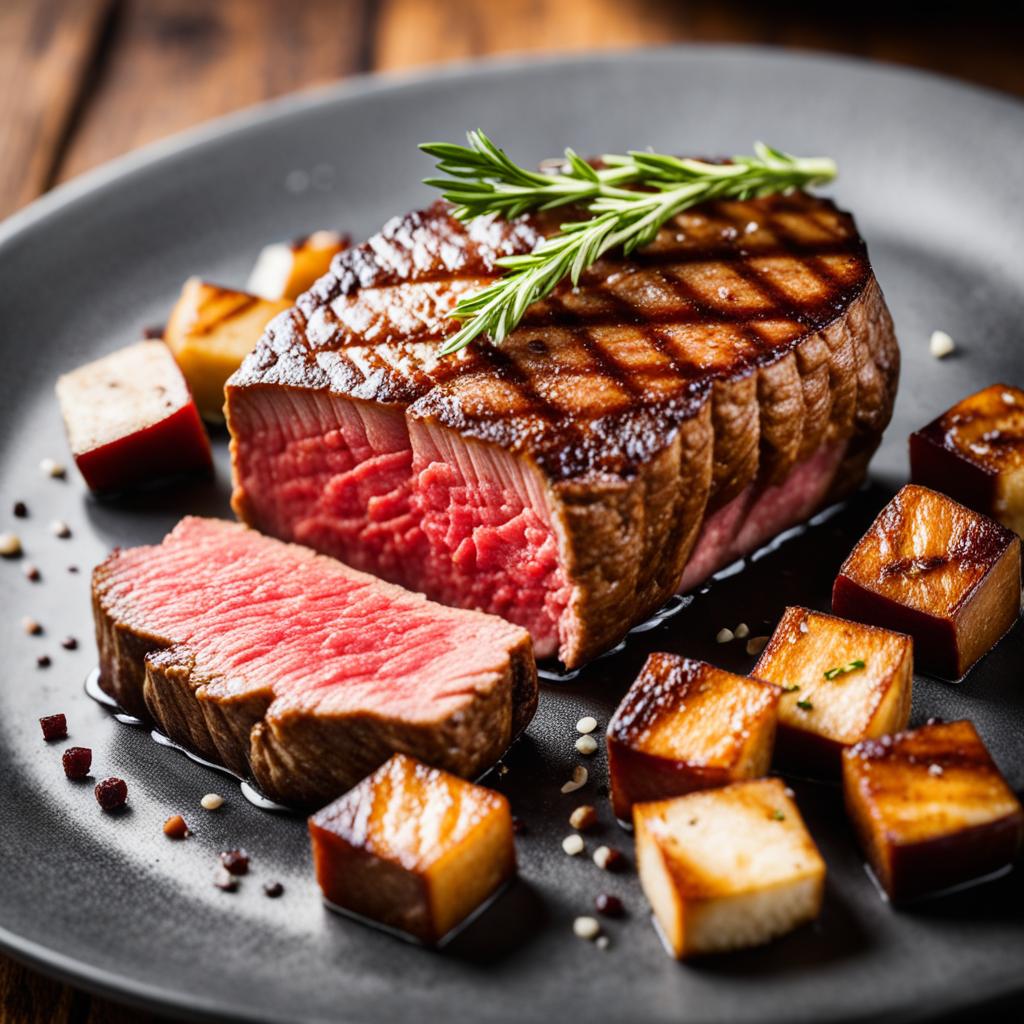
Adding filet mignon to your meals does more than just fulfill your protein needs. This beef cut offers a variety of essential nutrients. It’s packed with vitamins and minerals that boost your health.
Rich Source of Iron
Filet mignon is notable for its high iron content. Just a 3-ounce piece provides nearly 3 mg of iron. Iron is key for moving oxygen in your body.
It’s crucial for keeping your energy up and avoiding tiredness.
Essential Zinc Content
This juicy steak is also a great source of zinc, with about 3 mg in each serving. Zinc is important for a strong immune system, making proteins, and creating DNA. Eating filet mignon helps strengthen your body’s defenses and keeps your metabolism healthy.
Vitamin B-6 and B-12 Levels
Filet mignon is rich in vitamins B-6 and B-12, which are important for your body. Vitamin B-6 supports metabolism of amino acids and creation of neurotransmitters. Vitamin B-12 is crucial for making red blood cells and for brain health. The National Institutes of Health recommends getting these vitamins in your diet, and filet mignon is an excellent source.
Saturated Fat and Caloric Density
When you eat filet mignon, think about its saturated fat and calories. This beef is nutritious but has much saturated fat. A 3-ounce serving has about 6 grams of saturated fat, higher than what’s good for your heart.
Understanding Saturated Fat
Saturated fat is a big part of your diet. It gives you energy but too much can raise cholesterol. This can harm your heart.
Knowing about this fat helps you pick better meals. It’s key to balance how much you eat to stay healthy and enjoy tasty food.
Weight Management Considerations
Consider the caloric density too. Foods that are high in calories but low in volume can make you gain weight if you eat too much. Filet mignon is full of protein and fat. This means watching how much you eat is key to avoid gaining weight.
You can still enjoy this meat as part of a healthy diet. Just make sure it fits into your overall eating plan without hurting your health goals.
Low-Carb Diet Compatibility
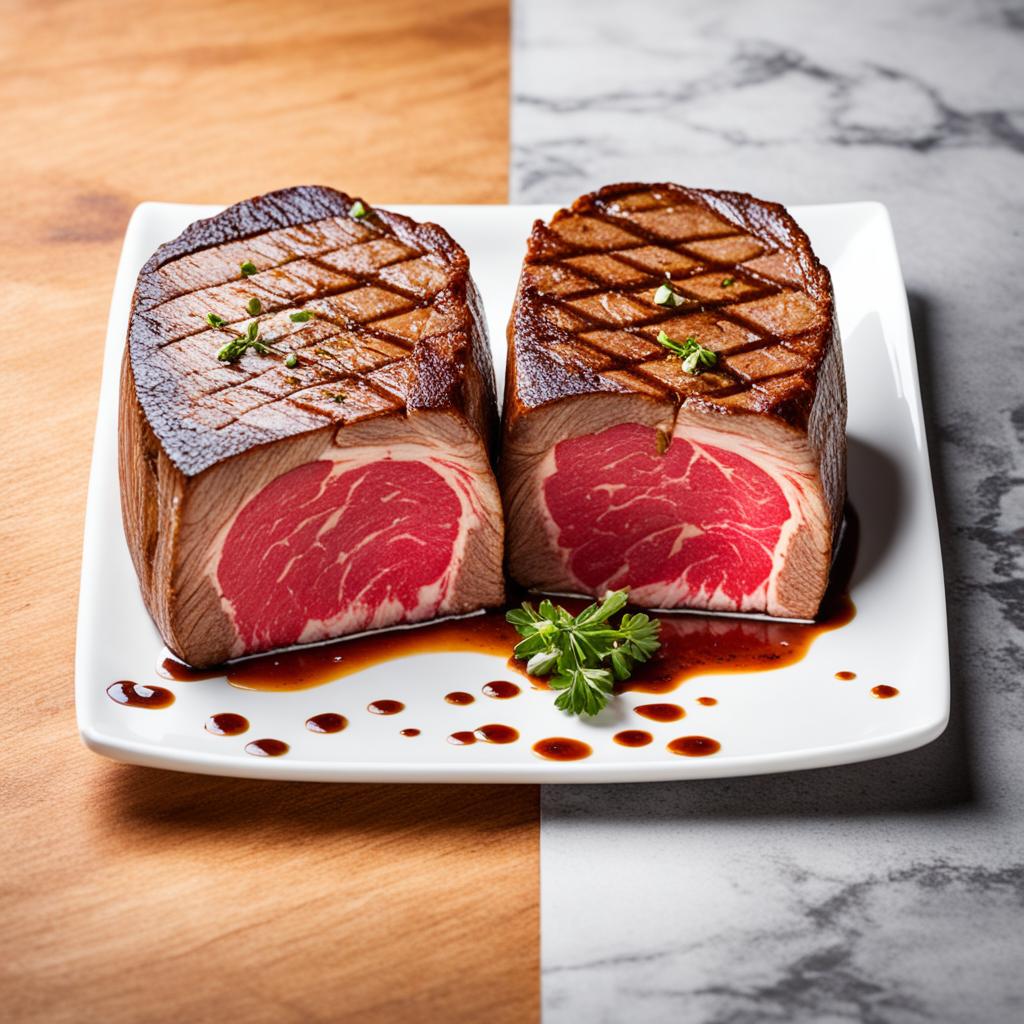
Filet mignon is a top pick for people on a low-carb diet. It has no carbs, making it perfect for keto followers. Adding filet mignon to your diet means enjoying a tasty protein. This protein helps you stay on track with low-carb benefits.
Benefits for Ketogenic Diets
High-quality proteins like filet mignon help meet ketogenic diet goals. They’re low in carbs but high in essential amino acids. This balance helps keep muscle while you burn fat. It’s a great way to eat well without harming your diet plans.
Potential Weight Loss Advantages
Filet mignon’s richness can help with weight control. Eating high-protein meals helps you stay full longer. This means you eat less overall. Including filet mignon in a low-carb diet can aid in losing weight. For those seeking other lean proteins, check out the benefits of venison here.
Serving Sizes and Portion Control
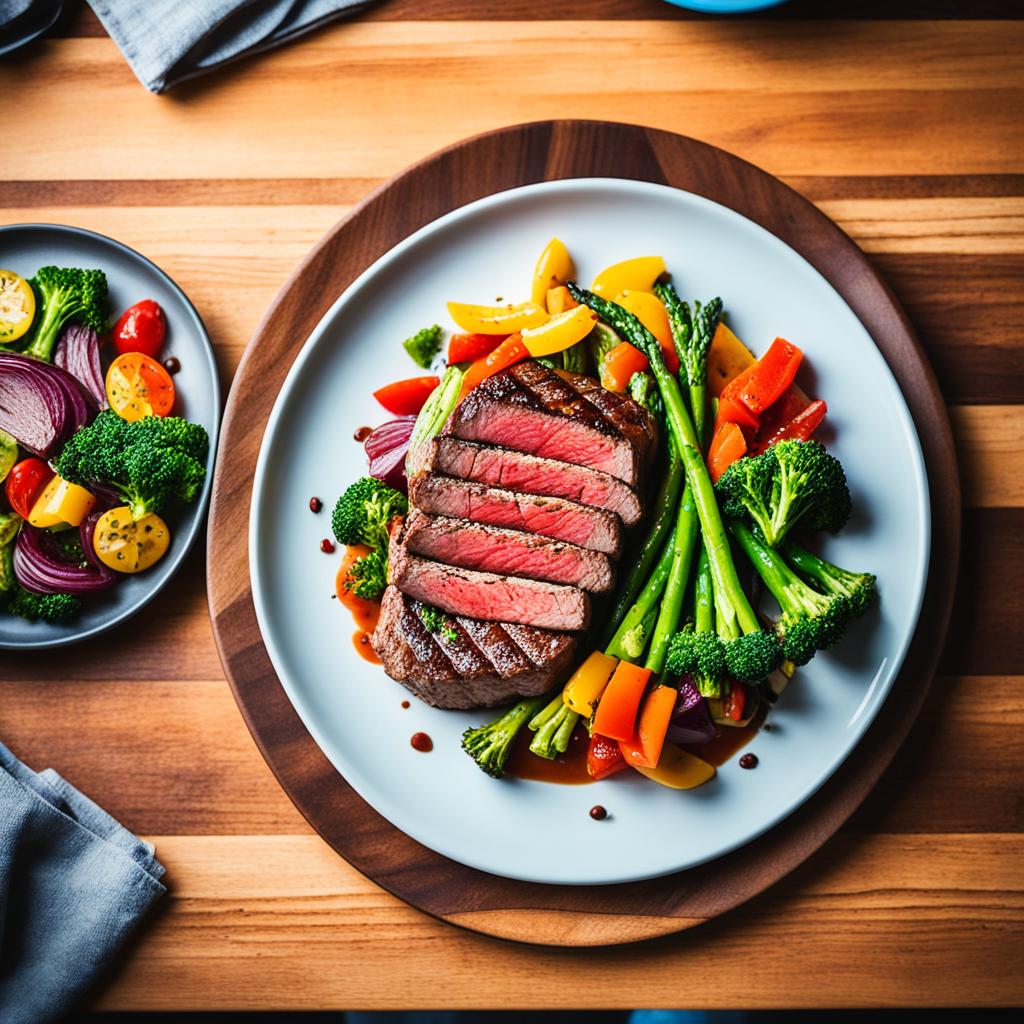
Knowing how much to eat is key to a balanced diet and reaching health goals. It’s important when you’re eating something special, like filet mignon. Experts suggest a portion of 3 ounces is just right. This way, you enjoy the taste without too many calories and fats.
Recommended Serving Size
The USDA says you should have about 3 ounces of filet mignon. This lets you enjoy this delicious steak without eating too much. Be careful with portions at home. Restaurants tend to serve bigger sizes, around 6 to 8 ounces. This makes it easy to eat too many calories.
Impacts of Larger Portions
Choosing big portions can lead to eating more calories and fats than needed. This messes with your diet plan. It’s harder to control how much you eat, especially proteins and fats. Yet, by keeping an eye on portion sizes, you can enjoy filet mignon. And you can stay on track with your diet.
Side Effects and Considerations
Filet mignon has health perks, but there are some drawbacks. Knowing these can help you choose what to eat smartly.
Possible Cardiovascular Risks
Filet mignon has a lot of saturated fat. Too much can be bad for your heart. It’s wise to eat it in moderation to keep your heart healthy.
Compounded Caloric Intakes
Steak dinners can add up in calories. Eating too many can lead to weight gain. It’s good to mix steak with lots of veggies for health.

Cooking Methods for Healthier Eating
How you cook filet mignon really matters for your health. If you pick the right methods, you can enjoy this tasty beef in a healthier way. Grilling and baking are good picks. They keep the flavor but cut down on the bad fats you get from frying or sautéing.
Grilling and Baking Options
Grilling and baking are great for your health. With grilling, fat drips off, making your meal leaner. Baking keeps it moist without adding lots of fat. Both ways bring out the best taste in filet mignon without extra fats.
Pairing with Healthy Sides
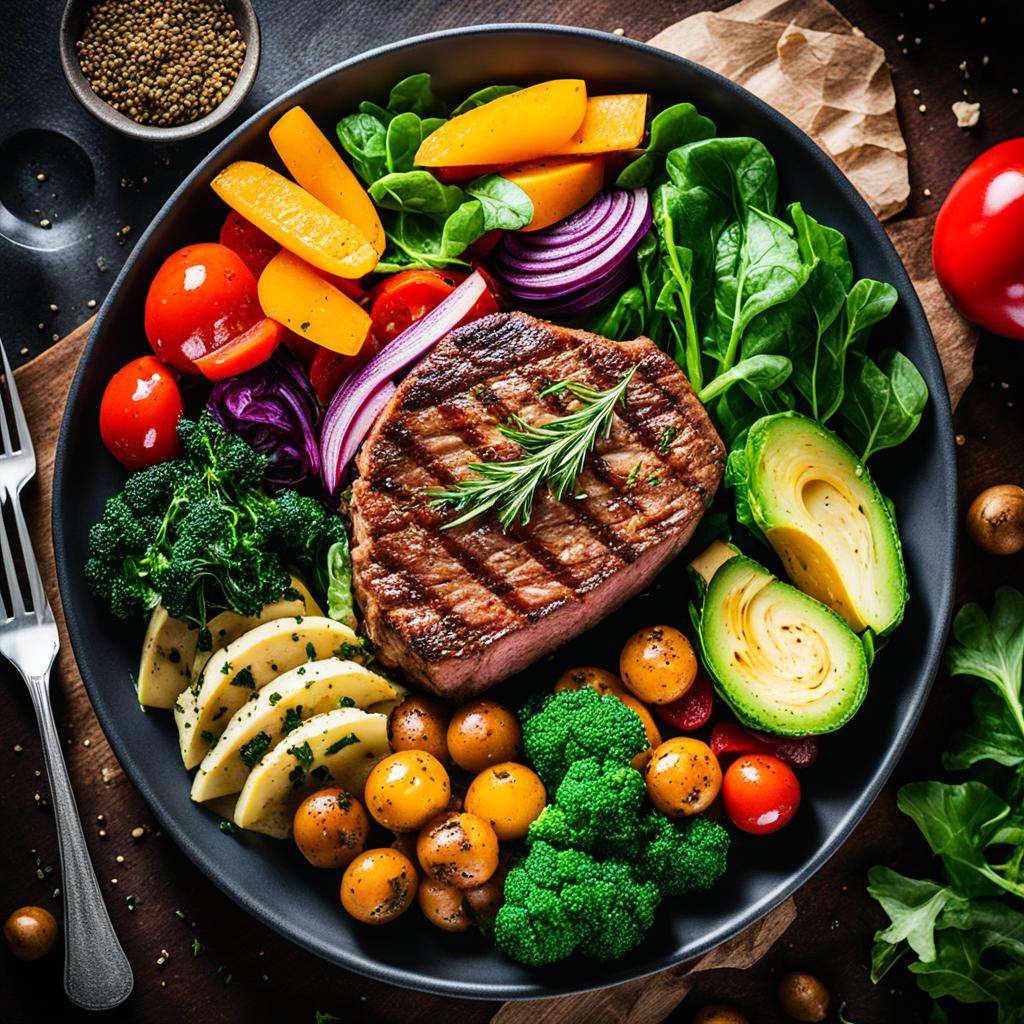
For a full healthy meal, serve filet mignon with good sides. Consider these:
- Steamed veggies like broccoli or asparagus
- Leafy green salads
- Whole grains like quinoa or brown rice
These sides add to the delicious steak. They also pack in nutrients for a balanced diet.

Filet Mignon in Your Diet
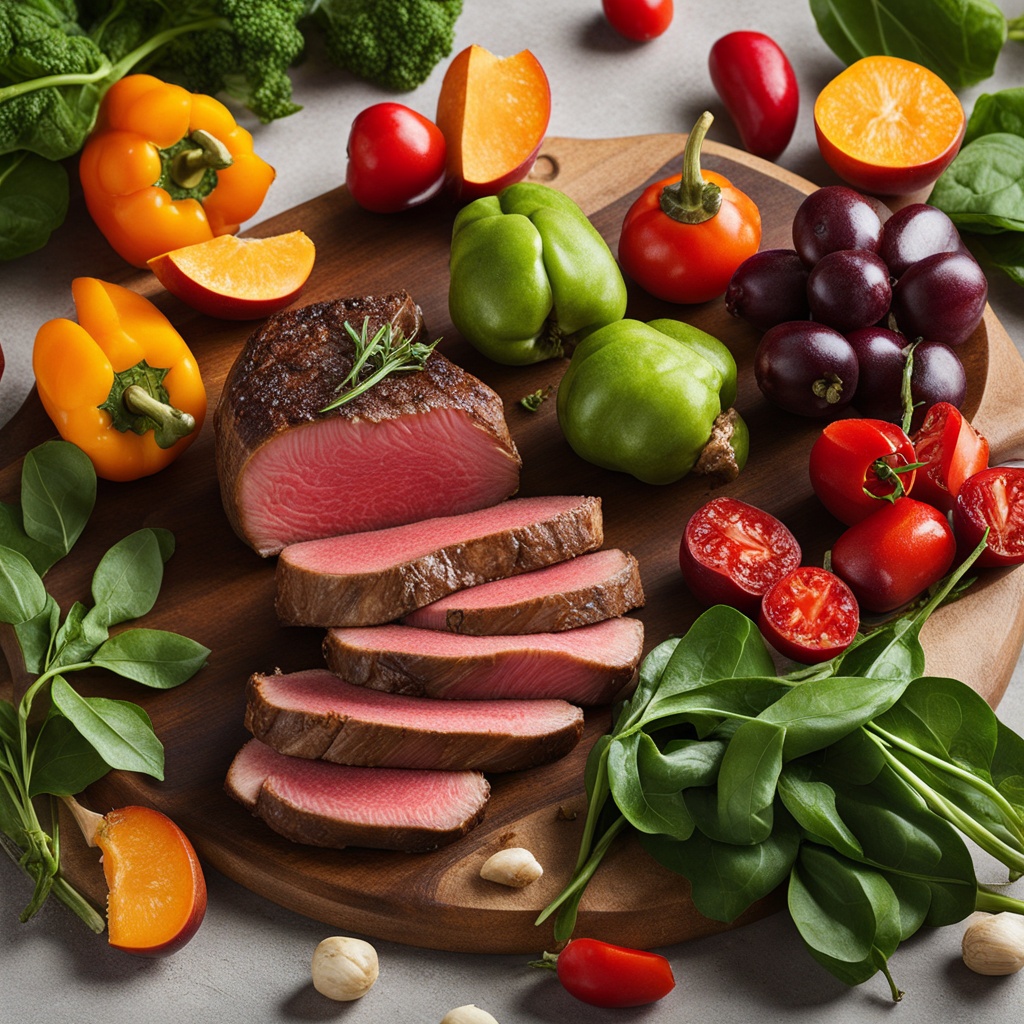
Adding filet mignon to your meals brings a rich flavor and tender feel. It’s great for special dinners or when you want something fancy. Just a small amount can make your meal exciting and still keep you healthy.
Filet mignon is not just tasty; it’s also full of vitamins and minerals. It’s a smart choice for meal plans. Here’s how to enjoy it the right way:
- Opt for smaller serving sizes to manage caloric intake.
- Pair it with plenty of vegetables for a well-rounded meal.
- Experiment with healthy cooking methods like grilling or baking to retain flavor without excess fat.
Eating filet mignon mindfully can make your meals joyful. Balance it with other nutritious foods for both taste and health benefits.
Conclusion
Filet mignon is not just tasty; it’s also packed with lean protein. It offers vital nutrients like iron and zinc. These benefits make it a top choice for those wanting quality protein in their meals.
However, it’s important to keep an eye on the saturated fat and calories. Enjoying it with a variety of healthy sides is key. This way, you can indulge in filet mignon without losing track of a balanced diet.
Adding filet mignon to your dishes can make meal times more exciting. It brings great nutrients to your plate. By knowing its nutrition and being mindful, you can enjoy this premium beef in a healthy way.