
About 75% of people who own grills love to cook steak on them. If you’re one of those people, you probably want a grilled ribeye that’s full of flavor and tender. Grilled ribeye is special because of its taste and juiciness. It makes any meal unforgettable. This guide will give you great tips for grilling a ribeye. Your guests will definitely want seconds.
What Makes Ribeye a Perfect Choice for Grilling
Ribeye steak is a top pick for grilling because of its great taste and tenderness. Known for its amazing flavor and juicy feel, it comes from special muscle and fat. When cooked right, it’s a top-notch food experience.
Flavor and Tenderness of Ribeye
The secret to a tender ribeye lies in its lesser-used muscles. They give it a melt-in-your-mouth feel. Each bite has a rich, buttery taste that wins over many. This makes ribeye a huge hit among steak fans.
Marbling: The Secret Ingredient
Ribeye is special for its marbling. This fat inside the meat boosts flavor and keeps it moist while cooking. As it cooks, the fat melts, adding more juiciness. Every bite is something to enjoy.
The Best Cut of Ribeye for Grilling
Grilling ribeye? You can choose a bone-in ribeye or a boneless one. Each option has its benefits that affect your meal’s outcome.
Choosing Between Bone-in and Boneless
A bone-in ribeye keeps the rib bone, adding flavor and moisture. This makes the steak juicier and tender. A boneless ribeye, though, is easier to cook and cut on the grill. So, think about your grilling style and steak preference when choosing.
Understanding USDA Grades for Quality
The USDA grades beef, showing ribeye quality. USDA Prime is top for its marbling, flavor, and tenderness. However, USDA Choice also offers a good taste experience with quality cuts. Knowing these grades helps pick the best ribeye for grilling. For extra tips, see this filet mignon marinade guide that also talks about marbling’s role.

Preparing Your Ribeye for Grilling
Getting your ribeye ready is key for a juicy steak that shines at a BBQ. How you prepare it affects the flavor and softness. It’s important to let the steak get to the right beef temperature. This ensures more uniform cooking and better texture.
Allowing Meat to Come to Room Temperature
Before you grill, leave your ribeye out for about 30 minutes. This step lets the meat warm up. A warm ribeye cooks more evenly, making it taste better.
Applying a Dry Marinade or Rub
For a tastier ribeye, use a dry rub like Montreal seasoning. Put the rub on 20 minutes before grilling. This helps the seasoning go deep inside. The meat gets more flavorful as it warms.
A good rub also creates a tasty crust. This adds more enjoyment with every bite.

Perfect Grilled Ribeye: Essential Seasoning Tips
Seasoning is key to making your ribeye taste amazing. The right blend can turn a good steak into a masterpiece. You’ll savor every juicy bite. One top choice is Montreal seasoning, famous for its bold taste. Let’s dive into this seasoning and other spices that can make your grilled ribeye even better.
Montreal Seasoning Explained
Montreal seasoning is a mix of garlic, black pepper, paprika, and dried herbs. It’s perfect for beef, especially ribeye. These spices create a hearty flavor. They match the steak’s natural juiciness well.
Experimenting with Additional Spices
Montreal seasoning is great on its own. But, don’t be afraid to try other spices. Mix them to find your perfect blend. Consider adding:
- Garlic powder for a stronger garlic taste
- Onion powder for a hint of sweetness
- Smoked paprika for a light smoky flavor
Experimenting with different spices will improve your ribeye grilling. You’ll find the best flavors for you.

Optimal Grill Temperature for Your Ribeye
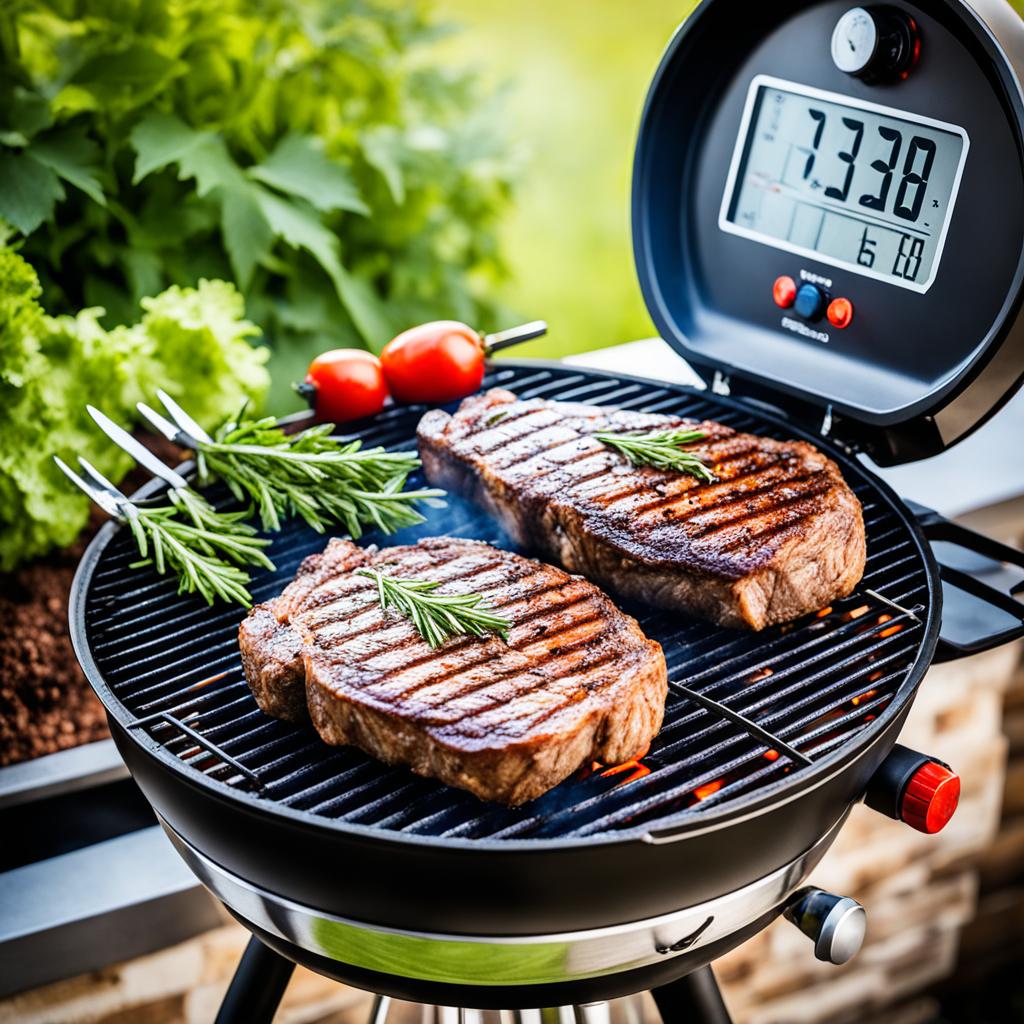
Finding the right grill temperature is key to a delicious ribeye steak. You should aim for 450 to 500°F. This range will help sear the steak perfectly while keeping it juicy. Whether you prefer gas or charcoal, both can reach the ideal heat level. It really comes down to what you like more.
Gas Grill vs. Charcoal Grill: Which is Better?
Choosing between gas and charcoal grills depends on a few things:
- Gas Grills: They’re easy to use, heating quickly and offering exact temperature control.
- Charcoal Grills: They offer a unique smoky flavor, preferred by many. However, getting them hot takes more time.
Both grill types can reach the perfect temperature for cooking. It’s about your cooking style and taste preference.
Importance of Preheating Your Grill
Preheating your grill is crucial. It sets the stage for a perfectly seared ribeye. Not preheating means your steak might cook unevenly or miss those tasty char marks. To preheat correctly:
- Ignite your grill, letting it warm for 15 to 20 minutes.
- Check it’s the right temperature, ideally with an infrared thermometer.
- Then, it’s time to grill your ribeye for that delicious sear.
How to Grill Ribeye for Maximum Flavor
Grilling a ribeye steak well needs focus on time and how you do it. The steak’s thickness changes how long you should cook it. This impacts how tender and juicy it ends up. Knowing the right way to sear it will make your grilling better and wow your friends.
Cooking Times Based on Thickness
The time it takes to grill a ribeye depends on how thick it is. For a ribeye that’s 1 inch thick, cook it 4-5 minutes on each side for medium-rare. Here are some tips for different thicknesses:
- ¾ inch: 3-4 minutes per side
- 1 inch: 4-5 minutes per side
- 1½ inches: 6-7 minutes per side
Techniques for Achieving a Perfect Sear
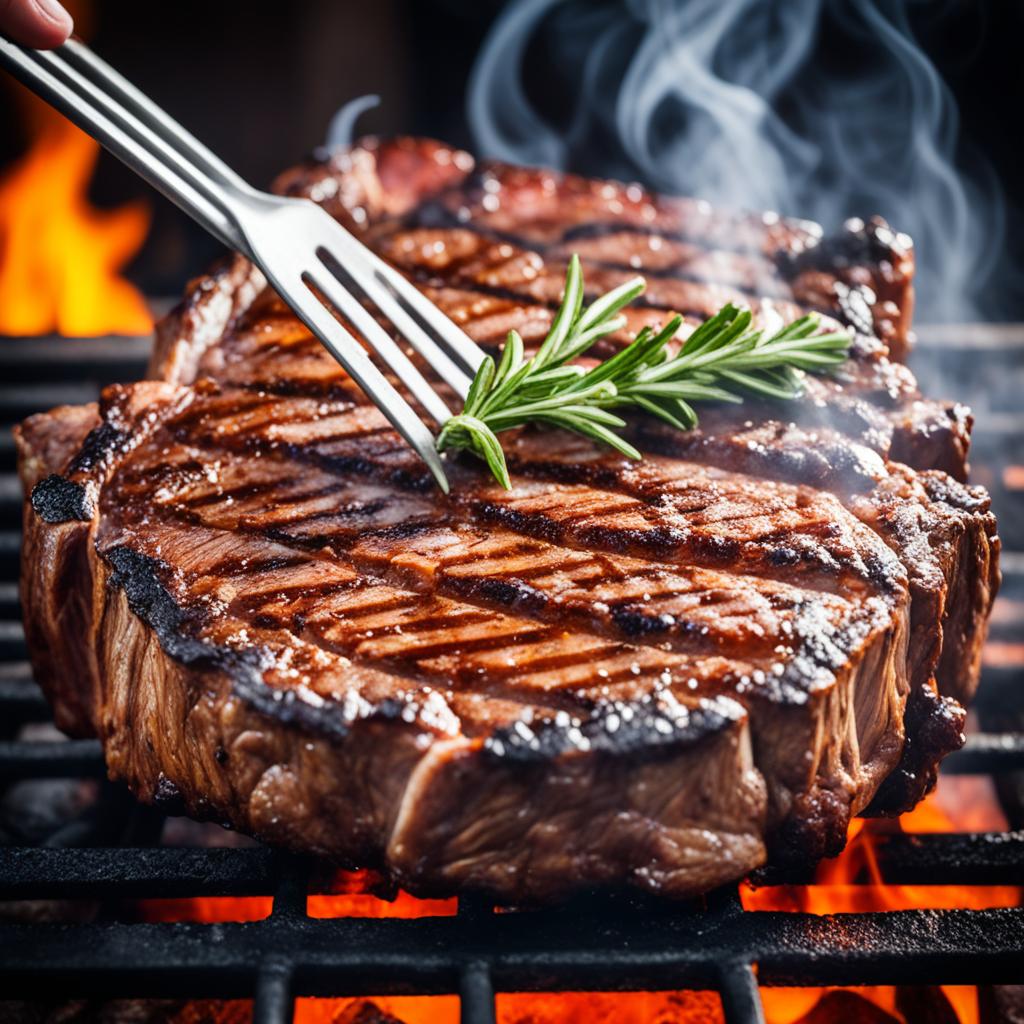
For a great sear, flip the ribeye just one time. This makes a great crust and keeps it moist. Don’t poke the steak with a fork on the grill. That lets out juices and makes it less tasty. Using these tips will make your ribeye stay juicy and full of flavor.
Understanding Internal Temperature for Perfect Doneness
It’s key to know the right internal temperature for your ribeye. This ensures it’s cooked just how you like it. It retains its taste and tenderness at the perfect temp.
Doneness Levels Explained: Rare to Well-Done
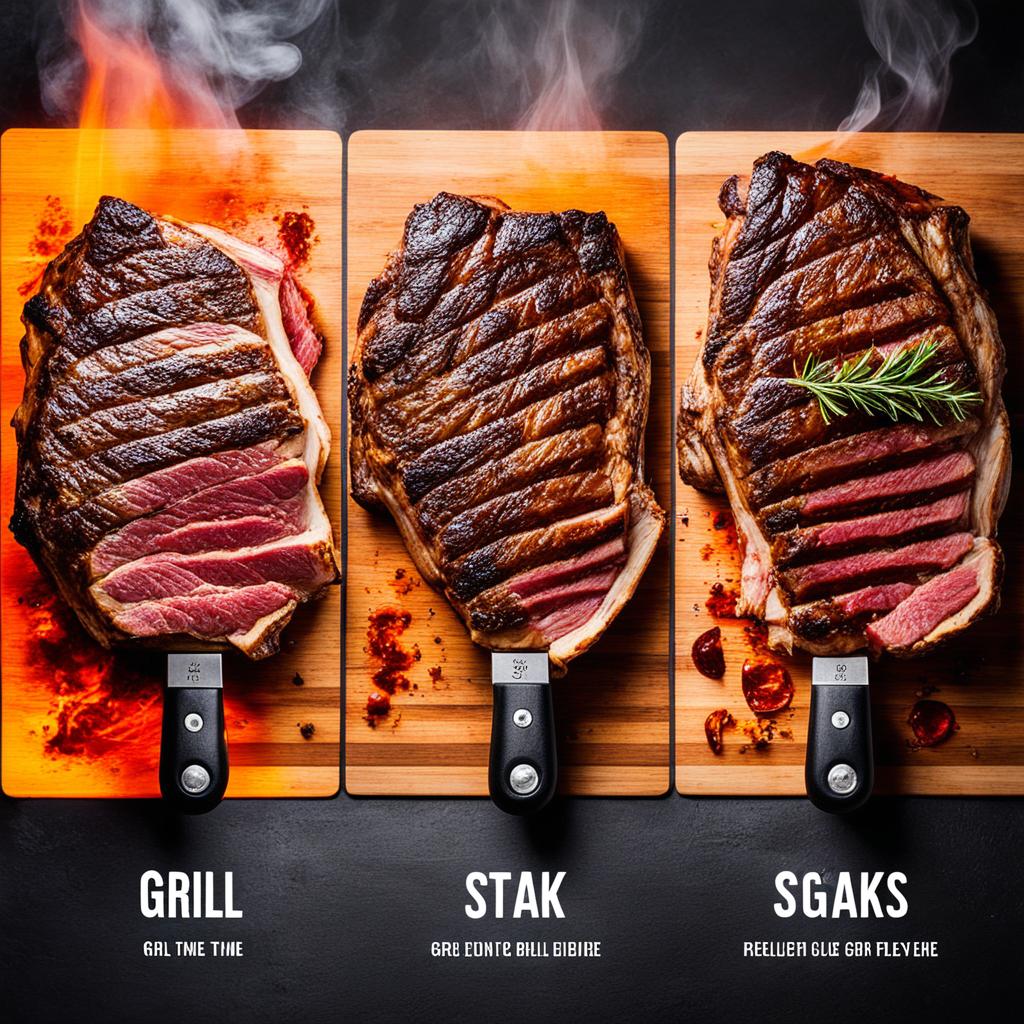
Medium-rare ribeye is best at 130-135°F. For a rare steak, aim for 125°F. Medium goes to 145°F, and well-done hits 160°F or more. The right temp brings out ribeye’s rich flavor and marbling.
Using a Meat Thermometer for Precision
To get the right internal temp, use a meat thermometer. It helps you cook your steak perfectly. Once it’s near the target temp (5-10 degrees less), take it off. It continues to cook a bit more. This keeps it juicy and delicious. For more tips, check out this guide.
Resting Your Grilled Ribeye: Why It Matters
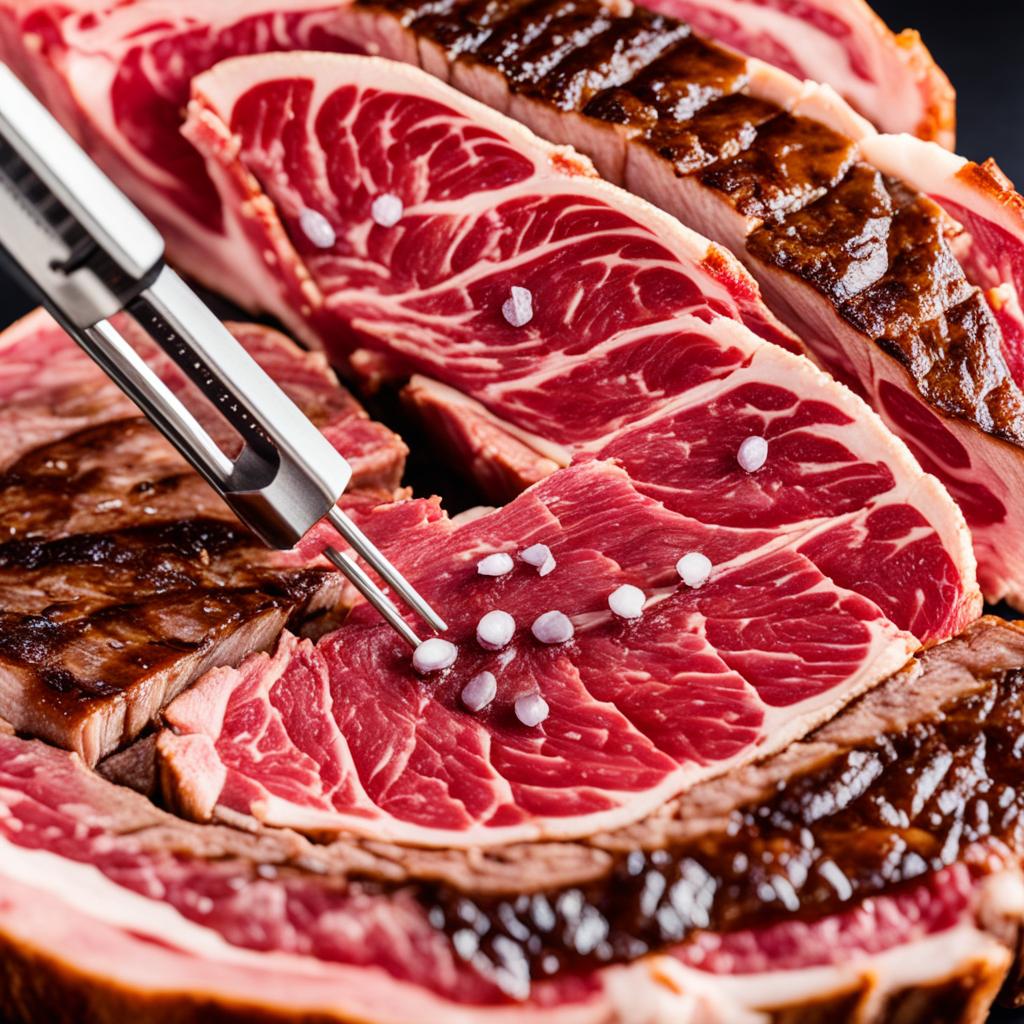
Letting your grilled ribeye rest is crucial in cooking. By resting, you improve the steak’s flavor and texture. This process allows juices to spread in the meat. As a result, your steak becomes more succulent and enjoyable.
Benefits of Letting the Steak Rest
Resting your steak offers several key benefits. It stops the meat from losing moisture when cut. The steak achieves its true internal temperature. And the flavors have time to blend together well.
- Prevents moisture loss when slicing
- Allows the meat to reach its final internal temperature
- Enhances flavor by letting seasonings meld
Optimal Resting Time Before Slicing
The best rest time for ribeye is around 10 minutes. This short wait lets the meat relax and become tender. Meanwhile, the steak’s inside temperature slightly increases to perfect doneness. Holding off on slicing enhances both taste and juiciness.

Serving Suggestions for Grilled Ribeye
Once you’ve grilled your ribeye to perfection, the fun part begins. It’s time to pick the best sides. This will make your meal even more memorable and impress your guests. You can choose from classic sides or get creative with your ribeye leftovers.
What Sides Pair Well with Ribeye
Choosing the right sides for grilled ribeye is very important. Here are some yummy choices:
- Baked potatoes topped with sour cream and chives
- Creamy mac and cheese for a comforting touch
- Fresh cucumber and tomato salad to lighten the meal
- Grilled asparagus or mixed vegetables for added color
Creative Ways to Use Leftover Ribeye
Don’t throw away any ribeye you didn’t eat. Try these creative recipes:
- Add cubed ribeye to stir-frys with your favorite vegetables
- Top a salad with sliced ribeye for a hearty lunch
- Incorporate chopped ribeye into pasta dishes for added richness

Conclusion
Learning how to grill a perfect ribeye steak is rewarding. Choose quality meat and the right seasonings to start. This sets the stage for a tender, flavorful steak.
Keep an eye on the grill’s temperature and cook time. It makes sure your steak is cooked just right.
Don’t skip letting your steak rest after grilling. It makes sure the juices spread out, making your steak juicy and tender. Over time, you’ll get even better at grilling. You’ll impress everyone with your ribeye steak.
Success with ribeye steaks is all about paying attention to small details. Choose a good cut of meat and grill it carefully. Get ready to enjoy the smiles as friends and family taste your delicious, perfectly grilled ribeye.