
Cooking a steak with the reverse sear method elevates its flavor. It also lessens the chance of the meat being dry and overcooked. This cooking method is popular among steak lovers. It involves cooking the steak slowly in the oven then searing it on a hot pan. This creates a juicy, tender, and flavorful steak. It’s how you can make a restaurant-quality ribeye at home.
In this guide, you’ll learn great tips on the reverse sear ribeye method. We’ll go through choosing the right cut, seasoning it well, and the exact cooking steps. Each step is important for a perfect steak with a delightful crust. Prepare to wow your family and friends with an amazing meal.
For more details on this cooking technique, check out our comprehensive guide on reverse sear ribeye.
Understanding the Reverse Sear Method
The reverse sear method changes the usual way we cook steak. Instead of searing first, we begin with slow cooking. You place the steak in an oven set to a low 200°F. This slow cooking helps the steak dry and cook evenly without overcooking the edges.
Keep an eye on the steak’s internal temperature, and stop when it’s about 10°F below your desired doneness. Now comes the exciting part. Sear the steak on high heat to form a delicious, crispy outside. This method not only boosts flavor but also improves texture, making your steak a standout dish.

Why Choose a Ribeye for Reverse Searing?
The ribeye steak is a favorite for grilling. It has a lot of marbling. This marbling makes the steak flavorful and tender. When cooked, the fat melts. This makes every bite juicy and delicious.
A ribeye is usually about 1.5 inches thick. This thickness is perfect for reverse searing. This method cooks the steak slowly. It keeps it tender and adds a perfect crust.
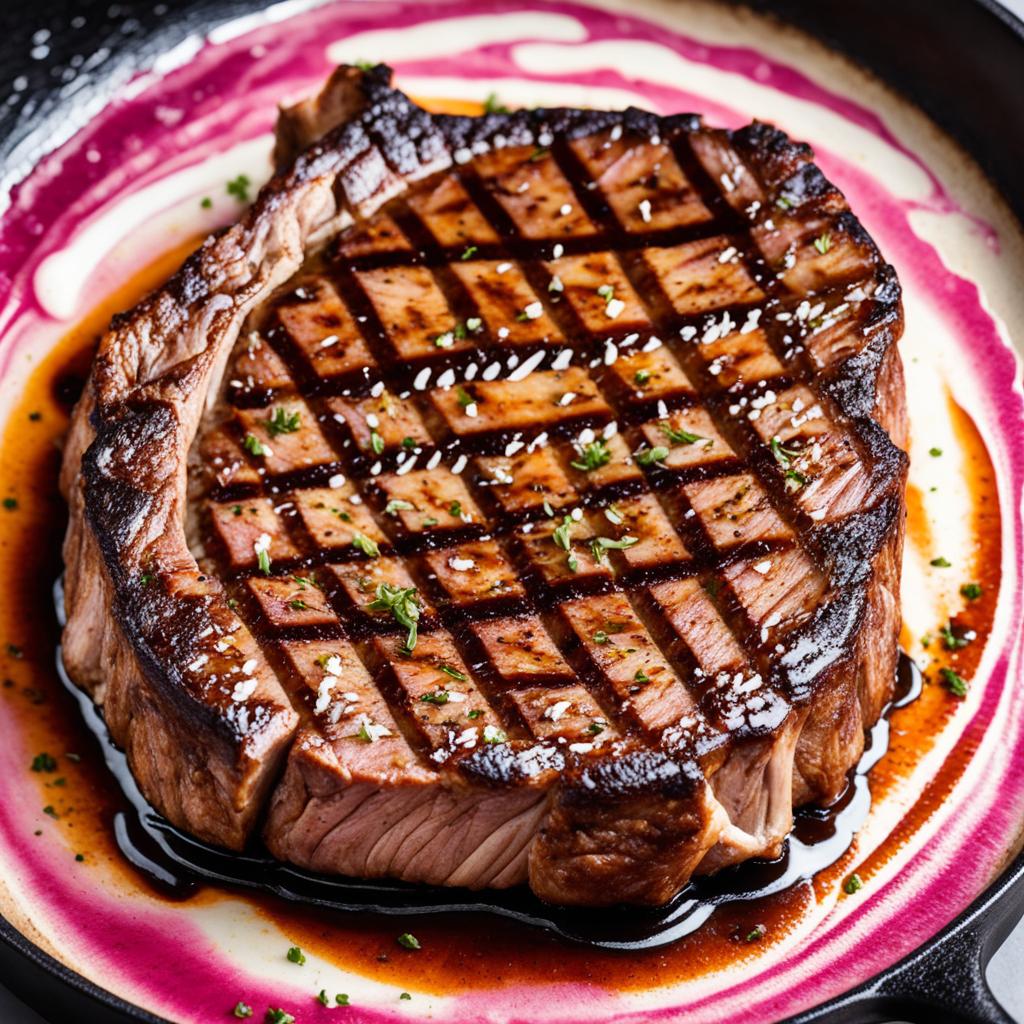
Ribeye steaks are a top pick for those who love meat. They bring a wonderful mix of flavors and textures. For an amazing meal, choose a ribeye. It makes every grilling event special.
Getting Started with Your Reverse Sear Ribeye
Starting the reverse sear ribeye process is thrilling and worthwhile. Choosing and seasoning your steak well is key. The quality of the ribeye and the size of the steak are very important.
Choosing the Right Ribeye Steak
To pick the best ribeye for reverse searing, find a thick one. It should be between 1.5 to 2 inches thick. This thickness helps cook it evenly and prevents it from getting too done during searing. Look for steaks that are bright red with lots of marbling. Marbling boosts quality and ensures the steak is flavorful and tender.
Essential Seasoning Techniques
Seasoning your steak correctly brings out its best taste. Begin by using plenty of sea salt and black pepper. Seasoning the night before cooking is ideal. It lets the salt improve the meat, creating a great crust when seared. Using the best seasonings makes your ribeye even more delicious.

Preparing Your Ribeye for Reverse Searing
Getting your ribeye ready for reverse searing is key to a tasty and perfectly done steak. Start simple: dry your steak with paper towels. This step cuts down excess moisture, leading to a nice, crispy crust later.
For the best results, let the steak chill uncovered in the fridge for a few hours or even all night. Doing so dries the steak further, making for a great sear. Make sure to let your steak warm up before cooking for even heat spread.

Using these tips before cooking makes a big difference. Properly preparing your ribeye sets you up for a great meal. You’ll get a steak that’s tender and bursting with flavor.
The Cooking Process: Low and Slow
Using the reverse sear method for cooking a ribeye needs a good balance of heat and time. The goal is to cook the steak gently. This way, it keeps its juiciness and flavor. Knowing the correct oven temperature is key to get the steak just right.
Setting the Oven Temperature
Start by preheating your oven to 200°F. This low setting cooks the steak slowly and evenly. The thickness of your steak will decide how long it cooks, from 35 to 65 minutes. Always use a meat thermometer to check its inside temperature. For medium-rare, aim for around 120°F before you sear it.
The Importance of Drying the Steak
Drying your steak before it cooks is crucial. Moisture stops the steak from browning well, which is vital for a tasty crust. Use paper towels to pat the steak dry. For the best results, let the steak air dry in the fridge for one or two hours. This step improves the cooking and texture of the steak.
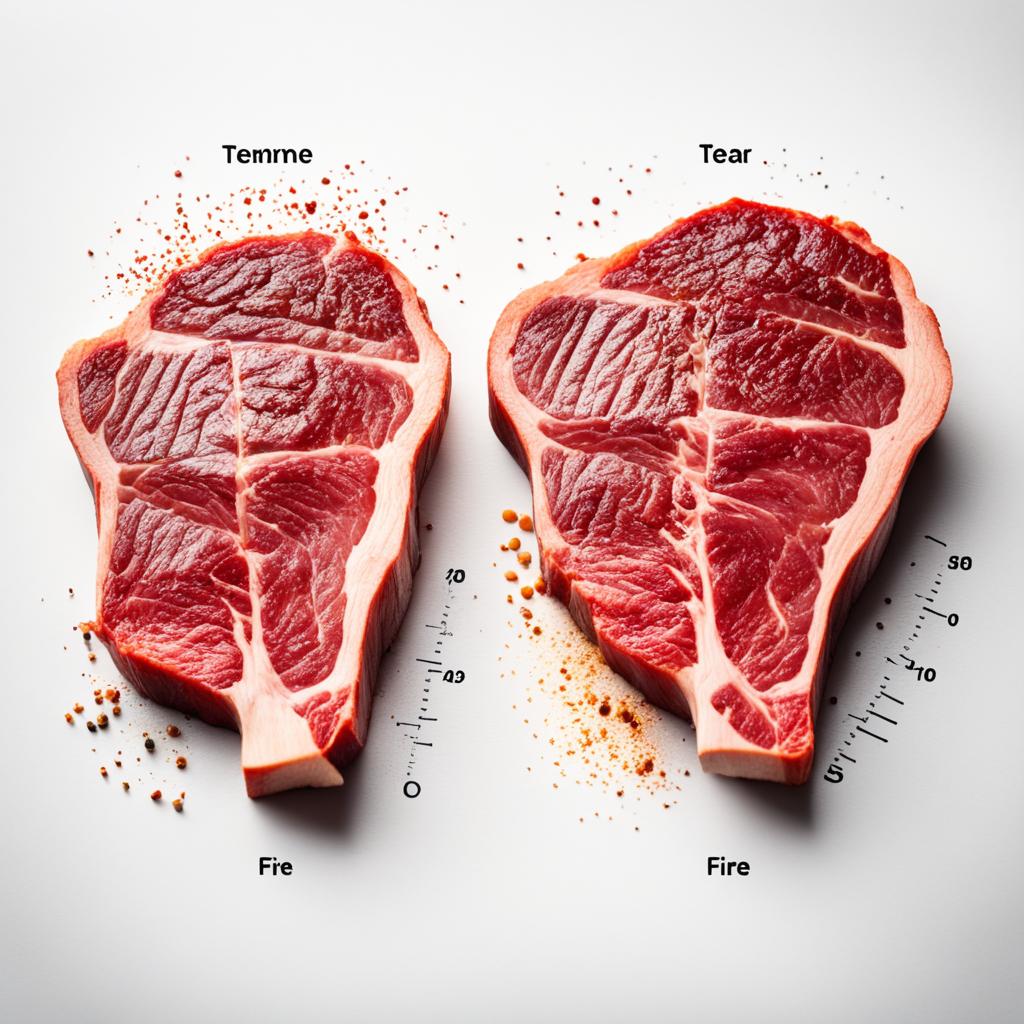
Reverse Sear Ribeye: Achieving Perfect Crust
After heating your ribeye to the right temperature in the oven, it’s time for the sear. Doing the sear correctly brings out the best in your ribeye’s flavor and texture. It turns a simple meal into something truly special.
Begin by getting a cast-iron skillet or heavy pan really hot on high heat. Choose an oil that can handle the high heat, like canola or avocado oil, to avoid burning. When the oil starts to shimmer, put the ribeye in the skillet.
For the best crust, sear each side for about 45 seconds. This short time is enough to create a juicy, flavorful crust. While searing, baste the steak with butter and fresh herbs for extra taste. This adds a burst of flavor to the crust, making it even more enjoyable.
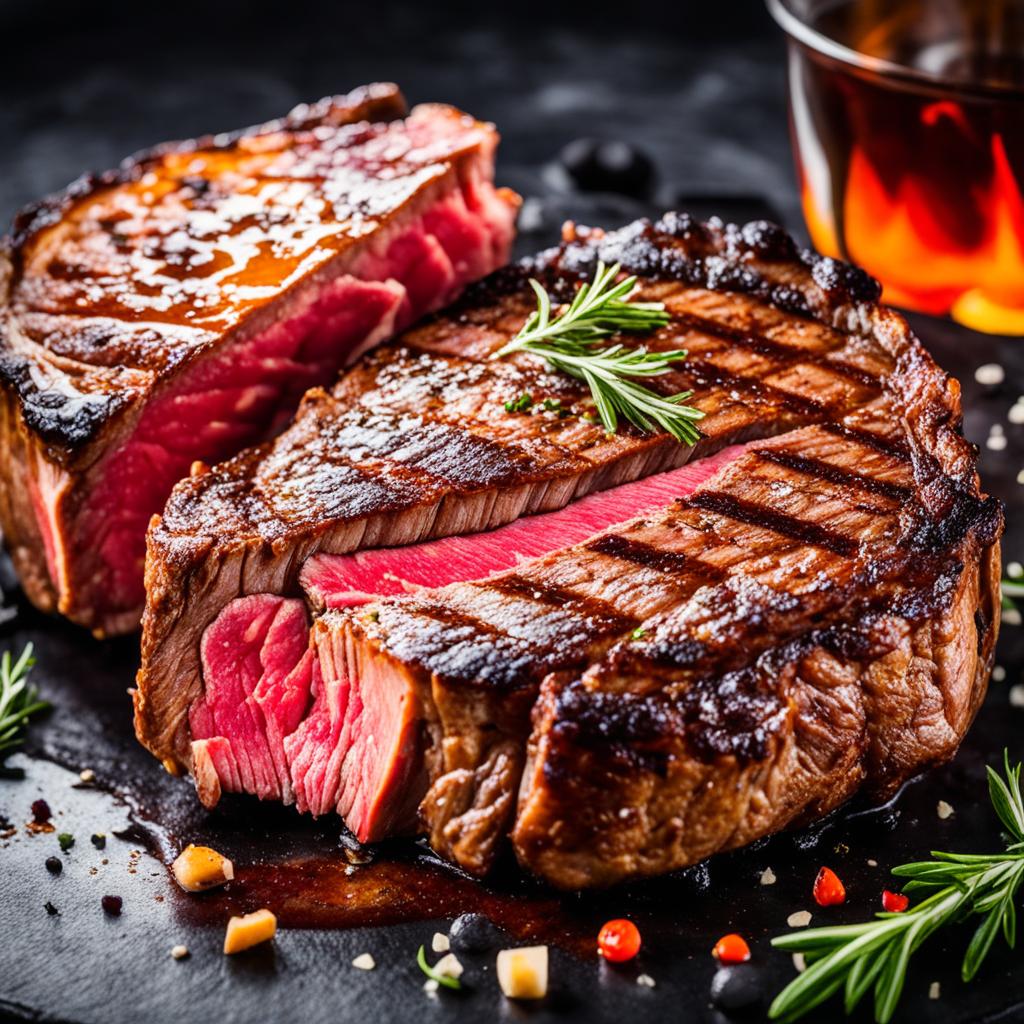
Tools You Need for a Successful Reverse Sear
To master the reverse sear, you need the right tools. A cast iron skillet and a trustworthy meat thermometer are key. They improve your cooking precision and help you get your steak just right. Getting the hang of these tools will make cooking with a skillet better.
Using a Cast Iron Skillet
A cast iron skillet is a chef’s top pick for a good reason. It’s great at keeping high heat, which is important for perfectly searing a steak. These skillets spread heat well, so your steak gets a nice, even crust without cooking too much.
Since the skillet stays hot, you can brown your steak quickly. This gives a tasty outside while keeping the inside moist. This technique is a must-know for serious skillet cooks.
Why a Meat Thermometer is Essential
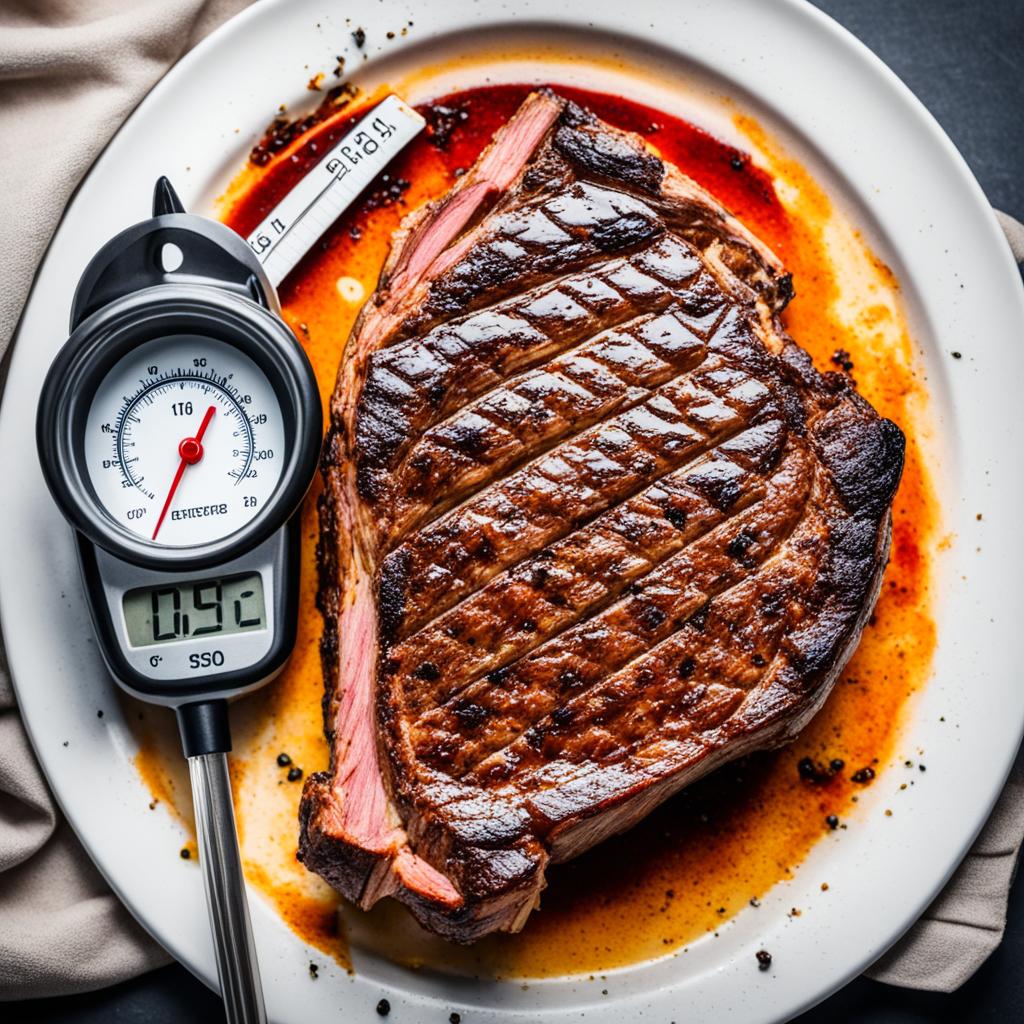
When reverse searing a ribeye, a meat thermometer is vital. It ensures your steak’s doneness by precisely checking its inside temperature. Using an instant-read or probe thermometer means you won’t overcook your ribeye. Thanks to accurate temperature readings, you can cook with confidence. You’ll reach that perfect level of steak doneness that impresses everyone.
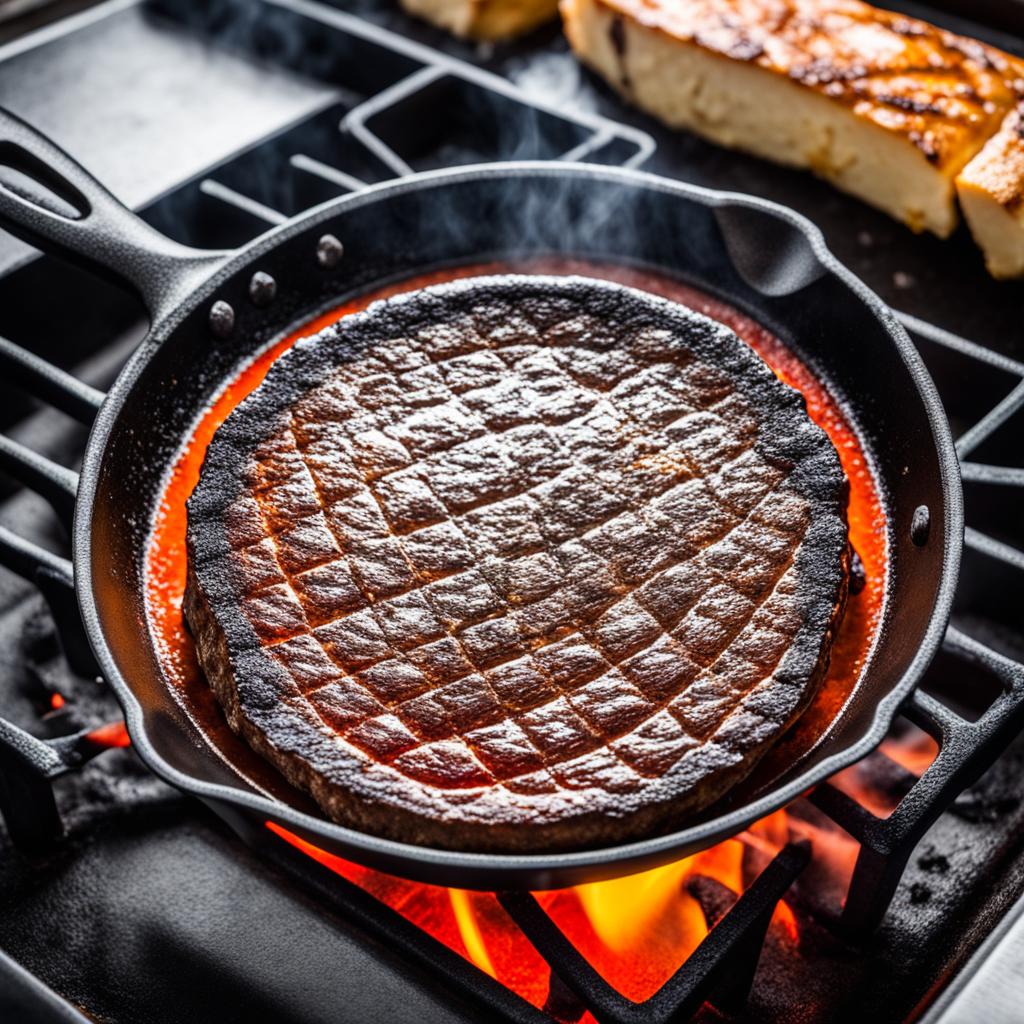
Flavor Enhancements: Butter and Herbs
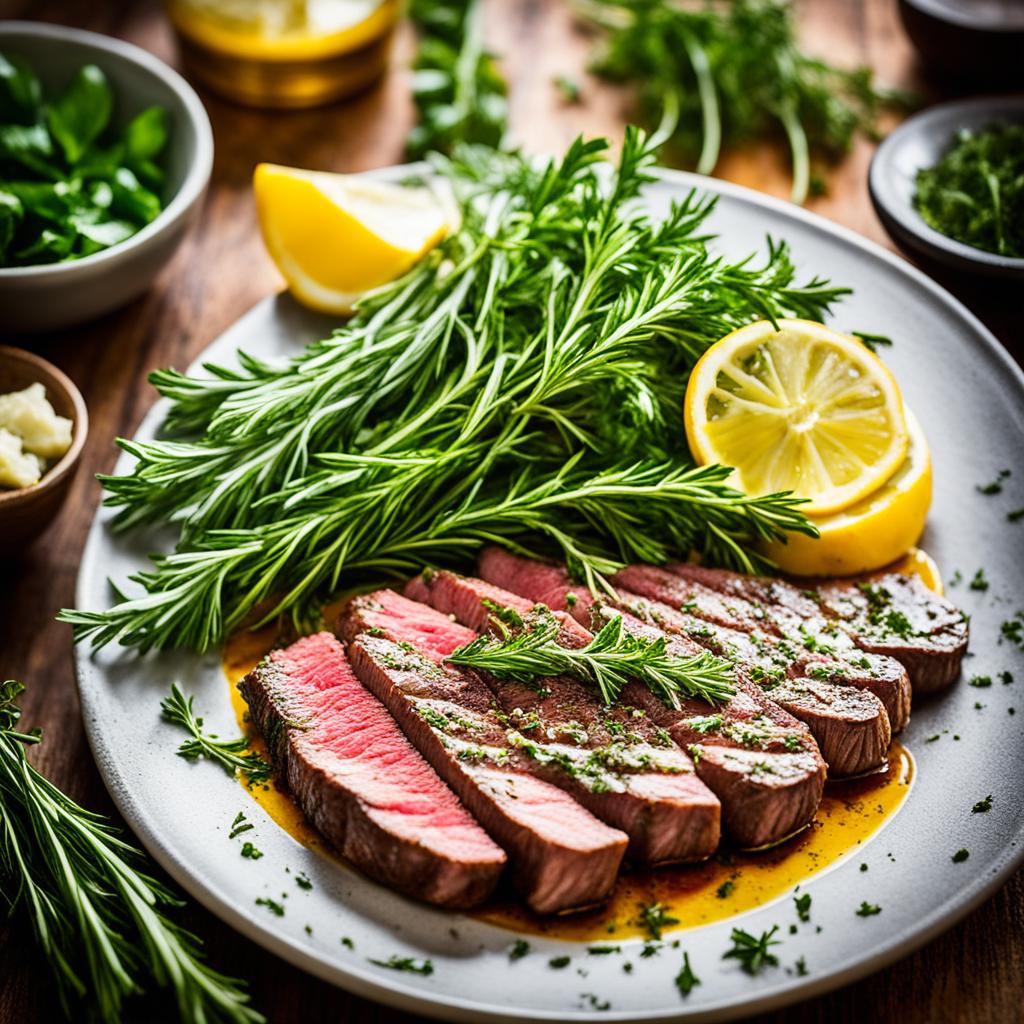
Adding the right flavors can make your reverse seared ribeye amazing. Using cooking herbs with butter coats the meat well. Thyme and rosemary boost the steak’s look and flavor, making it hard to resist.
Selecting the Right Herbs
Picking suitable herbs is key. Use:
- Thyme: Its earthy taste goes great with beef.
- Rosemary: Adds a nice fragrance, perfect for steak.
Add these herbs to your garlic butter mix. It will beautifully cover your ribeye in the final sear. This makes every bite even better.
Adding Garlic for Extra Flavor
Garlic changes the ribeye’s flavor for the better. Use whole cloves when basting, not minced. It gives a rich taste without burning. When mixed in butter, it makes a delicious garlic butter. This step takes the steak’s flavor up a notch.
Common Mistakes to Avoid When Reverse Searing
Reverse searing steak is an art. But, certain mistakes can spoil your meal. Knowing these errors is crucial for a tasty, perfectly cooked ribeye.
- Using a Steak that is Too Thin: Thin steaks cook unevenly, so getting a great crust and the right doneness is hard.
- Not Drying the Meat Properly: Moisture stops the steak from browning well. Always dry your steak well before cooking.
- Cooking at the Wrong Temperature: Too high a temperature can overcook the inside but leave the outside not browned enough.
- Skipping Seasoning: Not seasoning means missing out on flavor. Always season your steak well before cooking.
- Ignoring Thickness During Cooking: Different steak thicknesses need different cooking times. Keep an eye on this to not overcook your ribeye.
Avoiding these mistakes will help you succeed in reverse searing. Every step is important to make your ribeye unforgettable.
Conclusion
Learning how to reverse sear ribeye can really up your cooking game. This guide shows you how to make a perfect steak, better than normal grilling. By focusing on the right ribeye and mastering the sear, you can make amazing steak at home.
This method lets you enjoy juicy, tasty ribeye steaks. You’ll get a steak that’s soft inside and crisp on the outside. Every bite will be a treat. Mastering reverse searing makes every meal with loved ones special.
Practice is key to perfecting this skill. Each time you try, you’ll get better at making tasty, perfectly cooked ribeye. So dive into your cooking adventure. And may all your grillings be great!