
Did you know ribeye steaks make up 24% of all beef sales in the US? This cut is a big hit, not just in steakhouses but also for home cooking. This guide will show you how to cook a ribeye steak in the oven for a taste like you’re dining out.
Cooking the perfect ribeye steak at home is simpler than it seems. You’ll learn the steps and key techniques here. Impress your friends and family with a steak that’s tender and juicy. Get ready to boost your cooking skills with a ribeye dinner at home!
Introduction to Ribeye Steak
Ribeye steak is a favorite among meat enthusiasts. What makes this cut special? It comes from the rib section of the cow. This part is known for its rich marbling and tender meat. The ribeye is loved for its rich flavor, which makes it great for grilling, searing, or baking.
The ribeye stands out because of its marbling. This is the fat inside the meat. It makes the ribeye juicy and tender. This balance of taste and texture is why it’s so popular in fancy restaurants and home cookouts.

It’s easy to see why ribeye steaks are so loved. They offer great taste, tenderness, and look good on the plate. Whether you’re an expert cook or just starting, trying a ribeye is a must.
Why Ribeye Steak is a Favorite
Steak lovers adore ribeye steak for many reasons. One key reason is its amazing tenderness. This cut is from the cow’s rib section, blending meat and fat perfectly. Such marbling makes the steak juicy and tasty.
The flavor of ribeye steak stands out. It’s rich and can taste like butter, which many people love. Since it keeps its juices well, every bite is moist and delicious.
Ribeye steak is both top-quality and affordable. It offers a luxury steak experience without costing too much. It’s perfect for any meal, from festive dinners to simple weeknight dishes. This makes ribeye a popular choice.
It’s clear ribeye steak has a lot going for it. It offers the perfect mix of tenderness, flavor, and value. This makes it a cut of beef many people love.

Selecting the Best Ribeye Steak
When picking out a ribeye steak, the USDA grading system helps a lot. It tells you about the steak’s quality. This includes tenderness, how juicy it is, and its flavor. Prime grade is the best, thanks to its fat marbling. This fat gives it a rich and yummy taste.
Understanding USDA Grading
There are different grades like Prime, Choice, and Select. Prime has the most fat marbling. This makes it tender and tasty. Choice is still good but has less marbling. Select is okay but doesn’t taste as rich.
Importance of Marbling
Marbling is key for a steak’s flavor and juiciness. More marbling means more fat. This fat melts when cooked, making the steak moist and delicious. For the best taste, find steaks with a lot of marbling. Such steaks are juicy and full of flavor, perfect for impressing at any meal.

Essential Ingredients for Cooking Ribeye Steak
To make a perfect ribeye steak, start with top ingredients. High-quality ribeye steaks are crucial. Seek out USDA Prime cuts for the best tenderness and flavor. This quality focus is the recipe’s cornerstone for a tasty dish.
Seasoning should be simple but effective. The basic seasoning needs for ribeye steak include:
- Kosher Salt: Choose a top-notch salt like Diamond Crystal Kosher Salt to boost the meat’s taste and get a perfect crust.
- Black Pepper: Freshly cracked black pepper brings a great kick. It makes the steak’s rich taste even better.
- Butter: Adding butter during cooking adds richness and helps get a lovely brown color on the steak.
These ingredients create a great mix of flavors and textures. The right seasoning lets the meat’s natural taste stand out. With these essentials, you can cook a ribeye steak that truly stands out.
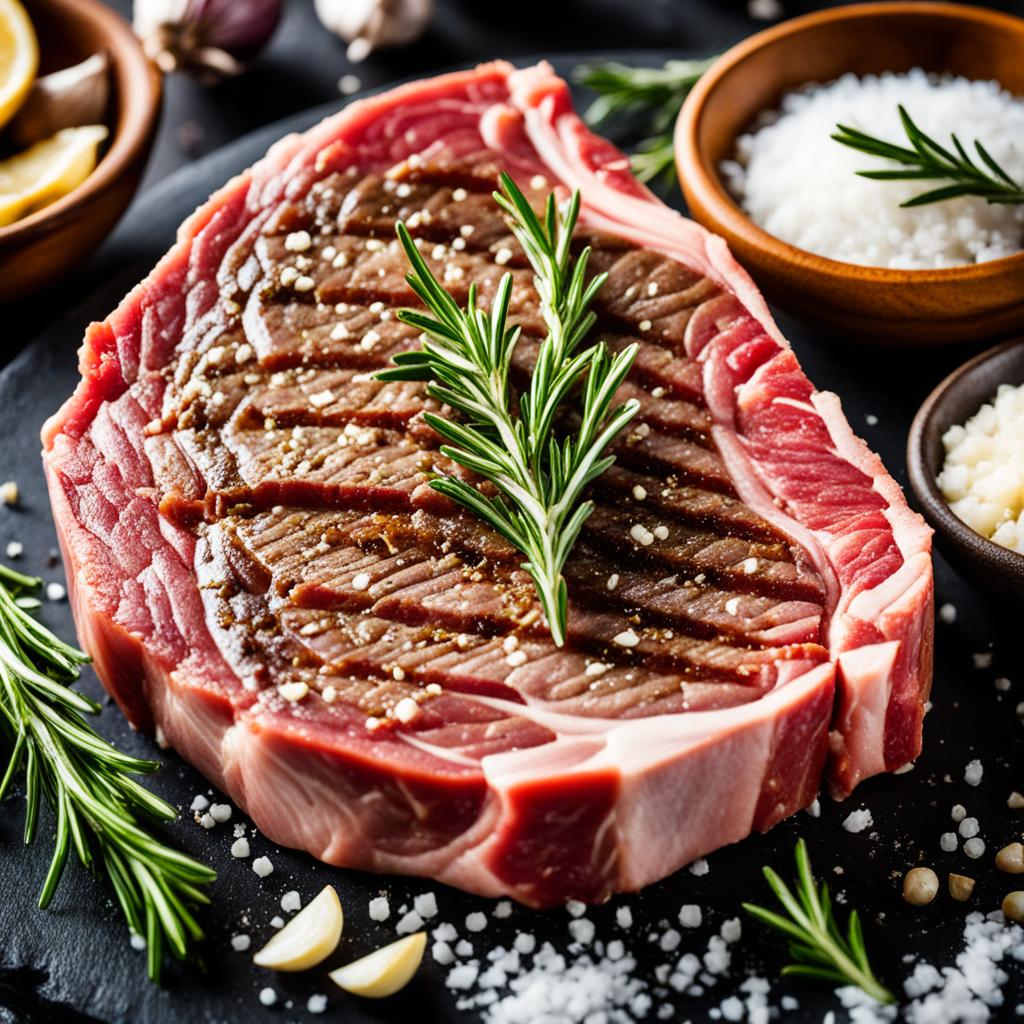
How to Cook Ribeye Steak in Oven
Cooking a ribeye steak in the oven is pretty easy if you know the steps. First, get your steak ready, then sear it well. This gives it a tasty crust. Finally, get the oven time and temperature right for the perfect steak.
Preparing the Steak for Cooking
Let your steak sit out until it’s room temperature, about 30 minutes before cooking. This helps it cook evenly. Dry it with paper towels to get a better sear later. Then, season both sides well with salt and pepper.
The Searing Process
Searing is key for flavorful, juicy steak. Heat a cast-iron skillet super hot. Then, add a bit of canola or avocado oil. When the oil shimmers, put in the steak. Sear it 3-5 minutes on each side until it’s golden-brown.
Timing and Oven Temperature
Next, put the skillet in a 400°F oven. For a medium-rare steak, aim for 130°F inside. This takes about 5-10 minutes, depending on steak size. Always use a meat thermometer to check for doneness.

The Importance of Resting the Steak
Letting steak rest after cooking is key to a perfect ribeye. This pause lets the juices spread evenly through the meat. As a result, your steak becomes juicier and tastier.
If you don’t rest your steak, it might be dry. Dry steak lacks the rich flavors of quality cuts. So, resting your steak is a must do for a delicious meal.
Steaks should rest for 5 to 10 minutes. You can cover your ribeye loosely with foil to keep it warm. This method keeps all the tasty juices in for the best flavor.

- Patience is essential; allow your steak sufficient time to rest.
- Avoid cutting into the steak immediately to preserve juiciness.
- Cover the steak lightly to maintain its temperature without steaming.
For more cooking tips, see this guide on ribeye steaks. Your effort in resting the steak pays off with an amazingly flavorful meal.
Serving Suggestions for Ribeye Steak
Enjoying a ribeye steak becomes special with the right extras. Explore serving ideas that add delicious sides and sauces. These will take your steak to the next level.
Complementary Side Dishes
Selecting the perfect sides can make your ribeye steak meal unforgettable. Here are some top picks:
- Arugula salad with tomatoes and a balsamic vinaigrette adds a refreshing twist.
- Creamy garlic mashed potatoes provide a comforting, rich pairing.
- Sautéed mushrooms with herbs offer an earthy flavor that complements the meat.
- Grilled asparagus drizzled with olive oil enhances the dish’s elegance.
Best Sauce Pairings
Choosing the right sauce can make a big difference for ribeye steak. Here are the best sauce choices to enhance its taste:
- Garlic butter brings a rich and savory touch to every bite.
- Herbed butter infused with fresh herbs adds an aromatic dimension.
- Red wine reduction sauce offers a sophisticated flair that beautifully balances the steak’s richness.
- Chimichurri sauce provides a zesty kick that complements the meat’s flavor.

Storage and Reheating Guidelines
Storing cooked ribeye steak correctly means you can enjoy it later without sacrificing taste or texture. To keep the steak fresh, put it in an airtight container and refrigerate. This keeps it good for up to four days. Make sure the steak cools down before you put it away.
Reheating steak properly is key to making it tasty and tender again. Using your microwave gently can do the trick. Set it to half power and warm the steak in short bursts, being careful not to overdo it. Or, for a traditional touch, wrap the steak in foil and warm it in a low-temp oven.
Even though reheated steak isn’t like enjoying it fresh from the grill, these tips can make your ribeye leftovers delightful.

Conclusion
As we end our guide on cooking ribeye steak, it’s clear that anyone can learn this skill. With key techniques, you can make a great steak at home. You now know how to pick a good ribeye, sear it well, and let it rest before serving. These steps help make your steak dinner exceptional.
Enjoying ribeye steak is more than just cooking. It’s about the rich flavors, the textures, and fun times with loved ones. With the advice shared here, you’re ready to make a steak as good as any restaurant’s. You’re all set to wow your family and friends with your cooking.
To wrap up, let these ideas about ribeye steak spark your creativity. Try different sides and find what you like best. Most of all, enjoy the delicious meal you’ve made. It’s now time for you to start cooking. Make a ribeye steak dinner that you’ll remember!