
If you’re thriving on a ketogenic diet, discovering a variety of keto vegetables to complement your meals is akin to unearthing culinary treasure. Giving up carbs doesn’t mean bidding adieu to tasty and nutritious foods. On the contrary, it’s an opportunity to explore a bountiful array of low-carb veggies that pack a flavorful punch while aligning perfectly with your health goals. Whether it’s the versatility of cauliflower or the simple pleasure of a crisp serving of green beans, your quest for healthy keto foods is full of delightful surprises just waiting to be savored in your next meal.
Imagine transforming that humble head of cauliflower into a delectable pizza crust or shaping it into tempting cauli-tots. Picture a cup of green beans, sautéed with a hint of lemon and olive oil, adding just seven grams of carbs to your plate. Such is the beauty of vegetables within a ketogenic diet: they offer indispensable nutrition without the carb load, ensuring your body maintains its state of ketosis. Embrace the savory world of keto-friendly veggies and revitalize your dietary regimen with a burst of flavor and wellness.
Key Takeaways
- Expand your ketogenic palette with a variety of flavorful, low-carb veggies.
- Balance your meal plans with keto vegetables that are nutrient-rich, offering essential vitamins and minerals.
- Introduce creative culinary twists like cauliflower rice and green bean sautés to keep your meals exciting and carb-conscious.
- Aim for vegetables like spinach and arugula, which provide minimal carbs and maximum health benefits.
- Optimize your ketogenic diet with foods that ensure you’re indulging in both taste and nutritional value.
The Fundamentals of a Keto Diet and Vegetables’ Role
Delving into the keto basics, you’ll discover the remarkable synergy between ketosis and the conscious inclusion of low-carb vegetables. The key to harnessing the full potential of a low-carb diet lies not just in cutting back on sweets and starches, but in embedding the right plants into your daily intake.
Understanding Ketosis and Low-Carb Consumption
Embarking on a ketogenic journey means reprogramming your body to reach ketosis, a metabolic state where fat becomes the primary source of energy. This shift away from glucose relies heavily on the restrictive intake of carbohydrates, making it crucial to understand net carbs — the total carbs minus fiber, as they impact your ability to maintain this fat-burning state.
Navigating Carb Content in Vegetables
While venturing into the realm of low-carb diets, calculating net carbs in vegetables becomes a core skill. You’ll want to veer toward green, non-starchy options that gratify your palate without disrupting your state of ketosis. A delicate balance of quantity and carb content is essential as you curate your vegetable choices.
The Importance of Micronutrients in Keto Vegetables
In the context of a ketogenic diet, the selected vegetables must be more than just low in carbohydrates. They are your crucial source of micronutrients and essential vitamins. The inclusion of spinach, arugula, and broccoli doesn’t just align with keto parameters but also fortifies your body with antioxidants, vitamins, and minerals necessary for optimal health.
| Vegetable | Net Carbs (per 100g) | Key Micronutrients |
|---|---|---|
| Spinach | 1.4g | Vitamins A, C, K, Magnesium, Iron |
| Arugula | 2.1g | Calcium, Vitamins A, C, K |
| Broccoli | 4.4g | Vitamins C, K, A, Folate, Potassium |
True mastery of a keto lifestyle involves not just understanding the balance of macronutrients but also ensuring you’re fueling your body with a variety of low-carb vegetables that are rich in life-sustaining micronutrients and essential vitamins. These foundations pave the way to a nutritious diet that supports your keto goals and overall well-being.
Top Keto Friendly Vegetables for Your Diet
Embarking on a ketogenic lifestyle means discovering the best keto vegetables to keep your meals interesting and nutritionally balanced. Opt for top low-carb choices that pack a punch in terms of vitamins, minerals, and flavor without jeopardizing your carb count.
Vegetables like spinach, with its powerhouse of nutrients, make a smart choice, offering more than just ketogenic-friendly veggies; they provide a robust foundation for a flourishing keto diet. Dive into a range of options that are both satisfying to your palate and aligned with your health goals.
Consider the following table as your guide to selecting low-carb veggies that will enrich your meal planning:
| Vegetable | Carbs per Serving | Notable Nutrients |
|---|---|---|
| Bell Peppers | 7g per medium pepper | Vitamins C, K, Potassium |
| Broccoli | 6g per cup | Fiber, Vitamins C, K, Iron |
| Brussels Sprouts | 8g per cup | Antioxidants, Vitamins C, K, Folate |
| Mushrooms | 2g per cup | B vitamins, Selenium, Potassium |
| Spinach | Iron, Magnesium, Vitamins A, K |
Each of these vegetables stands out as a nutritious champion in the realm of ketogenic-friendly veggies. Remember that maintaining variety in your diet keeps you motivated and ensures that you are getting a wide spectrum of nutrients essential for your health. So go ahead, and make your keto journey both delicious and diverse with these top low-carb choices.
Sneaky Carbs: Vegetables to Avoid on Keto
Embarking on a ketogenic diet means you’re becoming a carb detective, ensuring that these macronutrients don’t slip unnoticed into your meal plan. In the hidden corners of the veggie world, there are certain high-carb culprits that could derail your efforts in maintaining ketosis. So while you focus on achieving that perfect keto-friendly plate, watch out for these high-carb veggies that might just sneak past your radar.
The High-Carb Vegetables That Can Impair Ketosis
While many vegetables are low in carbs and fit seamlessly into the keto diet, some should be approached with caution. Vegetables like corn and root veggies like potatoes are known to have higher carb counts that could compromise your state of ketosis. Here’s what you need to know about veggies that pack a heavier carb punch:
- Peas: Although they are a beloved side dish, peas contain more carbs than most green veggies, which could disrupt your diet goals.
- Beans: They’re hearty and protein-rich, but beans also have a significant amount of carbs that might catch you by surprise.
- Corn: A staple in many diets, corn is unfortunately too carb-dense for keto. Just one ear can exceed your daily limit.
- Carrots: While they’re full of nutrients, carrots have a sweet side due to natural sugars, adding up in the carb department.
- Potatoes and Sweet Potatoes: These tubers are high-carb favorites that need to be swapped out for more keto-friendly options.
- Parsnip and Celeriac: These root vegetables are less common but just as risky for sneaking in carbs.
Ketogenic Threshold: Balancing Carbs for Ketosis
Managing carb intake is essential for ketosis maintenance. Keeping daily consumption between 20-50 grams will ensure you remain in a state of ketosis, efficiently burning fat for energy. Here’s a word to the wise: always double-check those nutrition labels and remember that net carbs are what matter most—this is the total carbs minus fiber and sugar alcohols, which have a minimal impact on blood sugar levels.
For a more visual approach, look at the comparative carb content of common high-carb veggies below:
| Vegetable | Carbs per 100g |
|---|---|
| Canned Pinto Beans | 25.3g |
| Russet Potatoes | 18.1g |
| Corn | 19g |
| Carrots | 9.6g |
| Sweet Potatoes | 20.1g |
It’s vital to your ketogenic journey that you consciously choose vegetables that fit within your carb budget but don’t skimp on nutrients. It may take some adjustment and label-scanning at first, but becoming savvy about vegetables to avoid on keto will make for smooth sailing on your health voyage. By navigating the veggie landscape wisely, you can enjoy the bounty of keto-friendly options that enrich your diet without the worry of hidden carbs.
Preparing Keto Friendly Vegetables for Maximum Flavor
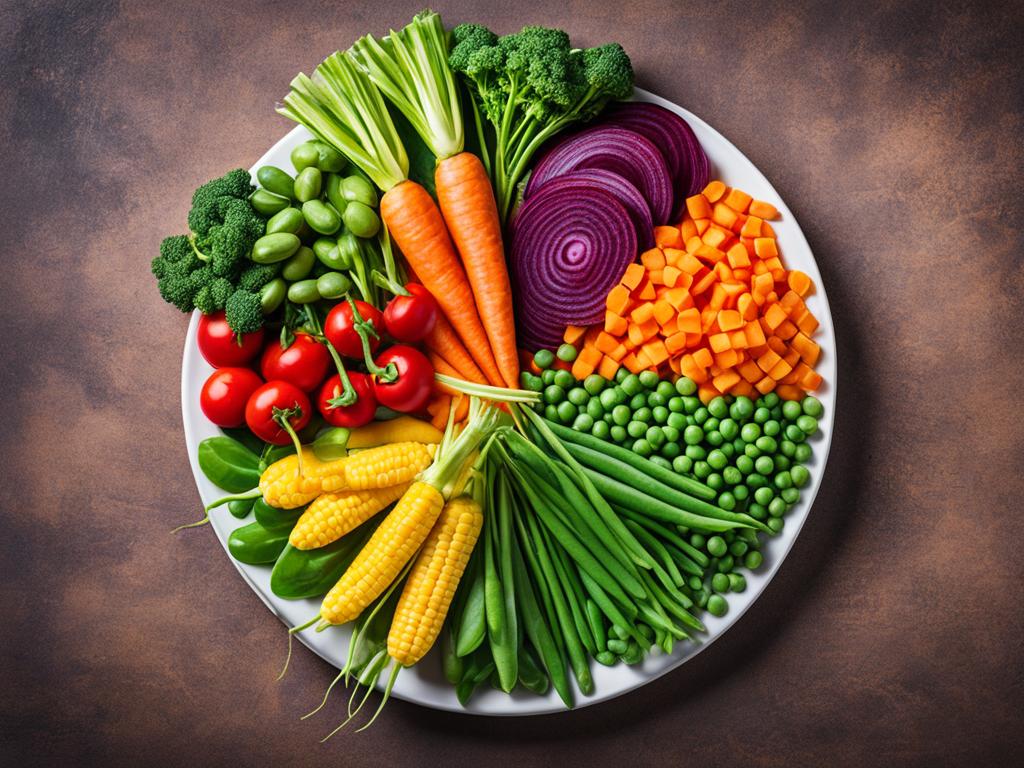
Unlocking the full potential of keto vegetable preparation begins with choosing the right low-carb cooking techniques. By employing methods such as sautéing, roasting, and steaming, you can maximize both the flavor profile and the nutritional value of your favorite vegetables. Whether you’re a seasoned keto enthusiast or just starting out, these cooking strategies will ensure that your meals are as tantalizing as they are healthful.
Simple Low-Carb Cooking Methods
There’s a simple elegance to cooking that preserves the inherent deliciousness of vegetables while adhering to a ketogenic diet. Sauté green beans with garlic and almonds for a dish that sings with flavor yet adheres strictly to your diet. Roast Brussels sprouts with a touch of olive oil and a sprinkle of sea salt to caramelize their outer leaves for some crunch. Or you might steam broccoli until it’s just tender, then toss it with lemon zest and pepper for a zesty, fiber-rich side dish. These low-carb methods not only marry well with your lifestyle but also keep vegetables vibrant and packed with nutrients.
Keto Vegetable Recipes Everyone Will Love
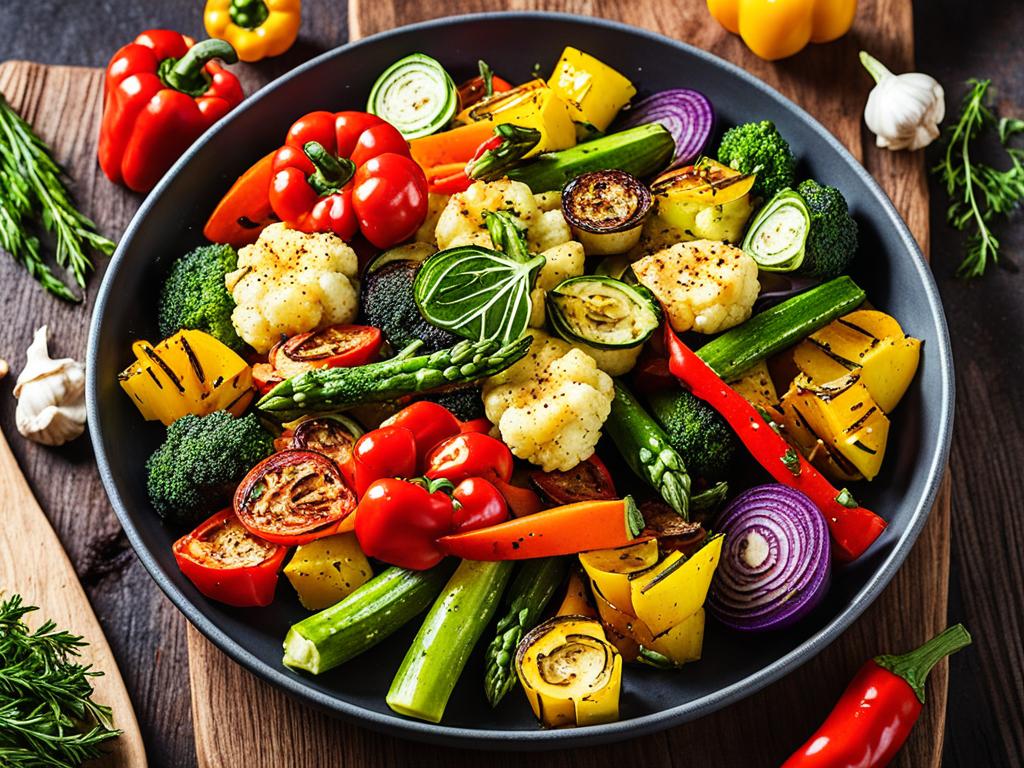
When it comes to delicious keto recipes, the key is variety. Here’s a taste of the endless possibilities that can transform your plate into a gastronomic adventure without derailing your goals. Whip up an eggplant parmesan with almond flour for a comforting classic, or craft a pizza with a roasted cauliflower base that will make you forget all about traditional crusts. The magic is in the mix of fresh ingredients and your willingness to experiment. So go ahead, explore and enjoy creating meals that delight the palate while fitting perfectly within the keto framework.
With these easy and delectable cooking methods and recipes, you’ll find that maintaining a ketosis-friendly diet doesn’t have to mean sacrificing flavor. Let these keto-friendly vegetables take center stage in your cooking repertoire and enjoy a world of taste sensations that support your health and wellness journey.
Nutritional Powerhouses: The Health Benefits of Low-Carb Vegetables
Embarking on a low-carb journey with a keto diet not only aligns your eating habits with weight loss objectives but also introduces you to an array of health benefits of keto veggies. These vegetables offer more than just a reduction in carb count; they come loaded with antioxidants and anti-inflammatory properties that can greatly enhance your well-being.
Fighting Inflammation with Antioxidant-Rich Veggies
Chronic inflammation is a silent perpetrator behind many health disorders, but incorporating rich sources of antioxidants into your diet can be a natural defense. Keto veggies like spinach and kale are teeming with these healing compounds. Regular consumption can help manage inflammation and reduce the risk of developing certain ailments.
Supporting Overall Health Beyond Weight Loss
Beyond their role in weight control, vegetables such as bell peppers and cauliflower are vitamins and minerals galore. They’re considered anti-inflammatory foods that don’t just fight diseases but also fortify your body’s defenses against them, leading to an improved state of health that extends far past the scale.
| Vegetable | Antioxidant Properties | Health Benefits |
|---|---|---|
| Spinach | High in vitamins A & C, flavonoids | Supports eye health, reduces oxidative stress |
| Kale | Rich in quercetin and kaempferol | Anti-inflammatory, lowers blood pressure |
| Bell Peppers | Contains beta carotene, ferulic acid | Improves skin health, anti-cancer potential |
| Cauliflower | Source of sulforaphane | Supports heart health, fights against certain cancers |
By making these antioxidant and anti-inflammatory foods a staple in your diet, not only will you complement your keto lifestyle, but you’ll also be investing in a future rich with health and vitality.
The Versatility of Cauliflower in Keto Cuisine
Embracing a ketogenic diet doesn’t mean you have to compromise on the variety or satisfaction offered by your meals. When it comes to cauliflower in keto cooking, the opportunities are potent and plentiful. This humble vegetable is celebrated for its remarkable ability to stand in for heavier, carb-rich foods, making it a crucial component for anyone aiming to maintain a healthy lifestyle without forgoing culinary pleasures.
Cauliflower Rice and Other Creative Substitutions
One of the most ingenious uses of cauliflower is its transformation into cauliflower rice. It’s a simple yet effective substitute that aligns with your keto goals and adds a nutritional punch to your plate. But the advent of keto substitutions doesn’t stop there—this versatile vegetable can be turned into a robust assortment of dishes, like creamy mashed “potatoes” without the starchy carbs or a crisp pizza base that’ll make you forget about traditional flour crusts. The adaptability of this cruciferous powerhouse proves there’s no need to miss out on your favorite meals while pursuing a low-carb path.
Nutritional Profile: Why Cauliflower Is a Keto Favorite
Aside from being a culinary chameleon, cauliflower boasts a profile rich in essential nutrients that are integral to a balanced diet. Its low carbohydrate content makes it a staunch ally in your ketogenic journey, while its fibers, vitamins, and minerals contribute to your overall health. Those on a keto diet appreciate cauliflower for its ability to mitigate the risk of nonalcoholic fatty liver and other chronic conditions, showcasing that you can savor a variety of keto-friendly dishes without compromising your wellness.
Green Leafy Vegetables: A Keto Staple
For those who follow the keto diet, the importance of including a variety of green leafy vegetables as part of your daily intake cannot be overstated. As quintessential keto diet essentials, these low-carb greens serve as an excellent source of nutrients while keeping your carbohydrate consumption to a minimum.
Whether you’re whipping up a fresh salad, making a robust stew, or blending a nourishing smoothie, incorporating vegetables like spinach, kale, and arugula will ensure that you’re not missing out on critical vitamins and minerals such as vitamin K, calcium, and magnesium. Their substantial fiber content plays a crucial role in managing weight and improving digestive health, all while fitting seamlessly into your low-carb meal plan.
- Vitamin A for vision and immune support
- Vitamin C for antioxidant protection and skin health
- Vitamin K for bone strength and blood clotting
- Calcium for strong bones and teeth
- Magnesium for muscle function and heart health
Incorporating a bounty of green leafy vegetables into your diet is beneficial not just for maintaining ketosis, but also for supporting cognitive function and reducing the risk of chronic diseases. Consider these nutritional champs your ally in a successful keto journey. By doing so, you ensure that your meal planning is as nutrient-rich as it is carb-conscious.
Hydration and Electrolytes: Choosing Vegetables That Keep You Balanced
Achieving optimal keto hydration is not just about how much water you drink—it’s also about what you eat. Specifically, certain water-rich vegetables can significantly contribute to maintaining an electrolyte balance essential for a smooth transition into a ketogenic lifestyle. These veggies not only add variety and flavor to your keto meals but also pack a punch of hydration and nutrients to keep you in top form.
Understanding the Role of Water-Rich Keto Vegetables
Let’s think beyond the water bottle—hydration can come from the foods you choose. On a keto diet, it’s vital to integrate water-rich vegetables into your regular menu. Vegetables such as cucumbers, which consist of 95% water, can provide high volumes of hydration. Leafy greens like spinach and kale are not only nutrient-dense but also consist mostly of water, aiding in hydration and providing necessary volume without the carbs.
Electrolyte-Rich Veggies to Prevent Keto Flu
The dreaded keto flu—marked by fatigue, headaches, and cramps—is often a sign of electrolyte imbalance. Eating vegetables with high electrolyte content can help mitigate these symptoms, making for a smoother keto journey. Think about adding a serving of avocado for its high potassium content or reaching for some spinach to boost your magnesium intake. These electrolyte-rich veggies are your frontline defense against keto flu prevention, ensuring your body is equipped with the right minerals to function effectively.
Incorporating these strategic choices into your diet lays a solid foundation for a successful keto experience. Revel in the crunchy freshness of water-rich vegetables and relish the peace of mind that comes from maintaining a strong electrolyte balance. Say goodbye to keto flu concerns and hello to a hydrated, balanced you.
Conclusion
Embarking on a keto adaptation journey brings forth a fusion of challenges and culinary discoveries. By weaving in a variety of keto-friendly vegetables, you can easily integrate a low-carb lifestyle that’s both appetizing and brimming with nourishment. With options ranging from the hearty crunch of cruciferous selections to the refreshing crispness of leafy greens, your plate becomes a vibrant palette that caters to your health without skimping on taste.
Adapting to a Keto Lifestyle with Low-Carb Vegetables
You’re now aware that your path to wellness doesn’t have to be paved with repetition or restriction. By choosing low-carb vegetables that align with your dietary thresholds, you ensure that each day is flush with essential vitamins, minerals, and fibers that promote your body’s well-being. The transition to ketosis becomes more manageable and inviting when your meals are dotted with such variety and vitality.
Maintaining Variety and Enjoyment in Your Keto Journey
As you forge ahead, remember that the treasure trove of vegetable variety on keto is your secret to a fulfilling and sustainable lifestyle change. Swap, experiment, and savor the abundance of options at your disposal. Let your table be a testament to the fact that your keto journey is not just about the destination—it’s about enjoying every flavorful, nourishing bite along the way.
FAQ
What are the best keto-friendly vegetables to include in my diet?
The best keto vegetables to include are those low in carbs but high in nutrients. Green beans, cauliflower, Brussels sprouts, spinach, kale, broccoli, bell peppers, and zucchini are excellent choices for maintaining ketosis.
How do vegetables fit into a ketogenic diet?
Vegetables on a keto diet provide essential vitamins and minerals without significantly increasing carb intake. They are crucial for adding fiber, variety, and flavor to your meals while helping you stay within your carb limits.
What does ‘net carbs’ mean and why is it important in a keto diet?
Net carbs are the total carbs minus fiber and sugar alcohols. This number is important for a keto diet because fiber does not significantly impact blood sugar levels, allowing you to enjoy a wider range of vegetables without affecting ketosis.
Are there any vegetables I should avoid while on a keto diet?
Yes, you should generally avoid high-carb vegetables such as corn, peas, potatoes, and carrots, as they can easily push you over your daily carb limit and out of ketosis.
Can you suggest some low-carb cooking methods for keto-friendly vegetables?
Absolutely! Sautéing, roasting, and steaming vegetables are great low-carb cooking methods that preserve flavor and nutrients. For added taste, use herbs, spices, and healthy fats like olive oil or butter for seasoning.
How can eating low-carb vegetables benefit my health beyond weight loss?
Low-carb vegetables are packed with antioxidants and essential nutrients. They can reduce inflammation, protect against chronic diseases, promote gut health, and support overall well-being.
What creative ways can I use cauliflower in keto cooking?
Cauliflower is incredibly versatile on a keto diet. You can create cauliflower rice, use it as a pizza crust, mash it as a substitute for potatoes, or even turn it into cauli-tots or a creamy soup base.
Why are green leafy vegetables essential on a keto diet?
Green leafy vegetables like spinach, kale, and arugula are low in carbs and high in fiber, vitamins, and minerals. They support bone health, improve digestion, and reduce the risk of chronic illnesses, making them keto diet essentials.
How can I stay hydrated and manage electrolytes on a keto diet?
Choose water-rich vegetables like cucumbers, zucchini, and lettuce to support hydration. These veggies also contain electrolytes such as potassium and magnesium, which help prevent the keto flu.
What are some tips for maintaining variety in my ketogenic diet with vegetables?
To maintain variety, experiment with different types of low-carb vegetables and cooking methods. Try new recipes that incorporate keto-friendly veggies, and don’t be afraid to mix flavors and textures to keep your meals exciting and nutritious.