
You’ve likely heard whispers about the carnivore diet, an all-encompassing all meat diet that’s capturing the curiosity of the health and fitness world. Imagine your plate, filled to the brim with a spread of animal-based nourishments, merged into a harmonious, zero-carb meal plan. This in-depth dive into the carnivore diet will unfold the food choices that can populate your grocery list and ultimately your kitchen.
Devised to steer you clear from the highs and lows of carb consumption, animal-based nutrition advocates a return to a way of eating deeply embedded in human history. It’s about consuming what’s naturally available from the animal kingdom – from sizzling steaks to freshly caught fish, turning your meals into simple, nutrient-rich feasts.
Key Takeaways
- Understand the basics of the carnivore diet for a simplified, zero-carb approach to eating.
- Explore the range of permissible foods on this high-protein, all meat diet.
- Learn about the pivotal role of animal-based nutrition in cultivating a healthy lifestyle free from carbohydrates.
- Discover the health claims and reported benefits that accompany the consumption of solely animal products.
- Find out how the carnivore diet fits within contemporary nutritional paradigms and what it could mean for your personal health journey.
- Unpack the reasons why some dairy products are allowed and why some need to be left off your plate.
- Get insights into the growing popularity of this dietary trend and what experts like Dr. Shawn Baker have to say about its effectiveness.
Introduction to the Carnivore Diet
Embarking on a journey toward an animal-based diet often leads many health enthusiasts and lifestyle adopters to the Carnivore Diet. This dietary regimen encourages a zero-carb lifestyle by focusing on meat, fish, and other animal products, while entirely excluding plant-based foods. Many individuals have reported remarkable Carnivore Diet benefits, such as significant weight loss, enhanced mood, and improved blood sugar regulation, traits believed to be inherent to the diets of our ancestors. Dr. Shawn Baker, an outspoken proponent of this approach, showcases how the Carnivore Diet can potentially revolutionize one’s health, despite the controversy and skepticism from some in the medical community.
As an elimination diet, it isn’t just about what you can eat, but what you must omit. The Carnivore Diet excludes fruits, vegetables, grains, nuts, and any other non-animal-based foods, making it one of the most restrictive eating plans available. Critics argue that this could lead to nutrient deficiencies and question the long-term health ramifications. Despite such concerns, a growing number of people are adopting this diet, lured by the promising health transformations and simplicity of a carnivore’s menu.
Your interest may be spiked by the dramatic health overhaul tales, but it’s vital to weigh these anecdotes against the scientific evidence, or the current lack thereof, before making drastic changes to your diet. As always, consulting with healthcare professionals and considering personalized nutritional needs is an indispensable step in such a significant dietary shift.
The Essentials of a Carnivore Diet
Embarking on a zero-carb diet as seen with the increasingly popular Carnivore Diet has many considering the shift towards a high-protein, animal-based nutritional plan. By focusing on Carnivore Diet essentials, you effectively adopt a lifestyle similar to that of ancestral eating patterns, which many believe can support health and mitigate modern-day ailments associated with carbohydrate-rich diets.

Understanding Zero-Carb Animal-Based Nutrition
Adopting a meat-based diet centers around tapping into the nutrient density of animal-based foods while avoiding carbohydrates. This approach encapsulates more than just protein; it’s about ensuring you receive a complete range of amino acids, vitamins, and minerals that animal products provide, particularly when plant-based foods are completely taken off the menu.
The Role of Meat and Protein in the Carnivore Diet
At the core of protein and weight loss is muscle gain and maintenance—integral components of a healthy metabolism. A Carnivore Diet, rich in protein sources like grass-fed meats and pastured poultry, may enhance satiety, keeping you full longer, and help you burn more calories through the thermic effect of food.
Prioritizing Food Quality: Grass-Fed, Pastured, and Wild-Caught
When it comes to food quality, the Carnivore Diet is unyielding. You are encouraged to select the finest meats available—grass-fed meats as well as pastured poultry and wild-caught seafood. The rationale is clear: better quality animal products not only offer higher levels of essential nutrients like omega-3 fatty acids and Vitamin E, but they also minimize your exposure to antibiotics, hormones, and pesticides commonly present in conventionally raised meat.
| Food Category | Preferred Options | Benefits |
|---|---|---|
| Beef | Grass-fed | Rich in omega-3s, Vitamin E |
| Poultry | Pastured | More humane, often contains more micronutrients |
| Seafood | Wild-caught | Lower in pollutants, higher in certain minerals |
| Eggs | Free-range or Omega-3 enriched | Higher nutritional value compared to standard eggs |
| Dairy | Low-lactose options like butter, hard cheeses | Lower in carbs, suitable for a zero-carb diet |
What Can You Eat on the Carnivore Diet
Embarking on a carnivore diet means adhering to a strict regimen of all meat diet foods. Let’s take a deep dive into the carnivore diet food list to understand what items will populate your plate.
Central to this diet are animal proteins, which will be your primary source of nourishment. You can choose from a variety of meats:
- Beef
- Pork
- Lamb
- Poultry
- Seafood
But don’t forget the nutrient-dense organ meats and eggs, which are also a substantial part of this diet’s framework. To round off your diet, you can include low-lactose dairy products such as:
- Butter
- Ghee
- Certain hard cheeses
This assortment ensures you maintain a zero-carb, high-protein diet. However, remember that the carnivore diet restricts certain food groups entirely. You’ll need to exclude:
- High-lactose dairy products
- Fruits
- Vegetables
- Legumes
- Grains
- Sugars
By focusing on this curated list of carnivore diet food list items, you commit to an all meat diet that seeks to emulate ancestral eating patterns.
Food Varieties on the Carnivore Diet
The Carnivore Diet revels in the simplicity and nutritional density of its food groups. You might wonder, within the diet’s animal-based framework, what exactly brings variety to your meals? As you delve into this distinctive diet, you’ll discover that whether it’s the cut, the type, or the preparation, diversity isn’t sacrificed. Let’s explore the meat of the matter when it comes to the varieties of foods that are integral to a Carnivore Diet.
Red Meat: A Carnivore Staple
When you embrace red meat consumption on the Carnivore Diet, you’re indulging in some of the most cherished sources of protein and fat. Beef, lamb, and pork not only provide you with ample energy but also supply essential nutrients necessary for your health. Each of these meats, especially when opting for fatty cuts, adds a rich and satisfying taste to your diet that’s hard to beat. Remember, these are more than just tasty meals; they’re fueling your carnivorous lifestyle.
Seafood: Nutrient-Rich and Diverse
Not to be overshadowed by terrestrial meats, seafood variety plays a prominent role in the Carnivore Diet. Nutrient-rich fish like salmon, mackerel, and tuna are packed with vital omega-3 fatty acids, making them a valuable part of your eating plan. Shellfish, including oysters and clams, contribute an array of minerals and vitamins to ensure a well-rounded approach to this meat-based way of life. Seafood is not only delicious but also essential for a balanced carnivore diet.
Organ Meats: Overlooked Nutritional Powerhouses
Among the most nutrient-dense elements of the Carnivore Diet are organ meats such as liver and heart. These organs are teeming with a multitude of nutritional benefits, boasting high levels of Vitamin A, iron, and zinc. Although they may not be the common choice in contemporary diets, once you incorporate these into your meals, you’ll unlock a treasure trove of health benefits that are too significant to overlook.
As you embark on this dietary journey, remember that while the Carnivore Diet is meat-centric, it doesn’t have to be monotonous. The rich variety of beef, lamb, pork, and a wide array of seafood, coupled with the powerful nutrition of organ meats, ensures you can enjoy diverse flavors and textures while reaping immense health benefits.
Dairy on the Carnivore Diet: What is Allowed?
When you’re exploring a meat-focused approach like the carnivore diet, the inclusion of dairy products can be somewhat of a gray area. Fortunately, there’s a simple rule of thumb that can help guide your choices: the lactose content. By opting for low-lactose dairy products, you can enjoy the richness of dairy without the carb count that could disrupt your dietary goals.
The Low-Lactose Dairy Debate
The consumption of dairy products on the carnivore diet is carefully considered to minimize carbohydrate intake, primarily from lactose. Low-lactose varieties such as cheese and heavy cream are acceptable due to their minimal impact on the diet’s carb restriction. This approach helps you enjoy the benefits of dairy, including its taste and nutritional value, while keeping carbs in check.
Dairy Products to Include and Avoid
Dairy plays a controversial role in the carnivore diet, but understanding which products to include can make all the difference. Here’s an overview of the dairy items you might want to consider and those better left off your shopping list:
| Low-Lactose Dairy Products | Lactose Content | High-Lactose Dairy Products | Lactose Content |
|---|---|---|---|
| Ghee | Negligible | Regular Milk | High |
| Butter | Negligible | Soft Cheeses (e.g., Ricotta) | High |
| Hard Cheeses (e.g., Cheddar) | Low | Ice Cream | High |
| Heavy Cream | Low to Moderate | Yogurt | Variable/High |
By choosing dairy on the carnivore diet with lower lactose content, you ensure your carnivore diet remains low in carbohydrates. Items like ghee, butter, and certain hard cheeses like Brie, Parmesan, and aged Cheddar can help enhance your meals and bring diversity to your diet, all while keeping it nutritionally sound.
Incorporating these carefully selected dairy items can help you maintain the strict zero-carb tenet of the carnivore diet, promoting a balance between dietary enjoyment and your health objectives. Always keep a keen eye on lactose content to tailor your diet to your needs effectively.
Seasonings and Additives: Keeping it Carnivore-Compliant
When traversing the path of the carnivore diet, maintaining the zero-carb rule poses a particular challenge when it comes to flavoring your meals. When it comes to carnivore diet seasoning, simplicity is key. Salt is not only your safe bet but also a critical electrolyte, and those following the diet often favor versions brimming with trace minerals, such as Himalayan pink salt or Celtic sea salt, both of which are flavorful and rich in nutrients.
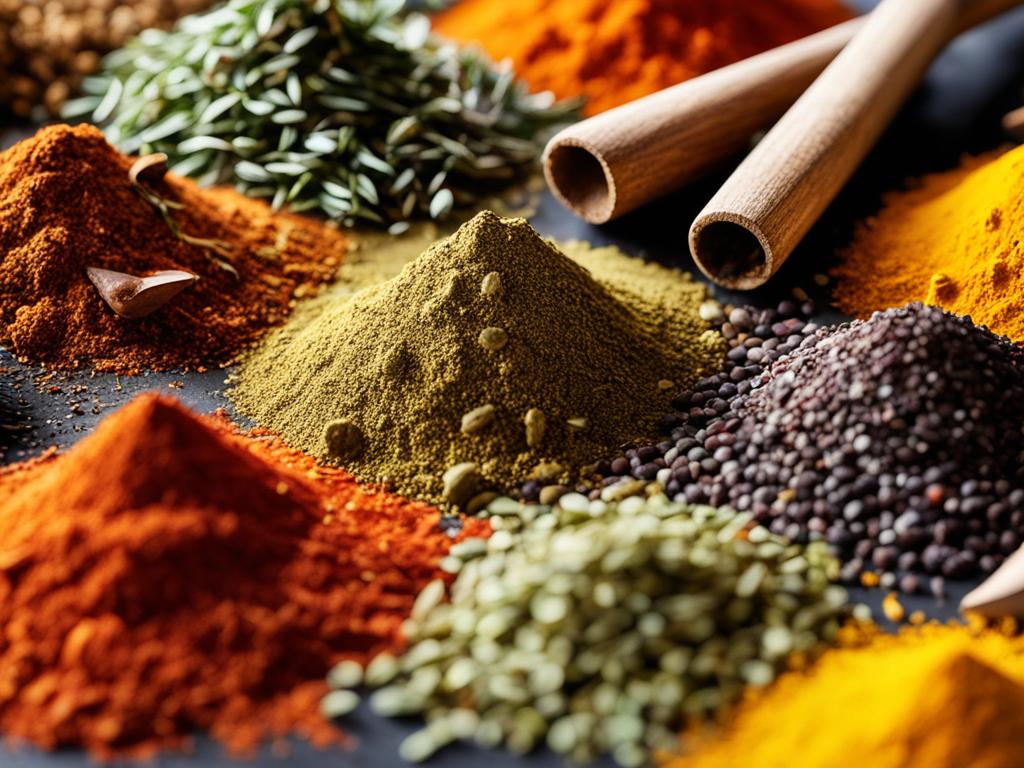
While traditional cooking may call for a plethora of aromatics and spices, in the carnivore diet, most of these are off the table. Following this diet means retraining your palate to appreciate the unadulterated flavors of animal proteins without the plant-based helpers. However, that doesn’t mean you must eat bland food. Some followers also use zero-carb spices that originate from animal products such as bone marrow or powdered high-fat dairy as long as they ensure no hidden carbs sneak into their meals.
Regarding food additives, it’s a straightforward no-go. The goal is to consume whole, unprocessed foods without preservatives or artificial ingredients. These additives can introduce unwanted chemicals and potentially carbs into your diet, completely undermining the core principles of a carnivore lifestyle.
- Salt (Himalayan, Celtic sea)
- Bone Marrow (as a spread or for broth)
- High-fat dairy powders (ensure zero-carb content)
The spice aisle will become far less frequented on this diet, but the trade-off could be the simplicity and purity in what you consume. To keep your carnivore diet exciting, you might focus on the myriad of culinary techniques like roasting, smoking, or slow-cooking that highlight the natural flavors of meats and make each meal something to look forward to without needing an array of seasonings.
The Importance of Hydration: What to Drink on the Carnivore Diet
For those committed to an animal-based diet, balancing hydration can seem uncomplicated, but it remains as pivotal as the food you consume. Navigating the right beverages is key to maintaining optimal health and abiding by the carnivore diet’s guidelines. Water is the quintessential source of hydration, an indispensable part of the diet. However, diversity in liquids can also contribute to nutrient intake while keeping things interesting.
Stay Hydrated with Water and Bone Broth
When it comes to water intake, there’s no debate. Pure, clean water should be your go-to for quenching thirst and ensuring proper bodily functions. For an additional nutrient kick, bone broth stands out as a favored drink among carnivore dieters. It’s more than just a hydrating liquid; it’s a rich source of minerals and proteins, wrapping up essential electrolytes and collagen in a warm, savory package.
Here’s a central tip: adding a pinch of salt to your water or broth can not only enhance taste but also boost mineral hydration, making each sip more supportive of your overall health.
The Discussion on Coffee and Tea
While purists might strictly adhere to the animal products-only rule, there’s an ongoing conversation about coffee on the carnivore diet and tea consumption. These plant beverages are not inherently part of the animal-sourced protocol, but they remain popular for their comfort and familiarity. Whether to include these in your diet hinges on personal choice and how rigorously you interpret the carnivore principles.
| Beverage | Compliance with Carnivore Diet | Benefits |
|---|---|---|
| Water | Fully compliant | Vital for hydration, zero calories, supports metabolic processes |
| Bone Broth | Fully compliant | Hydration, Nutrients like collagen and minerals, May support joint health |
| Coffee | Debatably compliant based on interpretation | Antioxidants, Mental focus, Possible performance benefits |
| Tea | Debatably compliant based on interpretation | Variety of flavors, Antioxidants, May aid in relaxation |
Ultimately, while hydration is indisputably essential on the carnivore diet, choices in liquids may vary. It’s about finding a balance that works for you, in adherence to dietary tenets and personal preferences. Remember, your drink selection is just as important as your food on this journey towards health.
Carnivore Diet Variations
Whether you’re a hardcore carnivore or someone looking for a unique dietary approach, understanding the different carnivore diet types can help tailor your meat-centric lifestyle to your individual health goals. From those who adhere strictly to animal products to others who incorporate additional elements for nutritional balance, there’s a spectrum of approaches to this diet.
Understanding Hardcore, Standard, and Keto-Carnivore
Hardcore carnivore adherents consume exclusively meat and animal fats, eliminating all other foods for a pure carnivorous experience. Meanwhile, the standard carnivore diet allows for some flexibility, including certain low-lactose dairy products. It offers a balance for those who want to maintain the diet’s foundational principles while still enjoying a wider variety of animal-derived foods. For a fusion of meat-centric and low-carb dieting, the keto-carnivore integrates principles from the ketogenic diet, such as including non-animal fats and low-carb vegetables, to maintain ketosis alongside carnivorous habits.
Consider the following table to visualize the primary characteristics and permissible foods across these carnivore diet variations:
| Diet Type | Main Characteristics | Permissible Foods | Considerations |
|---|---|---|---|
| Hardcore Carnivore | Only animal meat and fats | Beef, lamb, pork, poultry, fish, eggs, organ meats, animal fats | Very restrictive, may require supplementation |
| Standard Carnivore | Animal products with selected dairy | Includes hardcore list plus low-lactose dairy like hard cheeses and butter | More variety, may be easier to adhere to |
| Keto-Carnivore | Combines ketogenic and carnivore principles | Includes standard list plus low-carb vegetables and non-animal fats | Allows for ketosis, offers diverse nutrient sources |
Adapting the Diet to Your Personal Needs
Personalizing your dietary approach is critical to ensure that it aligns with your lifestyle and health targets. Whether you are exploring a personalized carnivore diet for weight management, athletic performance, or other health reasons, the key is to listen to your body’s responses and adjust accordingly. Dietary customization could mean strategically including nutrient-dense foods, experimenting with meal timing, or responding to hunger cues in a way that supports your health and wellness journey.
Knowing the different carnivore diet types serves as a foundation for discovering which variation resonates with your dietary preferences and nutritional needs. Imagine enjoying your diet while confidently knowing you’re hitting your personal health milestones. That’s the ultimate goal of a well-customized carnivore diet.
Conclusion
Embarking on a health journey with the Carnivore Diet implicates a bold move towards personalized nutrition, with an emphasis solely on animal-based products and a goal of zero-carbohydrate consumption. The stark simplicity of this diet, underscored by its all-meat menu, may resonate with your quest for nutritional focus and potential health improvements. Eye-catching testimonies, often citing a boost in wellbeing and physical change, play a significant role in the growing interest in this diet.
However, mindful consideration of the Carnivore Diet’s implications is essential. The current landscape of nutritional science has yet to match the surging anecdotal endorsements with robust empirical evidence on the diet’s long-term safety and effectiveness. Quality, in this context, cannot be overemphasized – it’s paramount to source the cleanest, most nutrient-dense animal products available to you. Balancing your diet with these standards in mind, while being vigilant for signs of any nutritional gaps, is a critical factor in your health journey.
Your approach to the Carnivore Diet should be anything but rigid; personalizing it to accommodate your unique health requirements is advisable. This could mean making gradual changes to your current eating habits and paying close attention to how your body responds. Regular consultation with healthcare professionals will also aid in ensuring that your dietary practices contribute positively to your overall well-being. Keep a close eye on health markers and symptoms to adapt your diet as needed, ensuring that your path to health through the Carnivore Diet is both responsible and rewarding.
FAQ
What foods are included in the Carnivore Diet food list?
The Carnivore Diet includes all types of meat such as beef, pork, lamb, poultry, and seafood. It also encompasses organ meats, eggs, and certain low-lactose dairy products like butter, ghee, and hard cheeses. The focus is on consuming animal-based products while avoiding all plant-based foods.
What are the potential benefits of following an animal-based, zero-carb diet like the Carnivore Diet?
Although not confirmed by controlled studies, many proponents of the diet report benefits such as weight loss, improved mood, better sleep, enhanced digestion, and better blood sugar regulation. It’s believed the elimination of carbohydrates can help with these health improvements.
Why is the quality of meat important in the Carnivore Diet, and what types should be prioritized?
The quality of meat is crucial because grass-fed, pastured, and wild-caught animal products are typically higher in nutrients like omega-3 fatty acids and Vitamin E, and are considered cleaner. These labels indicate the animals were raised in natural environments and may be less exposed to agricultural chemicals and toxins.
What types of red meat are most common in the Carnivore Diet, and why?
Beef, lamb, and pork are the most common types of red meat consumed on the Carnivore Diet because they are readily available and high in essential nutrients and fats necessary for energy and sustaining a zero-carb diet.
How does seafood fit into the Carnivore Diet?
Seafood, including fish like salmon and shellfish such as oysters, is celebrated for its nutrient density, providing essential vitamins and omega-3 fatty acids which are important for overall health within the diet’s framework.
Are organ meats considered part of the Carnivore Diet?
Yes, organ meats are an integral part of the Carnivore Diet. They are nutritional powerhouses rich in essential nutrients like vitamin A, iron, and zinc, and they offer a variety of health benefits.
What dairy products are allowed on the Carnivore Diet?
The Carnivore Diet permits the consumption of low-lactose dairy products, such as butter, ghee, and hard cheeses, to maintain a minimal carbohydrate intake, while high-lactose dairy products are avoided.
Can seasonings and spices be used in the Carnivore Diet, and if so, which ones?
Seasonings on the Carnivore Diet are limited to maintain a zero-carb intake. Salt, particularly unrefined types like Himalayan or Celtic sea salt, are the main seasonings used because they add flavor without carbohydrates.
What beverages are recommended on the Carnivore Diet?
Water is the beverage of choice, with bone broth being another recommended option due to its hydration capabilities and nutrient content. There’s a debate in the community about coffee and tea, as they are plant-derived; some people include them, while others stick strictly to animal-derived beverages.
Are there different variations of the Carnivore Diet and how do they differ?
Yes, there are variations of the Carnivore Diet. The Hardcore Carnivore consists exclusively of animal meats and fats, the Standard Carnivore allows some low-lactose dairy, and the Keto-Carnivore includes certain ketogenic diet elements such as low-carb vegetables. Each variation caters to different dietary preferences and goals.
How should one approach incorporating the Carnivore Diet into their lifestyle?
Transitioning to the Carnivore Diet should be personalized to individual health objectives and lifestyles. It’s suggested to start with a defined meal plan, paying attention to satiety and quality of fats and meats, and considering the inclusion of some low-carb vegetables or dairy if not following the Hardcore Carnivore variation.