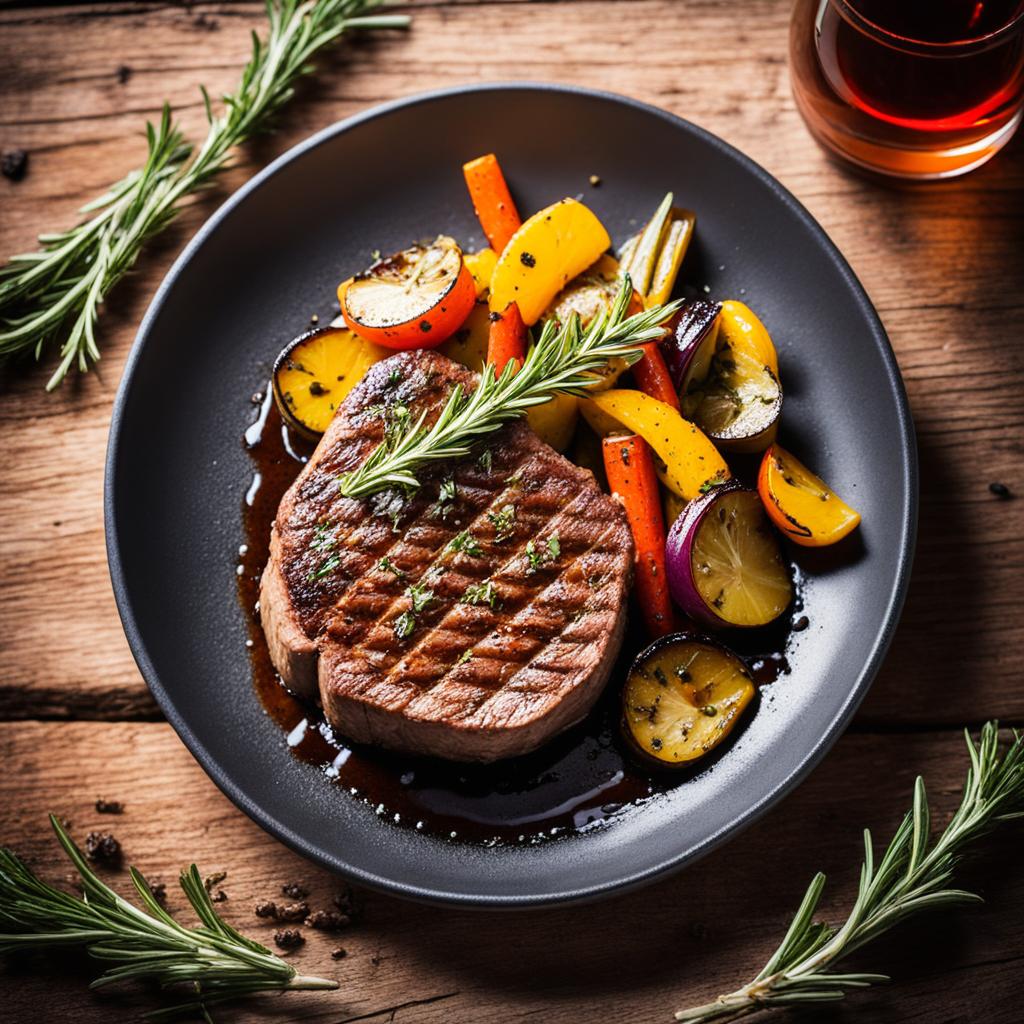
Did you know nearly 80% of home cooks can’t cook the perfect steak? If you’re one of them and want to improve, learning the reverse sear filet mignon method is key. This way, you get a tender steak with a crispy crust. It cooks juicy and full of flavor, like restaurant-quality steak at home.
This guide will make cooking filet mignon fun and surprisingly easy. We’ll explore the reverse searing method. This will transform every meal into a luxury dining experience.
Why Use the Reverse Sear Method for Filet Mignon
The reverse sear method is a top choice for cooking filet mignon. It keeps the steak juicy and tender, offering a superior taste. By understanding its benefits, you can improve your cooking skills.
Juiciness and Tenderness Explained
When you use the reverse sear, you start cooking the steak slowly at low temperature. This locks in moisture, making the steak juicier. It ensures the steak is soft and full of flavor, unlike some other methods which might dry it out.
Achieving Perfect Doneness
This method helps cook the steak evenly. You can easily monitor its internal temperature with a meat thermometer. This way, achieving your preferred level of doneness becomes easier, avoiding overcooked parts.
Why It Beats Traditional Methods
The reverse sear method cooks the steak without burning the outside. It leads to a great crust, while the inside stays juicy. For more tips on cooking filet mignon this way, take a look at this comprehensive guide.

Understanding Reverse Searing
The reverse searing technique has become a favorite for making the perfect steak. It ensures a beautifully cooked steak with a great crust. When compared to traditional ways, this method really stands out.
The Science Behind the Technique
Reverse searing starts with cooking steak at a low temperature. This technique allows the steak to heat up slowly without losing much moisture. Then, a quick sear on high heat creates a delicious crust.
The combination of low and high heat improves the steak’s flavor and texture. This makes the steak tender inside with a tasty outer crust.
How It Differs from Conventional Cooking Methods
Normally, chefs sear steak first and then finish it in the oven. But this can make the steak cook unevenly. This method might leave the outside burnt and the inside undercooked.
The reverse sear starts with oven cooking, followed by searing. This ensures an evenly cooked steak. By ending with a sear, it offers a better cooking experience.

Ingredients Needed for Reverse Sear Filet Mignon
To make filet mignon with the reverse sear method, you need to focus on the details. Picking top-notch ingredients makes all the difference. Keep these key items in mind when getting ready to cook your steak.
Choosing the Right Cut of Steak
Filet mignon is a top pick because it’s thick and tender. It’s important to choose a good cut, at least 1.5 to 2 inches thick. This size helps prevent overcooking and achieves a perfect crust.
Recommended Seasonings
For seasoning your filet mignon, simple is best. A generous seasoning with sea salt and cracked black pepper works wonders. If you want more flavor, try adding garlic powder or a steak seasoning mix.
Cooking Oils and Their Benefits
The right cooking oil is key for a great sear without burning. Avocado oil, with its high smoke point, is a great choice. This oil can handle high heat, perfect for searing your steak.

Step-by-Step Guide to Reverse Sear Filet Mignon
Embark on the reverse sear process for an amazing meal. This guide will show you every needed step. Your steak will come out perfect.
Preparation of the Steak
Dry your filet mignon with paper towels first. This helps it sear better later. After drying, season it well with salt and pepper.
For even more taste, try dry brining it. Let it sit in the fridge, uncovered, for at least an hour. A wire rack is great for this. It lets air flow all around the steak.
Setting Up the Oven
Now, get your oven ready. Heat it to 200 or 250 degrees Fahrenheit, depending on how you like your steak. Place a wire rack on a baking sheet for the steak. This helps cook it evenly and keeps it juicy.
Searing Techniques Explained
When your steak is at the right temperature, it’s time for the fun part: searing. Heat a cast iron skillet till it’s really hot. Then, sear your steak for 45-60 seconds on each side.
For a richer taste, add butter and garlic while searing. You’ll get a steak with a delicious caramelized crust.

Reverse Sear Filet Mignon Cooking Times
Getting the filet mignon cooking times right is key for that perfect doneness. The reverse sear method lets you be more precise with temperature. This ensures your steak is juicy and tender every time. We will look at the best temperature for doneness and what cooking times to consider.
Temperature Guidelines for Different Doneness Levels
Aiming for certain internal temperatures is important when cooking filet mignon, depending on how done you want it. Here are the temperatures:
- Rare: 120-125°F
- Medium Rare: 130-135°F
- Medium: 140-145°F
- Medium Well: 150-155°F
- Well Done: 160°F and above
For a perfect medium-rare filet mignon, aim for an inside temp of about 120-125°F before searing. Remember, thicker steaks take longer to cook.
Factors Influencing Cooking Time
Several factors can affect how long your filet mignon needs to cook:
- Oven Settings: Different ovens might spread heat differently.
- Steak Thickness: Thicker steaks need more time to get to the right temperature.
- Initial Temperature: Cooking from room temperature or cold affects cooking speed.
Always check with a meat thermometer for the best results. This prevents overcooking and ensures you hit those target cooking times for filet mignon.

Benefits of Dry Brining
Dry brining transforms how you prepare steak. It boosts the meat’s natural flavors and improves texture. Each steak lover should try this technique. It will make your cooking stand out.
How it Enhances Flavor and Texture
Dry brining is amazing for seasoning steak deeply. This method pulls moisture out, then the steak absorbs it back with the seasoning. Your steak ends up juicy and full of flavor.
This way of seasoning makes your steak taste richer. It’s a taste that’s tough to get with normal seasoning.
Best Practices for Dry Brining
To get the most out of dry brining, Here are some tips:
- Start by seasoning your steak generously with kosher salt.
- Place the steak on a wire rack to promote air circulation.
- Refrigerate the steak overnight. This allows the moisture to be drawn out and then reabsorbed, enhancing both flavor and tenderness.
- Before cooking, pat the steak dry with paper towels to ensure a good sear.
Using these dry brining methods leads to a tastier and more tender steak. You’re going to love the outcome!

Serving Suggestions for Reverse Sear Filet Mignon
Choosing the right sides for your reverse sear filet mignon can make your meal amazing. Go for classic sides and a good wine to make the meal memorable. Here are some great pairings that can make your dinner even better.

Classic Side Dishes to Complement Your Steak
Classic steakhouse sides are perfect with filet mignon:
- Roasted potatoes
- Creamed spinach
- Grilled asparagus
These sides bring out the best in your steak. They let your filet mignon be the highlight of the meal.
Wine Pairing Recommendations
Choosing a great wine makes your steak even better. A bold red wine fits filet mignon’s rich taste perfectly. Some top choices are:
- Cabernet Sauvignon
- Malbec
These wines’ tannins match the steak’s richness well. This pairing makes for a dining experience you and your guests will love.
Storing and Reheating Your Reverse Sear Filet Mignon
Leftovers from a tasty reverse sear filet mignon need the right care. This keeps their amazing taste and feel. Use good storage and reheating ways to make sure each bite is just as yummy as the first.
Best Practices for Refrigeration
For the best leftover filet mignon, use an airtight container. This stops it from drying out by keeping air out. Try to eat it within five days to keep its great taste. Remember these storage tips:
- Allow the steak to cool to room temperature before sealing.
- Label your container with the date you cooked the steak.
- Keep your fridge at a constant temperature to ensure freshness.
How to Reheat Without Losing Quality
Reheating steak the right way keeps it juicy and tasty. Go for low and slow warming methods to prevent it from getting dry. Here’s a method:
- Preheat your oven to 275 degrees Fahrenheit.
- Place the steak on a baking sheet for even warming.
- Check the inside temperature, aim for 130 degrees Fahrenheit for medium-rare.
Or, try steaming your steak to save its moisture. Avoid microwaves as they can make the steak tough and less tasty. By using these ways, you’ll still love your filet mignon on the second round.

Common Mistakes to Avoid
When cooking filet mignon, it’s key to avoid common mistakes to make your meal better. Be aware of overcooking. Also, choose the right tools. This way, you’ll enjoy the meat’s rich taste and tender texture more.
Overcooking and Its Consequences
Overcooking filet mignon is a big mistake. Cooking it at high temperatures for too long can make it dry. This ruins its juiciness. To avoid this, watch the steak’s internal temperature closely.
Use a reliable meat thermometer. Aim for 130-135°F for a medium-rare doneness. Mastering this helps avoid big steak cooking errors.
Choosing the Wrong Equipment
The right equipment is key for a perfect steak crust. A heavy-duty cast iron skillet is best because it holds heat well. Using a good pan helps your filet mignon sear just right. This prevents it from being overcooked or unevenly cooked.

For a complete guide on cooking perfect pan-seared filet mignon, see this resource. Here, you’ll find great tips and techniques to avoid common mistakes.
Conclusion
Learning the reverse sear method for filet mignon is more than just an achievement. It’s a journey to making the perfect steak at home. This method is special because it makes steaks tender and juicy. It also removes the fear of overcooking, making your meal unforgettable.
This article showed you the benefits of the reverse sear method. You learned the science behind it, how to choose the best ingredients, and every important step. With this knowledge, you can make a restaurant-quality steak in your kitchen. Your friends and family will be amazed by your cooking.
Following the reverse sear tips we discussed will help you cook amazing filet mignon every time. So, let’s get started. Preheat your oven, and get ready to make unforgettable steak dinners. Your loved ones will remember these meals for a long time.