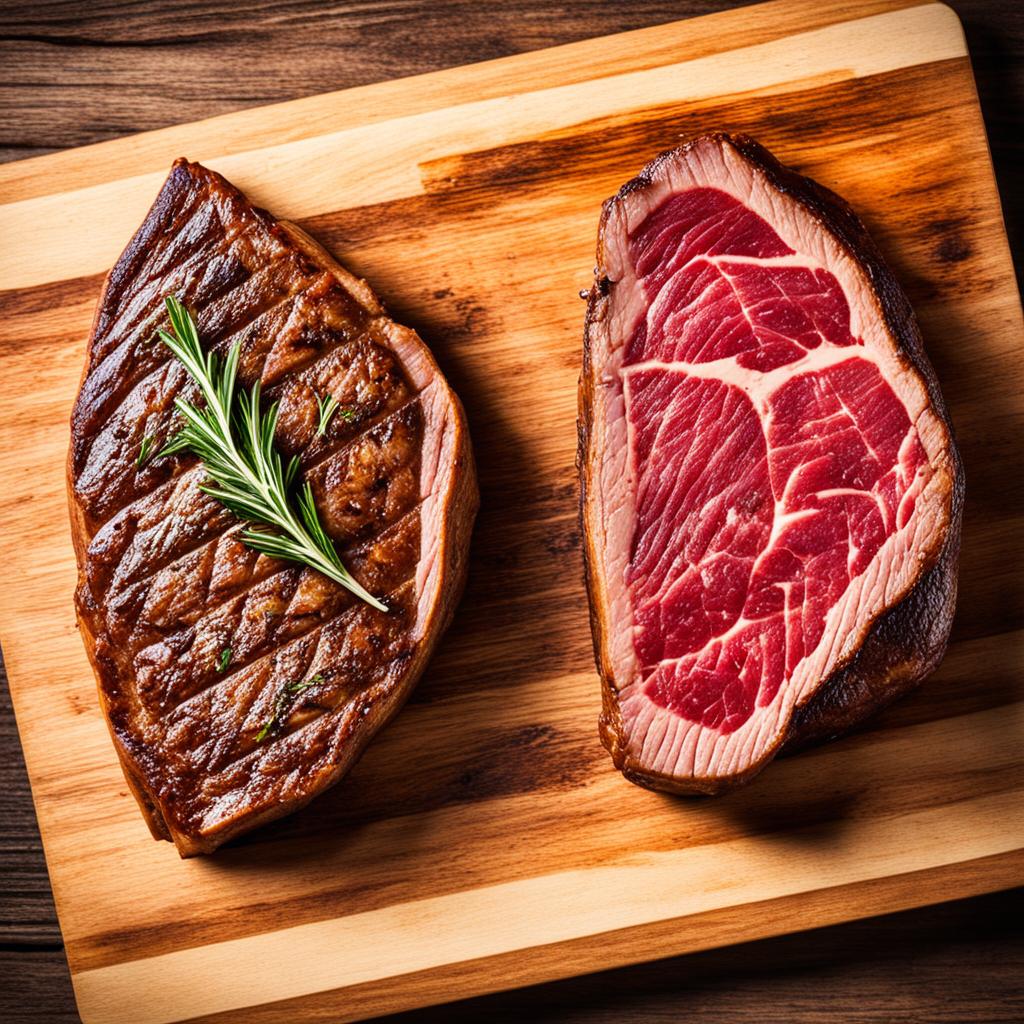
The average American eats over 50 pounds of beef every year. Steak is a big part of our meals. When picking the best steak cuts, sirloin and ribeye are often favorites. Knowing the difference between these two can make your meals better. It also helps you cook steaks better at home.
We will compare sirloin steak to ribeye steak in this article. We’ll look at their origins, tastes, textures, nutritional facts, and even prices. Whether it’s a casual dinner or a barbecue with friends, choosing the right steak is key. It makes your meal more enjoyable.
Introduction to Sirloin and Ribeye
Choosing the perfect steak can seem tough. Many people love sirloin and ribeye, two famous beef cuts. They are well-loved in kitchens and restaurants everywhere. Each one offers something special, setting up for a great meal choice.
Sirloin and ribeye have their differences and things in common. This helps you figure out which you might like more. Sirloin is known for its leaner meat, while ribeye has delicious fat marbling. This fat makes the ribeye very flavorful. Both types of steak have their own fans because they taste great, feel good in your mouth, and can be cooked in many ways.
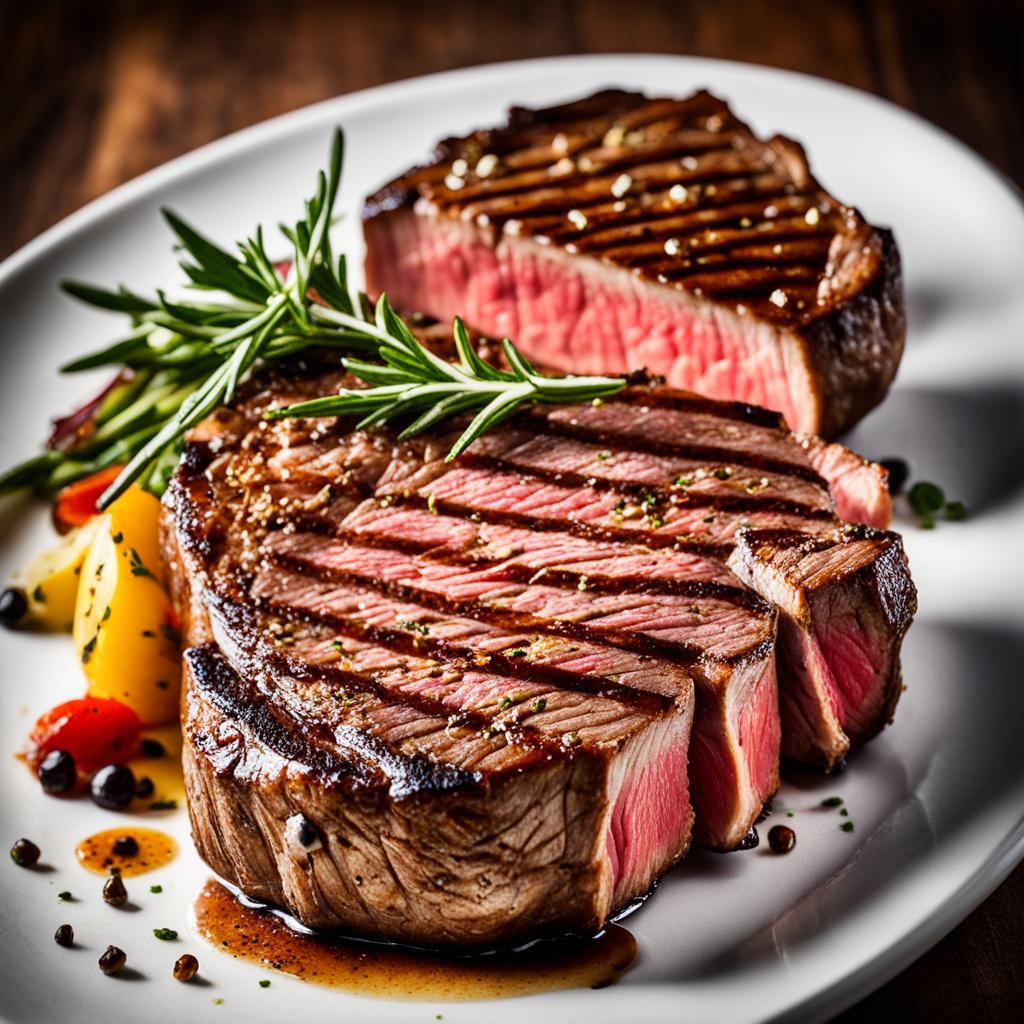
Think about which steak fits your taste and cooking style. Knowing the unique features of sirloin and ribeye helps you pick the best steak. It’s a smart way to make your next meal memorable.
What Is a Ribeye Steak?
Get to know the ribeye steak, a favorite among steak lovers. The ribeye comes from the beef rib section, specifically ribs nine to eleven. It’s known for its marbling, which makes it flavorful and tender when cooked.
Understanding the Cut and Its Origin
The ribeye is a standout cut in the culinary world. It comes from the beef rib section, keeping it juicy and flavorful. When it’s served bone-in, it looks impressive, perfect for impressing guests.
Flavor Profile and Texture of Ribeye
The flavor of ribeye is top-notch, with a buttery taste and tender texture. Thanks to its marbling, the fat melts when cooked, making the steak tender and juicy. This is why many see the ribeye as a premium beef cut.
Cooking Methods for Ribeye Steak
Cooking ribeye offers lots of options, like grilling or pan-searing. To cook it best, let it reach room temperature first and then season it well. Pan-searing in a cast-iron skillet brings out the flavors and gives it a nice char.
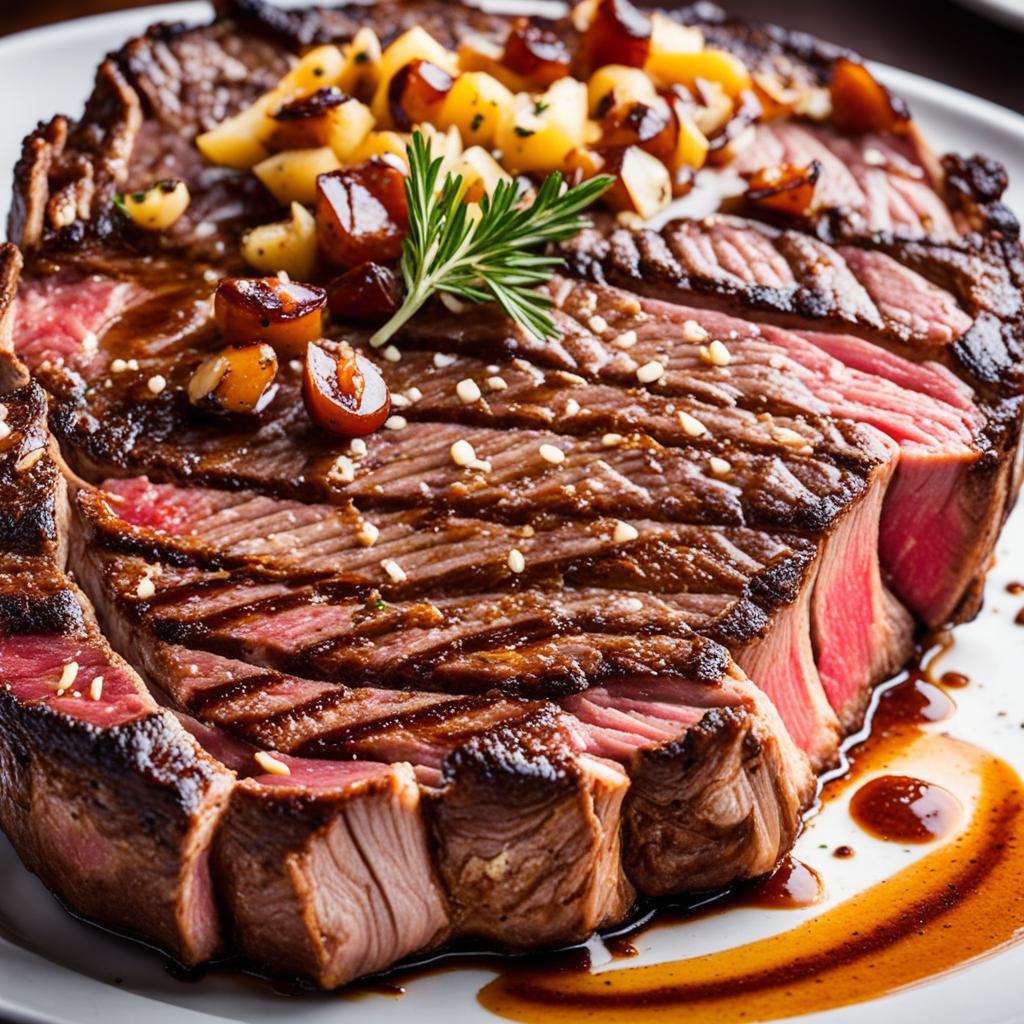
What Is a Sirloin Steak?
The sirloin steak cut is a top pick among meat fans. It comes from the beef’s back, sitting behind the ribs but before the rump. Learning about its place helps us appreciate what makes this steak special.
Origins of the Sirloin Cut
The sirloin’s beginnings trace back to a specific part of the cow. Located in the beef back area, it includes types like top sirloin and bottom sirloin. Each type has its own unique taste and feel, thanks to where it’s from.
Flavor and Texture Comparison
Sirloin’s taste is strong and richly beefy. It’s leaner than cuts like ribeye, giving it a firmer feel with less fat. It might not be as soft or rich as ribeye, but it’s a great lean choice that’s still tasty.
Best Cooking Techniques for Sirloin
To bring out the best in sirloin, use specific cooking methods. Grilling and broiling are highly recommended. For tender and moist steak, marinate it first. Here are some cooking tips:
- Pick a marinade that boosts the beef’s natural taste.
- Let the steak warm up to room temperature before cooking.
- Heat your grill or broiler well before starting.
- Cook it how you like it, but keep it juicy.
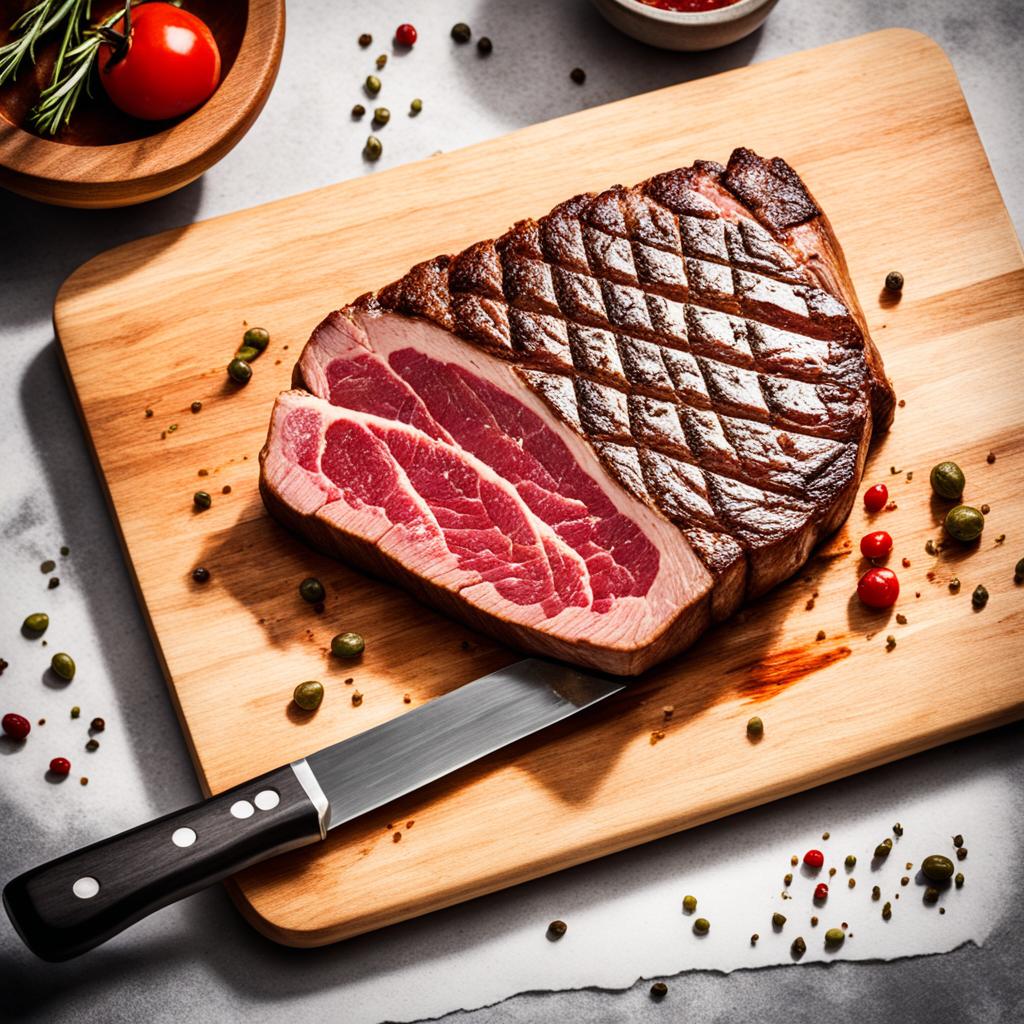
Sirloin vs Ribeye: Key Differences to Consider
When comparing sirloin and ribeye, we find unique traits for each. These traits cater to different tastes and ways of cooking. Knowing these differences makes choosing steaks more enriching.
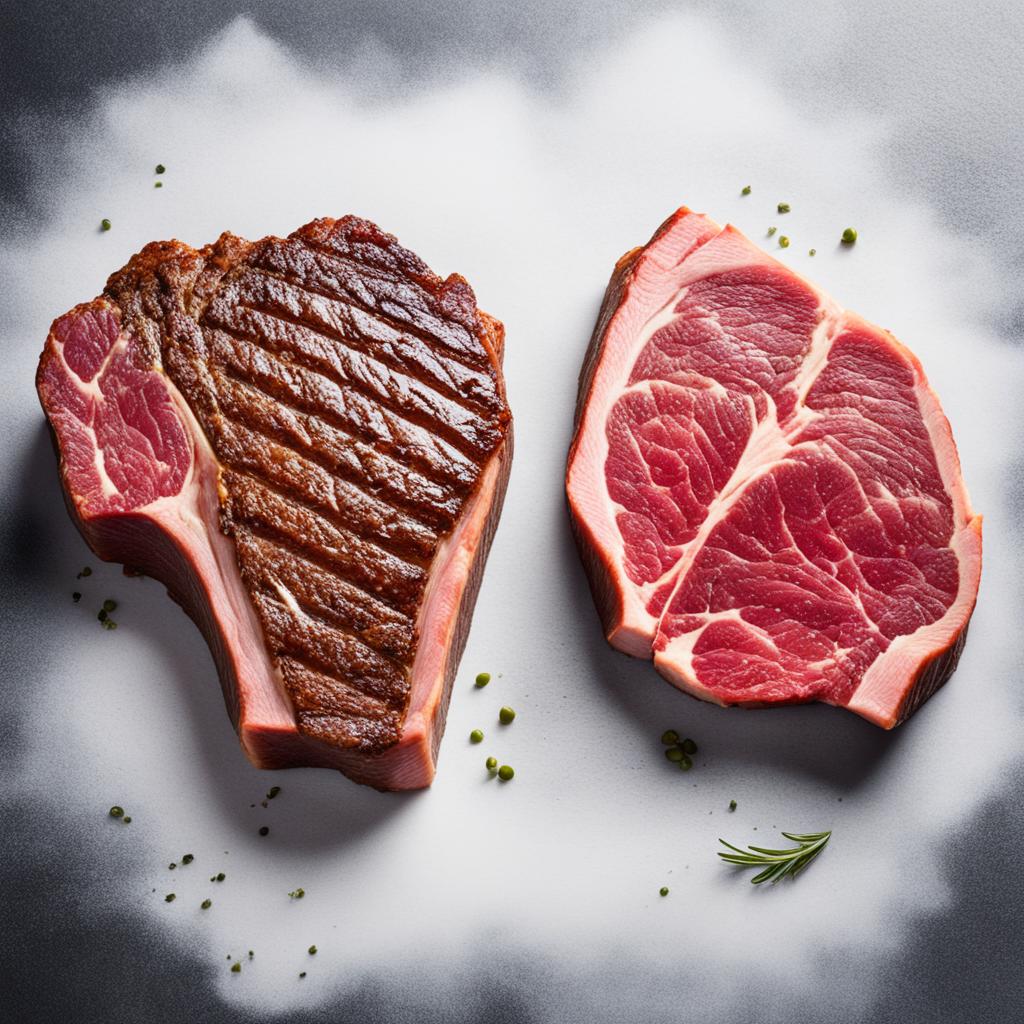
- Flavor: Ribeye steak stands out for its rich, buttery flavor due to the significant marbling of fat throughout the cut. In contrast, sirloin offers a more pronounced beefy taste with less fat, appealing to those who prefer a leaner option.
- Texture: Tenderness marks ribeye as a favorite among many. Its higher fat content creates a melt-in-your-mouth sensation. On the other hand, sirloin provides a firmer bite, making it ideal for chewers who enjoy a bit of resistance.
- Fat Content: Ribeye is known for its higher levels of fat, which contribute to its juiciness and taste. Sirloin, being leaner, is a healthier choice for those monitoring their fat intake while still wanting great flavor.
- Cooking Preferences: When choosing the right steak for grilling or pan-searing, consider the cooking methods that best suit each cut. Ribeye thrives under high heat, allowing its fat to render beautifully. Sirloin converts well through various cooking techniques, making it versatile in the kitchen.
Making an informed choice on steak, whether you love ribeye’s richness or sirloin’s firmness, is easier with this knowledge.
Fat Content and Health Considerations
Choosing between ribeye and sirloin means looking at fat content. Ribeye steaks are known for their juiciness and flavor. This comes from their high fat, especially saturated fat. This fat makes the steak very tender, a top pick for those who love a rich meal.
Nutritional Aspects of Ribeye
The ribeye offers important nutrients. Enjoying a ribeye means thinking about how its fat affects your health. Here are some key points:
- Its high fat content gives ribeye a great taste.
- It provides vitamins like B12 and minerals such as zinc.
- Eating smaller portions can be a way to enjoy it while staying health-conscious.
Health Benefits of Sirloin
Sirloin is a leaner option for those watching fat intake. Its nutritional profile supports a healthier choice, offering:
- Less fat and calories, perfect for a low-fat diet.
- Plenty of protein, iron, and vital vitamins for your needs.
- Flexibility in cooking, still tasting great no matter how it’s prepared.
Choosing between ribeye and sirloin depends on your health goals and tastes. With this info, you can pick what best matches your diet plans.
Cost Comparison: Sirloin vs Ribeye
When looking at steak costs, it’s important to know the difference between sirloin and ribeye. Ribeye usually costs more because it’s very tender and has lots of fat. The price can change based on how good the steak is, how thick it is, and how much people want it in your area.
Pricing Factors for Both Cuts
Steak prices vary, especially between ribeye and sirloin. There are a few reasons for this:
- Quality of the cut: Better meats are pricier.
- Thickness: Thicker cuts mean more meat, which costs more.
- Location: Prices change based on where you are and what’s available.
Sirloin is easier on your wallet than ribeye. Even though ribeye is seen as a top choice, sirloin is also great if you want to save some cash but still enjoy tasty steak.
Where to Buy: Best Places for Quality Steak
Looking for top-notch sirloin and ribeye? Check out these places:
- Local butcher shops: They usually have the best selection and service.
- Farmers markets: Get fresh meat straight from the growers.
- Well-known grocery stores: Places like Costco have good quality at lower prices.
Picking the right place to buy steak helps you get delicious ribeye and sirloin without spending too much. This makes cooking a great meal even better.
Cooking Preferences: Grilling vs Pan-Seering
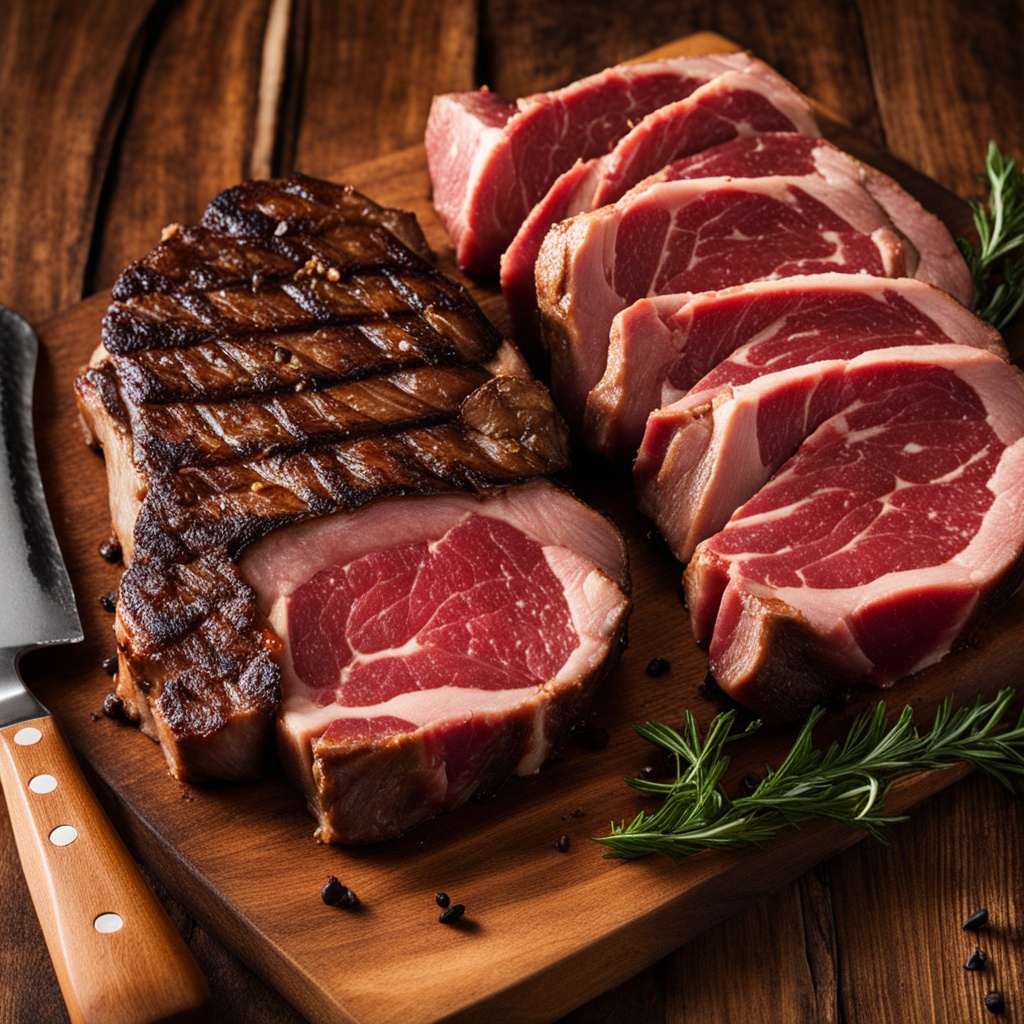
Do you prefer grilling or pan-searing steak? Both methods bring different flavors and textures to your meal. They are favorites for cooking ribeye and sirloin steaks. Let’s talk about the best ways to cook these steaks.
Best Practices for Grilling Ribeye
To grill ribeye steak, you must pay attention to detail. Here are some top tips for the perfect grill:
- Preheat your grill to high heat for the best browning.
- Season the ribeye well with salt and pepper before grilling.
- Cook the steak 4-5 minutes on each side for medium-rare.
- Flip the steak just once to keep it juicy and flavorful.
- Let the steak rest for 5 minutes before slicing to keep juices in.
How to Achieve a Perfect Sirloin Sear
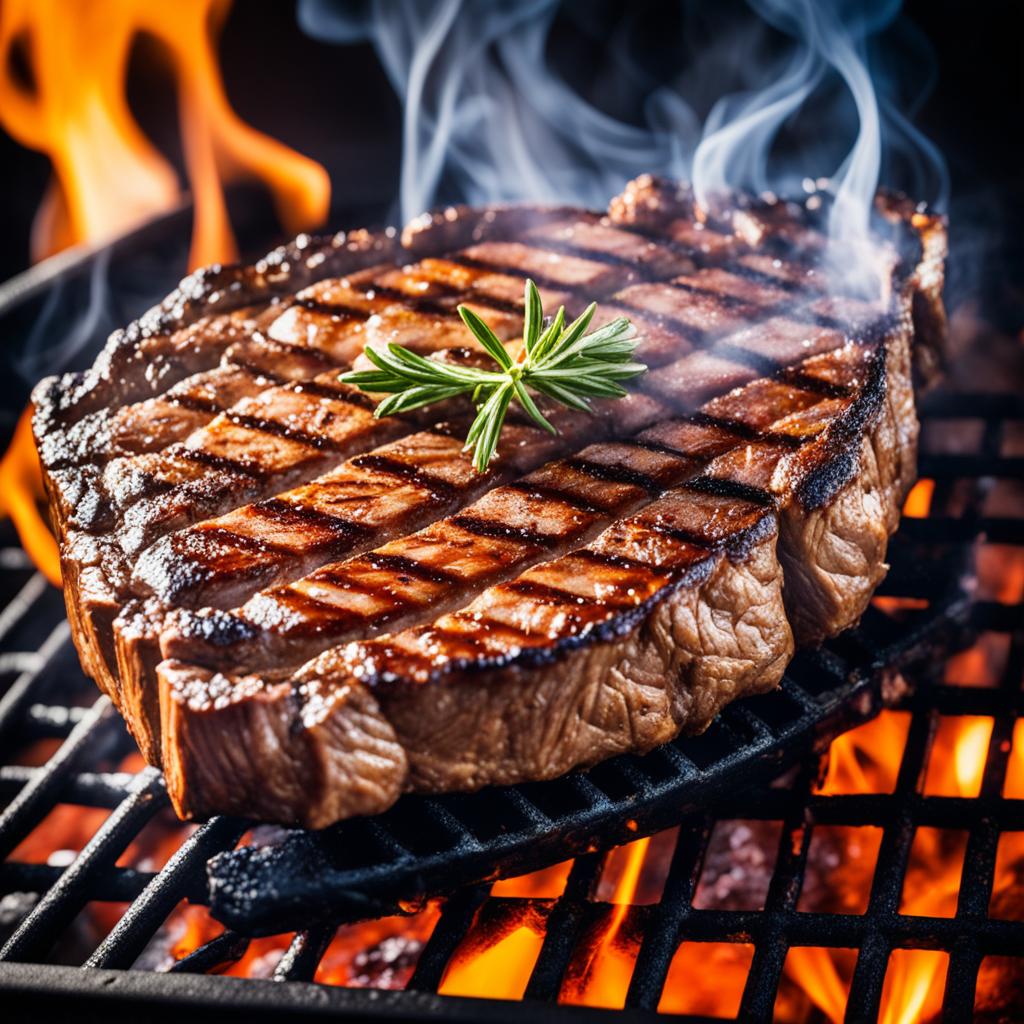
Searing sirloin can make it taste even better. Use these steps for a great pan-sear:
- Heat a heavy skillet on medium-high and add some oil.
- Dry the sirloin with paper towels for the best browning.
- Cook each side 3-4 minutes, depending on thickness.
- Try not to move the steak too much while cooking.
- Add some butter in the last minute for added richness.
Pairing Your Steak with Sides and Drinks
Enjoying a delicious ribeye steak is better with the right side dishes. The best sides for ribeye make the steak’s flavors shine. This turns a simple meal into a memorable dining event.
Popular Side Dishes for Ribeye
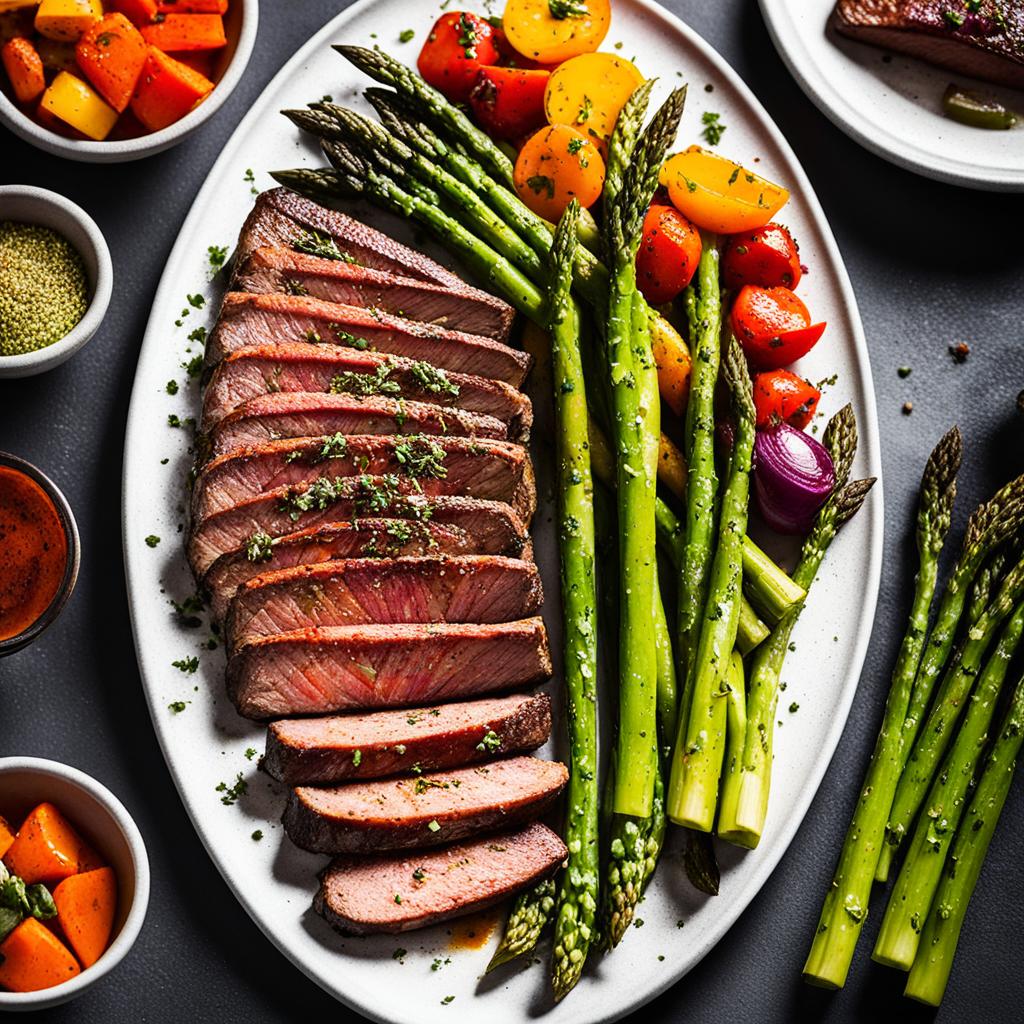
When choosing sides for ribeye, consider these options to complement your steak:
- Creamy mashed potatoes topped with a hint of garlic
- Grilled vegetables drizzled with olive oil
- Classic Caesar salad with crunchy croutons
- Rich, savory sauces such as Béarnaise or chimichurri
- Roasted Brussels sprouts with a balsamic glaze
These pairings bring variety and boost the meal’s flavor profile. This makes the dining experience more delightful.
Perfect Wine Pairings for Sirloin
Wine can make your steak meal even better. For sirloin wine pairings, try these options to match its taste perfectly:
- Pinot Noir offers a lighter red that enhances the steak’s richness
- Cabernet Sauvignon brings a strong flavor that matches beef well
- Sauvignon Blanc is a fresh contrast for grilled dishes
- Rosé is a light, refreshing option for wine lovers
Try these wine pairings with sirloin to boost your meal and taste experience.
Which Steak Is Better for Your Next BBQ?
Picking the right steak for your BBQ is key. Think about what your guests like eating. Ribeye is great for those who love a juicy, flavorful steak because of its fat. If your friends prefer something less fatty, sirloin is a good choice. It’s lean but still tasty. Knowing what everyone likes makes the meal better for all.
Considerations for Catering to Guests
Your guests have different tastes, and it’s good to keep that in mind. Here’s what to think about:
- Fat Content: Ribeye is fattier, appealing to some, while sirloin has less fat.
- Tenderness: Ribeyes are often more tender, and sirloins a bit firmer.
- Cooking Styles: Ribeyes do well on the grill, and sirloins are great for searing.
Steak Cooking Tips for Beginners
If you’re just starting with grilling, here are some handy tips:
- Season your steak: Salt and pepper can really bring out the taste.
- Control your grill temperature: Medium-high heat is best for a good sear but keeps it moist inside.
- Use a meat thermometer: It lets you know when the steak is cooked perfectly without guessing.
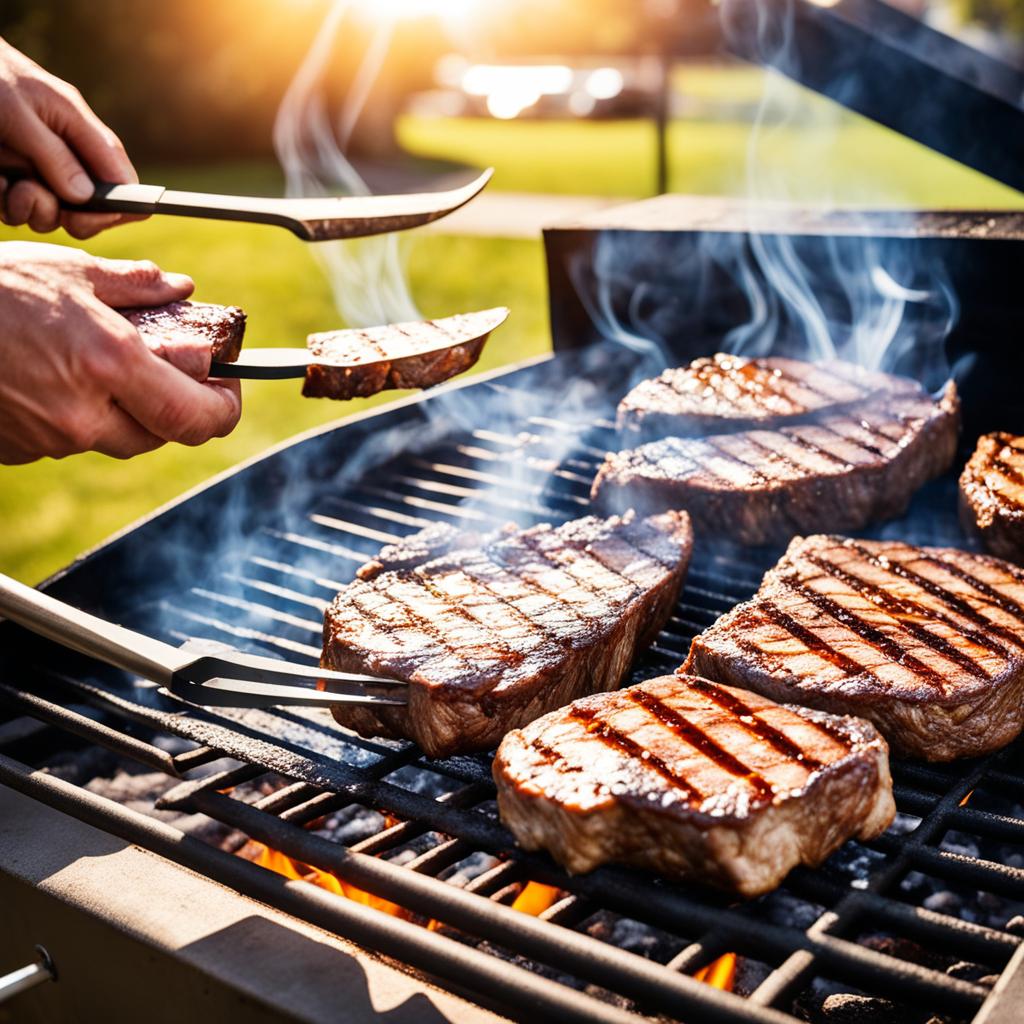
Using these simple tips will make your grilling better and wow your guests.
Why Ribeye is a Favorite Among Steak Lovers
Ribeye is a top pick for steak fans everywhere. It’s known for its rich marbling. This makes it tender, juicy, and delicious. Its great taste makes any meal better.
This steak is loved for being versatile. You can grill it, pan-sear it, or bake it. It’s perfect as a big steak for celebrations or cut thin for a quick meal. Every way you make it, the beef flavor stands out.
Chefs and home cooks praise ribeye. It works well with many flavors and sauces. If you haven’t tried ribeye, you’re missing out on what many call the best steak.
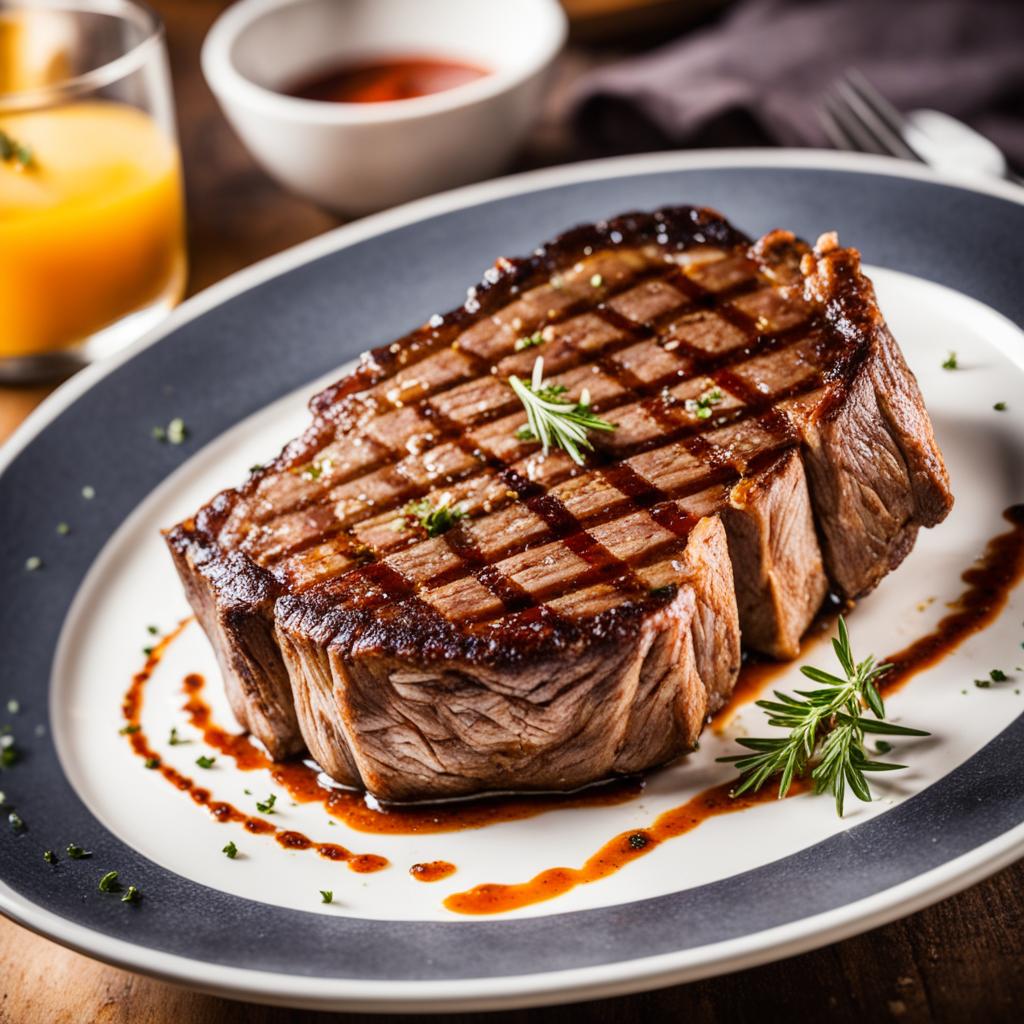
Learning about ribeye can boost your cooking skills. It has unique qualities that encourage trying new recipes. Explore ribeye’s world and see why so many love it. Discover why it’s seen as a top steak choice.
When to Choose Sirloin Over Ribeye
Picking the right steak can make your meal memorable. You may wonder about choosing sirloin over ribeye. Knowing when sirloin is the best choice can simplify your decision.
- Preparing Lighter Meals: Sirloin is a leaner choice, suited for lighter, yet filling meals. It’s ideal when you don’t want a lot of fat.
- Serving Large Groups: Sirloin is easy to portion, perfect for feeding many people. It helps everyone get a fair share, avoiding overeating.
- Budget-Cautious Cooking: If you’re watching your expenses, sirloin is less costly than ribeye. It allows you to enjoy tasty steak while saving money.
Sirloin stands out for specific cooking situations. Whether you aim for a lighter meal, are hosting many guests, or want to save money, sirloin is a smart pick.
Expert Recommendations for Cooking the Perfect Steak
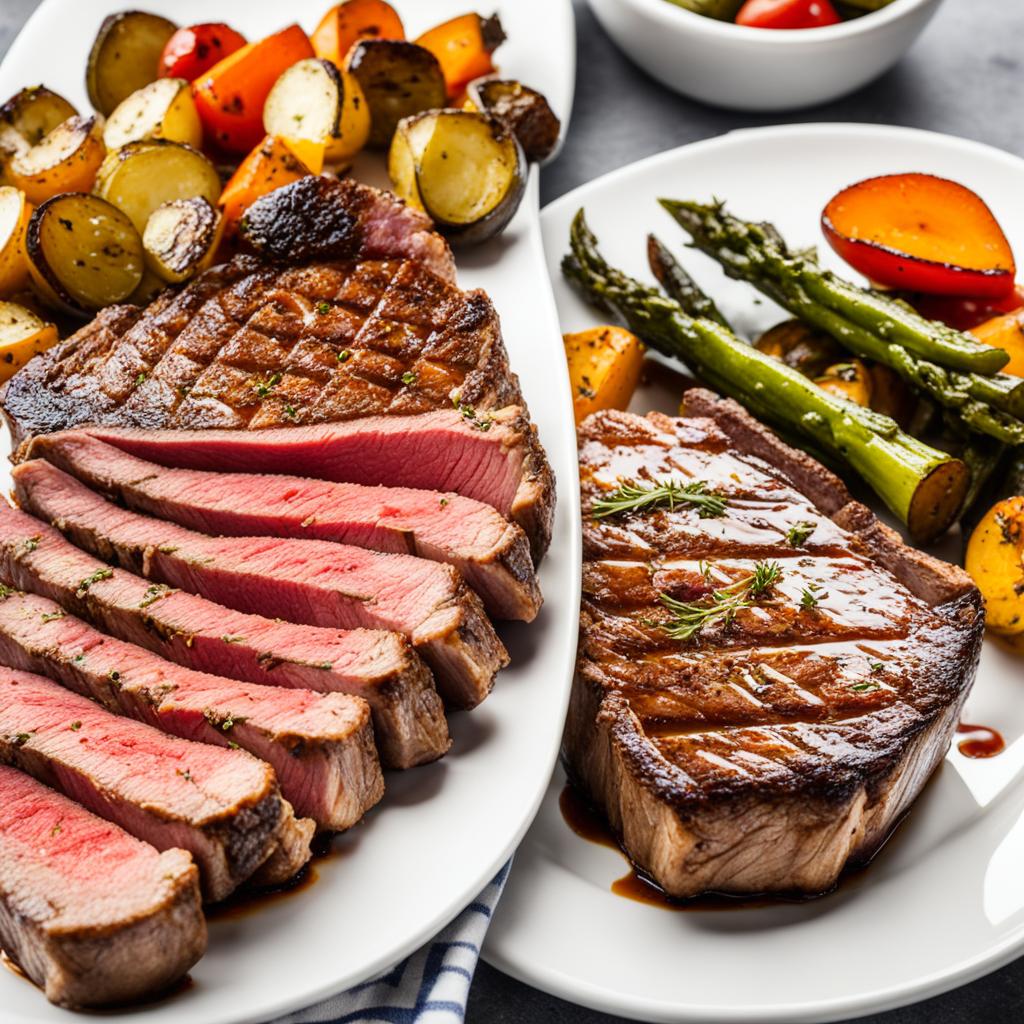
Cooking the perfect steak is an art and requires expertise. Whether it’s a sirloin or ribeye, key tips can make all the difference. First off, try marinating your steak. Mixing olive oil, garlic, and herbs can boost the taste. This especially helps tenderize tougher cuts like sirloin.
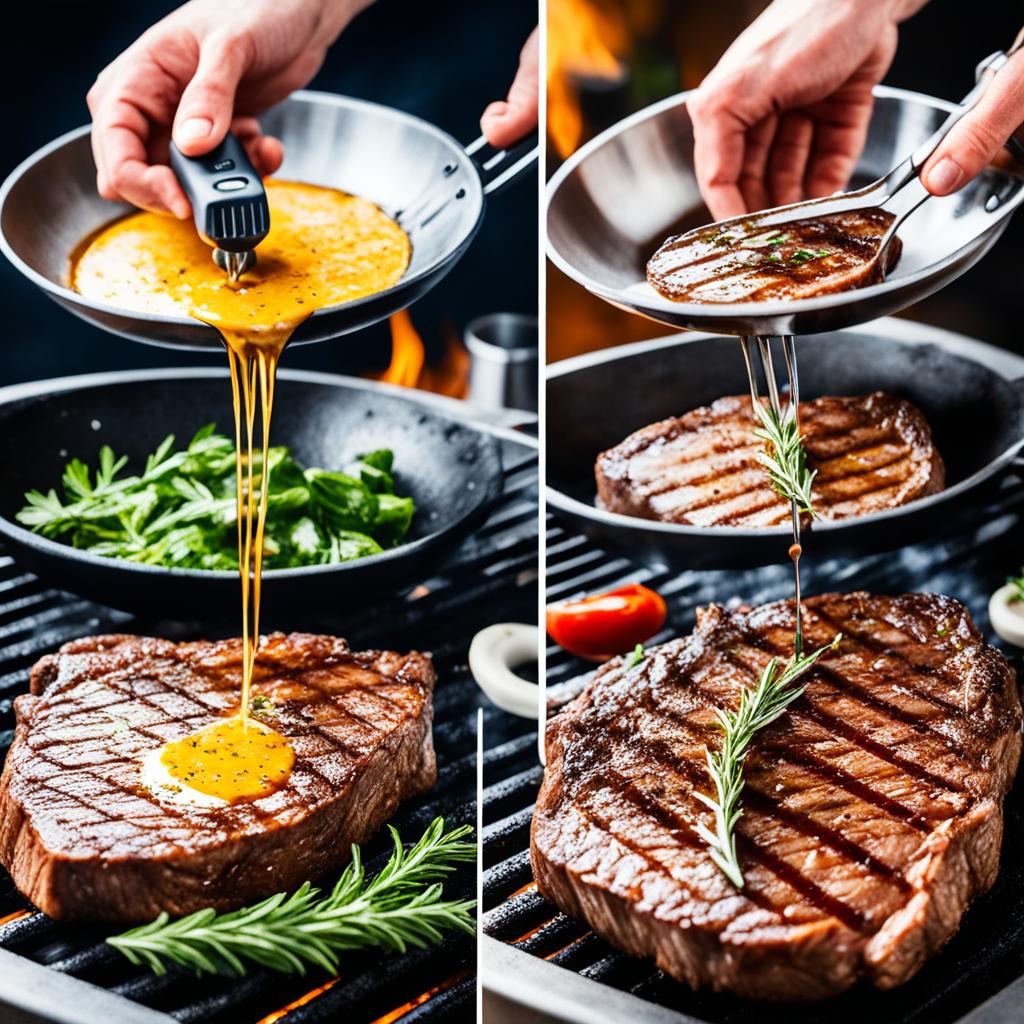
Knowing the right cooking temperature is essential. Aim for 130°F for a medium-rare ribeye. A meat thermometer will help you hit this target. After cooking, let your steak rest. This step allows the juices to spread evenly, giving you a juicier steak.
- Preheat your grill or skillet to high heat.
- Sear the steak on both sides for a crusty exterior.
- Use a lower heat to finish cooking to your desired doneness.
Keeping seasonings simple often yields the best results. Salt and pepper can really bring out the meat’s natural taste. Don’t forget to visit cooking steak perfectly to see a detailed comparison of cooking methods for different steak cuts. By following these guidelines, you’re set to create a meal that can compete with the best steakhouses.
Conclusion
In our journey through steak choices, we looked at what makes sirloin and ribeye special. They have unique textures and rich tastes. Knowing the difference can make your meals better. Whether you love ribeye’s marbled fat or sirloin’s lean meat, this info helps you choose.
Think about taste and how you cook when picking between sirloin and ribeye. Ribeye is great for grilling. Sirloin cooks well in a skillet. How you like to cook and the flavors you enjoy will help you pick. For more details, see the comparison of steaks.
To sum it up, picking steaks depends on your taste and how you cook. Sirloin and ribeye both have their benefits. What matters is what tastes good to you and fills you up. Try these premium cuts and find your favorite steak!