
Did you know the reverse sear method can make steakhouse-quality steak at home? It’s a favorite for home chefs. It lets you cook a juicy, tender New York strip perfectly.
This article will teach you everything about the reverse sear method. You’ll learn its benefits and how to cook the best New York strip. Get ready to wow your friends and family with a steak that’s full of flavor.
Understanding the Reverse Sear Method
The reverse sear method has grown in popularity with home cooks and grill lovers. This way of cooking starts by slow-cooking meat at low temperatures. Then, it ends with a high-temperature sear.
Unlike traditional methods, which sear first and cook through after. This delivers a unique cooking experience.
What is Reverse Searing?
Imagine you’re cooking a steak with reverse searing. You first season it well and put it in the oven at a low heat. This allows it to cook evenly.
When it’s almost done, you sear it on the stove. This gives a tasty crust and locks in the juices. It makes the meat taste better and improves its texture.
Benefits of the Reverse Sear Technique
Reverse searing comes with many benefits. It makes sure your steak cooks evenly without overcooking risks. Every bite stays juicy, tender, and full of flavor.
The method also gives better control. This helps you get the doneness you want with a perfect crust.
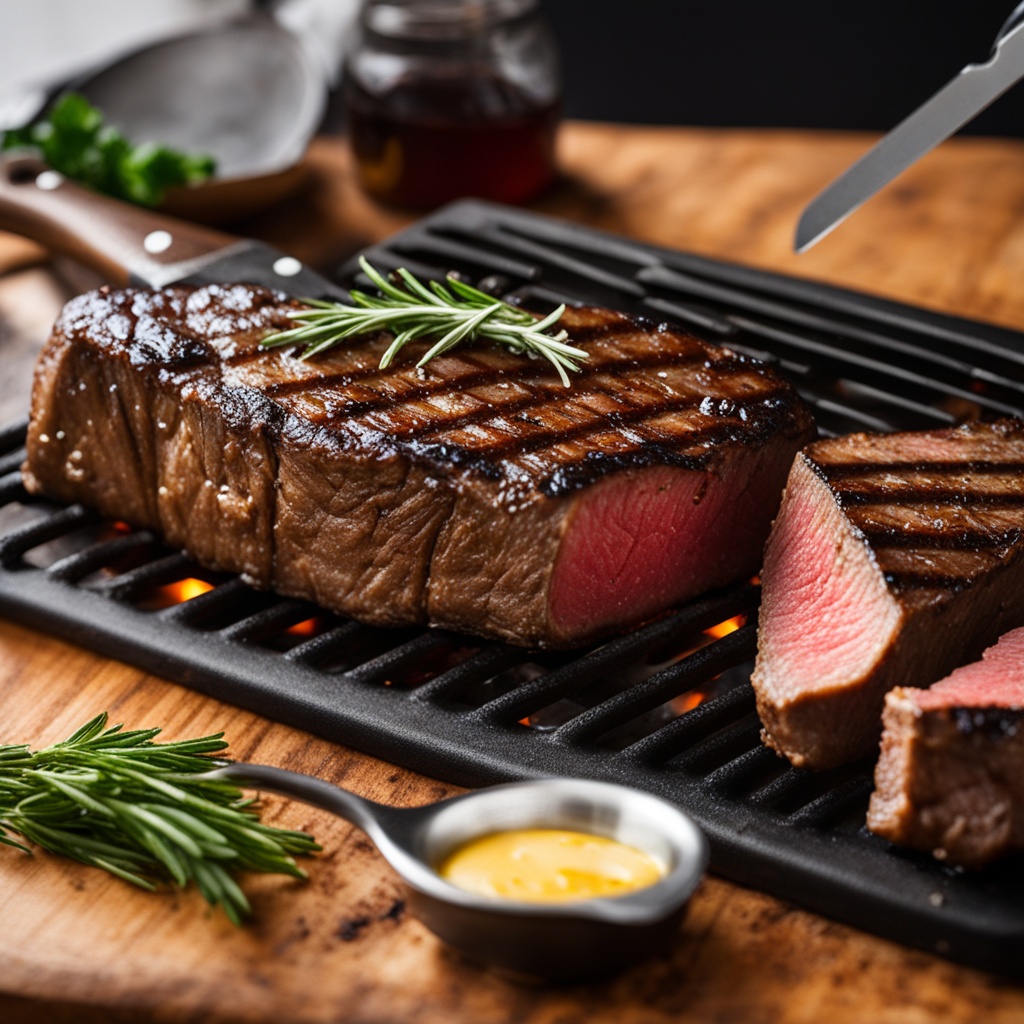
Choosing the Perfect New York Strip Steak
When picking a New York strip steak for the reverse sear method, focus on two main things. You must consider the thickness of the steak and its quality.
Thickness Matters
The thickness of the steak is crucial for perfect cooking. Aim for steaks that are 1 to 2 inches thick. This size ensures even cooking and prevents overdoing it.
Thicker cuts hold moisture well and get a great crust when seared at the end.
Quality of Meat: What to Look For
Finding high-quality steak meat improves your cooking. For New York strip steak, check the marbling in the meat. Good marbling means fat that melts during cooking, adding flavor and softness.
Choose steaks from trusted sources to boost your dish’s taste. To master the reverse sear technique with these steaks, read more in this article on reverse searing a New York
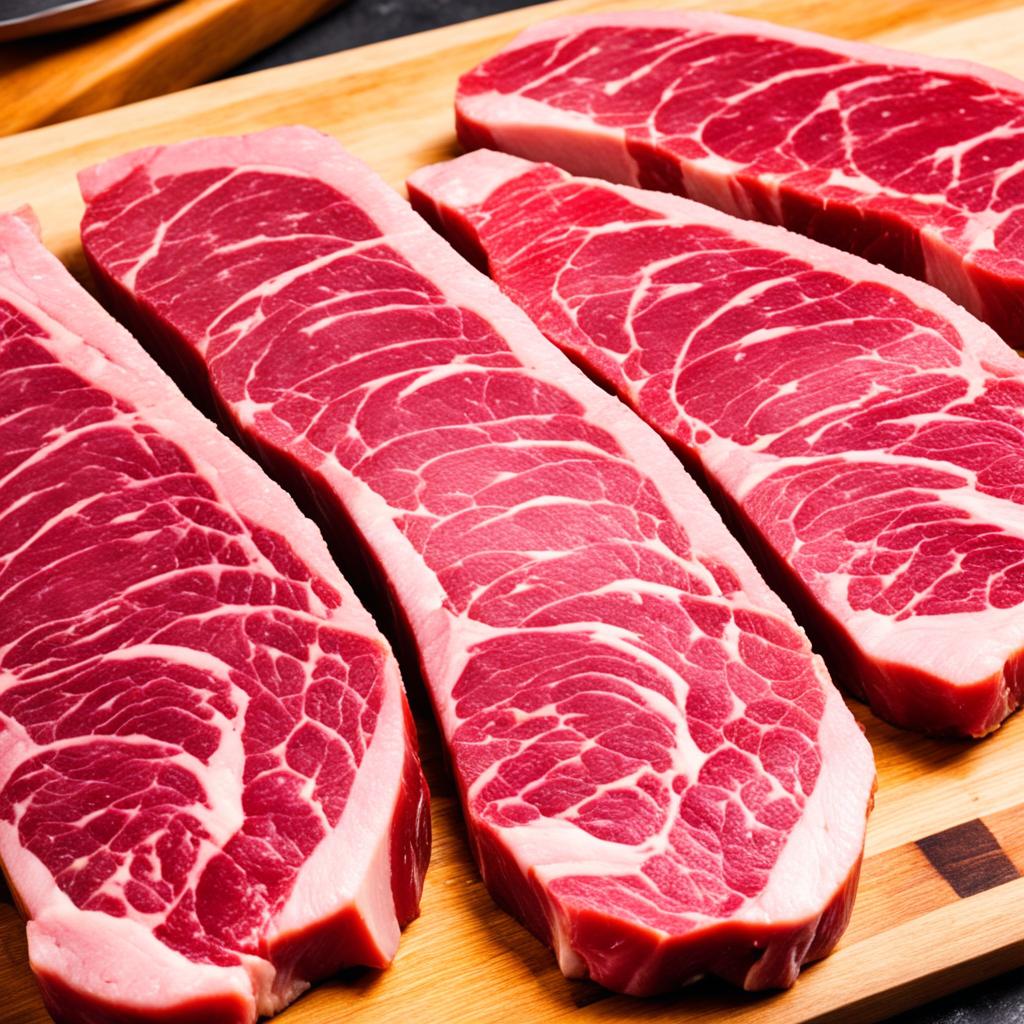
Essential Ingredients for a Perfect Reverse Sear New York Strip
Gathering the right ingredients and tools is key for a tasty reverse sear New York strip. Flavorful seasoning brings out the meat’s natural taste. Having the right tools makes the cooking process smooth.
Steak Seasoning Options
Choosing the perfect steak seasoning can make your dish stand out. Here are some top choices:
- Kosher salt
- Freshly ground black pepper
- Garlic salt
- All-purpose steak blends, such as Lawry’s® Garlic Salt
- Spices from McCormick® for extra flavor
Tools and Equipment Needed
For a successful reverse sear, having the right tools is crucial. Make sure you have:
- A reliable meat thermometer for checking the steak’s temperature
- A cast iron skillet or stainless-steel pan for searing
- A wire rack for even cooking in the oven

Step-by-Step Instructions for the Reverse Sear Technique
Want a perfectly cooked New York strip steak every time? Follow these reverse sear instructions closely. This technique boosts flavor and ensures the steak cooks evenly throughout.
Prepping Your Steak for Cooking
First, let your steak reach room temperature for even cooking. Then, season it well with salt, pepper, or any seasoning you prefer. Be gentle to keep the juices in.
Cooking in the Oven: Temperature and Time
Preheat your oven to 250°F or 275°F. Next, place your seasoned steak on a wire rack over a baking sheet. This setup helps with air flow. Cook until it’s done how you like, checking the temperature with a meat thermometer now and then. Remember, thicker steaks need more time.
Finishing with a Sear on the Stovetop
Once the oven part is done, get ready to sear. Heat up a skillet to medium-high and add some butter or oil. This keeps the steak from sticking. Sear each side for 1-2 minutes for a great crust. For extra taste, baste with butter as you go. After searing, let the steak rest a bit. This helps the juices spread out. Then, it’s ready to slice and enjoy.

Tips for Achieving the Best Results
To perfect your reverse sear technique, focus on the details. This includes using the right tools and knowing the cooking steps. Follow these tips to get great results every time.
Utilizing a Meat Thermometer
A reliable meat thermometer is key for perfectly cooked steak. You should have a probe thermometer and an instant-read thermometer. The probe version lets you watch the temperature during cooking. The instant-read checks if the steak is ready to sear. Knowing the ideal temperatures means you can cook your steak just right.
Resting Your Steak: Why It’s Crucial
Don’t skip resting your steak after it’s cooked. Let it sit for 5 to 10 minutes. This step matters because it lets the juices spread in the meat. This makes the steak tender, juicy, and delicious.
How to Know When Your Steak is Perfectly Cooked
For a steak done just right, use temperature guidelines. Target rare at 120-130°F, medium-rare at 130-135°F, and medium at 135-145°F. Adjust based on what you like. Following these tips and using a meat thermometer will help you get the perfect steak.

Serving Suggestions for Your Reverse Sear New York Strip
Choosing the right sides and sauces boosts your reverse sear New York strip experience. Pair your steak with rustic steak serving ideas for a meal that wows your guests. Here are top sides and sauces that go well with your steak.
Complementary Sides to Enhance Your Steak
Pick side dishes that add flavor and texture to your steak. Favorites include:
- Roasted potatoes seasoned with herbs
- Sautéed green beans with garlic
- Fresh garden salad with a light vinaigrette
- Grilled asparagus with olive oil
- Creamy mashed potatoes or classic potato gratin
Recommended Sauces and Toppings
Great sauces can make a steak even more delicious. Try these tasty options:
- Chimichurri, a zesty mix of parsley, garlic, and vinegar
- Garlic butter for a perfect melt
- Quality steak sauce for extra flavor
- Caramelized onions or sautéed mushrooms for an earthy taste
- Blue cheese crumbles for tanginess

Mix these ideas with superb side dishes and sauces for a standout meal. Your guests will love the effort and flavor in your enticing dinner.
Common Mistakes to Avoid When Reverse Searing
Reverse searing steak can sometimes lead to mistakes that ruin a potentially great meal. Knowing what not to do is as important as knowing the right steps. Here we highlight the major pitfalls to avoid.
Overcooking Your Steak
Overcooking is a major error in steak preparation. It often leaves the meat dry and tasteless. It’s critical to monitor the steak’s internal temperature closely. Aim to take the steak off the heat just before it hits your ideal doneness. Then, let it rest to ensure it stays juicy.
Poor Seasoning Techniques
Inadequate seasoning is another common mistake. Not seasoning properly can dull your steak’s flavor. To bring out the best in your steak, use enough seasoning to form a delicious crust. Trying out different spices and methods can really make your dish stand out.
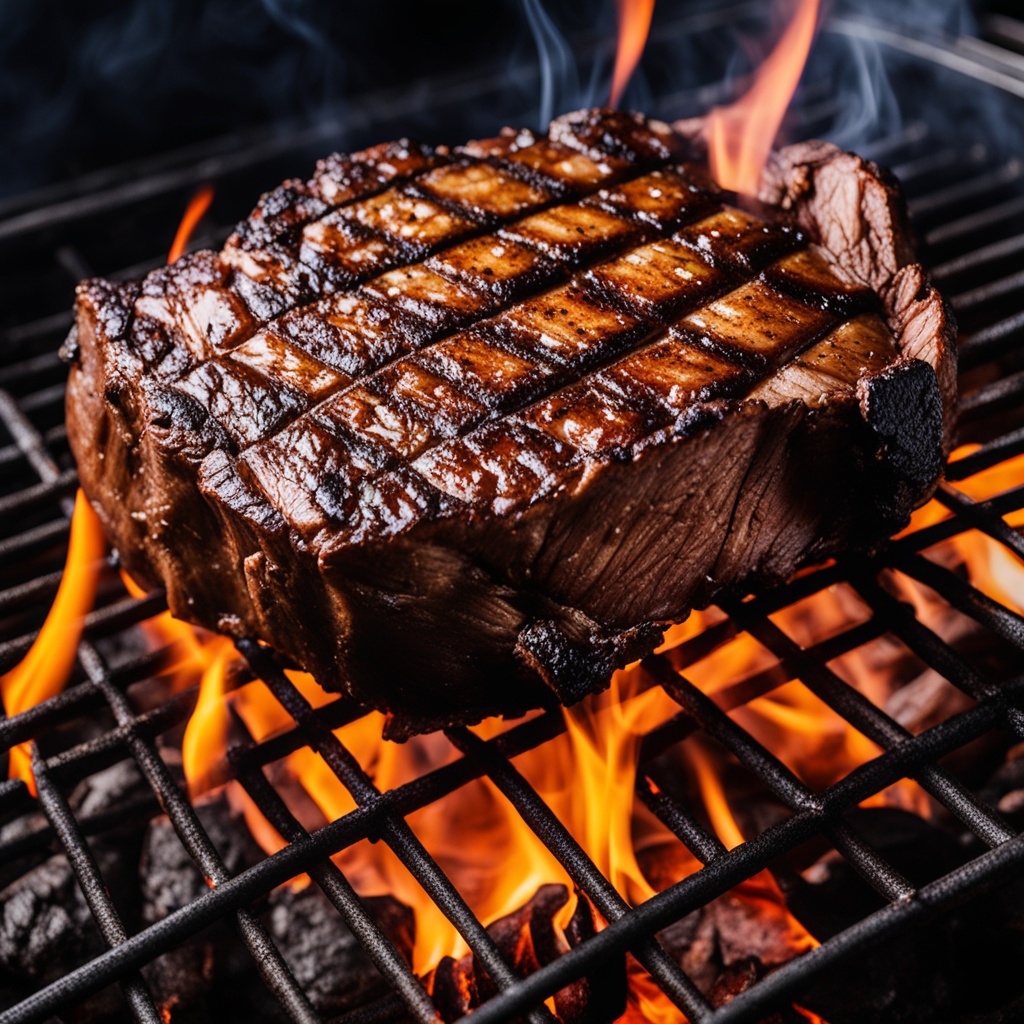
Variations of the Reverse Sear Process
Want to try something new? Use the reverse sear method on your grill. It gives your steak a unique taste you can’t get indoors. Start by setting your grill to low heat. This slowly heats the steak.
When the steak hits the right temperature, sear it over high heat. This method seals in the taste and juices, giving you an amazing steak.
Using the Grill Instead of the Oven
Grilling adds a smoky flavor that makes your steak special. Success with grilling comes from temperature control. Begin with indirect heat for even cooking. Then, move to a hotter area for that perfect crust.
Whether you use the grill or oven depends on what you like and what tools you have.
Alternative Cuts of Meat to Reverse Sear
Though New York strip is popular, other steaks are great for reverse searing too. Think about filet mignon, porterhouse, or tomahawk steaks. They each offer a different taste and texture.
Try new cuts to keep your grilling exciting. The reverse sear method is versatile, making every steak experience unique.