
In the world of beef cuts, the debate between skirt steak vs flank steak often leaves many wondering which to choose. Each cut boasts its own unique qualities and flavors, making them favorites for various dishes.
This article will delve into the differences between these two popular cuts, examining their texture, flavor, and best cooking methods. So, whether you’re planning a barbecue or a gourmet meal, let’s explore what sets these steaks apart and find out which might be the best choice for your next culinary adventure.
What is Skirt Steak?
Skirt steak is a flavorful cut of beef that comes from the cow’s diaphragm muscles, nestled in the plate section below the ribs. This steak is known for its distinctive, rich taste and fibrous texture, which makes it a favorite for marinades and grilling.
Because it’s a long, flat piece of meat, it cooks quickly, making it perfect for high-heat cooking methods like grilling or stir-frying. Skirt steak is especially popular in Mexican cuisine, often used in fajitas and other dishes where its robust flavor shines through even with bold spices and seasonings.

What is Flank Steak?
Flank steak is a lean cut of beef taken from the abdominal muscles or lower chest of the cow. Known for its intense beefy taste and slightly tougher texture, flank steak is a versatile cut that benefits from being marinated before cooking and sliced against the grain to maximize tenderness.
This cut is particularly popular for use in dishes like London broil, stir-fries, and salads, where its leanness is complemented by quick cooking at high temperatures, allowing it to retain moisture and tenderness.

Skirt Steak vs Flank Steak: The Flavor Face-Off
When choosing between skirt steak and flank steak, you’re evaluating more than just cuts of beef—you’re comparing two distinct flavors and textures that shine in different dishes. Let’s slice into what sets them apart and how best to prepare them to enhance their natural flavors.
Taste and Texture Comparison
Skirt steak packs a bold beef flavor that stands up well to strong spices and marinades. It’s derived from the diaphragm muscles and features a coarse texture with a lot of fibers running through it, making it slightly tougher but very flavorful. Perfect for quick, high-heat cooking, skirt steak delivers a satisfying chew when sliced against the grain.

Flank steak, on the other hand, offers a leaner alternative with a similarly strong beefy flavor but less fat. Its texture is also tough if not cooked correctly, but it’s famously tender when marinated and cooked over high heat.
This cut is ideal for slicing into thin strips, which maximizes its tenderness and makes it excellent for salads and sandwiches.
Marinating Matters: Maximizing Flavor Profiles
While both cuts benefit from marination, it’s especially crucial for the flank steak to ensure it becomes tender and juicy. A good marinade for flank steak often involves acidic components like lime juice or vinegar, which help break down tough fibers, and bold seasonings to complement its flavor.
Skirt steak can also enhanced by marination and can handle stronger, more robust flavors due to its intense beefiness, making it versatile for various global cuisines.
| Cut | Flavor Profile | Tenderness | Preferred Marination |
|---|---|---|---|
| Skirt Steak | Beefy and bold | Slightly tougher, full of character | Short marination (1-2 hours) |
| Flank Steak | Subtle, marinade-friendly | Naturally tender, improves with marination | Longer marination (2-24 hours) |
Skirt Steak vs Flank Steak: Weighing the Cost
Skirt steak is known for its deep flavor and quick cooking times, but it can also come with a higher price tag. This cut is a favorite for its marbling and taste, which often translates to a higher cost per pound. If you’re planning a special occasion meal and don’t mind splurging a bit, skirt steak might be the way to go
On the other hand, flank steak offers a leaner option and is generally more budget-friendly. Its popularity in a variety of dishes, from stir-fries to fajitas, makes it a versatile choice for families looking to enjoy beef without breaking the bank.
Flank steak’s lower fat content and significant flavor, especially when marinated, make it a worthwhile option for cost-conscious cooks.
It’s also important to consider seasonal price fluctuations. Depending on the time of year, you might find either cut at a more reasonable price. Keep an eye on local market specials and sales, which can make both skirt and flank steaks more accessible for any budget.
| Beef Cut | Average Price (per lb) | Price Range (per lb) | Factors Affecting Price |
|---|---|---|---|
| Skirt Steak | $11 | $8 – $15 | Popularity in cuisine, regional availability |
| Flank Steak | $9 | $6 – $12 | General demand, widespread use, sale frequency |
Skirt Steak vs Flank Steak: Best Cooking Practices
Distinguishing between skirt steak and flank steak isn’t just about taste—it’s also about understanding the best ways to cook these popular cuts to bring out their unique flavors and textures. Whether you’re grilling, broiling, or pan-searing, knowing the right technique can make all the difference. Here’s how to master the art of cooking these steaks:
Grilling Perfection for Skirt Steak
Known for its rich taste and quick cooking time, skirt steak is ideal for grilling. To get the most out of this cut, heat your grill to high and cook the steak for 2-3 minutes on each side.
This method creates a delightful char that seals in the juices, enhancing the meat’s natural flavors. The key is not to overcook it; skirt steak is best-served medium-rare to medium.

Broiling Flank Steak
Flank steak thrives under the broiler. Its leaner texture responds well to high, direct heat, which caramelizes the surface while keeping the inside tender. Preheat your broiler, season your steak generously, and place it on a broiler pan.
Cook the flank steak for about 5-7 minutes on each side, depending on thickness, to achieve a perfect medium-rare. Let it rest before slicing against the grain to maximize tenderness.

Seasoning Your Steak Prior to Grilling
Seasoning steaks is akin to sending them to flavor boot camp—the right mix can make the mundane magical. An early baptism in salt helps to tenderize and pull moisture to the surface, clinching that craved-for crust. Think beyond salt and pepper; infuse personality into your meats with a bespoke blend of herbs and spices.
| Seasoning | Skirt Steak | Flank Steak |
|---|---|---|
| Salt & Pepper | A Must | A Must |
| Garlic Powder | Recommended | Recommended |
| Smoked Paprika | Optional | A Hint |
| Cumin | For a Kick | For a Kick |
| Chili Flakes | If You Dare | If You Dare |
| Herbs (Thyme, Rosemary) | To Impress | To Impress |
Serving and Pairing Ideas for Skirt and Flank Steaks

When it comes to steak serving suggestions, you’re not just serving a meal; you’re creating an experience. A skirt steak demands a stage with bold, rich essences melding on your palate, while the food pairings should be like a well-choreographed dance, elevating the lead without stealing the spotlight.
But when we talk about flank steak, we’re playing a different tune. It’s a versatile baritone, capable of both depth and lightness. It’s the cut that can make a weekday sandwich a symphony or turn a salad into a main-stage act.
Here are some expertly curated pairing ideas that can transform your skirt or flank steaks into the stars of your culinary show:
- Chimichurri: The robust taste of skirt steak pairs beautifully with the vibrant, herby notes of chimichurri sauce. Skirt steak chimichurri is perfect for those who love a punch of flavor in every bite. Similarly, the lean and tender flank steak pairs wonderfully with chimichurri, making it a refreshing yet satisfying choice for any meal.
- Red Wine: Enhance the deep flavors of skirt steak with a full-bodied red wine, perfect for accentuating the steak’s richness.
- Grilled Asparagus: Pair the meaty texture of either steak with grilled asparagus for a smoky, crisp contrast that complements the meal.
- Rustic Bread: Accompany your steak with rustic bread to soak up all the delicious flavors and add a satisfying texture to your plate.
- Avocado Slices: Introduce a creamy element with avocado slices alongside flank steak, offering a smooth contrast to the meat’s richness.
- Roasted Root Vegetables: Combine either steak with earthy roasted root vegetables for a hearty, satisfying side that matches the meat’s robust taste.
- Garlicky Mashed Potatoes: Opt for garlicky mashed potatoes to create a creamy, flavorful foundation that pairs wonderfully with both cuts.
- Charred Brussels Sprouts: Add charred Brussels sprouts for a touch of bitterness, enhancing the complex flavors of skirt steak.
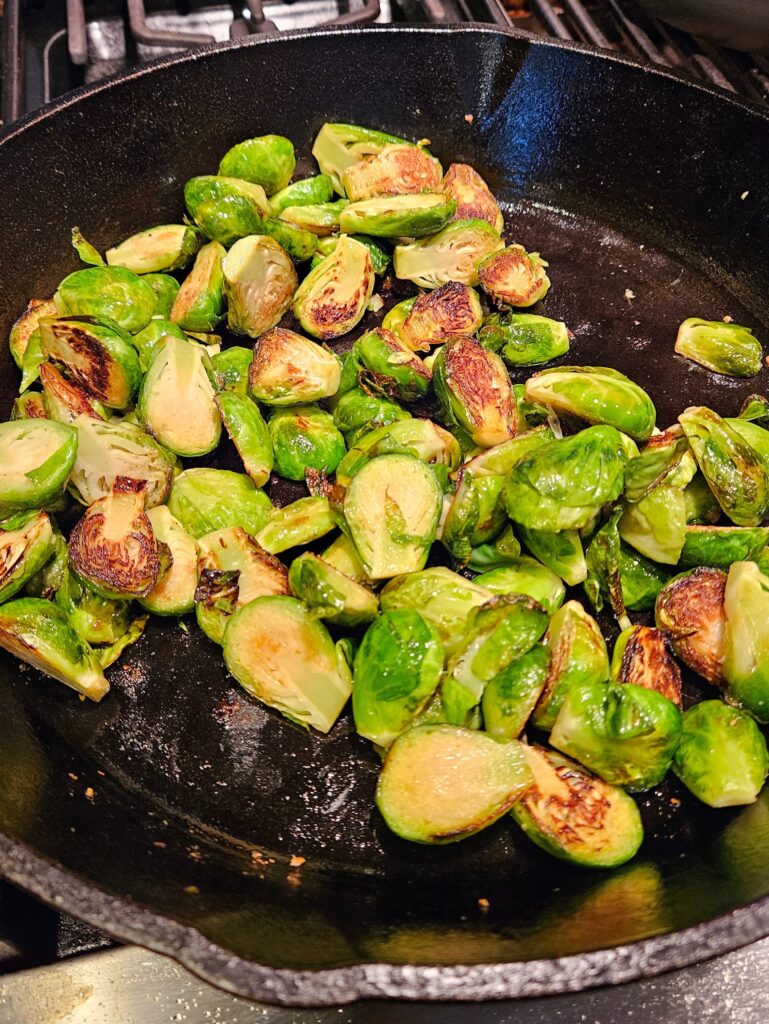
By choosing the right sides and sauces, you can elevate the natural flavors of skirt and flank steaks, turning a simple meal into an extraordinary dining experience.
Conclusion
As you’ve sizzled your way through the delicious debate of skirt steak versus flank steak, it’s evident that making the ultimate steak selection conclusion is not about declaring a clear-cut winner. It’s about savoring personal preferences in flavor, dancing with textures, mastering cooking methods, and balancing the budget.
Both skirt and flank steaks have carved their places at the table, offering versatile options for your carnivorous cravings. Your choice between these two beefy contenders may vary depending on the occasion or your taste buds’ demands on any given day.
Whether you prefer the bold, pronounced flavor of the skirt steak or the lean and marinate-friendly flank steak, your grill is ready for the challenge. Always remember, the best steak for you is one that suits your palate, your skills at the grill, and your wallet.
FAQ
What are the main differences between skirt steak and flank steak?
Skirt steak is known for its robust beefy flavor, sourced from the diaphragm muscle, and tends to have a balance between tenderness and a chewy texture. Flank steak, from the cow’s abdominal muscles, is leaner with a grainier texture that soaks up marinating flavors beautifully. Skirt is often described as tougher than the more tender flank when it comes to texture.
Why has skirt steak become more expensive over time?
Skirt steak used to be an underrated cut that got its fame from dishes like fajitas. As its popularity soared, so did its price. The demand increased notably after being featured in Tex-Mex cuisine and adopted by upscale eateries, following a path similar to other foods like chicken wings that also rose in cost due to high demand.
What is the ideal internal temperature for cooking flank steak?
For optimal tenderness, cook a flank steak to an internal temperature of 130°F to 135°F (medium rare) and let it rest before slicing it against the grain.
Can you interchange skirt steak and flank steak in recipes?
Yes, you can often use them interchangeably, particularly in dishes that either can be marinated or grilled, like fajitas. However, the distinct textures and flavors mean there might be slight differences in the final dish, so it might be worth experimenting to see which you prefer.
How should skirt and flank steak be sliced after cooking?
Regardless of whether you cook skirt or flank steak, always slice against the grain. This means cutting perpendicular to the muscle fibers, which helps break them apart and makes the steak more tender and easier to eat.
What is the nutritional difference between skirt steak and flank steak?
Flank steak generally has fewer calories and less fat than skirt steak, making it a slightly leaner option. Both cuts are rich in protein and contain valuable iron and B vitamins.