
When it comes to choosing between a New York Strip and a Ribeye, you’re not just selecting a cut of meat; you’re choosing an experience. Both steaks are beloved by chefs and home cooks for their distinctive qualities and flavors.
In this guide, we’ll explore the differences between New York Strip vs Ribeye, helping you understand which steak might suit your taste and cooking style better. Keep reading to discover the nuances that make each of these steaks a favorite on dinner tables around the world.
What is a New York Strip Steak?
The New York Strip steak is known for its fine texture and rich flavor. It comes from the beef short loin, which means it doesn’t have as much fat as some other cuts but still offers enough marbling to give it a juicy taste.
This steak is a favorite for grilling and pan-searing because of its tenderness and ability to cook evenly. It’s perfect for those who enjoy a beefy flavor without an overwhelming amount of fat.

What is a Ribeye Steak?
A Ribeye steak is celebrated for its decadent marbling and tender meat. Cut from the rib section, ribeye steak contains more fat compared to the New York Strip, which contributes to its robust flavor and moist, buttery texture.
The Ribeye is often a favorite among steak lovers who crave that melt-in-your-mouth richness. This cut is ideal for high-heat cooking methods like grilling or broiling, which enhance its natural flavors and juiciness.

Related Article: If you’re curious about how other steaks compare to the Ribeye, check out our detailed comparisons. Discover the nuances between Filet mignon vs Ribeye, Sirloin vs Ribeye, and Porterhouse vs Ribeye to see how these popular cuts stack up against each other in flavor and texture.
New York Strip vs Ribeye: Comparing Taste and Texture
When it comes to a beef taste comparison, you’re likely to find yourself caught between the illustrious New York Strip and the decadent Ribeye. Each offers a distinct journey through the landscapes of flavor and texture that could turn any dinner into a gourmet experience.
The New York Strip is prized for its fine texture and consistent flavor that’s robust yet not overwhelming. This cut is leaner than the Ribeye but still features enough marbling to keep each bite juicy and flavorful.
Its firm texture holds up well to grilling, making it a reliable choice for those who appreciate a steak that’s both refined and satisfying.
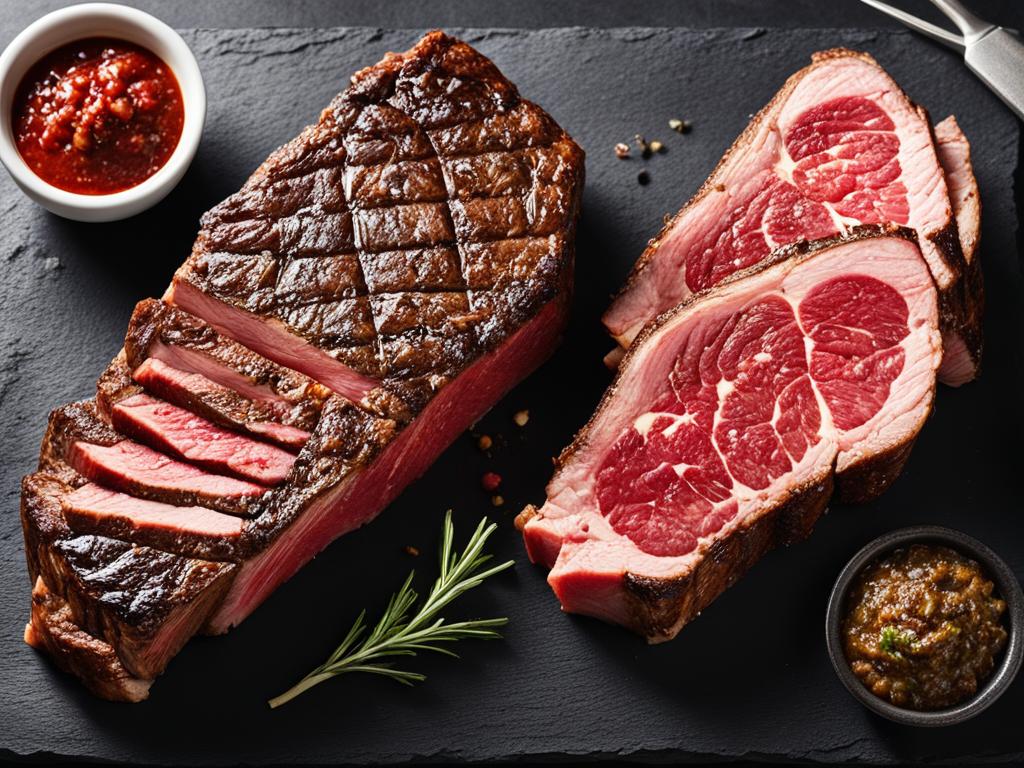
On the other hand, the Ribeye is a feast of flavors, thanks to its generous marbling. This cut is richer and more flavorful, with fat woven throughout the beef that melts and tenderizes the meat during cooking.
The result is a steak that’s incredibly tender and rich, offering a luxurious eating experience. Perfect for those who savor a juicy, melt-in-your-mouth steak, the Ribeye delivers indulgence in every bite.
Whether you lean towards the solid, meaty appeal of the New York Strip or the lush, fatty richness of the Ribeye depends on your personal taste preferences and what you value in a steak experience.
| Aspect | New York Strip | Ribeye |
|---|---|---|
| Flavor Profile | Robust, beef-forward | Rich, buttery |
| Texture | Firm yet tender | Succulent, melt-in-your-mouth |
| Marbling | Moderate, even | High, luxurious |
| Ideal For | Those enjoying a classic steak experience | Lovers of intense, savory indulgence |
New York Strip vs Ribeye: Nutritional Comparison
When comparing the nutritional profiles of New York Strip and Ribeye steaks, it’s clear each cut offers distinct advantages, depending on your dietary goals.
New York Strip Nutrition
Known for its leanness, the New York Strip offers significant nutritional benefits, making it a favorite among those looking to enjoy steak without overloading on fat.
It’s packed with protein, helping to build and repair muscle, and contains a lower fat content, making it a suitable option for calorie-conscious diners. It’s also a good source of iron and B vitamins, which are essential for energy and overall health.
Ribeye Nutrition
The Ribeye stands out with its rich marbling, which not only enhances flavor but also provides a good amount of heart-healthy monounsaturated fats. These fats can help improve cholesterol levels and overall cardiovascular health.
Although Ribeye is higher in calories and fat compared to the New York Strip, it delivers a satisfying meal with a robust nutrient profile, including high levels of protein, iron, and B vitamins. For more detailed insights into its benefits, check out our guide on ribeye steak nutrition.
| Nutrient | New York Strip | Ribeye |
|---|---|---|
| Calories | 190 | 210 |
| Total Fat (g) | 6 | 14 |
| Saturated Fat (g) | 2.5 | 5 |
| Protein (g) | 29 | 23 |
| Iron (% DV) | 15% | 10% |
| Zinc (% DV) | 35% | 25% |
New York Strip vs Ribeye: Price Point

Deciding between a Ribeye and a New York Strip steak often boils down to balancing cost and taste preference. Both steaks offer distinct flavors and experiences, but they come at different price points which might influence your choice.
Typically, Ribeye steaks range from $15 to $30 per pound, reflecting their luxurious marbling and rich flavor. This makes Ribeye one of the pricier options when it comes to premium steaks.
On the other hand, New York Strip steaks are generally more wallet-friendly, with prices ranging from $9 to $20 per pound. This cut offers a fantastic blend of flavor and tenderness without the steep price of a Ribeye.
That said, ribeye fans argue that the exceptional marbling and flavor justify the extra expense, especially for special occasions or for those who prioritize taste and texture above all.
Meanwhile, the New York Strip provides a more budget-friendly option that still delivers on quality and taste, making it an excellent choice for regular meals where you want good quality without the extravagance.
New York Strip vs Ribeye: Optimal Cooking Methods
Whether you’re a seasoned chef or just a weekend warrior behind the grill, mastering the art of cooking steak can elevate your culinary game. The New York Strip and the Ribeye each require specific techniques to enhance their unique flavors and textures, making them shine on your dinner plate.
Searing the Perfect New York Strip
The New York Strip excels when seared to perfection. Begin by heating a cast-iron skillet until it’s smoking hot. A bit of oil and a generous seasoning of salt are all you need before placing the steak in the skillet. The key here is patience; let the steak sear undisturbed to develop a rich, caramelized crust.
Pan-searing New York Strip locks in the juices and flavors, ideal for its somewhat leaner, denser texture. Typically, this cut needs only a few minutes per side to achieve the perfect doneness, making it great for a quick, high-heat cook.
Related Article: For those looking to explore other cooking techniques for the New York Strip, check out our guides on sous vide New York Strip, reverse searing New York Strip, and broiling New York Strip steak.

Grilling the Ribeye
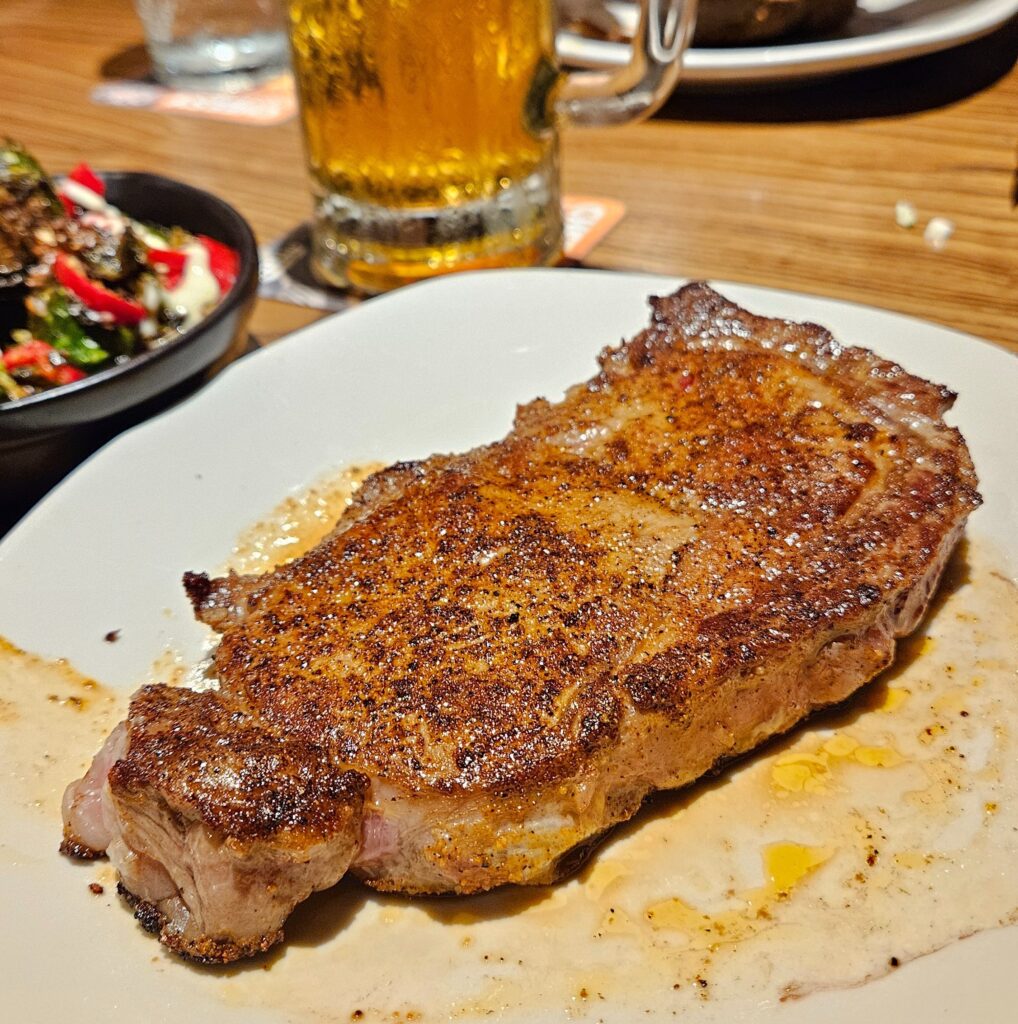
Grilling ribeye steak is the way to go. Its rich marbling benefits immensely from the high heat of a grill, which renders the fat and imbues the steak with a distinctive, smoky flavor. Heat your grill to a high temperature before adding the steak; it should sizzle upon contact.
The fat within the Ribeye will melt over the high heat, naturally basting the steak and adding incredible moisture and flavor. Let the steak rest after grilling to allow the juices to redistribute throughout the meat, ensuring each bite is as succulent as the last.
Conclusion
In the culinary showdown between New York Strip and Ribeye, the best choice really depends on your personal preference for texture and flavor. If you lean towards a leaner steak with a strong beefy flavor and a bit less fat, the New York Strip is your go-to.
However, if you’re in the mood for a richer, more marbled steak that promises juiciness and a luxurious taste, then the Ribeye is the clear winner.
Both cuts have their merits and are capable of turning a regular meal into a remarkable culinary experience. Whether you sear, grill, or broil, each steak offers something special, ensuring your meal is deliciously memorable.
So next time you’re at the butcher or grocery store, consider what you’re craving and let that guide your choice between these two exceptional cuts of beef.
FAQ
Which steak is generally more tender, New York Strip or Ribeye?
The Ribeye tends to be more tender due to its fat content, which makes it juicier and softer compared to the slightly firmer New York Strip.
Which cut is better for grilling, New York Strip or Ribeye?
Both steaks are excellent for grilling, but Ribeyes may require more attention to avoid flare-ups due to their higher fat content.
Can Ribeye steaks be cooked well-done?
While they can be cooked to well-done, it’s generally recommended to cook Ribeyes to less than well-done to avoid drying out the meat and losing its natural flavors.
What are some popular seasoning options for New York Strip and Ribeye?
Both cuts taste great with simple seasonings like salt and pepper, but they can also be enhanced with garlic powder, rosemary, or thyme for added flavor.
Are there specific wines that pair better with either New York Strip or Ribeye?
A full-bodied red wine, like Cabernet Sauvignon or Malbec, pairs well with both, but the richness of Ribeye might be better complemented by slightly bolder wines.
What are the best side dishes to serve with New York Strip and Ribeye?
Classic sides like mashed potatoes, steamed vegetables, or a fresh salad complement both steaks well, but you might choose heartier sides like roasted potatoes or creamed spinach for the richer Ribeye.