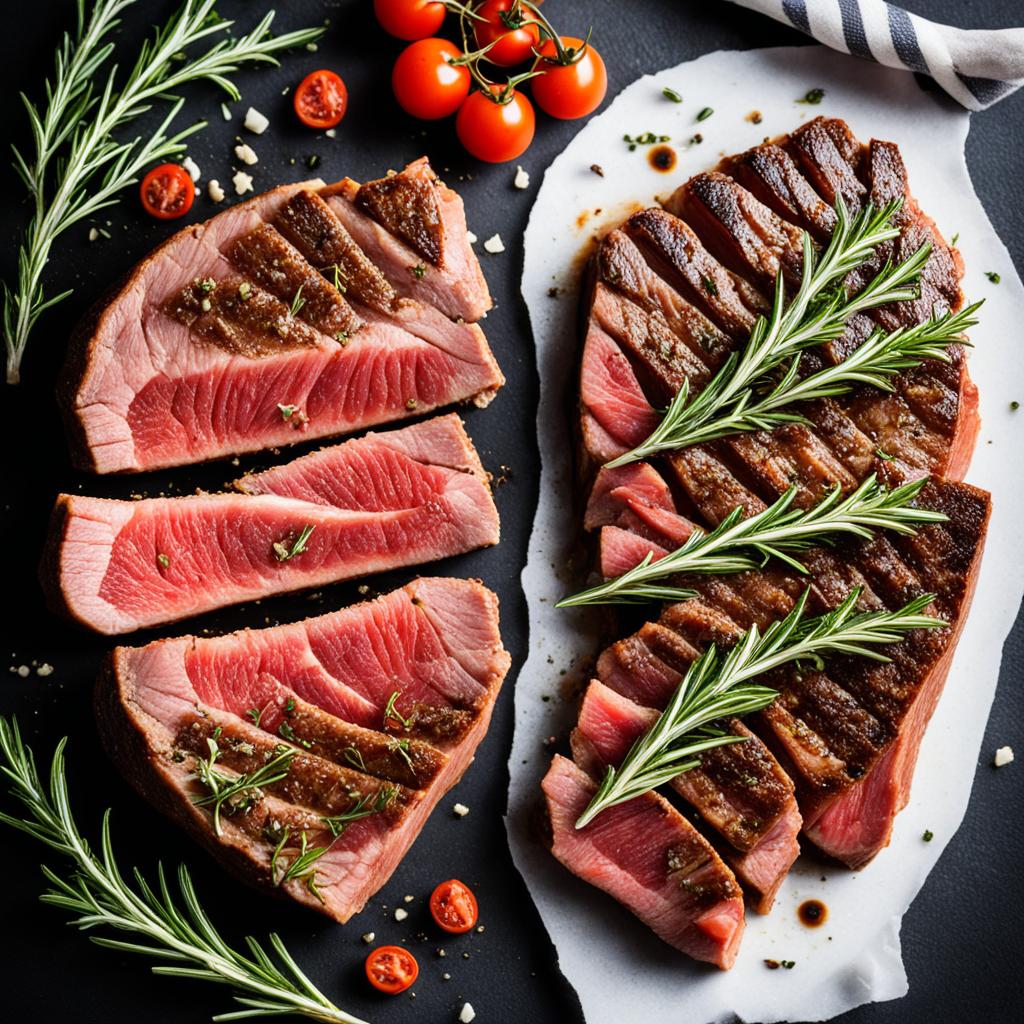
In 2020, Americans ate over 26 billion pounds of beef. This love for beef highlights two top cuts: prime rib and ribeye. Both cuts have been favorites for years, but they have unique qualities.
Prime rib is known for its rich fat and softness. It’s a big hit at holiday meals. Ribeye steaks bring a strong flavor, perfect for daily grilling. Even though they are from the same part of the beef, how they’re prepared and presented makes them different.
Let’s dive into the unique features of these two popular steak cuts. We’ll help you figure out which one fits your taste and cooking style.
Introduction to Prime Rib and Ribeye
Prime rib and ribeye are two standout steak choices, known for their unique tastes and textures. Prime rib is a grand cut usually saved for special events. It’s often roasted to serve many guests, offering succulent flavors that delight.
The ribeye offers a more intimate dining experience. It’s perfect for those wanting a hearty, savory steak. Known for richness and tenderness, ribeye is a top pick among steak lovers. Its marbling boosts both its flavor and juiciness, great for grilling.
While prime rib is often the star at festive gatherings, ribeye fits more casual meals. Each cut satisfies different dining desires. Whether choosing a prime rib roast or a juicy ribeye steak, your dish will stand out.
Understanding the Cuts of Meat
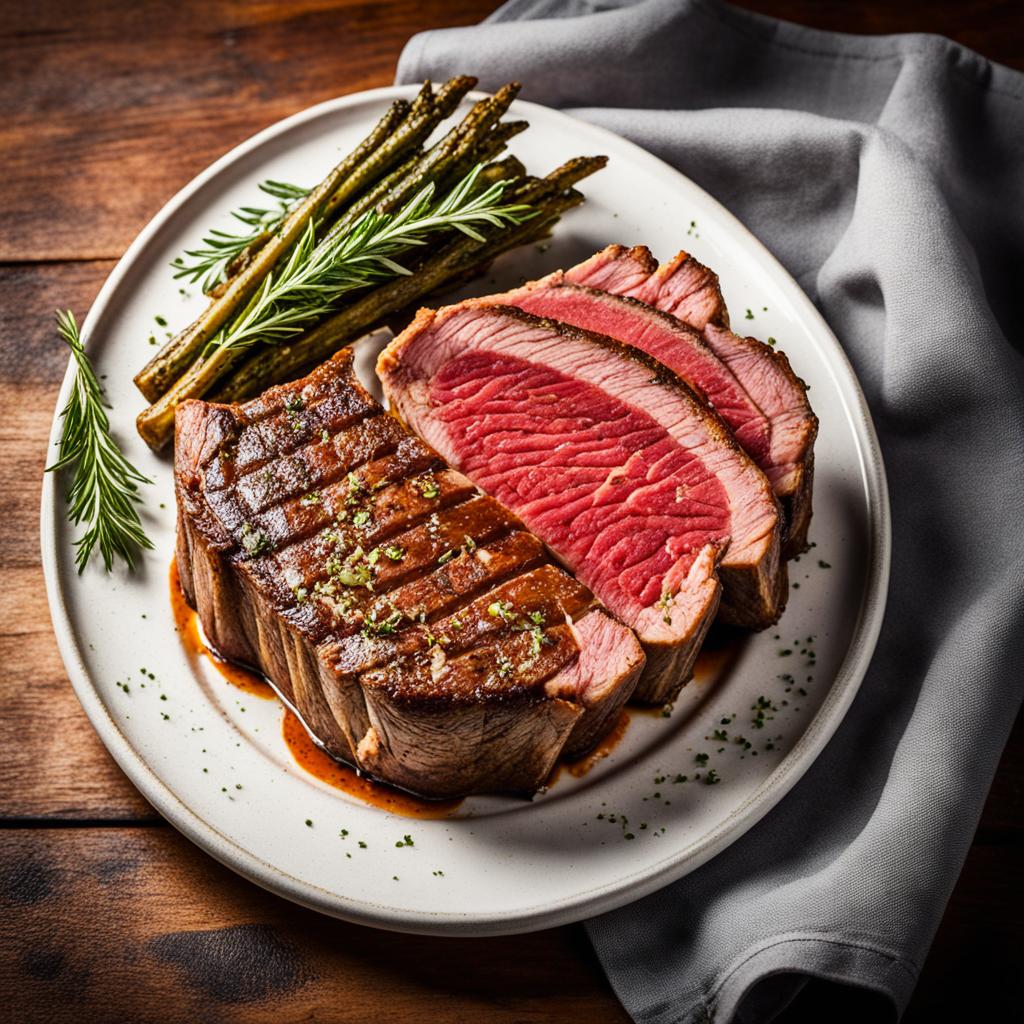
Understanding steak helps you pick the right cut. The primal rib section is key for beef cuts. It gives us prime rib and ribeye, known for tenderness and flavor.
Prime rib is a big cut, with up to seven ribs. It makes an impressive roast for parties or special times. Ribeye comes from cutting this roast into steaks, offering rich flavor and juiciness.
The same primal section gives us both cuts. Yet, how they’re prepared and cut sets them apart. Knowing these differences can make your cooking better. It lets you pick the best cut for your meal and occasion.
Where Does Prime Rib Come From?
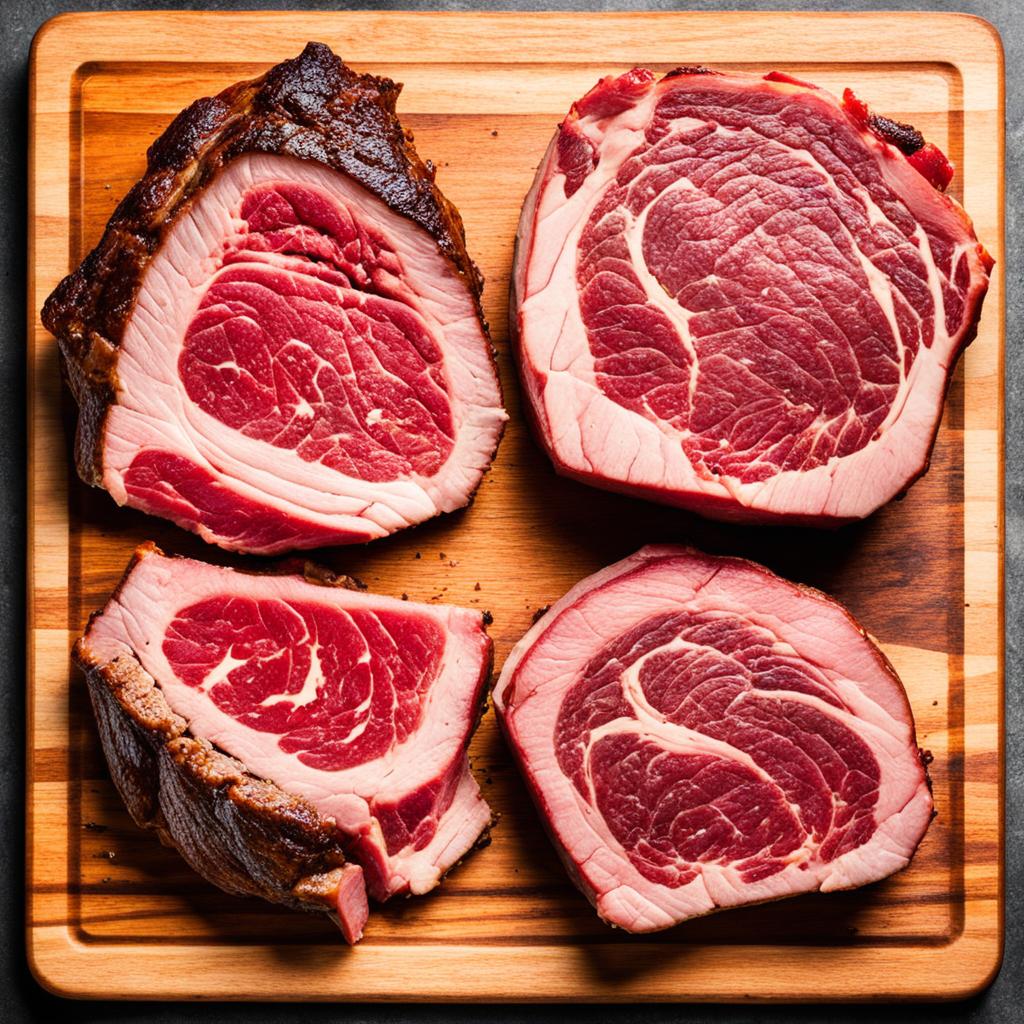
Prime rib is famous among beef enthusiasts because of its origins. It comes from the rib section of a cow, specifically between the seventh and eleventh ribs. This part is known for high-quality, tasty beef.
What makes prime rib so loved is its marbling. The fat spread through the meat makes it tender. This results in a juicy, flavorful meal that’s often featured in fine dining.
Prime rib is best when cooked whole and slow-roasted. Slow roasting keeps the meat juicy and enhances its rich flavor. It’s a popular choice for special events and family dinners.
Where Does Ribeye Come From?
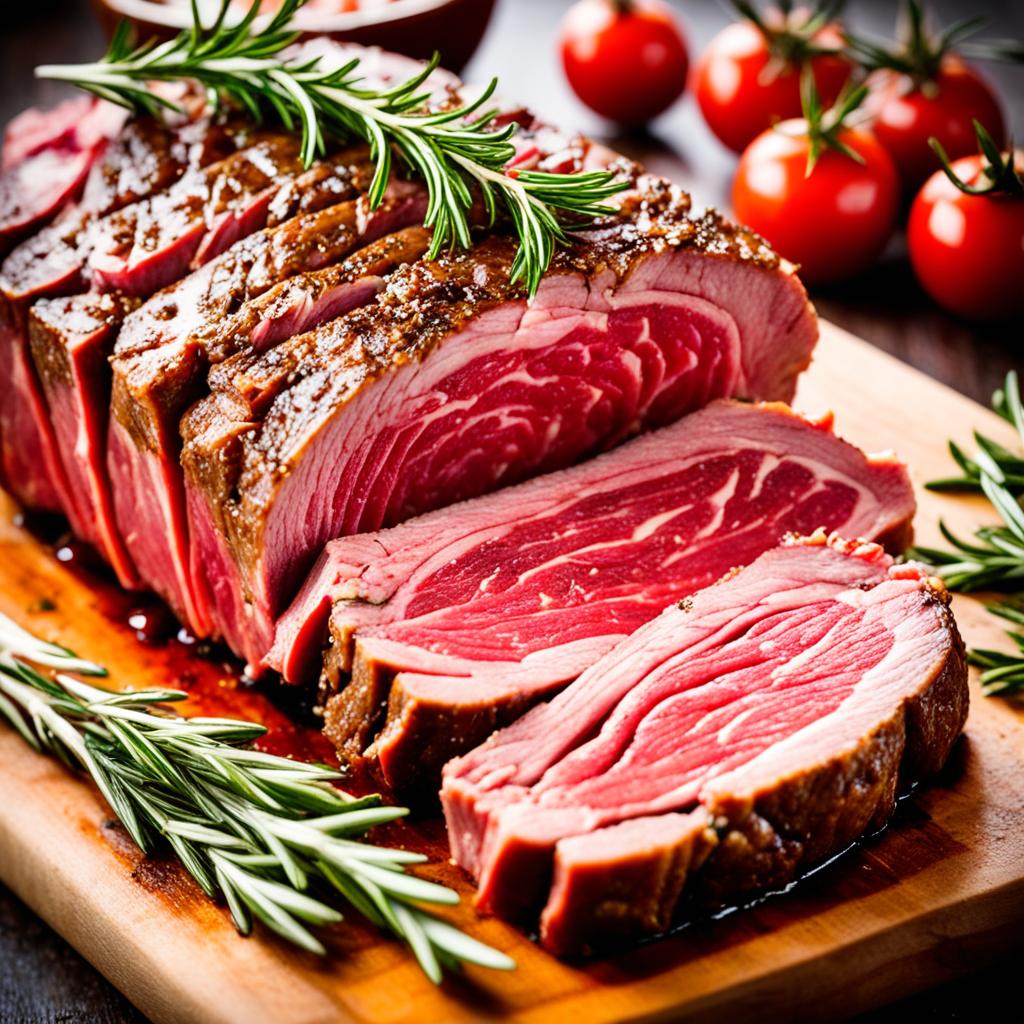
The ribeye steak comes from the cow’s rib section. This part is known for its rich marbling. Such marbling makes the steak tender and full of flavor.
When the rib roast is cut into slices, we get ribeye steaks. You can pick from bone-in or boneless options. Both are delicious.
Ribeye and prime rib come from the same cow area but are used differently. Ribeye is great for quick cooking, like grilling or pan-searing. That’s why steak lovers often prefer it.
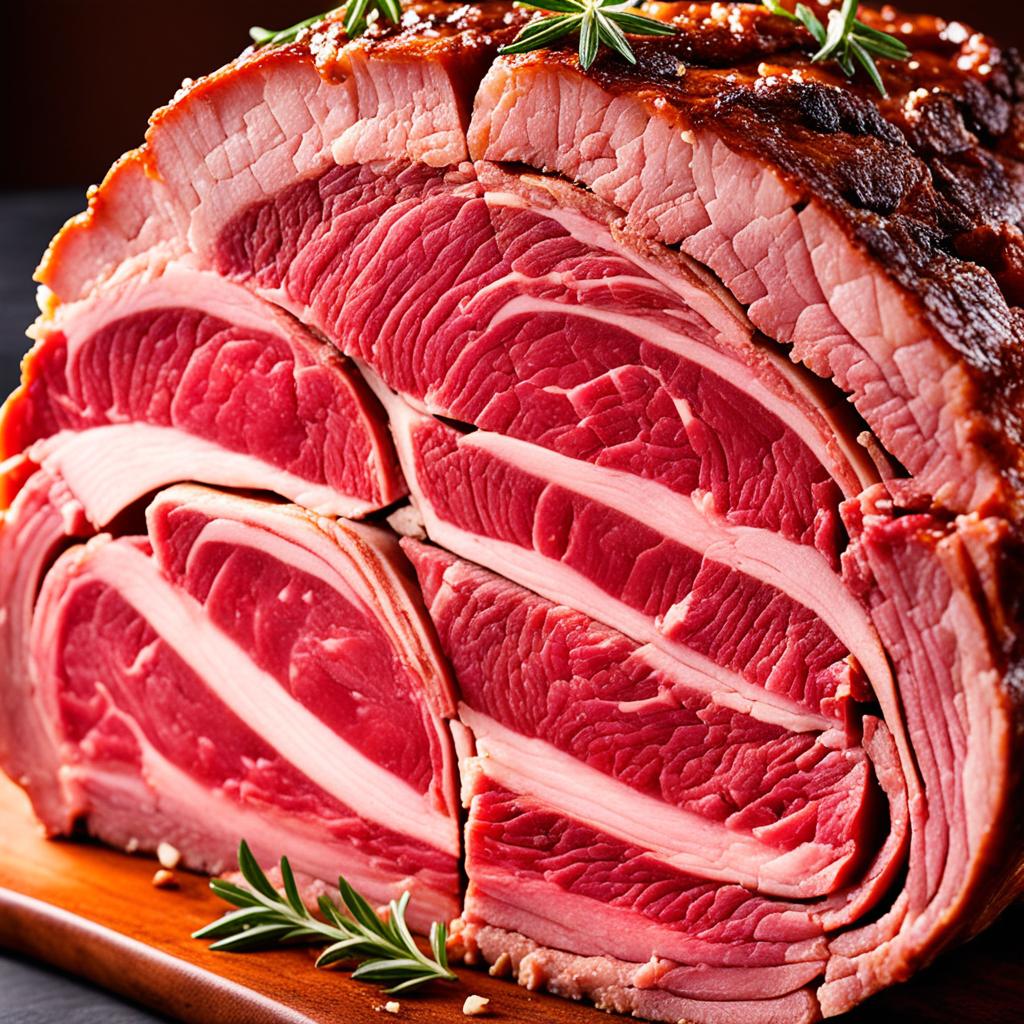
Prime Rib vs Ribeye: The Cooking Methods
Knowing the best ways to cook prime rib and ribeye can make your meals better. Each cut needs different cooking methods for great taste and softness. Let’s learn the best way to cook them.
How to Cook Prime Rib
To roast prime rib, it’s best to use a low heat. Here are steps for yummy results:
- Preheat your oven to 225°F to 250°F.
- Season the prime rib well with salt, pepper, or a rub you like.
- Put the roast on a rack in a pan and put a meat thermometer in the thickest part.
- Roast until it’s as done as you want it (130°F for medium-rare).
- Wait at least 20 minutes before slicing. Then, serve it with au jus.
How to Cook Ribeye
For a perfect sear on a ribeye, you need high heat:
- Get your grill really hot (about 450°F to 500°F).
- Make the ribeye tasty with salt, pepper, and a bit of oil.
- Cook each side for 4 to 5 minutes for medium-rare. Flip it just once.
- Check the temp with a meat thermometer; aim for 130°F.
- Let the ribeye rest a bit before you cut it.
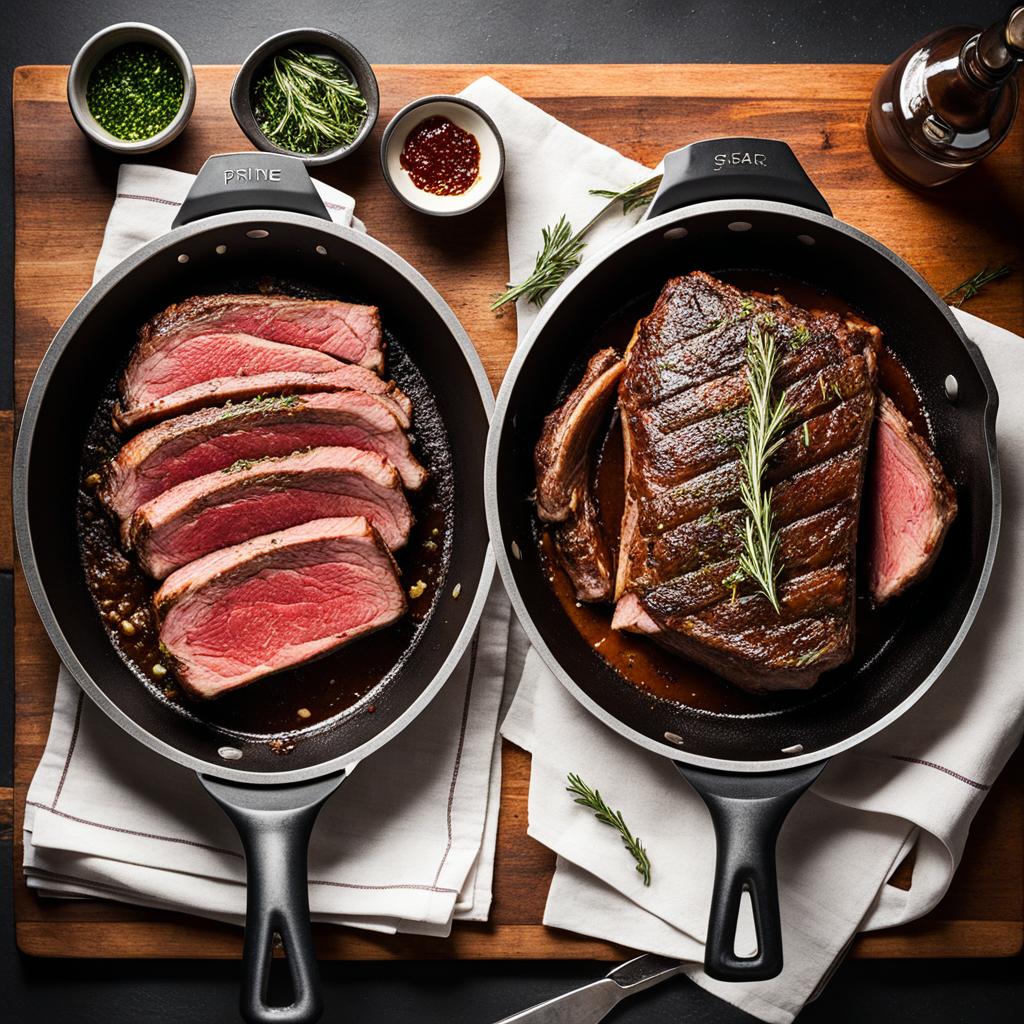
Flavor Profiles: Prime Rib vs Ribeye
Prime rib and ribeye offer different tastes that can improve your meals. Each has a rich beef flavor but their unique traits bring out distinct tastes. These differences are due to various factors.
What Affects the Flavor of Each Cut?
Prime rib’s flavor comes from its fat and how you cook it. It has lots of marbling that makes it tender and flavorful. Ribeye’s taste is also from marbling, but having a bone adds extra depth. The spices you use matter too. They can make the natural beef taste even better. For more about these differences, visit beef cuts.
The Impact of Cooking Techniques on Flavor
Cooking methods greatly affect these beef cuts. Slow-roasting prime rib lets its fat soften and the meat becomes tender. This brings out the best taste for celebrations. However, ribeyes are great for fast cooking, like grilling. Grilling gives a tasty crust that boosts the flavor and texture. Knowing these techniques helps you pick the right way to cook each cut, making your meals taste amazing.
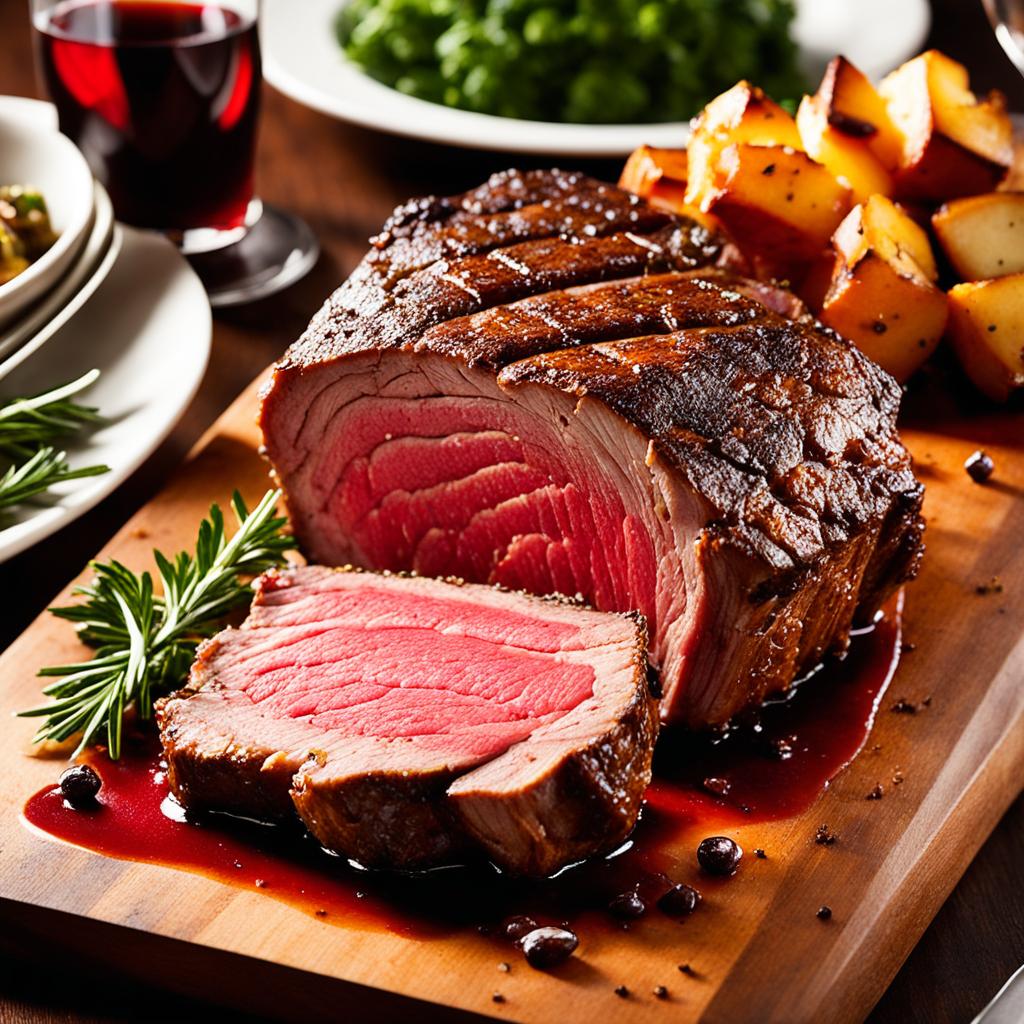
Texture Differences Between Prime Rib and Ribeye
The texture of your meat can greatly impact your dining experience. Prime rib is known for its tenderness due to slow-roasting. This method helps the meat keep its natural juices, making every bite enjoyable.
In contrast, ribeyes offer a firmer texture. They’re usually grilled or pan-seared. This creates a tasty crust. The fat marbling also adds a rich flavor.
These differences are interesting to consider. If you love a soft, tender steak, prime rib is for you. If you prefer a strong, robust flavor, try a ribeye. Both choices provide distinctive textures that cater to varied tastes.
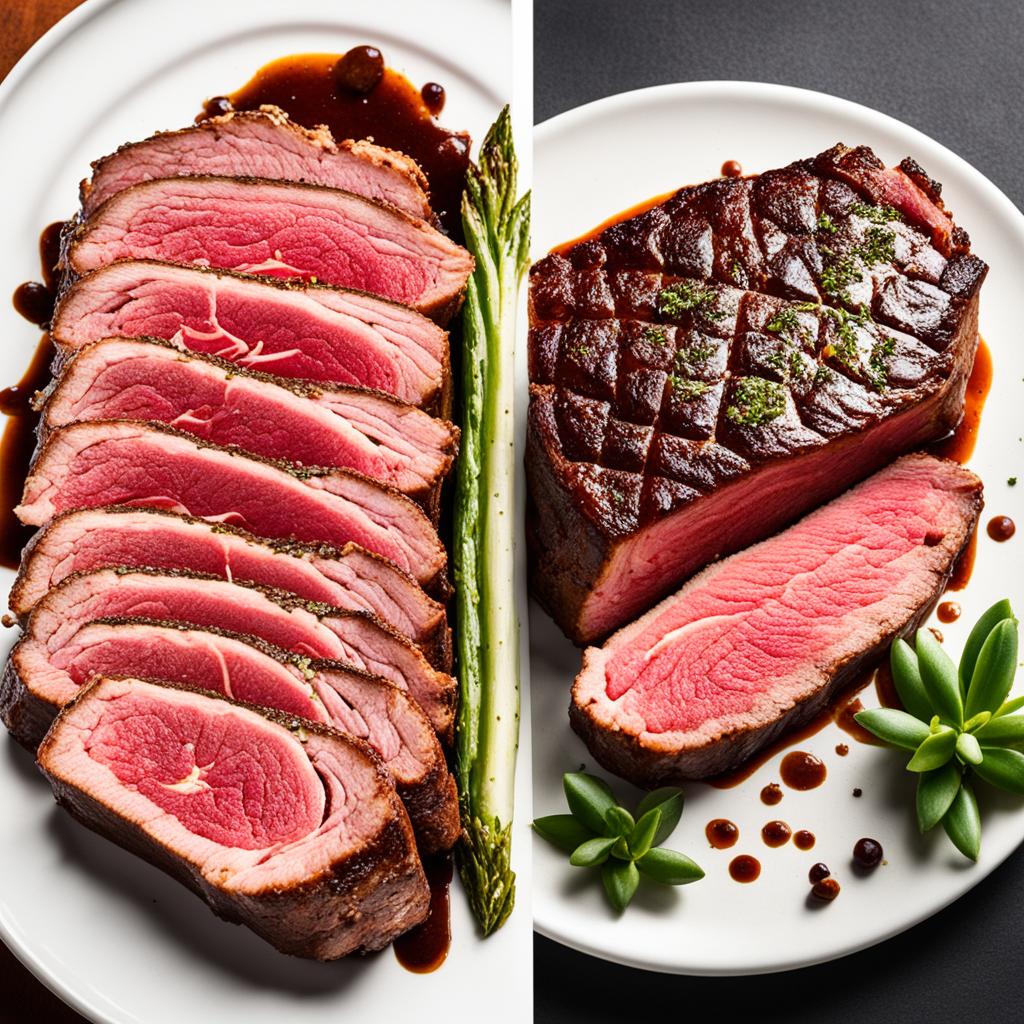
Cost and Availability of Prime Rib and Ribeye
When you think about prime rib and ribeye, it’s good to know their costs and where to find them. Each type of steak offers a special experience. Yet, their prices may vary for several reasons.
Factors Affecting Price
Many things can affect how much you pay for steak. Here are a few to consider:
- Quality of the meat: Prime cuts are usually more expensive.
- Size of the cut: Prime rib is bigger and might cost more.
- Market demand: Prices can change with the seasons.
Ribeye might be less expensive than prime rib. But, prime rib can be a better deal for big meals.
Where to Buy Quality Cuts
Finding a good place to buy prime rib can make things easier for you. Regular supermarkets often have ribeye. But, you might need to visit special stores for prime rib. When looking for the best meat, try to:
- Visit reputable butcher shops for fresh selections.
- Check out upscale grocery stores that have a meat section.
- Look for farmers’ markets with local options.
To learn more about selecting and cooking meats, check out this resource.
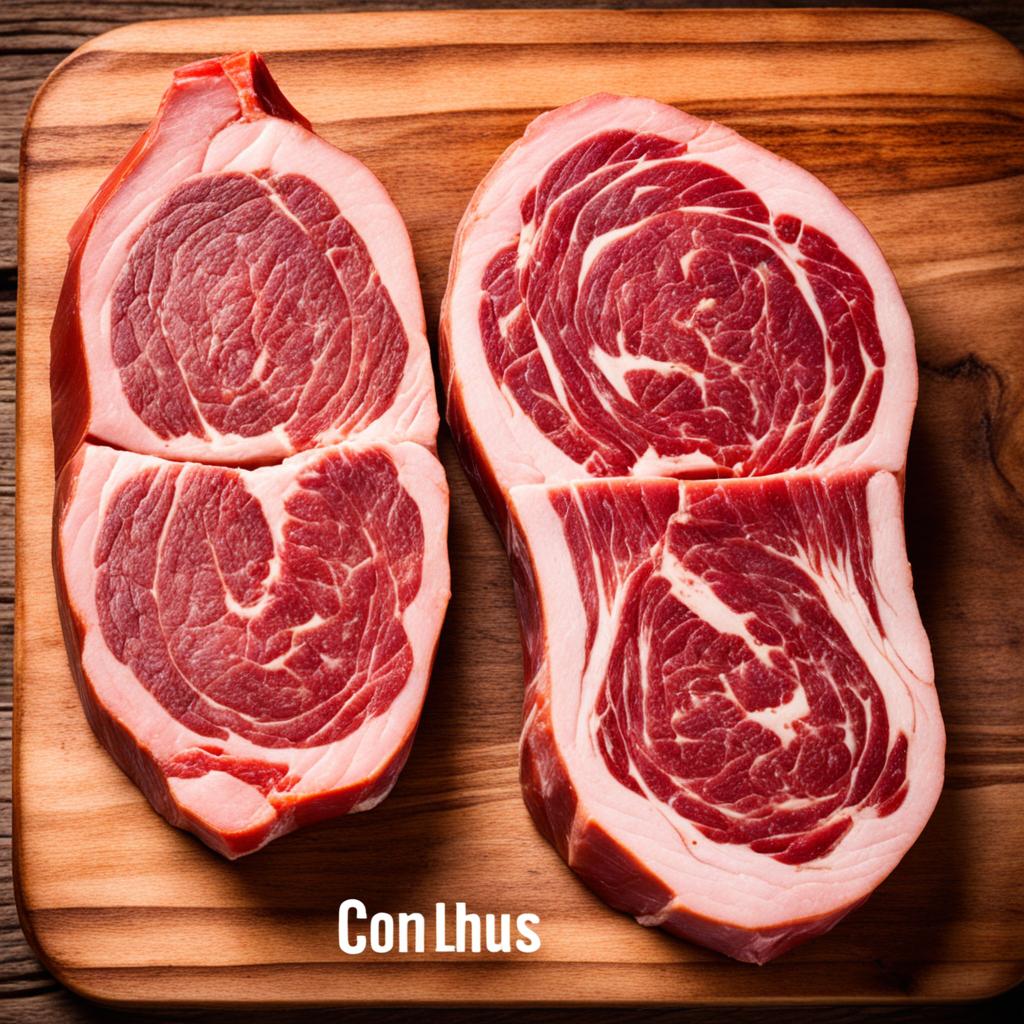
Popular Pairings for Prime Rib and Ribeye
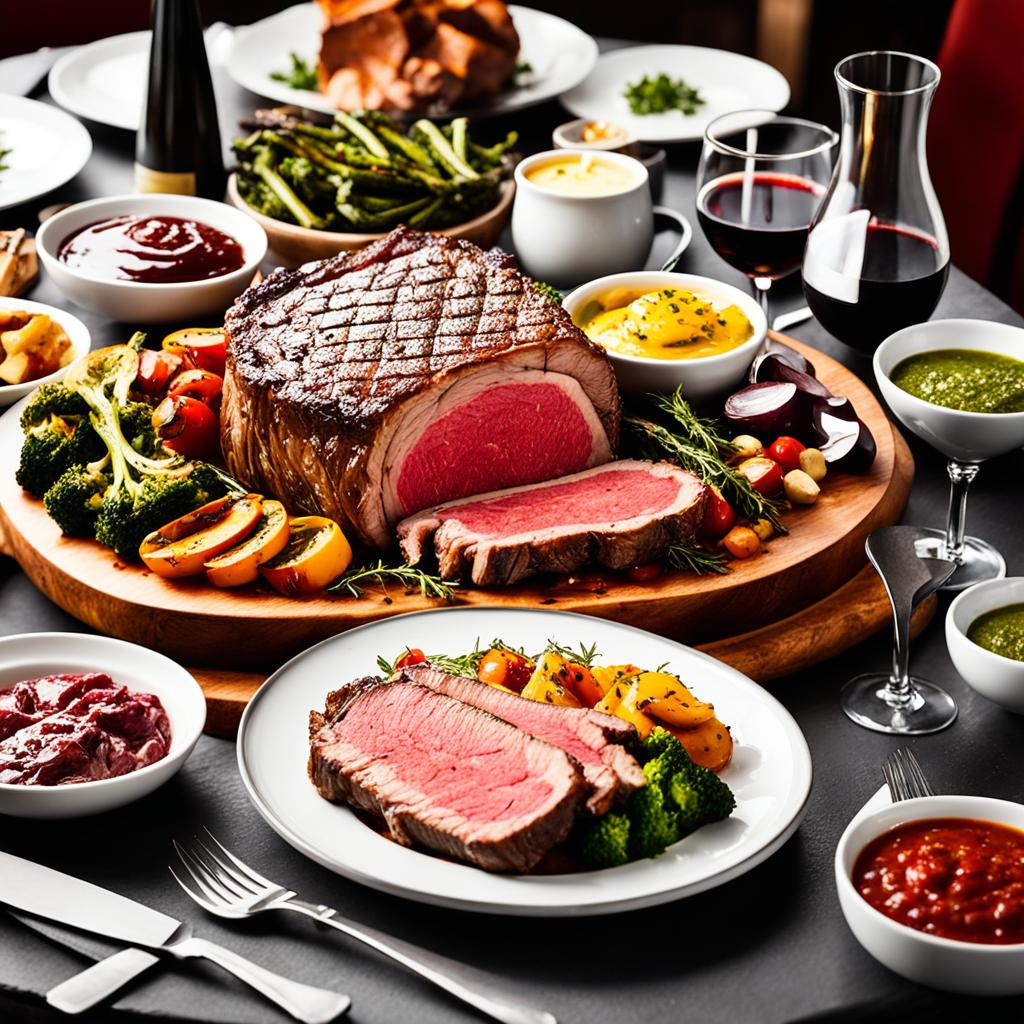
Enjoying a hearty prime rib or ribeye is better with great pairings. These cuts go well with foods that bring out their flavors.
Consider these sides with prime rib to match its tenderness:
- Garlic mashed potatoes: Creamy and rich, they balance the meaty flavors.
- Horseradish sauce: Provides a spicy kick, cutting through the richness of the meat.
- Seasonal vegetables: Roasted or steamed veggies add a fresh note to the plate.
Ribeye pairs nicely with sides like grilled asparagus or macaroni and cheese. They add fun textures and tastes that match the juicy steak.
Choosing the right wine makes the meal unforgettable. A bold Cabernet Sauvignon beautifully complements both cuts.
It has deep tannins and fruity notes that match the savory flavors. A rich Malbec is also great, especially with ribeye.
These food and wine choices make eating prime rib and ribeye an amazing experience. They highlight the best parts of these meats.
Conclusion
In the debate of prime rib versus ribeye, we’ve learned a lot. We now know the unique stories behind each steak. This insight helps us understand their special flavors and textures. Prime rib is known for being tender and full of flavor. On the other hand, ribeye is famous for its fat marbling and strong taste. It shines when grilled or seared.
We looked at different ways to cook these steaks. Slow roasting prime rib makes it extra delicious. Cooking ribeye quickly on high heat brings out its best. Both methods add something special to your meal. Whether you love the luxury of prime rib or the bold taste of ribeye, there’s a perfect steak for you.
Now, you’re ready to try cooking both cuts. Learning about and tasting each steak is fun. Both provide amazing tastes that are worth trying. So, why not cook both and see which one you like more? Enjoy your cooking journey!